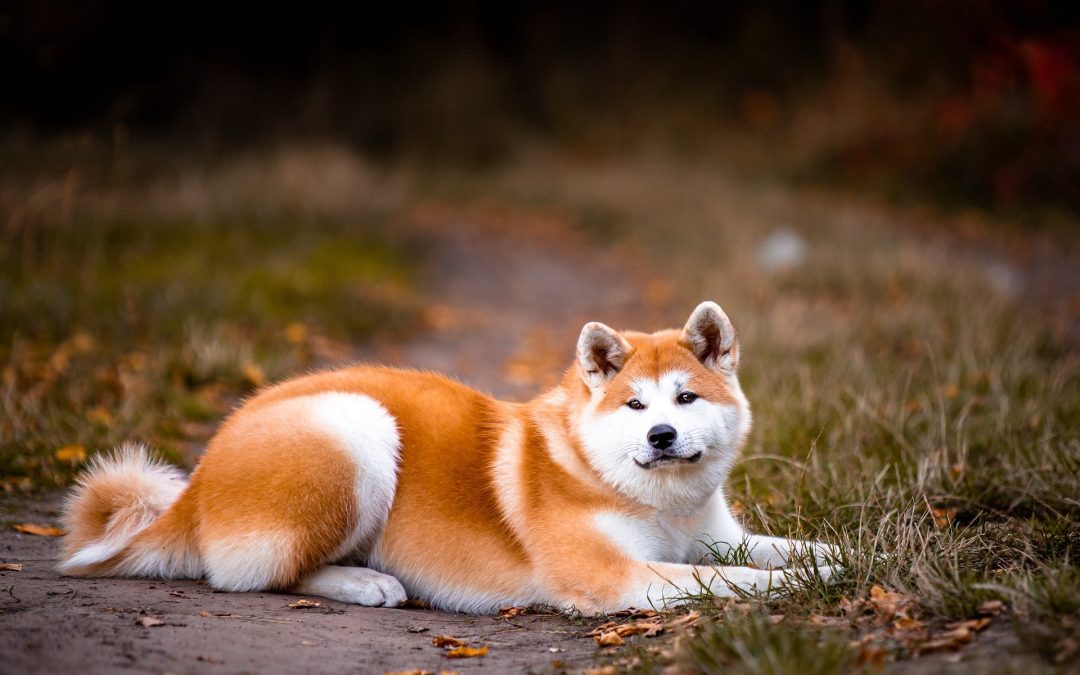
Akita Dog Adoption: 5 Things to Know Before You Bring One Home

Akita Dog Adoption: 5 Things to Know Before You Bring One Home

Quick Answer: Before adopting an Akita, know that they’re a large, powerful, independent breed best suited to experienced owners, with a strong tendency toward same-sex dog aggression, real breed-related housing and insurance restrictions in some areas, and health risks including hip dysplasia, sebaceous adenitis, bloat, and hypothyroidism. Adoption fees typically run a few hundred dollars and include spay/neuter, vaccines, and microchipping, far less than buying from a breeder, but expect a real adjustment period of weeks to months as a rescued Akita settles in.

Key Takeaways

  • Akitas are loyal and reserved but independent and strong-willed, best suited to owners who’ve handled powerful working breeds before.
  • Same-sex aggression is a real, well-documented breed trait, not a myth, and shapes how multi-dog households need to manage introductions.
  • Check your lease, HOA, and homeowners’ insurance before adopting, since Akitas are restricted or excluded in some housing and insurance policies.
  • Key health risks include hip dysplasia, sebaceous adenitis, bloat (GDV), and hypothyroidism, all worth asking a rescue or breeder about directly.
  • Give a newly adopted Akita weeks, sometimes months, to fully settle in and show its real personality.

Why Trust This Guide?

This guide is researched and written by the Pets Store Home editorial team, drawing on breed-club health data and rescue-organization adoption guidance for Akitas. It’s intended as general information; a rescue organization or vet can advise on specifics for an individual dog.

Akita Temperament: Loyal, Watchful, and Not for First-Time Owners

Akitas are calm, deeply loyal, and naturally reserved with strangers, traits that trace back to their history as Japanese hunting and guard dogs. They form intense bonds with their families and take a protective, watchful role in the household almost by default, without needing to be trained into it. That same independence and confidence, though, is exactly why breed experts and rescue groups consistently recommend Akitas for experienced dog owners rather than first-timers. This is a breed that reads people well, makes its own decisions in ambiguous situations, and doesn’t respond to harsh or inconsistent handling the way a more biddable breed might; it tends to shut down or push back instead.

None of this means Akitas are inherently aggressive toward people. Well-bred, well-socialized Akitas are typically calm and trustworthy with their own family, including children they’re raised alongside. What it does mean is that an owner needs to be able to read canine body language, manage a large, strong dog confidently in public, and stay consistent with training and socialization for the dog’s entire life, not just the first few months.

Same-Sex Dog Aggression Is a Real Breed Trait

This is one of the most important things to understand before adopting an Akita, and it’s not exaggeration or breed stereotyping: same-sex aggression is a well-documented, consistent trait in the breed, tracing back to its history as a fighting dog in Japan. Two intact Akitas of the same sex will very often eventually fight, sometimes seriously, and this tendency doesn’t fully disappear with spaying or neutering, even though it can reduce the intensity.

In practice, this shapes real household decisions. Many rescue organizations recommend single-dog households for Akitas, or, if a second dog is already in the home, one of the opposite sex with a careful, gradual introduction process. Dog parks are generally not recommended at all, given the unpredictability of interactions with unfamiliar dogs. Early, consistent socialization genuinely helps improve an Akita’s general tolerance and confidence around other dogs, but it’s realistic to expect some degree of selectivity to remain part of the dog’s personality for life, rather than something training fully erases.
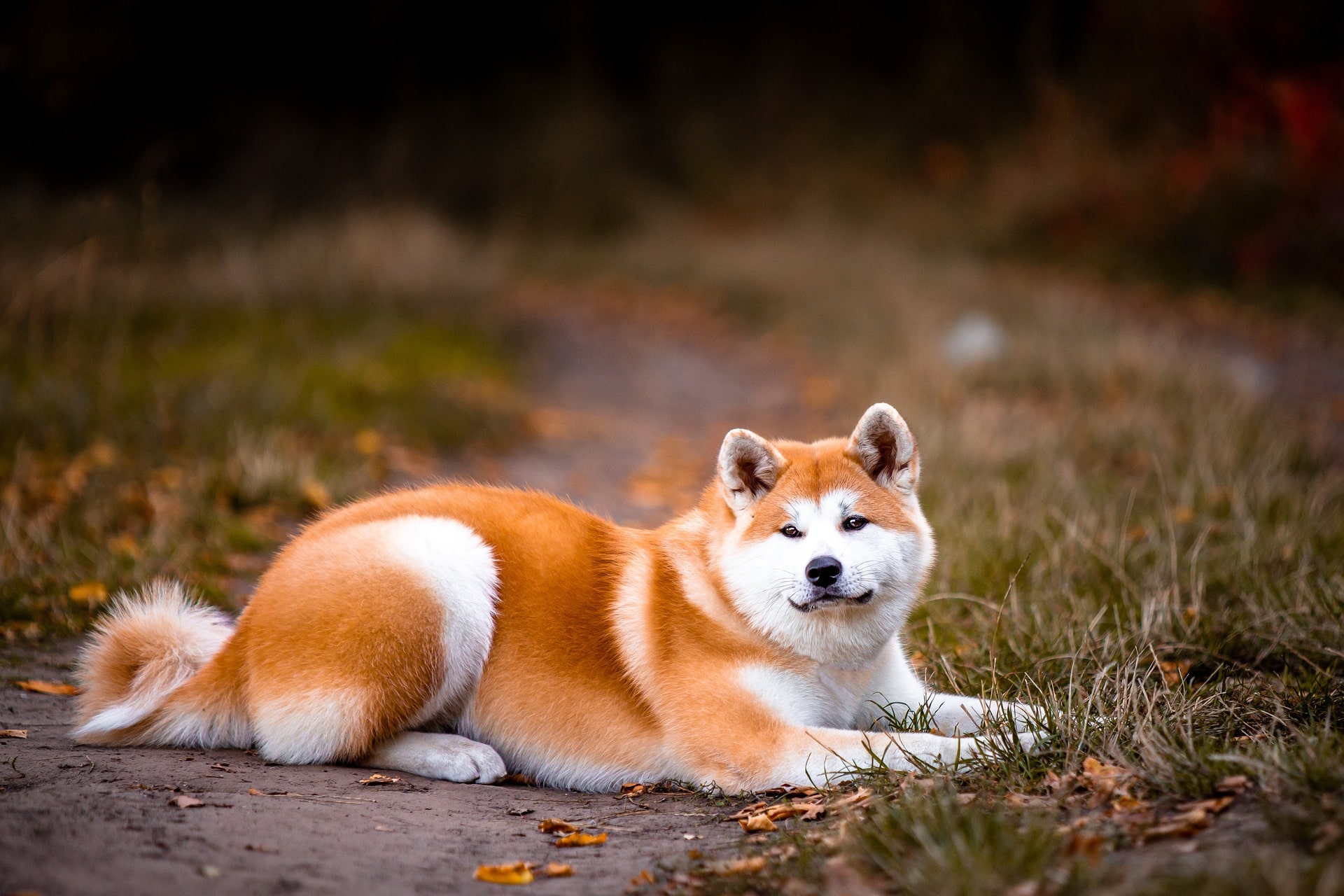
Akita dog standing outdoors

Check Housing and Insurance Before You Adopt

This step gets skipped more often than it should, and it can derail an adoption after the fact. Because of their size, strength, and reputation, Akitas are excluded or restricted by some apartment complexes, landlords, and homeowners’ insurance policies, sometimes alongside other breeds commonly grouped under breed-specific restrictions. Before starting the adoption process, confirm directly with your landlord, HOA, or insurer whether an Akita is permitted, since finding out after bringing a dog home creates a genuinely difficult situation for everyone involved, including the dog.

Exercise, Space, and Daily Life

Akitas are not hyperactive dogs in the way some working breeds are, but they’re large, powerful animals that need consistent daily exercise and genuinely benefit from having space to move. A securely fenced yard is a major advantage given their size and independent streak; an Akita that decides to investigate something interesting is not an easy dog to physically redirect. Daily walks, structured play, and mental engagement through training all help keep an Akita settled and prevent the boredom-driven destructiveness that can show up in any large, intelligent breed that isn’t getting enough to do.

Leash manners are worth prioritizing early given how strong an adult Akita is; our guide on how to stop a dog from pulling on the leash covers force-free training methods that work well for large, strong-willed breeds like this one.

Grooming Needs

Akitas carry a dense double coat that sheds year-round and blows out heavily twice a year during seasonal coat changes. Regular brushing, several times a week normally and closer to daily during a heavy shed, keeps loose fur under control and the coat healthy. Many owners find professional grooming appointments every few months helpful for managing the heaviest shedding periods, on top of routine at-home brushing. Beyond the coat, standard care applies: regular nail trims, ear checks, and dental care.

Health Issues Worth Asking About

Akitas are a generally sturdy breed with an average lifespan of around 10 to 13 years, but there are a handful of conditions worth understanding before adopting, and worth asking a rescue directly about if they have any history on the dog:

Hip dysplasia: A common concern in large breeds generally, where the hip joint doesn’t form correctly, leading to pain, lameness, and arthritis over time. Reputable breeders health-test for this; rescues may not have this history for an adult dog, so a vet check soon after adoption is a good idea.

Sebaceous adenitis: A skin condition more common in Akitas than in most breeds, where the skin’s oil-producing glands become inflamed, leading to hair loss, scaly skin, and secondary infections. There’s no cure, but it can be managed long-term with the right skincare routine and veterinary guidance.

Bloat (gastric dilatation-volvulus): A genuine emergency, not just discomfort. Large, deep-chested breeds like the Akita are at elevated risk of the stomach twisting on itself, cutting off blood flow. Knowing the warning signs, a distended abdomen, unproductive retching, restlessness, and drooling, and getting to a vet immediately if they appear, can be lifesaving.

Hypothyroidism: An underactive thyroid gland can cause weight gain, lethargy, skin and coat problems, and cold intolerance. It’s manageable with daily medication once diagnosed via a simple blood test.

None of these conditions are a reason to avoid the breed outright, but going in aware of them means catching problems earlier and budgeting realistically for potential veterinary costs down the road.

Adopting vs. Buying: Cost and Process

Adopting an Akita from a shelter or breed-specific rescue is significantly less expensive than buying from a breeder, and the adoption fee, typically a few hundred dollars, generally covers spaying or neutering, vaccinations, and microchipping, costs that add up quickly if handled separately. Breed-specific Akita rescues in particular tend to know their dogs well, often having fostered them in a home environment, which means they can give honest, specific guidance on a given dog’s temperament, including how it handles other dogs, children, and new situations.

Working with a rescue rather than a general shelter has a real advantage here: rescue volunteers who’ve fostered the dog can speak directly to red flags or reassurances that a shelter intake form usually can’t capture, which matters a lot given how much individual variation exists within this breed’s general temperament profile.

The Adjustment Period After Adoption

A newly adopted Akita, especially an adult, doesn’t arrive as its true self on day one. It typically takes a couple of weeks for a rescued dog to start understanding a new household’s routine, and up to several months before it’s fully settled and showing its real, relaxed personality. During this window, patience matters more than quick judgments about temperament. Introduce new people, places, and experiences gradually, keep a calm and predictable routine, and avoid overwhelming the dog with too much too soon, especially around other animals given the breed’s dog-selectivity. Early socialization work during this period, done gently and at the dog’s pace, pays off significantly over the following months; our guide on socializing a shy or fearful dog covers techniques that apply well to a newly adopted adult Akita too, not just puppies.

Is an Akita Right for Your Household?

Akitas tend to do best with owners who have prior experience with large, independent, or working breeds, a securely fenced yard, and realistic expectations about the dog-selectivity that comes with the breed. Confirmed permission from a landlord or insurer, a household prepared for significant grooming and potential vet costs, and, ideally, a single-dog or carefully matched opposite-sex household round out the picture. Families with calm, dog-savvy older children who understand how to respect a large dog’s space often do well with an Akita’s loyal, protective nature. If any of this sounds like more commitment than your household can realistically offer, it’s worth exploring other breeds before adopting; our guide to choosing a dog breed that fits your personality and lifestyle is a useful starting point for comparing options.

FAQ: Akita Dog Adoption

Are Akitas good with kids?
Often yes, especially with older, calm children the dog is raised or gradually introduced with, thanks to their loyal, protective nature. Supervision is still important given the dog’s size and independence.

Can two Akitas live together?
Opposite-sex pairs, carefully introduced, often do fine. Same-sex pairs carry a real risk of eventual serious conflict and generally aren’t recommended.

How long does it take a rescued Akita to settle in?
Expect a couple of weeks to start adjusting to routine, and up to several months before the dog is fully comfortable and showing its true personality.

Do Akitas need a lot of exercise?
Moderate to high. Daily walks, play, and mental stimulation matter more than extreme intensity, but they do need consistent daily activity and space to avoid boredom-driven behavior.

What health issues are most common in Akitas?
Hip dysplasia, sebaceous adenitis (a skin condition), bloat (a medical emergency), and hypothyroidism are the main ones worth knowing about and discussing with a vet.
Tracking Dog Training: How to Teach Your Dog to Follow a Scent Trail

Tracking Dog Training: How to Teach Your Dog to Follow a Scent Trail

Tracking Dog Training: How to Teach Your Dog to Follow a Scent Trail

Tracking is one of the few dog sports built entirely around a dog’s strongest sense rather than around obedience or agility. Instead of asking a dog to follow your lead, you’re asking it to lead you — using its nose to solve a puzzle you can’t see. Whether the goal is a competition title, search-and-rescue work, or just a mentally exhausting weekend activity for a high-energy dog, the underlying training method is the same: start small, build confidence, and increase difficulty gradually.

Quick Answer

Tracking training teaches a dog to follow a human scent trail on the ground using its nose, starting with short, fresh, straight-line trails marked with food and a scent article, then gradually adding turns, age (time between laying the trail and running it), varied terrain, and distractions. Most healthy dogs of any breed can learn basic tracking, since it relies on scenting ability every dog already has — the training process is what turns that natural ability into a reliable, directed skill.

Key Takeaways

  • Tracking, trailing, and air scenting are related but distinct disciplines — this guide focuses on ground tracking, the most common starting point for pet owners.
  • Training progresses through short, fresh, straight trails toward longer, older, more complex ones with turns and distractions.
  • A scent article (something the tracklayer touched) and a scent pad (where they stood at the start) anchor the dog to the correct trail from the outset.
  • The AKC’s tracking titles — TD, TDX, and VST — formalize this progression into a recognized certification path.
  • Most dogs can learn basic tracking regardless of breed; scent-hound and working breeds often progress faster, but the skill isn’t breed-exclusive.

In this article: How a Dog’s Nose Actually Works · Tracking vs. Trailing vs. Air Scenting · Equipment You’ll Need · Step-by-Step: Building the Foundation · Increasing Difficulty · AKC Tracking Titles · Common Training Mistakes · Troubleshooting · FAQ

Why Trust This Guide?

This guide is researched and written by the Pets Store Home editorial team, drawing on American Kennel Club tracking regulations and search-and-rescue and veterinary olfaction sources. It’s intended as general information for pet owners interested in scent work; for competition-specific coaching, work with a certified tracking club or instructor.

How a Dog’s Nose Actually Works

Tracking training works because it’s built on hardware every dog already has. A dog’s nose contains roughly 300 million olfactory receptors, compared to about 6 million in a human nose, and a dog can detect odors in concentrations as low as parts per trillion. Structurally, a dog’s nose also separates the job of smelling from the job of breathing: incoming air splits into two paths, with a portion routed to a dedicated olfactory chamber lined with turbinates — bony, scroll-like structures that slow air down and trap scent molecules against scent receptors. Dogs also exhale through slits on the sides of their nostrils rather than back out the front, which means outgoing breath doesn’t blow away the scent they’re trying to analyze on the next inhale.

Roughly one-eighth of a dog’s brain is devoted to processing smell, compared to a much smaller fraction in the human brain. None of this is something training creates — it’s already there in every dog. What training does is teach the dog which scent to prioritize, how to communicate what it’s found, and how to keep working a trail despite distraction, time, and changing terrain.

Tracking vs. Trailing vs. Air Scenting

These three terms get used loosely, but they describe genuinely different skills, and it’s worth knowing which one you’re actually training toward:

  • Tracking — the dog follows a specific person’s footstep path, keying in on the combined scent of crushed vegetation, disturbed soil, and human odor left along that exact route. A tracking dog stays close to the literal path the person walked and works with its nose low.
  • Trailing — the dog follows a person’s individual scent wherever it has settled, which may drift off the exact footpath due to wind. A trailing dog is allowed to cast off the original path if the scent has moved, working a scent cone rather than a fixed line.
  • Air scenting — the dog works with its head up, searching for airborne scent rather than ground-level trail residue, and moves toward the strongest concentration of scent in the air rather than following footsteps at all. This style doesn’t require a scent article or a defined starting point, and it’s commonly used in search-and-rescue over large, undefined search areas.

This guide focuses on ground tracking, which is the standard entry point for pet dogs and the discipline the AKC’s tracking titles are built around.

Equipment You’ll Need

Tracking gear is simple and inexpensive compared to most dog sports:

  • A tracking harness — not a collar. Pulling against a collar during tracking can cause neck strain over a long session and also gives the dog a confusing signal, since collars are typically used for loose-leash walking, not intense pulling.
  • A long tracking lead — typically 20 to 40 feet, allowing the dog to work well ahead of the handler without the handler influencing its path.
  • Scent articles — small items (a glove, a sock, a leather fob) that only the tracklayer has touched, left at the end of the trail for the dog to find and indicate.
  • Flags or stakes — useful early on for the handler to remember exactly where the trail goes, since you often can’t see the trail your dog is smelling.
  • High-value treats — small, soft, and fast to eat, since food is dropped along the trail in early training and used as an on-the-spot reward.

Step-by-Step: Building the Foundation

Every credible tracking program builds skill in the same order: short and easy first, then longer, older, and more complex over time. Here’s how that looks in practice.

Step 1: The Scent Pad and First Short Trail

Start by having the tracklayer (which can be the handler’s helper, or later the handler themselves) scuff their feet in one spot to create a strong, concentrated scent pad. From there, they walk a straight line no more than 25 to 50 yards, dropping small treats every few steps and ending with a scent article and a larger reward. The dog, held on the long line, is shown the scent pad and given a consistent starting cue (many trainers use a phrase like “find it” or “track”), then allowed to follow the food trail to the end.

At this stage, success should be nearly guaranteed — the trail is short, straight, freshly laid, and baited with food the entire way. The goal isn’t to test the dog yet; it’s to teach the dog what the game is and build a strong, positive association with the starting ritual.

Step 2: Removing Food From the Path, Not the End

Once the dog is reliably working the short straight trail, start spacing food rewards farther apart along the path rather than removing them all at once, while keeping a jackpot reward and the scent article at the end. This teaches the dog that the payoff comes from following the scent itself, not from finding food every few feet, which is the mental shift that eventually lets the dog work trails with no food on them at all.

Step 3: Adding Turns

A straight-line trail only tests scent-following in the loosest sense, since the dog can often see or anticipate where the tracklayer went. Adding a single 90-degree turn partway through the trail forces the dog to actually commit to following scent rather than sightlines, and turns should be introduced one at a time, with the dog succeeding consistently at each level before adding another.

Step 4: Aging the Trail

“Age” refers to the time between when a trail is laid and when the dog runs it. Fresh trails (a few minutes old) are far easier than trails aged 30 minutes, a few hours, or longer, since scent disperses and weakens over time. Age should increase gradually and independently of other difficulty factors — don’t add a longer trail, more turns, and more age all in the same session.

Increasing Difficulty: Terrain, Distraction, and Distance

Once a dog is reliably tracking short, aged trails with a couple of turns, difficulty can increase along several independent dimensions, ideally one at a time:

  • Terrain variety — moving from a mowed field to longer grass, then to mixed terrain with some pavement, gravel, or light brush, since scent behaves differently across surfaces.
  • Distance — gradually extending trail length well beyond the initial 25 to 50 yards, working up toward several hundred yards over weeks or months, not days.
  • Cross-tracks — a second, unrelated scent trail laid across the primary one, used to test whether the dog stays committed to the original trail rather than switching to the newer, fresher-smelling cross-track.
  • Multiple articles — placing more than one scent article along the trail, requiring the dog to indicate each one it finds, not just the final item.
  • Real-world distraction — other people, food smells, wildlife scent, and ordinary environmental noise, introduced gradually so the dog learns to work through them rather than being derailed by them.

AKC Tracking Titles: A Formal Progression

For handlers who want a structured goal, the American Kennel Club offers a titling path built on exactly this kind of graduated difficulty. A dog must be at least six months old and certified by an approved tracking judge before entering a test.

Title Trail Length Trail Age Turns Key Challenge
TD (Tracking Dog) 440–500 yards 30 min–2 hrs 3–5 Open field, minimal distraction, one article at the end
TDX (Tracking Dog Excellent) 800–1,000 yards 3–5 hrs 5–7 Cross-tracks, varied terrain, four articles to indicate
VST (Variable Surface Tracking) 600–800 yards 3–5 hrs 4–8 Mixed surfaces including pavement and vegetation-free areas

A dog that earns all three titles is awarded the Champion Tracker (CT) designation — one of the more demanding all-around achievements in AKC performance sports, since it requires success across open fields, aged and distracted trails, and hard urban-style surfaces.

Common Training Mistakes

  • Increasing multiple difficulty factors at once. Adding more turns, more age, and more distance in the same session makes it hard to know which factor caused a failed trail, and often overwhelms a dog that isn’t ready for all three at once.
  • Removing food too early. Pulling all food off the trail before the dog has built a strong scent-following habit often causes the dog to lose motivation partway through, since it hasn’t yet learned that the scent itself is the reliable path to reward.
  • Training only in one location. A dog that’s only ever tracked in the same backyard may struggle to generalize the skill elsewhere; varying location matters as much as varying difficulty.
  • Skipping the scent article introduction. Article indication (sitting, downing, or otherwise signaling a find) needs to be taught deliberately and rewarded heavily, not assumed to happen naturally.
  • Training in poor scenting conditions without adjusting expectations. Hot, dry, windy conditions degrade scent faster than cool, humid, still ones; a failed trail on a bad-scenting day doesn’t necessarily mean the dog has regressed.

Troubleshooting Common Problems

The dog keeps losing the trail at the same spot. Check whether that spot coincides with a terrain change, a turn, or a nearby distraction; if so, drop back to an easier version of that exact challenge before trying again.

The dog seems to be tracking by sight, not scent. This usually shows up on very short, straight, fresh trails where the dog can simply see where the person walked. Adding turns and using a helper the dog hasn’t watched leave breaks this reliance.

The dog won’t commit past cross-tracks. This is expected early in cross-track training; drop the age and length of the primary trail temporarily while keeping cross-tracks easy and obvious, then rebuild difficulty slowly.

Motivation drops on longer trails. Reintroduce more frequent food rewards partway through, then fade them again more gradually than before.

Which Dogs Excel at Tracking

Breeds developed for scent work — Bloodhounds, Beagles, German Shepherds, Labrador and Golden Retrievers, and other gundog and hound breeds — often progress faster and are heavily represented in search-and-rescue and competitive tracking. That said, tracking relies on an ability nearly every dog has; a dog’s motivation, focus, and the quality and consistency of training generally matter more to long-term success than breed alone. Brachycephalic breeds (those with short, flattened muzzles) can still track, though their reduced airflow and nasal structure may mean shorter working sessions and more frequent breaks compared to longer-nosed breeds.

Editor’s Insights

  • Resist the urge to help your dog on a track. It’s tempting to steer toward where you think the trail goes, but this undermines the entire point of the exercise and can teach the dog to watch the handler instead of working the scent.
  • Keep a simple training log noting trail length, age, turns, and weather conditions for each session. Patterns in what works and what doesn’t become much clearer over a few weeks of records than they do from memory alone.
  • A dog having an off day on a familiar difficulty level is common and doesn’t necessarily mean regression — scenting conditions vary daily with humidity, wind, and temperature.

Frequently Asked Questions

What age can a dog start tracking training?

Puppies can start very short, simple, food-based scent games as early as a few months old for fun and foundation-building, though formal AKC tracking tests require the dog to be at least six months old.

Do I need a certified trainer to teach tracking?

Not for basic recreational tracking with a pet dog, though joining a local tracking club can speed up progress significantly and is close to essential if the goal is competition titles or certification-level work.

What’s the difference between tracking and nose work or scent detection games?

Nose work and scent detection typically train a dog to find a specific target odor (often essential oils) hidden in a search area, while tracking trains the dog to follow a human’s ground scent trail from a known start point — related skills, but different applications.

Can any breed become a certified tracking dog?

Yes. AKC tracking tests are open to all breeds and mixed breeds; there’s no breed restriction on entering or earning tracking titles.

How long does it take to train a dog to track?

Basic short-trail tracking can be taught in a few weeks of short, consistent sessions, but building toward a TD-level trail (440+ yards, aged 30 minutes to 2 hours) typically takes several months of gradually increasing difficulty.

Why does my dog’s nose need to stay low during tracking?

Ground-level scent from crushed vegetation and disturbed soil is strongest close to the ground; a dog working with its nose up is more likely engaged in air scenting rather than following the specific footstep trail.

Is tracking tiring for a dog?

Yes, often more mentally than physically. A single focused tracking session can leave a dog as tired as a much longer walk or play session, since sustained scent discrimination is cognitively demanding.

Once your dog has the basics of a calm, engaged working mindset, that same focus tends to carry over into everyday life — a tired, mentally satisfied dog is often a quieter one. If barking has been an issue at home, our guide on what actually helps with constant dog barking covers practical fixes. Dogs bred for demanding scent and retrieving work also tend to need real physical outlets alongside nose work; our guide to whether dog backpacks are comfortable for dogs is worth a look if you’re building out a more active routine. And since tracking uses a long line rather than a standard leash, our guide on retractable leash injuries covers a related safety issue worth knowing about before adding a long line to your training gear.

Sources & References

  • American Kennel Club, “Getting Started in Tracking Events” and AKC Tracking Regulations — TD, TDX, VST title requirements and Champion Tracker designation
  • American Kennel Club, “Tracking: FAQ” — entry requirements, certification, and test structure
  • Nom Nom, “Understanding a Dog’s Sense of Smell”; PetMD, “8 Dog Nose Facts You Probably Didn’t Know” — olfactory receptor counts and nasal structure
  • University of Alaska Fairbanks, “A Nose 1,000 Times Better Than Ours” — comparative scenting ability
  • Police1 / K9 training resources, “Trailing versus tracking: The keys to success” — distinctions between tracking, trailing, and air scenting


Written by the Pets Store Home editorial team and fact-checked against the sources cited above. This article is for general educational information only and is not a substitute for guidance from a certified tracking instructor or search-and-rescue training program.

Last fact-checked: September 2026 — AKC title requirements, olfactory research figures, and tracking/trailing/air-scent distinctions were checked against the published sources listed above.

Help Your Dog Lose Weight

Help Your Dog Lose Weight

Quick answer: Safe, lasting weight loss in dogs comes from a vet-confirmed target weight, a measured calorie deficit based on your dog’s resting energy needs, and gradual exercise increases – not from cutting portions randomly or skipping meals. Most dogs safely lose 1 to 2 percent of their body weight per week; faster loss can risk muscle loss and liver complications.

Key Takeaways

  • A safe weight loss rate is roughly 1-2% of body weight per week; significantly overweight dogs may need a slower 0.5% pace.
  • Losing weight faster than 2% per week increases the risk of hepatic lipidosis, a potentially serious liver condition caused by rapid fat mobilization.
  • Resting Energy Requirement (RER) – calculated as (30 x body weight in kg) + 70 – gives you a starting point for how many calories your dog needs at rest, before adjusting for activity and weight loss goals.
  • A kitchen scale is far more accurate than a measuring cup for portioning dry food, since cup measurements can vary widely depending on how food settles.
  • Body Condition Scoring (a 9-point scale used by vets) is a more useful progress indicator than the bathroom scale alone, since it accounts for your dog’s frame and muscle mass.

Why Trust This Guide?

This guide draws on veterinary nutrition guidelines from organizations including WSAVA and AAHA regarding safe weight loss rates, resting energy calculations, and body condition scoring, adapted into a practical framework pet owners can follow at home alongside their veterinarian.

Step One: Confirm the Target With Your Vet

Before starting any weight loss plan, a veterinary visit is worth the time, even if your dog seems otherwise healthy. A vet can rule out medical causes of weight gain – hypothyroidism and Cushing’s disease are two common culprits in dogs – and confirm an appropriate target weight based on breed, frame size, and age, rather than a number you’re guessing at. This visit also gives you a baseline weight and Body Condition Score to track progress against over the following weeks.

Body Condition Scoring is a standardized 9-point scale that vets use to assess a dog’s condition by feel and sight rather than weight alone: can you easily feel the ribs with light pressure, is there a visible waist when viewed from above, and does the abdomen tuck up behind the ribs when viewed from the side? A dog can be at a technically “normal” weight for its breed but still carry excess fat if it has a naturally larger frame, which is why BCS is often a more reliable day-to-day indicator than the scale number alone.

Step Two: Calculate an Actual Calorie Target

Guessing at portions is one of the most common reasons dog weight loss plans stall. A more reliable starting point is calculating your dog’s Resting Energy Requirement, the calories needed to maintain basic body functions at rest. The standard formula endorsed by veterinary nutrition groups for dogs roughly 4 to 100 pounds is: RER = (30 x body weight in kilograms) + 70. For a 40-pound dog (about 18.2 kg), that works out to roughly 616 kcal per day at rest.

From there, RER is multiplied by an activity and life-stage factor to reach a Maintenance Energy Requirement, and for weight loss specifically, that target is typically reduced further, often to somewhere around 80% of the calories needed to maintain the dog’s current (overweight) body weight, adjusted based on how your dog responds over the following weeks. Because these multipliers vary by individual dog, working from your vet’s specific recommendation rather than a generic online chart gives you a more accurate and safer starting point.

Once you have a daily calorie target, weigh your dog’s food rather than relying on the scoop that came with the bag. Studies on pet food scooping have found that standard measuring cups can under- or over-deliver actual portions by a wide margin depending on how the kibble settles and how full the cup is packed, which can quietly undermine an otherwise well-planned diet. A basic digital kitchen scale removes this guesswork almost entirely.

Step Three: Structure Feeding, Don’t Just Restrict It

How you feed matters almost as much as how much. Splitting the daily calorie total into two or three smaller measured meals, rather than one large meal, tends to reduce begging behavior and keeps a dog from feeling as though it’s going hungry for long stretches, since a dog naturally used to two meals a day going down to one restricted meal can feel deprivation more acutely than the calorie math alone suggests.

Treats are a frequent, underestimated source of extra calories. A single medium training treat can represent a meaningful percentage of a small dog’s daily calorie allowance, and many owners don’t account for treats at all when planning a diet. A practical approach is to set aside a portion of the day’s measured food to use as training rewards throughout the day, rather than treating “treats” as separate from the calculated total. For genuinely low-calorie treat options, small pieces of plain cooked vegetables like green beans or carrots can satisfy the reward behavior with a fraction of the calories of commercial treats.

Free-feeding – leaving food out all day for a dog to graze on – makes portion control essentially impossible and is worth abandoning entirely during a weight loss plan, even if it’s been the household habit for years. Scheduled meals also make it much easier to notice if your dog’s appetite or eating behavior changes, which can be an early sign worth mentioning to your vet.

Step Four: Add Exercise Gradually and Safely

Exercise supports weight loss, but it isn’t a substitute for calorie control – a dog would generally need to walk for a considerable distance to burn off the calories in a single handful of high-calorie treats, so diet does most of the work while exercise supports muscle maintenance and overall health. That said, gradually increasing activity helps preserve lean muscle mass during weight loss and improves cardiovascular fitness, mobility, and mood along the way.

For a significantly overweight or previously sedentary dog, jumping straight into long runs or intense play sessions can strain joints and increase injury risk, particularly in larger breeds already carrying excess weight on their joints. Starting with short, low-impact walks – five to ten minutes, a few times a day – and gradually extending duration over several weeks lets your dog build fitness without overloading joints that are already under extra strain from the excess weight.

Swimming, where accessible, is a particularly joint-friendly option for overweight dogs, since the water supports much of the dog’s body weight while still requiring cardiovascular effort. For dogs with existing joint issues or arthritis, discussing an exercise plan with your vet first helps you avoid a program that does more harm than good.

Step Five: Track Progress the Right Way

Weighing your dog weekly, at the same time of day and ideally on the same scale, gives you a consistent trend line rather than noisy day-to-day fluctuations that can be caused by hydration, recent meals, or bathroom habits. If your dog is small enough, a home bathroom scale works by weighing yourself holding the dog, then weighing yourself alone, and subtracting the difference; for larger dogs, many vet clinics will let you use their scale between appointments at no charge.

A weight loss rate of roughly 1-2% of current body weight per week is the generally accepted safe range – for a 60-pound dog, that’s about 0.6 to 1.2 pounds a week. Dogs that are severely overweight often start at the slower end of that range, closer to 0.5% per week, since their overall weight loss plan spans a longer period and gradual loss reduces strain on the body. If your dog is losing weight noticeably faster than this range, that’s worth flagging to your vet rather than treating it as extra progress, since rapid fat mobilization can overwhelm the liver’s capacity to process it, a serious condition called hepatic lipidosis.

Photos taken from the same angles every few weeks – from above and from the side – can make gradual changes more visible than the number on a scale alone, since visible waist definition and rib coverage often become noticeable before the total weight change feels significant.

Common Mistakes That Stall Weight Loss

Underestimating treats and table scraps is probably the single most common reason a seemingly reasonable diet plan doesn’t produce results. Every household member feeding the dog needs to be on the same page about the plan, since a “just one bite” from each family member can add up to a meaningful daily calorie surplus without anyone realizing it.

Switching food brands or formulas partway through a weight loss plan without recalculating portions is another common misstep, since calorie density varies considerably between products – a cup of one brand’s kibble can contain meaningfully more or fewer calories than a cup of another, even if both are marketed as “weight management” formulas. Checking the calorie content on the packaging (usually listed as kcal per cup or per kg) rather than assuming similar products are interchangeable helps avoid this.

Weighing too frequently and reacting to daily fluctuations is a subtler mistake that can lead to unnecessary portion changes based on noise rather than an actual trend. Sticking to a weekly weigh-in, tracked over several weeks, gives a much clearer picture of whether the plan is working.

Finally, stopping the plan once the scale number looks better, without transitioning to a maintenance calorie level, often leads to regained weight within a few months. Weight loss and long-term weight maintenance are different phases requiring different calorie targets, and moving to a maintenance plan – typically recalculated once the target weight and BCS are reached – helps lock in the results.

Special Considerations for Certain Dogs

Senior dogs – who may already be showing age-related behavior changes – dogs with existing joint conditions like arthritis, and certain breeds prone to joint problems (larger breeds and some brachycephalic breeds among them) may need a modified approach that leans more heavily on diet than exercise, at least initially, to avoid straining joints already under extra load. A vet or veterinary nutritionist can help tailor the plan appropriately.

Spayed and neutered dogs generally have somewhat lower calorie needs than intact dogs of the same size, which is worth factoring into calorie calculations, since a generic online calculator that doesn’t account for this can overestimate a reasonable starting calorie target. Similarly, very active working or sporting breeds may need to be reassessed if their exercise routine changes significantly, since their calorie needs can shift accordingly.

If your dog has an underlying medical condition contributing to weight gain, such as hypothyroidism or kidney issues requiring a specialized low-protein diet, weight loss alone may not resolve the issue without also addressing the underlying condition through appropriate veterinary treatment – this is part of why the initial vet visit matters so much before starting a plan.

Choosing the Right Food for a Weight Loss Plan

Not every dog needs a specialized “diet” food to lose weight – for many dogs, simply feeding a correctly measured portion of their current food achieves the goal. That said, therapeutic weight-loss formulas, typically available through a vet, or a personalized nutrition plan,, are formulated with higher protein and fiber relative to calories, which helps preserve muscle mass and keep a dog feeling satisfied on fewer calories than a standard maintenance formula. These tend to work best for dogs that need a larger amount of weight loss or that have struggled with hunger on a reduced portion of their regular food.

Reading a pet food label correctly matters more than most owners realize. The “guaranteed analysis” on the back of a bag lists percentages of protein, fat, fiber, and moisture, but comparing calorie density between products requires looking at the kcal per cup or kcal per kg figure, which isn’t always prominently displayed and sometimes needs to be requested from the manufacturer directly. Two foods with similar protein percentages can have meaningfully different calorie counts once fat content and moisture are factored in, which is part of why switching foods without rechecking the numbers can quietly derail a weight loss plan.

Wet food can be a useful tool for some dogs on a diet, since its higher moisture content means more volume and a feeling of fullness for a given calorie count compared to the same calories in dry kibble. This isn’t universally true across all wet food products, though, so the same calorie-checking principle applies – a calorie-dense wet food doesn’t automatically mean fewer calories than dry food.

Keeping the Whole Household on Board

A weight loss plan tends to succeed or fail based on household consistency far more than on the specific diet or exercise plan chosen. If one family member is quietly feeding the dog extra snacks while another is carefully measuring meals, the calorie math falls apart regardless of how precise the official plan is. Having an honest conversation with everyone who feeds or treats the dog – including dog walkers, pet sitters, or family members who visit regularly – about the plan and why it matters helps prevent this kind of well-meaning sabotage.

Visual feeding charts posted near where food is stored, listing the daily calorie or portion target along with how much has already been fed that day, can help multiple household members stay coordinated without constant verbal check-ins. Some households find it easier to designate a single person as responsible for all measured feeding during the weight loss period, simply to remove ambiguity about who fed what and when.

Guests and visitors are another common source of unplanned calories, particularly around holidays or gatherings, since a dog begging at a party can receive food from several different people without anyone realizing the cumulative total. A brief heads-up to guests, or keeping the dog in a separate area during meals and parties, can prevent an otherwise well-managed week from being undone in a single evening.

FAQ: Helping Your Dog Lose Weight

How much weight should my dog lose per week? A generally safe range is 1-2% of current body weight per week, with severely overweight dogs sometimes starting closer to 0.5% per week on your vet’s recommendation.

Is it safe to just feed my dog less of their current food? It can work as a starting point, but calculating an actual calorie target based on your dog’s Resting Energy Requirement, confirmed with your vet, gives more reliable and safer results than an arbitrary portion reduction.

Should I switch to a “weight management” or “light” dog food? These formulas can help, but check the actual calorie content per cup rather than assuming the label alone guarantees fewer calories – some “light” formulas aren’t dramatically lower in calories than standard formulas.

How do I measure my dog’s food accurately? A digital kitchen scale is significantly more accurate than a measuring cup, since cup measurements can vary widely depending on how the kibble settles.

Can exercise alone help my dog lose weight without changing their diet? Exercise supports muscle maintenance and overall health, but calorie intake plays the larger role in weight loss – a dog would need a substantial amount of exercise to offset an unmanaged diet.

What is Body Condition Score and why does it matter? It’s a standardized 9-point scale vets use to assess fat coverage by feel and sight, and it often reflects meaningful changes before the number on the scale does.

My dog seems hungrier than usual on the diet – is that normal? Some increased hunger is common initially, especially when transitioning from free-feeding to scheduled meals; splitting food into smaller, more frequent meals and using part of the daily ration as training treats can help manage this.

How long does it typically take for a dog to reach a healthy weight? This depends heavily on how much weight needs to come off, but following the 1-2% per week guideline, a dog that’s significantly overweight may need several months of gradual, sustained loss rather than a quick fix.

What happens if my dog loses weight too quickly? Rapid weight loss can risk muscle loss and, in more serious cases, a liver condition called hepatic lipidosis caused by fat being mobilized faster than the liver can process it – this is a reason to involve your vet if weight is dropping faster than expected.

Do I need to change my dog’s calorie target once they reach their goal weight? Yes – transitioning to a maintenance calorie level once the target weight and Body Condition Score are reached helps prevent the weight from creeping back on.

Does Breed Energy Level Affect Weight Loss Plans?

A dog’s natural energy level plays a real role in how easily a weight loss plan works – a high-drive breed built for constant activity generally sheds excess weight faster with the right exercise routine than a naturally low-energy breed does. If you’re curious how personality and energy level pair with different breeds more broadly, this zodiac sign dog breed guide breaks down which temperaments tend to match which activity needs.

Wondering When Growth Actually Stops?

If you are tracking your puppy’s growth, our guide on when a Mini Goldendoodle is full grown breaks down the real timeline – skeletal height, weight, and coat development – so you know what to expect at each stage.

Considering a Giant-Sized German Shepherd Mix?

If you are weighing a giant-breed cross, our guide to the Irish Wolfhound German Shepherd mix explains why size is so unpredictable in this pairing, plus real temperament, health, and cost expectations.

How to trim hair around privates dog grooming

How to trim hair around privates dog grooming

Quick Answer: Trimming the hair around a dog’s private areas is best done slowly and carefully with rounded-tip scissors or clippers with a guard, working with the coat’s natural direction, and it’s worth going slowly or asking a professional groomer if your dog is wriggly or this is unfamiliar territory.

Key Takeaways

  • Use rounded-tip safety scissors or a clipper guard to avoid nicks.
  • Work in good lighting with your dog calm and well-supported.
  • Trim small amounts at a time rather than rushing.
  • Reward calm behavior to build positive associations with grooming.
  • A professional groomer is a safer choice for nervous or wriggly dogs.

Why Trust This Guide?

This guide is researched and written by the Pets Store Home editorial team, drawing on general veterinary and animal-care information. It’s intended as general information; consult your vet for advice specific to your pet.

How to trim hair around privates dog grooming

A dog owner may wonder how to trim the hair around their dog’s privates. Using a large towel, position your dog on its side or belly. Gently pull the fur around the prepuce. Ensure not to cut any skin near the privates; too short hair can cause infection. After trimming, give your dog a warm bath to soothe the irritated sanitary area.

Dogs with short hair often require sanitary trims or “potty cuts” to prevent the poop and pee from becoming entangled. This hair traps dirt, urine, and faces and can create an environment for bacteria to flourish. Many dog owners have noticed that their dogs self-clean their genitals, but some dogs may need regular cleanings. Gentle wiping can be helpful for males in heat, as well as females who are out of the heat.

Ideally, the hair around the feet of your dog should be trimmed to be flush with the floor. You can do this using blunt nose scissors, but many groomers use clippers with special trimmer blades. The hair around the feet can quickly become mattified and traps dirt, other matter, and moisture.

While trimming around the genital area may be challenging, it is essential to dog grooming. This area is prone to matting and urinary tract infections, so it is vital to cut it down. And remember, a dog’s genitals are not only beautiful, but they also have an effect on its general health.

After shaving the belly, you can also trim the legs. Then, for a more effortless belly shave, you can stand the dog up with its legs, resting its feet on a shoulder, or place the footrest against the dog’s back legs. Remember, however, that the tuck-up area is susceptible, and you must be extra careful not to nick it. If you miss this area, your dog may suffer a nasty injury.

First, trim the hair around your dog’s private parts, and de-mat the dog’s fur. Once the coat is clean, comb it out and make sure it is de-matted. Next, comb the hair to the rear and over the rump. Then, locate the “vent” and cut the hair over the vent. Finally, clip the hair around the vent and away from the vent.

While clipping the hair around your dog’s privates may seem like a simple process, you must consider your pet’s skin and coat type before proceeding. If the hair is too short, it may cause large hard plugs that feel like stones in your shoes. Therefore, whether your dog needs a haircut or a clean-shave, it is essential to assess the skin and coat type before you start the process.

While trimming the hair around your dog’s vulva may seem simple, it’s crucial to avoid cutting the skin too closely, as this could cause a significant injury. Taking the dog to a professional for a trim is the best way to protect it from pain. Make sure your dog is relaxed before attempting the procedure and that you use a size ten blade. Taking your dog to a groomer can also help you save money by traveling to them.

It’s also essential to remember that shaving your dog’s privates is very delicate and intimate. If your dog refuses to cooperate, it may try to push you away while you work. However, if the grooming procedure is performed correctly, the dog will be relieved of any discomfort. In addition, it can also help your dog’s mental state. Therefore, you should never force your dog to have a private grooming session.

How to trim hair around privates dog grooming

How to bathe your dog? Dog grooming steps

Knowing how to bathe your dog can make the whole process easier. Listed below are the steps you should take when bathing your dog. Before you begin, be sure to know your dog’s size and breed. Having an assistant to help you holds the dog’s head is a good idea, as they tend to shake their heads when they’re wet. Hang on to the head while bathing your dog, and use a towel to wipe off the water. Also, remove the dog’s collar. If possible, use a nylon collar, as leather can shrink when wet and choke a dog.

If your dog is older or has a health condition, you may want to start slowly. Introduce the tub and equipment to the dog and praise and reward them for behaving well. If you encounter a reaction to the bath, stop and try again the next day. A familiar environment will make bathing your dog more bearable. If your dog is afraid of the tub, introduce the bathing process slowly.

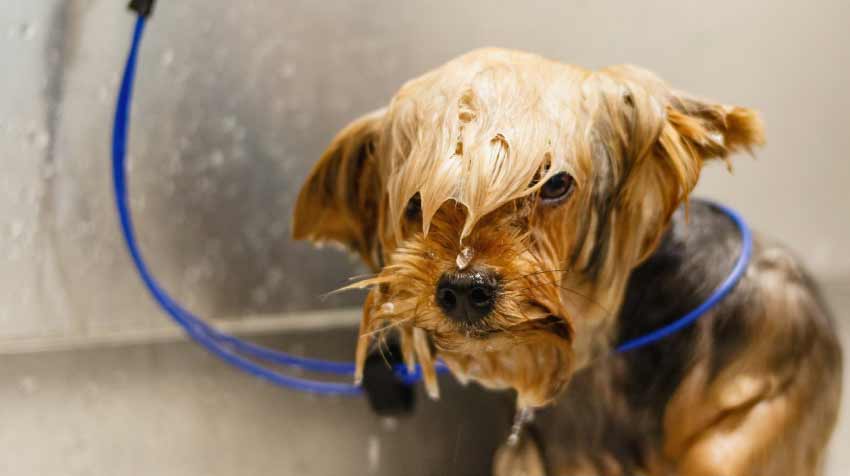
Depending on your dog’s fur, some dogs will need fewer baths. Make sure to brush it regularly as this will help remove loose hair and tangles. Oftentimes, dogs try to escape from the bath and run away. If this happens, use a grooming loop attached to a tie-out stake or faucet.

After cleaning your dog’s face, you can begin washing his head. For this part, Easton suggests using a washcloth soaked in clear or soapy water, then washing your pet’s head. The head should be thoroughly rinsed before a bath, but if your dog is sensitive, it might require a second shampoo.

Shampoo, conditioner, and a towel are great items to have nearby. Keep treats in a pocket while you clean your dog. Make sure your dog stays calm during the bath and is comfortable while you wash it. Some are too harsh and need to be diluted with water.

First, wet your dog’s fur thoroughly before applying shampoo. You can also use a bathtub if you’d prefer. Remember to avoid the face area, eyes, and ears. Make sure the shampoo gets to the skin, and then rinse thoroughly. Finish by towel-drying your dog and rewarding him for a good job.

Before bathing your dog, brush his fur and remove any tangles. Don’t forget to brush the fur to remove matting, which can cause tangles. If you’re worried that your dog will be nervous, offer him a few treats so he doesn’t get nervous. If all else fails, give him some treats during the bath.

If you’ve never bathed your dog before, you’re missing out on some important steps. First, prepare the shampoo and water. Use a pre-mixed solution to ensure the shampoo has enough water for an even lather on your dog’s coat. If your dog has short hair, pour shampoo down the front of its body.

Lastly, you must choose a safe location to bathe your dog. Be sure to use a table or extra work space in the bathroom to bathe your dog. Choosing a safe location is important because your dog should be comfortable. Ultimately, this should be a relaxing experience for both of you. If you don’t want to make the entire process stressful, consider hiring a professional groomer.


pet insurance colorado cost

Having the right tools makes a real difference for sensitive grooming tasks like this one. Our guide to professional dog grooming equipment covers clippers, blades, and other essentials worth having on hand.

Tibetan Mastiff Puppy Price in USA

Tibetan Mastiff Puppy Price in USA

Quick Answer: Tibetan Mastiff puppies in the USA typically cost between $2,000 and $7,000, with prices climbing well beyond that for dogs from show-quality or highly sought-after bloodlines, reflecting the breed’s rarity and the extensive care large guardian breeds require.

Key Takeaways

  • Price varies widely with bloodline, lineage, and breeder reputation.
  • Show-quality or rare-color puppies can command significantly higher prices.
  • Budget for ongoing costs too, since this is a large breed with substantial food and vet expenses.
  • Ask breeders for hip, elbow, and other health clearances on the parents.
  • Avoid unusually cheap Tibetan Mastiffs, which may signal skipped health testing.

Why Trust This Guide?

This guide is researched and written by the Pets Store Home editorial team, drawing on general veterinary and animal-care information. It’s intended as general information; consult your vet for advice specific to your pet.

Tibetan mastiff puppy price in USA: A Tibetan Mastiff puppy is the perfect addition to any family. Their oversized, double coats range from black to chocolate brown to slate grey with tan markings. Their coat texture is soft and coarse with wool-like undercoats. Their eyes are a rich, amber hue. Their fur also requires daily brushing and nail trimming.

The first step in training your new dog is to socialize it. Since Tibetan Mastiffs are naturally reserved toward strangers, it is essential to socialize your new dog from a young age. Likewise, you can invite visitors over regularly to practice greetings and socialize with other dogs.

Choose a reputable breeder if you plan to buy a Tibetan Mastiff puppy. Tibetan Mastiff breeding is a highly competitive industry, and some wealthy Chinese people have been known to pay up to $3 million for a puppy. Therefore, always purchase your Tibetan Mastiff puppy from a reputable breeder with a solid pedigree. You will have a healthier dog and fewer health problems by paying a higher price upfront.

They require extra health screening before you bring home your new puppy, so be sure to read up on their health and training history. It would be best if you also considered buying a Tibetan Mastiff puppy from a breeder that meets Kennel Club Assured Breeder requirements. If possible, find a breeder accredited to breed Tibetan Mastiff puppies.

What is the Price of a Tibetan Mastiff? Price Guide for 2023.


You can definitely get a good idea of the costs associated with getting a Tibetan Mastiff based on the size and grandeur of the breed. The query, however, asks. What is the price of a Tibetan Mastiff?


Here is a useful article to assist you make a decision if you want a thorough explanation of the costs associated with owning a Tibetan Mastiff.

Tibetan mastiff puppy price

The price of a Tibetan mastiff puppy is high, but how rare is this breed? Unfortunately, the species is so expensive that it has become a status symbol in China, and the price tag can range from $1,500 to $5,000. However, if you want to own a Tibetan mastiff puppy, there are many ways to reduce costs. In this article, we will look at the factors determining the price of a Tibetan mastiff puppy and some tips for avoiding a hefty purchase.

Among the expenses in raising a Tibetan Mastiff puppy are deworming, vaccinations, and antiparasite medications. Depending on your area and the veterinarian you choose, these treatments can run anywhere from $100 to $3,500 per year. In addition, some breeders may use a longer-acting medication, costing an additional $50 to $200. In addition to regular visits to the vet, a Tibetan mastiff puppy will require a complete series of routine tests, including vaccinations and deworming.

Purchasing a Tibetan Mastiff puppy is an investment in the life of your new family member. While the price is high, it is worth the effort and patience you’ll put into training your new pet. These breeders are highly devoted to their work and offer various clothing and accessories in many colours and designs. As a result, Tibetan Mastiff puppy prices can vary from $245 to $925.

Cost of a Tibetan Mastiff Puppy on Average


A Tibetan Mastiff puppy can be purchased from reputable breeders for anywhere between $1,500 and $6,000, although the price can rise dramatically based on the characteristics and quality of the dog.

The final cost of the puppy depends on a variety of factors, including bloodline, conformation, age, gender, and markings.

Although the price of a Tibetan Mastiff from a reputable breeder may seem absurdly exorbitant, you can be sure that these puppies were produced in an ethical manner and are of the highest calibre.

If the cost from breeders is still unappealing to you, adopting rescue Tibetan Mastiffs is a less expensive and more honourable choice.

Factors Affecting a Tibetan Mastiff Puppy’s Price


A Tibetan Mastiff puppy’s price range has previously been specified, however some characteristics of each dog can sharply lower or raise its price.

Given this, it would be useful to understand how the characteristics of Tibetan Mastiffs affect their cost in order to find one that meets your needs at an affordable price.

The following elements have an impact on Tibetan Mastiff pricing:


Age of the Dog: In general, younger Tibetan Mastiffs are more expensive than older ones. Although getting an older dog would be substantially less expensive, you would miss out on the more exuberant puppy years.


Bloodline: Reputable breeders frequently display their prize-winning TMs, which significantly affects the cost of their puppies. Puppies from these famous parents frequently inherit their parents’ exceptional qualities in addition to prestige.


Registration papers: While purchasing a Tibetan Mastiff puppy from a respected breeder ensures that the dog will be of high quality, registration papers also give your dog additional protection and advantages. But the cost of this extra documentation is higher.


Training: Puppies of Tibetan Mastiff breeders may begin training as early as three months old. Although some may think it is unneeded, obedience training makes it much simpler for prospective owners to advance to more difficult instruction.


If you intend to enter your future Tibetan Mastiff in dog competitions, you should be informed of any specific marks that the American Kennel Club has authorised regarding looks (AKC). More expensive than usual markings are typically those that are rarer.


In addition to the ones already mentioned, the reputation of the breeder and the gender of the dog can affect the puppy’s price. For this reason, you ought to talk to Tibetan Mastiff breeders and owners as well.


Watch this video of a Tibetan Mastiff being trained as well. You’ll comprehend more fully why they are pricey.

What Is the Price to Adopt a Tibetan Mastiff from a Rescue?


Tibetan Mastiffs are uncommon, however they can be adopted via rescue organisations and animal shelters. Adopting one will set you back $500 to $1,000.


Although some potential owners may still find the pricing to be expensive, it is actually a fair price.


The costs of a Tibetan Mastiff, including those for food, medical care, and lodging, are covered by rescue organisations while also taking into account the breed’s size.


If you don’t want to breed Tibetan Mastiffs, adoption is an excellent choice because rescued dogs are usually neutered. Most centres also make sure that their immunisation records and medical information are current.


Adopting a Tibetan Mastiff is undoubtedly a more sensible and cost-effective choice, but the nicest part is that you’re giving a dog a second chance at a happy life.

Complete Guide to Adopting Dogs: What to Do, What to Ask, and How to Be Accepted.


Cost of Purchasing a Tibetan Mastiff


You may already be aware that you will need to budget for additional expenses on top of the price of the Tibetan Mastiff puppy.


To guarantee that your Tibetan Mastiff lives a happy and healthy life, you will also need to take into account other contributing costs.


The typical costs you’ll need to budget for as you become a Tibetan Mastiff parent are listed below.


Food and Treats: You must choose a dog food brand that is suitable for your Tibetan Mastiff because not all dog kibbles are created equal. Treats are also crucial because you’ll need them for the foundational training. These items cost between $100 and $120 in total.


Tibetan Mastiffs need bowls that can suit their size because they are one of the biggest dog breeds. You should expect to pay between $15 and $35 for a pair of good bowls.


Bed: Even if dogs prefer to sleep on the hard ground, Tibetan Mastiffs should nevertheless be placed on a softer surface to support their enormous weight. Between $50 to $200 can buy a good dog bed, and beds in this range can guarantee your pet’s comfort.


Crate: When relocating your Tibetan Mastiff to your home, a crate will undoubtedly be necessary. You can buy a sturdy and adequate box for your woofer for anywhere from $60 to $500.


Leash and collar: Exercise is crucial for all dog breeds. To walk your Tibetan Mastiff everywhere they need to go, you will need a leash and collar. To walk your TM securely, you’ll need to spend between $15 and $50 on a high-quality set.


Toys: A Tibetan Mastiff’s powerful jaws can easily chew through your furniture. That is something that no owner would desire, thus it is best to keep them occupied with toys. Toys of this size often cost $30 to $50, but depending on how quickly your TM destroys them, you may need to replace them.


Essentials of grooming: Despite appearing fluffy, Tibetan Mastiffs shed very little. But once a year, they still shed more than usual. The cost of their size for grooming necessities like shampoos, balms, and nail clippers ranges from $40 to $180.


Deworming, flea, and tick medications: Since they are still puppies, the expense of their antiparasitic medications, which can range from $50 to $200, is surprisingly affordable. Some breeders also utilise long-acting drugs, which may last during your ownership, saving you some money.


Initial Vet Visits: You must take your new Tibetan Mastiff to the vet right away after receiving them. To assist you in deciding if your pet requires medical care, veterinarians typically perform a number of standard tests that range in price from $100 to $300.


Initial Vaccinations: Having your Tibetan Mastiff vaccinated will help prevent several fatal infections. You can shield your woofer from a number of fatal illnesses, including rabies, canine parvo, and distemper, for for $75 to $200.

Before being adopted, Tibetan Mastiffs from rescues are frequently already neutered or spayed. However, if you get your Tibetan Mastiff from a breeder, a veterinarian will need to neuter or spay your Tibetan Mastiff. If there are no difficulties, you will pay between $50 and $500 for this straightforward surgery.


Dog licence: Even while not all states mandate dog owners to have licences, having one is still very necessary, especially in the event that your Tibetan Mastiff gets missing. The cost to register and get a dog licence ranges from $10 to $20.


In addition to wearing a collar and tag, your Tibetan Mastiff should also be microchipped as an added safety measure in case it gets lost. For $40 to $60, your veterinarian will microchip your Tibetan Mastiff.


Miscellaneous Supplies: You’ll eventually require a variety of pet supplies for your Tibetan Mastiff, which are readily available on the market. The price range for disinfectants, poop bags, vitamins, and similar items is $15 to $30.

The breakdown of the initial costs for buying a Tibetan Mastiff is provided below:


The overall cost would drastically vary from $650 and $2,445; this already takes into account elements like your location, the quality of the service, and the quality of the goods.


Annual Tibetan Mastiff Ownership Cost


After going through the upfront costs of owning a Tibetan Mastiff, it’s time to talk about the ongoing costs for the duration of your pet’s life.


The annual costs of having a Tibetan Mastiff are as follows, although they are very comparable to the initial cost:


Given that Tibetan Mastiffs are among the largest dog breeds, their voracity for food and treats should come as no surprise. Budget between $900 and $1,200 each year.


At most once every week, Tibetan Mastiffs require grooming; by the time they are a year old, your grooming supplies may be completely used up. Every year, brushes and other grooming supplies cost between $200 and $500.


Your Tibetan Mastiff will require routine veterinary appointments as they mature. Costs for common tests like fecalysis and full blood counts range from $200 to $400. These confirm that your woofer is healthy and free of any underlying illnesses.


You might decide against purchasing insurance for your Tibetan Mastiff if the costs keep mounting.


Instead, despite costing $800 to $1,500 a year, pet insurance dramatically lowers the price of unplanned medical expenses.


Bear in mind that Tibetan Mastiffs often live 12–15 years. For this time period, you must budget a total of $2,660 to $4,850 every year.

Tibetan mastiff puppy size

If you consider getting a Tibetan Mastiff puppy, you should know its size. She reaches the full size at around three to four years of age. Despite their athletic build and powerful personality, Tibetan Mastiffs can reach adulthood at about two years of age.

Its coat can be apricot, brindle, fawn, or a mix of the three colours, and the acceptable hues of each colour vary from white to black. The Tibetan Mastiff should have long, thick, straight legs, with fingers and thumbs pointing downward.

While there is no official maximum weight for a Tibetan Mastiff, it is common for a dog to grow to 90 kilograms. In its native Tibet, these dogs rarely weigh more than 90 kg. However, some breeding kennels have started to breed them to as large as 115 kg.

However, when the weather gets warmer, they shed every day. Some people are allergic to the dog’s fur, so that a Tibetan Mastiff may be a good choice. If you are allergic to certain types of dog hair, you should check if you can get your dog allergy under control.

Others You Might Pay


Despite outlining the costs above, you may occasionally need to deviate from your spending plan to satisfy other wants and needs. Here are some potential extra expenses you might have:


Regardless of how carefully you take care of your Tibetan Mastiff, they are still susceptible to a number of illnesses and medical issues. For instance, the cost of treating parvo, a frequent illness in dogs, ranges from $500 to $2,000.


Grooming services: A dog the size of a Tibetan Mastiff may be difficult to groom if you become overly occupied. For this gentle giant, professional grooming services range in price from $70 to $200 every appointment.


Kennel Club Registration: Although completely optional, kennel clubs provide a number of benefits, including the opportunity to take part in particular events. Membership fees for the American Kennel Club range from $30 to $80.


Pet Sitting: If you need someone to watch over your TM while you’re away from home, think about hiring a pet sitter. The hourly rate for this service ranges from $25 to $50 on average, although it can vary based on certain factors.


Training: Because Tibetan Mastiffs are inherently good guard dogs, they should get training. Typically, a week of training at a boot camp kennel costs between $500 and $1,250. Even while it could be pricey, you’ll get a more trained and submissive guard dog in return.


These additional costs could still alter according on your lifestyle and that of your TM. In order to minimise unexpected charges, it is sense to make an investment in your pet’s health.

Where to Find Tibetan Mastiff Puppy Listings for Adoption and Sale


Are you now prepared to purchase a Tibetan Mastiff puppy? There are just a few reliable breeders of Tibetan Mastiffs, and they are extremely difficult to locate.


You may be sure to bring home healthy purebred Tibetan Mastiffs from these reputable suppliers, unlike backyard breeders and puppy factories.


See where you can buy Tibetan Mastiff pups in the United States by looking at the list below.


You may be certain that the reputable breeders of Tibetan Mastiffs are in compliance with AKC rules because they are also registered with the AKC:


Elegant Legacy the Tibetan Mastiff This breeder, who has been breeding since 2003, offers a sizable farm for their Tibetan Mastiffs. These TMs are carefully chosen before they are included in the breeding programme, despite the fact that they only have a small number of dogs.


Dawa Tibetan Mastiffs is a tiny, hobby kennel that grows Tibetan Mastiffs close to slopes and vineyards in Yamhill, Oregon. Although only a hobby kennel, this breeder ensures that their TMs receive unmatched love and attention.


Drakyi Tibetan Mastiffs – This reputable breeder of Tibetan Mastiffs has been breeding for more than 40 years and has created the champion “Drakyi” line. This breeder, which is based in Palmdale, California, strives to create the best, most historically accurate Tibetan Mastiffs.

You can always opt to adopt a Tibetan Mastiff puppy if you don’t want to spend a lot of money on one.

Although adopting a Tibetan Mastiff costs almost the same as purchasing one, it is nobler to offer a TM who has been rescued a second opportunity.


A list of reputable organisations where you might be able to adopt a Tibetan Mastiff is provided below:

Inc. Tibetan Mastiff Rescue – The only organisation in the United States devoted to the rescue, treatment, and rehoming of Tibetan Mastiffs was founded in 2003 and is known as Tibetan Mastiff Rescue. Additionally, the American Tibetan Mastiff Association shifted all of its rescue operations to this group.


Rescue Me! – This rescue group accepts dogs of many breeds, not just Tibetan Mastiffs. They also provide a list of available rescues organised by location for your convenience.


Gentle Giants Rescue and Adoptions, Inc., founded by Burt Ward and Tracy Ward – Since 2003, this organisation, which is situated in Riverside County, California, has been saving and placing Tibetan Mastiffs for adoption. This rescue, which is run by a formidable couple, also accepts other enormous breeds including Saint Bernards and Great Danes.


Check out our page on where to get free pups in your area to assist you in finding a Tibetan Mastiff. It offers advice on how to locate dogs you can adopt for less money or even without paying anything.

Owners of Tibetan Mastiffs: Some Savings Advice


No matter how hard you try, owning a Tibetan Mastiff will inevitably result in unforeseen expenses. There are several methods to save expenses, though, without compromising your puppy’s demands.


Here are some excellent advice for Tibetan Mastiff owners on how to save money:


Spend money on premium cuisine. It’s best to go all-out because food will account for the majority of your TM’s spending. Compared to cheaper alternatives, high-quality dog food frequently has a greater caloric and nutritional content. More importantly, feeding your dog a high-quality meal is an investment in their health over the long haul that will eventually pay dividends.


At home, give your dog a bath. Although it is undeniable that professional dog groomers complete the task more quickly and effectively, grooming your dog at home is a skill worth acquiring. You’ll save money on grooming costs while also getting to know your Tibetan Mastiff better.


Always consult your veterinarian. A good pet owner always takes their animal to the vet on a regular basis. Additionally, bringing your TM in as soon as you notice any unusual symptoms enables the vet to take care of the issue right away, saving you money on complications.


Invest in premium pet supplies. Despite initially costing more, buying high-quality pet supplies like toys is usually a smart choice. You get the most value for your money when you buy higher-quality products because they often last longer than their less expensive counterparts.


Obtain personalised pet insurance. Numerous conditions are covered under pet insurance by the insurance provider. More coverage does not always equate to better, though. It is more sensible to only purchase insurance for your pet in situations where they are more likely to occur.

How big is a Tibetan mastiff puppy

If you’re wondering how big a Tibetan Mastiff puppy will be, you’ve come to the right place. Then, stand back up. Be sure to stand at the same height as your dog. Once you have their size, you can calculate their weight.

The average Tibetan Mastiff puppy will weigh about thirty pounds. A solid fence is recommended because noise prevents them from being easily distracted. In addition, the dogs are not reliable callers, so it’s best to secure their yard with a good fence so that they can’t get out.

A Tibetan Mastiff puppy is a large, densely-coated dog with beautiful brown eyes. While this breed is a guard dog, it is gentle with its owners and family. However, it is also highly stubborn regarding training and requires a strong leader. However, your Tibetan Mastiff puppy will become an excellent guard dog once you have the proper temperament.

Historically, it was used to protect Buddhist monasteries from animals. Eventually, a pair of Tibetan mastiffs were brought to England by the Prince of Wales. In 1906, they became available in England, and a few years later, they were exhibited in the Crystal Palace. Unfortunately, these dogs lost their focus during the war years and nearly disappeared.

Tibetan mastiff puppy cost

Males are more significant than females, meaning their grooming needs differ. Females, on the other hand, are gentle and need only attention during estrus. A good breeder should have all of your dog’s vaccinations covered and will help you care for it properly.

The price of a Tibetan Mastiff puppy ranges from around $0.00 to $1,500. An older Tibetan Mastiff can cost upwards of $5,000. Puppies are still growing and have a lower price tag, but older dogs will have more health problems.

Buying a Tibetan Mastiff puppy is a big commitment, so make sure you’re financially prepared for this investment. While Tibetan Mastiffs are one of the priciest breeds, they are worth the cost. They are renowned for their loving, protective, and loyal nature. The price ranges listed above are only a general guide to the cost of adopting a puppy.

Golden-haired Tibetan mastiff puppy

If you consider getting a Golden-Haired Tibetan Mastiff puppy, you are in the right place! This breed is incredibly loyal, robust, and very protective. Though they appear like gentle giants to their humans, they quickly turn into fierce guard dogs when they see strangers. This breed is approximately 90 to 150 pounds and stands twenty-six to 29 inches tall. They have a dense, heavy coat and a thick flowing mane. They are fierce and courageous, and breeders often use their aggressive nature to raise the price of their puppies.

A Chinese property developer paid nearly $2 million for an 11-month-old Tibetan mastiff puppy. Such dogs have become a status symbol in China and are a popular choice among Chinese millionaires. While these puppies may not be perfect for every home, they are an excellent choice for someone looking to add a bit of luxury to their home. If you’re considering purchasing a Tibetan Mastiff puppy, make sure you take the time to find a breeder who will give you the time and patience to raise your new pet.

The Tibetan Mastiff is called Drog-Kyi in Tibetan, whose primary purpose is to guard sheep. Because of its isolation, the breed’s origins are unknown, but some estimate their lineage at around 58,000 years ago.

Chinese Tibetan mastiff puppy price

The Chinese Tibetan mastiff puppy prices can be pretty high when looking for a dog. However, these majestic breeds are often available for adoption from shelters and rescues. Many breeders even offer neutering and spaying for free. So while the Tibetan Mastiff puppy price is high, some breeders offer freebies to make it more affordable. They also make excellent family pets and will be loyal to their new owners.

The Tibetan Mastiff is rare and unavailable in many parts of the United States, so the puppy price is also relatively high. Prices range from about $1,500 to $5,000. A puppy from this breed is certainly not for everyone, especially those on a budget. However, if you are a dog lover, you can easily spend a couple of thousand dollars on this beautiful breed!

In 2011, a golden-haired Tibetan mastiff sold for almost $2 million at a luxury pet fair in China’s Zhejiang province. The puppy’s price is believed to be the highest of any dog in history. The buyer of the dog is a property developer who plans to breed mastiffs himself.

As a result of this price range, the cost of a Tibetan Mastiff puppy is unlikely to fall below $1,800. However, the first year of ownership will cost you approximately $6,235. The second year will cost around $2,625 per year. Therefore, the Tibetan Mastiff puppy price is likely a significant portion of the cost of owning a Tibetan Mastiff.

Red Tibetan mastiff puppy

If you are considering getting a red Tibetan Mastiff puppy for your family, here are some things to keep in mind. This dog can be large and could accidentally step on a small child or knock it over. Another thing to remember is that this breed is very protective and may react aggressively to strangers in the home. Therefore, it would be best if you also spent plenty of time training him to be friendly with children.

It would be best to start socializing your puppy when he is still a puppy. Taking him to puppy kindergarten is a great start in teaching him how to get along with other dogs and people. It would be best if you invited visitors over often to help your puppy develop his social skills. If you are going to take your new pet to a vet, you should take your puppy for regular veterinary exams and be consistent with your procedures.

These dogs can be stubborn and uncooperative, so proper training is essential. Because they are tremendous, they can be challenging to handle if you are not physically strong enough to restrain them. However, if you can keep a firm grip on the situation, you’ll be rewarded with a loyal companion and a lifetime of affection.

How Much does a Tibetan Mastiff Cost in the USA

How Much does a Tibetan Mastiff Cost in the USA

Quick Answer: Beyond the puppy’s purchase price of roughly $2,000-$7,000, owning a Tibetan Mastiff in the USA comes with substantial ongoing costs, given their size, including food, grooming, and vet care that often run higher than for a typical medium-sized dog.

Key Takeaways

  • Purchase price is only part of the picture for this giant breed.
  • Food costs are notably higher given their large size and appetite.
  • Grooming their thick double coat takes regular time or professional help.
  • Vet costs, including large-breed-specific health screenings, add up over a lifetime.
  • Total first-year cost including setup often reaches several thousand dollars beyond the puppy price.

Why Trust This Guide?

This guide is researched and written by the Pets Store Home editorial team, drawing on general veterinary and animal-care information. It’s intended as general information; consult your vet for advice specific to your pet.

How much does a Tibetan Mastiff cost: If you’ve ever wished you had a Tibetan Mastiff, you’re not alone. This ancient guard dog is a massive and densely-coated giant. This breed is sweet around the home and is docile with family members but fiercely protective of its property and territorial with strangers. Standing 26 inches at the shoulder and weighing over 100 pounds, the Tibetan Mastiff is massive and powerful but still light on its feet. You can even find one with a large, expressive brown eye.

This breed is not dangerous in itself, but it can become a monster if it feels threatened. Although a gentle dog, this breed barks to protect its family. Children and other animals should be kept at least 30 feet from the dog’s reach. Keeping the dog indoors may not be suitable if you have young children or cats.

A healthy Tibetan Mastiff needs a safe and comfortable home. It requires a daily leash walk and a yard with adequate fencing. It also enjoys cooler temperatures and is unsuitable for hot, humid climates. If you have a yard with a fence, a Tibetan Mastiff will enjoy it immensely.

How much does a Tibetan mastiff cost

If you’re interested in owning a Tibetan Mastiff, you may wonder how much one will cost. You can buy a puppy for as low as $400, but you’ll have to pay for its veterinary care and potential health issues for at least ten years. Avoid purchasing your puppy from a backyard breeder or puppy mill if possible. Instead, get your Tibetan Mastiff from a breeder you know or a recognized adoption shelter.

The price of a Tibetan Mastiff depends on many factors, including where the dog was born, where it was raised, and whether or not it was bred for working purposes. Prices vary widely, and some breeders may increase their prices to attract new customers. While Tibetan Mastiffs aren’t typically used for livestock guarding, they can serve many other purposes. Their purpose is often personal protection.

Depending on the breed, a Tibetan Mastiff can cost anywhere from $105 to $410, with the average cost hovering at about $225. In addition, you can purchase various toys and accessories for your new best friend, such as a bed, playpen, and poop bags. You can also buy a dog bath and grooming kit online for as little as $75.

Depending on where you live, Tibetan Mastiffs can weigh between 100 and 200 pounds. Females typically weigh around 70 pounds, while males may weigh up to 150 pounds. They stand at least 24 inches tall and at least 26 inches high. Their thick coats are also highly durable. The dog can also cost a few hundred dollars in supplies and toys. A reasonable budget for these essentials should include extra money if you run out of items.

If you’re considering adopting a Tibetan Mastiff, make sure you’re ready to invest significant time and energy. This breed requires intense attention, and if it’s not well-cared for, it may develop aggressive behavior. For this reason, a Tibetan Mastiff may cost more than a Neapolitan or Bull Mastiff.

Expect to spend between $310 and $890 a year on food for a puppy. An adult Tibetan Mastiff will consume about 430 pounds of dry food annually. The cost of a professional will run between $150 and $1200 a year. The cost of grooming a Tibetan Mastiff can vary depending on its size.

Tibetan Mastiff puppies can cost anywhere from $1,800 to $4,500 in the US. Prices may vary, however, depending on the breeder, the location, and the dog’s bloodline. Training classes can range from group sessions to private lessons and boarding schools.

Prices of a purebred Tibetan Mastiff have risen to a whopping $1.9 million in China. A red Tibetan mastiff that weighs 200 pounds and is 31 inches tall sold for $1.5 million in 2011, according to Chinese media reports. This makes a Tibetan Mastiff a rare breed considered a status symbol. But despite its high price, the elusive Tibetan Mastiff can be a great companion for the family.

The average lifespan of Tibetan Mastiff is approximately eleven years, but they often live for more than a decade. This means the lifetime cost of owning a Tibetan Mastiff is roughly $30,485 if you keep them in a fenced backyard. This figure doesn’t include grooming and dog walking services and insurance. Therefore, during the first year of ownership, you should expect to spend anywhere from $8,165 to $17,405 in total expenses.

Chinese Tibetan mastiff cost

A Chinese Tibetan Mastiff’s cost varies greatly depending on the breed you select. So if you’re considering getting one, believe how much the dog will cost. While many of these dogs cost less than $1,000, the price can be steep if you plan on owning more than one.

A Tibetan Mastiff is a large dog but light on its feet. It is very agile but can be stubborn in training. These dogs are loyal and devoted to their owner, so spending a considerable amount of time with them is essential. Their high intelligence requires the attention of a firm leader. If you cannot devote the time necessary for training, you’ll have to wait until the next oestrus cycle to have a pup.

In addition to size, the Chinese Tibetan Mastiff’s cost depends on the breed and location. A dog in the suburbs may cost a few thousand dollars, but a Tibetan Mastiff in a rural area might cost twice that much. The breed’s name translates to “great lion,” Tibetan Mastiffs are usually used to guard livestock or provide personal protection. The Tibetan Mastiff cost, therefore, is a significant investment for most pet owners. However, there are freebies that you can avail of if you purchase the dog from a pet store.

Since the females of this breed go into heat only once per year, their waiting lists are often lengthy. You can also expect the breeder to charge a higher price than the average. You may brush the dog daily or twice a day, but remember that the price will depend on how healthy the dog is, how old it is, and how much the breeder is willing to spend.

In addition to the high price, the Tibetan Mastiff is a highly sought-after status symbol in China. While in the West, you can expect to pay around $2,000 for a Tibetan Mastiff. In China, these animals are precious because of their guarding abilities. Ms. Wang hopes to mate the Yangtze with another Tibetan Mastiff. A recent sale of a purebred Tibetan Mastiff for $1.9 million has sparked an investment frenzy.

A recent documentary filmed in Qinghai, China, explored the issues surrounding these dogs and their owners. The documentary, titled “Mastiffs: The True Cost of a Chinese Tibetan Mastiff,” aims to address these concerns by highlighting the high cost of adopting a mastiff. While this breed is known for its temperament, many animal rights activists in China have found it unsuitable for the tame world.

Tibetan mastiff cost in America

There is no set price for owning a Tibetan Mastiff, but the costs of these dogs can range anywhere from $105 to $410. Supplies for your new pet include toys, poop bags, shampoo, a toothbrush, and even a bed. Other necessary accessories include muzzles, harnesses, playpens, and other cosmetic items. The Tibetan Mastiff cost in America varies from breed to breed. However, the average price is approximately $225.

The cost of a Tibetan Mastiff varies, and the demand for this breed can dictate its price. Typically, puppies from the most popular breeding lines sell for more. In cities, Tibetan Mastiffs are not very common. Those looking for a dog with a large, powerful head are best served as guard dogs.

When purchasing a Tibetan Mastiff, know its history and personality. While some lines of these dogs do not have a mane, others do. If possible, try to find one with siblings from a previous litter. The Red Tibetan Mastiff is often the most expensive variety. However, you should also check the breed’s price before deciding on the type of dog you’d like to purchase.

A recent sale in China of a red Tibetan mastiff puppy made headlines. The dog sold for more than $2 million, the highest price for a single Tibetan mastiff. Despite their size, these dogs are not very active indoors. But if you’re looking for a dog that can live in an apartment, the Tibetan Mastiff may be the right fit.

Some genetic disorders of this breed can lead to problems with the eyes and the joints. If you notice these conditions in your dog, your vet may recommend surgery before your new pet develops arthritis. If you’d like to find out the exact price of a Tibetan Mastiff in America, read on! You’ll be happy you’re ready to purchase one.

While these dogs are very docile and loyal, they can also be challenging to train. They require a strong leader to train. If you don’t want to invest in a dog training course, consider getting a puppy instead. Unlike cats, Tibetan Mastiffs are extremely intelligent and stubborn! If you’re unsure whether to buy a Tibetan Mastiff, take the time to ask yourself the following questions.

If you buy a Tibetan Mastiff in America, be prepared to shell out a fair amount of money. Owning a Tibetan Mastiff requires financial planning, so you must be prepared to take care of it for ten years or more. Also, avoid puppy mills and backyard breeders, and only purchase your pet from a reputable breeder or adoption shelter. A good breeder will do all the necessary health screening and vaccinations to ensure your new friend is as healthy as possible.

The Tibetan Mastiff cost in America varies wildly, depending on where you live. It’s important to note that a purebred Tibetan Mastiff is highly desirable. Whenever possible, you’ll want to ask your prospective dog breeder for the AKC certificate of the breed. This will help you differentiate a purebred puppy from a hybrid. While purebred Tibetan Mastiffs are more expensive, the quality of their coats makes them worth their weight in gold.

Although the Tibetan Mastiff is a relatively healthy breed, it’s essential to remember that it needs a lot of attention. As with any other large species, this breed is known to develop aggressive behaviors when unattended. Therefore, getting the proper training is essential, and it’s recommended to start obedience classes when the dog is young. In addition, it’s critical to take obedience classes when you have young children to teach them the rules and behaviors of the breed.

French Mastiff Puppies

A large breed’s higher acquisition cost is only part of the budget picture – ongoing veterinary care and insurance premiums also tend to run higher for bigger dogs. Our guide to pet insurance costs in Colorado covers what to expect for larger, higher-risk breeds.

A large breed’s higher acquisition cost is only part of the budget picture – ongoing veterinary care and insurance premiums also tend to run higher for bigger dogs. Our guide to pet insurance costs in Colorado covers what to expect for larger, higher-risk breeds.