
how to stop a puppy from biting furniture

how to stop a puppy from biting furniture

How to Stop a Puppy From Biting Furniture

Furniture chewing isn’t really one problem — it’s teething, boredom, separation anxiety, or dental pain, all wearing the same disguise. The fix that works for a 4-month-old puppy losing baby teeth is not the fix that works for a bored adolescent, and neither of those is the fix for a dog with separation anxiety. Most advice treats furniture chewing as a single issue with one universal answer (more toys, a bitter spray), which is why so many owners try “everything” and still don’t see results.

This guide gives you the real, age-specific teething timeline from AKC, a straightforward way to tell teething apart from boredom or anxiety using ASPCA’s own diagnostic distinction, and the parts most guides skip entirely — crate management done properly, furniture-specific protection, and when chewing behavior actually needs a vet rather than another toy.

Quick Answer: Redirect, don’t punish — the moment you catch your puppy chewing furniture, calmly remove them from it and offer an appropriate chew item instead. Manage unsupervised time with a crate or gated area during the peak teething window (roughly 12–24 weeks, per AKC’s timeline). If the chewing happens only when your puppy is left alone, per ASPCA’s guidance that’s a sign of separation anxiety rather than ordinary teething or boredom, and needs a different approach.

Key Takeaways

  • Furniture chewing has distinct causes — teething, boredom, separation anxiety, dental pain, and occasionally pica — and each needs a different fix, not one universal tactic.
  • AKC’s teething timeline is specific: baby teeth finish coming in by 5–6 weeks, shedding and adult-teeth eruption run roughly 12–16 weeks onward, and all 42 adult teeth are typically in by 6 months.
  • ASPCA’s key diagnostic distinction: chewing that happens only when your dog is alone points to separation anxiety; chewing that happens whether you’re home or not is ordinary developmental chewing or boredom.
  • Deterrent sprays work best as one tool among several, not a standalone fix — ASPCA recommends daily application for 2–4 weeks alongside redirection and management.
  • Chewing non-food items specifically (not wood or toys) can signal pica, which AKC notes may have a nutritional or medical cause and warrants a vet visit.

In this guide: Why puppies actually chew furniture · The real teething timeline · Teething vs. boredom vs. anxiety vs. pain · Redirect instead of punish · Matching toys to stage and breed · Crate and space management · Furniture-specific protection · Exercise and enrichment · When to see a vet or trainer · Comparison table · Checklists · FAQ

Why Puppies Actually Chew Furniture

There are several distinct drivers behind furniture chewing, and treating them as one problem is the most common reason fixes don’t stick:

  • Teething discomfort — the dominant cause in puppies under 6–7 months, as baby teeth loosen and adult teeth push through.
  • Boredom or excess energy — chewing that happens regardless of whether you’re home, often in dogs past the peak teething window.
  • Separation anxiety — chewing (and often other signs like whining, pacing, or accidents) that occurs specifically when the dog is left alone, per ASPCA.
  • Dental or oral pain — a newer or sudden chewing habit in an adult dog can signal a dental problem rather than a behavioral one.
  • Pica — AKC defines this as repeated consumption of non-food items, which can have medical roots including nutritional deficiency, anemia, or parasites, alongside behavioral causes like boredom or compulsive disorder.

The Real Teething Timeline, Stage by Stage

Most advice says “puppies teethe for a few months” without specifics. AKC’s actual timeline is more useful for planning:

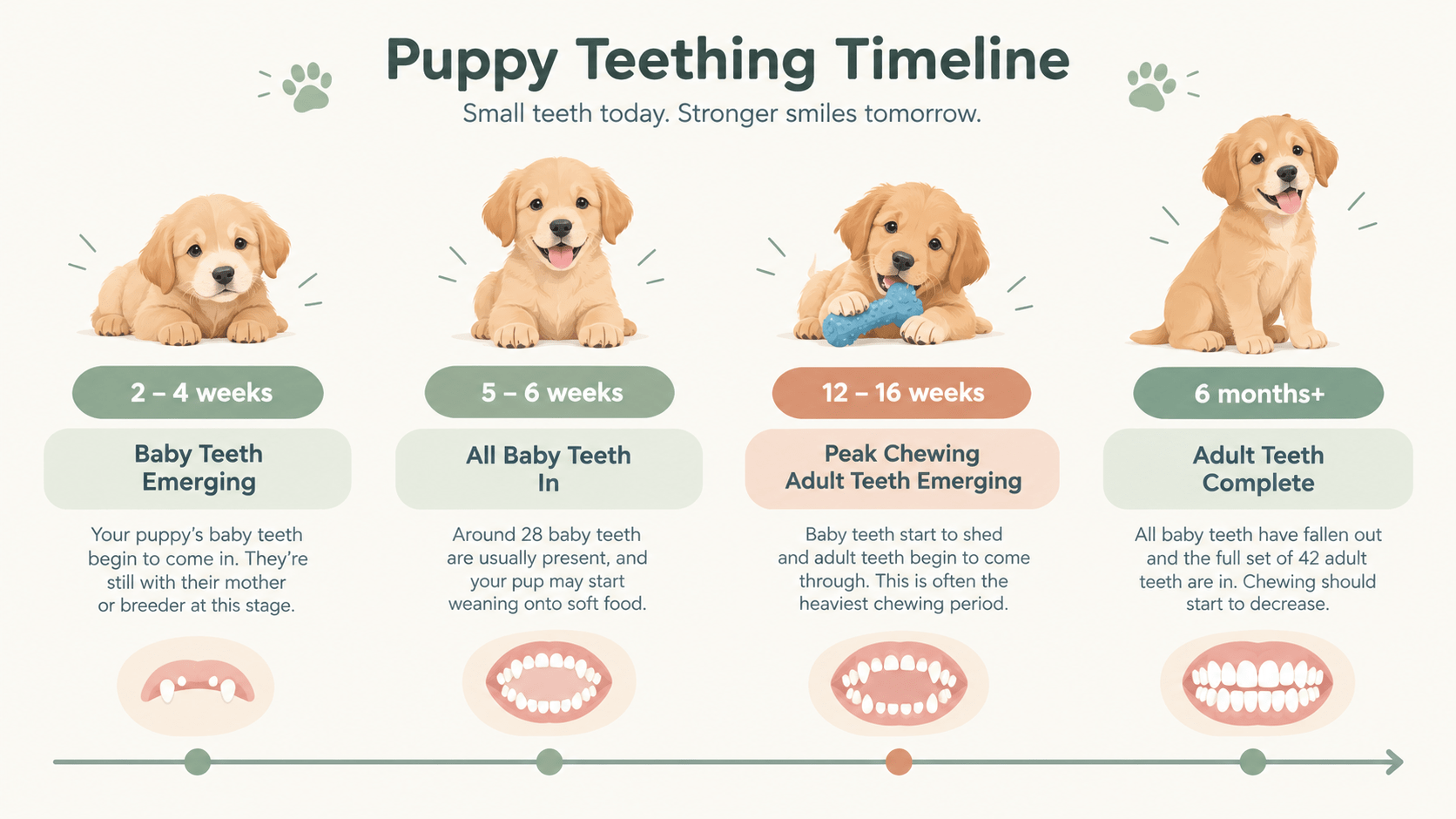
  • Weeks 2–4: Baby teeth begin emerging (your puppy is still with its mother/breeder at this stage).
  • Weeks 5–6: All baby teeth — around 28 of them — have typically come in, and breeders begin weaning onto soft food.
  • Weeks 12–16: This usually overlaps with when a puppy comes home with a new owner. Baby teeth start shedding and adult teeth emerge — this is generally the heaviest chewing window, and you may find small, rice-sized teeth around the house.
  • 6 months and older: All baby teeth should have fallen out and the full set of roughly 42 adult teeth should be in. If any baby teeth remain past this point, a vet may need to remove them.

Pet Care Tip: The 12–16 week window is when chew-toy needs change fastest — a toy your puppy happily gnawed at 10 weeks may be too soft to matter by 15 weeks as adult teeth come in with more force.
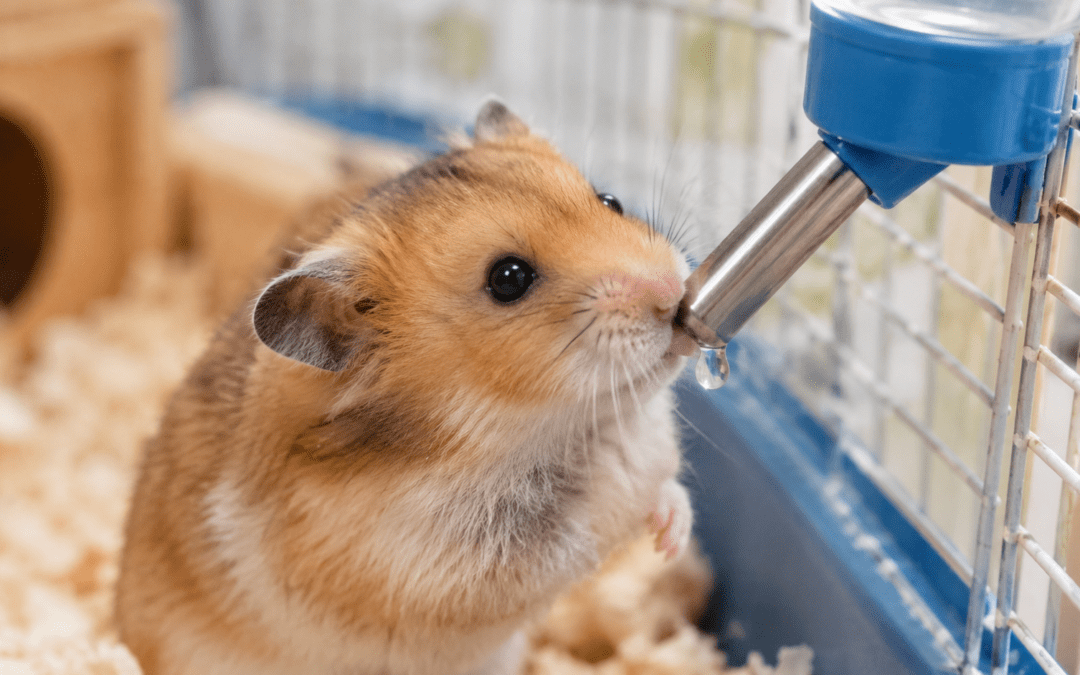
puppy chewing furniture teething

Is It Teething, Boredom, Anxiety, or Pain?

ASPCA’s guidance offers a genuinely useful diagnostic shortcut: does the chewing happen only when your dog is alone, or does it happen whether you’re home or not?

  • Happens whether you’re home or away, and your puppy is under ~7 months: almost certainly ordinary developmental chewing — teething or general puppy exploration.
  • Happens whether you’re home or away, in an older puppy or adult dog: more likely boredom or insufficient exercise/mental stimulation.
  • Happens specifically, or most intensely, when your dog is left alone, often alongside whining, pacing, drooling, or accidents: ASPCA identifies this pattern as characteristic of separation anxiety, not ordinary chewing.
  • Sudden new chewing habit in an adult dog, especially paired with bad breath, drooling, or favoring one side of the mouth: possible dental pain — see a vet before assuming it’s behavioral.
  • Chewing/eating non-food items specifically (fabric, plastic, drywall, dirt) rather than wood or toys: AKC flags this pattern as possible pica, which can have a medical cause and merits veterinary evaluation.

Redirect, Don’t Punish

Punishing furniture chewing after the fact doesn’t work, because your puppy can’t connect a delayed correction to something they did minutes ago — they just learn that you’re unpredictable. ASPCA’s recommended approach is simpler and more effective: say a calm interrupt word, remove your puppy from the item, and immediately hand them something they CAN chew, praising them once they take it.

Pet Care Tip: The swap has to be immediate — if there’s a gap between removing the furniture item and offering the toy, you lose the association your puppy needs to make.

Matching Chew Toys to Stage — and to Your Puppy’s Breed

Early teething (12–16 weeks) calls for softer rubber or rope toys that don’t hurt sore gums; as adult teeth finish coming in past 4–5 months, firmer rubber or frozen options hold up better to a stronger bite. Breed also matters more than most guides acknowledge: dogs bred for retrieving, high drive, or working roles (Labradors, terriers, herding breeds) are often more mouth-driven by temperament and typically need more frequent toy rotation and tougher, more engaging chew options — not just “a toy,” but enough variety to hold their interest.

A quick safety note: size toys to avoid choking risk, supervise anything like rawhide, and don’t assume a “durable” label on packaging matches your specific puppy’s chewing strength.

Crate and Space Management

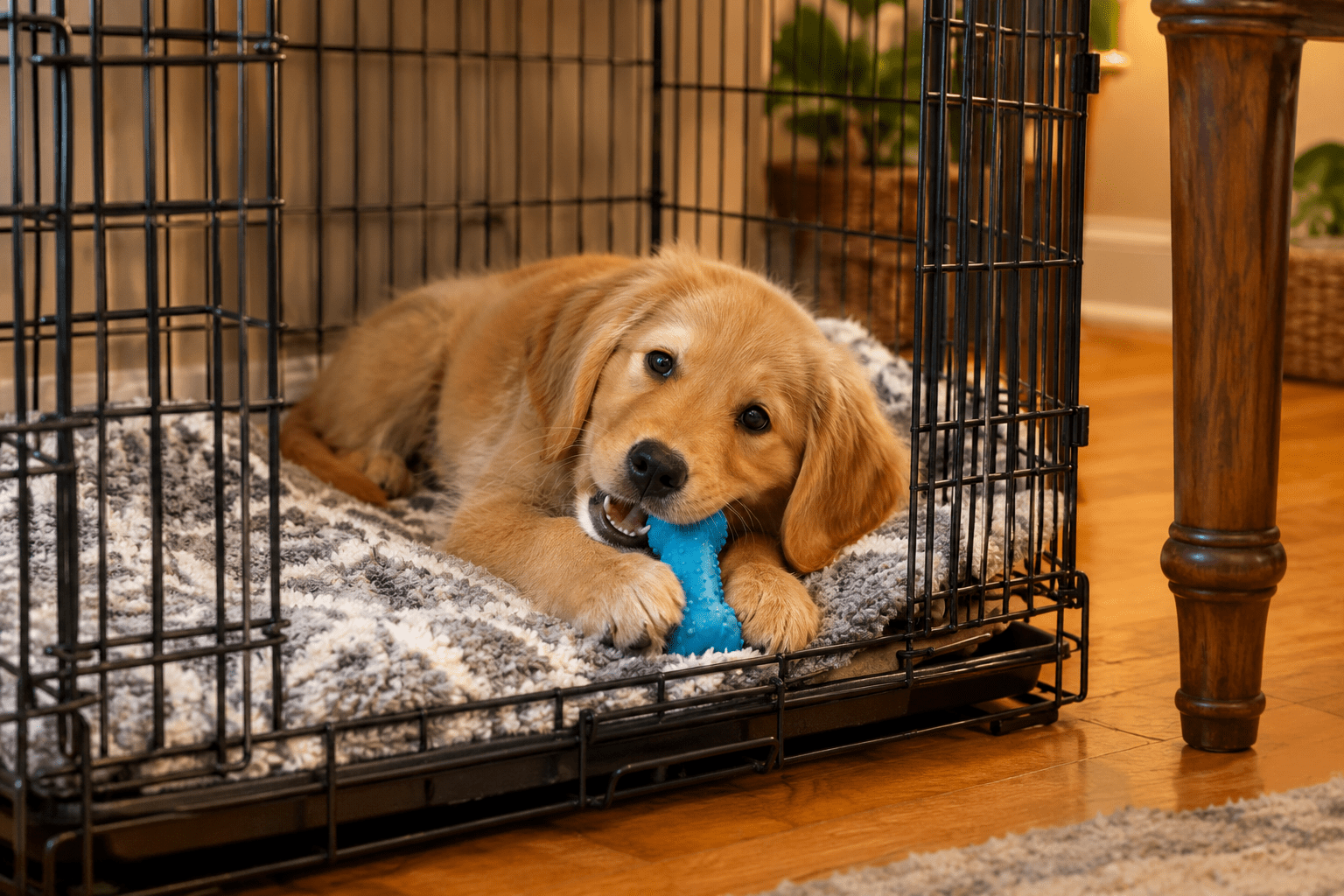
This is the single most effective piece of furniture protection during peak teething, and it’s underused compared to deterrent sprays. ASPCA specifically recommends confining a dog to a small, safe space — a crate or puppy-proofed area — for periods when you can’t supervise, with appropriate chew toys provided inside. This isn’t punishment; it’s removing the opportunity for furniture damage during the exact window (roughly 12–24 weeks) when the urge is strongest and judgment is weakest.

Furniture-Specific Protection

Generic “keep them away from furniture” advice misses that different materials need different handling:

  • Wood legs and corners: furniture leg guards, or a cloth wrap lightly treated with a chewing deterrent.
  • Fabric/upholstery: washable throws or slipcovers over the arms and cushions most within reach during the peak chewing window.
  • Leather: test any bitter-tasting deterrent on a hidden patch first, since some formulations can stain or discolor leather.

ASPCA notes deterrent sprays work best applied daily for about 2–4 weeks alongside redirection and management — not as a standalone fix on their own.

Exercise and Mental Stimulation

Physical exercise addresses boredom-driven chewing by burning excess energy; puzzle feeders, short training sessions, and new experiences address the mental side specifically, which plain physical tiredness doesn’t always cover. ASPCA lists both physical exercise and mental stimulation (training, social visits) as core parts of managing destructive chewing.

When to See a Vet or Trainer

A general expectation: the chewing urge should noticeably decline as your puppy’s adult teeth finish coming in, around 6 months per AKC’s timeline. Reasonable reasons to get professional input sooner:

  • Destructive chewing hasn’t improved despite consistent redirection and management over several weeks.
  • Chewing happens specifically when your dog is left alone, alongside other stress signs — a trainer experienced with separation anxiety can help.
  • Chewing targets non-food items like fabric, plastic, or dirt — AKC recommends a full veterinary workup (physical exam, bloodwork, sometimes imaging) to rule out nutritional deficiency, anemia, parasites, or pain before treating it as purely behavioral.
  • Any baby teeth appear to still be present past 6 months — these sometimes need veterinary removal.

Practical Examples

A 4-month-old chewing table legs while you’re home: squarely in AKC’s 12–16 week peak-teething window — the fix is toy redirection plus crate management, not a behavioral intervention.

A puppy that only destroys furniture when left alone: matches ASPCA’s separation-anxiety pattern rather than ordinary teething, and calls for a different approach — often with a trainer’s input — rather than more chew toys.

An adult dog suddenly chewing furniture with noticeably bad breath: a pattern worth taking to a vet first, since AKC and general veterinary guidance both flag sudden behavior changes with physical symptoms as a possible medical issue rather than a training gap.

Common Mistakes

  1. Punishing after the fact instead of redirecting in the moment, which doesn’t teach anything and can damage trust.
  2. Relying on deterrent spray alone without also managing access — ASPCA frames spray as one tool among several, not a fix by itself.
  3. Assuming it’s “just teething” past 7–8 months, when AKC’s timeline suggests the urge should already be declining by then.
  4. Leaving a puppy loose and unsupervised during the 12–24 week peak window instead of using a crate or gated space.
  5. Ignoring a pattern where chewing only happens when alone, missing an early separation-anxiety signal.

Editor’s Insights

  • The toy that worked at 10 weeks may not hold up by 15 weeks — plan to size up as adult teeth come in, not just when the old toy falls apart.
  • A crate used for management isn’t a punishment tool — per ASPCA, it’s a standard, recommended part of preventing destructive chewing.
  • If your puppy is going after non-wood, non-toy objects specifically, that’s worth mentioning to your vet by name (not just “chewing a lot”) — AKC notes this pattern can point toward pica with an underlying medical cause.
why does my puppy chew furniture

Decision Framework: Which Fix Matches Your Puppy’s Chewing?

  1. Under ~7 months, chewing whether you’re home or away → teething protocol (toys matched to stage + crate management).
  2. Older puppy/adult, chewing whether you’re home or away, seems restless → exercise and enrichment focus.
  3. Chewing only or mostly when left alone, with other stress signs → possible separation anxiety — consider a trainer.
  4. Sudden onset in an adult dog, or targeting non-toy/non-wood objects → vet visit first, before assuming it’s behavioral.

Teething Stage Reference Table

Stage

Approximate age

What’s happening

Best toy type

Early

2–6 weeks

Baby teeth emerging and finishing (~28 total)

N/A — still with breeder

Peak

12–16 weeks

Baby teeth shedding, adult teeth emerging — heaviest chewing urge

Soft rubber, rope, frozen options for sore gums

Late

4–6 months

Adult teeth continuing to come in, bite force increasing

Firmer rubber, more durable chews

Settled

6 months+

All ~42 adult teeth typically in; urge declining

Standard durable toys, rotation less critical

Puppy-Proofing Checklist

  • Crate or gated puppy-safe area set up for unsupervised periods
  • Furniture leg guards on exposed wood legs/corners
  • Washable throws or slipcovers on vulnerable upholstery
  • Chewing deterrent tested on a hidden patch before full application
  • Toy rotation stocked for current teething stage

“Is This Normal?” Checklist

  • Puppy is under 7 months (teething is a reasonable default explanation)
  • Chewing happens whether you’re home or away (points away from separation anxiety)
  • Target items are wood/toys, not fabric, plastic, or dirt specifically (points away from pica)
  • No bad breath, drooling, or sudden onset in an adult dog (points away from dental pain)

If any of these don’t check out, that’s a reasonable moment to involve a vet or trainer rather than continuing with toys and sprays alone.

FAQ

At what age do puppies stop chewing furniture? 

Per AKC’s timeline, the heaviest chewing urge runs roughly 12–16 weeks as adult teeth emerge, and it should noticeably decline once all adult teeth are in, around 6 months — though individual puppies vary.

How can I tell if it’s teething or separation anxiety? 

ASPCA’s distinction is whether chewing happens regardless of your presence (teething/boredom) or specifically when your dog is left alone (separation anxiety), often alongside whining, pacing, or accidents.

Do bitter sprays actually work? 

They’re one useful tool, not a standalone fix — ASPCA recommends daily application for 2–4 weeks combined with redirection and management, not spray alone.

Is crate training necessary to stop furniture chewing? 

It’s one of the most effective tools during peak teething — ASPCA recommends confining a dog to a safe space with appropriate toys during unsupervised time, rather than leaving them loose near furniture.

Can diet affect a puppy’s chewing behavior? 

Chewing wood and toys is normal development, but chewing non-food items specifically (pica) can have a nutritional or medical cause according to AKC, and is worth a vet visit if you notice this pattern.

Are some breeds worse chewers than others? 

Breeds bred for retrieving, working, or herding roles tend to be more mouth-driven and often need more frequent toy rotation and tougher options to stay satisfied.

What if my adult dog suddenly starts chewing furniture? 

A new chewing habit in an adult dog, especially with bad breath or drooling, is worth a vet visit to rule out dental pain before assuming it’s behavioral.

Is it safe to give my puppy frozen chew toys? 

Frozen rubber or rope toys are commonly used to soothe sore gums during peak teething — just supervise use and size the toy appropriately to avoid choking risk.

Individual puppies vary in teething pace and temperament; treat the timeline and diagnostic patterns above as general guidance, not a substitute for a vet or certified trainer’s assessment of your specific dog.

Written and reviewed by the Pets Store Home editorial team. This article is for general information only and is not a substitute for veterinary or professional training advice. If chewing is sudden, targets non-toy objects, or occurs alongside other stress signs, consult a vet or certified trainer. Last reviewed: September 2026.

Conclusion

Furniture chewing responds to the right diagnosis, not the most toys. A puppy in AKC’s 12–16 week teething peak needs redirection and crate management; a dog that only chews when left alone, per ASPCA’s guidance, needs a different plan entirely; and a sudden change in an adult dog’s chewing habits deserves a vet visit before anything else. Match your approach to which of these is actually happening, and give the fix a few consistent weeks — most puppies show real improvement well before their adult teeth are fully in at 6 months.
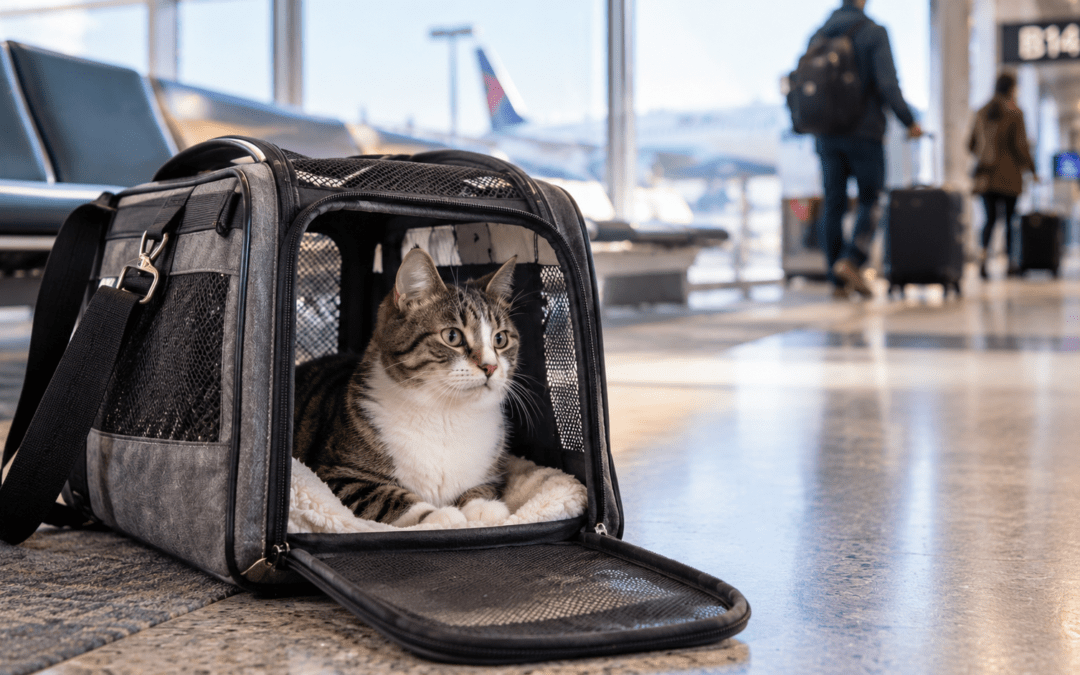
best travel carrier for cats on airplanes

best travel carrier for cats on airplanes

Best Travel Carrier for Cats on Airplanes

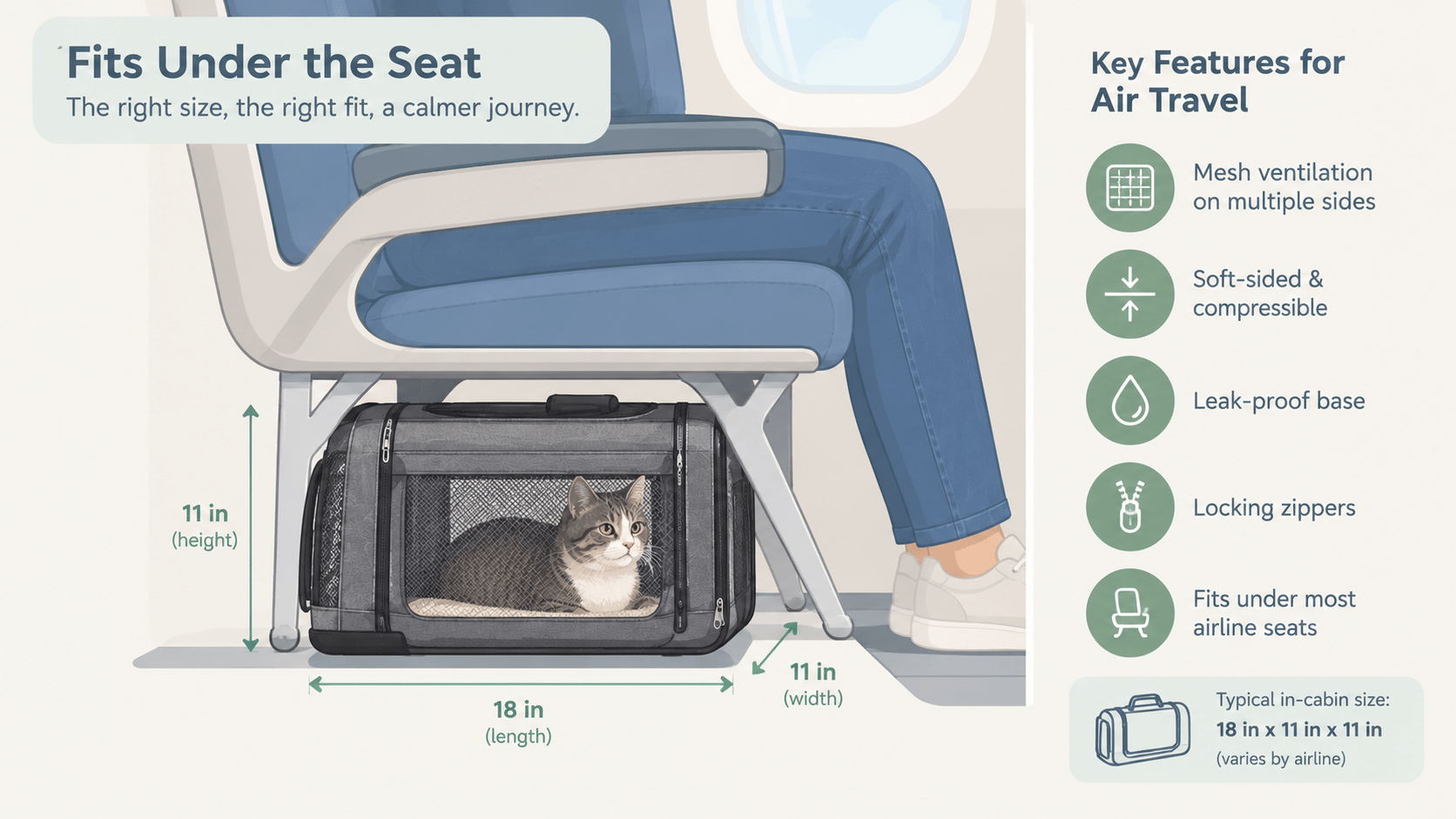
The best cat carrier for flying is soft-sided, compressible, ventilated on multiple sides, has a leak-proof base and locking zippers, and — most importantly — fits under your specific airline’s seat. There’s no such thing as an officially certified “airline-approved” carrier; that phrase is marketing language, not a regulatory standard. IATA (the International Air Transport Association) and individual airlines each set their own container requirements, and the only claim that actually matters is whether your carrier fits your booked flight.

This guide covers the carrier itself, plus the parts most buying guides skip entirely: what documentation you actually need in 2026, why veterinary and aviation authorities advise against sedating a cat for a flight, what happens at the TSA checkpoint, and extra precautions for flat-faced breeds or anxious cats. All of it is sourced directly from AVMA, IATA, TSA, and a major airline’s current policy — not from other pet blogs.

Quick Answer: Choose a soft-sided, compressible carrier with mesh ventilation on multiple sides, a leak-proof base, and locking zippers — around 18″ L x 11″ W x 11″ H fits most major U.S. airlines’ in-cabin limits (confirm with yours), per IATA’s in-cabin guidance, ventilation must cover at least 16% of the container’s vertical sides. Book your cat’s cabin spot early, get a vet health certificate if required, and don’t sedate your cat for the flight — AVMA and IATA both advise against it.

Key Takeaways

  • “Airline-approved” is marketing language, not an official certification — always verify dimensions against your specific airline’s current policy before you fly.
  • IATA’s in-cabin standard requires ventilation on at least 16% of a container’s four vertical sides, and warns that a compressed soft-sided carrier can block that ventilation.
  • AVMA and IATA both advise against sedating a cat for air travel — tranquilizers can affect breathing and blood pressure at altitude and impair the cat’s ability to balance and respond to stress.
  • A veterinary health certificate is commonly required, and for cargo travel AVMA specifies it must be dated within 10 days of travel — book your vet visit accordingly.
  • Flat-faced (brachycephalic) breeds like Persians face higher risk of overheating and breathing difficulty during travel, and AVMA recommends a carrier one size larger than usual for them.
  • TSA requires the carrier to go through the X-ray empty, while you carry or walk your cat through the checkpoint separately.

In this guide: What “airline-approved” really means · Size, weight, and fit · Soft-sided vs. hard-sided · Must-have features · Documentation you need in 2026 · Sedation guidance · Getting through TSA · Flat-faced and anxious cats · Comparison table · Checklists · FAQ

What Does “Airline-Approved” Actually Mean?

There is no government body or industry certification that stamps a carrier “airline-approved” — it’s a phrase manufacturers use because a carrier meets commonly-cited dimensions, not because any airline has tested and certified it. IATA’s own guidance for passengers traveling with a dog or cat in the cabin sets the underlying standard most airlines build their own policies on: the container must let the animal sit erect, stand erect, turn around, and lie down naturally, with ventilation covering at least 16% of the four vertical sides, and it must be both escape-proof and leak-proof.

The only claim that actually matters is your specific airline’s current published dimensions for your specific flight. As an example, Delta’s current in-cabin policy (2026) recommends a soft-sided kennel with maximum dimensions of 18″ x 11″ x 11″ that fits fully underneath the seat in front of you — but this is Delta’s own figure, not a universal standard, and other airlines set their own limits.

Pet Care Tip: Call your airline’s reservations line and confirm your exact carrier’s dimensions against their current policy within a week or two of travel — pet-travel policies and fees change, sometimes more than once a year.

cat carrier size for airplane<br />

Size, Weight, and Fit: Why One Carrier Doesn’t Fit Every Flight

Most major U.S. airlines’ in-cabin cat carrier limits fall in a similar range to Delta’s 18″ x 11″ x 11″, but airlines generally don’t publish a separate cat weight limit — instead, the standard is functional: your cat needs to move around inside the carrier without touching or sticking out of the sides. Delta, for instance, specifies this functional fit standard rather than a weight cutoff.

Two things that catch owners out:

  • Under-seat space varies by aircraft, not just airline. A carrier that fits comfortably on a wide-body jet’s seat may not fit under a smaller regional aircraft’s seat on the very same airline.
  • Cabin pet spots are limited per flight and booked on a first-come, first-served basis — Delta explicitly asks customers to call reservations and book a pet spot as early as possible, with your kennel’s exact dimensions ready when you call.

Soft-Sided vs. Hard-Sided Carriers for Flying

Soft-sided carriers are generally preferred for in-cabin travel because they compress slightly to fit variable under-seat spaces and are lighter to carry through the airport. IATA specifically warns, though, that a soft-sided carrier that gets compressed can block its own ventilation and create dangerous heat buildup — so “compressible” should never mean “vents get squashed shut.”

Hard-sided carriers are typically required for cargo-hold travel rather than the cabin, since they hold their shape and offer more impact protection, but they’re rarely flexible enough to fit variable in-cabin seat spaces. If your travel plan involves the cargo hold rather than the cabin, follow AVMA’s crate standard: your cat must be able to stand without touching the top, sit up, turn around, and lie down comfortably, with a secure locking system, solid leak-proof bottom, ventilation on at least three sides (four for international flights), and clear “Live Animals” labeling with directional arrows.

Must-Have Safety and Comfort Features

  • Ventilation on multiple sides — IATA’s benchmark is at least 16% of the four vertical sides; check this isn’t compromised when the carrier is compressed to fit under a seat.
  • A leak-proof, washable base, with absorbent bedding inside — IATA’s cabin guidance specifically calls for absorbent bedding to manage waste during the flight.
  • Locking zippers or an escape-proof closure system.
  • A structured but collapsible top, so it holds its shape without caving onto your cat when compressed.
airline approved cat carrie

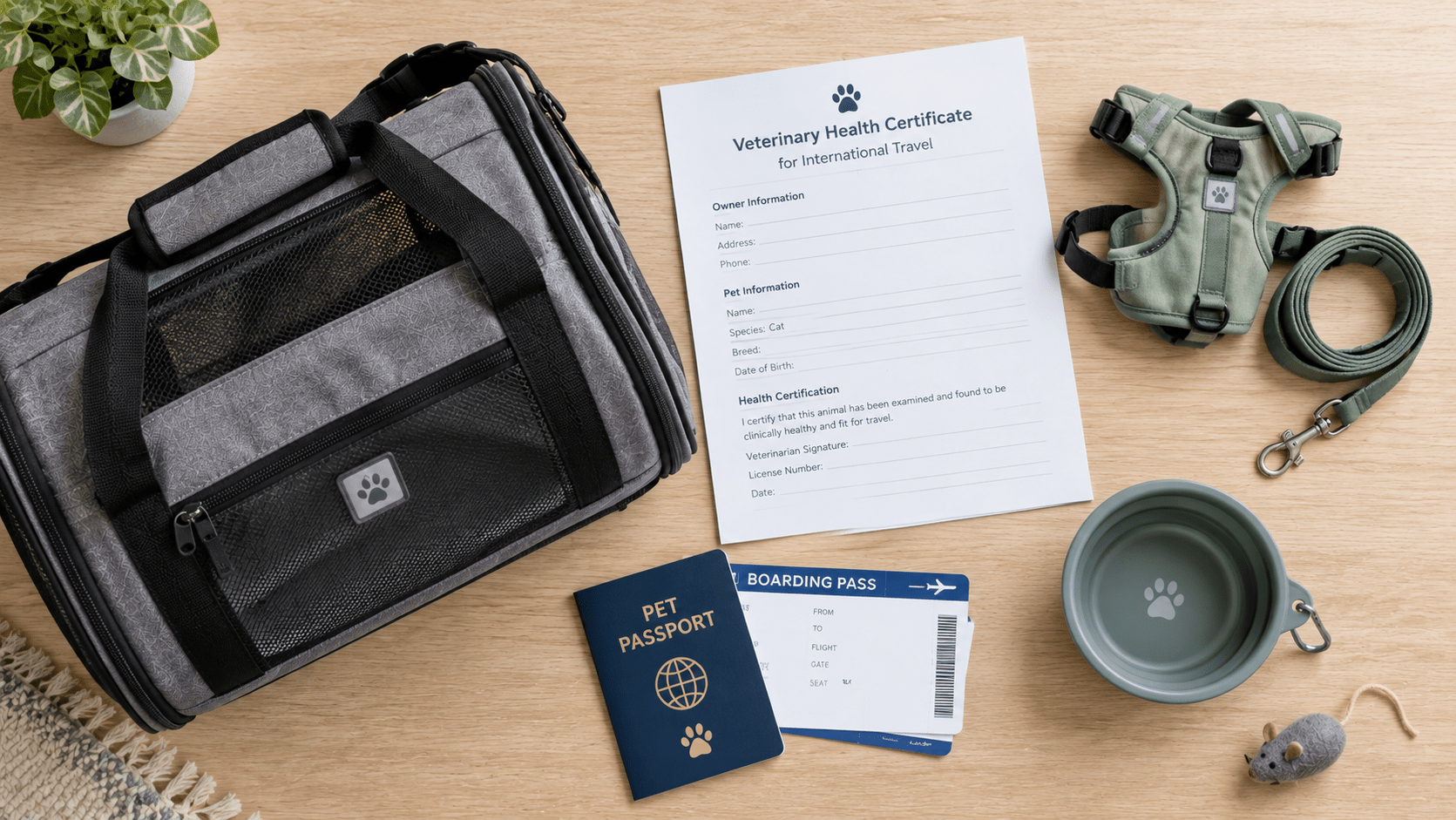
Documentation You Need in 2026

This is the step most “best carrier” articles skip, and it’s a common reason for day-of-travel problems:

  • Health certificate. Many airlines and all international itineraries require a veterinary health certificate. For cargo travel specifically, AVMA specifies the certificate (a Certificate of Veterinary Inspection, plus an acclimation certificate) must be dated within 10 days of travel — book your vet appointment with that window in mind, not the week before.
  • Minimum age. IATA sets a general minimum of 8 weeks old and fully weaned for air travel; Delta’s own policy requires cats to be at least 8 weeks old for domestic travel and at least 16 weeks old if traveling to the U.S. from abroad. Always check your specific airline and destination, since requirements can be stricter.
  • International documentation. For international travel, IATA notes that health certificates and import documents can take several months to arrange for some destinations — this is not a same-week task, so start early if you’re flying internationally with your cat.
  • Booking fees. As a real 2026 example, Delta charges $150 USD/CAD for U.S./Canada/Puerto Rico/U.S. Virgin Islands in-cabin pet travel (up from $95 for tickets booked before April 8, 2025) and $200 for international itineraries — fees like this vary by airline and change over time, so confirm the current fee when you book rather than relying on an older figure.

Should You Sedate Your Cat for Flying?

No — both AVMA and IATA advise against sedating a cat for air travel. AVMA’s guidance states that tranquilizers and sedatives “can increase the risk of heart or respiratory problems and generally are not allowed by airlines,” and recommends consulting your vet before giving your cat anything for travel anxiety. IATA’s own guidance takes the same position, noting that sedation can impair an animal’s ability to balance and respond appropriately to the stress of travel.

If your cat has significant travel anxiety, the better first step is a conversation with your vet — well before travel day — about non-sedative options and, most importantly, acclimating your cat to the carrier in the weeks beforehand. IATA’s guidance explicitly recommends acclimation to the container ahead of travel as part of standard preparation, not sedation as a shortcut.

Pet Care Tip: Start carrier acclimation at least two to three weeks before travel — leave the carrier out at home with the door open, feed your cat near or inside it, and build up short practice sessions with the door closed. This does more for a calm flight than any product feature.

Getting Through TSA Security With a Cat

TSA’s official process is specific, and it’s worth knowing before you’re standing at the checkpoint with a line behind you:

  1. The carrier goes through the X-ray belt empty — your cat is never sent through the X-ray tunnel.
  2. Remove your cat from the carrier just before screening begins.
  3. You may either carry your cat through the walk-through metal detector yourself, or have them walk through on a leash.
  4. TSA will typically also swab your hands for an explosive trace detection check.
  5. Once cleared, return your cat to the carrier at the recomposure area just past the checkpoint, away from the main security line.

Pet Care Tip: Bring a harness and leash as backup even if you plan to carry your cat through screening — if your cat startles and needs to be set down, a secure harness is safer than a bare collar.

Special Considerations: Flat-Faced Breeds and Anxious Cats

Brachycephalic (flat-faced) breeds — Persians, Himalayans, and Exotic Shorthairs among them — face a higher risk of overheating and breathing difficulty during travel, according to AVMA, which recommends considering alternatives like a pet sitter or boarding facility when air travel isn’t essential for these cats, and using a carrier one size larger than you would for a typical cat if you do fly. Talk to your vet specifically about your cat’s breed and airway risk before booking, not just about the carrier itself.

Anxious cats benefit most from the acclimation process described above, started well ahead of travel day rather than attempted the night before. A calming pheromone product or other vet-recommended (non-sedative) aid may be worth discussing with your vet, but the carrier-acclimation step is the one most owners skip and most vets emphasize.

Practical Examples

A healthy adult cat on a short domestic flight: a standard soft-sided, compressible carrier meeting your airline’s published dimensions, booked as early as possible for a cabin spot, is generally straightforward — the main task is confirming current fees and dimensions before you fly.

A Persian cat on the same flight: the carrier itself may need to be one size larger per AVMA’s brachycephalic guidance, and a pre-flight vet check specifically addressing breathing risk is worth scheduling well before booking.

An anxious cat with no prior carrier experience: rather than reaching for sedation the week before travel, a two-to-three-week acclimation routine (carrier left out at home, meals near or inside it, short closed-door sessions) is the evidence-aligned approach both AVMA and IATA point toward.

Common Mistakes

  1. Trusting an “airline-approved” label instead of checking your specific airline’s current published dimensions.
  2. Booking the flight without booking the pet spot separately — cabin pet capacity is limited per flight and filled first-come, first-served.
  3. Waiting too long to schedule the vet visit for a health certificate that needs to fall within a specific window before travel.
  4. Sedating a cat for the flight without veterinary guidance, against AVMA and IATA advice.
  5. Skipping carrier acclimation and expecting a calm flight from a cat’s first-ever carrier experience.

Editor’s Insights

  • Re-confirm your airline’s pet policy and fees close to your travel date — as Delta’s own 2025 fee increase shows, these details change more often than owners expect.
  • A carrier that worked for someone else’s flight isn’t a guarantee for yours — aircraft type affects available under-seat space even within the same airline.
  • The most overlooked “feature” in this whole topic isn’t a carrier feature at all — it’s acclimation time, which both AVMA and IATA treat as standard preparation.
  • For international trips, start the documentation process months in advance, not weeks — IATA notes this can be a lengthy process depending on the destination.

Decision Framework: Which Carrier and Prep Fits Your Trip?

  1. Is this cabin travel or cargo-hold travel? (Soft-sided compressible vs. hard-sided crash-tested.)
  2. Is this a short domestic flight or an international/multi-leg itinerary? (Documentation timeline changes significantly.)
  3. Is your cat a flat-faced breed, or does your cat have an existing anxiety or health concern? (Extra vet consultation before booking.)
  4. Has your cat ever been in this carrier before today? (If not, acclimation needs to start weeks out, not days.)

Carrier Type Comparison

Carrier type

Best for

Key features

Soft-sided, compressible

Domestic in-cabin travel

Lightweight, flexes to fit variable under-seat space, mesh ventilation

Backpack-style soft carrier

Hands-free travel, connecting flights

Structured base, ventilation panel, easier to carry through a busy terminal

Hard-sided, crash-tested

Cargo-hold travel

Impact protection, holds shape, generally not accepted in-cabin on major airlines

Pre-Booking Checklist

  • Confirmed your airline’s current in-cabin carrier dimensions and fee
  • Booked your cat’s cabin pet spot separately from your own seat
  • Scheduled a vet visit timed to your airline’s health-certificate window
  • Checked your cat’s age against airline and destination minimums
  • Started carrier acclimation at least 2–3 weeks before travel

Travel-Day Checklist

  • Carrier ventilation checked to make sure it isn’t blocked when compressed to fit under the seat
  • Harness and leash packed as a security-checkpoint backup
  • Health certificate and any required documents printed and accessible
  • Light meal given roughly two hours before departure, per IATA guidance, with water available up to travel time
  • Vet’s contact information saved and accessible during travel

FAQ

Is there an official “airline-approved” certification for cat carriers? 

No — there’s no government or industry body that certifies carriers as airline-approved. It’s a marketing term; the only standard that matters is your specific airline’s own published requirements.

What size carrier fits under an airplane seat? 

It varies by airline and aircraft, but around 18″ L x 11″ W x 11″ H (Delta’s current published figure) is a common in-cabin benchmark — always confirm with your airline before buying.

Do I need a health certificate to fly with my cat? 

Often, yes — especially for international travel or cargo transport, where AVMA requires it dated within 10 days of travel. Domestic in-cabin requirements vary by airline, so confirm directly.

Should I sedate my cat for a flight? 

No — AVMA and IATA both advise against it, since sedatives can affect breathing, blood pressure, and a cat’s ability to balance and respond to travel stress. Talk to your vet about non-sedative options instead.

How does airport security screening work with a cat? 

The empty carrier goes through the X-ray belt; you remove your cat and carry or walk them through the metal detector separately, then return them to the carrier at the recomposure area past the checkpoint.

Can flat-faced cats safely fly? 

It carries more risk — AVMA notes brachycephalic breeds face higher risk of overheating and breathing difficulty during travel and recommends a larger carrier and considering alternatives to air travel when it isn’t essential.

How do I get my cat used to a carrier before flying? 

Start 2–3 weeks ahead: leave the carrier out at home with the door open, feed your cat near or inside it, and build up short sessions with the door closed before travel day.

Do international flights have different requirements than domestic ones? 

Yes — international travel generally needs a health certificate and import documentation that IATA notes can take several months to arrange, plus airlines often set stricter age minimums (for example, 16 weeks vs. 8 weeks domestically).

Airline fees, dimensions, and booking policies change; the Delta figures cited here are current as of this guide’s last review and should be reconfirmed directly with the airline before booking. Individual airline and destination-country requirements vary — this guide summarizes general standards from AVMA, IATA, and TSA, not a substitute for confirming your specific flight’s rules.


Written and reviewed by the Pets Store Home editorial team. This article is for general information only and is not a substitute for veterinary advice or your airline’s official policy. Consult your vet about your cat’s fitness to fly, especially for brachycephalic breeds or existing health conditions, and confirm current requirements directly with your airline before booking. Last reviewed: September 2026.

Conclusion

There’s no single “best” cat carrier for flying — the right one is whichever soft-sided, well-ventilated, escape-proof carrier fits your specific airline’s current dimensions, and the carrier is only part of what makes a flight go smoothly. Booking your cat’s cabin spot early, timing your vet visit to your airline’s documentation window, skipping sedation in favor of real acclimation time, and knowing the TSA checkpoint process in advance all matter as much as the product itself. Confirm the details directly with your airline and vet close to your travel date, since policies and fees change more often than most owners expect.

Do Dog Anxiety Vests Actually Work

Do Dog Anxiety Vests Actually Work

Do Dog Anxiety Vests Actually Work

Dog anxiety vests like ThunderShirt show small, inconsistent benefits in the controlled studies that have tested them — not the “80% effective” figure often quoted in marketing. The best available evidence review, which pooled the controlled studies done so far, rates the overall evidence as low to very low quality, while still finding that some dogs in snug-fitting vests show real, measurable drops in stress signals during things like fireworks or kennel stress.

That’s a more useful answer than a flat yes or no, because it explains why so many owners report completely different experiences with the same product: fit, timing, and the type of anxiety involved all change the odds of it doing anything at all. This guide walks through what the actual studies found, where the evidence is strongest and weakest, and how to give a vest a fair test on your own dog without over-relying on it.

Quick Answer: Dog anxiety vests show small, inconsistent effects in controlled studies — reduced heart-rate spikes and stress behaviours in some dogs wearing snug-fitting vests, but no significant change in stress hormones in others. They work best as a complementary tool for situational anxiety (storms, fireworks, car travel, vet visits), and the evidence is weakest for separation anxiety or severe, chronic anxiety, where veterinary-guided treatment matters more.

Key Takeaways

  • The only systematic review of pressure-vest studies rates the evidence as low to very low quality — a real signal exists, but it’s not strong or consistent.
  • Fit is the single biggest factor: studies found benefits with snug, firmly-fitted vests, not loose ones.
  • Evidence is strongest for situational triggers (storms, fireworks, travel, vet visits) and weakest for separation anxiety and generalized anxiety disorder.
  • Timing matters — putting a vest on 15–30 minutes before a known trigger works better than applying it once panic has already started.
  • A vest is a reasonable low-risk experiment to try, but it isn’t a substitute for veterinary-guided treatment in moderate-to-severe cases.

In this guide: What the studies actually found · Where the evidence is strongest and weakest · Why fit changes the outcome · Timing before vs. during panic · What a vest can’t fix · How to test one properly · Comparison table · Checklists · FAQ

What the Studies Actually Found

The proposed mechanism behind anxiety vests is a form of sustained, even pressure across the torso, thought to have a calming effect on the nervous system — similar to swaddling an infant or a weighted blanket in humans. It’s a plausible hypothesis, but it’s still a hypothesis rather than a proven mechanism in dogs.

A 2014 controlled study (published via the Journal of Veterinary Behavior/ScienceDirect) found dogs wearing a properly-fitted pressure wrap had a smaller heart-rate increase and less tongue-flicking and yawning — both recognised canine stress behaviours — during a stressful event, compared to dogs without one. A separate, smaller 2013 study found 89% of owners felt the vest was at least partially effective during thunderstorms, though that trial involved only 18 dogs and relied on owner impression rather than blinded measurement.

The most useful single source here is a 2023 veterinary evidence review that pooled four controlled studies on pressure vests. Its conclusion: pressure vests “may have small but beneficial effects” on canine anxiety, but the overall evidence quality is low to very low, due to small sample sizes, unblinded observers, and in some cases commercially-funded research.

One study in the pool found reduced lying-down behaviour (a stress indicator) during fireworks noise specifically in firmly-fitted vests — but physiological markers like cortisol and oxytocin showed no significant change. VCA Animal Hospitals similarly notes that veterinary behaviourists are “somewhat divided” on compression garments, acknowledging they may help in some cases while cautioning that a calmer-looking dog isn’t necessarily a less anxious one internally.

Pet Care Tip: Treat manufacturer effectiveness claims (commonly “80%”) as marketing, not clinical data — the actual controlled research supports a real but modest effect, not a near-universal fix.

Where the Evidence Is Strongest — and Where It’s Weakest

Not all anxiety is the same, and the evidence doesn’t support treating a vest as equally useful across every situation:

  • Strongest evidence: situational, predictable triggers — thunderstorm and fireworks phobia, car travel, and short-term stressors like vet or grooming visits. These are the scenarios the actual studies tested.
  • Weaker evidence: separation anxiety. A pressure garment doesn’t address the root cause of distress from a dog’s owner being absent, and there’s little study evidence specifically supporting vest use for this.
  • Not appropriate alone: severe, chronic, or generalized anxiety disorders, or active panic/crisis episodes — these need a veterinary behavioural assessment, and possibly medication, rather than a garment as the primary intervention.
does thundershirt work for dogs

Why Fit Is the Variable That Decides Whether It Works

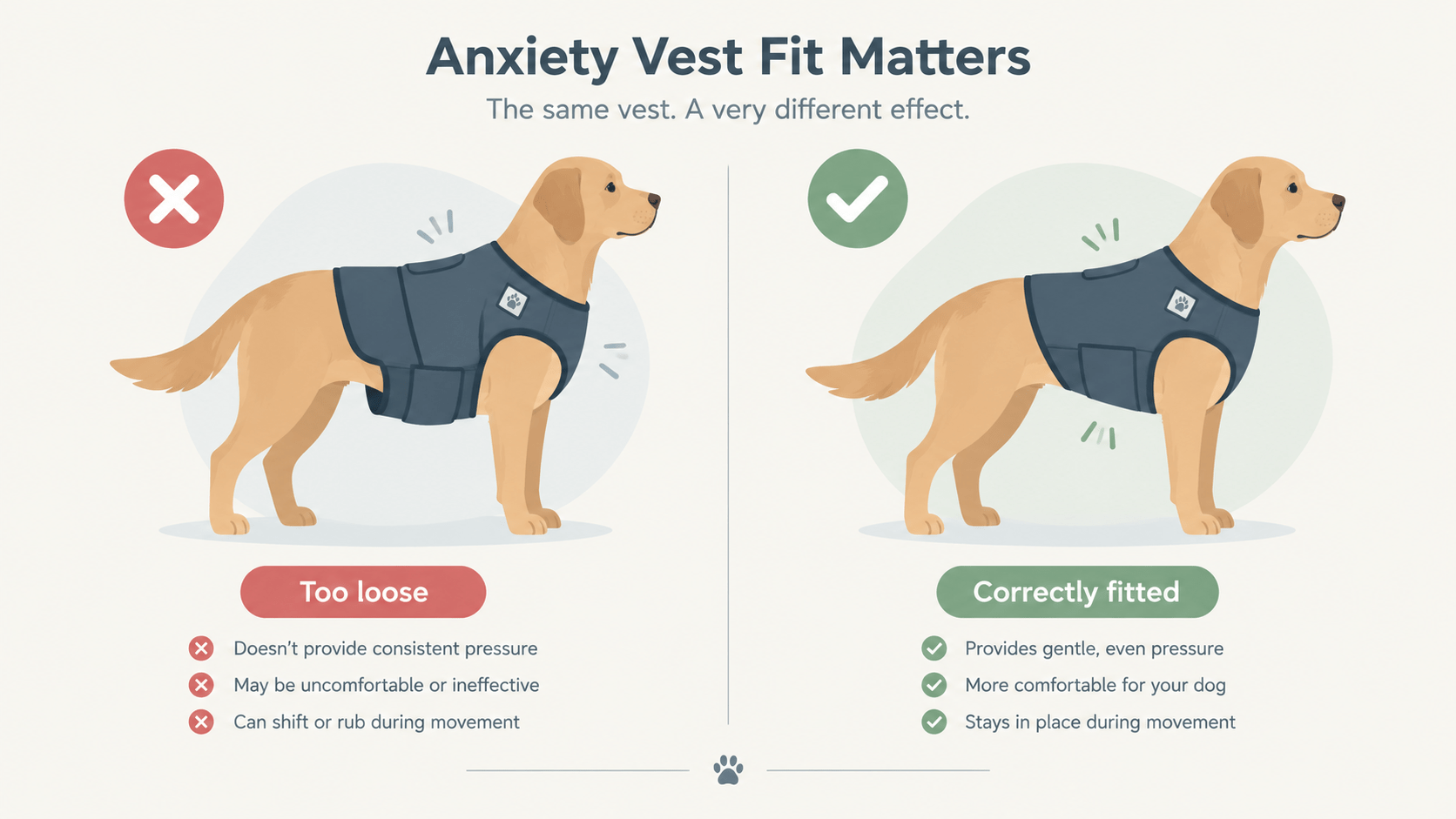
Across the studies reviewed, the physiological signal (lower heart-rate spikes, reduced stress behaviours) showed up specifically with a snug, firm fit — not a loose one. This matches the sustained-pressure mechanism proponents describe: a loose vest simply isn’t applying the pressure the hypothesis depends on.

Practical fitting guidance that follows from this:

  • Measure chest girth rather than relying on weight-based sizing alone.
  • If your dog is between sizes, size down for a snugger fit rather than up.
  • The vest should feel firm without restricting breathing or movement — check your dog can walk, sit, and lie down normally after fitting.

Pet Care Tip: A vest that’s “just there” rather than snug is unlikely to reproduce the effect seen in the studies — a poor fit is one of the most common reasons owners report no benefit at all.

Timing: Before the Trigger, Not During Panic

Vet-informed guidance consistently points to applying a vest 15–30 minutes before a known trigger — a scheduled car trip, an anticipated storm, or before leaving for the vet — rather than reaching for it once a dog is already in visible distress. Once a dog is deep into a panic response, a garment introduced for the first time in that moment is unlikely to have much calming effect, and may even add to the dog’s stress if putting it on involves restraint.

This timing gap is a commonly reported reason for wildly different reviews of the same product: an owner who introduces the vest calmly, in advance, tends to report a different result than one reaching for it mid-crisis.

What a Vest Can’t Fix

  • Habituation with constant wear. Leaving a vest on all day, every day, risks the dog’s nervous system adjusting to the pressure so it stops registering as anything unusual — intermittent, trigger-specific use is more consistent with how the studies applied it.
  • Underlying medical causes of restlessness. Pain, gastrointestinal discomfort, or other medical issues can look like anxiety-driven pacing or distress. A vest won’t address a medical cause, and ruling this out with a vet matters before assuming it’s purely behavioural.
  • Moderate-to-severe or multi-trigger anxiety. These cases generally need a structured behavioural plan, and sometimes vet-prescribed medication, with a vest — if used at all — as one small part of a broader plan rather than the plan itself.

How to Actually Test One on Your Dog

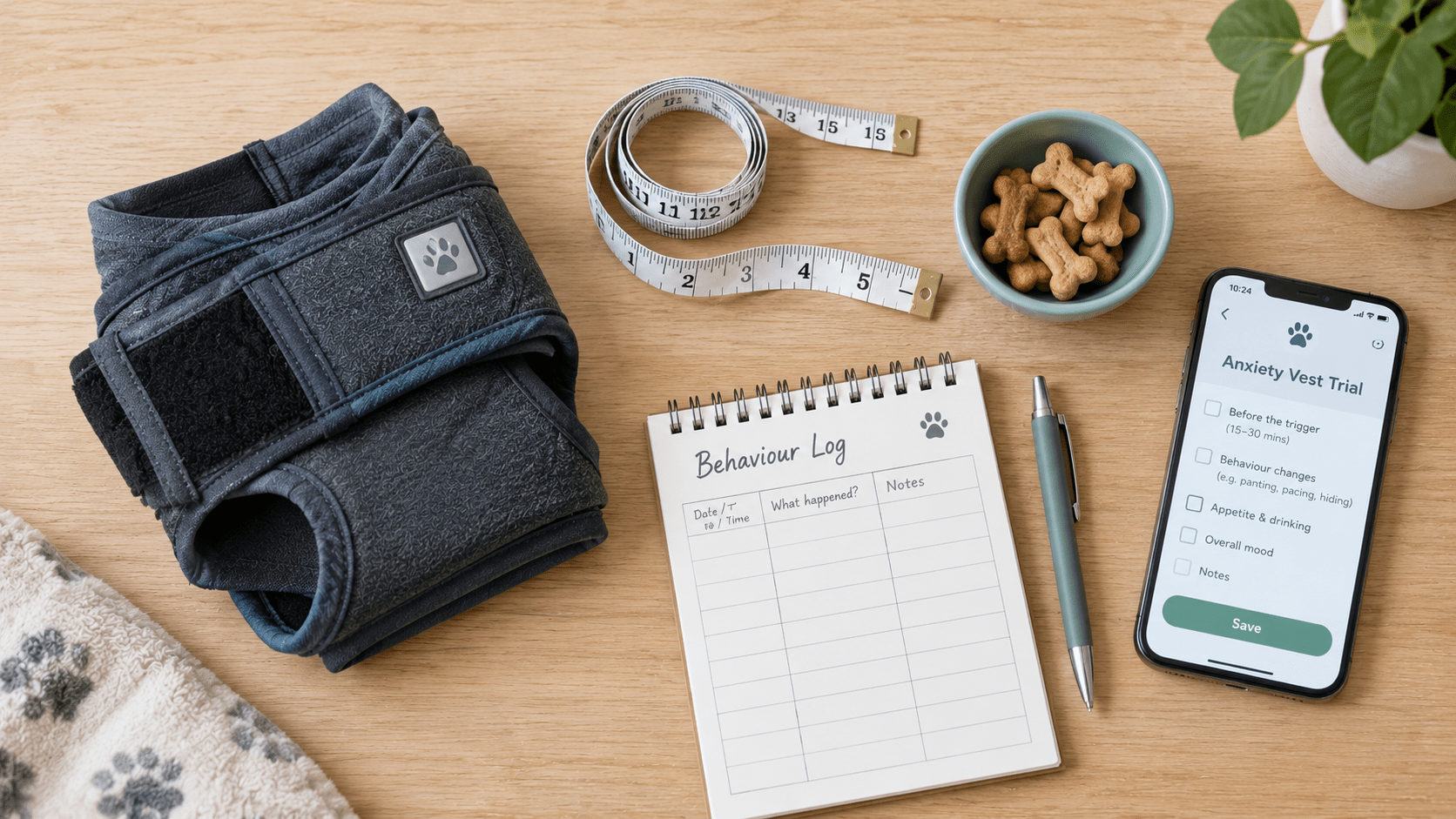
Rather than judging a vest after one use, a short structured trial gives a fairer read on whether it helps your specific dog:

  1. Introduce it in a calm, low-stakes moment first — a few minutes at home with treats, not during an actual trigger.
  2. Build up wear time gradually over several days so the vest itself isn’t a new source of stress.
  3. Test it on a smaller trigger before a big one — a short car ride before a fireworks night, for example.
  4. Apply it ahead of the trigger, not during it, and track what you actually observe (heart rate is hard to judge at home, but panting, pacing, hiding, and vocalising are all visible signs worth noting before and after).
  5. If you see no change across a few genuine trials, it’s reasonable to conclude this particular dog isn’t a responder — that’s consistent with the evidence, not a sign you did it wrong.

Practical Examples

A noise-phobic dog during fireworks: this is the scenario the evidence supports best — a snug vest applied 20–30 minutes before fireworks are expected, alongside a safe, quiet space, is a reasonable low-risk thing to try.

A dog with separation anxiety left alone: evidence for this specific use is weak, since the vest doesn’t address the absence-driven cause of distress — a vest here is more likely to be one small piece of a broader plan (which may include a vet consultation) than a fix on its own.

A vest introduced only after panic has already started: a common real-world mistake — putting a vest on for the first time mid-meltdown is a very different test than the calm, pre-trigger application the studies describe, and predictably tends to disappoint.

Common Mistakes

  1. Trusting the manufacturer’s effectiveness percentage over what the actual controlled studies found.
  2. Using a loose-fitting vest — the studies’ physiological signal was tied specifically to a snug, firm fit.
  3. Applying it during a panic episode instead of ahead of a known trigger.
  4. Relying on it alone for moderate-to-severe or separation anxiety, instead of combining it with — or replacing it with — a vet-guided plan.
  5. Leaving it on all day, risking habituation to the pressure.

Editor’s Insights

  • Treat a vest as a low-cost, low-risk experiment with a realistic ceiling on what it can do — not a guaranteed fix.
  • Owner-reported “it works” claims are genuinely useful anecdotal data, but they aren’t blinded, so weigh them alongside the more modest controlled-study findings rather than instead of them.
  • Pairing a vest with other tools — a safe quiet space, white noise, and a vet-guided plan for anything beyond mild situational anxiety — is more consistent with how the evidence actually supports its use than expecting it to work alone.
dog anxiety vest evidence

Decision Framework: Is a Vest Worth Trying for My Dog?

  1. Is the anxiety tied to a specific, predictable trigger (storms, travel, vet visits) rather than your dog’s general temperament or your absence?
  2. Is the anxiety mild-to-moderate rather than severe or panic-level?
  3. Have you ruled out a medical cause for the restlessness with a vet?
  4. Are you able to fit it snugly and apply it ahead of the trigger, not during it?

If you answered yes to all four, a vest is a reasonable low-risk thing to trial. If your answers point toward severe, chronic, or separation-driven anxiety, a vet consultation is the more evidence-backed next step.

Where the Evidence Supports Use: Quick Comparison

Trigger type

Evidence strength

Practical note

Thunderstorms / fireworks

Strongest

Directly tested in the available controlled studies

Car travel

Moderate-strong

Situational and predictable, similar profile to noise phobia

Vet or grooming visits

Moderate

Short-term, predictable stressor; apply well before arrival

Generalized anxiety

Weak

Not the scenario the studies were designed around

Separation anxiety

Weakest

Doesn’t address the absence-driven cause of distress

Severe panic/crisis episodes

Not appropriate alone

Needs veterinary behavioural assessment

Fitting Checklist

  • Measured chest girth rather than relying on weight alone
  • Sized down rather than up if between sizes
  • Confirmed a snug, firm fit that still allows normal breathing and movement
  • Checked your dog can walk, sit, and lie down comfortably after fitting

Trial-Run Checklist

  • Introduced the vest calmly at home before using it during a real trigger
  • Built up wear time gradually over several days
  • Tested on a smaller trigger before a bigger one
  • Applied 15–30 minutes ahead of the known trigger, not during panic
  • Tracked visible signs (panting, pacing, hiding, vocalising) before and after across a few genuine trials

FAQ

Do dog anxiety vests work for separation anxiety? 

The evidence here is weak — a pressure vest doesn’t address the underlying cause of distress from a dog’s owner being absent, so it’s unlikely to be an effective standalone solution for true separation anxiety.

How long can a dog wear an anxiety vest? 

Intermittent, trigger-specific use is more consistent with how the studies applied it than all-day wear, which risks the dog habituating to the pressure and losing any calming effect.

Is a dog anxiety vest the same as a weighted blanket for dogs? 

They’re based on a similar sustained-pressure concept, but a fitted vest applies pressure differently than a weighted blanket, and the two haven’t been directly compared in the available studies.

Can I use an anxiety vest alongside anxiety medication? 

Many vets are comfortable with combining the two, but this should be confirmed with your own vet, especially for a dog already on a prescribed treatment plan.

What if my dog hates wearing the vest? 

Some dogs resist wearing anything at all, and forcing it on can add stress rather than reduce it — a gradual, treat-paired introduction helps, but if resistance continues, it’s reasonable to conclude this isn’t the right tool for that dog.

Do cheaper anxiety-vest alternatives work as well as ThunderShirt? 

The controlled studies were done on specific branded products, not on every alternative on the market — a snug, well-fitted generic compression vest follows the same fit principle, but hasn’t been independently tested to the same degree.

Is there real science behind dog anxiety vests, or is it just marketing? 

Both — the sustained-pressure concept has some genuine, if modest, support from a handful of controlled studies, but the overall evidence quality is rated low to very low, so it sits well short of a proven treatment.

Written and reviewed by the Pets Store Home editorial team. This article is for general information only, has not been reviewed by a licensed veterinarian, and is not a substitute for veterinary or veterinary behavioural advice. If your dog’s anxiety is severe, worsening, or affecting their quality of life, consult a vet or veterinary behaviourist. Last reviewed: September 2026.

Conclusion

Dog anxiety vests aren’t a myth, but they’re not the near-universal fix the marketing suggests either — the honest answer sits in between. The controlled evidence shows a real, if modest and inconsistent, calming effect, concentrated in dogs wearing snug vests for predictable, situational triggers like storms or travel.

Fit and timing explain much of the gap between owners who swear by them and owners who see nothing at all. Used as a low-risk complementary tool, alongside — not instead of — proper veterinary guidance for anything more serious, a vest is a reasonable thing to try for the right dog and the right situation.

How Long Can a Hamster Go Without Water

How Long Can a Hamster Go Without Water

How Long Can a Hamster Go Without Water

There’s no single, veterinary-established number of hours or days that tells you how long a hamster can safely go without water — despite that figure being repeated across many pet sites. What veterinary sources do confirm is that dehydration in hamsters is closely tied to illness (diarrhea, or “wet tail,” is a well-documented cause) and heat, and that it can become serious quickly enough to need prompt veterinary care rather than a wait-and-see approach.

Unlike food, which hamsters can stockpile in their cheek pouches, water can’t be stored. This guide covers the warning signs to watch for, why a hamster might stop drinking even with water available, which hamsters carry extra risk, and when a situation becomes an emergency rather than something to monitor at home.

Quick Answer: There’s no reliable, universal number of hours or days — treat any such figure as a rough estimate, not a medical threshold. What’s well supported by veterinary sources is that dehydration is often linked to illness or heat, can progress quickly, and needs prompt attention. Check your hamster’s water source is genuinely working, watch for the signs below, and contact a vet experienced with small animals if you’re concerned.

Key Takeaways

  • No single figure for “how long” applies to every hamster — species, age, health, and heat all change the picture.
  • A water bottle can look full while a jammed sipper tube delivers nothing — test it, don’t just glance at it.
  • Diarrhea (“wet tail”) is a well-documented cause of rapid dehydration in hamsters, especially young ones, and needs prompt veterinary treatment.
  • Babies, pregnant/nursing females, seniors, and sick hamsters generally have less margin for error.
  • Heat above roughly 27°C (80°F) raises the risk of heat-related illness in small rodents, which can look similar to — but isn’t the same as — simple dehydration.
  • Mouth breathing, panting, or collapse are emergency signs that need immediate veterinary attention, whatever the underlying cause turns out to be.

In this guide: What “no water” means · Warning signs · Emergency signs · Species and size · Why hamsters stop drinking · Higher-risk hamsters · Heat and dehydration · Bottle vs bowl · What to do · Common mistakes · Checklists · FAQ

hamster dehydration signs

What Counts as “No Water” for a Hamster?

Three situations get lumped together as “no water,” with different risk levels:

  • True zero access — an empty or non-functional bottle.
  • A bottle that looks full but isn’t dispensing — often riskier than an obviously empty one, since nobody notices until symptoms appear.
  • No bottle, but watery vegetables offered — cucumber or watermelon add some moisture but don’t replace a working water source.

Pet Care Tip: Watch whether the water level actually drops day to day, not just whether the bottle looks full — a stalled level is your earliest warning.

Warning Signs of Dehydration

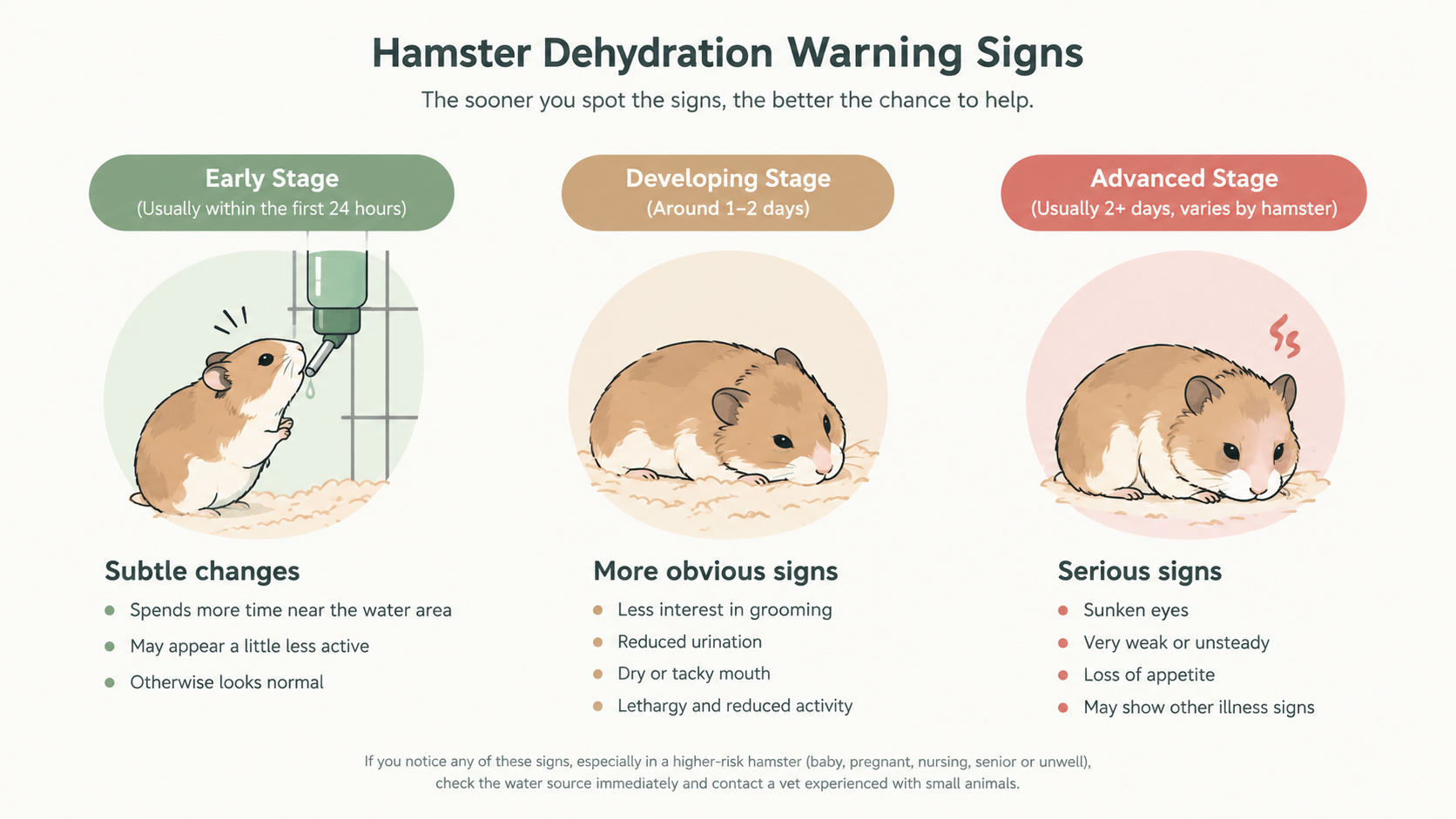
Many pet sites quote precise hour-by-hour countdowns; veterinary sources don’t support a single fixed timeline, since diarrhea/illness and heat both accelerate the process considerably (PDSA; VCA Animal Hospitals). Watch instead for a general progression:

  • Early: more time near the water area, otherwise few visible changes — your best window to fix an access problem.
  • Developing: a dry or tacky mouth, reduced urination, lethargy, less interest in grooming.
  • Advanced: sunken eyes, noticeable weakness, reduced activity.

Any developing or advanced sign is a reason to contact a vet rather than wait. Skin elasticity (“skin tenting”) is sometimes suggested as a home check, but it’s not a reliable stand-alone test — behaviour, appetite, and grooming changes are more useful reasons to seek assessment.

Emergency Signs Requiring Immediate Veterinary Attention

Some signs point to a more urgent emergency than dehydration alone. VCA Animal Hospitals notes that small rodents are vulnerable to heat stroke above roughly 27°C (80°F), with symptoms including panting, salivation, weakness, and convulsions — a life-threatening, immediate-vet situation. Diarrhea (“wet tail”) can also cause rapid dehydration, weight loss, and weakness requiring urgent treatment (VCA; PDSA). Treat any of the following as an emergency, regardless of suspected cause:

  • Mouth breathing, panting, or laboured breathing
  • Collapse or inability to stand
  • Seizures or severe disorientation
  • A cold body or unresponsiveness

Species and Size

Body size affects fluid reserve relative to metabolism, but there’s no measured, published comparison of exactly how much faster one hamster species dehydrates than another — so treat the table below as relative context, not a precise ranking.

Species

Documented size

Practical relevance

Syrian (Golden)

~110–140g adult weight (Merck Veterinary Manual)

Largest common pet hamster; more body mass may help a little, but doesn’t replace constant water access

Chinese, Campbell’s, Winter White, Roborovski

Merck notes other varieties are “slightly smaller” than Syrians, without giving exact per-species figures

Smaller body size generally means less fluid reserve relative to a Syrian; Roborovski is typically the smallest of these

Campbell’s and Campbell’s/Winter White hybrid lines also carry a well-documented genetic predisposition to diabetes (ExoCare Veterinary Medical Center), which can affect drinking and urination patterns — worth mentioning to a vet if you notice changes in either.

Why Your Hamster Might Stop Drinking

A hamster with water available but not drinking is arguably more concerning than an empty bottle, since the cause is usually medical:

  • Diarrhea/”wet tail” — a well-documented cause of dehydration in hamsters, especially young ones, caused by bacterial disruption of gut flora (Merck Veterinary Manual; VCA Animal Hospitals). Needs prompt veterinary treatment.
  • Dental problems — Merck notes overgrown or misaligned teeth can cause facial swelling and discomfort that may affect eating and drinking.
  • Diabetes — particularly in Campbell’s/Winter White hybrid lines, linked to genetics, high-sugar diets, and low activity (ExoCare Veterinary Medical Center).
  • Stress or a new environment, or a bottle style the hamster struggles to use.

If water is confirmed available and your hamster still isn’t drinking, that’s a reason to see a vet rather than wait.

Hamsters at Higher Risk

  • Babies and recently weaned hamsters — wet tail, a major dehydration cause, is particularly common in young hamsters (VCA Animal Hospitals).
  • Pregnant and nursing females — water demand rises during gestation and lactation.
  • Seniors and sick hamsters — age or existing illness reduces the buffer before dehydration becomes dangerous.

Pet Care Tip: For a pregnant/nursing hamster, a second water bottle removes the single point of failure during a higher-risk period.

Heat and Dehydration

Small rodents, including hamsters, are vulnerable to heat-related illness once temperatures climb past roughly 27°C (80°F), with panting, salivation, weakness, and convulsions as warning signs requiring immediate cooling and veterinary care (VCA Animal Hospitals). This is a distinct emergency from simple dehydration, though the two can overlap — keep the cage out of direct sun and away from heaters, and check water more often in hot weather.

Bottle vs Bowl, and Testing for a Blockage

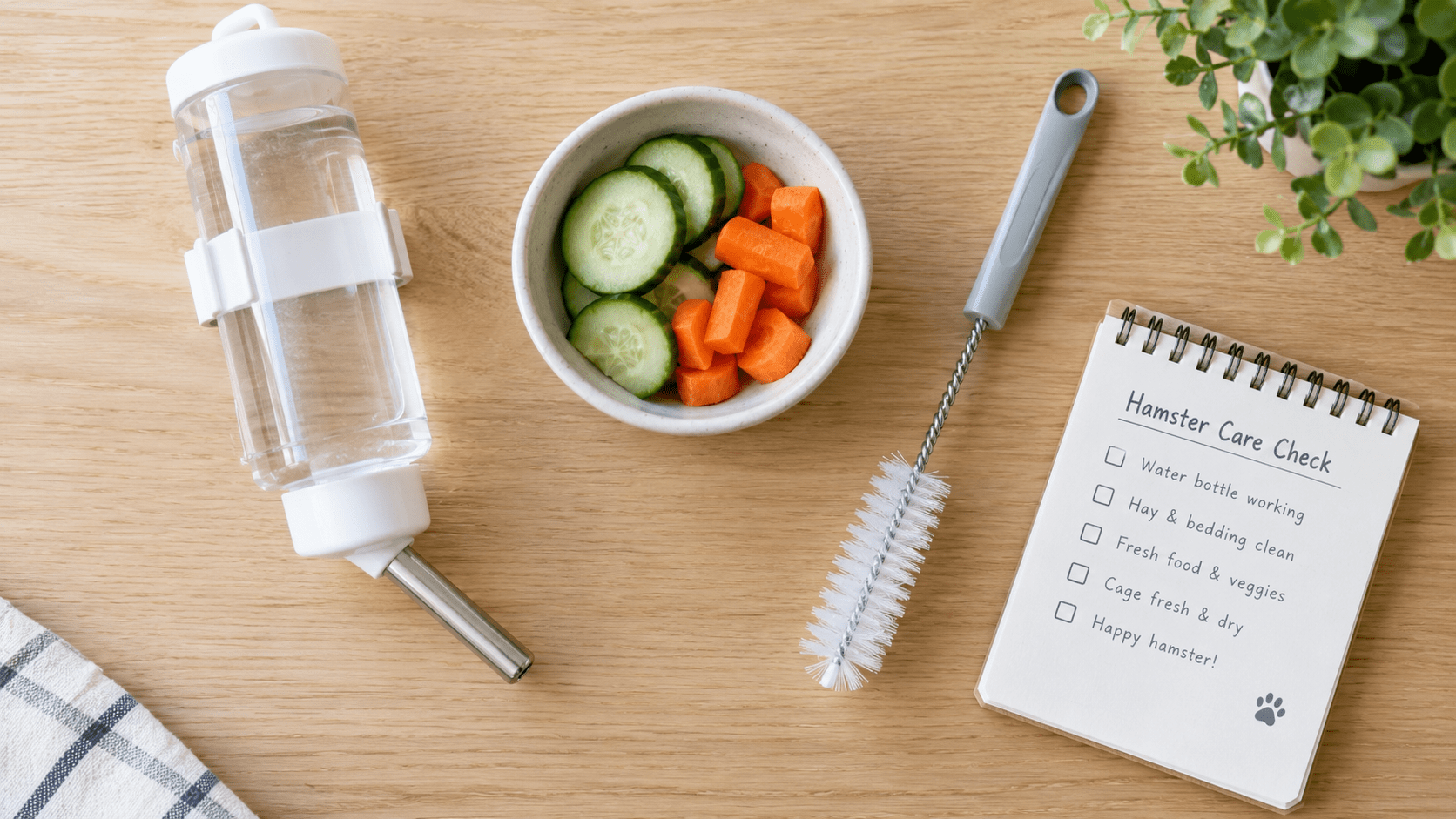
Water bottles with a metal spout are generally recommended over bowls, which tip easily and can be contaminated by bedding (PDSA). Bottles aren’t foolproof — a sipper tube can jam while looking full. To check:

  • Tap the ball bearing in the tip gently — a drop should form.
  • Watch the water level over a few hours rather than trusting appearance alone.
  • Clean and check the bottle daily, and replace tubes that show mineral buildup (PDSA).

What to Do If You’re Concerned

  1. Confirm the water source is actually working, and offer a shallow backup dish.
  2. Offer water gently — never force it into the mouth, which risks aspiration.
  3. Contact a vet experienced with small animals promptly for any developing/advanced warning sign, and immediately for any emergency sign above.
  4. Don’t give electrolyte solutions or human sports drinks without veterinary guidance.
  5. If your hamster refuses to drink despite confirmed access, see a vet — this points to an underlying medical cause.

This guide does not replace veterinary care. When in doubt, treat it as urgent.

Practical Examples

A single bottle left over a long weekend: if it jams on day one, developing warning signs may already be present by the time an owner returns — the most common real-world failure isn’t neglect, it’s an unverified single water source.

A hamster refusing to drink with water available: this pattern more often traces back to dental pain, wet tail, or diabetes than to simple stubbornness, and is a reason to see a vet rather than wait.

Common Mistakes

  1. Assuming a full-looking bottle is a working one.
  2. Treating watery vegetables as a water replacement.
  3. Waiting to “see if it gets better” once developing or advanced signs appear.
  4. Applying one survival estimate to every hamster regardless of species, age, or health.
  5. Treating mouth breathing or panting as “just” dehydration instead of an emergency sign.

Editor’s Insights

  • Behaviour, appetite, and grooming changes are more reliable early warnings than any single physical test like skin tenting.
  • A second water source is cheap insurance during any absence longer than a day.
  • Refusal to drink despite available water usually points to an underlying illness — diarrhea, dental pain, or diabetes are the most commonly documented causes.
hamster water bottle not working

Decision Framework: Should I Be Concerned Right Now?

  1. Is the water source confirmed working, or could it be jammed?
  2. Are developing signs (lethargy, reduced grooming) or advanced signs (sunken eyes, weakness) present?
  3. Is this hamster in a higher-risk group (baby, pregnant/nursing, senior, or unwell)?
  4. Is your hamster refusing to drink despite available water?
  5. Is any emergency sign present (mouth breathing, panting, collapse, seizures)?

A “yes” to question 5 is always an immediate vet visit; a “yes” to 2 or 4 — or to 1 for a higher-risk hamster — is a same-day concern.

Vacation and Absence Checklist

  • Confirmed both bottles are actually dispensing, not just visually full
  • Arranged daily water checks during your absence
  • Left extra fresh food alongside water, not as a substitute
  • Kept the cage away from direct sun, heaters, or draughts
  • Left vet contact details and a note on warning signs

Concern Response Checklist

  • Verified the water source is working right now
  • Checked for developing/advanced signs (see above)
  • Checked for emergency signs — treat any as immediate
  • Offered water gently, plus a small water-rich food
  • Contacted an exotics-experienced vet if any sign is present

FAQ

How long can a hamster go without water before it dies? 

There’s no reliable, universal figure — it’s commonly repeated online but not backed by a fixed veterinary threshold. Dehydration linked to illness or heat can become serious quickly, so treat it as a reason for prompt veterinary attention rather than a countdown.

How long can a hamster be left alone with a water bottle but no one checking on it? 

Bottles can fail without warning, so a verified backup source is safer than relying on any single bottle for an extended period, whatever the length.

Can cucumber or watermelon replace a water bottle? 

No — they add moisture but not nearly enough on their own.

Why would a hamster stop drinking with water available? Most commonly diarrhea/wet tail, dental pain, or diabetes (especially in Campbell’s/Winter White lines) — see a vet rather than waiting.

Do baby hamsters face more risk? 

Yes — wet tail, a major dehydration cause, is particularly common in young hamsters.

Does heat increase the risk? 

Yes — above roughly 27°C (80°F), small rodents are also at risk of heat stroke, a separate emergency from simple dehydration that needs immediate cooling and vet care.

Is the skin-tent test reliable? 

Not on its own. Behaviour, appetite, grooming, and eye appearance are more useful signs to combine with a vet’s assessment.

Is mouth breathing a sign of dehydration? 

It can indicate heat stroke or respiratory distress rather than dehydration specifically — treat it as an emergency regardless of the cause.


Individual hamsters vary, and these sources don’t establish a fixed survival timeline — treat this article as general guidance, not a substitute for a vet’s assessment of your specific hamster.


Written and reviewed by the Pets Store Home editorial team. This article is for general information only, has not been reviewed by a licensed veterinarian, and is not a substitute for veterinary advice. If you suspect your hamster is dehydrated or unwell, contact a vet experienced with small animals promptly. Last reviewed: September 2026.

Conclusion

There’s no fixed countdown for how long a hamster can go without water — what matters in practice is catching problems early. Verify your hamster’s water source is genuinely working, watch for the warning signs above, and treat emergency signs like laboured breathing or collapse as urgent regardless of the cause. When in doubt, a same-day call to a vet experienced with small animals beats waiting to see what happens.

pet friendly hotels that allow large dogs no fee

pet friendly hotels that allow large dogs no fee

pet friendly hotels that allow large dogs no fee

Travelling with a large dog shouldn’t mean choosing between a comfortable hotel and an unexpected £25-a-night surprise on your bill. Across the UK, a growing number of hotels — from countryside coaching inns to city-centre chains — now welcome big dogs without charging a nightly fee, provided you know where to look and what questions to ask before you book.

The catch is that “pet-friendly” and “no fee” don’t always mean the same thing. Some hotels waive the fee but cap weight well below what most people would call a large dog. Others charge a refundable deposit instead of a fee, which can feel the same at checkout but works very differently if your dog behaves. This guide breaks down exactly how UK hotels price, size-limit, and manage large-dog stays, and names specific properties with source-checked policy details rather than generic marketing copy.

The single most important distinction in this guide: a £0 pet fee does not automatically mean £0 deposit or £0 liability. UK hotels mix and match three separate things:

  • Pet fee — a charge, refundable or not, simply for bringing your dog.
  • Damage deposit — separate from any pet fee, held against damage and returned if there’s none.
  • Damage liability — even where both fee and deposit are £0, you can still be billed afterwards for genuine damage or excessive cleaning.

A hotel advertised as “dogs stay free” can still invoice you for a chewed cushion. Check a specific hotel’s position on all three before assuming a stay is genuinely cost-free.

Quick Answer: Yes — a number of UK hotels, including independent country properties, pubs-with-rooms, and select chain hotels, allow large dogs (roughly 18kg+) with no nightly pet fee. Many still apply a refundable damage deposit of £10–£50, and house rules around furniture and unattended dogs are close to universal. See the source-checked hotel table below for specific examples rather than a general claim.

Key Takeaways

  • “No fee,” “no deposit,” and “no damage liability” are three different things — confirm all three before booking, not just whether a fee is charged.
  • Among the properties checked for this guide, weight limits for free or low-cost stays most often fell between 18kg and 30kg — this reflects the sample reviewed, not a full market survey, so always confirm with the property.
  • Breed-specific restrictions were uncommon in the properties reviewed, but very few UK hotels publish a breed policy in writing either way — you have to ask.
  • Dog-free areas (restaurants, spas, some lounges) were common across the properties reviewed.
  • A phone call or email confirming your dog’s exact weight and breed before arrival avoids the most common check-in disappointments.

In this guide: What counts as a large dog · How UK pet fees actually work · UK hotels checked for this guide, with sources · Dog-free areas and house rules · Number of dogs, age and behaviour rules · Deposits, cleaning charges and cancellations · Comparison table · Booking checklist · FAQs

What Counts as a “Large Dog” at a UK Hotel?

There’s no official UK hotel-industry classification for dog size — the brackets below are a planning tool for this guide, built from the weight limits that individual properties happened to publish, not an industry standard. UK hotels rarely use breed to define “large”; when they do publish a cutoff, it’s almost always by weight. For planning purposes, three brackets show up repeatedly in the properties reviewed:

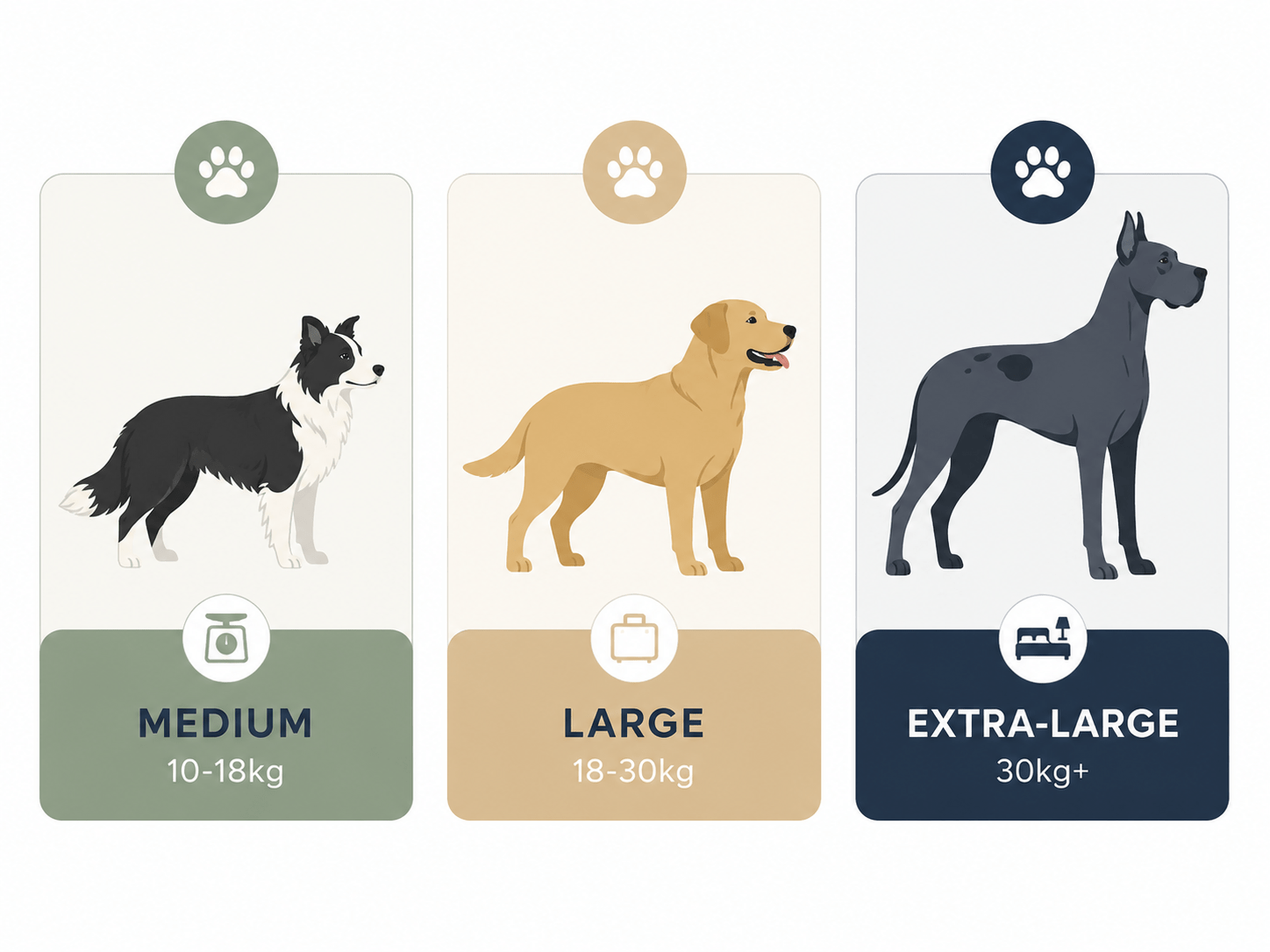
  • Medium: up to roughly 10–18kg (Cocker Spaniels, Beagles, Border Collies)
  • Large: roughly 18–30kg (Labradors, Golden Retrievers, Boxers, German Shepherds)
  • Extra-large/giant: 30kg+ (Great Danes, Newfoundlands, Mastiffs, Bernese Mountain Dogs)

Most “no fee, large dogs welcome” claims found in this research applied at or below the top of the large bracket (up to ~30kg). Giant-breed owners should always confirm directly — several properties that advertise as dog-friendly still ask giant breeds to book ground-floor or specific “dog rooms” for practical reasons like door widths and furniture weight limits, not fee reasons.

Pet Care Tip: Weigh your dog before you travel and keep a note (or a vet printout) on your phone. Front desk staff sometimes estimate weight by eye, and having a real number avoids an awkward reclassification at check-in.

large dog friendly hotels UK

How UK Hotel Pet Fees Actually Work

There isn’t one industry standard — UK hotels tend to fall into four pricing models:

  1. Genuinely free — no fee, no deposit, dog stays as a guest. Most common at independent country hotels and pub-with-rooms properties that see dogs as part of their brand identity.
  2. Refundable deposit — typically £25–£50, returned at checkout if there’s no damage. This is often marketed loosely as “pet friendly” even though money changes hands upfront.
  3. Flat nightly fee — commonly £10–£35 per dog per night, sometimes covering a welcome pack (bed, bowls, treats).
  4. Fee waived above a threshold stay — some properties drop the fee for stays of 3+ nights or for loyalty-programme members.

The nightly-fee model is the one most likely to catch large-dog owners out, because per-night fees are sometimes scaled to dog size even when the headline marketing says “dogs stay free.”

Pet Care Tip: Ask specifically: “Is there any charge — fee or deposit — for a dog over [your dog’s weight] kg?” Generic questions like “are you pet friendly?” almost always get a yes, regardless of the fine print.

UK Hotels Where Large Dogs Can Stay Without a Pet Fee

The table below lists specific UK properties named in the sources checked for this guide, with the large-dog limit, fee, deposit, and dog-free areas as reported by each source. “Not stated” means the source didn’t publish that detail — not that no policy exists. Every figure here needs re-confirming directly with the hotel before you rely on it. Pet policy is set at property level, changes often, and none of these entries have been independently verified with the hotels themselves for this article.

Hotel

Location

Large-dog limit (as reported)

Pet fee

Deposit

Dog-free areas

Source

Checked

Ace Hotel Shoreditch

London

Not stated

£0 — fee reportedly scrapped

Not stated

Not stated

Time Out London

Sept 2026

Aloft London Excel

London

Up to 18kg

£0 — no surcharge reported

Not stated

Not stated

Time Out London

Sept 2026

B+B Belgravia

London

Not stated (more than one dog allowed)

Not stated

£50, refundable

Not stated

Time Out London

Sept 2026

Novotel (London property)

London

Not stated

£10/night

Not stated

Bars, restaurants

Time Out London

Sept 2026

St Pancras Renaissance

London

Up to 10kg — below this guide’s “large” bracket

£50

Not stated

Not stated

Time Out London

Sept 2026

Cliveden House

Berkshire

Up to two dogs per room; size not stated

£35/dog/night

Not stated

Spa, restaurant

The Hotel Guru

Sept 2026

The Grove

Hertfordshire

Under 30kg

Not stated

Not stated

Not stated

The Hotel Guru

Sept 2026

The Balmoral

Edinburgh

Under ~9kg/20lbs — below this guide’s “large” bracket

Not stated

Not stated

Not stated

Hotelgift

Sept 2026

Pen-y-Gwryd Hotel

Snowdonia, Wales

Not stated

£5/day

Not stated

Not stated

A Lady of Leisure

Sept 2026

Kimpton Charlotte Square Hotel

Edinburgh

Up to ~35kg/77lbs

Not stated

Not stated

Not stated

BringFido

Sept 2026

Grovefield House Hotel by Uno

Buckinghamshire

Not stated

£10/pet/night

Not stated

Not stated

BringFido

Sept 2026

What this table actually shows: very few of the properties with published data combine a stated large-dog weight allowance with a confirmed £0 fee. Aloft London Excel (18kg, £0 reported) is the closest match found. Kimpton Charlotte Square publishes a generous 35kg limit but no fee figure to confirm it’s free.

Ace Hotel Shoreditch has reportedly scrapped its fee but doesn’t publish a weight limit either way. That gap is itself a useful finding: readers specifically chasing “large dog plus zero fee” should expect to call ahead to regional independent hotels and pubs-with-rooms rather than rely on any single published list — this one included.

Beyond these named examples, three broader patterns held up across the sources reviewed, though none is a guarantee at any specific property:

  • Pub-with-rooms and coaching inns were the most consistently fee-free category for dogs of any size, often because the pub itself already allows dogs downstairs.
  • Countryside and coastal hotels marketed around walking holidays (Lake District, Yorkshire, Devon, Wales, Scotland) more often waived fees entirely in the sources reviewed, since dog owners are their core audience rather than an add-on market.
  • Loyalty-tier waivers — a few larger chains reportedly drop the pet fee for members of their top loyalty tier, worth checking if you already hold hotel points.

Because individual hotel policies change often — and are usually set at property level even within a chain — treat this table and this guide as a starting point, and always verify current terms directly with the property before booking.

Dog-Free Areas and House Rules to Expect

Even the most generous no-fee policy comes with boundaries. Across nearly every UK hotel reviewed for this guide, three restrictions were near-universal:

  • Dogs are not permitted in restaurants, bars, or spa areas (some make exceptions for outdoor terraces).
  • Dogs must not be left unattended in the room, or must be crated if they are.
  • Dogs are not allowed on beds or soft furnishings unless the room comes with a designated “dog bed” or throw.

Large dogs sometimes face an additional practical rule: being assigned ground-floor or garden-facing rooms rather than upper floors, particularly in older buildings without lifts.

Number of Dogs, Age Requirements, and Behaviour Policies

Most properties cap bookings at one or two dogs per room without extra approval; beyond that, you’ll typically need to call ahead. Age requirements are inconsistently published — where they do exist, “one year or older” is the most common minimum, aimed at excluding untrained puppies rather than penalising large breeds specifically.

Behaviour expectations are rarely written down in detail but are consistently enforced in practice: dogs are expected to be house-trained, non-aggressive around other guests and dogs, and quiet enough not to disturb neighbouring rooms. Hotels reserve the right to charge for excessive noise complaints or damage even under a “no fee” policy — the fee waiver covers the pet’s presence, not its behaviour.

Pet Care Tip: If your large dog is reactive to strangers or other dogs, request a room near a side entrance or stairwell rather than the main lobby route — most hotels will accommodate this if you ask at booking rather than at check-in.

Cleaning Charges, Deposits, and Cancellation Policies

This is the least transparent part of UK hotel pet policy, and none of the sources checked for this guide published a full breakdown:

  • Cleaning charges for excessive shedding, odour, or accidents appear, based on the properties reviewed, to be reserved for genuinely damaged rooms rather than routine dog hair — but the threshold is set by housekeeping case-by-case, not a published rate card.
  • Damage deposits, where charged (see B+B Belgravia’s £50 example above), are typically pre-authorised on a card and returned if no issues are found. None of the sources checked stated an exact release timeframe, so ask the property directly rather than assuming a standard window.
  • Cancellation policies for pet bookings appeared, in the properties reviewed, to generally mirror the hotel’s standard room cancellation policy — always confirm this in writing, since a small number of properties tie non-refundable rates to dog bookings specifically to discourage last-minute cancellations.

Practical Examples

Aloft London Excel — the closest match to “large dog, no fee” found in this research: no surcharge reported for the bed and treats provided, and dogs up to 18kg are explicitly accepted — just at the lower edge of the “large” bracket used in this guide. A reminder that even a genuinely free policy can carry an unstated weight ceiling worth checking before booking a bigger breed.

Ace Hotel Shoreditch — fee scrapped, weight limit unpublished: Time Out reports the hotel previously charged £25 and has since dropped it, with no published weight limit either way. A large-dog owner should call ahead to confirm the change applies regardless of size, rather than assuming it from the fee removal alone.

B+B Belgravia — deposit, not fee: no flat pet fee reported, but a £50 refundable deposit, with more than one dog allowed. A real-world illustration of “no fee” not meaning “no money changes hands” — the deposit is only returned if there’s no damage.

Common Mistakes When Booking With a Large Dog

  1. Trusting the word “pet-friendly” alone — it says nothing about fees, weight limits, or deposits.
  2. Not disclosing your dog’s actual weight — arriving with a 35kg dog after describing it as “medium” risks a room reassignment or fee at check-in.
  3. Assuming no-fee means no rules — deposits for damage can still apply even when there’s no flat pet fee.
  4. Booking a top-floor or lift-only room without checking accessibility for a large or anxious dog.
  5. Skipping the pre-arrival call — email confirmations get lost; a phone call the day before travel catches last-minute policy exceptions.

Editor’s Insights

  • Properties that publish a specific weight limit (rather than vague “large dogs welcome” language) generally read as more reliable, because it signals the policy has actually been thought through operationally.
  • Loyalty programme tiers are an underused lever for waiving pet fees — worth checking before assuming a fee is fixed.
  • Independent country hotels with a dedicated “dog-friendly” page (rather than a single mention among general amenities) tended to have clearer, more specific policies among the properties reviewed for this guide.
  • If a hotel’s website doesn’t mention a maximum number of dogs, assume two is the practical ceiling and confirm before booking three or more.
dog friendly hotels no deposit

Decision Framework: Is This Hotel Right for Your Large Dog?

  1. Does the property state a weight limit, and does your dog fall comfortably under it?
  2. Is the “no fee” claim a true waiver, or a refundable deposit in disguise?
  3. Are dog-free areas (restaurant, spa) workable for your trip, or do you need somewhere with a dog-friendly dining option?
  4. Is the room type (ground floor, garden access) suitable for a large or anxious dog?
  5. Have you confirmed the policy directly with the property within the last few weeks, given how often these terms change?

No-Fee vs Fee-Charging Hotels: Quick Comparison

Policy Type

Typical Cost

Weight Limit Common?

Best For

Genuinely free

£0

Rarely stated

Owners prioritising cost certainty

Refundable deposit

£25–£50 (returned)

Sometimes

Well-behaved dogs, short stays

Flat nightly fee

£10–£35/night

Occasionally

Hotels bundling a welcome pack

Fee waived on loyalty tier

£0 (members only)

Chain-dependent

Existing hotel loyalty members

Pre-Booking Checklist

  • Confirmed weight limit (if any) in writing
  • Confirmed whether “no fee” means no deposit, or deposit-only
  • Asked about maximum number of dogs per room
  • Checked which areas of the hotel are dog-free
  • Confirmed cancellation terms for the specific rate booked
  • Requested a ground-floor or accessible room if needed

Travel Day Packing Checklist

  • Proof of vaccination/vet contact details
  • Portable water and food bowls
  • Familiar bed or blanket to reduce anxiety in a new room
  • Lead, harness, and a spare in case one is misplaced
  • Waste bags and a portable stain-remover for accidents
  • Recent photo of your dog on your phone, in case of separation

FAQ

Do UK hotels really let large dogs stay for free? 

Some do — see the source-checked table above for specific examples — but “free” more often means no nightly fee rather than no conditions at all. Deposits and weight caps are common even where the fee itself is £0.

What’s considered a “large dog” for hotel policies? 

There’s no official industry standard. For planning purposes, this guide treats roughly 18–30kg as the large-dog bracket, based on where most properties with a published weight limit set their cutoff — always check the specific hotel’s own figure.

Will I be charged if my dog sheds or has an accident? 

Possibly, but the properties reviewed suggest this is reserved for damage beyond normal wear rather than routine shedding — the exact threshold is judged case-by-case by housekeeping, not a fixed published rate.

Can I bring more than one large dog? 

Often yes, up to two (B+B Belgravia, for example, allows more than one), but always confirm — many hotels cap total pets per room without a call ahead.

Are certain breeds excluded even if size is fine? Not commonly stated in the properties reviewed for this guide, but very few UK hotels publish a breed policy in writing at all — ask directly rather than assuming none exists.

Do dog-friendly hotels allow dogs in the restaurant? Usually not — Novotel and Cliveden House, for example, exclude dogs from bars/restaurants and the spa/restaurant respectively — though some hotels allow dogs in bar areas or outdoor terraces even when the main restaurant is off-limits.

Is a refundable deposit the same as a pet fee? No — a fee is generally non-refundable and pays for the pet’s stay; a deposit (like B+B Belgravia’s £50) is returned if there’s no damage, so it can functionally cost nothing if your dog behaves.

How far in advance should I confirm a hotel’s pet policy? Ideally at booking, and again by phone 24–48 hours before arrival, since property-level policies can change and none of the figures in this guide are guaranteed current.

Sources & References

Property-specific facts (fees, deposits, weight limits) are attributed individually in the comparison table under “UK Hotels Where Large Dogs Can Stay Without a Pet Fee,” each with its own source and date checked. The general pattern-level observations elsewhere in this guide (dog-free areas being common, typical age minimums, and similar) draw on the sites below collectively rather than one specific claim each:

  • Cool Places — Dog Friendly Hotels in the UK
  • BringFido — Pet Friendly Hotels in the United Kingdom, London, and Manchester
  • Time Out London — The Best Pet-Friendly Hotels in London
  • PetsPyjamas — Dog-Friendly Hotels
  • Hotelgift — All You Need To Know About Dog Friendly Hotels in the UK
  • The Hotel Guru — Dog Friendly Hotels in the UK: The Ultimate Guide (2025)
  • A Lady of Leisure — Best Dog Friendly Hotels in the UK
  • TravelAwaits — 11 Hotels Where Dogs Stay Free

Note: individual hotel fees, deposits, and weight limits change frequently and are set at property level even within chains. None of the specific figures in this guide have been independently confirmed directly with the hotels themselves. Readers — and the editorial team before publishing — should verify current terms directly with each named property. [VERIFY] every specific figure against the hotel’s own current policy page prior to publishing.

Written and reviewed by the Pets Store Home editorial team. This article is for general planning purposes and is not a substitute for a hotel’s official policy — always confirm pet terms directly with the property before booking. Last reviewed: September 2026.

Conclusion

Finding a UK hotel that truly welcomes large dogs at no cost comes down to asking the right questions rather than trusting the phrase “pet-friendly” on its own. Weight limits, deposits dressed up as fees, and unwritten behaviour expectations are where most large-dog owners get caught out — not the booking process itself.

Confirm the policy type, your dog’s exact weight, and the house rules before you travel, and a genuinely fee-free stay is very achievable across the UK’s country hotels, pubs-with-rooms, and a growing list of chain properties. If you’ve found a hotel that handled your large dog especially well (or badly), it’s worth sharing in the comments to help other owners plan with confidence.