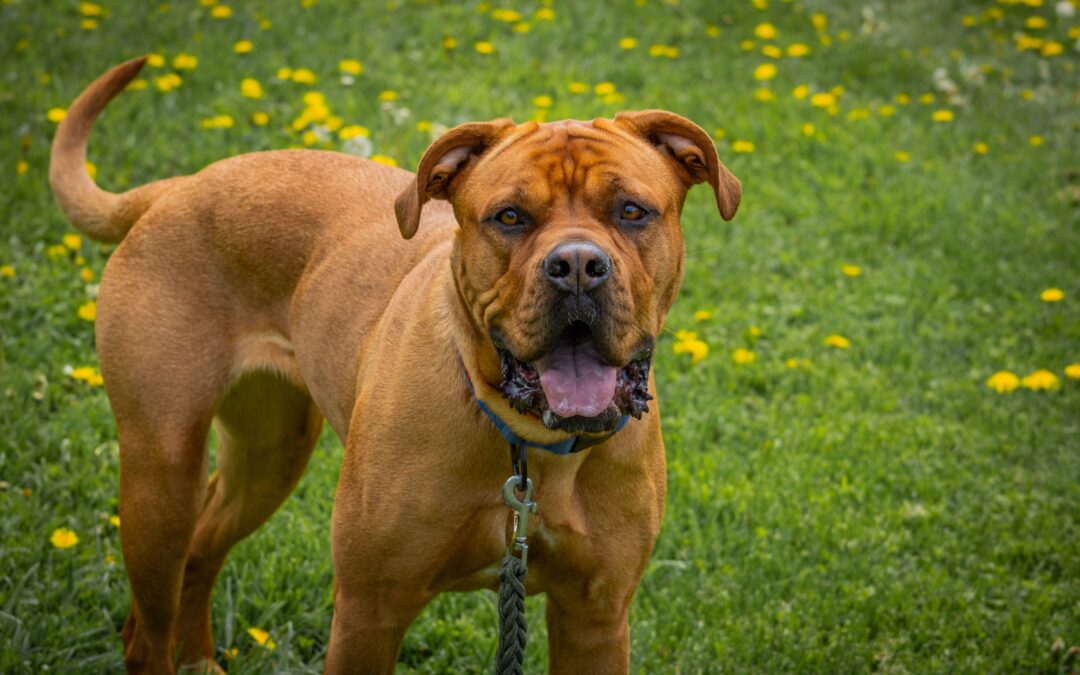
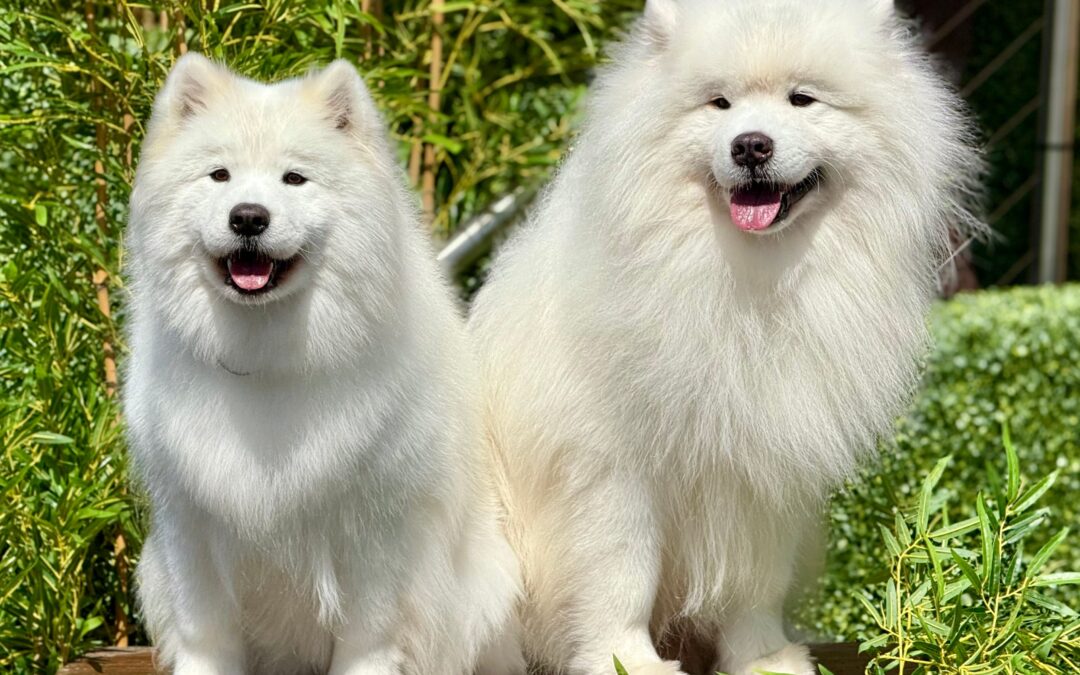
most expensive dog breeds

most expensive dog breeds

Most Expensive Dog Breeds: 10 Costly Purebreds, Real Prices and Lifetime Costs (2026)

The most expensive dog breeds in the US include the Samoyed, French Bulldog, Tibetan Mastiff, English Bulldog and Black Russian Terrier, with breeder prices often between $2,500 and $8,000. Rarity, small litters, costly births and high demand drive those prices, and lifetime care can cost far more than the puppy.

Pricing changes by breeder, region, bloodline and color, so treat every figure here as a range, not a quote. We compared two 2025 price roundups, AKC breed data and Rover’s national cost survey to show what you really pay.

Key takeaways

  • Pumpkin quotes $4,000 to $8,000 for a Samoyed and up to $8,000 for some French Bulldogs.
  • The costliest dog on record is a Tibetan Mastiff reported sold for about $1.95 million in 2014.
  • C-section births, rarity and demand are the main reasons prices climb.
  • Rover puts yearly dog care at $1,390 to $5,295 in 2025, so the purchase price is only the start.
  • Price is not proof of health; ask for health test results on both parents.

Most Expensive Dog Breeds: The Quick Answer

Which are the most expensive dog breeds to buy from a breeder? The table below sets the two price roundups side by side, so you can see how much the figures disagree. Where only one source lists a breed, the other cell is marked “not listed.”

Breed Pumpkin (2025) Hepper (2025) AKC lifespan
Samoyed $4,000 to $8,000 $2,500 to $5,000 12 to 14 years
French Bulldog $3,500 to $5,000 (up to $8,000) $2,500 to $4,000 10 to 12 years
Tibetan Mastiff $2,000 to $6,000 $3,000 and up 10 to 12 years
English Bulldog $2,500 to $4,500 Not listed 8 to 10 years
Black Russian Terrier Not listed $3,000 to $5,000 10 to 12 years
Biewer Terrier $1,500 to $5,000 $2,500 to $3,500 About 16 years
Cavalier King Charles Spaniel $2,000 to $4,500 $2,500 to $3,500 12 to 15 years
Löwchen Not listed $2,500 to $4,000 13 to 15 years
Greater Swiss Mountain Dog $3,000 to $4,000 $2,500 to $3,000 8 to 11 years
Chow Chow $1,500 to $3,000 Not listed 8 to 12 years

Sources: Pumpkin (updated November 2025, no vet reviewer shown), Hepper (updated October 2025, no vet reviewer listed), AKC breed pages, accessed November 2026. Prices vary.

In our experience, the price spread between sources is normal for the most expensive dog breeds. A pet-quality puppy from a small breeder and a show-prospect puppy from a famous line can differ by thousands of dollars.

Most expensive dog breeds: a white and gray French Bulldog standing on a stone path in a green garden
The French Bulldog is the AKC’s most popular breed and one of the priciest to buy. Photo: Sóc Năng Động / Pexels.

The 10 Most Expensive Dog Breeds in 2026

Here is a closer look at each of the most expensive dog breeds in our table, with size and lifespan from the American Kennel Club and the reasons owners pay a premium.

1. Samoyed

The Samoyed is a fluffy white spitz breed that stands 19 to 23.5 inches tall. Among the most expensive dog breeds on our list, it carries the highest Pumpkin quote, $4,000 to $8,000. The AKC lists hip, cardiac and eye exams plus two DNA tests for the breed, and in our experience health-tested litters from proven lines sit at the top of that range.

2. French Bulldog

The French Bulldog ranks first of 210 breeds in AKC popularity, and that demand keeps prices high. Pumpkin cites small litters and rare coat colors as reasons some breeders charge up to $8,000. Our guide to the merle French Bulldog price explains why color alone can add so much.

3. Tibetan Mastiff

The Tibetan Mastiff is a giant guardian, with males weighing 90 to 150 pounds. Regular puppies cost a few thousand dollars, but the breed is famous for one record-breaking sale covered below. For a full breakdown, see our Tibetan Mastiff cost guide.

4. English Bulldog

The AKC’s Bulldog stands just 14 to 15 inches tall and lives 8 to 10 years. Pumpkin quotes $2,500 to $4,500 and links the price to assisted breeding and C-section births, which add vet bills for the breeder.

5. Black Russian Terrier

Bred as a working guard dog, the Black Russian Terrier stands up to 30 inches tall and weighs 80 to 130 pounds. Hepper lists $3,000 to $5,000. In our experience, the breed’s rarity in the US means buyers often join a waiting list or pay to ship a puppy.

6. Biewer Terrier

The tiny Biewer Terrier weighs only 4 to 8 pounds, making it the smallest of the most expensive dog breeds in this guide. Pumpkin ties its $1,500 to $5,000 price to rarity and its full AKC recognition in 2021.

7. Cavalier King Charles Spaniel

The Cavalier King Charles Spaniel weighs 13 to 18 pounds and ranks 13th of 210 breeds in AKC popularity. Pumpkin links its $2,000 to $4,500 price to the breed’s ties to British royalty and steady demand.

8. Löwchen

The Löwchen, whose German name means “little lion,” weighs about 15 pounds and lives 13 to 15 years. Hepper lists $2,500 to $4,000. As general advice, expect a long wait, because few US breeders produce litters.

9. Greater Swiss Mountain Dog

Males of the Greater Swiss Mountain Dog can weigh 115 to 140 pounds. Pumpkin quotes $3,000 to $4,000, and a dog this size also costs more to feed and treat for its whole life.

10. Chow Chow

The Chow Chow weighs 45 to 70 pounds and has a dense, lion-like coat. Pumpkin gives $1,500 to $3,000, and in our experience, the coat adds steady grooming costs on top.

Most expensive dog breeds: a black and tan Tibetan Mastiff with a thick mane resting on a red blanket under prayer flags
The Tibetan Mastiff holds the most-cited record for the costliest dog ever sold. Photo: Grisha Grishkoff / Pexels.

The Costliest Dog in the World

The world’s costliest dog on record is a one-year-old Tibetan Mastiff. According to Smithsonian, citing AFP and the Qianjiang Evening News, a property developer bought him at a luxury pet fair in Zhejiang Province, China, in 2014 for about $1.95 million. Smithsonian notes the sale “likely” set the record, so treat it as the best-known claim rather than a verified world record.

Lists of the costliest dog breeds often lead with this story, but it was a one-off sale in China, not a sign of normal US prices. As general advice, ignore headlines about million-dollar dogs when you budget, and use the breeder ranges in our table instead.

Why Are the Most Expensive Dog Breeds So Pricey?

Several factors push the most expensive dog breeds toward or past the top of the $775 to $4,750 breeder range that Rover reports for 2025. Most come down to supply, demand and what it costs a responsible breeder to raise a litter.

Price driver What it means Example breeds
Costly births A 2010 study found 86.1% of Bulldog and 81.3% of French Bulldog litters were born by C-section English Bulldog, French Bulldog
High demand The AKC ranks the French Bulldog first of 210 breeds in popularity French Bulldog, Cavalier
Rarity Few US breeders and long waiting lists (our experience) Löwchen, Black Russian Terrier, Biewer Terrier
Health testing Hip, heart, eye and DNA screening of both parents Samoyed, Greater Swiss Mountain Dog
Coat color Some breeders charge more for unusual colors French Bulldog
Size Giant dogs eat more and cost more to raise Tibetan Mastiff, Greater Swiss

Sources: Evans and Adams, Journal of Small Animal Practice (2010), AKC, Pumpkin, Rover, accessed November 2026.

The C-section figures come from a study of UK Kennel Club litters, so US rates may differ, but they show why birth costs matter for flat-faced breeds. Health testing through the OFA costs breeders money, and in our experience the best breeders build that into the price.

Pet Care Tip: Our suggestion is to request both parents’ OFA results ahead of any deposit. In our experience, breeders who screen and share that paperwork justify a higher price far better than a fancy website does.

Beyond the Price Tag: Lifetime Costs

Even with the most expensive dog breeds, the purchase price is often the smallest bill. Rover’s 2025 survey puts upfront costs at $1,150 to $4,420 and yearly care at $1,390 to $5,295. Our lifetime estimate multiplies Rover’s yearly range by each breed’s AKC lifespan. It is a rough guide, not a breed-specific quote, and in our experience big dogs land toward the high end.

Breed AKC lifespan Estimated lifetime care (our math)
Samoyed 12 to 14 years $16,680 to $74,130
French Bulldog 10 to 12 years $13,900 to $63,540
Tibetan Mastiff 10 to 12 years $13,900 to $63,540
English Bulldog 8 to 10 years $11,120 to $52,950
Cavalier King Charles Spaniel 12 to 15 years $16,680 to $79,425
Biewer Terrier About 16 years $22,240 to $84,720

Method: Rover 2025 yearly cost range ($1,390 to $5,295) × AKC lifespan. Excludes the purchase price, emergencies and inflation.

Most expensive dog breeds: a Blenheim Cavalier King Charles Spaniel sitting outdoors in a harness
A small dog can still cost tens of thousands of dollars over a long life. Photo: dons Min / Pexels.

How to Buy an Expensive Breed Safely

High prices attract scammers. The Better Business Bureau told FOX10 News in January 2026 that fake pet listings still appear in search results and social media ads, and that pressure to pay fast is a major warning sign. The AKC tips in the same report suggest avoiding wire transfers and gift cards.

Before-you-pay checklist

  1. Meet the puppy and at least one parent, in person or on a live video call.
  2. Ask for health test results on both parents, then check them on the OFA site.
  3. Get a written contract that covers health guarantees and returns.
  4. Pay with a credit card, never a wire transfer or gift card.
  5. Walk away from anyone who rushes you or refuses to answer questions.

When to call the vet: As general advice, a puppy from any of the most expensive dog breeds should see a vet within a few days of coming home. Call your vet right away if the puppy has labored breathing, vomiting, diarrhea or will not eat.

Common mistake Why it matters Better approach
Treating price as proof of quality Price can reflect color or demand, not health Judge the breeder by health tests and transparency
Budgeting only for the puppy Rover puts yearly care at up to $5,295 Plan for lifetime costs before you buy
Paying by wire or gift card AKC tips in the FOX10 report advise against them Use a credit card and a written contract
Skipping rescue options In our experience, purebreds do turn up in shelters Check breed club rescues first

Example Scenario (illustrative)

Daniel and Priya in Denver had their hearts set on a Samoyed. Before paying a $500 deposit, they asked for the parents’ OFA hip and eye results, met the mother on a video call, and set aside a yearly care budget. When a cheaper “breeder” online demanded a gift card, they walked away and waited three months for a health-tested litter.

Most Expensive Dog Breeds FAQs

What is the most expensive dog breed?

No single breed always holds the title. Among regular US puppy prices, the Samoyed, French Bulldog and Tibetan Mastiff often top the lists, with Pumpkin quoting up to $8,000 for the first two.

What is the costliest dog in the world?

The record most often cited is a Tibetan Mastiff sold in China in 2014 for about $1.95 million, as reported by Smithsonian. Normal Tibetan Mastiff puppies cost a tiny fraction of that.

Why are French Bulldogs so expensive?

Demand is huge and births are costly. The AKC ranks the Frenchie its most popular breed, and a 2010 study found 81.3% of French Bulldog litters were born by C-section.

Are expensive dog breeds healthier?

Not necessarily. A high price can reflect demand, rarity or coat color rather than health. Ask for the parents’ health test results instead of trusting the price tag.

How much does a dog cost per year in the US?

Rover’s 2025 figures put yearly care at $1,390 to $5,295, on top of $1,150 to $4,420 in upfront costs. In our experience, big breeds sit higher.

Can I adopt an expensive breed instead of buying one?

Often, yes. In our experience, purebred dogs do end up in shelters, and many breed clubs run rescue networks. Adoption fees in Rover’s data run $30 to $455.

Most expensive dog breeds: a fluffy cream Chow Chow puppy sitting indoors
A fluffy coat like this Chow Chow’s means regular grooming bills for life. Photo: Mehmed Lukavackic / Pexels.

Final Verdict

The most expensive dog breeds, from the Samoyed and French Bulldog to the rare Löwchen, cost more because of demand, rarity, costly births and careful health testing. Choose the breed that fits your home first, then pick a transparent breeder or a breed rescue, and budget for a lifetime of care, not just the price tag.

Your next steps

  1. Read the AKC page for your chosen breed and Rover’s cost of dog parenthood report.
  2. Compare real puppy prices in our Tibetan Mastiff puppy price and fluffy Frenchie price guides.
  3. Browse more breed guides, including our scary dogs list, in the Dogs section.

Tell us which pricey breed you love on the Pets Store Home Facebook page.

About the author: Written and reviewed by the Pets Store Home Editorial Team: pet owners and animal lovers who check every guide against trusted US veterinary and animal-welfare sources. This article is general information, not a substitute for professional veterinary advice. Always talk to your veterinarian about your own pet’s health.

How we checked this guide: Breed sizes, lifespans, popularity ranks and health tests come from AKC breed pages. Puppy prices come from Pumpkin and Hepper, neither of which lists a vet reviewer, and US care costs from Rover’s 2025 survey. C-section rates come from a peer-reviewed 2010 study, and the record sale from Smithsonian. We review this article every 12 months.

Last reviewed: November 2026.

Sources

  1. American Kennel Club: breed pages (accessed November 2026)
  2. Pumpkin: The 10 Most Expensive Dog Breeds (updated November 2025)
  3. Hepper: Most Expensive Dog Breeds (updated October 2025)
  4. Rover: The Cost of Dog Parenthood (2025 survey)
  5. Smithsonian: Tibetan Mastiff puppy becomes most expensive dog ever sold (2014)
  6. Evans KM, Adams VJ. Proportion of litters of purebred dogs born by caesarean section. J Small Anim Pract, 2010
  7. FOX10 News: Online pet scams are still tricking buyers (January 2026)
  8. Orthopedic Foundation for Animals (accessed November 2026)
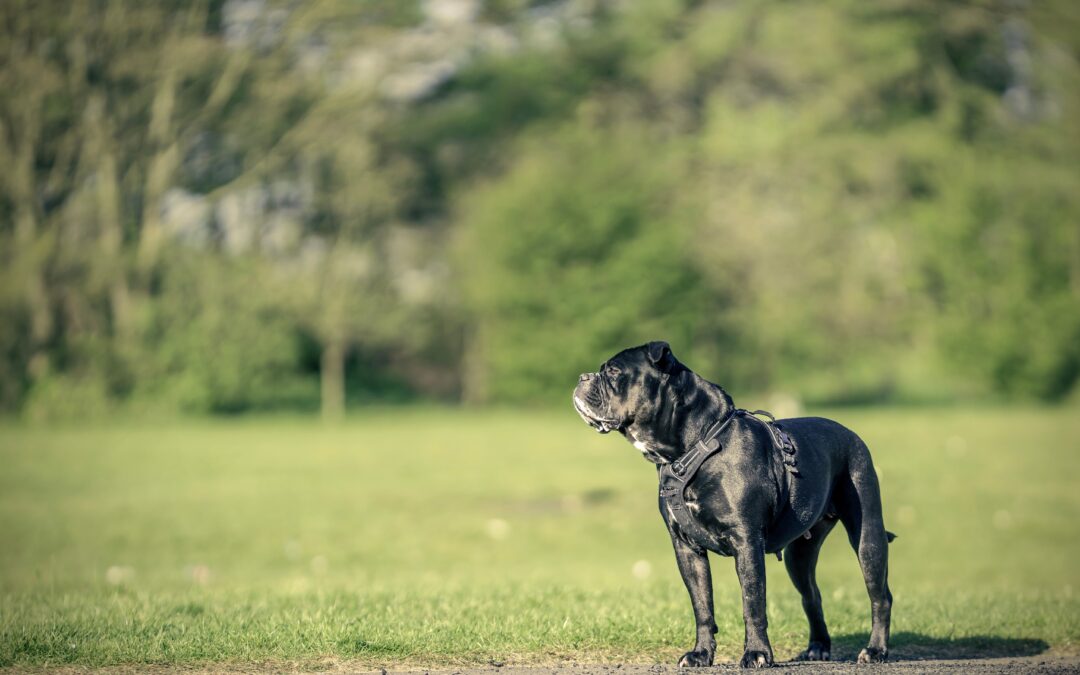
cane corso pitbull mix

cane corso pitbull mix

Cane Corso Pitbull Mix (Pit Corso): Essential Owner’s Facts on Size, Health and Training (2026)

A Cane Corso pitbull mix, also called an American Pit Corso or Pit Corso, is a cross between a Cane Corso and a pit bull-type dog. Most adults stand 22 to 28 inches tall and weigh 65 to 110 pounds. Expect a powerful, loyal and protective dog that needs an experienced owner, early socialization and plenty of exercise.

Thinking of adopting one? This guide compares the two parents with AKC, UKC and vet-reviewed data, then covers size and brindle colors, the truth about “King Corso” mixes, temperament, daily care, health screening and whether this big cross fits your home.

Key takeaways

  • The Pit Corso is a crossbreed, so neither the AKC nor the UKC registers it as a breed.
  • Hepper lists 22 to 28 inches, 65 to 110 pounds and a 10 to 14 year lifespan.
  • The AKC calls the Cane Corso a “peerless protector,” so early training matters.
  • Bloat, hip dysplasia and eyelid problems are key health issues to know (Hepper, WebMD).
  • “King Corso” is a sales term, not an AKC-recognized breed.

Cane Corso Pitbull Mix: The Short Answer

Is a Cane Corso pitbull mix the right dog for you? This snapshot pulls together the mix figures from Hepper and the parent-breed data used throughout this guide.

Trait What to expect
Other names American Pit Corso, Pit Corso, Corso pit mix
Height About 22 to 28 inches, 56 to 71 cm (Hepper)
Weight About 65 to 110 pounds, 29 to 50 kg (Hepper)
Lifespan 10 to 14 years (Hepper)
Colors Black, fawn, brown, gray and brindle (Hepper)
Coat care Weekly brushing; heavier shedding in spring (Hepper, WebMD)
Best for Seasoned owners with an active routine and patience for training

Sources: Hepper (no vet reviewer listed), AKC, UKC and WebMD (reviewed by Kathleen Claussen, DVM), accessed November 2026.

Cane Corso pitbull mix look-alike: a brindle short-coated dog with a broad head holding a ball against a brick wall
In our experience, a brindle coat and broad head like this are a common look for a Cane Corso pitbull mix. Photo: Manuel Torres Garcia / Pexels.

The Parent Breeds Side by Side

Every Cane Corso pitbull mix inherits traits from two very different dogs. The AKC says the Cane Corso’s name roughly means “bodyguard dog” and traces its line back to ancient Rome. The UKC standard describes the American Pit Bull Terrier as a strong, confident and lively dog. Since many dogs called pit bulls have mixed ancestry, our comparison relies on the UKC-registered American Pit Bull Terrier.

Figure Cane Corso (AKC) American Pit Bull Terrier (UKC, Hill’s)
Height, male 25 to 27.5 inches 18 to 21 inches
Height, female 23.5 to 26 inches 17 to 20 inches
Weight In proportion to height 35 to 60 lb (male), 30 to 50 lb (female)
Life expectancy 9 to 12 years 12 to 14 years (Hill’s)
Temperament words Affectionate, intelligent, majestic Strength, confidence, “zest for life” (UKC)

Sources: AKC Cane Corso page, UKC American Pit Bull Terrier standard (revised 2017), Hill’s Pet Nutrition, accessed November 2026.

Size, Coat and Brindle Colors

How Big Is a Full-Grown Pit Corso?

A full-grown Cane Corso pitbull mix usually lands between its parents. Hepper gives 22 to 28 inches and 65 to 110 pounds, but a pup with more Corso in it can be far heavier than one that takes after a compact pit bull. As general advice, meet both parents, or ask a rescue for a vet’s weight estimate, before you commit.

Brindle and Other Coat Colors

Hepper lists black, fawn, brown, gray and brindle. In our experience, a brindle Cane Corso pitbull mix, with its tiger-striped coat, is one of the most popular looks. The coat is short, and Hepper says a weekly brush and an occasional bath are usually enough.

What About a King Corso Pitbull Mix?

In our experience, sellers use King Corso for an extra-large or heavier-boned Cane Corso, but the AKC recognizes only the Cane Corso and lists no King Corso breed. As general advice, treat the name as marketing, ask for both parents’ health results, and be wary of breeders who promise unusually huge puppies, since bigger is not healthier and extra weight loads the joints.

Cane Corso pitbull mix parent: a gray Cane Corso running through a lush green meadow
The Cane Corso parent can pass on size, muscle and the guarding instinct the AKC describes. Photo: Philip Klemm / Pexels.

Cane Corso Pitbull Mix Temperament: Guardian or Goofball?

Often both. The AKC calls the Cane Corso “a peerless protector” and stresses that this big dog learns best through kind, reward-based handling rather than force.

Hill’s, in a page by Sarah Wooten, DVM, describes the American Pit Bull Terrier as people-oriented and playful. In our experience, a well-raised Cane Corso pitbull mix is devoted at home and watchful with strangers.

Training a Pit Corso

Start on day one with a Cane Corso pitbull mix puppy. The AKC says early socialization and puppy classes are “a must” for a breed as big and strong as the Cane Corso. WebMD, reviewed by Kathleen Claussen, DVM, recommends positive reinforcement over harsh correction. As general advice, keep sessions short, reward calm behavior, and expose your puppy to many people, sounds and places.

Kids, Dogs and Other Pets

The AKC marks the Cane Corso as better with supervision around young children and other dogs. Hill’s notes some pit bulls have a strong prey drive. As general advice, supervise every interaction with kids, introduce other dogs slowly, and take care with cats and small pets.

Exercise, Training and Daily Care

A bored Cane Corso pitbull mix can become a destructive one. The AKC suggests a brisk walk or run of at least a mile in the morning and again in the evening for Cane Corsos, plus a job to do. Hill’s suggests 60 to 90 minutes of activity a day for pit bulls.

Daily need How much Source
Walks or runs At least 1 mile, twice a day AKC (Cane Corso)
Total activity 60 to 90 minutes Hill’s (pit bull)
Brain work Training games, puzzle toys, scent work AKC, WebMD
Brushing Weekly; more often in spring Hepper, WebMD
Teeth and nails Brush teeth daily; trim nails regularly WebMD

Sources: AKC, Hill’s Pet Nutrition, WebMD and Hepper, accessed November 2026.

Pet Care Tip: Our suggestion is to give your Pit Corso a “job” every day, such as carrying a light dog backpack on walks or a nose-work game at home. In our experience, a big guardian mix with work to do is far calmer indoors.

Cane Corso pitbull mix parent: a red and white pit bull standing confidently outdoors in the sun
Hill’s describes the pit bull parent as playful and people-oriented. Photo: Leonardo Merlo / Pexels.

Cane Corso Pitbull Mix Health and Lifespan

What health risks does a Cane Corso pitbull mix carry? Hepper gives a lifespan of 10 to 14 years and lists hip dysplasia, eyelid problems (entropion and ectropion), cherry eye, allergies and demodectic mange, with bloat as the most serious risk.

Parent Health concerns Recommended screening
Cane Corso Hip dysplasia, idiopathic epilepsy, bloat, eyelid problems, mange (WebMD) Hip, elbow, patella and cardiac exams; DSRA and NCL1 DNA tests (AKC breed club)
American Pit Bull Terrier Hip and elbow dysplasia, skin allergies, demodex mites (Hill’s) Hip and elbow X-rays; ask your vet about skin care

Sources: AKC Cane Corso page, WebMD (Kathleen Claussen, DVM), Hill’s Pet Nutrition, accessed November 2026.

WebMD notes that deep-chested dogs face a higher bloat risk. According to VCA Animal Hospitals, bloat is an emergency, and early clues include pacing, heavy drooling and unproductive retching. As general advice, ask breeders for both parents’ results on the OFA database.

When to call the vet: As general advice, treat a tight, swollen stomach, repeated dry heaving, a seizure or sudden trouble standing as an emergency, and call your vet or the nearest 24-hour animal hospital right away.

Is a Pit Corso Right for You?

A Cane Corso pitbull mix is a big, strong dog, so honest planning matters. Some US cities, counties and landlords restrict pit bull-type or large guardian breeds, and rules change, so check your local laws, lease and home insurance first. The AVMA reminds owners that “any dog can bite, regardless of its breed,” which makes training and supervision essential.

Ready-for-a-Pit-Corso checklist

  1. I have raised a large or strong-willed dog before.
  2. I can give two long walks and play time every day.
  3. My lease, insurance and local laws allow this cross.
  4. I will budget for training classes and large-breed vet care.
  5. I can see both parents’ OFA results or the rescue’s behavior notes.

Puppy prices for this cross vary widely, and none of our sources gave a reliable US figure, so we leave price out. In our experience, rescues regularly take in grown Pit Corsos, which lets you judge an adult’s size and nature before adopting. If a rescue is unsure of the dog’s ancestry, a dog DNA test can help fill in the gaps.

Common mistake Why it matters Better approach
Buying for “King Corso” size The AKC lists no King Corso breed Choose health-tested parents over size
Skipping socialization The AKC calls early classes a must for Cane Corsos Book puppy classes before pickup day
Harsh corrections WebMD advises positive reinforcement Reward calm, polite behavior
Big meals before exercise WebMD says deep-chested dogs face more bloat risk Ask your vet how to time meals

Example Scenario (illustrative)

Marisol in El Paso had raised two large dogs before she adopted Ozzie, a two-year-old Cane Corso pitbull mix, from a local rescue. She checked her lease first, enrolled him in a basic manners class, and gave him two brisk walks a day. Within weeks he learned to settle on his bed when visitors arrived.

Cane Corso Pitbull Mix FAQs

How big does a Pit Corso get?

Hepper gives 22 to 28 inches and 65 to 110 pounds. Because the AKC lists Cane Corsos at up to 27.5 inches and the UKC lists pit bulls far smaller, size varies a lot between puppies.

How long does a Pit Corso live?

Hepper gives 10 to 14 years. The AKC lists 9 to 12 years for the Cane Corso, while Hill’s puts the American Pit Bull Terrier at 12 to 14 years.

Is a King Corso the same as a Cane Corso?

“King Corso” is a marketing label, not a breed. The AKC recognizes the Cane Corso but lists no King Corso, so ask any breeder what the dog’s parents actually are.

Is an American Pit Corso good with kids?

It can be, with training and supervision. The AKC marks the Cane Corso as better with supervision around children, so never leave a large dog alone with young kids.

Do Pit Corsos shed?

A little. Hepper says weekly brushing is usually enough, and WebMD notes Cane Corsos shed more heavily in spring.

Is a Cane Corso pit mix a good first dog?

Usually not. WebMD stresses that Cane Corsos need a confident, consistent owner, so this cross is best for people who have trained a large dog before.

Cane Corso pitbull mix puppy look-alike: two fawn mastiff-type puppies with dark faces sleeping side by side
Puppies grow fast, so plan for an adult that may top 100 pounds. Photo: Harsh limbachiya / Pexels.

Final Verdict

A Cane Corso pitbull mix can be a loyal, affectionate and protective companion for experienced owners who commit to early socialization, reward-based training and plenty of daily exercise. Check local rules and your lease first, ignore “King Corso” hype, and pick a breeder who screens both parents, or a rescue that can tell you about the dog’s history.

Your next steps

  1. Read the AKC Cane Corso page and the UKC American Pit Bull Terrier standard.
  2. Work through the checklist above, then compare with our Pitbull Rottweiler mix and scary dogs guides.
  3. Explore more pit bull crosses in our Siberian Pitbull mix guide and Dogs section.

Share your Pit Corso photos on the Pets Store Home Facebook page.

About the author: Written and reviewed by the Pets Store Home Editorial Team: pet owners and animal lovers who check every guide against trusted US veterinary and animal-welfare sources. This article is general information, not a substitute for professional veterinary advice. Always talk to your veterinarian about your own pet’s health.

How we checked this guide: Cane Corso size, temperament, exercise and breed club health tests come from the AKC, and Cane Corso health and grooming from WebMD (reviewed by Kathleen Claussen, DVM). Pit bull figures come from the UKC standard and Hill’s Pet Nutrition (Sarah Wooten, DVM). Mix size, lifespan and colors come from Hepper, which lists no vet reviewer. We review this article every 12 months.

Last reviewed: November 2026.

Sources

  1. AKC: Cane Corso breed information (accessed November 2026)
  2. UKC: American Pit Bull Terrier breed standard (revised May 2017)
  3. Hill’s Pet Nutrition: American Pit Bull Terrier (accessed November 2026)
  4. WebMD: What to Know About Cane Corsos (reviewed April 2026)
  5. Hepper: American Pit Corso (updated March 2025)
  6. VCA Animal Hospitals: Gastric Dilatation and Volvulus in Dogs (accessed November 2026)
  7. AVMA: Why breed-specific legislation is not the answer (accessed November 2026)
  8. Orthopedic Foundation for Animals (accessed November 2026)
what is a group of cats called

what is a group of cats called

What Is a Group of Cats Called? The Essential Guide to Clowders, Kindles and Colonies (2026)

A group of cats is called a clowder. A group of kittens is called a kindle or a litter, and feral cats living together outdoors form a colony. You may also see playful terms like glaring or clutter. Lions have their own name: a group of lions is called a pride.

So, what is a group of cats called, and why? This guide explains where the word clowder comes from, the other names you will hear, how real cat groups work in the wild, and practical tips if you are building your own clowder at home.

Key takeaways

  • Clowder is the standard name for a group of cats (Dictionary.com, Vocabulary.com).
  • A group of kittens is a kindle, a term found in the Book of St Albans (1486).
  • Feral cats that live and bond together form a colony (Alley Cat Allies).
  • Free-living cat colonies are built around related females, says a veterinary behaviorist.
  • In a multi-cat home, plan one litter box per cat plus one extra (Today’s Veterinary Practice).

What Is a Group of Cats Called? The Short Answer

What is a group of cats called in plain English? Clowder. The table below covers every common name, from house cats to big cats.

Group Name How common?
Adult cats Clowder Standard term
Adult cats (informal) Glaring, clutter Rare or playful
Kittens Kindle or litter Litter is everyday; kindle is traditional
Feral or community cats Colony Used by rescue groups
House cats in one home Clowder or multi-cat household Everyday speech
Lions Pride Standard term

Sources: Dictionary.com, Book of St Albans (1486), Alley Cat Allies.

What is a group of cats called: three tabby and white cats sitting together in the sun on a paved path
Three cats sharing a sunny spot make a small clowder. Photo: Doğan Alpaslan Demir / Pexels.

Where the Word Clowder Comes From

Dictionary.com defines clowder simply as “a group or cluster of cats” and dates its first recorded use to 1795 to 1805. It traces the word to the dialect term clodder, meaning a clotted mass, and to the old verb clotter, meaning to huddle together. In other words, a clowder is a huddle of cats, which anyone who has seen cats pile up on a warm bed will recognize.

Vocabulary.com agrees that clowder is the collective term for cats. As general advice, if you want one correct answer for a quiz or crossword, clowder is it.

Using Clowder in a Sentence

Once you know what is a group of cats called, the word is easy to use. Here are three examples you can borrow:

  • “A clowder of barn cats waited by the door at feeding time.”
  • “Our clowder grew from one rescue to four cats in two years.”
  • “The shelter placed the whole clowder of siblings in one foster home.”

Other Names for a Group of Cats

Ask ten people what is a group of cats called, and you may hear ten different answers. In our experience, most of the other terms online are playful or rare rather than standard dictionary usage.

Term What it describes Our notes
Clutter A group of cats Dictionary.com links clowder to clutter
Glaring A group of cats Playful; fits a stare-down between cats
Pounce A group of cats Rare and informal
Colony Outdoor or feral cats Standard among rescue groups
Dout or destruction Wild cats Informal; sources vary

Clowder origin: Dictionary.com. Other terms are informal; usage varies.

Pack, Herd or Gang of Cats?

People often search for a pack of cats or a herd of cats, but neither is a true collective noun for cats. Pack belongs to dogs and wolves, and herd to cattle and other grazing animals. The phrase “herding cats” is an idiom for trying to organize something chaotic, not a name for a cat group.

Pet Care Tip: Our suggestion: use “clowder” in writing and “my cats” in conversation. In our experience, most people will smile at clowder, but few will know glaring or pounce.

What Is a Group of Cats Called When They Are Kittens?

A group of kittens is a kindle, though most people just say a litter. The term is old: the Book of St Albans, printed in 1486, lists “a Kyndyll of yong Cattis,” as Arthur O’Dwyer’s transcription shows.

If you are raising a litter, start litter training early. Our step-by-step guide on how to litter train a kitten walks you through it.

What is a group of cats called as kittens: four calico and white kittens lying together on a floor
A kindle of kittens: the old name for a litter of young cats. Photo: Reynaldo Yodia / Pexels.

What Is a Group of Cats Called Indoors vs Outdoors?

The name changes slightly with where the cats live. Cats sharing a home are still a clowder, though most owners say a multi-cat household. Outdoors, the word colony is more common.

Alley Cat Allies defines a colony as “a group of community cats who are bonded to each other and live together in a specific area outdoors.” It uses community cat as an umbrella term for unowned cats living outside, which includes both strays, who were once socialized to people, and ferals, who have had little or no human contact.

Type of cat Typical group name Notes
Pet cats in one home Clowder or multi-cat household Share resources indoors
Community cats outdoors Colony Often supported by caregivers
Feral cats Colony Wary of people (Alley Cat Allies)
Newborn kittens Kindle or litter Stay with the mother for weeks

Definitions: Alley Cat Allies. Notes are general advice.

How Many Cats Make a Clowder?

There is no official minimum. In our experience, most people use clowder for three or more cats, while two cats are simply a pair. Whether you have three cats or thirty, the answer to what is a group of cats called stays the same.

Do Cats Really Live in Groups?

Many people think cats are loners, but the science is more nuanced. Sharon Crowell-Davis, DVM, PhD, a board-certified veterinary behaviorist writing for dvm360, describes how outdoor cats, where there is enough food, settle into colonies whose members tend to stay together over time.

In her account, family lines of females are the backbone of these colonies, and mothers often share kitten care, from nursing to protecting the young. Males may stay with one group or move between groups. So when people ask what is a group of cats called, the deeper answer is a family-based colony.

What is a group of cats called outdoors: a family of tabby cats resting together on a stone wall
Outdoor cats often live in family-based colonies built around related females. Photo: Gaurav Pawar / Pexels.

Big Cat Group Names

Lions are the best-known social big cats, and a group of lions is a pride. You will also see playful names online for other wild cats, such as a streak or ambush of tigers and a coalition of cheetahs. In our experience, these vary from source to source, so treat them as fun trivia rather than fixed rules.

Living With a Clowder at Home

Owning more than one cat can be rewarding, but cats need space and resources. A peer-reviewed Today’s Veterinary Practice article puts it neatly: “Cats are social, but their societies are insular.” It recommends one litter box per cat plus one extra, food and water placed apart, and several feeding and resting spots to prevent stress.

The same article suggests that adding cats goes most smoothly when you adopt two young cats of a similar age, ideally siblings or cats that already know each other. As general advice, introduce an adult cat slowly over days or weeks, starting with scent swapping and separate rooms.

Multi-cat home checklist

  1. One litter box per cat, plus one extra (Today’s Veterinary Practice).
  2. Separate food and water bowls in different spots.
  3. Vertical space, such as cat trees and window perches.
  4. Individual beds or hiding places for each cat.
  5. A slow, scent-first introduction for any new cat.

Signs Your Clowder Gets Along

As general advice, friendly cats often groom each other, sleep touching, greet with raised tails and rub against one another. Signs of tension include blocking doorways or litter boxes, hissing, chasing that ends in hiding, and one cat avoiding shared rooms. If tension builds, separate the cats and restart introductions more slowly. Our guide to redirected aggression in cats explains one common cause of sudden fights.

When to call the vet: As general advice, call your vet if a cat in your clowder stops eating, hides for long periods, urinates outside the litter box or starts fighting. Stress between cats can show up as health problems, and sudden aggression can have a medical cause.

Common mistake Why it matters Better approach
One shared litter box The article advises one per cat plus one Add boxes in different rooms
Food and water side by side The article advises separating them Place water away from food
Rushing introductions Cats’ societies are insular, per the article Swap scents and go slowly
No vertical space In our experience, height helps cats avoid conflict Add shelves, perches and cat trees

Example Scenario (illustrative)

Hollis in Tucson adopted two sibling kittens, Miso and Pepper, and later asked, “So what is a group of cats called now that I have three?” When she added an adult cat, she kept him in a spare room for a week, swapped bedding for scent, and set up four litter boxes. Her small clowder now shares a window perch peacefully.

What Is a Group of Cats Called: FAQs

What is a group of cats called?

A group of cats is usually called a clowder. You may also hear glaring or clutter, and a group of feral cats living outdoors is called a colony.

What is a group of kittens called?

A group of kittens is called a kindle or, more commonly, a litter. The Book of St Albans from 1486 lists “a Kyndyll of yong Cattis.”

What is a group of house cats called?

House cats sharing a home are also a clowder. In everyday speech, most owners simply say a multi-cat household.

Is a pack or herd of cats correct?

Not really. Pack and herd are used for dogs, wolves and livestock. For cats, clowder is the standard collective noun.

What is a group of feral cats called?

A colony. Alley Cat Allies defines it as “a group of community cats who are bonded to each other and live together in a specific area outdoors.”

Why is a group of cats called a clowder?

Dictionary.com links clowder to the old verb clotter, meaning to huddle together, and to clutter. The name fits the way cats bunch up in warm, safe spots.

What is a group of lions called?

A pride. Lions are the best-known big cats that live in organized family groups.

What is a group of cats called at home: two long-haired cats curled up together in a soft gray pet bed
Two cats sharing a bed show the huddle behind the word clowder. Photo: Eduardo López / Pexels.

Final Verdict

So, what is a group of cats called? A clowder, from an old word for huddling together. Kittens form a kindle or litter, outdoor cats form a colony, and lions form a pride. If your own clowder is growing, give every cat enough litter boxes, food spots and high perches, and introduce newcomers slowly.

Your next steps

  1. Use the multi-cat checklist above before adding another cat.
  2. Read our guides to the ginger cat and tortoiseshell cats for more cat facts.
  3. Explore more in our Cats section and Pets hub.

Show us your clowder on the Pets Store Home Facebook page.

About the author: Written and reviewed by the Pets Store Home Editorial Team: pet owners and animal lovers who check every guide against trusted US veterinary and animal-welfare sources. This article is general information, not a substitute for professional veterinary advice. Always talk to your veterinarian about your own pet’s health.

How we checked this guide: The meaning and origin of clowder come from Dictionary.com and Vocabulary.com, and the kindle entry from a transcription of the Book of St Albans. Colony definitions come from Alley Cat Allies, cat social structure from veterinary behaviorist Sharon Crowell-Davis (dvm360), and multi-cat tips from Today’s Veterinary Practice. We review this article every 12 months.

Last reviewed: November 2026.

Sources

  1. Dictionary.com: Clowder (accessed November 2026)
  2. Vocabulary.com: Clowder (accessed November 2026)
  3. Arthur O’Dwyer: The Book of St Albans (1486) (May 2026)
  4. Alley Cat Allies: Talking About Cats, Helpful Terms and Definitions (accessed November 2026)
  5. dvm360: Social Organization and Communication in Cats (Sharon Crowell-Davis, DVM, PhD, DACVB)
  6. Today’s Veterinary Practice: The 10 Commandments of Cat Management (peer reviewed)
scary dogs

scary dogs

Scary Dogs: 12 Intimidating Breeds With Surprisingly Gentle Hearts (2026)

Scary dogs are usually breeds that look intimidating because of their size, muscle, heavy heads or unusual coats, such as the Cane Corso, Neapolitan Mastiff and Doberman Pinscher. Looks do not equal danger. The AKC describes most of these breeds as loyal or affectionate with family, and the AVMA notes that any dog can bite, whatever its breed.

This guide to scary dogs profiles 12 tough-looking breeds using AKC data and shows the body-language signs that tell you when any dog, big or small, wants space.

Key takeaways

  • “Scary” usually describes a dog’s look, not its temperament.
  • The AVMA says any dog can bite, regardless of breed.
  • The AKC describes most breeds on this list as loyal, calm or affectionate.
  • A stiff body, tucked tail and growling are clearer warnings than size.
  • Always ask the owner before you pet any dog.

Scary Dogs: The Short Answer

What makes scary dogs look so intimidating? It mostly comes down to size, shape and how little we know about the individual dog.

Question Quick answer
What makes a dog look scary? Large size, a broad head, dark coat, deep bark or a hard stare
Are scary-looking dogs dangerous? Not by default; the AVMA says any dog can bite
Which breeds come up most? In our experience: mastiffs, Cane Corso, Doberman, Rottweiler, Boerboel
What predicts a bite better? Body language, socialization and supervision
Best first step around any dog Ask the owner before you approach (AKC)

Sources: AKC breed pages and safety guidance; AVMA, accessed November 2026.

Scary dogs example: two black and tan Doberman Pinschers sitting on grass with their tongues out
These Dobermans have the classic look people link with scary dogs, but the AKC lists the breed as good with children. Photo: Breno Cardoso / Pexels.

Why Some Dogs Look Scary

In our experience, people label scary dogs by a handful of features: height, a heavy head, a dark or mask-like face, a deep bark and a still, watchful stare. Many guardian breeds were developed to deter intruders just by being there, so looking imposing was part of the job. That does not tell you how a particular dog will behave.

As general advice, judge the dog in front of you, not its breed label.

12 Scary Dogs With Gentle Hearts

These big scary dogs often top “scariest dog” searches, yet each has a softer side. Sizes and temperament words come from each breed’s AKC page; the descriptions are our own.

Cane Corso

A muscular Italian guardian with a broad head and a deep, steady stare. Its size and stillness can unsettle strangers, but the AKC describes it as affectionate with its own people. AKC size: 25 to 27.5 in (male), 23.5 to 26 in (female); weight in proportion to height (AKC).

Neapolitan Mastiff

Heavy folds of loose skin and a huge head give the “Neo” a look straight out of a movie. In our experience, it is usually calm indoors and devoted to family. AKC size: 26 to 31 in (male), 24 to 29 in (female); about 150 lb (male), 110 lb (female) (AKC).

Doberman Pinscher

Sleek, dark and alert, the Doberman has a reputation as a guard dog. The AKC lists it as good with children, and in our experience many are cuddly at home. AKC size: 26 to 28 in (male), 24 to 26 in (female); 75 to 100 lb (male), 60 to 90 lb (female) (AKC).

Bullmastiff

A black-masked heavyweight traditionally kept as an estate guardian. In our experience, most Bullmastiffs are quiet couch-lovers who save their presence for strangers at the door. AKC size: 25 to 27 in (male), 24 to 26 in (female); 110 to 130 lb (male), 100 to 120 lb (female) (AKC).

Tibetan Mastiff

A thick, lion-like mane makes this Himalayan guardian look enormous. The AKC describes it as reserved, so early socialization matters. AKC size: at least 26 in (male), 24 in (female); 90 to 150 lb (male), 70 to 120 lb (female) (AKC).

Dogo Argentino

An all-white, powerfully built hunting dog from Argentina. Its muscle and focus look intimidating, but the AKC calls it loyal to its family. AKC size: 24 to 26.5 in (male), 24 to 25.5 in (female); 80 to 100 lb (AKC).

Scary dogs breed example: a gray Cane Corso running toward the camera across a green meadow
A Cane Corso at full speed looks fearsome, but the AKC calls the breed affectionate and intelligent. Photo: Philip Klemm / Pexels.

Great Dane

Its sheer height makes the Great Dane scary at first sight, yet the AKC’s own temperament words are patient, dependable and friendly. AKC size: 30 to 32 in (male), 28 to 30 in (female); 140 to 175 lb (male), 110 to 140 lb (female) (AKC).

Boerboel

A South African farm guardian with a blocky head and massive frame. In our experience, it needs a confident, experienced owner and plenty of early training. AKC size: 24 to 27 in (male), 22 to 25 in (female); 150 to 200 lb (AKC).

Black Russian Terrier

A shaggy black coat and bearded face make this Russian working dog look like a bear. The AKC describes it as calm and intelligent. AKC size: 27 to 30 in (male), 26 to 29 in (female); 80 to 130 lb (AKC).

Rottweiler

Black-and-tan markings and a powerful build give the Rottie a tough image. The AKC notes it can be playful and even silly with its family. AKC size: 24 to 27 in (male), 22 to 25 in (female); 95 to 135 lb (male), 80 to 100 lb (female) (AKC).

Komondor

Long white cords that cover its face make the Komondor look mysterious. As a traditional Hungarian flock guardian, it is, in our experience, naturally watchful. AKC size: at least 27.5 in (male), at least 25.5 in (female); 100 lb or more (male), 80 lb or more (female) (AKC).

Xoloitzcuintli

The hairless Xolo of Mexico looks unusual rather than fierce, which lands it on many “scary-looking” lists. The AKC calls it loyal, alert and calm. AKC size: 18 to 23 in (standard); 30 to 55 lb (standard) (AKC).

Scary looking dogs example: a fawn Bullmastiff with a black mask lying calmly on dry grass
Many scary dogs, like this Bullmastiff, are happiest lounging near their people. Photo: Alina Skazka / Pexels.

Scary Dog Breeds at a Glance

Use this table to compare these scary dogs on size and lifespan. As the table shows, the heaviest breeds here tend to have the shortest life expectancies, so plan for that.

Breed Height (AKC) Weight (AKC) Life expectancy AKC temperament
Cane Corso 25 to 27.5 in (male), 23.5 to 26 in (female) Weight in proportion to height 9 to 12 years Affectionate, intelligent, majestic
Neapolitan Mastiff 26 to 31 in (male), 24 to 29 in (female) About 150 lb (male), 110 lb (female) 7 to 9 years Loyal, dignified, watchful
Doberman Pinscher 26 to 28 in (male), 24 to 26 in (female) 75 to 100 lb (male), 60 to 90 lb (female) 10 to 12 years Fearless, alert, loyal
Bullmastiff 25 to 27 in (male), 24 to 26 in (female) 110 to 130 lb (male), 100 to 120 lb (female) 7 to 9 years Affectionate, loyal, brave
Tibetan Mastiff At least 26 in (male), 24 in (female) 90 to 150 lb (male), 70 to 120 lb (female) 10 to 12 years Independent, reserved, intelligent
Dogo Argentino 24 to 26.5 in (male), 24 to 25.5 in (female) 80 to 100 lb 9 to 15 years Loyal, courageous, athletic
Great Dane 30 to 32 in (male), 28 to 30 in (female) 140 to 175 lb (male), 110 to 140 lb (female) 7 to 10 years Patient, dependable, friendly
Boerboel 24 to 27 in (male), 22 to 25 in (female) 150 to 200 lb 9 to 11 years Confident, intelligent, calm
Black Russian Terrier 27 to 30 in (male), 26 to 29 in (female) 80 to 130 lb 10 to 12 years Intelligent, calm, powerful
Rottweiler 24 to 27 in (male), 22 to 25 in (female) 95 to 135 lb (male), 80 to 100 lb (female) 9 to 10 years Loyal, loving, confident guardian
Komondor At least 27.5 in (male), at least 25.5 in (female) 100 lb or more (male), 80 lb or more (female) 10 to 12 years Loyal, dignified, brave
Xoloitzcuintli 18 to 23 in (standard) 30 to 55 lb (standard) 13 to 18 years Loyal, alert, calm

Source: AKC breed pages, accessed November 2026.

Scary Dogs and Body Language: Real Warning Signs

With scary dogs and small dogs alike, size is a poor guide, but body language is a good one. The AKC lists backing away, a tucked tail, a stiff body, lip licking and growling as signs a dog wants space, and notes that a dog rarely bites without warning.

Elisabeth Giedt, DVM, of Oklahoma State University, adds yawning, ears pulled back and a raised paw as early signs of worry.

Sign What it may mean What to do
Yawning, lip licking, ears back Mild worry Give the dog more space
Tucked tail, turning away Fear Stop approaching and look away
Stiff body, hard stare Feeling threatened Stand still and calmly back off
Growling, snapping Clear warning Leave the dog alone right away

Sources: AKC GoodDog! Helpline Team; Oklahoma State University Veterinary Medical Hospital.

When to call the vet: As general advice, if a dog bites and breaks the skin, wash the wound with soap and water and contact a doctor. If your own dog bites or shows sudden aggression, talk to your veterinarian, as pain or illness can be a cause.

How to Stay Safe Around Any Dog

The AKC, citing the AVMA, reports that about 4.5 million people in the US are bitten by dogs each year, and that children are the most likely to be bitten.

The AKC advises asking the owner before petting, letting the dog sniff a closed hand, and never leaving young children alone with a dog. If an unattended dog comes up to you, stand still, fold your arms and look away rather than running.

Scary dogs warning sign: a tan dog lying on the ground with lips pulled back, showing its teeth
Bared teeth are a clear request for space, whatever the breed. Photo: Alexas Fotos / Pexels.

Owning an Intimidating Breed Responsibly

Scary dogs from big guardian breeds can make wonderful companions, but they are not beginner dogs. As general advice, start puppy socialization early, use reward-based training, and keep your dog on a leash in public. Check your city, county and state rules, plus your lease and home insurance, because some restrict certain breeds.

Before you bring home a big guardian breed

  1. Meet adult dogs of the breed, not just puppies.
  2. Ask breeders for hip, elbow, heart and eye results on the parents.
  3. Budget for large-breed food, vet care and training classes.
  4. Confirm local rules, your lease and your insurance.
  5. Plan daily exercise and mental work for life.
Common mistake Why it matters Better approach
Judging a dog by its breed The AVMA says any dog can bite Read the individual dog’s body language
Petting without asking Strange dogs may feel threatened Ask the owner first (AKC)
Skipping early socialization In our experience, guardian breeds can grow wary of strangers Start puppy classes early
Leaving kids alone with dogs The AKC says children are the most likely to be bitten Always supervise

Example Scenario (illustrative)

Darnell in Raleigh used to cross the street when he saw big scary dogs. A neighbor introduced him to her Great Dane, Juno, and showed him how to wait for the dog to sniff his hand. Learning to read a loose, wiggly body versus a stiff one helped him feel calmer around dogs of every size.

Scary Dogs FAQs

What is the scariest dog?

No breed is scary by nature. Breeds such as the Neapolitan Mastiff, Cane Corso and Boerboel often look intimidating because of their size and heads, but the AKC describes most of them as loyal or affectionate with family.

Are scary-looking dogs more dangerous?

Not necessarily. The AVMA says “any dog can bite, regardless of its breed,” and that factors like supervision and socialization matter more than looks.

What big scary dogs are good with families?

The Great Dane, Bullmastiff and Doberman Pinscher can suit families. The AKC lists the Doberman as good with children and the others as better with supervision.

How can I tell if a dog is about to bite?

Watch for a stiff body, a tucked tail, lip licking, staring or growling. The AKC says a dog rarely bites without warning.

What should I do if a big dog approaches me?

Stand still, stay quiet, fold your arms and look away, as the AKC advises. Do not run, yell or strike out.

How many dog bites happen each year in the US?

The AVMA estimates about 4.5 million people are bitten by dogs each year, and children are the most likely to be bitten.

Final Verdict

Scary dogs are mostly a matter of appearance. Breeds like the Cane Corso, Neapolitan Mastiff and Doberman look imposing, but the AKC describes them as loyal, affectionate or calm with family. Judge every dog by its body language, ask before you approach, and choose a big breed only if you can train and socialize it well.

Your next steps

  1. Learn the warning signs in the table above and share them with your kids.
  2. Read our guides to the biggest dog breeds in the world, the Black Russian Terrier and the Tibetan Mastiff puppy price.
  3. Explore more in our Dogs section and Pets hub.

Share your gentle giant on the Pets Store Home Facebook page.

About the author: Written and reviewed by the Pets Store Home Editorial Team: pet owners and animal lovers who check every guide against trusted US veterinary and animal-welfare sources. This article is general information, not a substitute for professional veterinary advice. Always talk to your veterinarian about your own pet’s health.

How we checked this guide: Breed sizes, lifespans and temperament words come from each breed’s AKC page. Bite statistics and safety advice come from the AKC GoodDog! Helpline Team and the AVMA, and body-language signs from Oklahoma State University’s veterinary hospital. Breed descriptions are our own. We review this article every 12 months.

Last reviewed: November 2026.

Sources

  1. AKC: Dog breed pages for all 12 breeds listed (accessed November 2026)
  2. AKC: Safety Around Dogs, National Bite Prevention Week (accessed November 2026)
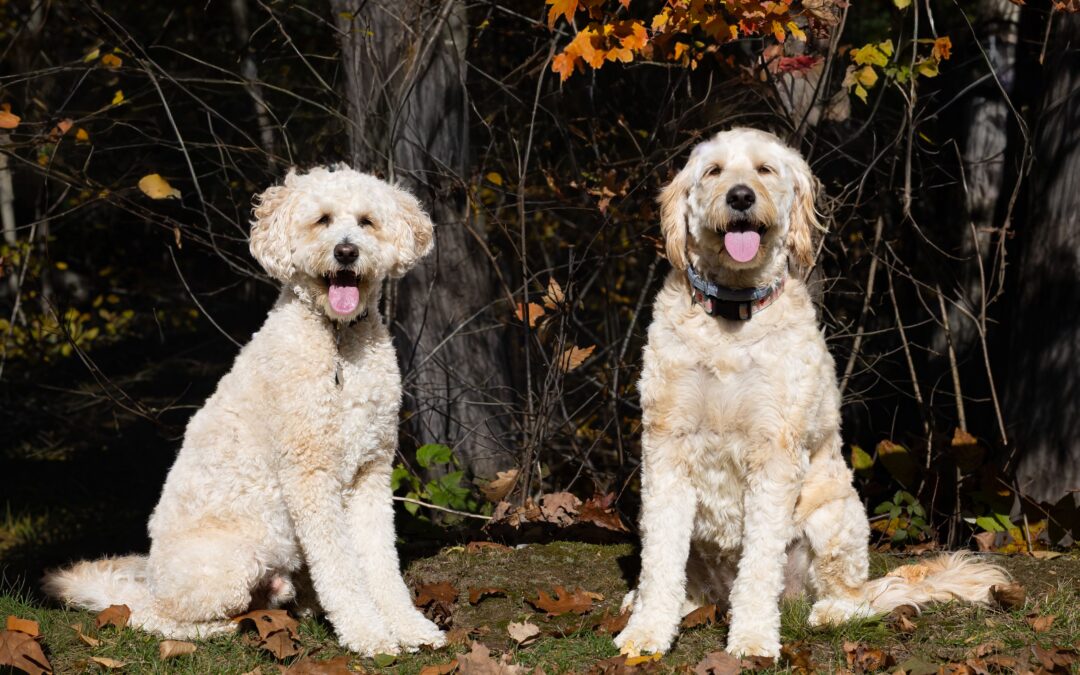
  3. Oklahoma State University: Dog Bite Prevention (Elisabeth Giedt, DVM)
  4. AVMA: Why breed-specific legislation is not the answer (accessed November 2026)
mini labradoodle

mini labradoodle

Mini Labradoodle Guide: Essential Facts on Size, Cost and Care (2026)

A mini Labradoodle is a cross between a Labrador Retriever and a Miniature Poodle. Most adults stand about 14 to 16 inches tall and weigh 15 to 25 pounds. Like their parent breeds, they are usually friendly, smart and playful, but they need daily exercise and regular grooming, and no Labradoodle is truly hypoallergenic.

This guide is for families weighing up a smaller doodle. We compare the two parent breeds using AKC data, explain the difference between minis, mini Australian Labradoodles and so-called toy or teacup dogs, and cover temperament, grooming, health screening and realistic US prices.

Key takeaways

  • Most minis are 14 to 16 inches and 15 to 25 pounds (Petful, Embrace, Hepper).
  • The AKC does not recognize the Labradoodle as a breed.
  • A 2012 study found no evidence that any dog breed is truly hypoallergenic.
  • Ask breeders for health results on both parents, including hips, eyes and kneecaps.
  • Labradoodle puppies cost roughly $1,500 to $4,500 by region (iHeartDogs).

Mini Labradoodle: The Short Answer

Is a mini Labradoodle the right size of doodle for your home? Here are the key facts, each linked to its source.

Trait What to expect
Parents Labrador Retriever and Miniature Poodle
Height About 14 to 16 inches, 36 to 41 cm (Petful)
Weight About 15 to 25 pounds, 7 to 11 kg (Petful, Embrace)
Lifespan 12 to 14 years (Embrace); 12 to 15 years (Hepper)
Coat Wavy to curly; shedding varies, and no coat is allergen-free
Exercise About three walks a day of 30 minutes or more (Hepper)
AKC status Not recognized; it is a crossbreed

Sources: Petful, Embrace Pet Insurance, Hepper and the AKC, accessed November 2026.

Mini labradoodle look-alike: a playful apricot Labradoodle peeking over a red doghouse roof
In our experience, a curious, playful nature is a big part of the mini Labradoodle’s appeal. Photo: TheOther Kev / Pexels.

Where the Labradoodle Came From

The Labradoodle began as a guide dog project. As TODAY reported, Wally Conron bred the first litter in 1989 while working at Guide Dogs Victoria in Australia. He was helping a blind woman in Hawaii whose husband was allergic to Labradors.

Conron later said he regretted the craze that followed, telling ABC News, “I opened a Pandora’s box and released a Frankenstein monster.” As general advice, the best response to that concern is to choose a breeder who health-tests both parents, or to adopt.

Mini vs Mini Australian Labradoodle

In our experience, a standard mini is usually a direct cross of a Lab and a Miniature Poodle, or a cross of two Labradoodles. A mini Australian Labradoodle is different. Hepper says it also includes English or American Cocker Spaniel lines, and Embrace describes Australian Labradoodles as fifth generation or higher.

F1, F1B and Multigeneration Minis

Breeders use letter codes to describe a puppy’s family tree. As general advice, here is what they usually mean: an F1 is a first-generation cross of a Lab and a Miniature Poodle; an F1B is an F1 bred back to a Poodle, so it has more Poodle in it; and multigeneration means Labradoodle parents on both sides.

In our experience, a mini Labradoodle puppy with more Poodle in its background often has a curlier coat, but no generation guarantees it.

Toy, Teacup and Micro Labradoodles

You may see toy, teacup or micro labradoodle ads. Petful says these are not separate size standards but the lighter end of the mini range, and a micro mini is “often under 15 pounds.” As general advice, be wary of breeders who promise unusually tiny dogs, since extreme size is not a health goal.

Size: Parents, Tiers and Growth

The parents are very different in size, so it helps to see them side by side. These figures come straight from the AKC breed pages for the Labrador Retriever and the Miniature Poodle.

AKC figure Labrador Retriever Miniature Poodle
Height 21.5 to 24.5 inches 10 to 15 inches
Weight 55 to 80 pounds 10 to 15 pounds
Life expectancy 11 to 13 years 10 to 18 years

Source: AKC Labrador Retriever and Poodle (Miniature) pages, accessed November 2026.

How Big Do Mini Labradoodles Get?

Petful sorts Labradoodles into three main sizes. In our experience, most puppies reach close to adult height within their first year, but always ask the breeder about the parents’ weights.

Size Height Weight
Mini 14 to 16 inches 15 to 25 pounds
Medium 17 to 20 inches 30 to 45 pounds
Standard 21 to 24 inches 50 to 65 pounds

Source: Petful, Labradoodle Sizes (July 2026).

Mini labradoodle comparison: two brown curly-coated Labradoodles on leashes looking to the side
Labradoodles come in several sizes, so ask about both parents before you commit. Photo: Chris F / Pexels.

Mini Labradoodle Temperament and Care

What is a mini Labradoodle like to live with? Usually friendly and eager to learn. The AKC gives the Labrador its top score of 5 out of 5 for trainability and presents Labs as sociable, cheerful family dogs. In our experience, minis are social and do best when they are not left alone for long stretches.

Exercise and Training

Small does not mean lazy. Hepper suggests around three walks a day of about 30 minutes or more, plus some off-leash play in a safe space. As general advice, add short reward-based training sessions and puzzle toys, because, in our experience, both parent breeds are bright and bore easily.

Grooming a Curly Coat

Coats vary from wavy to tightly curled. The AKC says a full-coated Poodle needs daily brushing down to the skin to stop mats, and that most owners keep a shorter trim. As general advice, brush a mini Labradoodle several times a week and book a professional groom about every 6 to 8 weeks.

Apartment Living and Feeding

A smaller doodle can suit apartment life if it gets enough daily activity and company. As general advice, plan for walks in all weather, a crate or quiet corner for rest, and neighbors who will not mind some barking while it learns. Feed a complete, AAFCO-compliant small or medium breed food, and ask your vet how much to give, since needs change with age, size and activity.

Are Mini Labradoodles Hypoallergenic?

Not in the way many ads suggest. A 2012 study in the Journal of Allergy and Clinical Immunology tested Labradoodles, Poodles and other “hypoallergenic” breeds. It found higher allergen levels in their coats, no difference in airborne levels, and lower floor-dust levels only in Labradoodle homes. The authors found no evidence for calling any breed hypoallergenic.

Pet Care Tip: Our suggestion for allergy sufferers: spend several hours with the actual puppy and its parents before committing. In our experience, individual dogs vary far more than breed labels suggest.

Mini labradoodle coat: a cream curly-coated Labradoodle lying in green grass
That soft, curly coat needs regular brushing and trims to stay free of mats. Photo: Boys in Bristol Photography / Pexels.

Mini Labradoodle Health and Lifespan

How healthy is a mini Labradoodle? Crossbreeds can inherit problems from either parent. Embrace lists hip dysplasia, von Willebrand disease (a bleeding disorder) and optic nerve hypoplasia, and gives a lifespan of 12 to 14 years.

Parent breed Health tests the breed club recommends (AKC)
Labrador Retriever Hip, elbow and eye exams; D locus and CNM DNA tests; breeders also screen for exercise-induced collapse
Miniature Poodle Patella (kneecap), hip and eye exams; PRA-prcd DNA test

Source: AKC Labrador Retriever and Poodle (Miniature) pages, accessed November 2026.

As general advice, ask to see results for both parents on the OFA database before you pay a deposit. A breeder who will not share them is a red flag.

When to call the vet: As general advice, call your vet promptly if your dog limps or skips on a back leg, bleeds for a long time from a small cut, bumps into things, or seems weak after exercise.

Price and Finding a Puppy

Mini-specific price data is scarce. iHeartDogs lists Labradoodle puppy prices of about $1,500 to $4,500 depending on the US region, though it does not describe its method. Dogster puts adoption fees at roughly $150 to $500. Prices vary, so treat these as rough guides.

US region Labradoodle puppy price (iHeartDogs)
Northeast $2,500 to $4,000
Southeast $1,800 to $3,500
Midwest $1,500 to $3,000
Southwest $2,000 to $3,500
West $2,500 to $4,500

Source: iHeartDogs, 2026. Not specific to minis; prices vary.

Questions to ask before you buy or adopt

  1. Can I meet the mother, and see photos of the father?
  2. What are the parents’ adult weights and heights?
  3. Can I see hip, eye and kneecap results for both parents?
  4. Is this a Lab and Mini Poodle cross or an Australian Labradoodle?
  5. Will you take the dog back at any age if I cannot keep it?
Common mistake Why it matters Better approach
Buying for “hypoallergenic” claims A 2012 study found no breed is truly hypoallergenic Test your allergies around the dog first
Chasing the tiniest puppy Petful says toy and teacup are not real size standards Choose health over size
Skipping grooming The AKC says Poodle coats mat without regular brushing Brush several times a week and book regular trims
Not checking health tests Embrace lists hip, bleeding and eye problems Ask for OFA results on both parents

Example Scenario (illustrative)

Lena in Madison wanted a mini Labradoodle for her apartment. She skipped a breeder advertising “teacup” puppies and chose one who shared OFA results for both parents. Her puppy, Fig, settled at 19 pounds, and a brush every other day keeps his curly coat tidy between grooms.

Mini Labradoodle FAQs

How big does a full grown mini Labradoodle get?

Most adults stand about 14 to 16 inches tall and weigh 15 to 25 pounds, according to Petful, Embrace and Hepper. Size can vary with the parents.

Is a mini Labradoodle hypoallergenic?

No dog is fully allergen-free. A 2012 study in the Journal of Allergy and Clinical Immunology found no evidence for calling any breed hypoallergenic.

What is the lifespan of a miniature Labradoodle?

Embrace gives 12 to 14 years and Hepper gives 12 to 15 years. The AKC lists 11 to 13 years for Labs and 10 to 18 years for Miniature Poodles.

How much does a miniature Labradoodle cost?

Breeder prices vary widely. iHeartDogs lists about $1,500 to $4,500 for Labradoodle puppies by US region, and Dogster gives $150 to $500 for adoption.

Is a toy or teacup Labradoodle a real size?

Petful says toy and petite labels are not separate size standards, but the lighter end of the mini range, with micro minis “often under 15 pounds.”

Is the Labradoodle recognized by the AKC?

No. The AKC does not recognize the Labradoodle as a breed, though mixed-breed dogs can be enrolled in the AKC Canine Partners program.

Mini labradoodle puppy look-alike: a chocolate brown curly Labradoodle puppy in an orange harness sitting in grass
Ask to see both parents before you choose a puppy, so you know roughly how big it will grow. Photo: JacLou- DL / Pexels.

Final Verdict

A mini Labradoodle can be a fun, affectionate and trainable companion for families and apartment dwellers who can offer daily exercise and steady grooming. Do not buy one for allergy claims or a “teacup” label. Choose a breeder who health-tests both parents, or adopt, and you may gain a loyal, playful friend for well over a decade.

Your next steps

  1. Read the AKC Labrador Retriever and Miniature Poodle pages.
  2. Ask breeders the five questions above, and compare with our full grown mini Goldendoodle guide.
  3. See more crosses in our designer dog breeds guide and Dogs section.

Share your mini Labradoodle photos on the Pets Store Home Facebook page.

About the author: Written and reviewed by the Pets Store Home Editorial Team: pet owners and animal lovers who check every guide against trusted US veterinary and animal-welfare sources. This article is general information, not a substitute for professional veterinary advice. Always talk to your veterinarian about your own pet’s health.

How we checked this guide: Parent sizes, lifespans, grooming and health tests come from the AKC. Mini size tiers come from Petful, and health and lifespan notes from Embrace Pet Insurance and Hepper, which do not list a vet reviewer. Allergy findings come from a 2012 Journal of Allergy and Clinical Immunology study. Prices come from iHeartDogs and Dogster. We review this article every 12 months.

Last reviewed: November 2026.

Sources

  1. AKC: Labrador Retriever breed information (accessed November 2026)
  2. AKC: Poodle (Miniature) breed information (accessed November 2026)
  3. Petful: Labradoodle Sizes (July 2026)
  4. Embrace Pet Insurance: Mini Labradoodle (accessed November 2026)
  5. Hepper: Mini Australian Labradoodle (updated October 2025)
  6. Vredegoor et al., Journal of Allergy and Clinical Immunology (2012)
  7. TODAY: Why the Labradoodle creator regrets breeding the dog (accessed November 2026)
  8. iHeartDogs: Cost of a Labradoodle Puppy by US Region (2026)
  9. Dogster: Labradoodle Cost (updated October 2026)
  10. Orthopedic Foundation for Animals (accessed November 2026)