
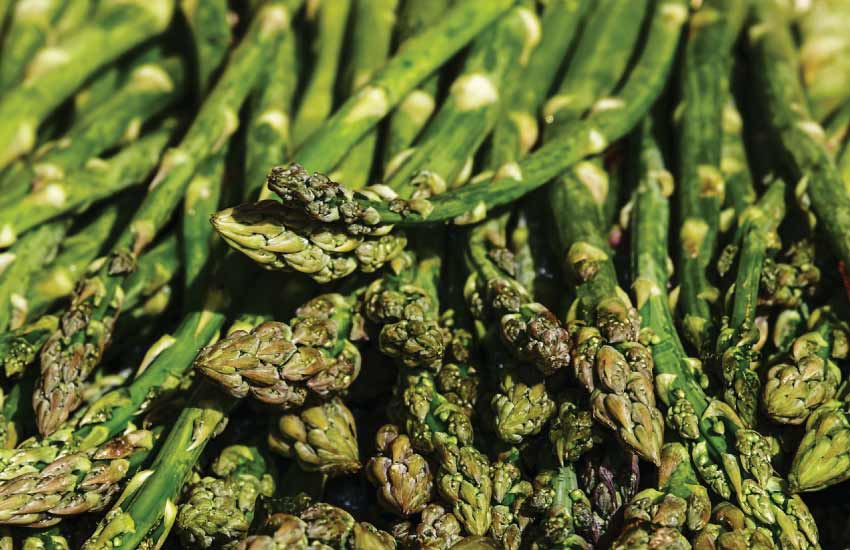
Can horses eat asparagus?
Quick answer: A few small bites of plain, cooked or raw asparagus are unlikely to harm a healthy horse, but asparagus offers no real nutritional benefit for equines and carries a genuine risk of choke because of its fibrous, stringy texture. Most equine nutritionists recommend skipping it in favor of treats horses are actually built to digest easily, like carrots or apples cut into small pieces.
Key Takeaways
- Asparagus itself is not classified as toxic to horses, but it is not a natural part of the equine diet and has no proven benefit.
- The tough, fibrous stalks are a choking and esophageal obstruction risk if fed whole or in large pieces.
- Asparagus fern (the feathery ornamental plant, not the vegetable) contains saponins and should never be accessible to grazing horses.
- Any new food, including asparagus, should be introduced in tiny amounts and watched closely for digestive upset.
- Safer, nutritionally useful treat options include carrots, apples, celery, and bell peppers, all chopped into manageable pieces.
Why Trust This Guide
This article draws on equine nutrition guidance from veterinary and horse-care sources, cross-checked against general principles of equine digestive physiology. Horses are hindgut fermenters with a digestive system very different from humans, dogs, or cats, so “is it toxic to me” is never the right question to ask about a horse’s diet. Where sources disagree, we’ve noted the disagreement rather than picking a side arbitrarily.
Can Horses Eat Asparagus at All?
The honest answer is that opinions differ, and that’s worth sitting with rather than glossing over. Some horse-care sources describe asparagus as containing compounds, including certain saponins, alkaloids, and glycosides, that could theoretically contribute to digestive upset, and note that the vegetable’s toxic profile in horses hasn’t been rigorously studied. Other sources, drawing on horse owners’ practical experience, say a horse nibbling a spear or two from a garden or a dropped grocery bag is very unlikely to have a problem, provided the piece is small and the horse isn’t eating it as a regular part of its diet.
Both perspectives can be true at once. Asparagus isn’t a recognized toxic plant on the level of oleander, yew, or red maple leaves, all of which have well-documented, serious, sometimes fatal effects on horses. But “not a documented toxin” is a different claim from “safe and beneficial,” and asparagus falls into a gray zone: probably harmless in trace amounts, unproven and unnecessary as a regular treat, and genuinely risky in the specific way it’s shaped and textured.
The Choking Risk Is the Real Concern
For most horse owners, the more immediate issue with asparagus isn’t a mystery toxin, it’s mechanical. Horses chew with a side-to-side grinding motion and produce large amounts of saliva to lubricate feed on its way down, but long, stringy, fibrous vegetables can bypass proper chewing if a horse is eager or gulps rather than grinds. Asparagus stalks are exactly this kind of texture: fibrous strands running the length of the stalk that don’t break down the way a chunk of carrot or apple does.
When a horse doesn’t chew feed into small enough pieces, the result can be choke, which in horses means an obstruction of the esophagus rather than the airway (unlike choking in humans or dogs). Esophageal choke is uncomfortable and sometimes frightening to witness: the horse may extend its neck, cough, drool excessively, and have feed or saliva coming back out of the nostrils. It’s rarely immediately life-threatening, but it usually requires a vet visit to help clear the obstruction, and repeated or prolonged choke can lead to complications like aspiration pneumonia or esophageal damage.
This is why most guidance that does permit small amounts of asparagus insists on cutting it into short, manageable pieces rather than handing over a whole stalk. The same logic applies to other fibrous vegetables people sometimes think of as horse treats, like celery, if it’s not chopped down first.
Asparagus Fern Is a Completely Different Plant
One of the most important distinctions to make, and one that trips up a lot of well-meaning horse owners, is that asparagus fern (Asparagus densiflorus and related species) is not the same plant as the asparagus you’d buy in a grocery store, even though they share a genus and a common name. Asparagus fern is a popular ornamental plant grown for hanging baskets and garden borders, and its foliage and berries contain saponins, compounds that are genuinely toxic and can cause gastrointestinal signs if ingested in enough quantity.
If you keep horses on a property with ornamental plantings, it’s worth walking the paddock fence line and any areas horses can reach to check for asparagus fern, and removing it if it’s growing where horses graze or where clippings might get tossed. This is a completely separate issue from feeding grocery-store asparagus spears as an occasional treat, but the similar name causes real confusion, and it’s the more clearly dangerous half of the “asparagus and horses” question.
What Actually Happens Nutritionally
Even setting the toxicity debate aside, asparagus doesn’t bring much to the table for a horse. Horses are built to thrive on forage, primarily grass and hay, supplemented as needed with grain concentrates, and their nutritional needs are calibrated around that forage-based model. Asparagus is mostly water and fiber, with modest amounts of vitamins A, C, and K and some folate, but a horse eating a normal forage-based diet is already getting these nutrients from hay and pasture in forms its gut is designed to process.
In practical terms, a horse doesn’t need asparagus for any nutritional gap, and the small treat-sized amounts anyone would realistically feed are nutritionally negligible either way. This is a big part of why most equine nutritionists shrug at asparagus rather than recommending it: it’s not dangerous enough to warrant a strong warning, but it’s not useful enough to bother incorporating either.
How Much Is “Too Much”
If you do decide to offer a small amount of asparagus, the standard advice that applies to virtually all horse treats applies here too: treats, of any kind, should make up a very small fraction of a horse’s daily intake, often cited as under 10% of total forage intake, with far less than that coming from any single novel food. For something like asparagus specifically, that means a spear or two, chopped into bite-sized pieces, offered occasionally rather than daily, and not as a substitute for any part of a horse’s actual forage ration.
Overfeeding any vegetable, even a relatively benign one, can contribute to loose stool, mild colic-like discomfort, or an upset in the hindgut’s microbial balance, particularly in horses that aren’t used to receiving much beyond hay and grain. Horses have a sensitive hindgut fermentation system, and sudden large amounts of any unfamiliar plant material, high in fiber or otherwise, can disrupt it. This is the same reason experienced horse owners introduce any new feed slowly and in small quantities, whether it’s asparagus, a new brand of hay, or a change in pasture.
Signs of a Problem to Watch For
If you do offer a small taste of asparagus, or if a horse gets into a garden bed unsupervised, keep an eye out for the following over the following 12 to 24 hours: reduced appetite, unusual lethargy, loose or watery manure, visible discomfort such as pawing at the ground, looking at the flank, or lying down more than usual, and any signs of choke like coughing, drooling, or feed coming back through the nose immediately after eating. Mild, transient loose stool from a new food is common and usually resolves on its own, but any sign of colic-like pain, repeated vomiting-like retching (horses cannot vomit, so this itself is a red flag), or choke symptoms warrants a call to your veterinarian rather than a wait-and-see approach.
It’s also worth noting how much was eaten and how quickly, since that context is genuinely useful information for a vet assessing the situation. A horse that nosed a single spear off the ground is a very different scenario from one that got into an unattended garden bed and ate a substantial quantity.
What About Cooked Asparagus, Seasoned or Otherwise Prepared?
Plain, unseasoned asparagus, raw or lightly cooked, is the only form worth considering at all, and even then only in the small amounts discussed above. Seasoned, buttered, or oiled asparagus, such as leftovers from a home-cooked meal, should not be offered. Added salt, butter, oil, garlic, or onion (all common in cooked asparagus dishes) introduce their own separate risks. Garlic and onion in particular belong to the allium family, which is genuinely toxic to horses in meaningful quantities and can damage red blood cells if fed regularly or in large amounts. A horse-safe “taste” of asparagus, if you choose to offer one, means plain vegetable only, nothing added, and cut small.
Safer, More Useful Treat Alternatives
Given that asparagus offers uncertain benefit and a real mechanical risk, most horse owners are better served reaching for treats that are both safer and more established as horse-appropriate. Carrots and apples, cut into pieces to avoid choke, are the classic go-to options and are genuinely enjoyed by most horses. Celery, cucumber, and bell peppers are hydrating, low-calorie options that most horses tolerate well when chopped. Bananas (peel included or removed, horses can eat either) are a favorite for many horses and are soft enough to avoid choking concerns. Watermelon, including the rind in moderation, is another well-tolerated warm-weather treat.
None of these need to be limited to “just in case” caution the way asparagus does. They’re widely recommended specifically because they combine low risk with treats horses actually seem to enjoy, which makes them a better default choice for anyone looking to reward or bond with a horse through food.
Foods That Are Genuinely Dangerous, for Comparison
It helps to know where asparagus sits relative to foods that are unambiguously dangerous for horses, since the contrast makes the “gray zone” nature of asparagus clearer. Chocolate and caffeine are toxic to horses and can affect the heart and nervous system. Avocado contains persin, which is toxic to horses and many other animals, and can cause cardiac and respiratory distress. The nightshade family, including raw potatoes, green or unripe tomatoes, and eggplant, contains solanine and related alkaloids that are toxic in sufficient quantity. Onions, garlic, and leeks, as mentioned above, damage red blood cells over time. Yard waste and garden clippings are a less obvious danger, since wilted or dried clippings from ornamental plants (including oleander, yew, and other landscaping plants that are lethal to horses) are often more palatable and more concentrated in toxins than the fresh growing plant, and clippings tossed over a fence are a genuine, recurring cause of equine poisoning.
Asparagus doesn’t belong on this list. It’s a “probably fine in tiny amounts, not worth the choking risk, not nutritionally useful” food rather than a “keep this away from your horse entirely” food. Being clear about that distinction is more useful to horse owners than either overstating the danger or casually recommending it as a treat.
A Note on Grazing Horses and Gardens
Many of the real-world cases where this question comes up aren’t about someone deliberately deciding to feed asparagus, they’re about a horse with access to a garden, a compost pile, or a neighbor’s yard finding asparagus growing or discarded and helping itself. If your property includes a vegetable garden within reach of turned-out horses, it’s worth fencing it off separately, both because of the asparagus fern confusion discussed earlier and because gardens often contain a mix of horse-safe and horse-unsafe plants growing side by side, making it hard to control exactly what a loose horse might sample.
If you suspect a horse has gotten into a garden and eaten an unknown quantity of mixed vegetables, treat it as you would any unsupervised ingestion: monitor closely, note what plants were accessible, and contact your vet if you see any signs of distress, even mild ones, rather than assuming the mix was probably fine.
Boarding Barns and Multi-Horse Properties
If you board your horse rather than keeping it at home, the asparagus question often comes up in a slightly different form: other boarders, barn staff, or well-meaning visitors offering treats without knowing a particular horse’s dietary restrictions or sensitivities. Many boarding barns have a blanket “no outside treats without asking” policy for exactly this reason, and it’s worth checking whether your barn has guidelines before assuming any vegetable, asparagus included, is fine to hand over.
This matters more for horses with metabolic conditions like equine metabolic syndrome, insulin dysregulation, or a history of laminitis, where even generally “safe” produce needs to be evaluated for sugar and starch content rather than just toxicity. Asparagus is relatively low in sugar compared to fruit-based treats like apples or bananas, which can make it a marginally better occasional option for a metabolically sensitive horse, though the choking risk discussed earlier still applies regardless of the horse’s metabolic status. If you board a horse with known dietary restrictions, it’s worth posting a note on the stall or informing barn staff directly, since asparagus, string beans, and other fibrous garden vegetables are exactly the kind of treat a visitor might not think twice about offering.
Bottom Line
A horse that steals a bite of plain asparagus is very unlikely to suffer serious harm, but that’s different from asparagus being a treat worth seeking out. The fibrous, stringy texture creates a real choking risk if it’s not cut small, it offers no nutritional advantage a normal forage-based diet doesn’t already cover, and the similarly-named asparagus fern is a genuine toxin that has nothing to do with the vegetable. If you want to offer your horse a treat, reach for chopped carrots, apples, celery, or bell peppers instead, and if you’re ever unsure whether something in your horse’s environment is safe, a quick call to your vet is always the better move than guessing.
FAQ: Horses and Asparagus
Is asparagus poisonous to horses?
The vegetable itself is not classified as a documented toxic plant for horses, unlike asparagus fern, which does contain toxic saponins. Small amounts of plain asparagus are generally considered low-risk, though not risk-free.
Can a horse choke on asparagus?
Yes, this is the primary practical concern. The stringy, fibrous stalks can cause esophageal choke if fed whole or in large pieces. Always cut vegetables into small pieces before offering them.
What is asparagus fern, and is it different from asparagus?
Yes, asparagus fern is an ornamental plant in the same genus but a different species from edible asparagus. It contains saponins and should be kept away from grazing horses entirely.
How much asparagus can a horse safely eat?
If offered at all, a spear or two, chopped small, on an occasional basis is the most that’s generally recommended. It should never replace any part of a horse’s forage-based diet.
Can horses eat cooked asparagus?
Plain, unseasoned cooked asparagus carries the same considerations as raw. Avoid any asparagus prepared with butter, oil, salt, garlic, or onion, since garlic and onion are genuinely toxic to horses.
What vegetables are safer treats for horses than asparagus?
Carrots, apples, celery, cucumber, and bell peppers are all well-tolerated, widely recommended options, provided they’re cut into appropriately sized pieces to prevent choke.
What should I do if my horse ate asparagus fern by accident?
Contact your veterinarian, especially if you noticed a meaningful quantity was consumed or if the horse shows any signs of digestive upset, lethargy, or discomfort. Note how much was accessible and how much appears to have been eaten.
Are there other vegetables from this same “gray zone” I should know about?
Yes. If you’re weighing whether other unusual vegetables are worth offering, guides like this one on what vegetables rabbits can safely eat and this list of the safest vegetables for guinea pigs cover similar species-specific nuances for other herbivorous pets.
My horse ate something it shouldn’t have. When do I actually need a vet versus just watching?
Any sign of colic-like pain, choke symptoms, repeated distress, or ingestion of a known toxic plant (like asparagus fern, yew, or oleander) warrants an immediate call. Mild, brief loose stool after a small amount of a new food, with no other symptoms, is usually fine to monitor at home.
Is it worth changing my horse’s diet to include more vegetables generally?
Most horses do fine on a forage-based diet without added vegetables, but if you’re considering a broader diet change for any pet, it’s worth reading up on when a new diet actually makes sense before making changes, and checking with your vet or an equine nutritionist for horse-specific guidance.




[…] Which foreign pets are legal in Washington State? […]