Teddy Bear Yorkie Haircuts

Teddy Bear Yorkie Haircuts

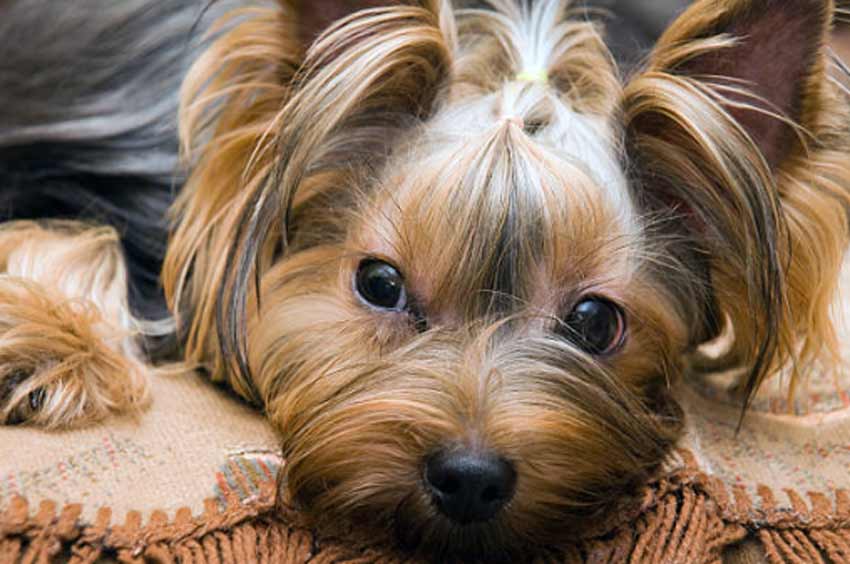
Quick Answer: The ‘teddy bear’ haircut for Yorkies keeps the coat evenly trimmed short, usually 1-2 inches, with a rounded face and ears, giving a soft, plush, teddy-bear-like appearance that’s easier to maintain than a traditional long Yorkie coat.

Key Takeaways

  • Coat is trimmed short and even, typically 1-2 inches long.
  • A rounded, fluffy face and ear trim define the signature look.
  • Much lower maintenance than a full-length show coat.
  • Regular grooming, roughly every 4-6 weeks, helps maintain the style.
  • Bring reference photos to your groomer to get the exact look you want.

Why Trust This Guide?

This guide is researched and written by the Pets Store Home editorial team, drawing on general pet-care and industry information. It’s intended as general information; consult a vet or specialist for advice specific to your pet or situation.

Introduction to Teddy Bear Yorkies &Teddy bear yorkie haircuts.

A breed of Yorkshire Terrier known as a “Teddy Bear Yorkie” was developed specifically to resemble a teddy bear. They are sometimes known as “Teddy Bear Yorkies” or “Teddy Bear Teacup Yorkies” due to their small size and charming appearance.

These canines are a mix between a Yorkshire Terrier and a Bichon Frise, or sometimes a Shih Tzu, resulting in a dog with the best qualities of both breeds. 

They normally weigh 4 to 7 pounds, are tiny, and have a thick, fluffy, frequently curly or wavy coat. Their coat can come in several hues: black, brown, white, and gold.

Teddy Bear Yorkies are noted for their charming and friendly personality. They are devoted and affectionate friends who enjoy being around their owners and pets. 

They are a fantastic choice for families and first-time dog owners because they are also very intelligent and simple to teach.

Owing to their small stature and sensitive nature, Teddy Bear Yorkies require frequent grooming and exercise. Regular brushing will help keep their coat from matting and tangling. Kids also need regular activity, which can be obtained through brief walks or indoor playtime.

Overall, Teddy Bear Yorkies are a popular and adorable breed that makes terrific family companions. But like any breed, you should study and ensure you can provide them the love and care they require to thrive.

 

Teddy Bear Yorkie Haircuts

Why do Yorkies need haircuts?

Like many other dog breeds, Yorkshire Terriers have hair that continues to grow and can become long and matted if not properly maintained. 

Regular haircuts are necessary to keep a Yorkie’s coat healthy and looking its best.

Yorkies have a long, fine, silky coat that can easily become tangled or matted if not regularly brushed. If matting becomes severe, it can cause discomfort and even skin irritation for the dog.

 Matting can also make it difficult for the dog to move around and can even cause mobility issues in severe cases.

Haircuts can help prevent matting and tangling by trimming the coat to a manageable length. Regular haircuts can also help to maintain the health of a Yorkie’s coat, making it easier to groom and preventing skin irritations.

In addition to health and maintenance, many owners give their Yorkies haircuts for aesthetic reasons. 

Yorkies have a long history of being bred for their beautiful and unique appearance, and a well-groomed and trimmed coat is an important part of their overall look.

Regular haircuts are important to maintaining a Yorkie’s health and appearance and should be done consistently to ensure the best possible results.
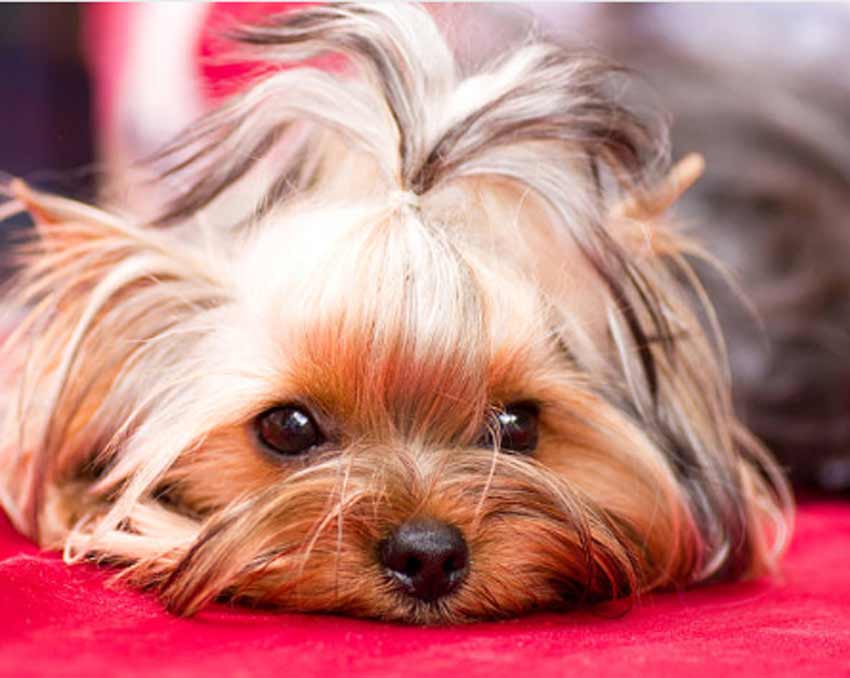
 

Teddy Bear Yorkie Haircuts

Teddy bears Yorkie haircut ideas.

Teddy Bear Yorkies, like all Yorkies, require regular haircuts to maintain their beautiful coat and prevent matting and tangling. Here are some popular Teddy Bear Yorkie haircuts:

Puppy Cut – This is a popular haircut for Teddy Bear Yorkies, as it keeps their coat trimmed short and uniform all over the body. The hair is typically cut to around 1-2 inches in length.

Teddy Bear Cut – This haircut is named after the breed itself and is designed to give the dog a teddy bear-like appearance. While the hair on the head, ears, and legs is kept longer and styled to give them a spherical, fluffy appearance, the hair on the body is cut short.

Top Knot – This is a popular hairstyle for Teddy Bear Yorkies and involves leaving the hair on the head and ears long and tied up in a small ponytail or top knot. The rest of the hair is trimmed short.

Schnauzer Cut – This cut resembles the Puppy Cut but has longer hair left on the legs, face, and ears to resemble a Schnauzer. The body is trimmed to a shorter length, and the longer hair on the legs is shaped to create a distinct appearance.

Bob Cut – In this haircut style, the hair is left longer on the head and ears and cut short on the torso and legs. The longer hair is then cut into a bob shape, giving the dog a fashionable appearance.

Shih Tzu Cut – This haircut is designed to make the Teddy Bear Yorkie look more like a Shih Tzu. The body is trimmed short, while the hair on the head and ears is left longer and shaped to create a round, fluffy appearance. The hair is often tied up in a small top knot.

Mohawk Cut is a fun and edgy haircut for Teddy Bear Yorkies. While the hair on the head is left longer and styled into a spiky mohawk, the hair on the body is cropped short.

Lion Cut – In this haircut style, the torso and legs are trimmed short, but the head’s and neck’s hair is left long and styled to resemble a lion’s mane. The hair on the tail is also left longer to create a tufted appearance.

Long and Flowing Cut – This is a less common haircut for Teddy Bear Yorkies, but it can be a great option for owners who want to keep their dog’s hair long and flowing. The hair is left to grow long all over the body and trimmed only to remove any split ends or tangles.

Teddy bears Yorkie haircut ideas.

Schnoodle Cut – This haircut crosses between a Schnauzer and a Poodle cut. The body hair is short-cut, while the hair on the head, ears, and legs is kept longer and styled to give it a spherical, fluffy appearance. The hair is often tied up in a small top knot.

Fluffy Cut – This haircut involves leaving the hair on the body and legs longer than other cuts while still keeping it trimmed to prevent matting and tangling. The hair on the head and ears are also left longer and fluffed up to create a cute, fluffy appearance.

Short and Sweet Cut –The torso and legs are trimmed short in this haircut, but the head and ears are left a little longer. The hair is shaped to create a round, cute appearance.

Half and Half Cut – This unique haircut involves leaving one side of the dog’s body trimmed short while leaving the other side longer. The hair on the longer side is often tied up in a small top knot.

Top Knot Cut – This haircut involves leaving the hair on the body and legs trimmed short while the hair on the head is left longer and tied up in a small top knot. This creates a playful and adorable appearance.

Poodle Cut – This is a stylish, elegant haircut for Teddy Bear Yorkies. The hair on the body and legs is trimmed short, while the hair on the head, ears, and legs is left longer and shaped to create a sophisticated poodle-like appearance.
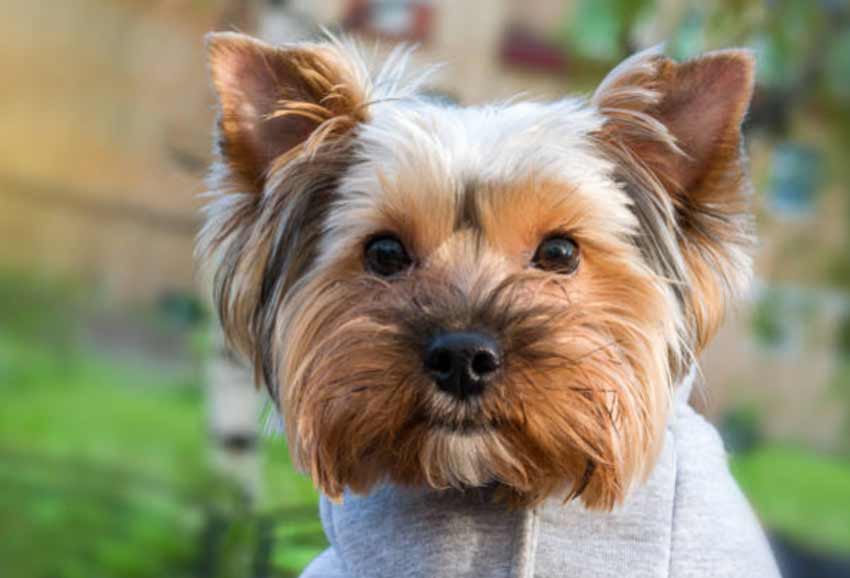
 

Teddy Bear Yorkie Haircuts

Here are a few more Teddy Bear Yorkie haircuts:


Layered Cut – This haircut entails leaving the hair on the body slightly longer than on the head, ears, and legs. The longer hair is often cut in layers, creating a textured and voluminous appearance.

Cuddly Bear Cut – This haircut leaves the hair on the body slightly longer than the hair on the head and ears, creating a round and fluffy appearance. The hair on the legs is trimmed short to prevent matting and tangling.

Pixie Cut – Teddy Bear Yorkies should have a short, sassy hairstyle like this. While the head and ears hair is left somewhat longer and styled in a pixie cut, the hair on the torso and legs is cropped short.

Pom Cut – In this haircut, the body and legs are kept short, but the head’s and ears’ hair are slightly longer and styled into little pom poms. This creates a cute and playful appearance.

Bobble Head Cut – This is a fun and unique haircut for Teddy Bear Yorkies. While the hair on the torso and legs is kept longer and styled into a spherical bobble, the hair on 

Teddy Bear Cut – This is one of the most popular haircuts for Teddy Bear Yorkies. The hair on the body and legs is trimmed short, while the hair on the head and ears is left longer and shaped to create a round, teddy bear-like appearance. The hair is often tied up in a small top knot.

Puppy Cut – This is a cute and classic haircut for Teddy Bear Yorkies. While the hair on the head and ears is kept a little longer and styled to give them a soft, rounded appearance, the hair on the torso and legs is cropped short.
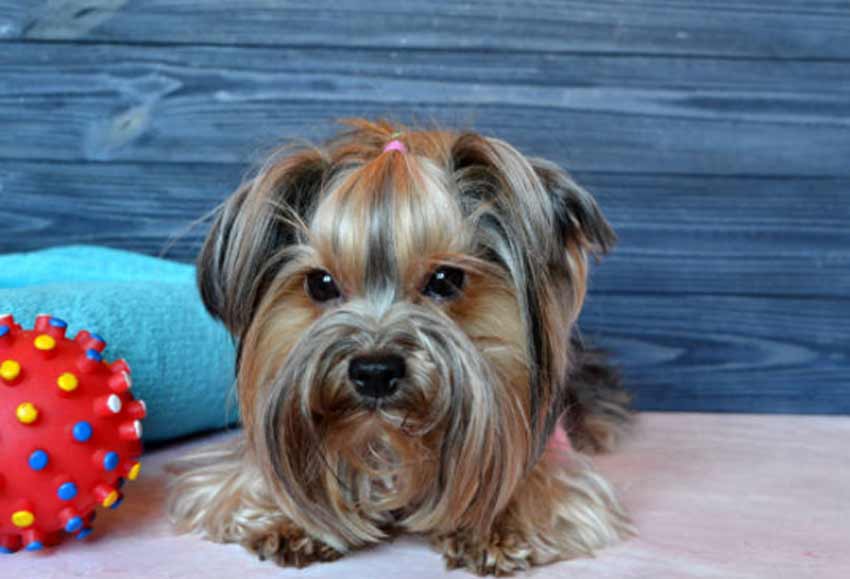
Teddy Bear Yorkie Haircuts

Understanding the Teddy Bear Yorkie haircut

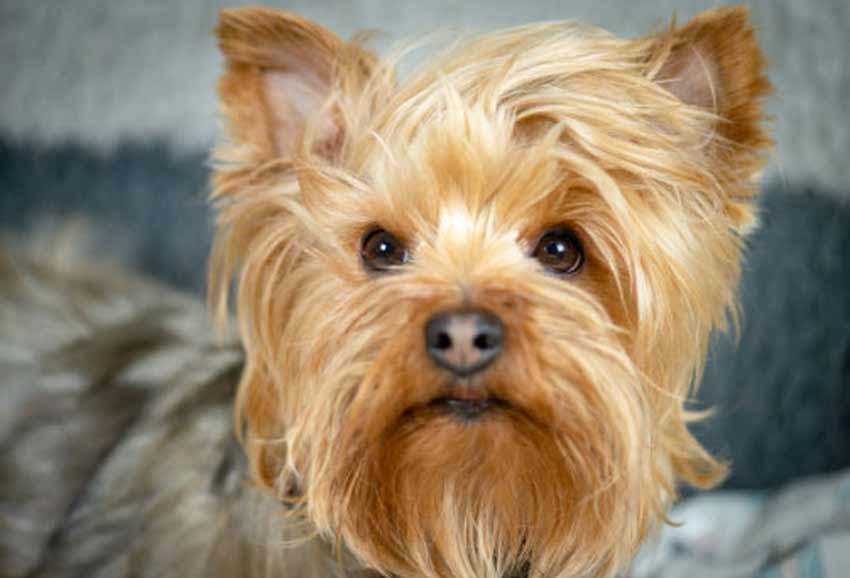
A common grooming technique for Yorkshire Terriers that tries to give them a cuddly, fluffy appearance similar to a teddy bear is the Teddy Bear Yorkie haircut. 

To give the face and ears a more rounded look, this haircut often entails reducing the hair around those areas while leaving the rest of the coat longer and fuller. 

The Teddy Bear Yorkie hairstyle is created by using clippers and scissors together. Clippers are used to cut the hair on the body, while scissors are used to shape and trim the hair on the face, ears, and paws.

The length of the hair on the body can vary, depending on the owner’s preference and the dog’s coat type. Some owners prefer a longer, more natural look, while others prefer a shorter, neater cut. 

Generally, the hair is trimmed to about 1-2 inches on the body, while the hair on the face and ears is trimmed to a shorter length to create a rounded, teddy bear-like shape.

It’s important to note that the Teddy Bear Yorkie haircut requires regular grooming to maintain its shape and appearance. 

This includes regular brushing and combing to prevent tangles and mats and regular trimming to keep the hair at the desired length.

Overall, the Teddy Bear Yorkie haircut is a popular choice for Yorkshire Terrier owners who want to give their dogs a cute and fluffy appearance while keeping their coats well-groomed and maintained.
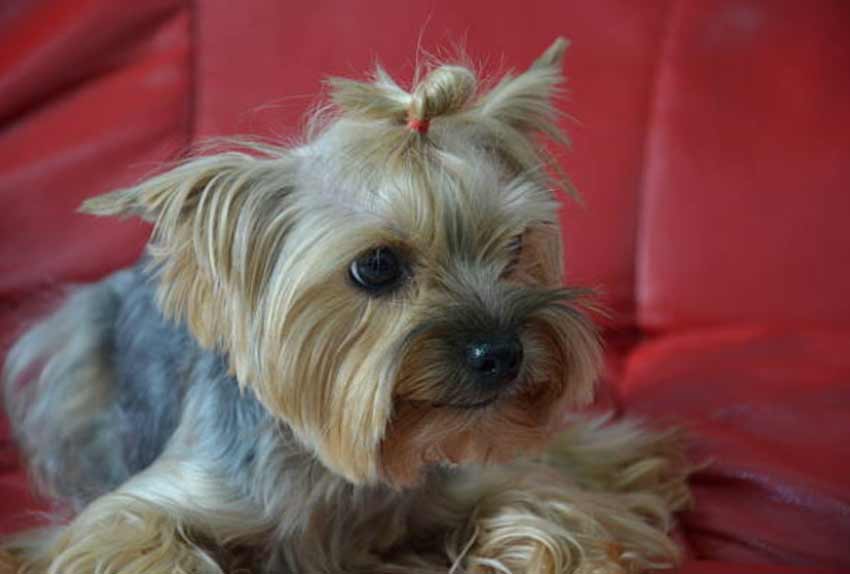
 

Teddy Bear Yorkie Haircuts

A step-by-step guide to giving your Yorkie a Teddy Bear haircut

Giving your Yorkie a teddy bear haircut can be a fun and cute way to keep their hair short and manageable. Here is a step-by-step guide to giving your Yorkie a teddy bear haircut:

Materials needed:

  • Clippers with a #3 blade or scissors
  • Comb
  • Brush
  • Clippers oil
  • Towel
  • Treats
Steps:

Prepare your dog: Bath your Yorkie and dry them off with a towel. Brush and comb their hair to remove any tangles or mats.

Start with the face: Using scissors or clippers with a #3 blade, trim the hair around your Yorkie’s face, including the ears. Leave the hair around the eyes longer to create a “teddy bear” look.

Trim the body: Using the clippers or scissors, trim the hair on your Yorkie’s body to an even length. Use the comb to help guide you and prevent uneven cuts.

Work on the legs: Trim the hair on your Yorkie’s legs to an even length, leaving them slightly longer than the body hair. Use the comb to help guide you and prevent uneven cuts.

Trim the feet: Trim the hair on your Yorkie’s feet, leaving them round and fluffy. Trim the hair between the toes carefully to avoid hurting your dog.

Clean up: Once you’re done with the haircut, use the clippers or scissors to trim stray hairs around your Yorkie’s face, legs, and feet.

Give your Yorkie a treat: Once the haircut is done, reward your dog with some praise for being a good boy or girl!
 

Teddy Bear Yorkie Haircuts

Tools needed for a Teddy Bear Yorkie haircut

To give your Teddy Bear Yorkie a proper haircut, you will need the following tools:

Clippers: You’ll need a good quality clipper with different blade attachments to achieve different lengths of haircuts. Choose a quiet clipper that doesn’t vibrate too much, as this can scare your dog.

Scissors: You’ll need a pair of sharp, straight scissors for trimming around the face and ears.

Comb: A good quality comb will help you to comb out tangles and mats before you start clipping.

Brush: A soft-bristled brush will help you brush out loose hairs and keep the coat smooth.

Clipper lubricant: Clipper blades can get hot and dull quickly, so you’ll need clipper lubricant to keep them cool and sharp.

Styptic powder: Accidents can happen, so it’s always good to have some styptic powder on hand to stop bleeding if you accidentally cut your dog.

Treats: Reward your dog for staying calm and still during the grooming session.


Here are some additional tools and supplies you might want to consider for giving your Teddy Bear Yorkie a haircut:

Grooming table: A grooming table can make the process easier and more comfortable for you and your dog. It raises your dog to a comfortable height, making it easier for you to groom them without straining your back.

Grooming arm: A grooming arm attaches to the grooming table and helps keep your dog in place while grooming them.

Hair dryer: A hairdryer can help fluff and dry your dog’s coat after a bath or before trimming.

Shampoo and conditioner: Use a good quality shampoo and conditioner specifically designed for dogs to keep their coat clean and healthy.

Ear cleaner: Teddy Bear Yorkies are prone to ear infections, so you’ll need a good quality ear cleaner to clean their ears and prevent infections.

Nail clippers: You must trim your dog’s nails regularly to avoid getting too long and causing discomfort.

Dental care products: Good dental hygiene is important for your dog’s overall health, so you must use toothbrushes, toothpaste, and other dental care products to keep their teeth and gums clean.


Here are some additional tips and tricks that may be helpful when giving your Teddy Bear Yorkie a haircut:

Start slowly: If your dog is not used to being groomed, start slowly and in short sessions to help them get comfortable with the process. Give them plenty of praise and treats for good behavior.

Use positive reinforcement: Use positive reinforcement techniques, such as giving treats or verbal praise, to reward your dog for staying calm and still during grooming.

Brush and comb regularly: Brush and comb your dog’s coat regularly to keep it tangle-free and remove loose hairs. This will make the clipping process easier and less stressful for your dog.

Be careful around sensitive areas: Be extra careful around your dog’s eyes, ears, and genital area. Use scissors or a shorter clipper attachment to trim these areas, and be very gentle to avoid hurting your dog.

Watch for signs of stress: Watch for signs of stress in your dog, such as panting, pacing, or whining. If your dog seems stressed or uncomfortable, take a break and try again later.

Don’t cut too much hair at once: When trimming your dog’s hair, don’t try to cut too much. Instead, make small, slow cuts to achieve the desired length.

Remember, if you’re uncomfortable giving your Teddy Bear Yorkie a haircut yourself, it’s always best to take them to a professional groomer with experience with this breed. 

A professional groomer can help you achieve the desired look for your dog while keeping them safe and comfortable.
 

Teddy Bear Yorkie Haircuts

Tips and tricks for maintaining a Teddy Bear Yorkie haircut

Maintaining a Teddy Bear Yorkie haircut requires regular grooming and attention. Here are some tips and tricks to help you keep your Yorkie’s haircut looking great:

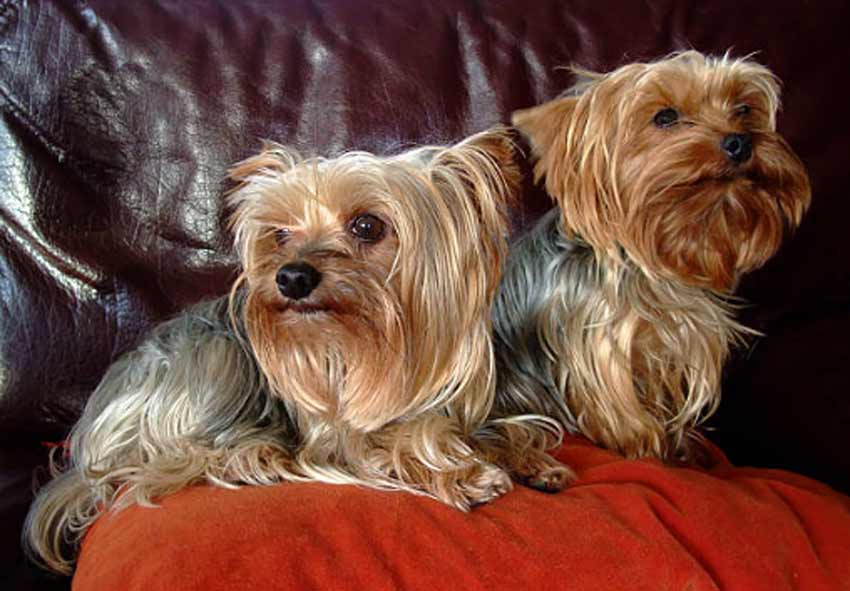
Brush and comb regularly: Brush and comb your Yorkie’s hair daily to prevent matting and tangling. Use a slicker brush and a metal comb to remove loose hair and prevent knots.

Trim regularly: Trim your Yorkie’s hair regularly to maintain the length and shape of the Teddy Bear haircut. Use scissors or clippers with a #3 blade to trim the hair around the face, body, and legs.

Pay attention to the feet: Trim the hair on your Yorkie’s feet regularly to keep them round and fluffy. Use scissors or clippers to carefully trim the hair between the toes to avoid hurting your dog.

Keep the ears clean: To avoid ear infections, regularly clean their ears with a damp towel or cotton ball.

Bathe as needed: Bathe your Yorkie when necessary to maintain a fresh coat. To avoid residue, use a light shampoo for dogs and rinse well afterward.

Consider a professional groomer: If you’re having trouble maintaining your Yorkie’s Teddy Bear haircut, consider taking them to a professional groomer. They can help you maintain the length and shape of the haircut and provide additional grooming services.


By following these tips and tricks, you can help maintain your Yorkie’s Teddy Bear haircut and keep them looking cute and cuddly.

Trim the hair around the eyes: Teddy Bear Yorkies have long hair around their eyes, which can impair their vision and cause eye infections. Regularly trim the hair around your eyes to maintain it short and avoid irritation.

Use a detangler spray: If your Yorkie’s hair is prone to tangling, consider using a detangler spray to make it easier to brush and comb. Spritz the detangler onto their hair and gently use a slicker brush or metal comb to remove any knots.

Watch for signs of skin irritation: If your Yorkie’s skin becomes red, itchy, or inflamed, it may have a skin condition or allergic reaction. Bring them to the veterinarian for an accurate diagnosis and treatment.

Protect your Yorkie’s hair: Teddy Bear Yorkies have delicate hair that can break easily. Avoid harsh chemicals, heat-styling tools, or rough brushes that can damage their hair. Use a silk or satin pillowcase to stop hair from breaking off while sleeping.

Monitor their diet: A healthy diet can help promote healthy skin and hair.A balanced meal is high in protein, vitamins, and minerals should be provided for your Yorkie. Don’t feed them human food or table leftovers that can upset their stomachs or irritate their skin.

Exercising regularly can prevent skin and coat issues, maintain good circulation, and. Take your Yorkie for a daily walk or play with them in the backyard to keep them active and healthy.

Following these additional tips and tricks, you can help keep your Teddy Bear Yorkie healthy and happy with a cute and cuddly haircut.
 

Chiweenie (Chihuahua Dachshund Mix): Size, Temperament & Health Guide

Chiweenie (Chihuahua Dachshund Mix): Size, Temperament & Health Guide

Quick Answer: A Chiweenie is a cross between a Chihuahua and a Dachshund, not a Pug – the name blends “Chihuahua” and “Weenie” (Dachshund). Expect a small dog, typically 5-12 pounds and 6-10 inches tall, with a long body, big personality, and health risks drawn from both parent breeds, including back problems and low blood sugar in puppies.

Key Takeaways

  • Chiweenie = Chihuahua + Dachshund, not Pug, despite what some product listings and titles suggest.
  • Typically 5-12 pounds and 6-10 inches tall, though larger Dachshund-leaning dogs can reach 15-20 pounds.
  • Can inherit the Dachshund’s long back, which carries a real risk of intervertebral disc disease (IVDD).
  • Also prone to Chihuahua-linked issues like patellar luxation and puppyhood hypoglycemia.
  • Temperament is typically bold, alert, and affectionate, but early socialization matters given the breed’s tendency toward wariness of strangers and other dogs.

Why Trust This Guide?

This guide is researched and written by the Pets Store Home editorial team, drawing on veterinary breed resources for the Chihuahua and Dachshund parent breeds. It’s intended as general information; consult a veterinarian or a reputable breeder or rescue for advice specific to your dog.

What Is a Chiweenie, Really?

Despite what some titles and listings suggest, a Chiweenie is not part Pug. The name is a portmanteau of “Chihuahua” and “Weenie” – a nickname for the Dachshund, whose long, low body has earned it the “wiener dog” label for decades. A Chiweenie is the crossbred offspring of a purebred Chihuahua and a purebred Dachshund, sometimes nicknamed the “Mexican Hotdog” as a nod to both parent breeds’ origins.

Like most designer crosses, the Chiweenie is not recognized by the American Kennel Club as its own breed, though it is acknowledged by several hybrid registries. Because there’s no fixed breed standard, individual Chiweenies can lean noticeably toward one parent or the other in size, coat, and temperament, and even puppies from the same litter can look quite different from each other.

Both parent breeds bring long histories to the mix. The Chihuahua is believed to descend from small companion dogs kept in Mexico for centuries and is the smallest recognized dog breed in the world. The Dachshund was developed in Germany roughly 300-600 years ago, bred with short legs and a long body specifically to chase badgers into their burrows – hence the German name, which translates to “badger dog.”

Size and Physical Appearance

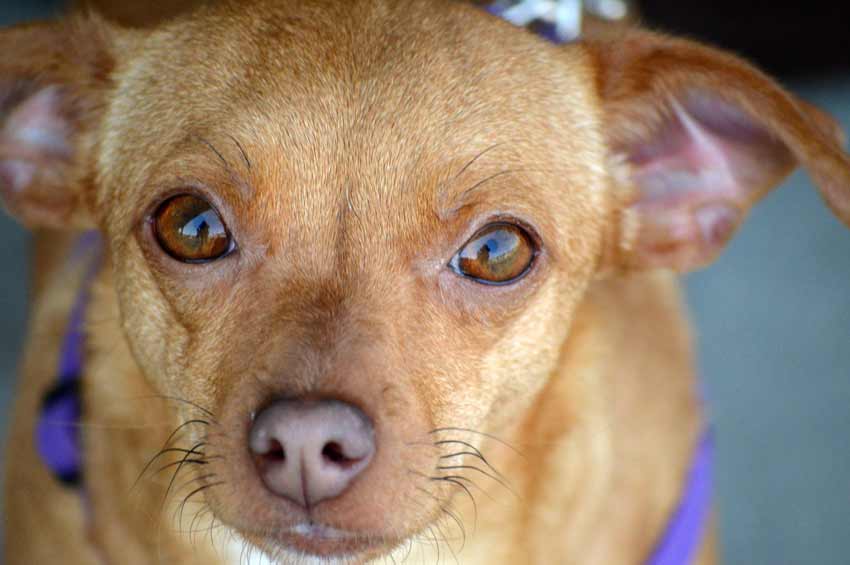
Most adult Chiweenies weigh between 5 and 12 pounds and stand 6 to 10 inches tall at the shoulder, though dogs that favor a standard-size Dachshund parent more heavily can reach 15 to 20 pounds. Body shape usually reflects the Dachshund side more than the Chihuahua side: an elongated torso, short legs, and a deep chest, though the head often keeps the Chihuahua’s more rounded, apple-like shape with large, expressive eyes.

Ears vary – some Chiweenies have the Chihuahua’s upright, alert ears, while others inherit the Dachshund’s longer, floppier ears. Coats can be short and smooth like a smooth-coat Dachshund or Chihuahua, and colors span black, brown, tan, red, cream, and white, often in combination. Lifespan tends to run 12 to 16 years, which is on the longer end for a dog of any size.

Temperament and Personality

Chiweenies are known for having outsized confidence relative to their small frame – a trait inherited from both parent breeds, which are each notably bold for their size. They tend to be deeply attached to one or two favorite people, affectionate at home, and alert to anything unusual, which often makes them enthusiastic (and vocal) watchdogs.

That same boldness has a flip side. Both Chihuahuas and Dachshunds can be wary of strangers and other dogs if not well socialized, and some individual Chiweenies show a stubborn or even mildly territorial streak, particularly around resources like food, toys, or a favorite person’s lap. Early, consistent socialization – exposure to a variety of people, dogs, and situations as a puppy – goes a long way toward preventing this from turning into reactivity or excessive barking later on.

Because of their small size and sometimes feisty temperament, Chiweenies are usually better suited to households with older, gentler children who understand how to handle a small dog carefully, rather than homes with toddlers or very young kids who might unintentionally injure or startle them.

Exercise and Training Needs

Chiweenies are energetic for their size and benefit from one or two short walks a day plus indoor play, totaling roughly 30 to 45 minutes of activity. Their exercise needs are modest compared to larger breeds, which makes them a realistic fit for apartment living, but they still need daily mental and physical stimulation to avoid boredom-driven barking or destructive chewing.

Training-wise, Chiweenies are intelligent and can learn quickly with positive, reward-based methods, but the Dachshund side can contribute a stubborn streak that calls for patience and consistency. Short, upbeat training sessions tend to work better than long ones. Housetraining in particular can take longer than owners expect with this cross – small-breed dogs generally have smaller bladders and a reputation for being trickier to housetrain, so a consistent schedule and crate training often help.

Health Concerns to Watch For

A crossbred dog can inherit risk factors from either parent breed, and the Chiweenie’s combination is worth understanding in detail.

From the Dachshund side, the single biggest concern is intervertebral disc disease (IVDD). Dachshunds are chondrodystrophic – their long spine and short legs come from a genetic trait that also causes the discs between their vertebrae to degenerate earlier and more often than in other breeds, with studies estimating that roughly one in four Dachshunds is affected at some point. A Chiweenie that inherits a long back is at elevated risk too. Symptoms range from reluctance to jump or climb stairs and a hunched or arched back to sudden pain, wobbliness, or in severe cases partial paralysis, which requires emergency veterinary care. IVDD can’t be fully prevented, but keeping a Chiweenie lean, limiting jumping on and off furniture, using ramps or steps for beds and couches, and supporting the back during handling all measurably lower the risk.

From the Chihuahua side, patellar luxation – a kneecap that slips out of its normal groove – is a common inherited orthopedic issue in small breeds, usually appearing by four months of age and causing an intermittent skipping or hopping gait; mild cases may just need weight management, while more severe cases can require surgery. Toy-breed puppies, including Chiweenie puppies, are also prone to hypoglycemia (low blood sugar), which can cause weakness, trembling, and in severe cases seizures; feeding small, frequent meals rather than one or two large ones helps prevent it, and this risk usually diminishes as the dog matures.

Both parent breeds can also pass on dental crowding – small jaws packed with a full set of teeth make plaque buildup and early tooth loss common, so regular brushing and professional cleanings matter more than they might for a larger dog. Obesity is worth flagging separately: because Chiweenies are small and food-motivated, even modest overfeeding translates into a meaningful percentage of body weight, and extra weight directly raises the risk of both IVDD flare-ups and joint problems.

Grooming Needs

Most Chiweenies have short, low-maintenance coats that need brushing just once or twice a week to control shedding and keep the coat glossy. Bathing every few weeks (or as needed) is usually sufficient – overbathing can dry out the skin. Because they’re a small breed prone to dental crowding, teeth brushing several times a week is one of the more important grooming habits, alongside routine nail trims and ear checks, especially for Chiweenies with the Dachshund’s longer, more enclosed ear shape.

Is a Chiweenie Right for Your Household?

This mix tends to suit owners who want a small, low-shedding, low-exercise dog with a genuine personality and are prepared to manage a real risk of back problems. Apartment living works well given the modest exercise needs, and the breed’s size makes it a manageable choice for first-time small-dog owners, provided they’re consistent with training and socialization from puppyhood.

Households with very young children should think carefully, since Chiweenies are physically fragile and can react defensively to rough handling. Households with other pets generally do fine with proper introductions, though the breed’s confident, sometimes territorial streak means supervised introductions matter more than they might with a naturally easygoing breed.

Cost and Where to Find One

Because the Chiweenie isn’t a standardized breed, pricing varies by breeder and litter, but intentional Chiweenie breeders typically charge somewhere in the $300-$800 range, with prices trending higher for smaller “teacup” sizing or unusual coat colors – sizing claims are worth scrutinizing, since extremely small toy or teacup breeding can increase certain health risks rather than being a simple bonus feature.

Adoption is a strong option for this cross: small mixed-breed dogs, including Chiweenies, show up regularly in shelters and breed-specific Chihuahua or Dachshund rescues, typically for a few hundred dollars in adoption fees that usually include spay/neuter, vaccinations, and a basic vet check. Adopting an adult also lets you see the dog’s actual adult size and temperament rather than guessing from a puppy.

Frequently Asked Questions

Is a Chiweenie part Pug?
No. A Chiweenie is a cross between a Chihuahua and a Dachshund. The name comes from “Chihuahua” plus “Weenie,” a nickname for the Dachshund – Pug isn’t part of the mix at all.

Do Chiweenies have back problems?
They can. Dachshunds are highly prone to intervertebral disc disease (IVDD) because of their long spine, and a Chiweenie that inherits that body shape carries some of that same risk. Keeping your dog lean and limiting jumping helps reduce it.

How big do Chiweenies get?
Most adults weigh 5-12 pounds and stand 6-10 inches tall, though dogs with more Dachshund influence can reach 15-20 pounds.

Are Chiweenies good with kids?
They tend to do better with older, gentler children who know how to handle a small dog carefully, rather than toddlers, since Chiweenies are physically fragile and can react defensively to rough play.

How long do Chiweenies live?
Typically 12 to 16 years, which is relatively long even among small dog breeds.

If a long, low body shape and its health tradeoffs interest you, it’s worth comparing notes with another small mix that shares some of the same considerations in our guide to the Chihuahua Pug mix. And since back-arching and spinal discomfort come up often with long-backed breeds, our guide on why a dog’s back arches explains what’s normal and when it signals a problem like IVDD. If you’re still weighing which small breed fits your household best, our broader guide to choosing the right dog can help narrow it down.

How Much is a Hedgehog Pet? Summary of Total Cost & Ongoing Care and Expenses

How Much is a Hedgehog Pet? Summary of Total Cost & Ongoing Care and Expenses

Quick Answer: Owning a pet hedgehog typically costs $100-$300 upfront for the animal plus a proper enclosure, and around $30-$50 per month for ongoing food, bedding, and supplies, with occasional vet visits adding to the cost.

Key Takeaways

  • Initial purchase price commonly runs $100-$300 depending on breeder and species.
  • Enclosure, heating, and wheel setup add significant upfront cost.
  • Monthly costs cover food, bedding, and general supplies.
  • Exotic-savvy vet visits can be pricier than standard cat or dog care.
  • Check local laws first, since hedgehogs are restricted or banned in some areas.

Why Trust This Guide?

This guide is researched and written by the Pets Store Home editorial team, drawing on general veterinary care information. It’s intended as general information; consult your vet for advice specific to your pet.

How Much is a Hedgehog Pet?

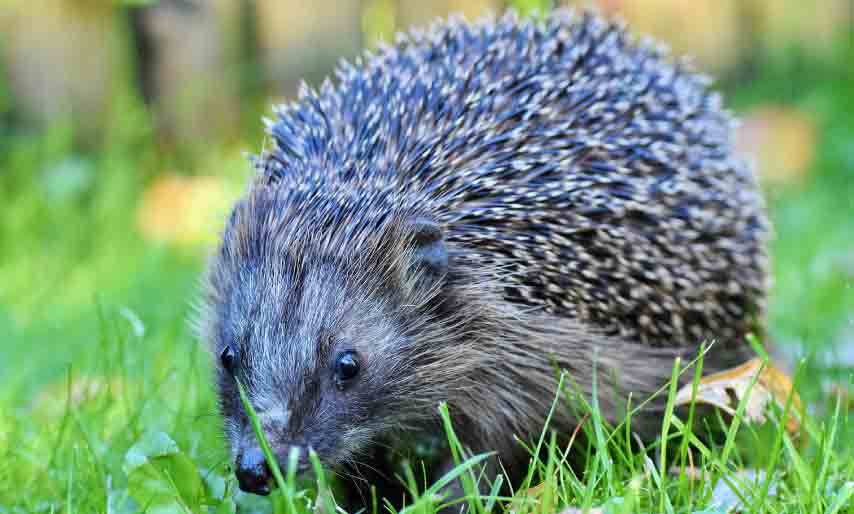
Hedgehogs can make great pets for the right person, but not everyone is cut out for the responsibilities of owning a hedgehog. For those who are interested in bringing a hedgehog into their home, adoption can be a great option. There are many reasons why people choose to adopt hedgehogs rather than purchase them from breeders or pet stores.

Hedgehog adoption is a process by which a person or family takes in a hedgehog that is in need of a new home. This may be due to the previous owner being unable to care for the hedgehog or needing to surrender it for other reasons. Adopting a hedgehog can be a great way to give a loving home to an animal in need and can also be a more affordable option than purchasing a hedgehog from a breeder.

When adopting a hedgehog, it’s important to find a reputable rescue organization or shelter that specializes in hedgehog adoption. These organizations typically provide care for hedgehogs that have been surrendered or abandoned, and work to find them new homes with loving families. They may also provide education and resources for new hedgehog owners to ensure they have the knowledge and tools needed to provide the best possible care for their new pet.

Potential adopters should carefully consider their lifestyle, living situation, and ability to provide for the hedgehog’s needs before committing to adoption. It’s also important to research hedgehogs and their care requirements to ensure that adoption is the right choice.

Summary of Total Cost of Owning a Hedgehog

Many elements, including as the price of initial setup and recurring costs, might affect the overall cost of having a hedgehog. Here is a summary of some of the potential costs involved in owning a hedgehog:

  • Hedgehog habitat or cage: $100-$500+
  • Food: $10-$20/month
  • Veterinary care: $50-$200/year (or more, if the hedgehog becomes ill or injured)
  • Bedding: $10-$20/month
  • Toys and accessories: $20-$50 (or more, depending on how much you choose to spend)
  • Grooming supplies: $10-$20 (or more, depending on your preferences)
  • Heating and lighting: $20-$50/month

These costs can add up quickly, and potential hedgehog owners should budget for both the initial setup costs and ongoing expenses to ensure they are able to provide for their pet’s needs. It’s crucial to keep in mind that caring for a hedgehog requires ongoing expenses for the duration of the animal’s life.

Some other potential costs to consider when owning a hedgehog include the following:
  1. Travel expenses: If you need to travel with your hedgehog, you may need to purchase a carrier or travel cage, which can cost anywhere from $20-$100 or more. You may also need to pay for pet-friendly accommodations or transportation.

  2. Special needs: Some hedgehogs may have special needs or medical conditions that require additional care or supplies, which can increase the cost of ownership.

  3. Emergency expenses: In the event of a medical emergency, you may need to pay for emergency veterinary care, which can be expensive.

  4. Adoption fees: If you adopt a hedgehog from a rescue organization or breeder, you may need to pay an adoption fee, which can vary depending on the organization or individual.

By budgeting for these expenses and planning ahead, you can ensure that you are able to provide the best possible care for your hedgehog and enjoy the unique and rewarding experience of owning one of these fascinating pets.

Ongoing Care and Expenses for Owning a Hedgehog

Owning a hedgehog can be a rewarding experience, but it also requires ongoing care and expenses to ensure their health and well-being. Here are some of the key things to consider when it comes to caring for a hedgehog:

  1. Housing: Hedgehogs require a specific type of housing that provides adequate space, warmth, and ventilation. They also need a hideaway or shelter to feel secure, as well as an exercise wheel to stay active. A quality hedgehog habitat can cost several hundred dollars.

  2. Food: Hedgehogs need a balanced diet that includes high-quality dry cat food, live insects, and fresh fruits and vegetables. The cost of food will depend on the type and quality of food you choose to feed your hedgehog.

  3. Veterinary care: Hedgehogs require regular check-ups with an exotic animal veterinarian who is knowledgeable about their specific care requirements. They may also require additional veterinary care if they become ill or injured. Vet visits and treatments can be expensive.

  4. Bedding: Hedgehogs need a soft and absorbent bedding material, such as recycled paper or fleece liners. Bedding should be changed regularly to maintain a clean and healthy environment.

  5. Toys and accessories: Hedgehogs need mental stimulation and enrichment, which can be provided through toys and accessories such as tunnels, balls, and puzzles. These items can add up in cost.

  6. Grooming: Hedgehogs require regular nail trims and occasional baths to stay clean and healthy. Supplies such as nail clippers, shampoo, and a toothbrush can add up in cost.

  7. Heating and lighting: Hedgehogs need a warm and well-lit environment to thrive. Heating lamps and lighting fixtures may be necessary, and the cost of electricity should be factored into the ongoing expenses of ownership.

Overall, the ongoing expenses of owning a hedgehog can vary depending on the individual needs of the hedgehog and the owner’s personal preferences. However, it’s important to budget for these ongoing expenses to ensure that the hedgehog is well-cared for and to avoid unexpected costs.

In addition to the ongoing expenses of owning a hedgehog, there are some other important considerations to keep in mind:

  1. Time commitment: Hedgehogs require daily care and attention, including feeding, cleaning, and socialization. They may be more active at night when their owners are sleeping because they are nocturnal animals. Think on whether potential owners have the time and resources to devote to caring for a hedgehog.

  2. Socialization: Hedgehogs can be shy or defensive, and may need time and patience to become comfortable with their owners. It’s important to handle and interact with a hedgehog regularly to build trust and promote socialization.

  3. Health risks: Hedgehogs can carry bacteria such as Salmonella, which can be transmitted to humans. It’s important to practice good hygiene and handle hedgehogs safely to avoid potential health risks.

  4. Lifespan: Hedgehogs can live up to 6 years or more with proper care, which is a significant commitment. Prospective owners should think about their ability to devote to and care for a hedgehog over the long run.

Overall, owning a hedgehog can be a rewarding experience for those who are prepared for the responsibilities and expenses involved. It’s important to research and consider all aspects of hedgehog care before committing to ownership, and to provide the best possible care for these unique and fascinating pets.

Choosing the right hedgehog

Choosing the right hedgehog can be important in ensuring a successful and rewarding ownership experience. Here are some factors to consider when choosing a hedgehog:

  1. Age: Hedgehogs are typically sold as babies or young adults. While baby hedgehogs may be cute and appealing, they may require more socialization and patience to become comfortable with their owners. Older hedgehogs may already be more socialized and easier to handle.

  2. Temperament: Hedgehogs can vary in temperament, and it’s important to choose a hedgehog that is friendly and comfortable with handling. Spend time with the hedgehog before making a decision, and observe its behavior and level of comfort with human interaction.

  3. Health: Choose a hedgehog that appears healthy and active, with clear eyes, clean ears, and healthy skin and fur. Avoid hedgehogs that show signs of illness, such as lethargy, poor appetite, or respiratory problems.

  4. Breeder or rescue organization: Consider the source of the hedgehog when making a decision. A reputable breeder or rescue organization can provide guidance and support and information on the hedgehog’s background and temperament.

  5. Gender: Hedgehogs can be male or female, and each gender may have different personality traits and behaviors. Consider your own preferences and experience with pet ownership when choosing a gender.

Overall, taking the time to research and choose the right hedgehog can help ensure a successful and rewarding ownership experience. Consider your lifestyle and preferences, as well as the needs and temperament of the hedgehog, to make an informed decision.

Here are some additional factors to consider when choosing a hedgehog:
  1. Diet: Hedgehogs require a specific diet that includes a high-quality commercial hedgehog food, as well as occasional treats such as insects or fruits. Some hedgehogs may be picky eaters or have specific dietary needs, so it’s important to choose a hedgehog that has a healthy appetite and is willing to eat a variety of foods.

  2. Activity level: Hedgehogs are generally nocturnal and can be quite active at night. Consider your own sleep habits and whether a noisy or active hedgehog may be disruptive to your household.

  3. Space requirements: Hedgehogs require a suitable habitat or cage that is large enough to provide space for exercise and activity. Consider whether you have enough space in your home for a hedgehog cage, as well as any additional equipment or accessories.

  4. Time commitment: Hedgehogs require daily care and attention, including feeding, cleaning, and socialization. Consider whether you have enough time to devote to caring for a hedgehog and providing the necessary attention and interaction.

  5. Legal requirements: Hedgehogs may be illegal or restricted in some areas, so it’s important to research local laws and regulations before bringing a hedgehog into your home.

By considering these factors and researching hedgehog ownership, you can make an informed decision and choose a hedgehog that is well-suited to your lifestyle and preferences. Remember that owning a hedgehog is a long-term commitment, and it’s important to provide proper care and attention to ensure a happy and healthy life for your pet.

What Size Cage Is Needed?

The size of the cage needed for a hedgehog depends on the size of the hedgehog and its activity level. A suitable cage should be large enough to allow the hedgehog to move around comfortably and engage in natural behaviors like running and burrowing.

The minimum size for a hedgehog cage is about 2 feet long by 1.5 feet wide and at least 1.5 feet tall. However, larger cages are generally better, and many hedgehog owners recommend a minimum size of 4 feet by 2 feet for a single hedgehog. A multi-level cage can also provide additional space and opportunities for exercise and play.

The cage should be made of sturdy materials, such as wire mesh or plastic, and should be escape-proof to prevent the hedgehog from getting out. The cage should also be well-ventilated and kept in a cool, dry area away from direct sunlight and drafts.

In addition to the cage itself, hedgehogs require additional equipment and accessories, such as a hiding place or shelter, a litter box, and an exercise wheel. These items should also be appropriately sized for the hedgehog and provide ample space for movement and activity.

Overall, providing a suitable cage and environment is an important part of hedgehog ownership and can contribute to your pet’s health, happiness, and well-being.

Are Hedgehogs Good Pets for Kids or Toddlers?

While hedgehogs can make good pets, they may not be the best choice for young children or toddlers. Hedgehogs have specific needs and require careful handling to avoid injury or stress. Young children may not understand how to handle a hedgehog gently or may accidentally drop or mishandle the hedgehog, which can cause injury or harm to both the hedgehog and the child.

Hedgehogs are also nocturnal animals and may be active and noisy at night, which can be disruptive to a child’s sleep or routine. Additionally, hedgehogs have quills that can poke or scratch, which can be painful for young children.

If you are considering a hedgehog as a pet for your child, it’s important to carefully consider the age and maturity level of your child, as well as their ability to understand and follow safety guidelines for handling and caring for a hedgehog. Close supervision and guidance are necessary to ensure the safety and well-being of both the hedgehog and your child.

Overall, while hedgehogs can make good pets, they may not be the best choice for young children or toddlers, and it’s important to carefully consider all factors before bringing a hedgehog into your family.

Conclusion

In conclusion, owning a hedgehog can be a rewarding and enjoyable experience for both children and adults. However, it’s important to carefully consider the ongoing care and expenses associated with hedgehog ownership, as well as the potential challenges and drawbacks. Choosing the right hedgehog and providing a suitable cage and environment are also crucial factors in ensuring a successful and fulfilling ownership experience. 

Pet Travel Accessories

Pet Travel Accessories

Quick Answer: Key accessories for traveling with a pet include a secure carrier or seatbelt harness, collapsible food and water bowls, familiar bedding, waste cleanup supplies, and up-to-date ID or microchip information in case you’re separated.

Key Takeaways

  • A safety restraint, carrier or crash-tested harness, should be non-negotiable for car travel.
  • Pack familiar items like a favorite blanket or toy to ease anxiety.
  • Collapsible bowls and travel-size food save space on the go.
  • Confirm airline, hotel, or destination pet policies well ahead of time.
  • Carry vaccination records if traveling across state or country lines.

Why Trust This Guide?

This guide is researched and written by the Pets Store Home editorial team, drawing on general pet-care and industry information. It’s intended as general information; consult a vet or specialist for advice specific to your pet or situation.

Pet travel accessories are essential items pet owners need to make traveling with their furry companions comfortable and safe. These accessories are designed to ensure that pets can travel with their owners without being uncomfortable, restless, or injured.

There are several types of pet travel accessories available in the market, including:

Pet carriers – Pet carriers are essential for the safe and secure transportation of pets. These come in different shapes and sizes and are designed for various pets.

Seat covers protect the car seats from pet hair, scratches, and accidents. They come in different materials, such as waterproof and non-slip.

Travel bowls – They are lightweight and collapsible, making them easy to carry while traveling. They are ideal for feeding and hydrating pets while on the road.

Travel beds – Travel beds provide comfort and support for pets during long journeys. They are made to be portable and light to pack.

Harnesses and seat belts – Harnesses and seat belts help keep pets secure during car journeys, preventing them from moving around and getting injured.

ID tags are crucial for pet safety, especially when traveling to new places. They contain essential information, such as the owner’s contact details, the pet’s name, and medical information.

Pet travel accessories are essential for pet owners who frequently travel with furry companions. They make traveling with pets more comfortable, safer, and enjoyable for pets and their owners.

Here are some additional pet travel accessories that can make traveling with pets easier:

Travel litter boxes – For cats, travel litter boxes provide a comfortable place to use the bathroom while on the road. These litter boxes are usually collapsible, making them easy to pack.

Portable playpens – Portable playpens provide a safe and secure space for pets to play while on the go. These playpens are typically lightweight and easy to set up.

Cooling mats – Cooling mats relieve heat and keep pets cool during hot weather. These mats are ideal for long car journeys or hot outdoor activities.

First-aid kits – First-aid kits are essential for pet safety during travel. These kits should include basic items such as bandages, antiseptics, and medications.

Pet strollers are perfect for small dogs or cats who tire easily during long walks or hikes. They provide a comfortable and safe way for pets to rest while their owners continue with their outdoor activities.

Poop bags – Poop bags are essential for cleaning up after pets when they need to go to the bathroom. They are convenient and easy to pack, making them an essential item for any pet owner.

Having the right travel accessories to ensure their safety and comfort is essential when traveling with pets. With the right travel accessories, pet owners can enjoy their travels with their furry companions and create memories that will last a lifetime.

Here are some additional pet travel accessories that can be useful for pet owners:

Pet ramps – Pet ramps are ideal for pets that have mobility issues, such as elderly pets or those with joint problems. They help pets to easily climb in and out of the car or reach high surfaces.

Car barriers – Car barriers are essential for pet safety during car journeys. They help keep pets in the back seat and prevent them from distracting the driver.

GPS trackers – GPS trackers are useful for tracking pets when traveling to new places. They help pet owners locate their pets in case they get lost.

Travel towels – Travel towels are ideal for wiping pets after they get wet or dirty during outdoor activities. They are lightweight and easy to pack.

Portable water fountains – Portable water fountains provide fresh water for pets during outdoor activities. They are typically lightweight and easy to pack.

Portable pet shelters – Portable pet shelters provide a comfortable and safe space for pets during outdoor activities. They are made to be portable and simple to erect.

Pet camera – Pet cameras allow pet owners to check on their pets while they are away. They are ideal for pet owners who leave their pets in hotels or pet sitters’ care.

Travel grooming kit – A travel grooming kit includes essential grooming tools, such as a brush, nail clipper, and shampoo, making it easy to groom pets while on the go.

Overall, many pet travel accessories are available in the market that can make traveling with pets more comfortable and enjoyable. Pet owners should choose the accessories that suit their pet’s needs and ensure their safety and comfort during travel.

Here are some more pet travel accessories that can be useful for pet owners:

Portable litter boxes – For cats, portable litter boxes are a convenient and easy-to-carry alternative to traditional litter boxes. They are designed to be lightweight and easy to clean.

Pet travel blankets – Pet travel blankets provide a comfortable place to rest while traveling. They are typically lightweight and easy to pack.

Travel jackets – Travel jackets provide warmth and protection for pets during outdoor activities. They are designed to be lightweight and easy to pack.

Dog boots – Dog boots protect pets’ paws from hot pavements, sharp rocks, and other hazards during outdoor activities. They are designed to be comfortable and easy to put on.

Pet sunscreen – Pet sunscreen protects pets’ skin from sunburn during outdoor activities. It is typically non-toxic and safe for pets to use.

Travel litter scoops – For cat owners, travel litter scoops are essential for cleaning up after their pets while on the road. They are designed to be lightweight and easy to pack.

Pet car seats – Pet car seats provide a comfortable and secure place for pets to sit during car journeys. They are designed to be easy to install and use.

Pet travel vests – Pet travel vests provide a comfortable and secure way to transport small pets during car journeys. They are designed to be lightweight and easy to pack.

Portable pet carriers – Portable pet carriers are designed for pets who need extra protection and security during outdoor activities. They are typically lightweight and easy to carry.

Travel water bottles – Travel water bottles are designed to provide fresh water for pets during outdoor activities. They are typically lightweight and easy to carry.

Overall, pet travel accessories are available to help pet owners make traveling with their pets more comfortable, safe, and enjoyable. By choosing the right travel accessories, pet owners can ensure their pets are comfortable and secure during travel and create unforgettable memories.

Here are some more pet travel accessories that can be useful for pet owners:

Pet travel bowls – Pet travel bowls are lightweight and easy to pack, making them ideal for pets for outdoor activities or traveling.

Travel litter box liners – For cat owners, travel litter box liners can make cleaning up after their pets easier and more convenient. They are designed to be lightweight and easy to pack.

Travel feeders – Travel feeders allow pet owners to feed their pets on the go. They are designed to be lightweight and easy to pack.

Pet travel beds – Pet travel beds provide a comfortable and secure place for pets to rest during car journeys or outdoor activities. They are designed to be lightweight and easy to pack.

Portable pet fences – Portable pet fences are ideal for keeping pets contained during outdoor activities. They are designed to be easy to set up and take down.

Car seat covers – Car seat covers to protect car seats from pet hair, dirt, and other debris during car journeys. They are designed to be easy to clean and install.

Pet carriers with wheels – Pet carriers with wheels are designed for pets with difficulty walking long distances or climbing stairs. They are typically lightweight and easy to maneuver.

Pet calming products – Pet calming products, such as calming sprays or treats, can help soothe pets during stressful car journeys or outdoor activities.

Pet hair removers – Pet hair removers are essential for cleaning pet hair from car seats, clothing, and other surfaces. They are designed to be easy to use and clean.

Pet travel organizers – Pet travel organizers provide a convenient way to store and organize all of your pet’s travel essentials, such as food, water, toys, and accessories.

Overall, many pet travel accessories are available that can make travelling with pets more comfortable and enjoyable. Pet owners should choose the accessories that suit their pet’s needs and ensure their safety and comfort during travel.


Essential Items for Every Pet Owner Travelling with a Pet

When traveling with a pet, it’s important to pack certain essential items to ensure your pet’s comfort and safety. Here are some essential items that every pet owner should pack when traveling with a pet:

Pet food – Pack enough food for the entire trip, plus a few extra servings, just in case.

Water – Bring plenty of fresh water for your pet and a travel bowl or water bottle.

Leash and collar – Your pet should always wear a collar with identification tags when traveling and a leash for walks and potty breaks.

Carrier or crate – If your pet is small, you may need a carrier or crate to travel in.

Bedding – Bring your pet’s favorite blanket or bed to help them feel more comfortable in unfamiliar surroundings.

Medications – Bring enough for the entire trip, plus a few extra doses, if your pet takes medication.

First aid kit – Pack a first aid kit with supplies such as bandages, antiseptic wipes, and tweezers.

Waste bags – Bring plenty of waste bags for picking up after your pet during walks and potty breaks.

Towels – Bring towels for wiping your pet down after they get wet or dirty.

Toys – Bring your pet’s favorite toys to help keep them entertained during the trip.

Pet documentation – Bring any necessary documentation, such as vaccination records or health certificates, especially if crossing state or international borders.

Emergency contact information – Keep a list of emergency contact information for your veterinarian and pet insurance provider handy in case of any unexpected situations.

Packing these essential items ensures that your pet stays comfortable, safe, and happy during your travels together.

Here are some more essential items to consider when traveling with your pet:

Pet seat belt or harness – If your pet travels in a car, a seat belt or harness can help keep them secure and safe.

Poop scoop or litter box – If you’re traveling with a dog, bring a poop scoop for cleaning up after them. If you’re traveling with a cat, bring a travel litter box.

Grooming supplies – Bring a brush, comb, and any other grooming supplies your pet may need.

Portable water filter – If you’re traveling to a location where the water quality is questionable, bring a portable water filter to ensure your pet can access clean drinking water.

Pet-friendly accommodations – Look for pet-friendly hotels or vacation rentals when booking accommodations.

Comfort items – Bring any items your pet may need, such as a favorite toy, blanket, or pillow.

Temperature-appropriate gear – Depending on the climate of your destination, bring gear such as sweaters, booties, or cooling vests to keep your pet comfortable.

Familiar scents – Bring an item with a familiar scent, such as a t-shirt or blanket, to help your pet feel more at home in unfamiliar surroundings.

Always prioritize your pet’s comfort, safety, and well-being when traveling together. With proper planning and preparation, traveling with your pet can be a fun and enjoyable experience for you and your furry companion.


Here are a few more essential items to consider when traveling with your pet:

Sunscreen – If your pet has light-colored fur, or if they’re prone to sunburn, bring a pet-friendly sunscreen to protect their skin.

Travel litter – If you’re traveling with a cat, bring a small amount of travel litter to use in an emergency or unexpected delay.

Portable pet ramp – If your pet has mobility issues, it can make it easier to get in and out of the car or access higher areas.

Pet-friendly activities – Look for pet-friendly activities and attractions in your destination, such as dog parks, hiking trails, or outdoor cafes.

Emergency supplies – Pack a small emergency kit with extra food, water, and medications in case of unexpected delays or emergencies.

Insect repellent – If you’re traveling to an area with ticks, fleas, or other insects, bring a pet-friendly insect repellent to protect your pet.

Portable pet tent – If you’re camping or spending time outdoors, a portable pet tent can provide a comfortable and safe place to rest.

Calming supplements – If your pet is prone to anxiety or stress when traveling, talk to your vet about calming supplements or medications that can help keep them relaxed and comfortable.

Pet seat cover – If your pet is traveling in the car, a pet seat cover can protect your car’s upholstery and make cleaning up after your pet easier.

Pet-friendly restaurants – Look for pet-friendly restaurants in your destination so you can enjoy meals with your pet by your side.

With these additional essential items, you’ll be even more prepared to travel with your pet and ensure their comfort, safety, and well-being.

Tips for Choosing the Best Accessories

Choosing the best pet travel accessories can be overwhelming, especially with many options. Here are some tips to help you choose the best accessories for your pet:

Consider your pet’s needs – Consider your pet’s specific needs when choosing accessories. For example, if you’re traveling with a small dog, you’ll need a different type of carrier than traveling with a large dog.

Look for quality materials – Choose accessories made with durable, high-quality materials that can withstand the wear and tear of travel.

Check for safety features – Look for safety features such as seat belts or harnesses for car travel, and secure latches and zippers for carriers and crates.

Read reviews – Read reviews from other pet owners to get an idea of different pet travel accessories’ quality, durability, and safety.

Consider the size and weight – Make sure the accessories you choose are the right size and weight for your pet and that they can be easily carried or stored during travel.

Think about the destination – Consider the climate and terrain of your destination when choosing accessories. For example, a cooling vest can help keep your pet comfortable if you’re traveling in a hot climate.

Check with your airline – If traveling by air, check with your airline about their specific requirements for pet carriers and crates.

Consult with your vet – If your pet has specific health or mobility needs, consult with your veterinarian to determine the best accessories for your pet.

By considering these factors when choosing pet travel accessories, you can ensure that you choose the best accessories for your pet’s comfort, safety, and well-being during travel.

Here are some additional tips for choosing the best pet travel accessories:

Look for versatility – Choose accessories that can serve multiple purposes. For example, a carrier can also be used as a car seat or a backpack that can also be used as a pet bed.

Check for ease of use – Choose accessories that are easy to use and require minimal assembly. This can be especially important when traveling with a pet.

Choose accessories that are easy to clean – Look for accessories that are easy to clean and maintain, such as carriers or crates with removable and washable bedding.

Consider your budget – Set a budget for your pet travel accessories and stick to it. You don’t need to buy the most expensive accessories to ensure your pet’s comfort and safety.

Think about your pet’s personality – Consider your pet’s personality when choosing accessories. If your pet is anxious or easily frightened, a soft-sided carrier may be better than a hard-sided carrier.

Check for compatibility – Make sure the accessories you choose are compatible with your pet’s size and breed and any specific health or mobility needs they may have.

Look for warranty and return policy – Choose accessories with a warranty or return policy in case they don’t meet your expectations or your pet’s needs.

By keeping these additional tips in mind, you can make an informed decision when choosing the best pet travel accessories for your furry friend.

Here are a few more tips for choosing the best pet travel accessories:

Consider the length of your trip – Choose accessories that are appropriate for the length of your trip. For example, if you’re traveling for an extended period, you may need a larger carrier or crate to accommodate your pet’s food, water, and bedding.

Look for accessories that provide comfort – Choose accessories that provide your pet with the comfort they need during travel. This could include a soft, cushioned bed, a cozy blanket, or a comfortable harness or collar.

Check for ventilation – Look for accessories that provide adequate ventilation, especially if traveling by plane or car. Good ventilation can help keep your pet comfortable and reduce the risk of overheating.

Choose accessories that are easy to transport – Look for lightweight and easy-to-transport accessories, such as collapsible bowls or foldable carriers.

Check for airline approval – If you’re traveling by plane, ensure the accessories you choose meet the airline’s requirements for pet travel. This may include specific size and weight restrictions and requirements for carriers or crates.

With these additional tips, you can choose the best pet travel accessories for your furry friend and ensure their comfort, safety, and well-being during travel.


Benefits of Having the Right Accessories

Having the right pet travel accessories can provide a range of benefits for you and your furry friend. Here are some of the benefits of having the right accessories:

Comfort and safety – The right accessories can help keep your pet comfortable and safe during travel. For example, a well-ventilated carrier or crate with a soft bed can help your pet feel secure and comfortable during a long car or plane ride.

Convenience – The right accessories can make traveling with your pet more convenient. For example, a collapsible water bowl or portable litter box can make caring for your pet’s needs easier while on the go.

Protection – The right accessories can protect your pet from the elements and other hazards during travel. For example, a raincoat can keep your pet dry in wet weather, while a harness or collar with reflective strips can help keep them visible and safe during walks at night.

Hygiene – The right accessories can help keep your pet and your vehicle or hotel room clean and hygienic during travel. For example, a portable pet shower can help you clean your pet’s paws and coat after a muddy walk, while a waterproof car seat cover can protect your seats from dirt and hair.

Peace of mind – Having the right accessories can give you peace of mind knowing that your pet is comfortable, safe, and well-cared for during travel. This can help you enjoy your trip without worrying about your pet’s well-being.

Pet travel accessories can make traveling with your furry friend more comfortable and safe.

Here are some additional benefits of having the right pet travel accessories:

Reduced stress – The right accessories can help reduce your pet’s stress and anxiety during travel. For example, a calming pheromone spray or a calming collar can help calm your pet and relax during a long car or plane ride.

Improved mobility – The right accessories can help improve your pet’s mobility during travel. For example, a pet stroller or a ramp can make it easier for your pet to get around and enjoy new surroundings.

Enhanced bonding – Traveling with your pet and using the right accessories can help strengthen your bond with your furry friend. You can enjoy new experiences together, explore new places, and create lasting memories.

Adaptability – Having the right accessories can help your pet adapt to new environments and routines during travel. For example, a familiar bed or blanket can provide your pet with comfort and familiarity in a new place.

Flexibility – The right accessories can provide flexibility in your travel plans. For example, if you have a carrier that doubles as a car seat, you can easily transition from a plane to a car ride without switching carriers.

With the right pet travel accessories, you can make your trip more enjoyable and stress-free for you and your pet. It can also help your pet adapt to new surroundings and routines and create memorable experiences that strengthen your bond.

Here are some additional benefits of having the right pet travel accessories:

Cost-effective – Investing in the right pet travel accessories can save you money in the long run. For example, a high-quality, durable carrier or crate may cost more upfront but can last for years and save you money on replacements.

Better organization – The right accessories can help you stay organized and prepared during travel. For example, a travel bag with compartments for pet food, toys, and medication can help you keep everything you need in one place.

Health benefits – The right accessories can help promote your pet’s health during travel. For example, a portable water filter can provide your pet with clean, fresh water on the go, while a cooling mat can help prevent overheating in hot weather.

Socialization – Traveling with your pet and using the right accessories can help your pet socialize with new people and animals. This can be especially beneficial for shy or anxious pets.

Environmental protection – The right accessories can help protect the environment during travel. For example, using biodegradable poop bags can reduce environmental impact while traveling with your pet.

With the right pet travel accessories, you can enjoy a wide range of benefits, from better organization and cost savings to improved health and socialization for your pet. It can also help you reduce your environmental impact while traveling with your furry friend.


Benefits of Keeping Fish Aquarium at Home

Benefits of Keeping Fish Aquarium at Home

Quick Answer: Keeping a fish aquarium at home can lower stress, add a calming visual element to a room, teach responsibility (especially for kids), and generally requires less daily maintenance than many other pets.

Key Takeaways

  • Watching fish has been linked to reduced stress and lower blood pressure.
  • Aquariums add a calming, decorative element to home decor.
  • Caring for fish teaches routine and responsibility, especially for children.
  • Generally a lower daily time commitment than dogs or cats.
  • A proper setup (filtration, cycling) upfront reduces long-term maintenance issues.

Why Trust This Guide?

This guide is researched and written by the Pets Store Home editorial team, drawing on general pet-care and industry information. It’s intended as general information; consult a vet or specialist for advice specific to your pet or situation.

Benefits of keeping fish aquarium at home

Introduction to freshwater and saltwater aquariums and benefits of keeping fish aquarium at home

Freshwater and saltwater aquariums are two different types of aquatic environments that can be created and maintained in the home.

Freshwater aquariums contain fish and plants that can live in freshwaters, such as tropical fish, goldfish, and guppies. The water in a freshwater aquarium needs to be kept at a stable pH level, and the temperature should be appropriate for the specific fish species in the tank.

Saltwater aquariums, on the other hand, contain fish and other creatures that live in saltwater, such as clownfish, reef sharks, and sea anemones. The water in a saltwater aquarium needs to be kept at a specific salinity level, which can be more difficult to maintain than the pH level in a freshwater tank. Saltwater aquariums are also more expensive to set up and maintain than freshwater aquariums, but they offer a wide variety of exotic and colorful marine life.

Both types of aquariums require proper filtration, regular water changes, and careful attention to the needs of the fish and other inhabitants. With the right care and attention, a freshwater or saltwater aquarium can be a beautiful and rewarding addition to any home.

What are the benefits of keeping fish aquarium at home?

There are several benefits of keeping a fish aquarium at home, including:

  • Reducing stress: Watching fish swim in an aquarium can have a calming effect and reduce stress levels. This can be particularly beneficial after a long day at work or during times of high stress.

  • Providing entertainment: An aquarium can provide entertainment for both adults and children. Watching the fish swim, interact with each other, and explore their environment can be a fun and engaging activity.

  • Enhancing the décor: An aquarium can enhance the décor of a room and add a unique and visually appealing element to any space. It can also serve as a focal point in a room and create a calming and relaxing atmosphere.

  • Teaching responsibility: Keeping an aquarium can teach children and adults responsibility and provide an opportunity to learn about the care and maintenance of living organisms.

  • Improving air quality: An aquarium can improve the air quality in a room by providing natural filtration through the plants and bacteria in the tank.

  • Boosting creativity: Creating and maintaining an aquarium can be a creative and rewarding hobby.

    People may also get the chance to learn more about various fish species, plants, and water habitats.

  •  Giving a sensation of company: Fish can give a feeling of company and lessen feelings of loneliness. They can also be a source of comfort and relaxation.

Overall, keeping a fish aquarium at home can provide several benefits that promote physical and mental well-being, as well as enhance the aesthetics of a space.

Here are a few additional benefits of keeping a fish aquarium at home:
  • Improving sleep: The calming effect of watching fish swim in an aquarium can also improve sleep quality. The sound of water and the gentle movement of the fish can promote relaxation and reduce insomnia.
  • Teaching children about science: An aquarium can offer a chance for kids to learn about biology, ecology, and other scientific topics. Kids can discover more about various fish species, their habits, and habitat needs.
  • Creating a sense of responsibility: Keeping an aquarium can create a sense of responsibility and provide a daily routine for feeding, cleaning, and maintaining the tank. Children can particularly benefit from this as they can learn the value of caring for living things.
  • Serving as a therapeutic tool: Aquatic therapy is a recognized form of therapy that uses water and aquatic animals to promote healing and well-being. An aquarium can serve as a therapeutic tool for individuals with disabilities, anxiety, or depression.
  • Increasing social interaction: An aquarium can also increase social interaction, particularly for individuals who may have difficulty socializing or engaging in group activities. It can serve as a conversation starter and provide a common interest for individuals to bond over.
  • Overall, keeping a fish aquarium at home can provide numerous benefits that promote physical, mental, and emotional well-being, as well as offer an opportunity for education, creativity, and social interaction.

Mental Health Benefits for Both Adults and Children

There are several mental health benefits of keeping a fish aquarium at home for both adults and children, including:

  1. Reducing stress and anxiety: Watching fish swim in an aquarium can have a calming effect and reduce stress and anxiety levels.

  2. Improving mood: The peaceful and serene environment of an aquarium can help elevate mood and increase feelings of happiness and well-being.

  3. Encouraging relaxation: Observing fish swim in an aquarium can promote relaxation, reduce muscle tension, and lower heart rate.

  4. Fostering a sense of responsibility: Caring for fish and maintaining the aquarium can help develop a sense of responsibility in both adults and children.

  5. Boosting creativity: Designing and decorating an aquarium can encourage creativity and provide a satisfying sense of accomplishment.

  6. Enhancing focus and attention: Watching fish swim in an aquarium can help increase focus and attention span, especially in children with attention deficit hyperactivity disorder (ADHD).

  7. Providing a distraction from negative thoughts: Focusing on the aquarium and the fish can provide a temporary distraction from negative thoughts or worries, helping to reduce symptoms of depression and anxiety.

Overall, keeping a fish aquarium at home can have numerous mental health benefits, making it a great option for adults and children alike.

Here are some additional mental health benefits of keeping a fish aquarium at home:
  1. Providing a sense of companionship: Fish can be seen as non-judgmental and peaceful companions, which can be especially beneficial for those who may feel lonely or isolated.

  2. Reducing symptoms of PTSD: For individuals with post-traumatic stress disorder (PTSD), watching fish swim in an aquarium can help reduce symptoms of anxiety and improve sleep quality.

  3. Improving social skills: Caring for fish and maintaining an aquarium can be a shared activity that promotes social interaction, which can help improve social skills, especially in children.

  4. Helping with mindfulness: Observing the movements of fish in an aquarium can be a form of meditation, promoting mindfulness and present-moment awareness.

  5. Providing sensory stimulation: The sight, sound, and movement of fish in an aquarium can provide sensory stimulation, which can be especially beneficial for individuals with sensory processing disorders or dementia.

Overall, keeping a fish aquarium at home can have a wide range of mental health benefits, making it a therapeutic and enjoyable hobby for people of all ages.

Aesthetic & Decorative Benefits of Aquariums

Aquariums can also have several aesthetic and decorative benefits, including:

  1. Adding visual interest: An aquarium can be a beautiful and eye-catching addition to a room, adding visual interest and serving as a conversation starter.
  2. Complementing decor: An aquarium can be designed to complement the decor of a room with different colored fish, plants, and decorations that match the color scheme and style.
  3. Creating a relaxing ambiance: The peaceful movements of fish and the gentle sound of water can create a calming and relaxing ambiance in a room, enhancing the overall atmosphere.
  4. Enhancing lighting: Aquarium lighting can highlight the fish and decorations, creating a soft and inviting glow in a room.
  5. Filling empty spaces: An aquarium can fill empty spaces in a room, such as a corner or a blank wall, adding depth and dimension to the space.
  6. Providing a unique focal point: An aquarium can be a unique and interesting focal point in a room, drawing the eye and adding character and personality to the space.

Overall, an aquarium can be a beautiful and decorative addition to a room, adding visual interest, creating a relaxing ambiance, and complementing the decor.

Here are some additional aesthetic and decorative benefits of aquariums:
  1. Showcasing different aquatic environments: An aquarium can be designed to showcase different aquatic environments, such as a coral reef or a freshwater river, adding a unique and educational element to the decor.
  2. Providing a sense of tranquility: An aquarium can create a sense of tranquility and serenity in a room, making it a great addition to spaces such as bedrooms, offices, or living rooms.
  3. Serving as a natural work of art: An aquarium can be seen as a natural work of art, with its colorful fish and underwater landscapes providing a constantly changing and mesmerizing display.
  4. Bringing nature indoors: An aquarium can bring a piece of nature indoors, connecting people with the natural world and providing a sense of calm and grounding.
  5. Improving air quality: Aquatic plants and the filtration system in an aquarium can help improve air quality, adding a practical benefit to the aesthetic and decorative aspects of the aquarium.

Overall, an aquarium can provide a wide range of aesthetic and decorative benefits, creating a unique and visually appealing addition to a room while also providing practical benefits such as improving air quality and creating a sense of tranquility.

Social Benefits of Having an Aquarium

Keeping an aquarium at home can also have several social benefits, including:

  1. Providing a shared interest: An aquarium can be a shared interest between family members, friends, or roommates, providing a bonding experience and a topic for conversation.
  2. Encouraging social interaction: Caring for an aquarium can be a social activity, with tasks such as cleaning, feeding, and maintenance providing opportunities for collaboration and teamwork.
  3. Facilitating socialization for children: Children who may be shy or introverted can use an aquarium as a way to initiate social interaction, such as inviting friends over to see the fish or joining a local fish-keeping club.
  4. Connecting with other fish enthusiasts: Aquarium keeping can be a niche hobby, but there are many online communities and local clubs where fish enthusiasts can connect, share knowledge, and socialize.
  5. Promoting educational opportunities: Aquariums can be used as a way to teach children and adults about aquatic life, habitats, and conservation efforts, providing an opportunity for learning and discussion.
  6. Providing a shared experience for visitors: Guests and visitors can enjoy the beauty and peacefulness of the aquarium, providing a shared experience and a positive impression of the home.

Overall, keeping an aquarium at home can provide numerous social benefits, from fostering social interaction and connection to promoting educational opportunities and providing a shared experience for visitors.

Here are some additional social benefits of having an aquarium:
  1. Encouraging community involvement: Aquarium keeping can also be a way to get involved in local events and organizations, such as volunteering at a public aquarium or participating in a community fish-keeping project.
  2. Offering a unique hobby: Having an aquarium can be a unique and interesting hobby that sets someone apart from others, providing a way to connect with others who share similar interests.
  3. Providing a calming effect in group settings: The peacefulness of an aquarium can be beneficial in group settings, such as waiting rooms or office spaces, creating a calming effect and reducing stress levels.
  4. Fostering empathy and responsibility: Caring for fish can help develop empathy and responsibility, especially in children, who can learn about the importance of caring for living creatures and the consequences of neglect.
  5. Building teamwork skills: Collaborating with others to maintain and care for an aquarium can help build teamwork and communication skills, promoting a sense of unity and shared responsibility.

Overall, having an aquarium can offer a wide range of social benefits, from providing a unique hobby to promoting teamwork and empathy. Aquarium keeping can also be a way to get involved in the community and connect with others who share similar interests.

Aquariums can help with stress relief in several ways:

  1. Calming effect: Watching fish swim in an aquarium can have a calming effect and reduce stress levels. This is because the gentle movement of the fish, the sound of the water, and the colors of the plants and fish can create a relaxing and peaceful atmosphere.

  2. Mindfulness: Observing fish swim in an aquarium can help individuals practice mindfulness, which is the practice of being fully present and aware of one’s surroundings. This can help reduce stress and promote relaxation.

  3. Distraction: Having an aquarium in the room can provide a distraction from daily stressors and help individuals shift their focus away from stressful thoughts and situations.

  4. Reduced blood pressure: Studies have shown that watching fish swim in an aquarium can lower heart rate and blood pressure, which are physical symptoms of stress.

  5. Meditation: Aquariums can be used as a form of meditation, where individuals focus on the movement of the fish, the sound of the water, and their breath. This can help reduce stress and promote relaxation.

Overall, aquariums can be a useful tool for stress relief as they offer a calming and relaxing environment that can help individuals reduce stress levels and promote well-being.