Will a Small Amount of Onion Hurt my Dog?

Will a Small Amount of Onion Hurt my Dog?

Quick Answer: Yes, even a small amount of onion can be harmful to dogs — onions contain compounds that damage red blood cells, and while a tiny accidental taste is unlikely to cause serious harm, repeated or larger exposure can lead to onion toxicosis.

Key Takeaways

  • Onions contain thiosulfates that are toxic to a dog’s red blood cells.
  • Toxicity is cumulative, so repeated small exposures can add up over time.
  • Symptoms include lethargy, vomiting, and pale gums, signs of anemia.
  • All onion forms, raw, cooked, or powdered, carry some risk.
  • Contact a vet if your dog eats a significant amount of onion.

Why Trust This Guide?

This guide is researched and written by the Pets Store Home editorial team, drawing on general veterinary care information. It’s intended as general information; consult your vet for advice specific to your pet.

Quick Answer: Yes, even a small amount of onion can be harmful to dogs — onions contain compounds that damage red blood cells, and while a tiny accidental taste is unlikely to cause serious harm, repeated or larger exposure can lead to onion toxicosis.

Key Takeaways

  • Onions contain thiosulfates that are toxic to a dog’s red blood cells.
  • Toxicity is cumulative, so repeated small exposures can add up over time.
  • Symptoms include lethargy, vomiting, and pale gums, signs of anemia.
  • All onion forms, raw, cooked, or powdered, carry some risk.
  • Contact a vet if your dog eats a significant amount of onion.

Why Trust This Guide?

This guide is researched and written by the Pets Store Home editorial team, drawing on general veterinary care information. It’s intended as general information; consult your vet for advice specific to your pet.

Will a Small Amount of Onion Hurt my Dog?

Introduction to the concern

Onions are a common ingredient in many human foods, but they can be harmful to dogs. The toxic compounds in onions can cause a range of symptoms in dogs, including gastrointestinal upset, lethargy, weakness, anaemia, and in severe cases, collapse or coma. 

Because onions can be hidden in many foods, it’s essential to be aware of the signs of onion poisoning in dogs and take steps to prevent accidental exposure. If you suspect that your dog has consumed onions, it’s important to contact your veterinarian immediately for advice and guidance on how to proceed. With prompt intervention and treatment, most dogs with onion poisoning can recover fully.

Can dogs eat onions?

No, dogs should not eat onions or any food that contains them. Onions, as well as garlic and other related vegetables, contain compounds called thiosulphates that can be toxic to dogs when consumed in sufficient quantities. Consumption of onions can damage a dog’s red blood cells, leading to a condition called hemolytic anaemia. Symptoms of onion toxicity in dogs can include vomiting, diarrhoea, lethargy, weakness, and discoloured urine. In severe cases, it can lead to collapse, coma, or even death.

Therefore, it’s best to keep onions and any food that contains them away from your furry friends. If you suspect your dog has consumed onions or any other toxic substance, contact your veterinarian immediately.

How do onions affect dogs?

Onions and other Allium species, such as garlic, contain compounds called organosulfur compounds and disulfides that can be toxic to dogs when consumed in sufficient quantities. 

These compounds cause oxidative damage to the red blood cells, leading to a condition called hemolytic anemia. When a dog ingests onions, these compounds are absorbed into the bloodstream and react with the hemoglobin in red blood cells, causing them to rupture and break down. As a result, the body’s ability to transport oxygen is compromised, and the dog can suffer from anemia, weakness, lethargy, and other symptoms. 

The severity of the symptoms depends on the amount of onion consumed and the size of the dog. In some cases, even small amounts of onions can be toxic to small dogs or puppies. The symptoms of onion toxicity can appear within a few hours or several days after consumption. 

If you suspect your dog has eaten onions, it’s essential to contact your veterinarian immediately for treatment. Treatment may involve inducing vomiting, administering activated charcoal, and providing supportive care such as oxygen therapy or blood transfusions, depending on the severity of the anemia.

What is a safe amount of onions for a dog?

There is no safe amount of onions for dogs to consume. Even a small amount of onions can be harmful to dogs, especially if they are consumed regularly or over an extended period. The toxic effects of onions can build up in a dog’s system over time, leading to potentially life-threatening anemia.

As a responsible pet owner, it’s essential to keep onions and other Allium species, such as garlic and shallots, away from your dog’s diet. This includes not only raw onions but also cooked onions, onion powder, and other products that contain onions, such as soups, stews, and sauces.

If you suspect that your dog has ingested any amount of onion, it’s best to seek immediate veterinary care. Your veterinarian can perform blood tests to assess your dog’s red blood cell count and provide treatment to manage any symptoms of onion toxicity. Prompt treatment can be critical in preventing severe or potentially fatal complications of onion poisoning in dogs.

What are the symptoms of onion poisoning in dogs?

The symptoms of onion poisoning in dogs can vary depending on the amount of onion ingested and the size and health of the dog. Here are some common signs and symptoms of onion poisoning in dogs:

Gastrointestinal upset: Dogs may experience vomiting, diarrhea, and loss of appetite shortly after ingesting onions.

Lethargy and weakness: The toxic compounds in onions can damage a dog’s red blood cells, leading to anemia, which can cause lethargy, weakness, and fatigue.

Pale gums and mucous membranes: Anemia can also cause a dog’s gums and other mucous membranes to become pale.

Increased heart and respiratory rate: Dogs may experience rapid heart rate, increased breathing rate, and panting due to the reduced oxygen-carrying capacity of their blood.

Discolored urine: The breakdown of red blood cells can cause the urine to become dark or reddish-brown.

Collapse or coma: In severe cases, onion poisoning can lead to collapse, coma, and even death.

If you suspect that your dog has ingested any amount of onion, it’s essential to contact your veterinarian immediately. Your vet can perform blood tests to evaluate your dog’s red blood cell count and provide supportive care to manage any symptoms of onion poisoning. Early intervention and treatment can be critical in preventing severe or potentially fatal complications of onion poisoning in dogs.

Here are some additional symptoms of onion poisoning in dogs:

Increased heart rate: The toxic compounds in onions can cause an increase in a dog’s heart rate, which can be a sign of anemia and other cardiovascular issues.

Jaundice: Some dogs with onion poisoning may develop yellowing of the skin and eyes, a condition known as jaundice. This is due to the excessive breakdown of red blood cells, which releases a pigment called bilirubin.

Abdominal pain: In some cases, dogs with onion poisoning may experience abdominal pain, which can cause them to become restless or uncomfortable.

Rapid breathing or panting: Onion poisoning can cause dogs to breathe more rapidly or pant excessively, which can be a sign of respiratory distress.

If you suspect your dog has consumed onions or any other toxic substance, contact your veterinarian immediately. It’s essential to provide as much information as possible about the amount and type of substance your dog has ingested, as this will help your vet determine the best course of treatment. With prompt intervention and treatment, most dogs with onion poisoning can recover fully.

What to do if your dog eats Onions?

If you suspect that your dog has eaten onions, take the following steps:

Contact your veterinarian immediately: Call your vet or an animal poison control center right away to get advice on how to proceed. Time is of the essence in treating onion poisoning, so it’s essential to act quickly.

Observe your dog’s symptoms: Keep an eye on your dog’s behavior and symptoms. Note any signs of gastrointestinal upset, lethargy, weakness, or pale gums and mucous membranes.

Don’t induce vomiting: Do not try to induce vomiting unless instructed to do so by a veterinarian. In some cases, inducing vomiting can make the situation worse, especially if your dog is already showing signs of distress.

Provide supportive care: Your veterinarian may recommend supportive care such as oxygen therapy, intravenous fluids, and blood transfusions to manage your dog’s symptoms.

Monitor your dog closely: Monitor your dog’s condition closely over the next few days, and be sure to follow any instructions provided by your veterinarian.

Prevent future exposure: Keep onions and other Allium species, such as garlic and shallots, away from your dog’s diet. This includes not only raw onions but also cooked onions, onion powder, and other products that contain onions.

In summary, if you suspect that your dog has consumed onions, contact your veterinarian immediately for advice and guidance on how to proceed. Prompt intervention and treatment can be critical in preventing severe or potentially fatal complications of onion poisoning in dogs.

Here are some additional steps to take if your dog eats onions:

Provide detailed information: When you contact your veterinarian, provide as much information as possible about the type and amount of onions your dog has ingested, as well as your dog’s weight and any pre-existing medical conditions.

Follow your vet’s instructions: Follow any instructions provided by your veterinarian closely, including any recommendations for diagnostic tests, medication, and follow-up care.

Consider an animal poison control center: If your veterinarian is not available, consider contacting an animal poison control center such as the ASPCA Animal Poison Control Center or Pet Poison Helpline for advice.

Prevent access to onions: Make sure to keep onions and other Allium species out of your dog’s reach. Store onions in a secure location, and do not leave them on countertops or in other areas where your dog can access them.

Remember, even a small amount of onions can be toxic to dogs, so it’s important to be vigilant and take steps to prevent accidental exposure. By taking these steps and being proactive, you can help keep your dog safe and healthy.

Conclusion and final thoughts.

Onions can be harmful to dogs and can cause a range of symptoms, including gastrointestinal upset, lethargy, weakness, anemia, and in severe cases, collapse or coma. If you suspect that your dog has eaten onions, it’s essential to contact your veterinarian immediately for advice and guidance on how to proceed. Your veterinarian can provide supportive care and treatment to manage your dog’s symptoms and prevent further complications.

To prevent onion poisoning in dogs, it’s important to keep onions and other Allium species out of your dog’s reach. This includes not only raw onions but also cooked onions, onion powder, and other products that contain onions. If you’re unsure about the safety of a particular food or ingredient for your dog, it’s always best to err on the side of caution and avoid feeding it to your pet.

By being vigilant and proactive, you can help keep your dog safe and healthy and prevent the potentially serious complications of onion poisoning.
Blue Heeler Corgi Mix (Cowboy Corgi): Size, Temperament & Health Guide

Blue Heeler Corgi Mix (Cowboy Corgi): Size, Temperament & Health Guide

Quick Answer: A Blue Heeler Corgi mix, often nicknamed the Cowboy Corgi, is a cross between the Australian Cattle Dog (Blue Heeler) and a Pembroke or Cardigan Welsh Corgi. Expect a small-to-medium dog around 10-17 inches tall and 20-40 pounds, with high energy, strong herding instincts, and above-average intelligence. Plan on 60-90+ minutes of daily exercise, early training, and awareness of health risks inherited from both sides, including hip dysplasia, progressive retinal atrophy, congenital deafness, and intervertebral disc disease (IVDD) if the pup takes after the Corgi’s long back.

Key Takeaways

  • Cowboy Corgis combine the Blue Heeler’s herding drive and stamina with the Corgi’s short legs and long body.
  • Adults typically land between 20-40 pounds and 10-17 inches at the shoulder, depending on which parent breed they favor.
  • They need real daily exercise (60-90+ minutes) plus mental work, not just a walk around the block.
  • Watch for hip/elbow dysplasia, PRA, congenital deafness, and IVDD, all traits that can come from either parent line.
  • They’re not a recognized breed by major kennel clubs, so temperament and looks can vary a lot between litters.

Why Trust This Guide?

This guide is researched and written by the Pets Store Home editorial team, drawing on veterinary and breed-club information about Australian Cattle Dogs and Welsh Corgis, the two parent breeds behind this cross. It’s intended as general information; a vet or reputable breeder can advise on specifics for an individual dog.

What Exactly Is a Blue Heeler Corgi Mix?

A Blue Heeler Corgi mix pairs an Australian Cattle Dog, usually the blue-speckled coloring that gives the breed its “Blue Heeler” nickname, with a Welsh Corgi, either the tailed Cardigan or the more common Pembroke. Breeders and owners often call the result a Cowboy Corgi, a name that leans into the working-ranch heritage both parent breeds share. Neither the American Kennel Club nor any major international registry recognizes it as its own breed, since it’s a first-generation cross rather than a standardized line with generations of consistent breeding behind it.

That lack of a fixed standard matters more than it might seem. Because a litter draws randomly from two very different gene pools, siblings from the same parents can look and act noticeably different from one another. One puppy might come out with the Heeler’s longer legs and speckled coat, while a littermate ends up short and stocky with the Corgi’s fox-like face and fawn coloring. Anyone bringing one home should expect a genuine mix rather than a guaranteed midpoint between the two.

Size and Appearance

Most Cowboy Corgis land in the small-to-medium range, typically standing about 10 to 17 inches at the shoulder and weighing somewhere between 20 and 40 pounds once fully grown, though that spread is wide precisely because the two parent breeds differ so much in build. A Blue Heeler averages 35-50 pounds with a sturdy, athletic frame, while a Corgi weighs roughly 24-30 pounds on comparatively short legs and a long back.

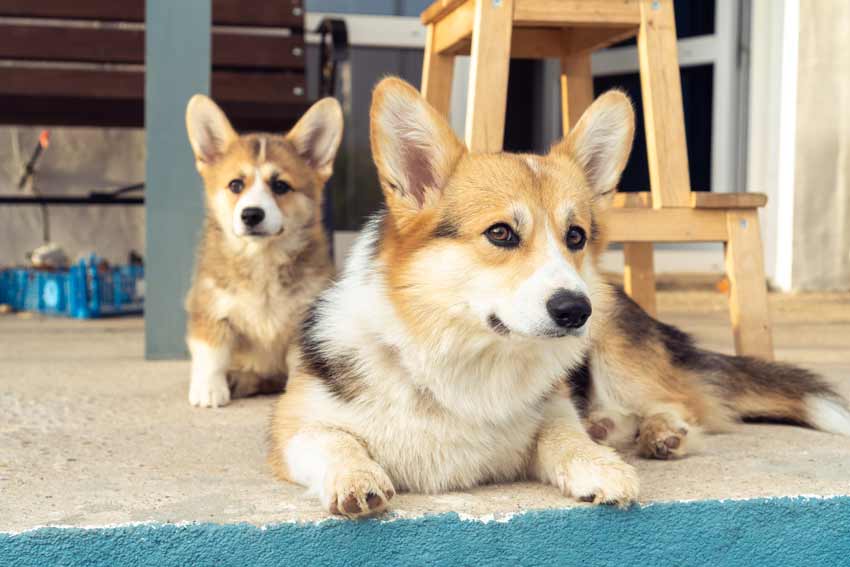
The body shape a puppy ends up with depends heavily on which parent’s genes are more dominant in that individual dog. Some Cowboy Corgis have the Corgi’s noticeably elongated spine and short legs; others take after the Heeler with a more proportionate, athletic build and longer legs. Coat colors commonly include the Heeler’s blue or red speckle pattern, solid or brindle patches, and Corgi-influenced tan, sable, or tricolor combinations. Ears tend to stand erect like both parent breeds, and many pups keep a natural tail, though tail length and carriage vary by litter.

Blue Heeler Corgi mix puppy standing outdoors

Temperament: What Living With One Is Actually Like

Both parent breeds were bred for the same job, moving livestock across open ground, and that shared working history shows up clearly in the mix. Cowboy Corgis tend to be alert, quick-thinking, and deeply loyal to their household, often bonding hard to one or two people rather than spreading affection evenly. That devotion is part of the appeal, but it can tip into separation anxiety or velcro-dog behavior if the dog is left alone for long stretches without preparation.

The herding instinct is worth taking seriously before bringing one home. These dogs were built to nip at the heels of cattle to keep them moving, and that impulse doesn’t disappear just because the “herd” is now a household of kids, cats, or other pets. Nipping, circling, and barking at moving targets are common, especially in puppies and adolescents who haven’t yet learned an appropriate outlet. Structured exercise, herding-style games with a flirt pole, and early redirection training go a long way toward channeling that energy instead of fighting it.

They’re also sharp. Both the Cattle Dog and the Corgi rank among the more intelligent working breeds, and a Cowboy Corgi inherits that problem-solving ability along with a stubborn streak that can make training feel like a negotiation rather than a lecture. Owners who’ve raised working breeds before tend to find this manageable and even fun; first-time dog owners sometimes find the combination of intelligence and independence more challenging than expected.

Exercise and Mental Stimulation

This is not a low-maintenance couch companion. Australian Cattle Dogs are considered one of the most energetic working breeds, and most need well over an hour of vigorous activity a day to stay settled and out of trouble; a Cowboy Corgi that leans toward the Heeler side of the gene pool will need something close to that. A daily routine of brisk walks, off-leash running in a securely fenced area, and structured play like fetch or flirt-pole work helps burn off the physical energy that, left unspent, tends to come out as digging, barking, or furniture damage.

Physical tiring is only half the job, though. These are working-breed brains that get bored easily, and boredom in a smart, energetic dog usually shows up as mischief. Puzzle feeders, scent games, short training sessions worked into the day, and even formal activities like agility, nose work, or herding trials give the dog a job to do, which tends to make the rest of the day calmer. Owners in apartments or without a securely fenced yard should think carefully about whether they can realistically meet this level of daily activity before committing to the mix.

Training Tips

Consistency matters more than intensity with this mix. Short, frequent training sessions tend to work better than long ones, since a Cowboy Corgi’s sharp mind can get bored partway through a drawn-out drill and start looking for its own entertainment instead. Positive reinforcement, treats, praise, and play as rewards, generally outperforms correction-based methods; both parent breeds can shut down or get defensive under harsh handling, and a dog that feels pressured is a dog that stops offering behavior.

Early socialization is worth prioritizing from the first weeks home. Exposing a puppy to a range of people, animals, sounds, and environments before about four months old helps prevent the wariness toward strangers that Cattle Dogs are known for, and it gives the dog practice generalizing “calm” as the default response to new situations rather than “alert and ready to herd.” For households with small kids or other small pets, dedicated work on impulse control around movement, teaching a reliable “leave it” and redirecting the urge to nip at heels toward a toy, tends to prevent most of the friction people run into with herding-breed mixes. Leash manners are worth investing in early too, since a dog bred to chase and control movement can pull hard when something catches its eye; our guide on how to stop a dog from pulling on the leash covers techniques that work well for exactly this kind of high-drive breed.

Health Concerns to Watch For

A crossbreed doesn’t automatically dodge the health issues that affect its parent breeds, it can inherit a risk from either side, or occasionally both. A few conditions are worth knowing about specifically for this pairing:

Hip and elbow dysplasia: Both Cattle Dogs and Corgis carry some risk of joint dysplasia, where the joint doesn’t form correctly and can lead to arthritis and mobility problems over time. Reputable breeders should be able to show hip and elbow scores for both parent dogs.

Progressive retinal atrophy (PRA): This inherited eye condition causes a gradual breakdown of the retina and can eventually lead to blindness. It’s a known risk in Cattle Dog lines, and DNA testing can identify carriers before breeding.

Congenital deafness: This is a Cattle-Dog-specific risk worth taking seriously. Studies have found deafness, usually linked to the blue or mottled coat pattern and pigmentation genes, in roughly one in ten Cattle Dogs, split between one-eared and two-eared deafness. A puppy that inherits this from the Heeler side can still live a full, happy life with some adjustments, like relying on hand signals and being extra cautious about off-leash recall around traffic.

Intervertebral disc disease (IVDD): This is the Corgi side’s signature risk. The short-legged, long-backed body type common to both Corgi breeds comes from a form of genetic dwarfism that puts extra stress on the spine’s discs, and it’s a major reason Corgis rank among the breeds most prone to sudden disc herniation and, in severe cases, temporary or permanent hind-leg paralysis. A Cowboy Corgi that inherits a notably long back and short legs carries some of that same risk, and owners of dogs built this way are often advised to limit repetitive jumping on and off furniture and to use ramps or stairs instead.

Degenerative myelopathy (DM): A slow-progressing spinal cord disease that shows up later in life, more strongly associated with the Corgi side of the family, particularly Pembrokes. DNA tests can identify whether a dog carries the associated gene.

With attentive breeding and regular veterinary checkups, most Cowboy Corgis live long, active lives, commonly in the 12-to-15-year range. Choosing a breeder who health-tests both parent dogs, or adopting from a rescue that’s upfront about a dog’s known history, meaningfully lowers the odds of running into these issues.

Grooming and Coat Care

Coat texture depends on which parent breed a puppy favors, but most Cowboy Corgis end up with a short-to-medium double coat that sheds moderately year-round and heavily during seasonal coat blows in spring and fall. Weekly brushing with a deshedding tool or slicker brush keeps loose fur under control between those heavier shedding periods, and more frequent brushing, every couple of days, helps during the seasonal shed.

Beyond brushing, care is fairly straightforward: bathe only as needed rather than on a fixed schedule, since over-bathing can dry out the skin and coat; trim nails every few weeks or whenever you hear clicking on hard floors; and check ears regularly, especially if the dog has the Heeler’s more open ear shape, since trapped moisture and debris can lead to infection. Routine dental care, brushing a few times a week or using dental chews, helps prevent the tartar buildup that affects most small-to-medium breeds over time.

Is a Cowboy Corgi Right for Your Household?

This mix tends to do best with people who already understand working breeds, or who are genuinely prepared to learn. A securely fenced yard is close to essential given the prey drive and the instinct to chase and herd anything that moves quickly, including cars, bikes, and smaller pets. Apartment living isn’t automatically off the table, but it raises the bar considerably: the dog would need daily off-site exercise sufficient to meet a high-energy working breed’s needs, which is a bigger commitment than many apartment dwellers realistically sustain long-term.

Families with older children who understand how to interact calmly with a herding dog often do well with this mix, since the dog’s loyalty and playfulness make it an engaged, affectionate companion once its exercise and structure needs are met. Households with very young children, cats, or small pets should go in with a plan for managing the nipping and chasing instinct from day one, since it’s a genuine breed trait rather than a training failure. Multi-dog homes can work well too, particularly if the other dog can keep pace with the Cowboy Corgi’s energy level.

Cost and Where to Find One

Because Cowboy Corgis are a designer cross rather than a registered breed, pricing varies widely and depends heavily on the breeder’s reputation, health testing, and location, with puppies from breeders who screen both parent dogs for hip, eye, and hearing issues generally costing more than casual backyard breeding. Whatever the source, ask directly about health clearances for both parent dogs, meet the puppy’s mother if at all possible, and get a sense of the environment the litter was raised in.

Rescue and breed-specific mixed-breed rescues are also worth checking, since herding-breed mixes like this one show up in shelters fairly often, frequently because their exercise and stimulation needs outpaced what their first home could provide. Adopting an adult dog has the advantage of a known, settled temperament, which can make it easier to judge fit for your household than guessing at a puppy’s eventual size and drive.

If the Cowboy Corgi’s herding-dog intensity sounds like more than you’re looking for, it’s worth comparing notes with other high-energy crosses; our guide to the Blue Heeler German Shepherd mix covers a similarly driven pairing, while breeds like the Golden Retriever Pitbull mix tend to bring a somewhat calmer, more people-pleasing temperament to the table.

FAQ: Blue Heeler Corgi Mix Puppies

How big does a Blue Heeler Corgi mix get?
Most adults land around 10-17 inches tall and 20-40 pounds, though the exact size depends on which parent breed’s genes are more dominant in an individual puppy.

Are Cowboy Corgis good with kids?
Often yes, especially with older children, thanks to their loyalty and playful energy. Because of their herding instinct, supervision and early training around nipping at heels are important with younger kids.

Do Blue Heeler Corgi mixes shed a lot?
They shed moderately year-round with heavier seasonal shedding in spring and fall. Weekly brushing, more often during a seasonal blow, keeps it manageable.

What health problems are most common in this mix?
Hip and elbow dysplasia, progressive retinal atrophy, and congenital deafness can come from the Cattle Dog side, while IVDD and degenerative myelopathy are more associated with the Corgi side, especially in pups with a longer back.

How much exercise does a Cowboy Corgi need?
Plan on at least 60-90 minutes of active exercise daily, plus mental stimulation like puzzle toys or training games. Dogs that favor the Heeler side may need closer to the Cattle Dog’s typical 90-120 minutes.

How much is a Merle French Bulldog

How much is a Merle French Bulldog

Quick Answer: Merle French Bulldogs typically cost significantly more than standard-colored Frenchies, often ranging from $5,000 to $15,000+, due to the rarity of the merle gene, though the color is controversial and linked to added health risks.

Key Takeaways

  • Merle coloring drives up price due to rarity and high demand.
  • Merle isn’t recognized as a standard color by major kennel clubs.
  • Merle-to-merle breeding increases the risk of deafness and eye issues.
  • Prioritize breeders who health-test and avoid double-merle pairings.
  • A high price tag doesn’t guarantee ethical breeding practices.

Why Trust This Guide?

This guide is researched and written by the Pets Store Home editorial team, drawing on general veterinary care information. It’s intended as general information; consult your vet for advice specific to your pet.

Quick Answer: Merle French Bulldogs typically cost significantly more than standard-colored Frenchies, often ranging from $5,000 to $15,000+, due to the rarity of the merle gene, though the color is controversial and linked to added health risks.

Key Takeaways

  • Merle coloring drives up price due to rarity and high demand.
  • Merle isn’t recognized as a standard color by major kennel clubs.
  • Merle-to-merle breeding increases the risk of deafness and eye issues.
  • Prioritize breeders who health-test and avoid double-merle pairings.
  • A high price tag doesn’t guarantee ethical breeding practices.

Why Trust This Guide?

This guide is researched and written by the Pets Store Home editorial team, drawing on general veterinary care information. It’s intended as general information; consult your vet for advice specific to your pet.

Introduction about Merle French Bulldogs

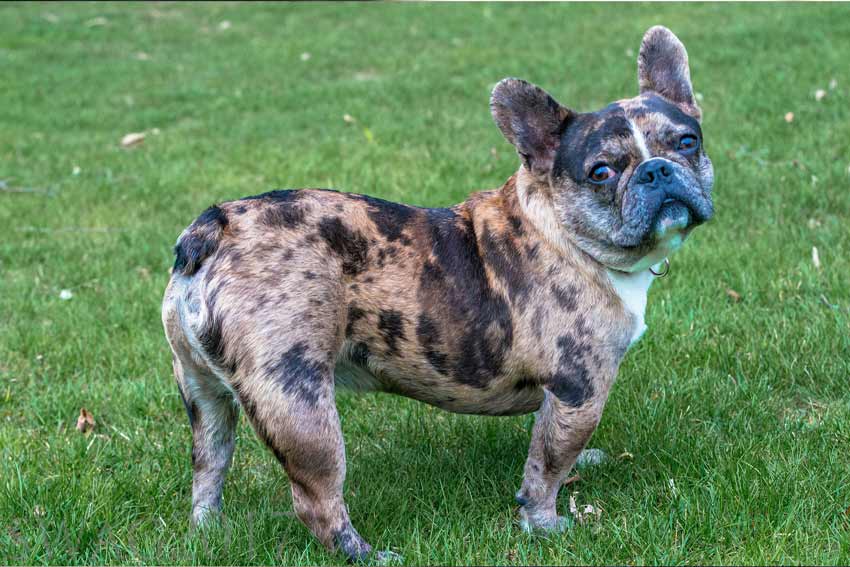
How much is a Merle French Bulldog? Merle French Bulldogs are a type of French Bulldog with a distinct Merle coat pattern. The merle pattern is caused by a genetic mutation that affects the distribution and concentration of pigment in the fur, resulting in a marbled or speckled appearance. 

Merle French Bulldogs are highly sought after for their unique and eye-catching coat colors, which can range from blue to silver to chocolate, among others. 

However, the breeding of Merle French Bulldogs has become controversial due to potential health issues associated with the Merle gene, including deafness, blindness, and skin problems. As such, responsible breeders are careful to only breed healthy dogs and to avoid perpetuating any genetic health issues.

What Makes Merle French Bulldogs Valuable

Merle French Bulldogs are valuable because of their unique and eye-catching coat patterns, which are relatively rare in the French Bulldog breed. The Merle coat pattern can come in a range of colors, including blue, silver, chocolate, and others, making each Merle French Bulldog a one-of-a-kind pet. 

The rarity and beauty of these dogs have made them highly desirable to some people, which has driven up their value in the market.

However, it’s important to note that the value of a Merle French Bulldog should not be determined solely by its coat pattern. Responsible breeders prioritize the health and temperament of their dogs above all else, and potential owners should consider these factors before making a purchase decision. 

Additionally, buyers should be aware that Merle French Bulldogs may be more prone to certain health issues than other French Bulldogs, so it’s important to choose a reputable breeder who takes steps to minimize these risks.

Factors Affecting the Price of Merle French Bulldogs

The price of Merle French Bulldogs can vary widely depending on various factors. Some of the most important factors that can affect the price of a Merle French Bulldog include:

Coat pattern and color: The rarity and uniqueness of the Merle coat pattern can drive up the price of Merle French Bulldogs. Dogs with desirable color combinations or patterns may be more valuable than others.

Pedigree and bloodline: Merle French Bulldogs with a strong pedigree and bloodline can be more valuable due to their potential for producing high-quality offspring with desirable traits.

Breeder reputation: Reputable breeders who prioritize the health and well-being of their dogs may charge more for their Merle French Bulldogs due to the quality of care they provide.

Demand: High demand for Merle French Bulldogs can drive up the price of these dogs, especially in certain regions or countries where they are particularly popular.

Health and medical history: Merle French Bulldogs with a clean bill of health and no genetic issues may be more valuable than those with health problems or a history of medical issues.

It’s important to note that the price of a Merle French Bulldog should not be the only factor considered when choosing a pet. Potential owners should prioritize finding a reputable breeder who prioritizes the health and well-being of their dogs above all else.

Age: The age of the Merle French Bulldog can also impact its price. Puppies may be more expensive than adult dogs due to the amount of care and attention they require during their early development.

Training and socialization: Merle French Bulldogs that have undergone training and socialization may be more valuable than those that have not, as they may be easier to integrate into a household and exhibit better behavior.

Location: The location of the breeder can impact the price of Merle French Bulldogs. Dogs from breeders in more expensive areas may be priced higher to account for the increased cost of living.

Show potential: Merle French Bulldogs that have the potential to compete in dog shows may be more valuable than those that do not, as they may be able to earn awards and increase the value of their offspring.

It’s important to note that the price of a Merle French Bulldog can vary widely depending on these factors, and potential owners should be prepared to invest a significant amount of money into the purchase of one of these dogs. 

However, it’s crucial to prioritize finding a reputable breeder who prioritizes the health and well-being of their dogs over profits and to be prepared for the potential health risks associated with the Merle gene.


Price Range for Merle French Bulldogs

The price range for Merle French Bulldogs can vary widely depending on the factors mentioned earlier. However, in general, the price for a Merle French Bulldog puppy can range from $3,000 to $10,000 or more.

It’s important to note that the price of a Merle French Bulldog should not be the only factor considered when choosing a pet. Potential owners should prioritize finding a reputable breeder who prioritizes the health and well-being of their dogs above all else. They should also be prepared to invest in ongoing healthcare costs, including regular veterinary visits, vaccinations, and potential health issues associated with the merle gene.

Additionally, it’s important to be cautious of breeders who offer Merle French Bulldogs at unusually low prices, as this may indicate that the breeder is not providing proper care or is engaging in unethical breeding practices. It’s always a good idea to do thorough research and ask plenty of questions before making a purchase decision.

Tips for Choosing a Merle French Bulldog

Choosing a Merle French Bulldog can be an exciting but also challenging process. Here are some tips to help you choose the right Merle French Bulldog for you:

Choose a reputable breeder: Look for a breeder who has a good reputation, has experience breeding French Bulldogs, and can provide you with references from past customers. Ask about their breeding practices, health testing, and socialization process for their puppies.

Ask about health testing: Make sure that the breeder conducts health tests on their dogs to screen for any genetic health issues, including those associated with the merle gene. Ask to see the results of these tests and ensure that they are up to date.

Visit the breeder: Visit the breeder in person if possible to meet the dogs and see their living conditions. This can give you a good idea of the breeder’s overall care and the temperament of their dogs.

Consider the dog’s temperament: Look for a Merle French Bulldog with a friendly and outgoing temperament. Avoid dogs that show signs of aggression, excessive shyness, or fearfulness.

Evaluate the dog’s health: Look for a Merle French Bulldog that appears healthy, has clear eyes, clean ears, and a shiny coat. Avoid dogs that show signs of lethargy, excessive coughing or sneezing, or any other signs of illness.

Ask about training and socialization: Inquire about the level of training and socialization the puppy has received. Choose a puppy that has been well-socialized and introduced to various sights and sounds to help them adjust to new environments and experiences.

Consider your lifestyle: Think about your lifestyle and whether a Merle French Bulldog is a good fit. They are a relatively active breed but also require a lot of rest and can have breathing difficulties due to their flat faces. Make sure you can provide them with the appropriate care and attention they need.


Conclusion and Final Thoughts

In conclusion, Merle French Bulldogs are a unique and eye-catching breed of French Bulldogs with a distinct coat pattern. 

However, due to potential health issues associated with the Merle gene, it’s important to find a reputable breeder who prioritizes the health and well-being of their dogs.

When choosing a Merle French Bulldog, it’s important to consider factors such as the breeder’s reputation, the dog’s health and medical history, its temperament, and its training and socialization. 

It’s also crucial to be prepared for ongoing healthcare costs and to prioritize finding a breeder who takes steps to minimize the risks associated with the Merle gene.

Dog Accessories for Travel

Dog Accessories for Travel

Quick Answer: Essential dog travel accessories include a secure harness or crate, a portable water and food bowl, a leash, waste bags, an ID tag with updated contact info, and a comfortable travel bed or blanket for familiarity.

Key Takeaways

  • A secure, crash-tested harness or crate is key for car safety.
  • Portable, collapsible bowls make feeding and watering easy on the go.
  • Updated ID tags and microchip info matter in case of separation.
  • Familiar bedding or toys help reduce travel stress and anxiety.
  • Research pet policies at your destination well before you leave.

Why Trust This Guide?

This guide is researched and written by the Pets Store Home editorial team, drawing on general pet-care and industry information. It’s intended as general information; consult a vet or specialist for advice specific to your pet or situation.

Why it’s important to have the right dog accessories for travel

There are several reasons why it’s essential to have the right dog accessories for travel, including:

Safety: The right accessories can help keep your dog safe while traveling. For example, a sturdy, well-ventilated crate can protect your dog in case of an accident or sudden stop while driving.

Comfort: Traveling can be stressful for dogs, so having comfortable accessories, like a cozy bed or a soft carrier, can help ease their anxiety and make them feel more at ease.

Convenience: The right accessories can make traveling with your dog more convenient. For example, a collapsible water bowl and food container can help ensure that your dog has access to food and water throughout your trip.

Legal compliance: Depending on where you’re traveling, certain requirements for dog accessories, such as a specific type of collar or leash, may exist. Researching these requirements before you leave is important to ensure that you comply with local laws.

Hygiene: When traveling with your dog, keeping them clean and hygienic is important. Accessories like travel-sized shampoo, wipes, and a grooming brush can help you maintain your dog’s cleanliness and hygiene.

Entertainment: Traveling can be boring for dogs, so having accessories like a favorite toy or a puzzle feeder can help keep them entertained and occupied during long car rides or flights.

Health: Depending on your destination, your dog may need specific health accessories, such as insect repellent or a first aid kit. These items can help prevent illnesses and injuries while traveling.

Comfortable transportation: The right dog accessories for travel can help your dog feel more comfortable during transportation, whether that’s a car, airplane, or train. 

For example, a seatbelt harness can keep your dog secure while riding in a car, while a carrier with wheels can make navigating through a busy airport easier.

There are several reasons

Convenience during outdoor activities: If you plan hiking, camping, or participating in other outdoor activities with your dog, having the right accessories can make the experience more enjoyable for you and your furry friend. For example, a portable water bottle and bowl can give your dog hydration on the go, while a backpack or harness can help them carry their food and supplies.

Easy identification: When traveling with your dog, it’s important to have identification tags and paperwork readily available in case of an emergency or if your dog gets lost. Accessories like a personalized collar or a travel document organizer can help keep your dog’s important information in one place.

Environmental protection: Some destinations have specific environmental regulations, such as where dogs must wear booties to protect against soil erosion or sensitive wildlife habitats. Having the right accessories, such as booties or a leash with a reflective strip, can help you comply with these regulations and protect the environment.

Cost-effective: Investing in the right dog accessories for travel can save you money in the long run by preventing damage to your car or rental property, avoiding costly vet bills, and ensuring that you don’t have to purchase accessories at a higher price at your destination.

In conclusion, having the right dog accessories for travel can provide safety, comfort, convenience, and entertainment for your furry friend and save you time, money, and hassle during your trip.


Water and food bowls for on the go

Water and food bowls for the on-the-go are essential accessories when traveling with your dog. Here are some options to consider:

Collapsible bowls: Collapsible bowls are lightweight and easy to pack, making them ideal for travel. They can be folded or rolled up and made from materials like silicone or nylon. They can also be attached to a backpack or leash for convenience.

Travel-sized bowls: Some companies make bowls specifically designed for travel. These bowls are compact and can be stored in a small space. They can be made from lightweight materials like plastic or stainless steel.

Portable water bottles with built-in bowls: Portable water bottles with built-in bowls are a great option for hiking or other outdoor activities. These bottles have a lid that doubles as a bowl and can be easily filled up from a water source.

Disposable bowls: If you’re short on space, disposable bowls are an option. They are made from biodegradable materials like paper or bamboo and can be easily discarded.

Pet travel kits: Some companies make pet travel kits that include food and water bowls and other essential accessories. These kits can be a convenient option if you’re looking for an all-in-one solution.

When choosing a water and food bowl for the on-the-go, consider the size of your dog, the length of your trip, and your destination. It’s also important to make sure the bowl is easy to clean and durable enough to withstand travel.


For use with airlines and hotels, crate

For your dog’s safety and comfort whether flying with them or staying in a hotel, you must have a box or carrier that complies with their requirements. Here are some alternatives to think about:

Carriers that have been approved by the airline: Each airline has particular guidelines about the size and kind of carriers that may be used to transport dogs. 

For animal shipping, look for carriers that adhere to International Air Transport Association (IATA) regulations, which often include elements like enough ventilation, reliable latches, and a leak-proof bottom. 

In order to ensure that you select the proper size carrier, it is crucial to carefully measure your dog.

Soft-sided carriers: Soft-sided carriers are a portable and practical choice for flying. They may be folded up for simple storage and are often composed of materials like nylon or mesh. 

Be cautious to check with your airline before buying one, though, as some airlines do not let soft-sided carriers on their aircraft.

Crates with hard sides: Crates with hard sides are a more robust solution for air travel. These can offer your dog extra protection and are often composed of materials like plastic or metal.

 However, compared to soft-sided carriers, they can be heavier and more cumbersome to store.

Crates that have been approved by the hotel: If you’re traveling with your dog, some hotels may ask that you bring a certain crate or carrier. 

To make sure you have the appropriate crate or carrier, check with the hotel before your travel.

Make sure your dog will be comfortable in the box or carrier you choose for airline and hotel travel, and that it complies with all applicable laws. 

To lessen tension and anxiety during the trip, it’s also crucial to acclimatize your dog to the carrier or crate before leaving.


Travel beds for overnight stays

Travel beds for overnight stays are essential for keeping your dog comfortable while away from home. Here are some options to consider:

Portable dog beds: Portable dog beds are lightweight and can be easily packed for travel. They are typically made from materials like memory foam or polyester and can be rolled up or folded for easy storage. Some portable dog beds also come with a carrying case.

Inflatable dog beds: Inflatable dog beds are another option for travel. They can easily inflate and deflate and can be stored in a small space. They can be made from materials like PVC or nylon and typically come with a carrying case.

Travel dog mats: Travel dog mats are a compact and lightweight option for overnight stays. They are typically made from foam or polyester and can be easily rolled up or folded for storage. Some travel dog mats also come with a carrying case.

Pet travel beds: Some companies make pet travel beds specifically designed for overnight stays. These beds are typically lightweight, easy to pack, and can be made from materials like foam or polyester. They may also come with additional features like built-in pillows or blankets.

When choosing a travel bed for your dog, consider your dog’s size and sleeping habits, the length of your trip, and the type of accommodations you’ll be staying in. 

It’s also essential to choose a bed that is easy to clean and durable enough to withstand travel. A comfortable and familiar bed can also help your dog feel more at ease in a new environment.


Portable dog poop bags and dispensers

Portable dog poop bags and dispensers are essential for keeping public areas clean while travelling with your dog. Here are some options to consider:

Poop bag dispensers: Poop bag dispensers are small containers that hold poop bags and can be attached to your dog’s leash or collar. They typically come in various colours and designs and can be made from materials like plastic or silicone. Some dispensers also come with a clip for easy attachment.

Biodegradable poop bags: Biodegradable poop bags are an eco-friendly option for cleaning up after your dog. They are typically made from plant starch, cornstarch, or recycled plastic and will break down over time. Choose a bag appropriate for your dog’s size and needs.

Poop bag holders: Poop bag holders are small pouches that hold poop bags and can be attached to your dog’s leash or collar. They typically come in various colours and designs and can be made from nylon or canvas. Some holders also come with a clip for easy attachment.

Scented poop bags: Scented poop bags are a popular option for masking unpleasant odours while cleaning up after your dog. They are typically made from materials like plastic and come in various scents like lavender or lemon.

When choosing a portable dog poop bag and dispenser, make sure it is easy to use and convenient to carry. 

Choosing a biodegradable or eco-friendly bag is also essential to reduce your environmental impact. Always clean up after your dog and dispose of the waste properly.


First aid kits for dogs

First aid kits for dogs are important to have on hand in case of accidents or injuries while traveling. Here are some items that should be included in a basic first-aid kit for dogs:

Bandages: Include a variety of bandages, such as adhesive bandages, sterile gauze, and self-adhering bandages, in different sizes to cover wounds and protect them from further injury.

Antiseptic wipes and ointment: Include antiseptic wipes and ointment to clean and disinfect wounds and prevent infection.

Tweezers: Tweezers can remove any debris or foreign objects from your dog’s fur or skin.

Scissors: Scissors can cut bandages, trim fur around a wound, or remove any tangled hair or objects from your dog’s fur.

Disposable gloves: Include a pair of disposable gloves to protect yourself and prevent the spread of any infections.

Thermometer: A digital thermometer can be used to check your dog’s temperature if it shows signs of illness.

Emergency contact information: Include a list of emergency contact information, including your veterinarian’s phone number and address and any other emergency contacts.


GPS trackers for extra safety

GPS trackers are an excellent tool for keeping your dog safe while traveling, especially in unfamiliar or busy areas. They allow you to track your dog’s location and provide extra security in case they become lost or stolen. Here are some options to consider:

Collar-mounted GPS trackers: They are small devices that attach to your dog’s collar and use GPS technology to track their location. They typically have a companion app that allows you to monitor your dog’s location and set up alerts if they leave a designated area.

Handheld GPS trackers: Handheld GPS trackers are portable devices that can track your dog’s location without relying on cellular service. They typically range several miles and can be useful for hiking or other outdoor activities.

Activity monitors with GPS tracking: Activity monitors with GPS tracking are wearable devices that track your dog’s activity levels, sleep patterns, and location. They typically have a companion app that allows you to monitor your dog’s location and activity levels.

GPS dog fences: GPS dog fences use GPS technology to create a virtual boundary around your dog’s designated area. They typically have a companion app that allows you to set up and adjust the boundary and receive alerts if your dog crosses it.

When choosing a GPS tracker for your dog, consider the range of the device, battery life, and compatibility with your smartphone or other mobile devices. 

It’s also important to consider the durability and waterproofing of the device, especially if you plan to use it during outdoor activities. A GPS tracker can provide peace of mind and extra security while traveling with your dog.


Conclusion – Importance of having the right accessories for travel with your furry best friend.

In conclusion, having the right accessories for traveling with your furry best friend is essential to ensure a safe, comfortable, and enjoyable trip for both you and your dog. From car safety accessories like seat belts and barriers to portable dog poop bags and dispensers, each accessory plays a crucial role in ensuring a smooth travel experience for your dog. 

By having a crate or carrier for airline and hotel travel, you can ensure your dog’s safety and comfort while on the move. Additionally, collapsible travel bowls, water bottles, and travel beds are crucial for providing your dog with food, water, and a comfortable place to sleep during overnight stays. 

First aid kits for dogs and GPS trackers can provide extra safety and security in case of any accidents or emergencies while on the road. Overall, investing in the right accessories can make traveling with your furry friend stress-free and enjoyable for everyone involved.

Canadian Marble Fox | Can you own? | Where can I buy a Marble fox?

Canadian Marble Fox | Can you own? | Where can I buy a Marble fox?

Quick Answer: The ‘Canadian Marble Fox’ is actually a color variation of the farm-bred red fox rather than a distinct wild species, and owning one legally depends heavily on your state or country’s exotic pet laws — many places restrict or ban private fox ownership.

Key Takeaways

  • Marble coloring is a captive-bred color morph, not a separate fox species.
  • Legality of ownership varies widely by state and country.
  • Some regions require special exotic-pet permits or licenses.
  • Foxes have specialized care needs unlike typical domestic pets, including diet, enclosure, and socialization.
  • Only buy from a licensed, reputable breeder where ownership is legal.

Why Trust This Guide?

This guide is researched and written by the Pets Store Home editorial team, drawing on general veterinary care information. It’s intended as general information; consult your vet for advice specific to your pet.

Quick Answer: The ‘Canadian Marble Fox’ is actually a color variation of the farm-bred red fox rather than a distinct wild species, and owning one legally depends heavily on your state or country’s exotic pet laws — many places restrict or ban private fox ownership.

Key Takeaways

  • Marble coloring is a captive-bred color morph, not a separate fox species.
  • Legality of ownership varies widely by state and country.
  • Some regions require special exotic-pet permits or licenses.
  • Foxes have specialized care needs unlike typical domestic pets, including diet, enclosure, and socialization.
  • Only buy from a licensed, reputable breeder where ownership is legal.

Why Trust This Guide?

This guide is researched and written by the Pets Store Home editorial team, drawing on general veterinary care information. It’s intended as general information; consult your vet for advice specific to your pet.

Introduction to the Canadian marble fox

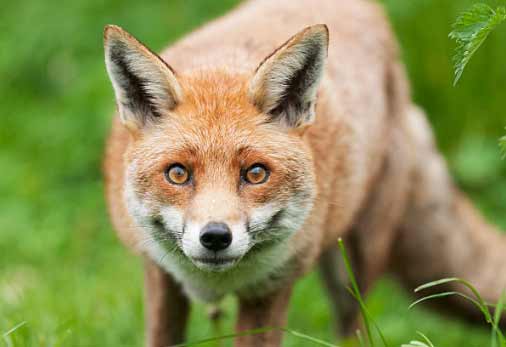
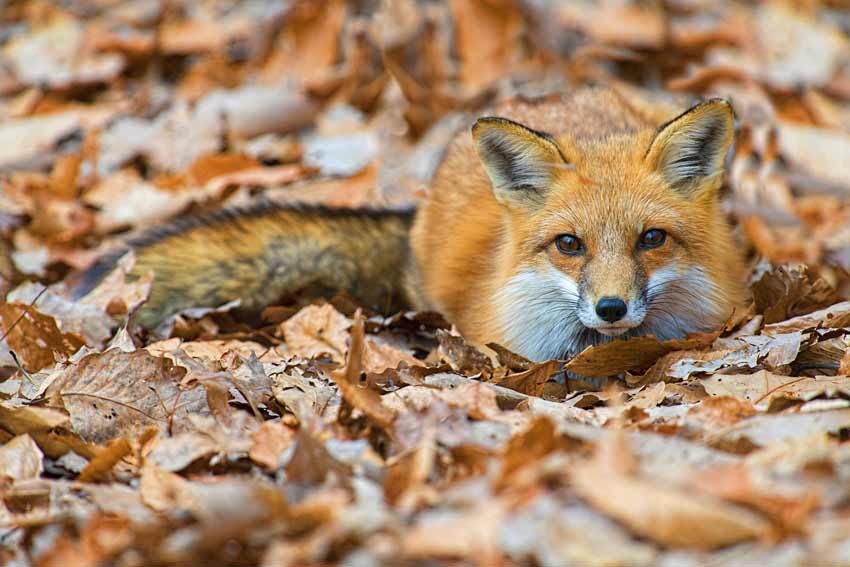
The Canadian marble fox, also known as the Arctic marble fox or simply the marble fox, is a beautiful and unique subspecies of the red fox (Vulpes vulpes). It is native to the Arctic regions of North America, including Alaska, Canada, and Greenland. As its name suggests, the Canadian marble fox has a distinctive coat characterised by a marbled or mottled pattern of black, white, and grey fur. This colouring is considered an adaptation to its natural environment, providing camouflage in the snowy landscape.

The Canadian marble fox is a relatively small fox, weighing between 3 and 9 kilograms and measuring between 40 and 70 centimetres in length. It has a pointed snout, large ears, and sharp teeth, which make it an excellent predator. It is also known for its agility and speed, which help it to catch prey such as rodents, birds, and small mammals.

Canadian Marble Fox

Overview: What Is a Canadian Marble Fox?

A Canadian marble fox is a subspecies of the red fox that is native to the Arctic regions of North America, including Alaska, Canada, and Greenland. It is also known as the Arctic marble fox or simply the marble fox. 

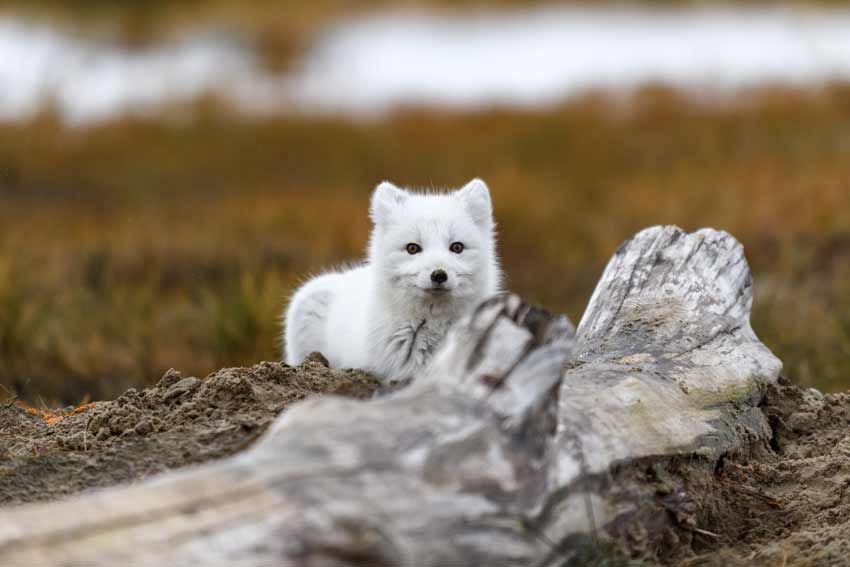
This fox gets its name from its unique and beautiful coat, characterized by a marbled or mottled black, white, and grey fur pattern. The coloring provides excellent camouflage in the snowy landscape of the Arctic, where the foxes live.

The Canadian marble fox is relatively small, weighing between 3 and 9 kilograms and 40 and 70 centimetres long. It has a pointed snout, large ears, and sharp teeth, which make it an excellent predator. 

The Canadian marble fox is also known for its agility and speed, which help it to catch prey such as rodents, birds, and small mammals.

Unfortunately, climate change, habitat loss, and hunting threaten the Canadian marble fox.

Canadian Marble Fox

Marble Fox: History & Origin

The Canadian marble fox is a subspecies of the red fox (Vulpes vulpes), which has a wide range across the Northern Hemisphere, including in North America, Europe, and Asia. The Canadian marble fox, in particular, is native to the Arctic regions of North America, including Alaska, Canada, and Greenland.

The unique marbled coat pattern of the Canadian marble fox is thought to be a product of natural selection. In the Arctic, where the foxes live, snow covers the ground for much of the year. 

The marbled colouring of the fox’s fur provides excellent camouflage in this snowy environment, helping the fox to blend in with its surroundings and avoid detection by predators or prey.

The history of the Canadian marble fox is closely tied to the history of the indigenous peoples who have lived in the Arctic regions of North America for thousands of years. These peoples have long hunted the Canadian marble fox for its fur, which is highly valued for its beauty and warmth. 

In the early 20th century, the Canadian government also began to promote the fur trade, and this led to a significant increase in hunting of the Canadian marble fox.

Today, the Canadian marble fox is considered a vulnerable species by the International Union for Conservation of Nature (IUCN), due to habitat loss, climate change, and hunting.

Canadian Marble Fox

Can you own a Canadian marble fox?

It is not legal to own a Canadian marble fox as a pet in most places, including Canada and the United States. Canadian marble foxes are a protected species in their native range, and it is illegal to capture, breed, or sell them without special permits and licences.

Even if it were legal in your area, owning a wild animal as a pet can be very challenging and risky. These animals require specialised care, proper nutrition, and a large living space that replicates their natural environment. 

Additionally, they can be unpredictable and potentially dangerous, especially when they feel threatened or stressed.

It is important to respect the laws and regulations that protect wildlife, and to consider the welfare of animals before attempting to keep them as pets. I would recommend that you consider adopting a domesticated animal instead, such as a cat or a dog, which can provide the same companionship without the risks associated with wild animal ownership.

Where can I buy a Canadian marble fox?

It is illegal to own a Canadian marble fox as a pet in most places. Canadian marble foxes are considered a species at risk and are protected by law in Canada, where they are native to. Even if it were legal in your area, owning a wild animal as a pet can be very challenging and risky. 

These animals require specialised care, proper nutrition, and a large living space that replicates their natural environment. They can also be unpredictable and even harmful, especially if they feel threatened or under pressure.

I would recommend that you consider adopting a domesticated animal instead, such as a cat or a dog, which can provide the same companionship without the risks associated with wild animal ownership.

Height & Weight

The Canadian marble fox is a relatively small fox compared to other fox species. On average, it weighs between 3 and 9 kilograms (6.6 and 19.8 pounds) and measures between 40 and 70 centimetres (15.7 and 27.6 inches) in length. The females are generally smaller than the males.

The weight and size of the Canadian marble fox can vary depending on factors such as age, sex, and region. In areas with harsher climates, for example, foxes may be larger and heavier to better adapt to the environment. 

Overall, the Canadian marble fox is well adapted to life in the Arctic, with a thick coat and a compact, agile body that allows it to move easily through snow and ice.

Diet and hunting behaviour

The Canadian marble fox is an omnivore, which means that it eats both meat and plant matter. In the wild, their diet consists of various prey, including rodents, birds, fish, insects, and other small mammals. 

They are opportunistic hunters and scavengers and will eat carrion or even garbage if necessary. The Canadian marble fox is a skilled and agile hunter. Their sharp teeth and claws allow them to catch and kill their prey quickly and efficiently. They are also known for their speed and agility, which they use to chase and catch prey in open areas.

In the winter, when prey is scarce, Canadian marble foxes may resort to scavenging or stealing food from other animals. They also follow polar bears, wolves, and other predators to scavenge any leftover food from their kills.

The Canadian marble fox has a diverse diet and is well adapted to hunting and scavenging in the harsh Arctic environment. Their ability to adapt to changing food sources is a key factor in their survival in the wild.

Physical characteristics of the Canadian marble fox

The Canadian marble fox has several physical characteristics, making it a unique and fascinating animal. Here are some of its physical characteristics:

Coat: The Canadian marble fox has a thick, dense, predominantly white coat with black and grey marbling. This colouring helps it to blend in with its snowy environment and provides excellent camouflage when hunting.

Body size: The Canadian marble fox is relatively small, weighing between 3 and 9 kilograms and measuring between 40 and 70 centimetres in length. Females are typically smaller than males.

Ears: The Canadian marble fox has large, pointed ears that help it to hear prey and potential predators in its environment.

Tail: The Canadian marble fox has a long, bushy tail that helps it to balance when running and manoeuvring in its environment.

Teeth: The Canadian marble fox has sharp, strong teeth well-suited for hunting and eating prey.

Paws: The Canadian marble fox has large, furry paws that help it to move easily through snow and ice. Its paws also have sharp claws that allow it to grip slippery surfaces.

Overall, the physical characteristics of the Canadian marble fox make it a well-adapted predator in its harsh Arctic environment.

Canadian Marble Fox Temperament:

The Canadian marble fox is generally a solitary and elusive animal and is not known for being particularly aggressive or dangerous to humans. However, as with wild animals, it is important to treat them cautiously and respect their space. In their natural habitat, Canadian marble foxes are well adapted to their harsh Arctic environment, and they are skilled hunters and scavengers. 

They are known for their agility and speed, which helps them to catch prey such as rodents, birds, and small mammals. They are also opportunistic feeders, and they will eat carrion or even garbage if necessary.

In captivity, Canadian marble foxes can be kept as exotic pets, but this is not recommended for most people. Foxes are wild animals and require specialised care and attention that most people are not equipped to provide. Additionally, in many areas, it is illegal to keep wild animals as pets.

Overall, the Canadian marble fox is a fascinating and important species that plays a vital role in the Arctic ecosystem. While they may not be particularly friendly or sociable towards humans, they are well adapted to their environment and are an important part of the natural world.

Exercise & Training of Arctic Marble Fox:

It is important to note that the Arctic marble fox is a wild animal unsuitable as a domesticated pet. In many areas, it is also illegal to keep them as pets. Therefore, there is no practical way to exercise or train a wild Arctic marble fox.

Arctic marble foxes get plenty of exercise and stimulation in their natural habitat as they hunt, scavenge, and move through their environment. They are naturally active and agile, requiring much space to roam and explore.

If you encounter an Arctic marble fox in the wild, keeping a safe distance and avoiding interacting with them is important. These animals are wild and should be respected as such. They are not domesticated animals and are not suitable for interaction or training by humans.

It is important to appreciate and respect wild animals’ natural behaviours and needs, like the Arctic marble fox, rather than trying to tame or domesticate them. These animals play an important role in their ecosystems and should be allowed to live and thrive in their natural habitats.

Conclusion

In conclusion, it is not legal to own a Canadian marble fox as a pet in most places, including Canada and the United States. These animals are a protected species and it is important to respect the laws and regulations that protect them. 

Additionally, owning a wild animal as a pet can be very challenging and risky, and it is important to consider the welfare of animals before attempting to keep them as pets. Therefore, it is recommended to consider adopting a domesticated animal instead, such as a cat or a dog, which can provide the same companionship without the risks associated with wild animal ownership.

When Is a Mini Goldendoodle Full Grown? Size & Growth Guide

When Is a Mini Goldendoodle Full Grown? Size & Growth Guide

Quick Answer: A Mini Goldendoodle typically reaches its adult height by 9-11 months, once the growth plates close, but continues filling out with muscle and coat volume until roughly 18-24 months. Most land in the 15-35 pound, 13-20 inch range as adults, though exact timing and size depend heavily on the poodle parent’s size and the individual dog’s genetics.

Key Takeaways

  • “Full grown” isn’t one milestone – skeletal height finishes around 9-11 months, but muscle and coat continue developing until 18-24 months.
  • Adult Mini Goldendoodles typically weigh 15-35 pounds and stand 13-20 inches at the shoulder.
  • Which poodle parent (mini vs. toy) was used has a bigger effect on final size than any single growth-timeline number.
  • Hip dysplasia, progressive retinal atrophy, and Addison’s disease are the main health conditions to ask breeders about.
  • A fluffy adult coat can make a skeletally mature dog look like it’s still growing, which is a common source of confusion.

Why Trust This Guide?

This guide is researched and written by the Pets Store Home editorial team, drawing on veterinary growth-and-development resources and canine genetics information. It’s intended as general information; consult your veterinarian for advice specific to your dog.

Why “Full Grown” Isn’t a Single Date

Owners often expect a single, clean milestone for when a puppy becomes an adult, but with Mini Goldendoodles that expectation causes more confusion than clarity. Skeletal maturity, final scale weight, and full adult body composition are three related but distinct things, and they don’t happen at the same time. A Mini Goldendoodle typically stops getting taller between 9 and 11 months, once the growth plates in the long bones close. From that point forward, any further change in appearance is coming from muscle tone, weight, and coat, not skeletal growth.

That’s an important distinction because a dog can be fully grown in height at ten months and still visibly “filling out” a year later. The dense, fluffy adult coat that gives Goldendoodles their signature look develops gradually over roughly the first year and a half, which adds visual bulk long after the skeleton has finished growing. Many owners mistake this coat development and gradual muscling for continued growth, when the frame underneath stopped changing months earlier.

The Growth Timeline, Stage by Stage

Understanding the general timeline helps set realistic expectations, though individual dogs vary. In the first four to five months, a Mini Goldendoodle puppy typically reaches roughly half of its eventual adult weight, growing quickly during this early window. Growth then begins to slow between about seven and ten months, as the rapid puppy growth spurt tapers off.

Most Mini Goldendoodles reach their adult height somewhere between 9 and 11 months of age, which is when the growth plates close and skeletal growth effectively stops. Weight typically continues increasing a bit longer, often leveling off between 11 and 14 months as the dog finishes its core growth. From there, a longer tail of development continues: many Mini Goldendoodles keep adding lean muscle and filling out their frame until somewhere between 18 and 24 months, and by around two years old, growth has essentially stopped entirely for the vast majority of dogs.

What Size to Expect as an Adult

Fully mature Mini Goldendoodles typically weigh between 15 and 35 pounds and stand 13 to 20 inches tall at the shoulder, though this is a wide range for a reason. “Mini Goldendoodle” describes a Golden Retriever crossed with a Miniature Poodle rather than a single standardized size, and the exact poodle parent used (true miniature versus a smaller “toy” poodle influence in the line) has a bigger effect on final adult size than any growth-timeline number alone. Two puppies from different litters, both correctly called Mini Goldendoodles, can land at meaningfully different points within that 15-35 pound range.

Factors That Influence Growth and Final Size

Several factors shape how large a Mini Goldendoodle ultimately becomes and how smoothly it gets there. Genetics from both parent breeds matters most – Golden Retrievers and Poodles differ in typical size and growth rate, so which traits a given puppy inherits meaningfully shifts its outcome. Nutrition during the growing months needs to be appropriate for a large-breed-adjacent puppy without over-supplementing, since both underfeeding and overfeeding can cause developmental problems. Exercise supports healthy muscle and bone development, though it’s worth moderating high-impact activity (like repeated jumping or long runs on hard surfaces) until the growth plates have closed, to protect developing joints. Underlying health conditions, including hormonal or nutritional issues, can also slow or disrupt normal growth and are worth flagging to a vet if a puppy seems to be developing unusually.

Mini vs. Toy vs. Standard: Why Size Labels Get Confusing

Part of the confusion around “full grown” size comes from how loosely Goldendoodle size categories get used across breeders and marketplaces. A Standard Goldendoodle comes from a standard Poodle parent and typically matures well over 40 pounds, sometimes past 70. A Mini Goldendoodle comes from a miniature Poodle parent and lands in that 15-35 pound range discussed above. Some breeders also use a “petite” or “toy” Goldendoodle label for crosses using a toy Poodle, which can mature under 15 pounds – and because these labels aren’t standardized the way purebred breed sizes are, the same puppy might be marketed as “mini” by one breeder and “toy” by another.

This matters for growth expectations because a smaller adult size generally comes with a shorter timeline to skeletal maturity. Smaller dogs typically finish growing in height sooner than larger ones, which is part of why a Mini Goldendoodle reaches its adult height around 9-11 months while a Standard Goldendoodle can keep growing taller for a couple of months longer. When comparing growth charts or timelines you find online, it’s worth checking which size category they’re actually describing, since a chart built around Standard Goldendoodles won’t translate cleanly to a Mini.

Generation Matters Too (F1, F1B, and Multigen)

Beyond size category, a Mini Goldendoodle’s exact mix of Golden Retriever and Poodle genetics depends on its generation, which is typically labeled F1, F1B, F2, or multigen. An F1 Mini Goldendoodle is a direct cross of a purebred Golden Retriever and a purebred Miniature Poodle, splitting the genetics roughly evenly. An F1B is an F1 Goldendoodle bred back to a Poodle, shifting the genetic mix more heavily toward the Poodle side – often done to produce a coat that sheds less. Multigenerational (multigen) dogs are Goldendoodle-to-Goldendoodle pairings across several generations, which can make coat type and size more predictable over time as breeders select for consistent traits.

Generation affects growth in a practical way: a puppy with more Poodle in its genetic background often (though not always) trends toward the curlier, lower-shedding coat and can mature slightly smaller than a puppy with a more even Golden Retriever-Poodle split. None of this changes the core timeline – skeletal maturity around 9-11 months, continued filling out to 18-24 months – but it helps explain why two puppies labeled identically can still turn out noticeably different.

Temperament

Mini Goldendoodles are typically friendly, intelligent, and eager to please, drawing on the sociable nature of the Golden Retriever and the trainability of the Poodle. They tend to do well with children and other pets when properly socialized and are commonly chosen as family companions for exactly that reason. Like any young dog, the adolescent stretch between roughly six months and two years can bring some testing of boundaries, and consistent, patient training during this period pays off in a well-mannered adult.

Health Considerations

Hip dysplasia is a joint condition where the hip socket doesn’t form properly, and it’s a real risk in this cross since both Golden Retrievers and Poodles can carry the underlying genetics – OFA or PennHIP screening in the parents helps reduce this risk. Progressive retinal atrophy (PRA) is a group of inherited eye conditions that gradually deteriorate the retina, typically becoming noticeable between three and five years of age and eventually leading to blindness; responsible breeders test for the relevant genes before breeding. Addison’s disease, a disorder involving insufficient adrenal hormone production, occurs at a notably elevated rate in Poodle lines and can be passed down to Goldendoodle offspring – it’s sometimes called “the great pretender” because its symptoms (lethargy, vomiting, weight loss) mimic many other illnesses. Allergies, whether to food, pollen, or other environmental triggers, are also common and can show up as skin irritation, ear infections, or digestive upset.

Grooming Needs

The curly or wavy coat that defines this cross needs regular brushing, typically several times a week, to prevent matting, along with professional grooming every four to eight weeks to keep it manageable. Because coat texture and density can vary depending on which parent’s genes dominate, some Mini Goldendoodles need more frequent brushing than others – a looser, wavier coat mats less readily than a tight, dense curl.

Tracking Your Puppy’s Growth

Because “fully grown” plays out in stages rather than on one specific day, regular veterinary checkups are the most reliable way to track whether a puppy’s growth is on a healthy path. A vet can assess body condition, joint health, and overall development at each stage, and flag anything that looks off – whether that’s a growth plate concern, a nutritional issue, or an early sign of one of the breed’s known health risks. If a puppy seems to have stopped growing unusually early, or is still growing well past the typical two-year mark, that’s worth a veterinary conversation rather than an assumption either way.

Frequently Asked Questions

When does a Mini Goldendoodle stop growing taller?
Typically between 9 and 11 months, when the growth plates in the long bones close and skeletal growth stops.

Why does my Mini Goldendoodle still look like it’s growing after a year?
It’s likely filling out with muscle and developing its adult coat, not gaining height. Coat volume alone can take up to about 18 months to fully develop.

How big will my Mini Goldendoodle get?
Most adults weigh 15 to 35 pounds and stand 13 to 20 inches at the shoulder, with the exact number depending heavily on the poodle parent’s size and individual genetics.

What health testing should I ask a breeder about?
Hip screening (OFA or PennHIP), PRA genetic testing, and awareness of Addison’s disease risk from the Poodle side of the pedigree.

Is it safe to exercise a growing Mini Goldendoodle heavily?
Moderate exercise supports healthy development, but high-impact activity is best limited until the growth plates close around 9-11 months, to protect developing joints.

For a closer look at adult size expectations from a different angle, our guide to the Full Grown Mini Goldendoodle is a useful companion read. If weight management comes up at any life stage, our guide on how to help your dog lose weight covers safe, practical steps. And if you’re curious about the Golden Retriever side of this cross specifically, see our guide to Golden Retriever puppy pricing.