Full Grown Mini Goldendoodle

Full Grown Mini Goldendoodle

Quick Answer: A full-grown Mini Goldendoodle typically weighs 15-35 pounds and stands about 13-20 inches tall, though exact size depends on the poodle parent’s size and individual genetics.

Key Takeaways

  • Adult weight generally falls between 15 and 35 pounds.
  • Height is usually 13-20 inches at the shoulder.
  • Size is heavily influenced by whether a mini or toy poodle was used in breeding.
  • Coat can range from wavy to tightly curled.
  • Reputable breeders can often give size estimates based on the parent dogs.

Why Trust This Guide?

This guide is researched and written by the Pets Store Home editorial team, drawing on general veterinary care information. It’s intended as general information; consult your vet for advice specific to your pet.

Introduction of full grown mini Goldendoodle

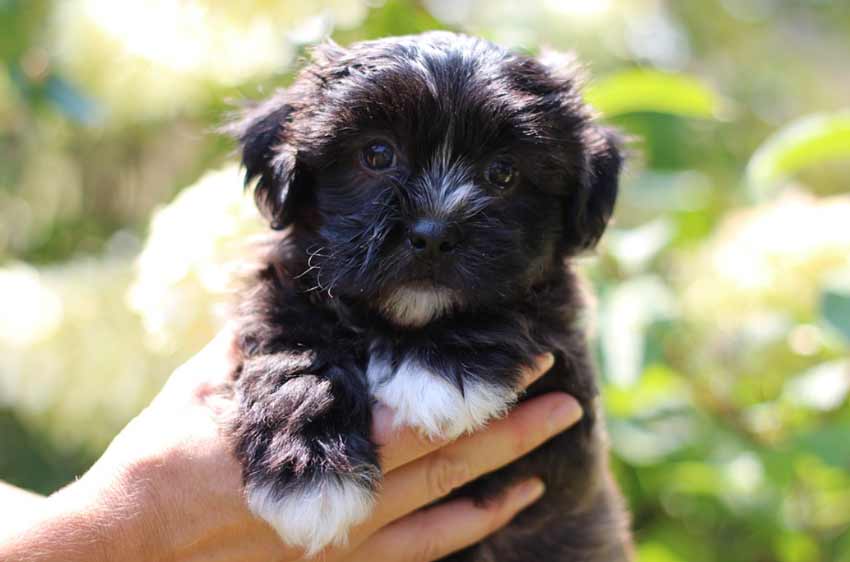
A Golden Retriever and a Miniature Poodle are crossed to create the tiny to medium-sized dog breed known as a mini Goldendoodle.

Goldendoodles are renowned for having outgoing, loving, and sharp dispositions. In addition to cream, apricot, red, chocolate, black, and party hues, Goldendoodles can also have wavy, curly, or straight coats (two or more colours). They are a popular option for those who suffer from allergies because they are considered low- to non-shedding and hypoallergenic.

Like any dog, full grown tiny Goldendoodles need routine veterinary care, exercise, and grooming to stay healthy and happy. They flourish in households with lots of affection, care, and stimulation.

What is a mini goldendoodle?

A tiny to medium-sized dog breed known as a mini Goldendoodle is a cross between the Golden Retriever and the Miniature Poodle. They are excellent family companions renowned for their warm and cuddly nature. 

A small Goldendoodle’s size can differ depending on how big its Poodle parent was. They typically weigh between 20 and 45 pounds and stand between 13 and 20 inches tall at the shoulder.

One advantage of owning a little Goldendoodle is that they are thought to be hypoallergenic and low to non-shedding, which makes them a fantastic choice for persons with allergies. Their coat can be straight, wavy, curly, or partial coloured and is available in various hues, including cream, apricot, red, chocolate, black, and party (two or more colours).

Like any dog, tiny Goldendoodles require routine veterinary care, exercise, and grooming to stay healthy and happy. They are an excellent option for families looking for an intelligent and active companion because they are very trainable and thrive in obedience and agility events.
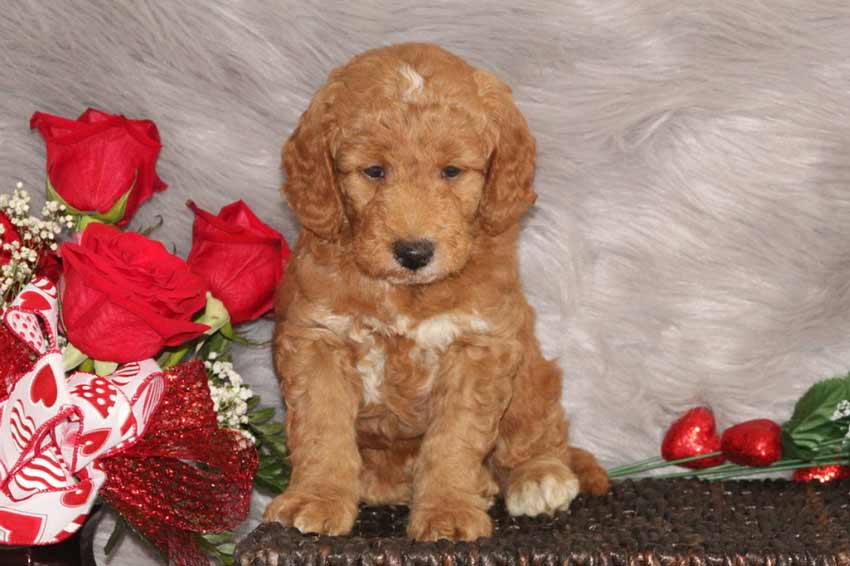
Full Grown Mini Goldendoodle

Size and Weight of Full Grown Mini Goldendoodles

Here are some average size and weight ranges for full-grown mini Goldendoodles:

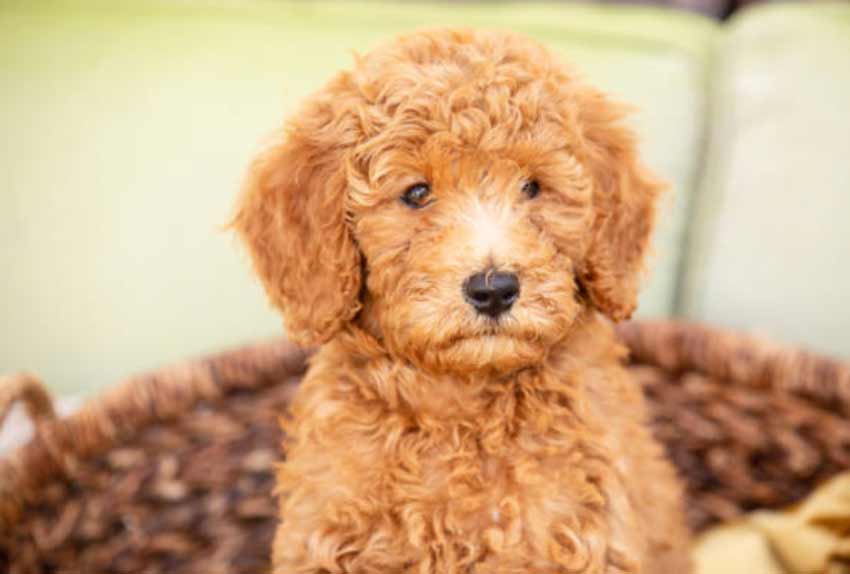
Height: Mini Goldendoodles can range in height from 13 to 20 inches at the shoulder.

Weight: Mini Goldendoodles can weigh anywhere from 15 to 35 pounds, with males typically being slightly larger than females.

It’s vital to remember that a small Goldendoodle’s size and weight may also rely on the size of its Poodle father. The little Goldendoodle will probably be smaller than a standard Poodle if the parent Poodle is a toy or miniature Poodle. 

Those who desire a smaller dog with the temperament and traits of a Golden Retriever frequently choose mini Goldendoodles. They are a fantastic option for those looking for a smaller-sized, devoted companion who are families, individuals, or elders.

Coat Types and Colors of Full-Grown Mini Goldendoodles

The coat of a full-grown mini Goldendoodle can vary depending on the genetics inherited from its Golden Retriever and Poodle parents. 

Mini Goldendoodles can have a wavy or curly coat that is low to non-shedding and hypoallergenic, which makes them an excellent choice for people with allergies.

Here are some common coat types and colours of full-grown mini Goldendoodles:

Straight coat: Some mini Goldendoodles can have a straight coat, typically less curly or wavy than other coat types.

Wavy coat: A wavy coat is common for mini Goldendoodles. Soft, loose waves give the dog a shaggy, tousled appearance.

Curly coat: A curly coat is the most hypoallergenic coat for mini Goldendoodles. It has tight curls that are soft and plush.

As for the colours of full-grown mini Goldendoodles, they can come in a variety of shades, including:

  1. Cream
  2. Gold
  3. Apricot
  4. Red
  5. Chocolate
  6. Black
  7. Parti-colour (two or more colours)

It’s important to note that the coat colour of a mini Goldendoodle can change as they mature. Some puppies are born with one colour, but their coat can lighten or darken as they grow older. It’s also common for mini Goldendoodles to have a coat that blends different colours, such as gold and cream.
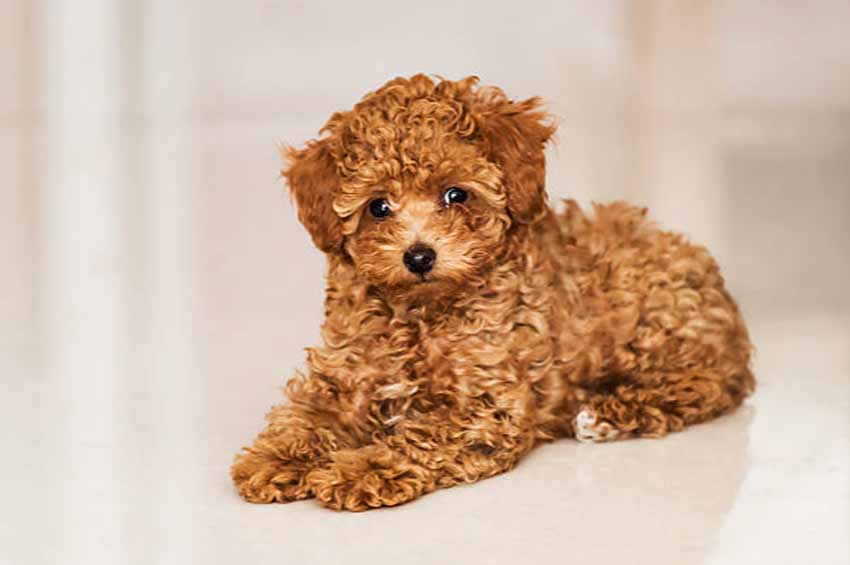
 

Full Grown Mini Goldendoodle

Reasons why a mini goldendoodle is the best pet

There are several reasons why a mini Goldendoodle can be a great pet:

Friendly and affectionate: Mini Goldendoodles are known for their friendly and loving personalities.

Low to non-shedding and hypoallergenic: Mini Goldendoodles have coats that are low to non-shedding and hypoallergenic, which makes them a great choice for people with allergies.

Intelligent and trainable: Mini Goldendoodles are highly intelligent and easy to train. They excel in obedience and agility competitions and are quick learners, making them great pet for families who enjoy training and learning with their pets.

Active and energetic: Mini Goldendoodles are active and energetic, which means they require regular exercise and playtime. This makes them a fantastic pet for families who like hiking, running, or playing fetch outside.

Versatile: Tiny Goldendoodles make adoptable pets who do well in various settings and lifestyles.

Overall, a mini Goldendoodle can make a wonderful and loyal companion, providing its owners with years of love and joy.

Excellent family pet: Mini Goldendoodles are gentle and affectionate, which makes them excellent family pets. They are known for their patience and can adapt well to the chaotic lifestyle of a busy family.

Great therapy dogs: Mini Goldendoodles have a friendly and loving nature, which makes them great therapy dogs.

Playful and fun-loving: Mini Goldendoodles have a playful and fun-loving personality.

Companionship: Mini Goldendoodles are known for their loyalty and make great companions. They are always eager to please their owners and can be a great source of comfort and support.

Adaptable: Mini Goldendoodles are adaptable and can adjust well to changes in their environment or routine. This makes them a great pet for families who move frequently or have a busy lifestyle.

In conclusion, a mini Goldendoodle can be a wonderful pet for various reasons.

Long lifespan: Mini Goldendoodles have a relatively long lifespan, averaging 10 to 15 years.

Low maintenance: Mini Goldendoodles have low-maintenance coats that require regular brushing and occasional grooming. They don’t need frequent baths and can easily adapt to different types of grooming styles.

Great watchdogs: Mini Goldendoodles can make great watch dogs as they have a strong sense of loyalty and can be protective of their owners and their home.

Travel-friendly: Mini Goldendoodles are small and lightweight, making them easy to travel with. They can easily fit in a carrier or car seat and can make great travel companions.

Social and friendly: Mini Goldendoodles are social and friendly with other animals and people. They can make great playmates for other dogs and can easily adapt to new people and environments.

Mini Goldendoodles can provide their owners with many years of love, joy, and companionship, making them an excellent choice for anyone looking for a loyal and loving companion.

Positive temperament: Mini Goldendoodles have a positive temperament, and they are generally happy and upbeat dogs. They tend to be sociable and have a friendly disposition, which makes them easy to get along with.

Good with children: Mini Goldendoodles are known to be excellent with children.

Minimal barking: Mini Goldendoodles are not known to be excessive barkers, which is a great quality for a family pet. They will bark when they need to alert you, but they won’t bark for no reason.

Playful and energetic: Mini Goldendoodles love to play, and they have a lot of energy. This makes them an excellent choice for an active family that enjoys spending time outdoors.

Easy to train: Mini Goldendoodles are highly trainable, and they are quick learners. They have a strong desire to please their owners, which makes them very receptive to training.
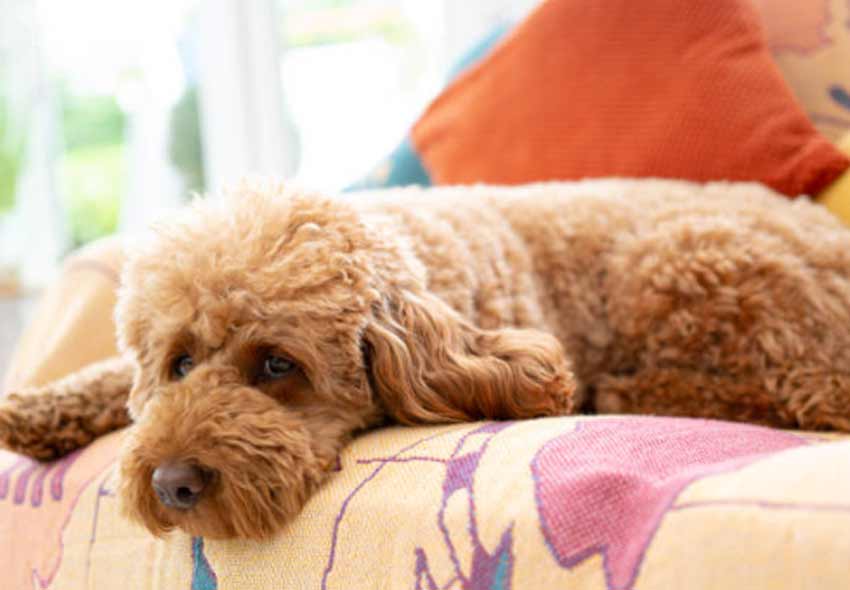
Full Grown Mini Goldendoodle

Personality and Temperament of Full-Grown Mini Goldendoodle

The personality and temperament of a full-grown mini Goldendoodle can vary depending on its genetics and upbringing, but they generally have a friendly and sociable nature that makes them a great companion.

Here are some common personality traits and temperament of full-grown mini Goldendoodles:

Affectionate: Mini Goldendoodles are very affectionate and love to be around their family members. They often crave attention and physical contact, such as cuddling or sitting on laps.

Sociable: Tiny Goldendoodles are typically outgoing dogs who enjoy interacting with both people and other animals.

Intelligent: Intelligent Tiny Goldendoodles are simple to train. They pick things up quickly and are responsive to training techniques that include positive reinforcement.

Energetic: Mini Goldendoodles have a moderate energy level and enjoy regular exercise and playtime.

Playful: Mini Goldendoodles are playful dogs that love to play games and engage in interactive activities with their owners. They can be a great companion for children and adults alike.

Alert: Mini Goldendoodles have a keen sense of hearing and can be quite alert, making them great watchdogs.

Here are some additional personality and temperament traits of full-grown mini Goldendoodles:

Easy-going: Mini Goldendoodles are generally easy-going dogs that can adapt well to different living environments, including apartments or homes with yards.

Non-aggressive: Mini Goldendoodles are typically non-aggressive and have a gentle temperament.

Loyal: Mini Goldendoodles are known for their loyalty to their owners and are often considered “velcro” dogs, as they like to stick close to their humans.

Calm: Mini Goldendoodles have a calm and relaxed demeanour, which makes them an excellent choice for people who want a dog that can help them destress or provide emotional support.

Good-natured: Mini Goldendoodles have a good-natured personality and are known to be patient and tolerant. They are often comfortable around strangers and can be great therapy dogs.

Affable: Mini Goldendoodles are friendly and sociable dogs that enjoy interacting with their owners and others.

Here are some additional personality and temperament traits of full-grown mini Goldendoodles:

Playful: Mini Goldendoodles have a playful side that makes them great for families with kids or other pets.

Curious: Mini Goldendoodles are curious dogs and like to explore their surroundings. They enjoy sniffing and investigating new sights, sounds, and smells, which can make for some fun outdoor adventures.

Loving: Mini Goldendoodles have a loving nature and enjoy spending time with their owners. They are often referred to as “lap dogs” because they love to cuddle and snuggle with their humans.

Adaptable: Tiny Goldendoodles are versatile canines that can adapt to many settings and lifestyles. For those who travel frequently or live in various types of housing, they can be fantastic.

Patient: Mini Goldendoodles are patient dogs and can be tolerant of children, other pets, and elderly family members. They are not known to be aggressive and can make great therapy dogs for this reason.

Comical: Mini Goldendoodles have a comical side that can be quite entertaining for their owners. They are known to make funny facial expressions and have a playful demeanor that brings great joy to their human families.

Overall, full-grown mini Goldendoodles have a wonderful combination of traits, making them a great choice for a wide range of people. They are loving, intelligent, and playful, making them a great companion for anyone looking for a furry friend.

Pros and Cons of Owning a Full Grown Mini Goldendoodle

Like any other pet, owning a full-grown mini Goldendoodle comes with its own set of pros and cons. Here are some of the most notable pros and cons of owning a full-grown mini Goldendoodle:

Pros:

Affectionate companionship: Mini Goldendoodles are known for their loving and friendly personalities. They thrive on human companionship and make excellent pets for families, seniors, and singles alike.

Intelligent and trainable: Mini Goldendoodles are intelligent dogs that are easy to train. They respond well to positive reinforcement and are quick learners, making them an excellent choice for first-time dog owners.

Hypoallergenic coat: Due to their hypoallergenic coat, Mini Goldendoodles are less prone to cause allergies in persons who are allergic to pet dander.

Active and playful: Mini Goldendoodles have a moderate energy level and enjoy regular exercise and playtime. They can be a great companion for people who enjoy an active lifestyle.

Versatile: Mini Goldendoodles are adaptable dogs that can adjust well to different living environments and lifestyles. They can be great for people who travel frequently or live in different types of housing.

Cons:

Grooming requirements: Mini Goldendoodles have a thick coat that requires regular grooming to keep it in good condition. They may need to be groomed every few weeks, which can be time-consuming and costly.

Separation anxiety: Mini Goldendoodles can develop separation anxiety if left alone for long periods. They thrive on human companionship and may become destructive or anxious if left alone for too long.

Potential health issues: Like all dogs, mini Goldendoodles can be prone to certain health issues, such as hip dysplasia, eye problems, and allergies. This can lead to expensive vet bills and ongoing health management.

Barking: Mini Goldendoodles can be quite vocal and may bark excessively if not properly trained. This can be a problem for people who live in apartments or have close neighbours.

Training requirements: While mini Goldendoodles are intelligent and easy to train, they still require regular training and socialisation to prevent behaviour issues from developing. This can be time-consuming and requires a commitment from the owner.

Overall, owning a full-grown mini Goldendoodle can be a wonderful experience for the right person or family. However, it is important to consider both the pros and cons before bringing a mini Goldendoodle into your home.

Grooming and Exercise Requirements for Mini Goldendoodles

Mini Goldendoodles require regular grooming and exercise to stay healthy and happy. Here are some general guidelines for grooming and exercise:

Grooming:

Brushing: Mini Goldendoodles have wavy or curly hair that can become matted if not brushed regularly.

Bathing: Mini Goldendoodles should be bathed every 6-8 weeks or as needed.

Haircuts: Mini Goldendoodles require regular haircuts to keep their coat from becoming too long and tangled. Depending on the length you prefer, they may need a haircut every 8-12 weeks.

Ear Cleaning: As mentioned earlier, mini Goldendoodles are prone to ear infections due to their floppy ears. Cleaning their ears once a week can help prevent infections.

Nail Trimming: Mini Goldendoodles’ nails should be trimmed every 4-6 weeks to prevent them from becoming too long and causing discomfort.

Exercise:

Walks: Mini Goldendoodles require at least one daily walk to stay healthy and burn off energy. A walk of 20-30 minutes is usually sufficient for most mini Goldendoodles.

Playtime: Mini Goldendoodles love to play, and regular play sessions can help keep them physically and mentally stimulated. Fetch, tug-of-war, and hide-and-seek are all great games for mini Goldendoodles.

Dog Parks: Mini Goldendoodles enjoy socialising with other dogs, and trips to the dog park can provide them with the opportunity to run and play with other dogs.

Training: Training sessions can also provide mini Goldendoodles with mental stimulation and exercise.


Common Health Issues with Full-Grown Mini Goldendoodles


Wondering When Growth Actually Stops?

If you are tracking your puppy’s growth, our guide on when a Mini Goldendoodle is full grown breaks down the real timeline – skeletal height, weight, and coat development – so you know what to expect at each stage.
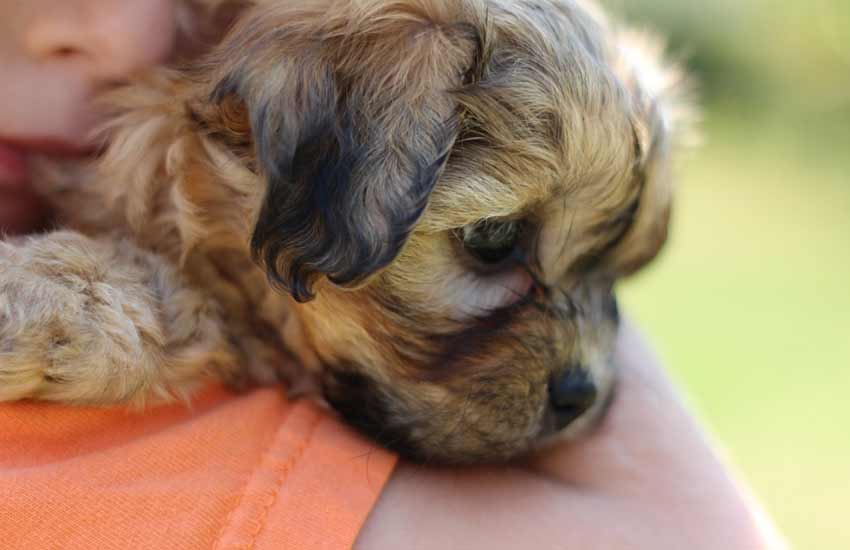
Teddy Bear Dog Price

Teddy Bear Dog Price

Quick Answer: ‘Teddy Bear’ dogs, typically small designer breeds like Shih Tzu-Poodle or Bichon-Poodle mixes bred for a fluffy, round-faced look, generally cost between $800 and $3,000+ depending on breeder, lineage, and demand.

Key Takeaways

  • ‘Teddy bear dog’ describes a look and style, not one specific breed.
  • Often a mix involving Shih Tzu, Poodle, or Bichon Frise.
  • Price varies with breeder reputation and the specific mix.
  • Budget for ongoing grooming costs given their fluffy coats.
  • Verify health testing, since designer mixes can inherit issues from parent breeds.

Why Trust This Guide?

This guide is researched and written by the Pets Store Home editorial team, drawing on general pet-care and industry information. It’s intended as general information; consult a vet or specialist for advice specific to your pet or situation.

Introduction to Teddy Bear dog Price

Teddy bear dogs are a popular type of mixed-breed dog that has gained popularity in recent years. These dogs are a cross between two different breeds, the Shih Tzu and the Bichon Frise. The result of this crossbreed is a small dog with a cute and cuddly appearance similar to that of a teddy bear.

Teddy bear dogs are known for their affectionate nature and love of being around people. Since they are frequently characterised as energetic and amiable, they make wonderful family pets. They do not shed much and are hypoallergenic, making them the perfect choice for allergy sufferers.

Regarding grooming, teddy bear dogs require regular brushing and grooming to keep their coat looking healthy and tangle-free. Also, they require regular activity, such as daily walks, to keep themselves healthy and content.

Overall, teddy bear dogs are a great option for those looking for a small, cuddly, and affectionate pet suitable for families and people with allergies.

Teddy Bear Dog Price

Factors that influence the price of Teddy Bear dogs

The price of teddy bear dogs can vary depending on a number of factors, including:

Breeder reputation: A reputable breeder who is known for producing high-quality, healthy puppies will typically charge more than a breeder with a less established reputation.

Location: Depending on the breeder’s location, teddy bear dogs can range in price. Puppies may be priced higher by breeders in locations with greater cost of living.

Rarity of the breed: Teddy bear dogs are a relatively new and popular breed, so they may be more expensive than other types of mixed breed dogs.

Health testing: A breeder who conducts health testing on their dogs to ensure they are free of genetic disorders will typically charge more for their puppies.

Pedigree: Puppies with a pedigree that includes champion or show dogs may be more expensive than puppies without a pedigree.

Coat colour and markings: Puppies with rare or unique coat colors and markings may be more expensive than those with more common colors and markings.

Age: Older teddy bear dogs may be less expensive than puppies, as they are not in as high demand.

Gender: Teddy bear dogs that are females can be used for breeding, making them potentially more expensive than males.

Demand: The demand for teddy bear dogs can also affect their price. The breeder could increase the price of the puppies if there is high demand for a specific litter.

Overall, the price of a teddy bear dog can vary widely depending on a number of factors, so it is important to do research and find a reputable breeder who is transparent about their pricing and breeding practices.

Training: If a teddy bear dog has already received some basic obedience training or has been trained for a specific purpose such as therapy or emotional support, they may be more expensive than an untrained puppy.

Breeding rights: If a breeder is selling a teddy bear dog with breeding rights, they may charge more for the puppy as the new owner will be able to breed the dog and potentially sell the puppies for profit.

Shipping costs: If the breeder is located far from the buyer, shipping costs may be added to the price of the teddy bear dog.

Vaccinations and medical care: If the teddy bear dog has received all necessary vaccinations and medical care before being sold, the price may be higher due to the additional costs incurred by the breeder.

Personality and temperament: If a teddy bear dog has a particularly desirable personality or temperament, they may be more expensive than a dog with a less desirable temperament.

It is important to note that the price of a teddy bear dog does not necessarily indicate its quality or health. It is essential to do research on the breeder and the breed to ensure that the puppy is healthy and has been raised in a safe and caring environment.

Teddy Bear Dog Price

The average price range of Teddy Bear dogs

Teddy Bear dogs, also known as Shichons, are a designer breed created by crossing a Bichon Frise and a Shih Tzu. The average price range of Teddy Bear dogs can vary depending on various factors, including the dog’s location, breeder, and lineage. On average, you can expect to pay anywhere from $500 to $2500 for a Teddy Bear puppy. For dogs with extraordinary pedigrees or distinctive traits, some breeders may charge substantially more. 

Additionally, prices may be higher in areas where there is a high demand for designer breeds. Despite the possibility, it’s important to keep in mind that price is not always a reliable indicator of quality. Finding a reputable breeder who puts their puppies’ health and welfare first is imperative. All things considered, it’s critical to think carefully before choosing a Teddy Bear dog.

Teddy Bear Dog Puppy

Additional costs to consider when buying a Teddy Bear dog

In addition to the initial cost of purchasing a Teddy Bear dog, there are several ongoing expenses that you should consider before making a decision to bring one into your home. Here are some of the additional costs to keep in mind:

Food: Teddy Bear dogs require a high-quality diet that is appropriate for their size and activity level. Plan to spend between $20 to $50 per month on food, depending on the brand you choose.

Veterinary care: Regular veterinary checkups and preventative care such as vaccinations, flea/tick prevention, and heartworm prevention are essential to keep your Teddy Bear healthy. Budget for around $300 to $500 per year for routine veterinary expenses, and potentially more for unexpected illnesses or injuries.

Grooming: Teddy Bears have a long, fluffy coat that requires regular grooming to prevent matting and keep them looking their best. This may include professional grooming services or regular at-home grooming, which can cost anywhere from $50 to $100 per visit.

Training: Teddy Bears, like all dogs, can become well-behaved companions with obedience training and socialisation. Consider the cost of puppy classes or private training sessions, which can range from $100 to $500 or more.

Supplies: You’ll need to purchase supplies such as a collar, leash, bed, toys, and food and water bowls. Plan to spend around $100 to $200 on these items.

Overall, it’s important to budget for both the initial purchase price and ongoing expenses when considering adding a Teddy Bear to your family.

Pet insurance: Pet insurance can assist in defraying the cost of unforeseen medical costs, like sickness or accidents. Prices and coverage vary depending on the provider and the level of coverage you choose, but plan to spend between $30 to $50 per month for a comprehensive policy.

Boarding or pet-sitting: If you plan to travel without your Teddy Bear, you’ll need to budget for either boarding them at a kennel or hiring a pet-sitter. Prices vary depending on the provider and location, but plan to spend between $20 to $50 per day.

Home modifications: Although being little pets, Teddy Bears need room to play and roam around. You may need to make modifications to your home, such as adding a dog gate or fence, to keep them safe and contained. Plan to spend anywhere from a few hundred to several thousand dollars, depending on the modifications needed.

Emergency fund: Having an emergency fund set aside for costs such as a sudden illness or injury is always a smart idea. Plan to set aside a few hundred to a few thousand dollars, depending on your budget and the level of coverage provided by your pet insurance policy.

Time commitment: Finally, it’s important to consider the time commitment required to care for a Teddy Bear. They need daily exercise, regular grooming, and socialisation to stay happy and healthy. Plan to spend at least an hour each day caring for your Teddy Bear, and budget for any additional time commitments such as training or playtime.

Licence and registration fees: In most areas, dogs are required to be licensed and registered with the local government. Fees vary depending on your location, but plan to spend around $10 to $50 per year.

Transportation: If you need to transport your Teddy Bear for vet visits or other appointments, you may need to budget for transportation costs such as gas, parking, or public transit fees.

Dental care: Teddy bears are vulnerable to oral health problems such as tooth decay and gum disease. These problems can be avoided with regular dental care, such as teeth cleanings and examinations. Plan to spend between $100 to $500 per year on dental care.

Treats and supplements: Like all dogs, Teddy Bears enjoy treats and may benefit from supplements such as joint support or probiotics. Plan to spend around $10 to $20 per month on treats and supplements.

Replacement items: Teddy Bears, like all dogs, can be tough on their toys, bedding, and other supplies. Plan to replace these items as needed, which can add up over time.

Overall, it’s important to carefully consider all of the expenses associated with owning a Teddy Bear dog before making a decision to bring one into your home. By budgeting for these costs, you can ensure that you’re able to provide your Teddy Bear with the care and attention they need to live a happy and healthy life.

Teddy Bear Dog Price

Teddy Bear Yorkie Haircuts

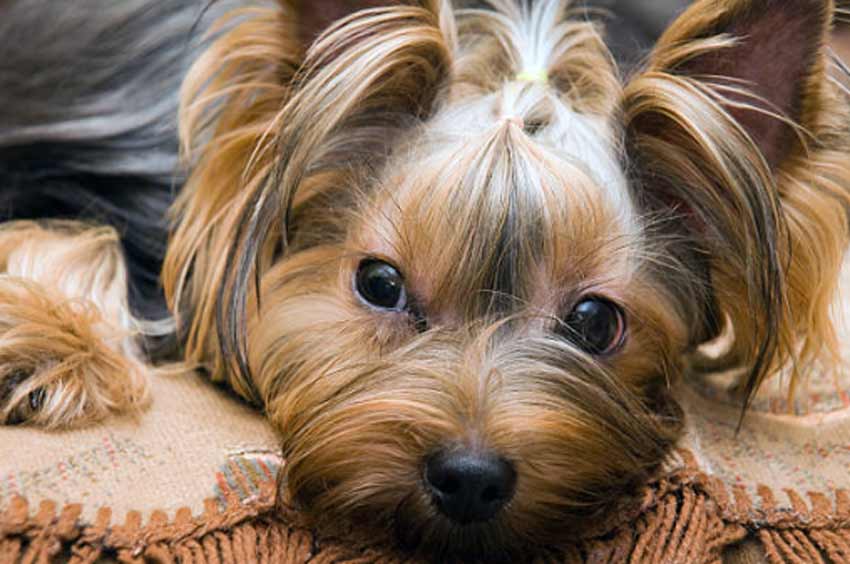
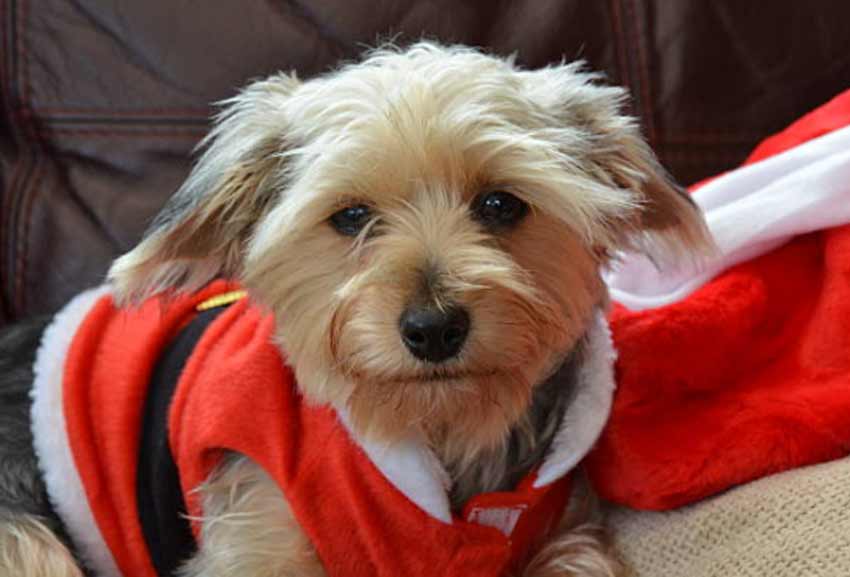
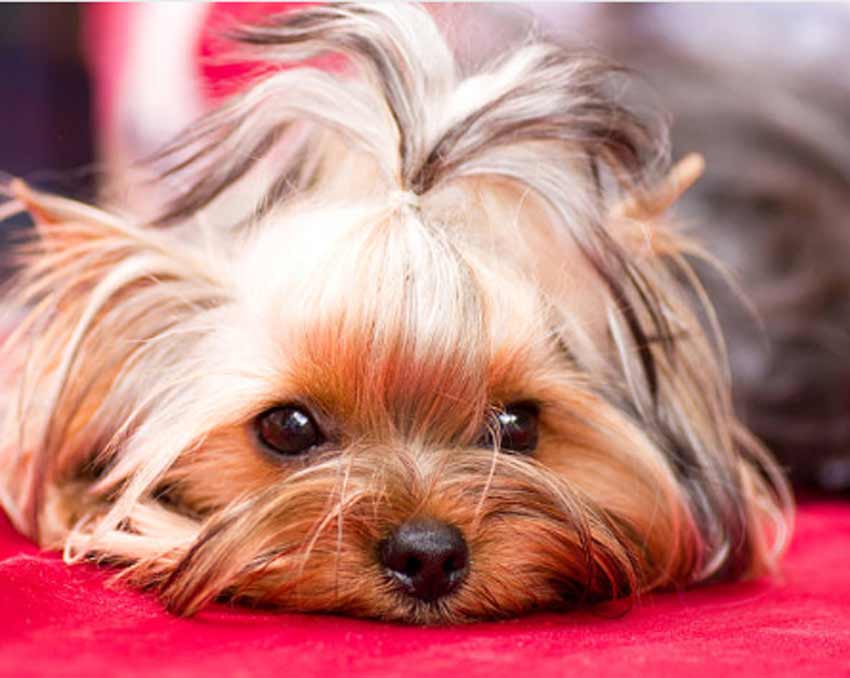
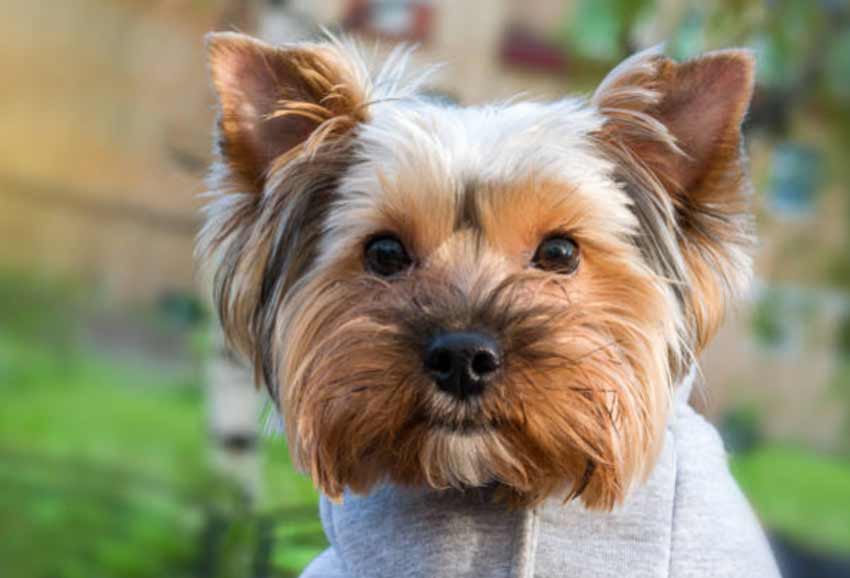
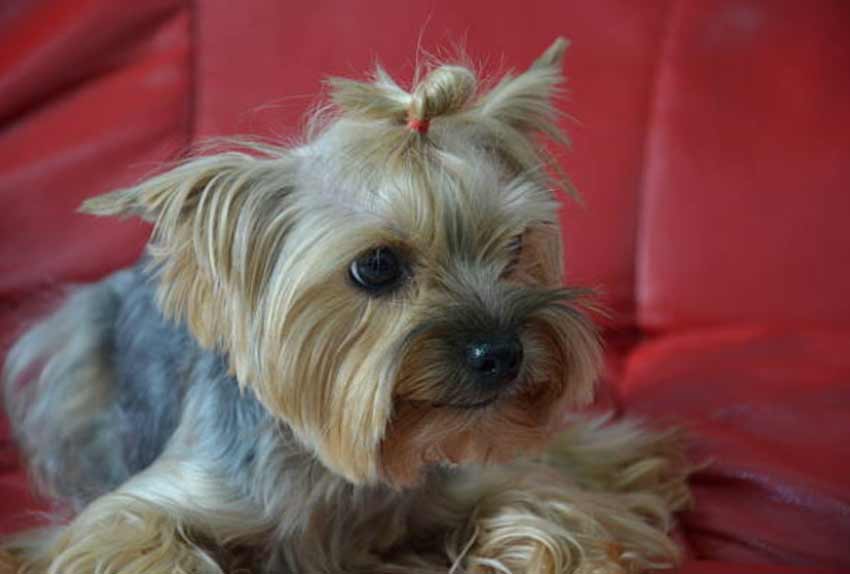
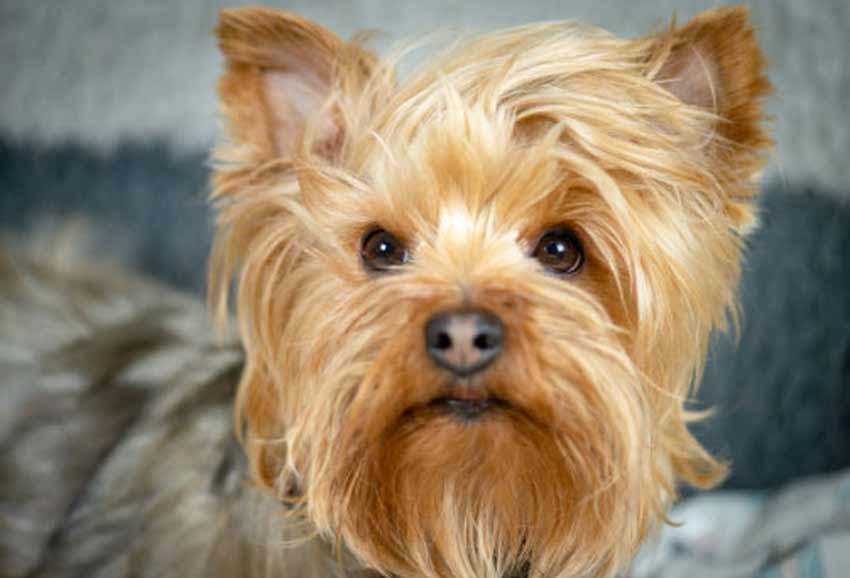
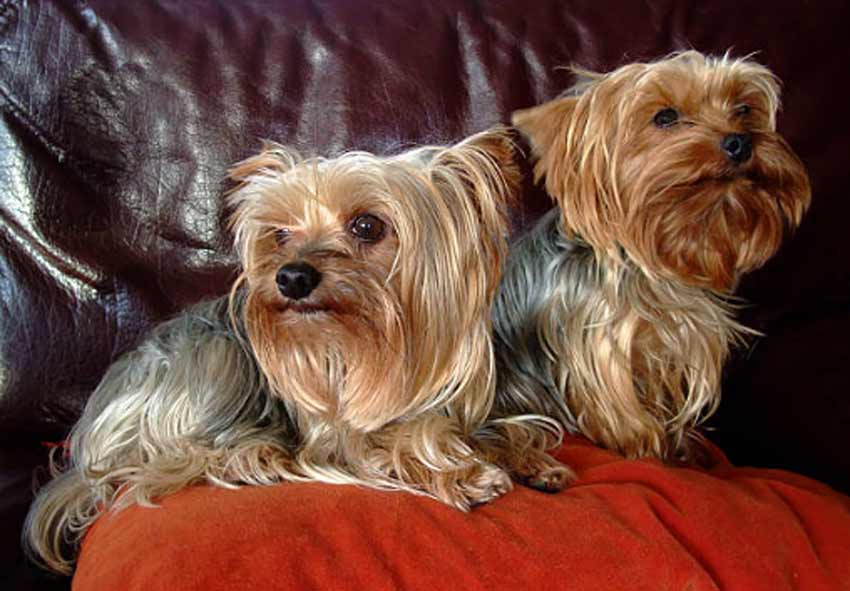
Teddy Bear Yorkies, also known as Yorkshire Terriers, are often groomed in a Teddy Bear cut, which is a popular style that leaves the hair slightly longer on the body and face, while trimming the hair shorter on the legs and feet. This style creates a cute and fluffy appearance that resembles a Teddy Bear, hence the name.

There are a few variations of the Teddy Bear cut for Yorkies, depending on personal preference and the dog’s coat type. Here are some common Teddy Bear Yorkie haircuts:

Short Teddy Bear cut: This style trims the hair close to the skin on the legs and feet, while leaving the hair slightly longer on the body and face. This style is low maintenance and perfect for hot weather.

Long Teddy Bear cut: This style leaves the hair longer all over the body, creating a fluffy and cuddly appearance. This style requires regular brushing and grooming to prevent matting and tangles.

Round Teddy Bear cut: This style trims the hair in a round shape around the head and face, creating a cute and charming appearance. The hair is also trimmed short on the legs and feet.

Mixed Teddy Bear cut: This style combines elements of the short and long Teddy Bear cuts, leaving the hair shorter on the legs and feet, while leaving the hair longer on the body and face.

It’s important to note that Teddy Bear Yorkie haircuts require regular grooming to keep the coat healthy and looking its best. Plan to brush your Teddy Bear regularly, and schedule regular grooming appointments with a professional groomer to keep your dog’s coat in top condition.

Conclusion and Final Thoughts

In conclusion, owning a Teddy Bear dog can be a wonderful experience, but it’s important to consider all of the associated costs before making a decision.  

Other costs to consider include pet insurance, boarding or pet-sitting, home modifications, and emergency funds.

By carefully considering all of these expenses and budgeting accordingly, you can provide your Teddy Bear with the care and attention they need to thrive. 

Remember that the cost of owning a Teddy Bear is just one aspect of the decision-making process, and that it’s important to also consider your lifestyle, living situation, and ability to provide a safe and loving home.

Purchase price is just the starting point for budgeting a new dog. Our guide to pet insurance costs in Colorado covers the ongoing monthly cost of protecting against unexpected vet bills.

Teddy Bear Yorkie Haircuts

Teddy Bear Yorkie Haircuts

Quick Answer: The ‘teddy bear’ haircut for Yorkies keeps the coat evenly trimmed short, usually 1-2 inches, with a rounded face and ears, giving a soft, plush, teddy-bear-like appearance that’s easier to maintain than a traditional long Yorkie coat.

Key Takeaways

  • Coat is trimmed short and even, typically 1-2 inches long.
  • A rounded, fluffy face and ear trim define the signature look.
  • Much lower maintenance than a full-length show coat.
  • Regular grooming, roughly every 4-6 weeks, helps maintain the style.
  • Bring reference photos to your groomer to get the exact look you want.

Why Trust This Guide?

This guide is researched and written by the Pets Store Home editorial team, drawing on general pet-care and industry information. It’s intended as general information; consult a vet or specialist for advice specific to your pet or situation.

Introduction to Teddy Bear Yorkies &Teddy bear yorkie haircuts.

A breed of Yorkshire Terrier known as a “Teddy Bear Yorkie” was developed specifically to resemble a teddy bear. They are sometimes known as “Teddy Bear Yorkies” or “Teddy Bear Teacup Yorkies” due to their small size and charming appearance.

These canines are a mix between a Yorkshire Terrier and a Bichon Frise, or sometimes a Shih Tzu, resulting in a dog with the best qualities of both breeds. 

They normally weigh 4 to 7 pounds, are tiny, and have a thick, fluffy, frequently curly or wavy coat. Their coat can come in several hues: black, brown, white, and gold.

Teddy Bear Yorkies are noted for their charming and friendly personality. They are devoted and affectionate friends who enjoy being around their owners and pets. 

They are a fantastic choice for families and first-time dog owners because they are also very intelligent and simple to teach.

Owing to their small stature and sensitive nature, Teddy Bear Yorkies require frequent grooming and exercise. Regular brushing will help keep their coat from matting and tangling. Kids also need regular activity, which can be obtained through brief walks or indoor playtime.

Overall, Teddy Bear Yorkies are a popular and adorable breed that makes terrific family companions. But like any breed, you should study and ensure you can provide them the love and care they require to thrive.


Teddy Bear Yorkie Haircuts

Why do Yorkies need haircuts?

Like many other dog breeds, Yorkshire Terriers have hair that continues to grow and can become long and matted if not properly maintained. 

Regular haircuts are necessary to keep a Yorkie’s coat healthy and looking its best.

Yorkies have a long, fine, silky coat that can easily become tangled or matted if not regularly brushed. If matting becomes severe, it can cause discomfort and even skin irritation for the dog.

 Matting can also make it difficult for the dog to move around and can even cause mobility issues in severe cases.

Haircuts can help prevent matting and tangling by trimming the coat to a manageable length. Regular haircuts can also help to maintain the health of a Yorkie’s coat, making it easier to groom and preventing skin irritations.

In addition to health and maintenance, many owners give their Yorkies haircuts for aesthetic reasons. 

Yorkies have a long history of being bred for their beautiful and unique appearance, and a well-groomed and trimmed coat is an important part of their overall look.

Regular haircuts are important to maintaining a Yorkie’s health and appearance and should be done consistently to ensure the best possible results.


Teddy Bear Yorkie Haircuts

Teddy bears Yorkie haircut ideas.

Teddy Bear Yorkies, like all Yorkies, require regular haircuts to maintain their beautiful coat and prevent matting and tangling. Here are some popular Teddy Bear Yorkie haircuts:

Puppy Cut – This is a popular haircut for Teddy Bear Yorkies, as it keeps their coat trimmed short and uniform all over the body. The hair is typically cut to around 1-2 inches in length.

Teddy Bear Cut – This haircut is named after the breed itself and is designed to give the dog a teddy bear-like appearance. While the hair on the head, ears, and legs is kept longer and styled to give them a spherical, fluffy appearance, the hair on the body is cut short.

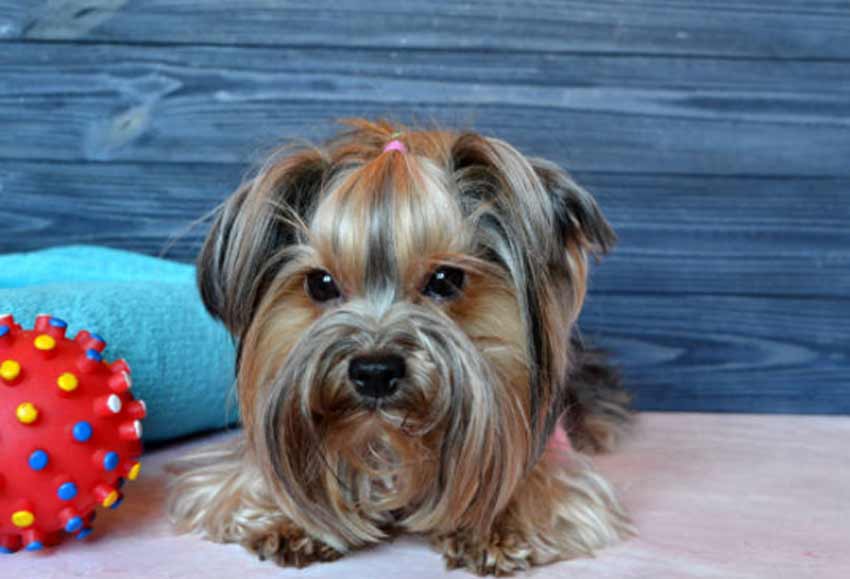
Top Knot – This is a popular hairstyle for Teddy Bear Yorkies and involves leaving the hair on the head and ears long and tied up in a small ponytail or top knot. The rest of the hair is trimmed short.

Schnauzer Cut – This cut resembles the Puppy Cut but has longer hair left on the legs, face, and ears to resemble a Schnauzer. The body is trimmed to a shorter length, and the longer hair on the legs is shaped to create a distinct appearance.

Bob Cut – In this haircut style, the hair is left longer on the head and ears and cut short on the torso and legs. The longer hair is then cut into a bob shape, giving the dog a fashionable appearance.

Shih Tzu Cut – This haircut is designed to make the Teddy Bear Yorkie look more like a Shih Tzu. The body is trimmed short, while the hair on the head and ears is left longer and shaped to create a round, fluffy appearance. The hair is often tied up in a small top knot.

Mohawk Cut is a fun and edgy haircut for Teddy Bear Yorkies. While the hair on the head is left longer and styled into a spiky mohawk, the hair on the body is cropped short.

Lion Cut – In this haircut style, the torso and legs are trimmed short, but the head’s and neck’s hair is left long and styled to resemble a lion’s mane. The hair on the tail is also left longer to create a tufted appearance.

Long and Flowing Cut – This is a less common haircut for Teddy Bear Yorkies, but it can be a great option for owners who want to keep their dog’s hair long and flowing. The hair is left to grow long all over the body and trimmed only to remove any split ends or tangles.

Teddy bears Yorkie haircut ideas.

Schnoodle Cut – This haircut crosses between a Schnauzer and a Poodle cut. The body hair is short-cut, while the hair on the head, ears, and legs is kept longer and styled to give it a spherical, fluffy appearance. The hair is often tied up in a small top knot.

Fluffy Cut – This haircut involves leaving the hair on the body and legs longer than other cuts while still keeping it trimmed to prevent matting and tangling. The hair on the head and ears are also left longer and fluffed up to create a cute, fluffy appearance.

Short and Sweet Cut –The torso and legs are trimmed short in this haircut, but the head and ears are left a little longer. The hair is shaped to create a round, cute appearance.

Half and Half Cut – This unique haircut involves leaving one side of the dog’s body trimmed short while leaving the other side longer. The hair on the longer side is often tied up in a small top knot.

Top Knot Cut – This haircut involves leaving the hair on the body and legs trimmed short while the hair on the head is left longer and tied up in a small top knot. This creates a playful and adorable appearance.

Poodle Cut – This is a stylish, elegant haircut for Teddy Bear Yorkies. The hair on the body and legs is trimmed short, while the hair on the head, ears, and legs is left longer and shaped to create a sophisticated poodle-like appearance.


Teddy Bear Yorkie Haircuts

Here are a few more Teddy Bear Yorkie haircuts:


Layered Cut – This haircut entails leaving the hair on the body slightly longer than on the head, ears, and legs. The longer hair is often cut in layers, creating a textured and voluminous appearance.

Cuddly Bear Cut – This haircut leaves the hair on the body slightly longer than the hair on the head and ears, creating a round and fluffy appearance. The hair on the legs is trimmed short to prevent matting and tangling.

Pixie Cut – Teddy Bear Yorkies should have a short, sassy hairstyle like this. While the head and ears hair is left somewhat longer and styled in a pixie cut, the hair on the torso and legs is cropped short.

Pom Cut – In this haircut, the body and legs are kept short, but the head’s and ears’ hair are slightly longer and styled into little pom poms. This creates a cute and playful appearance.

Bobble Head Cut – This is a fun and unique haircut for Teddy Bear Yorkies. While the hair on the torso and legs is kept longer and styled into a spherical bobble, the hair on 

Teddy Bear Cut – This is one of the most popular haircuts for Teddy Bear Yorkies. The hair on the body and legs is trimmed short, while the hair on the head and ears is left longer and shaped to create a round, teddy bear-like appearance. The hair is often tied up in a small top knot.

Puppy Cut – This is a cute and classic haircut for Teddy Bear Yorkies. While the hair on the head and ears is kept a little longer and styled to give them a soft, rounded appearance, the hair on the torso and legs is cropped short.

Teddy Bear Yorkie Haircuts

Understanding the Teddy Bear Yorkie haircut

A common grooming technique for Yorkshire Terriers that tries to give them a cuddly, fluffy appearance similar to a teddy bear is the Teddy Bear Yorkie haircut. 

To give the face and ears a more rounded look, this haircut often entails reducing the hair around those areas while leaving the rest of the coat longer and fuller. 

The Teddy Bear Yorkie hairstyle is created by using clippers and scissors together. Clippers are used to cut the hair on the body, while scissors are used to shape and trim the hair on the face, ears, and paws.

The length of the hair on the body can vary, depending on the owner’s preference and the dog’s coat type. Some owners prefer a longer, more natural look, while others prefer a shorter, neater cut. 

Generally, the hair is trimmed to about 1-2 inches on the body, while the hair on the face and ears is trimmed to a shorter length to create a rounded, teddy bear-like shape.

It’s important to note that the Teddy Bear Yorkie haircut requires regular grooming to maintain its shape and appearance. 

This includes regular brushing and combing to prevent tangles and mats and regular trimming to keep the hair at the desired length.

Overall, the Teddy Bear Yorkie haircut is a popular choice for Yorkshire Terrier owners who want to give their dogs a cute and fluffy appearance while keeping their coats well-groomed and maintained.


Teddy Bear Yorkie Haircuts

A step-by-step guide to giving your Yorkie a Teddy Bear haircut

Giving your Yorkie a teddy bear haircut can be a fun and cute way to keep their hair short and manageable. Here is a step-by-step guide to giving your Yorkie a teddy bear haircut:

Materials needed:

  • Clippers with a #3 blade or scissors
  • Comb
  • Brush
  • Clippers oil
  • Towel
  • Treats
Steps:

Prepare your dog: Bath your Yorkie and dry them off with a towel. Brush and comb their hair to remove any tangles or mats.

Start with the face: Using scissors or clippers with a #3 blade, trim the hair around your Yorkie’s face, including the ears. Leave the hair around the eyes longer to create a “teddy bear” look.

Trim the body: Using the clippers or scissors, trim the hair on your Yorkie’s body to an even length. Use the comb to help guide you and prevent uneven cuts.

Work on the legs: Trim the hair on your Yorkie’s legs to an even length, leaving them slightly longer than the body hair. Use the comb to help guide you and prevent uneven cuts.

Trim the feet: Trim the hair on your Yorkie’s feet, leaving them round and fluffy. Trim the hair between the toes carefully to avoid hurting your dog.

Clean up: Once you’re done with the haircut, use the clippers or scissors to trim stray hairs around your Yorkie’s face, legs, and feet.

Give your Yorkie a treat: Once the haircut is done, reward your dog with some praise for being a good boy or girl!


Teddy Bear Yorkie Haircuts

Tools needed for a Teddy Bear Yorkie haircut

To give your Teddy Bear Yorkie a proper haircut, you will need the following tools:

Clippers: You’ll need a good quality clipper with different blade attachments to achieve different lengths of haircuts. Choose a quiet clipper that doesn’t vibrate too much, as this can scare your dog.

Scissors: You’ll need a pair of sharp, straight scissors for trimming around the face and ears.

Comb: A good quality comb will help you to comb out tangles and mats before you start clipping.

Brush: A soft-bristled brush will help you brush out loose hairs and keep the coat smooth.

Clipper lubricant: Clipper blades can get hot and dull quickly, so you’ll need clipper lubricant to keep them cool and sharp.

Styptic powder: Accidents can happen, so it’s always good to have some styptic powder on hand to stop bleeding if you accidentally cut your dog.

Treats: Reward your dog for staying calm and still during the grooming session.


Here are some additional tools and supplies you might want to consider for giving your Teddy Bear Yorkie a haircut:

Grooming table: A grooming table can make the process easier and more comfortable for you and your dog. It raises your dog to a comfortable height, making it easier for you to groom them without straining your back.

Grooming arm: A grooming arm attaches to the grooming table and helps keep your dog in place while grooming them.

Hair dryer: A hairdryer can help fluff and dry your dog’s coat after a bath or before trimming.

Shampoo and conditioner: Use a good quality shampoo and conditioner specifically designed for dogs to keep their coat clean and healthy.

Ear cleaner: Teddy Bear Yorkies are prone to ear infections, so you’ll need a good quality ear cleaner to clean their ears and prevent infections.

Nail clippers: You must trim your dog’s nails regularly to avoid getting too long and causing discomfort.

Dental care products: Good dental hygiene is important for your dog’s overall health, so you must use toothbrushes, toothpaste, and other dental care products to keep their teeth and gums clean.


Here are some additional tips and tricks that may be helpful when giving your Teddy Bear Yorkie a haircut:

Start slowly: If your dog is not used to being groomed, start slowly and in short sessions to help them get comfortable with the process. Give them plenty of praise and treats for good behavior.

Use positive reinforcement: Use positive reinforcement techniques, such as giving treats or verbal praise, to reward your dog for staying calm and still during grooming.

Brush and comb regularly: Brush and comb your dog’s coat regularly to keep it tangle-free and remove loose hairs. This will make the clipping process easier and less stressful for your dog.

Be careful around sensitive areas: Be extra careful around your dog’s eyes, ears, and genital area. Use scissors or a shorter clipper attachment to trim these areas, and be very gentle to avoid hurting your dog.

Watch for signs of stress: Watch for signs of stress in your dog, such as panting, pacing, or whining. If your dog seems stressed or uncomfortable, take a break and try again later.

Don’t cut too much hair at once: When trimming your dog’s hair, don’t try to cut too much. Instead, make small, slow cuts to achieve the desired length.

Remember, if you’re uncomfortable giving your Teddy Bear Yorkie a haircut yourself, it’s always best to take them to a professional groomer with experience with this breed. 

A professional groomer can help you achieve the desired look for your dog while keeping them safe and comfortable.


Teddy Bear Yorkie Haircuts

Tips and tricks for maintaining a Teddy Bear Yorkie haircut

Maintaining a Teddy Bear Yorkie haircut requires regular grooming and attention. Here are some tips and tricks to help you keep your Yorkie’s haircut looking great:

Brush and comb regularly: Brush and comb your Yorkie’s hair daily to prevent matting and tangling. Use a slicker brush and a metal comb to remove loose hair and prevent knots.

Trim regularly: Trim your Yorkie’s hair regularly to maintain the length and shape of the Teddy Bear haircut. Use scissors or clippers with a #3 blade to trim the hair around the face, body, and legs.

Pay attention to the feet: Trim the hair on your Yorkie’s feet regularly to keep them round and fluffy. Use scissors or clippers to carefully trim the hair between the toes to avoid hurting your dog.

Keep the ears clean: To avoid ear infections, regularly clean their ears with a damp towel or cotton ball.

Bathe as needed: Bathe your Yorkie when necessary to maintain a fresh coat. To avoid residue, use a light shampoo for dogs and rinse well afterward.

Consider a professional groomer: If you’re having trouble maintaining your Yorkie’s Teddy Bear haircut, consider taking them to a professional groomer. They can help you maintain the length and shape of the haircut and provide additional grooming services.


By following these tips and tricks, you can help maintain your Yorkie’s Teddy Bear haircut and keep them looking cute and cuddly.

Trim the hair around the eyes: Teddy Bear Yorkies have long hair around their eyes, which can impair their vision and cause eye infections. Regularly trim the hair around your eyes to maintain it short and avoid irritation.

Use a detangler spray: If your Yorkie’s hair is prone to tangling, consider using a detangler spray to make it easier to brush and comb. Spritz the detangler onto their hair and gently use a slicker brush or metal comb to remove any knots.

Watch for signs of skin irritation: If your Yorkie’s skin becomes red, itchy, or inflamed, it may have a skin condition or allergic reaction. Bring them to the veterinarian for an accurate diagnosis and treatment.

Protect your Yorkie’s hair: Teddy Bear Yorkies have delicate hair that can break easily. Avoid harsh chemicals, heat-styling tools, or rough brushes that can damage their hair. Use a silk or satin pillowcase to stop hair from breaking off while sleeping.

Monitor their diet: A healthy diet can help promote healthy skin and hair.A balanced meal is high in protein, vitamins, and minerals should be provided for your Yorkie. Don’t feed them human food or table leftovers that can upset their stomachs or irritate their skin.

Exercising regularly can prevent skin and coat issues, maintain good circulation, and. Take your Yorkie for a daily walk or play with them in the backyard to keep them active and healthy.

Following these additional tips and tricks, you can help keep your Teddy Bear Yorkie healthy and happy with a cute and cuddly haircut.


Chiweenie (Chihuahua Dachshund Mix): Size, Temperament & Health Guide

Chiweenie (Chihuahua Dachshund Mix): Size, Temperament & Health Guide

Quick Answer: A Chiweenie is a cross between a Chihuahua and a Dachshund, not a Pug – the name blends “Chihuahua” and “Weenie” (Dachshund). Expect a small dog, typically 5-12 pounds and 6-10 inches tall, with a long body, big personality, and health risks drawn from both parent breeds, including back problems and low blood sugar in puppies.

Key Takeaways

  • Chiweenie = Chihuahua + Dachshund, not Pug, despite what some product listings and titles suggest.
  • Typically 5-12 pounds and 6-10 inches tall, though larger Dachshund-leaning dogs can reach 15-20 pounds.
  • Can inherit the Dachshund’s long back, which carries a real risk of intervertebral disc disease (IVDD).
  • Also prone to Chihuahua-linked issues like patellar luxation and puppyhood hypoglycemia.
  • Temperament is typically bold, alert, and affectionate, but early socialization matters given the breed’s tendency toward wariness of strangers and other dogs.

Why Trust This Guide?

This guide is researched and written by the Pets Store Home editorial team, drawing on veterinary breed resources for the Chihuahua and Dachshund parent breeds. It’s intended as general information; consult a veterinarian or a reputable breeder or rescue for advice specific to your dog.

What Is a Chiweenie, Really?

Despite what some titles and listings suggest, a Chiweenie is not part Pug. The name is a portmanteau of “Chihuahua” and “Weenie” – a nickname for the Dachshund, whose long, low body has earned it the “wiener dog” label for decades. A Chiweenie is the crossbred offspring of a purebred Chihuahua and a purebred Dachshund, sometimes nicknamed the “Mexican Hotdog” as a nod to both parent breeds’ origins.

Like most designer crosses, the Chiweenie is not recognized by the American Kennel Club as its own breed, though it is acknowledged by several hybrid registries. Because there’s no fixed breed standard, individual Chiweenies can lean noticeably toward one parent or the other in size, coat, and temperament, and even puppies from the same litter can look quite different from each other.

Both parent breeds bring long histories to the mix. The Chihuahua is believed to descend from small companion dogs kept in Mexico for centuries and is the smallest recognized dog breed in the world. The Dachshund was developed in Germany roughly 300-600 years ago, bred with short legs and a long body specifically to chase badgers into their burrows – hence the German name, which translates to “badger dog.”

Size and Physical Appearance

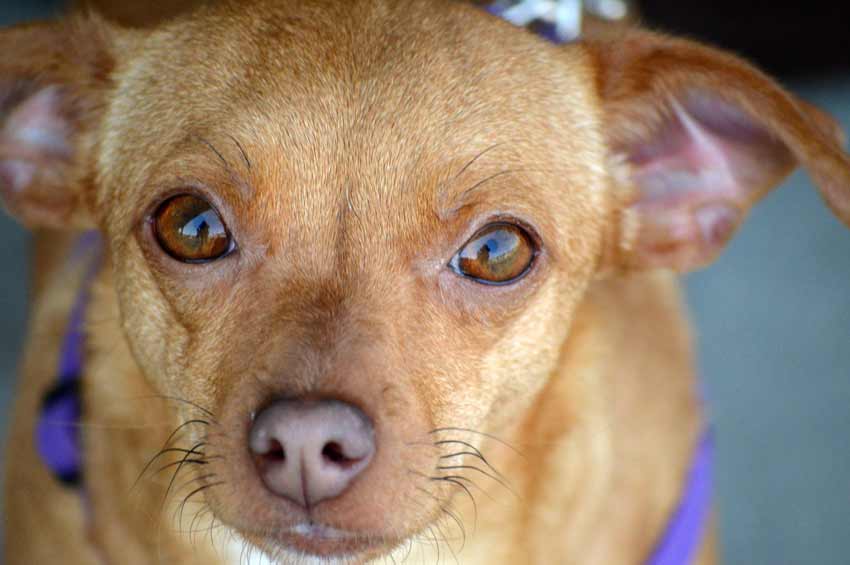
Most adult Chiweenies weigh between 5 and 12 pounds and stand 6 to 10 inches tall at the shoulder, though dogs that favor a standard-size Dachshund parent more heavily can reach 15 to 20 pounds. Body shape usually reflects the Dachshund side more than the Chihuahua side: an elongated torso, short legs, and a deep chest, though the head often keeps the Chihuahua’s more rounded, apple-like shape with large, expressive eyes.

Ears vary – some Chiweenies have the Chihuahua’s upright, alert ears, while others inherit the Dachshund’s longer, floppier ears. Coats can be short and smooth like a smooth-coat Dachshund or Chihuahua, and colors span black, brown, tan, red, cream, and white, often in combination. Lifespan tends to run 12 to 16 years, which is on the longer end for a dog of any size.

Temperament and Personality

Chiweenies are known for having outsized confidence relative to their small frame – a trait inherited from both parent breeds, which are each notably bold for their size. They tend to be deeply attached to one or two favorite people, affectionate at home, and alert to anything unusual, which often makes them enthusiastic (and vocal) watchdogs.

That same boldness has a flip side. Both Chihuahuas and Dachshunds can be wary of strangers and other dogs if not well socialized, and some individual Chiweenies show a stubborn or even mildly territorial streak, particularly around resources like food, toys, or a favorite person’s lap. Early, consistent socialization – exposure to a variety of people, dogs, and situations as a puppy – goes a long way toward preventing this from turning into reactivity or excessive barking later on.

Because of their small size and sometimes feisty temperament, Chiweenies are usually better suited to households with older, gentler children who understand how to handle a small dog carefully, rather than homes with toddlers or very young kids who might unintentionally injure or startle them.

Exercise and Training Needs

Chiweenies are energetic for their size and benefit from one or two short walks a day plus indoor play, totaling roughly 30 to 45 minutes of activity. Their exercise needs are modest compared to larger breeds, which makes them a realistic fit for apartment living, but they still need daily mental and physical stimulation to avoid boredom-driven barking or destructive chewing.

Training-wise, Chiweenies are intelligent and can learn quickly with positive, reward-based methods, but the Dachshund side can contribute a stubborn streak that calls for patience and consistency. Short, upbeat training sessions tend to work better than long ones. Housetraining in particular can take longer than owners expect with this cross – small-breed dogs generally have smaller bladders and a reputation for being trickier to housetrain, so a consistent schedule and crate training often help.

Health Concerns to Watch For

A crossbred dog can inherit risk factors from either parent breed, and the Chiweenie’s combination is worth understanding in detail.

From the Dachshund side, the single biggest concern is intervertebral disc disease (IVDD). Dachshunds are chondrodystrophic – their long spine and short legs come from a genetic trait that also causes the discs between their vertebrae to degenerate earlier and more often than in other breeds, with studies estimating that roughly one in four Dachshunds is affected at some point. A Chiweenie that inherits a long back is at elevated risk too. Symptoms range from reluctance to jump or climb stairs and a hunched or arched back to sudden pain, wobbliness, or in severe cases partial paralysis, which requires emergency veterinary care. IVDD can’t be fully prevented, but keeping a Chiweenie lean, limiting jumping on and off furniture, using ramps or steps for beds and couches, and supporting the back during handling all measurably lower the risk.

From the Chihuahua side, patellar luxation – a kneecap that slips out of its normal groove – is a common inherited orthopedic issue in small breeds, usually appearing by four months of age and causing an intermittent skipping or hopping gait; mild cases may just need weight management, while more severe cases can require surgery. Toy-breed puppies, including Chiweenie puppies, are also prone to hypoglycemia (low blood sugar), which can cause weakness, trembling, and in severe cases seizures; feeding small, frequent meals rather than one or two large ones helps prevent it, and this risk usually diminishes as the dog matures.

Both parent breeds can also pass on dental crowding – small jaws packed with a full set of teeth make plaque buildup and early tooth loss common, so regular brushing and professional cleanings matter more than they might for a larger dog. Obesity is worth flagging separately: because Chiweenies are small and food-motivated, even modest overfeeding translates into a meaningful percentage of body weight, and extra weight directly raises the risk of both IVDD flare-ups and joint problems.

Grooming Needs

Most Chiweenies have short, low-maintenance coats that need brushing just once or twice a week to control shedding and keep the coat glossy. Bathing every few weeks (or as needed) is usually sufficient – overbathing can dry out the skin. Because they’re a small breed prone to dental crowding, teeth brushing several times a week is one of the more important grooming habits, alongside routine nail trims and ear checks, especially for Chiweenies with the Dachshund’s longer, more enclosed ear shape.

Is a Chiweenie Right for Your Household?

This mix tends to suit owners who want a small, low-shedding, low-exercise dog with a genuine personality and are prepared to manage a real risk of back problems. Apartment living works well given the modest exercise needs, and the breed’s size makes it a manageable choice for first-time small-dog owners, provided they’re consistent with training and socialization from puppyhood.

Households with very young children should think carefully, since Chiweenies are physically fragile and can react defensively to rough handling. Households with other pets generally do fine with proper introductions, though the breed’s confident, sometimes territorial streak means supervised introductions matter more than they might with a naturally easygoing breed.

Cost and Where to Find One

Because the Chiweenie isn’t a standardized breed, pricing varies by breeder and litter, but intentional Chiweenie breeders typically charge somewhere in the $300-$800 range, with prices trending higher for smaller “teacup” sizing or unusual coat colors – sizing claims are worth scrutinizing, since extremely small toy or teacup breeding can increase certain health risks rather than being a simple bonus feature.

Adoption is a strong option for this cross: small mixed-breed dogs, including Chiweenies, show up regularly in shelters and breed-specific Chihuahua or Dachshund rescues, typically for a few hundred dollars in adoption fees that usually include spay/neuter, vaccinations, and a basic vet check. Adopting an adult also lets you see the dog’s actual adult size and temperament rather than guessing from a puppy.

Frequently Asked Questions

Is a Chiweenie part Pug?
No. A Chiweenie is a cross between a Chihuahua and a Dachshund. The name comes from “Chihuahua” plus “Weenie,” a nickname for the Dachshund – Pug isn’t part of the mix at all.

Do Chiweenies have back problems?
They can. Dachshunds are highly prone to intervertebral disc disease (IVDD) because of their long spine, and a Chiweenie that inherits that body shape carries some of that same risk. Keeping your dog lean and limiting jumping helps reduce it.

How big do Chiweenies get?
Most adults weigh 5-12 pounds and stand 6-10 inches tall, though dogs with more Dachshund influence can reach 15-20 pounds.

Are Chiweenies good with kids?
They tend to do better with older, gentler children who know how to handle a small dog carefully, rather than toddlers, since Chiweenies are physically fragile and can react defensively to rough play.

How long do Chiweenies live?
Typically 12 to 16 years, which is relatively long even among small dog breeds.

If a long, low body shape and its health tradeoffs interest you, it’s worth comparing notes with another small mix that shares some of the same considerations in our guide to the Chihuahua Pug mix. And since back-arching and spinal discomfort come up often with long-backed breeds, our guide on why a dog’s back arches explains what’s normal and when it signals a problem like IVDD. If you’re still weighing which small breed fits your household best, our broader guide to choosing the right dog can help narrow it down.

Are Paddling Pools Good for Dogs?

Are Paddling Pools Good for Dogs?

Quick Answer: Yes, paddling pools can be great for dogs, offering a safe way to cool down in hot weather and burn energy, as long as the pool is appropriately sized, supervised, and introduced gradually for dogs unfamiliar with water.

Key Takeaways

  • Helps regulate body temperature during hot weather.
  • Low-impact activity that’s easy on joints compared to running.
  • Supervise to stop dogs drinking large amounts of pool water.
  • Introduce gradually for water-shy dogs rather than forcing them in.
  • Empty and clean the pool regularly to prevent bacteria buildup.

Why Trust This Guide?

This guide is researched and written by the Pets Store Home editorial team, drawing on general veterinary and animal-care information. It’s intended as general information; consult your vet for advice specific to your pet.

Are paddling pools good for dogs?

As pet owners, we always want the best for our furry friends. Every aspect of their life should be carefully considered, from diet to exercise routine. With summer temperatures on the rise, we may wonder how to keep our dogs cool and comfortable. One question that often arises is whether paddling pools are good for dogs. 

While many dogs enjoy swimming and playing in the water, it can be challenging to determine whether paddling pools are a safe and healthy option for our pets. This blog post will explore the pros and cons of paddling pools for dogs, including their benefits and potential risks. 

We will investigate the different types of paddling pools available and discuss how to choose the right one for your furry friend. Additionally, we will guide how to introduce your dog to a paddling pool, give tips on keeping them safe while using it, and provide signs that indicate that your dog is not comfortable or happy in the pool.


What are paddling pools?

Paddling pools are a great way to keep your dog cool in the summer. They are also a great way to keep them amused and entertained. It would help to consider a few things when choosing a paddling pool for your dog.

 The size of the pool is important. You need to ensure it is big enough for your dog to paddle around and can get in and out easily. If the pool is too small, they may feel claustrophobic or uncomfortable. The material the pool is made from is also important. Some dogs will chew through plastic, so you may want to look for a pool made from another material, such as metal or PVC. 

You must also ensure the pool’s sides are not too steep, as your dog could hurt themselves trying to get out. You will also need to consider where you will put the paddling pool. It needs to be in a shady spot so that your dog doesn’t overheat, and it needs to be away from any sharp objects that could puncture it.

How can paddling pools benefit dogs?

Paddling pools can benefit dogs in many ways. They can help to cool them down on a hot day, provide them with exercise, and even help to relieve boredom or anxiety.

 One of the main benefits of paddling pools for dogs is that they can help to cool them down on a hot day. Dogs can overheat very easily, so having a pool of water they can paddle around in can be a great way to keep them comfortable and prevent heatstroke.

 Paddling pools can also provide dogs with some much-needed exercise. Many dogs love to splash around in the water, and a paddling pool gives them the perfect opportunity. Exercise is important for all dogs, but it can be especially beneficial for those who are elderly or overweight.


Are Paddling Pools Good for Dogs

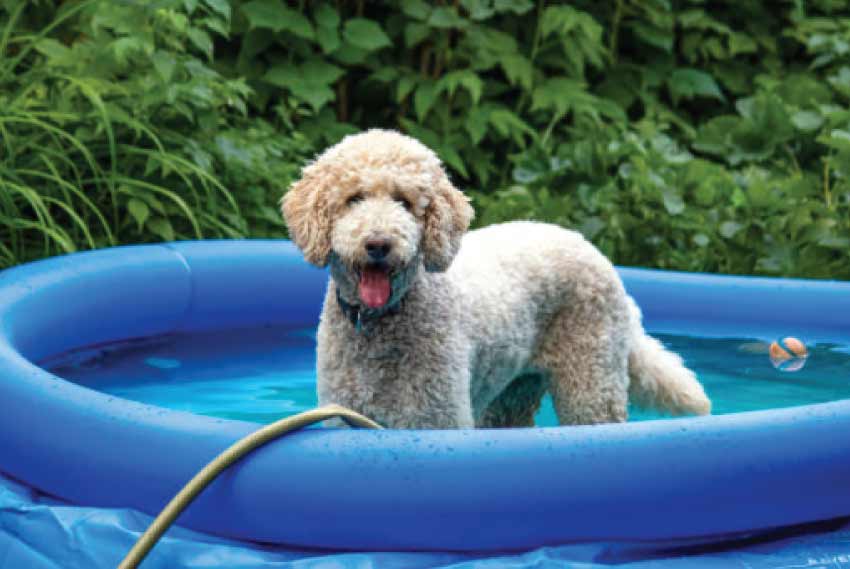
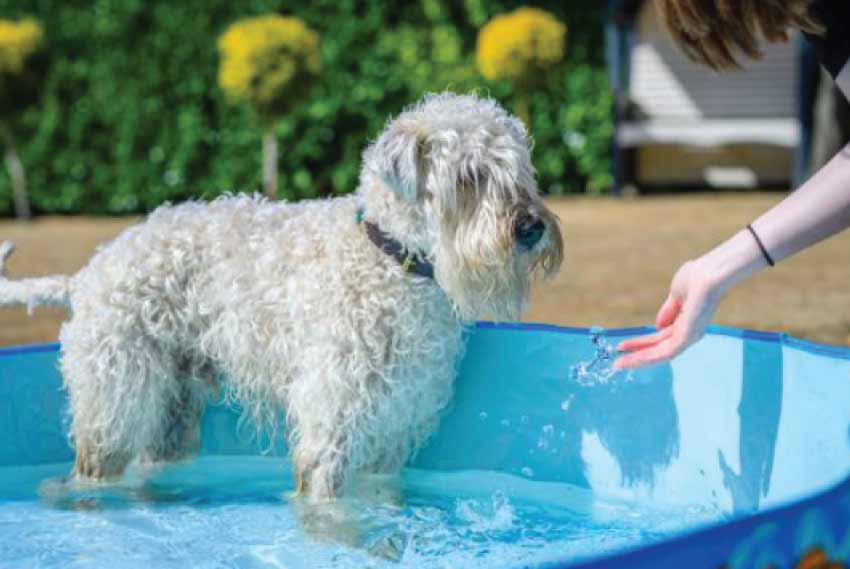
Paddling pools can provide a fun and safe way for dogs to cool down in hot weather.

In recent years, paddling pools have become popular for pet owners looking to provide their furry friends with fun and relief from the heat. Dogs, in particular, can benefit from a dip in a paddling pool on a hot day, as it can help them cool down and prevent dehydration. 

Paddling pools offer a safe and controlled environment for dogs to swim and play without the risks associated with natural water bodies, such as currents or steep drop-offs. Additionally, paddling pools are easy to set up and maintain, making them a convenient option for pet owners who want to keep their dogs entertained and comfortable during warmer months. 

However, it’s important to supervise dogs in the pool and to choose a size appropriate for their breed and weight. Paddling pools can be a great addition to your dog’s summer routine, providing a fun and safe way to beat the heat.


Dogs that enjoy swimming may find paddling pools a fun alternative.

Many of us turn to water-based activities to keep our dogs active and happy during the hot summer months.

While swimming in natural bodies of water or designated dog pools can be a great way to beat the heat and exercise your furry friend, there is another option that some dogs may enjoy even more: paddling pools. 

Dogs that enjoy swimming may find paddling pools a fun alternative, providing a safe and controlled environment for splashing around. 

However, it is important to ensure that the paddling pool is appropriately sized for your dog and that they are supervised at all times to prevent accidents or injuries. 

Additionally, not all dogs may enjoy or be comfortable with the sensation of being in a small plastic pool, so it is best to introduce it gradually and observe your dog’s reaction. 

Paddling pools can be a fun and safe option for dogs that enjoy water play. Still, as with any activity, it is important to prioritize safety and your dog’s individual needs and preferences.

Paddling pools can help dogs with joint pain or arthritis to exercise without putting too much pressure on their joints.

Paddling pools can be useful for dogs suffering from joint pain or arthritis to exercise without putting too much pressure on their joints. As dog’s age, or if they suffer from certain conditions, exercising can become increasingly difficult and painful. 

Paddling pools allow dogs to move and play in a low-impact environment, which can help to improve their mobility, flexibility, and overall physical condition. Dogs can exercise without discomfort or further injury by reducing the pressure on their joints. 

It is important to note, however, that paddling pools should be used in moderation and under adult supervision, as excessive use could lead to skin irritation or other health issues if not used correctly.

However, paddling pools may not be suitable for all dogs, particularly those afraid of water or with medical conditions that make swimming dangerous.

Paddling pools are a fun way to keep your dog cool and engaged during the hot summer. However, it is important to note that paddling pools may not be suitable for all dogs. While some dogs enjoy water and swimming, others may fear water or be unable to swim due to medical conditions. 

For example, dogs with respiratory or cardiac issues may not be able to tolerate swimming or submerging in water. It’s important to err on the side of caution and ensure your dog has a positive experience if you introduce them to a paddling pool. 

It’s recommended to supervise your dog closely while they are in the pool, and if your dog seems hesitant or nervous, it’s best to find alternative forms of play to avoid causing undue stress or anxiety.


Supervising dogs when using a paddling pool is important to ensure their safety.

If you are considering using a paddling pool as a way for your dog to cool off during hot weather, it is important to be aware of the potential risks involved. While paddling pools can be a great way for dogs to cool down and have fun, it is important to supervise them while using them. 

This is especially important if your dog is not a strong swimmer or is not used to being in the water. Even if your dog is a strong swimmer, keeping a close eye on them is still important to ensure they are safe and not at risk of drowning or suffering from heat stroke. 

By supervising your dog while using a paddling pool, you can help minimize the risks and ensure they have a safe and enjoyable experience.


Make sure the paddling pool is the appropriate size for your dog and is filled with clean water.

When considering purchasing a paddling pool for your furry friend, it is essential to ensure that the collection is the appropriate size for your dog and is filled with clean water. A paddling pool that is too small can be uncomfortable for your pet and may even pose a safety risk. 

Dogs can quickly become overheated in hot weather, so having a pool they can comfortably cool off in is crucial. Additionally, filling the pool with clean water is necessary to prevent any potential health problems for your dog. 

Algae, bacteria, and other contaminants can easily take hold of standing water, so it is essential to refresh the water regularly and keep the pool clean. Following these guidelines ensures that your dog can enjoy a refreshing dip in a safe and hygienic environment.


Dogs should be trained to use the paddling pool safely and responsibly.

Regarding paddling pools and dogs, it’s essential to prioritize safety and responsibility. One key aspect is training your furry friend to use the pool properly. Dogs should be taught to enter and exit the pool safely and always supervised. 

Additionally, it’s essential to ensure that the collection is appropriate for your dog’s breed and size and is manageable for them to stand in comfortably. Regular pool maintenance – cleaning and checking for leaks – is essential to prevent potential hazards. 

Following these guidelines, paddling pools can provide a fun and refreshing way for dogs to stay cool during the hot summer.


Paddling pools should be cleaned and emptied regularly to prevent the growth of harmful bacteria.

As pet owners, we want to make sure that our furry friends are safe and healthy, especially during the hot summer months. One way to relieve them is by giving them access to a paddling pool. However, it is essential to note that paddling pools should be cleaned and emptied regularly to prevent the growth of harmful bacteria. 

Harmful bacteria can lead to infections and illness for dogs and humans, making it crucial to maintain good hygiene practices regarding paddling pools. Paddling pools used for dogs are recommended to be emptied, cleaned with soap and water, and disinfected at least once a week. By doing so, we can ensure that our pets enjoy their paddling pools while staying safe and healthy.


Some dogs may try to chew or puncture the paddling pool, so it’s essential to

If you are considering purchasing a paddling pool for your furry friend to enjoy during the hot summer months, it’s essential to remember that some dogs may try to chew or puncture the pool. This is particularly true for dogs who are strong chewers or tend to chew on items around them. It’s important to note that puncturing the collection can render it unusable and pose a safety risk to your dog. 

Therefore, it’s recommended to supervise your dog while using the pool and remove any toys or items they may try to chew on. Additionally, when purchasing a paddling collection, consider opting for a durable, sturdy material that can withstand your dog’s playful behavior.


How to choose the right paddling pool for your dog

There are a few considerations to make in order to select the best paddling pool for your dog if you’re thinking about acquiring one. The size of your dog should be taken into account first. Get a paddling pool that is sizable enough for them to appreciate but not too sizable that they become intimidated. 

You should also consider where you’ll place the wading pool. A smaller pool might be better suitable for a tiny yard. A bigger pool, though, might allow your dog more room to play if you have the space.

The paddling pool’s construction material is another crucial factor. Some pools are composed of hard plastic, which in the summer sun may be too hot for your dog. 

There are also softer fabric options available that your dog may find more comfortable and won’t become as hot. Whichever material you decide on, make sure it is strong and won’t rip or puncture easily.

Next, consider other purposes for which you might use the wading pool. Be sure it’s simple to clean and has sufficient drainage if you intend to utilize it as an alternative to a bathtub. If all you want is for your dog to cool off on hot days, opt for a type with an umbrella attachment or built-in shade. 

You should have no trouble finding the ideal paddling pool for your dog if you keep these suggestions in mind!


What are the disadvantages of paddling pools for dogs?

Paddling pools can be a great fun addition for your dog during the summer months, but there are some disadvantages that you should be aware of before purchasing one.

One of the main disadvantages of paddling pools for dogs is that they can be a breeding ground for bacteria and other harmful microorganisms. 

This is especially true if the pool is not cleaned regularly. Another disadvantage is that dogs can quickly drink too much water when playing in a paddling pool, leading to dehydration. Finally, paddling pools can be dangerous for dogs if they are not supervised while using them, as they can easily drown.


How to set up a paddling pool for your dog

Assuming you have a garden and enough space to set up a paddling pool for your dog, here are the steps to take: 

 Choose a spot in your garden that is level and flat so the pool won’t tip over easily. If you don’t have a level spot, you can create one by levelling off the ground with soil or sand.

 Place the pool in the chosen spot and fill it with water. Make sure the water is not too deep – most dogs will only want to paddle, not swim.

 Let your dog explore the pool and get used to it before adding any toys or treats. Once your dog is comfortable with the pool, add toys or floating treats to encourage them to paddle around.

Conclusion

In conclusion, paddling pools can be a great way to keep your dog cool in summer and provide a safe place to splash around. It’s important to remember that all dogs are different, so it might take some trial and error before you find the right size pool for your pup. 

With the suitable precautions taken, however, these small pools can be an easy—and affordable—way for pet owners to give their canine companions hours of splashing fun!


Professional Dog Grooming Equipment for Sale

Professional Dog Grooming Equipment for Sale

Quick answer: A solid professional dog grooming setup starts with a quality clipper and blade set, a slicker brush and metal comb, sharp grooming shears, a high-velocity dryer, a stable grooming table, and basic nail and ear care tools. Investing in reliable clippers and a good dryer first pays off the most, since these two tools see the heaviest daily use and have the biggest impact on both grooming quality and your dog’s comfort.

Key Takeaways

  • Clipper blade numbers work in reverse – the higher the number, the shorter the cut; a #4 or #3 blade is a common professional starting point that leaves room for scissor finishing.
  • A high-velocity dryer is often considered as essential as the clippers themselves, since proper drying affects both coat quality and how easily a coat can be clipped afterward.
  • Keeping clipper blades cool, oiled, and sharp is the single biggest factor in preventing painful clipper burn.
  • A grooming table with a secure restraint arm improves both safety and precision, especially for dogs that fidget or resist handling.
  • Budget varies enormously by tool category – clippers and dryers are worth investing in upfront, while some accessories can reasonably start budget-friendly.

Why Trust This Guide?

This guide draws on general professional grooming equipment standards and safety practices covering clippers, blades, drying equipment, and grooming technique, intended to help both aspiring professional groomers and dedicated at-home groomers choose the right tools.

The Core Equipment List

Professional-grade dog grooming doesn’t require every tool on the market, but a handful of categories cover the vast majority of what a groomer actually uses day to day: clippers and blades, brushes and combs, shears, a dryer, a grooming table, and basic nail and ear care tools. Building out these categories first, with quality where it matters most, sets a stronger foundation than buying a wide assortment of lower-quality gear across the board.

Clippers and Blades

Clippers are the single most-used tool in any grooming setup, and blade choice matters just as much as the clipper itself. Blade sizing works in reverse of what many new groomers expect: the higher the number, the shorter the cut. A #10 blade trims close to the skin, leaving roughly 1/16 inch of coat, while a #7 blade leaves about 1/8 inch, a #4 blade leaves about 3/8 inch, and a #3 blade leaves closer to 1/2 inch. Many professional groomers favor a #4 or #3 blade for general body work, since it leaves enough length to scissor-finish the coat for a polished result, rather than leaving the clipper cut as the final look.

Both corded and cordless clippers have a place in a professional kit. Corded clippers typically offer more consistent, uninterrupted power for longer sessions, while cordless models offer more freedom of movement for detail work around the face, paws, and sanitary areas where cord management becomes awkward. Many groomers end up owning both types rather than choosing one exclusively.

Keeping blades cool, clean, and well-oiled isn’t optional maintenance – it’s a genuine safety issue. A hot or dull blade is one of the leading causes of clipper burn, a painful skin irritation that can occur when a blade overheats from friction or repeated passes over the same area. Applying clipper oil regularly, checking blade temperature against your own skin periodically during a grooming session, and taking short breaks during longer sessions all help keep blades running cool. Dull blades also tug at hair rather than cutting cleanly, which causes discomfort independent of heat, so regular sharpening and timely blade replacement matter just as much as temperature control.

Brushes and Combs

A slicker brush is one of the most versatile tools in a grooming kit, useful for removing loose undercoat, working out minor tangles, and smoothing the coat before and after clipping. Most professional setups include at least two sizes – a smaller slicker for faces, ears, and other tight or sensitive areas, and a larger one for bodies and larger dogs. A slicker with a cushioned pad reduces the chance of irritating the skin during more thorough brushing sessions.

A sturdy metal comb rounds out the basic brushing kit, useful for checking whether mats have been fully worked out (a slicker brush can sometimes skim over the surface of a mat without fully separating it) and for detail combing around the face and legs. For dogs with thick or heavily matted coats, a dedicated dematting tool or rake can help work through tangles more efficiently than a slicker alone, though heavily matted coats sometimes require clipping rather than brushing out entirely, both for the dog’s comfort and to avoid excessive pulling on the skin.

Shears and Scissors

Straight shears handle the bulk of scissor finishing work – blending clipper lines, trimming stray hairs, and shaping the overall silhouette of a cut. A sharp pair makes a noticeable difference in how clean a finished trim looks, and dull shears, like dull clipper blades, tend to pull hair rather than cut it cleanly, which is uncomfortable for the dog and produces a less polished result.

Curved shears are useful for rounding features like paws and the top of the head, where a straight blade would create harder, more angular lines. Thinning shears, which have notched teeth that remove bulk without shortening the overall coat length dramatically, are useful for blending and softening transitions between different clip lengths. For sensitive areas that require extra care and a different technique altogether, our guide to trimming hair around a dog’s private areas covers that specific task safely.

If a nail trim ever goes wrong despite careful technique, knowing what to do next matters just as much as prevention. Our guide on walking your dog after cutting the quick covers aftercare and when it’s safe to resume normal activity. A groomer working regularly doesn’t necessarily need every shear type from day one, but straight shears paired with a curved pair cover a large share of common finishing needs.

Drying Equipment

A high-velocity dryer is often considered every bit as essential as clippers, even though it gets less attention in casual conversations about grooming gear. Proper drying does more than just remove moisture – it blows out loose undercoat, helps straighten and smooth the coat, and makes the coat considerably easier to clip evenly afterward, since a damp or partially dried coat clips unevenly and can dull blades faster.

For dogs with thick double coats, a high-velocity dryer in particular can remove a significant amount of loose undercoat during the drying process itself, reducing shedding and the amount of brushing needed afterward. Noise sensitivity varies by dog, so introducing a new dryer gradually, and choosing a model with adjustable speed settings, can make the experience considerably less stressful for anxious or noise-sensitive dogs.

Grooming Table and Restraint

A stable grooming table at a comfortable working height reduces strain on the groomer’s back and makes precise work considerably easier than grooming on the floor or a countertop. A grooming arm with a secure but adjustable loop or restraint helps keep a dog safely positioned during clipping and scissoring, particularly important for dogs that fidget, since sudden movement near active clipper blades or scissors is a real safety concern for both the dog and the groomer.

A non-slip table surface reduces the chance of a dog losing footing and startling, which can compound the sudden-movement safety issue mentioned above. For groomers working with a range of dog sizes, an adjustable-height table adds versatility, though this is more of a comfort and efficiency upgrade than a strict necessity for a starter setup.

Nail and Ear Care Tools

Nail trimmers or grinders round out a well-equipped kit, and the choice between the two often comes down to dog temperament and groomer preference. Guillotine or scissor-style clippers work quickly but carry more risk of cutting into the quick if judged incorrectly, while grinders remove small amounts of nail gradually and tend to produce a smoother edge, though the noise and vibration can be more startling for some dogs initially. Our step-by-step guide to trimming nails without cutting the quick covers technique in more detail.

Basic ear care tools, including ear-cleaning solution and cotton or gauze for cleaning (never cotton swabs deep in the ear canal, which risks injury), help maintain ear health as part of a full grooming session, particularly for breeds prone to ear issues like those with floppy or heavily haired ears that trap moisture and debris. A thorough grooming session is also a good opportunity to check for parasites – our guide to spotting fleas or ticks covers what to look for.

Shampoo and Coat Care Products

A mild, dog-specific shampoo is worth prioritizing over human shampoo or harsh formulas, since a dog’s skin has a different pH than human skin, and products formulated for people can cause dryness or irritation over repeated use. Coconut-based and other gentle formulas are popular for sensitive-skinned dogs specifically because they tend to clean effectively without stripping natural oils excessively.

A good conditioner or coat detangling spray, applied after shampooing, can make brushing and combing considerably easier, particularly for longer-coated breeds prone to matting. For dogs with skin sensitivities or allergies, choosing fragrance-free or hypoallergenic formulas, and patch-testing a new product before a full application, reduces the risk of a reaction during what should be a routine grooming session.

Setting Up a Grooming Space

Beyond the tools themselves, the physical space where grooming happens affects both efficiency and safety. Good lighting matters more than many new groomers expect, since it’s much easier to spot missed spots, uneven clipper lines, or early signs of skin irritation under bright, even light than in a dim room. A non-slip floor surface near the grooming table reduces the chance of a dog slipping if it steps down unexpectedly, and having grooming tools organized and within easy reach reduces the need to leave a restrained dog unattended mid-session to search for something.

Ventilation is worth considering too, particularly in spaces where a dryer runs frequently, since airborne loose hair and dander can build up in a poorly ventilated room over the course of a busy grooming day. A dedicated grooming space, even a modest one, tends to produce more consistent results than grooming in a cramped or improvised spot, simply because it’s easier to maintain good habits – proper lighting, an organized tool layout, a stable table – when the space is set up for the task from the start.

Building a Kit on a Budget

Not every tool needs to be top-of-the-line from day one, and prioritizing spend strategically makes a real difference for anyone building a kit gradually. Clippers, blades, and a dryer are generally worth the investment upfront, since these tools see the heaviest use and have the most direct impact on both the quality of the groom and the dog’s comfort during the process. Brushes, combs, and basic nail tools can often start more budget-friendly and be upgraded later as specific needs or preferences become clearer through actual use.

Buying a second, smaller slicker brush or a second blade size is often a better early investment than an expensive specialty tool used only occasionally, since these fill gaps in day-to-day versatility rather than addressing a narrow use case. Watching for sales on core items like clippers, which represent the largest single expense in most kits, can meaningfully reduce the upfront cost of building out a full professional-quality setup.

Grooming Safety Basics

Beyond blade temperature and sharpness, a few general safety habits reduce risk across an entire grooming session. Clipping in the direction of hair growth, rather than against it, reduces both skin irritation and heat buildup from the blade working harder against resistant hair. Avoiding repeated passes over the exact same area limits friction-related heat buildup, one of the more common contributors to clipper burn.

Working in a cool, well-ventilated space rather than a hot room helps prevent compounding heat-related skin irritation, and watching for signs of discomfort or agitation throughout the session – pulling away, whining, or sudden stiffness – gives an early opportunity to pause before a minor irritation becomes a larger problem. For dogs with particularly sensitive skin, thick double coats, or a history of anxiety around grooming, working with an experienced professional groomer, at least initially, can help establish what a comfortable, low-stress session looks like before attempting more involved grooming at home.

Equipment Care and Maintenance

Equipment longevity comes down almost entirely to consistent maintenance rather than buying the most expensive option available. Cleaning and oiling clipper blades after every use, rather than occasionally, meaningfully extends blade life and keeps blades running cooler and more comfortably against the skin. Dirty or oily blades – often the result of clipping a coat that wasn’t properly bathed and dried first – accelerate dulling and put extra strain on the clipper motor itself, so proper coat prep before clipping isn’t just about the finished look, it also protects the equipment.

Shears benefit from similar care: wiping them down after each use, storing them in a dry protective case rather than loose in a drawer, and having them professionally sharpened periodically rather than waiting until they’re visibly dull all extend their usable life considerably. Dryers should be checked periodically for lint or hair buildup in the intake, which can strain the motor and reduce airflow efficiency over time, particularly with heavy daily use.

Grooming tables and restraint arms should be inspected regularly for wear, since a frayed restraint loop or a wobbly table represents a genuine safety issue rather than just a cosmetic one. Replacing worn safety equipment promptly, rather than continuing to use it until it fails, is one of the simpler but easy-to-overlook parts of running a safe grooming setup, whether professional or at home.

The Bottom Line

A well-equipped professional dog grooming kit centers on a handful of core categories – clippers and blades, brushes and combs, shears, a dryer, a stable table, and basic nail and ear tools – with quality mattering most in the tools used every single session. Prioritizing clippers, blades, and a dryer first, while building out the rest of the kit gradually, is a practical way to invest without overspending on tools that see only occasional use.

FAQ: Professional Dog Grooming Equipment

What clipper blade size should I start with? A #4 or #3 blade is a common professional starting point for general body work, since it leaves enough length to scissor-finish for a polished look.

What’s the most important piece of equipment to invest in first? Quality clippers and a good dryer typically deliver the most value, since they see the heaviest daily use and directly affect both grooming quality and the dog’s comfort.

How do I prevent clipper burn? Keep blades cool, clean, and well-oiled, avoid repeated passes over the same spot, clip in the direction of hair growth, and take breaks during longer sessions.

Do I need both a slicker brush and a metal comb? Yes – a slicker brush handles general brushing and loose undercoat, while a metal comb helps confirm mats are fully worked out and handles detail areas.

Should I choose nail clippers or a grinder? It depends on your dog’s temperament – clippers are faster but carry more risk of cutting the quick, while grinders remove nail gradually with a smoother result but can be noisier and more startling initially.

Why is a high-velocity dryer considered so important? It removes loose undercoat, helps straighten the coat, and makes clipping considerably more even and effective compared to a damp or partially dried coat.

Is human shampoo safe to use on dogs? No – a dog’s skin has a different pH than human skin, so dog-specific, mild shampoo formulas are safer for regular use.

Do I need a professional grooming table for at-home grooming? It’s not strictly required, but a stable table with a restraint arm significantly improves safety and precision, especially for dogs that fidget during grooming.

How often should I sharpen or replace clipper blades? As soon as a blade starts tugging hair instead of cutting cleanly, or feels unusually hot during use, it’s time to sharpen or replace it rather than continuing to use it.

Can I build a full kit gradually instead of buying everything at once? Yes – prioritizing clippers, blades, and a dryer first, then adding brushes, combs, and specialty tools over time, is a practical way to build a complete kit without a large upfront cost.

Grooming Needs Vary a Lot by Breed

How much grooming equipment you actually need often comes down to the breed you own – a heavy-shedding double-coated breed demands a very different setup than a low-shedding, short-haired one. If you’re still deciding which breed might suit you, this zodiac sign dog breed guide is a fun way to start narrowing down options based on personality and lifestyle fit.

Trimming Confidently Without Hitting the Quick

The right clippers and a bit of technique go a long way toward avoiding painful accidents. If a trim does go wrong, this guide on walking your dog after cutting the quick walks through first aid, healing time, and when a vet visit is warranted.

Caring for a Flat-Faced Breed?

If you’re managing skin or facial care for a wrinkly or flat-faced dog, our guide on how to clean English Bulldog wrinkles covers the right wipe ingredients, a daily cleaning routine, and when tail fold issues need more than a wipe.

Brushes for Every Shedding Level

Choosing the right brush depends on coat type — a short, single-layer coat like a French Bulldog’s needs different tools than a double-coated breed. Our guide to whether French Bulldogs shed a lot explains which grooming tools work best for short-coated, moderate-shedding breeds.