google-site-verification=ASrSFqKsKmxqlSloaozW_qZZYHGwV5yjQG-dPyX1MuY
Can Bearded Dragons Eat Spinach-Watermelon-Blueberries-Cucumbers-Celery-Lettuce?

Can Bearded Dragons Eat Spinach-Watermelon-Blueberries-Cucumbers-Celery-Lettuce?

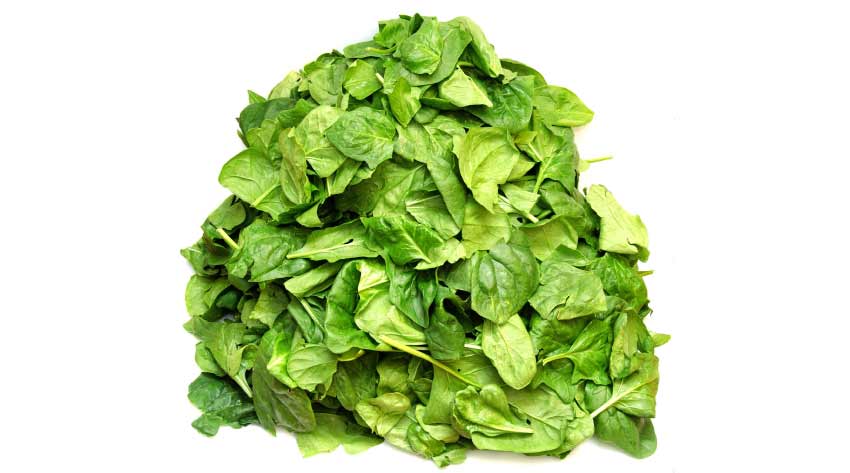
Can bearded dragons eat spinach?


Can bearded dragons eat spinach? The answer to this question is yes, as long as you are feeding it the right type of food. While spinach is typically a green vegetable, it can also be used as a staple diet for bearded dragons.

They can thrive on a diet of mainly vegetables like lettuce or kale, but they need to supplement their diets with protein-rich foods like crickets and mealworms. They need to supplement their diets with protein-rich foods like crickets and mealworms.
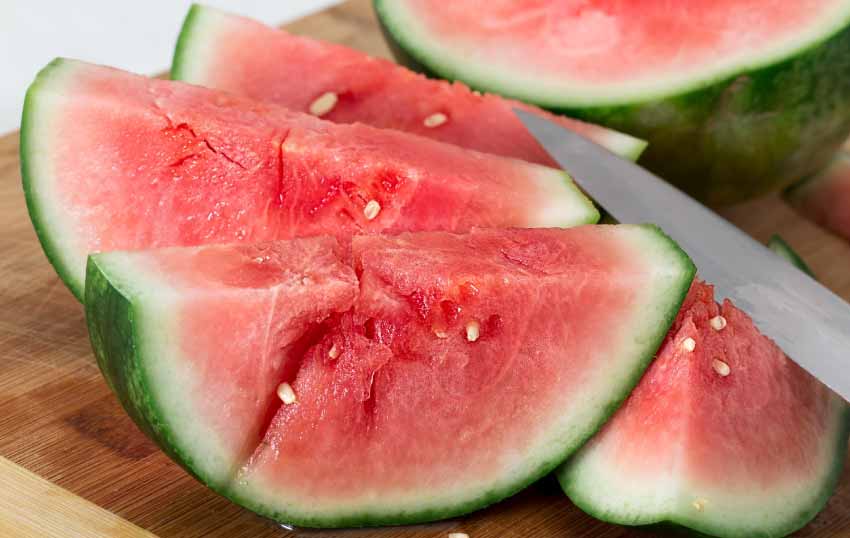
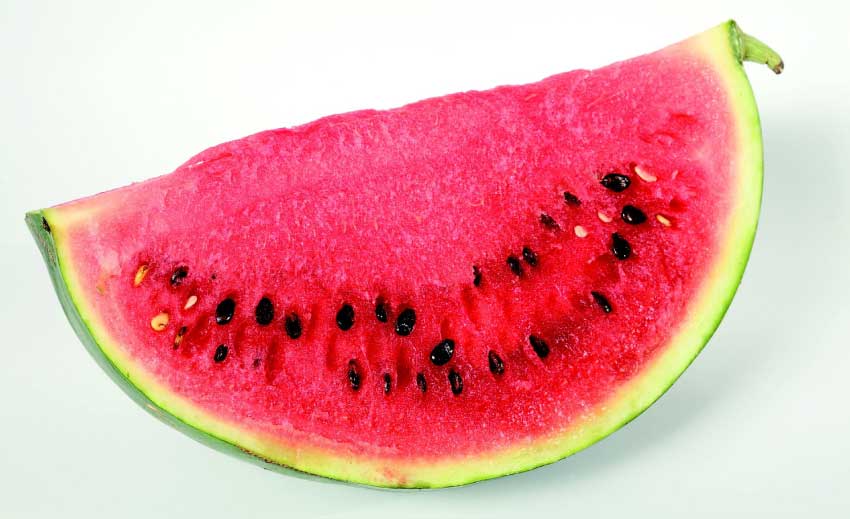
Watermelon

Can bearded dragons eat watermelon?

The answer is no, as the fruit has too much sugar and water for bearded dragons. They are able to eat a variety of fruits, vegetables, and insects like crickets and mealworms. They are also able to feed on worms and slugs in the wild.

Bearded dragons have very specific dietary requirements in order to thrive. They need a high-protein diet with plenty of calcium, vitamins A and D3, as well as vitamin C. Their diet should also include a wide variety of vegetables such as kale, collard greens, turnip greens, Swiss chard, mustard greens or dandelion leaves. Bearded dragons need to drink about 1 liter of water per day to survive and eating too much fruit can lead to dehydration.

However, it should be noted that some bearded dragons cannot digest watermelon and will die if they eat it.
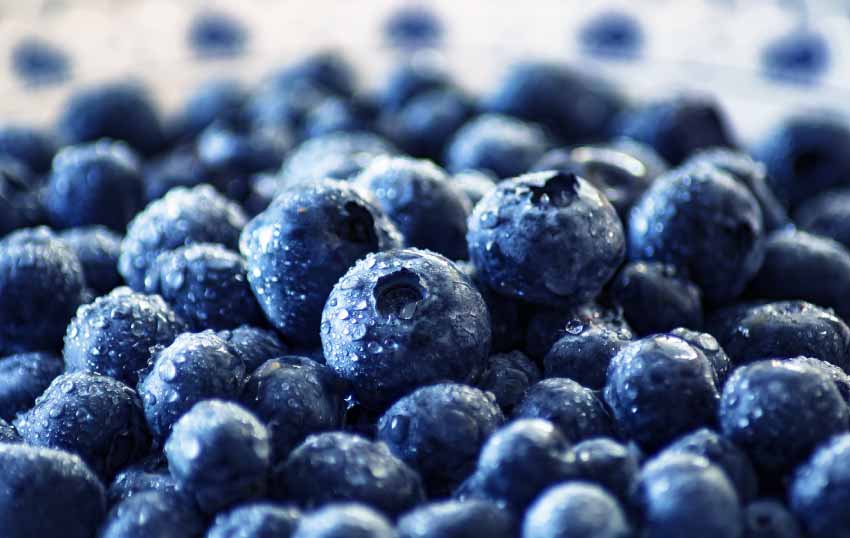
Blueberries

Can Bearded Dragons Eat Blueberries?

The main benefit of feeding your beardy a balanced diet is that it will give your pet the nutrition it needs to grow healthy and strong. Blueberries are high in calcium, but they contain phosphorus, which prevents your dragon from absorbing this essential mineral. In addition, a low-calorie, nutrient-rich food like a yogurt, cereal, or salad dressing is recommended. If you choose to feed your pet a blueberry-based diet, keep in mind that it should be given as a treat only, and not as a regular food.

While they are rich in vitamins and minerals, they are also high in sugar, which may lead to obesity in your pet. You can also help your beardy dragon by limiting his or her intake of fruit. Similarly, cutting back on sugar can help keep your pet healthy and prevent diarrhea. This will allow you to provide your Beardy with the nutrients it needs without causing any problems.
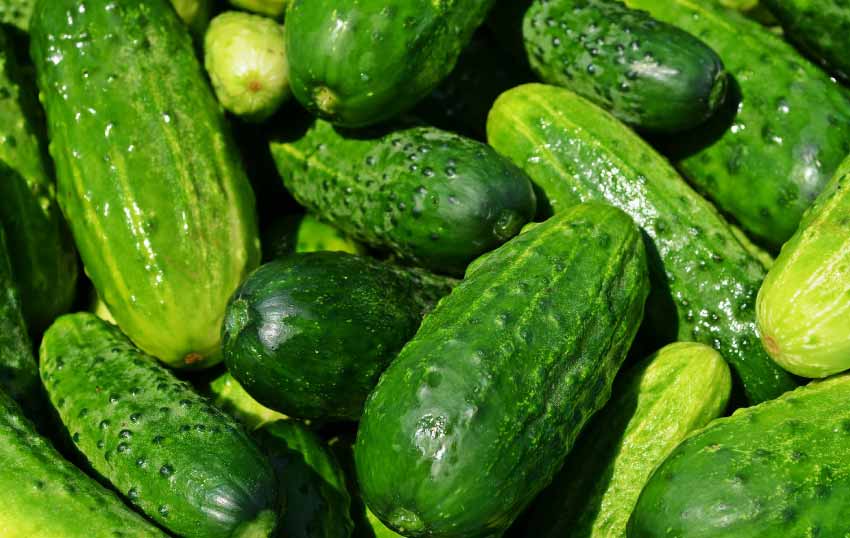
Cucumbers

Can Bearded Dragons Eat Cucumbers?

Although the answer is a resounding yes, bearded dragons should not be given cucumbers regularly. The high water content of cucumbers is detrimental to the health of the dragon. Nonetheless, a small amount of cucumber every week can provide the necessary nutrients. Since 96% of a fresh cucumber is water, it can be safely given to beardies on a regular basis. In addition, a quarter of a cucumber is composed of fiber and vitamin C.

To prevent constipation and over hydration, cucumbers should be fed only once or twice per day. A single, small slice should be served to your beardy. Keep in mind that pieces of cucumber should be no larger than the size of the beardie’s eyes. It is also important to keep the amount of cucumber to a minimum.

As Cucumbers are contain 96% water. In addition to being high in water, cucumbers are also high in fiber, which strengthens the bowel movement and prevents constipation.

While cucumbers are safe to give to bearded dragons, it is best to avoid cucumber seeds. The seeds are very difficult to digest for the bearded dragon. Instead, the bearded will swallow the cucumber flesh and only the seeds.

Bearded dragons are not toxic, but they should avoid cucumbers that contain seeds. However, bearded lizards can eat the skin of cucumbers. While it is not recommended to feed a cucumber to a bearded dragon, it can be fed to a healthy diet.
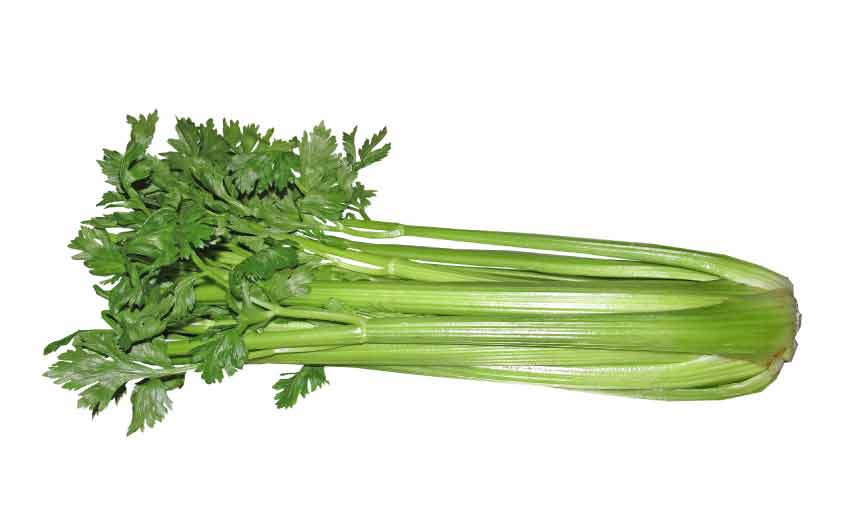
Celery

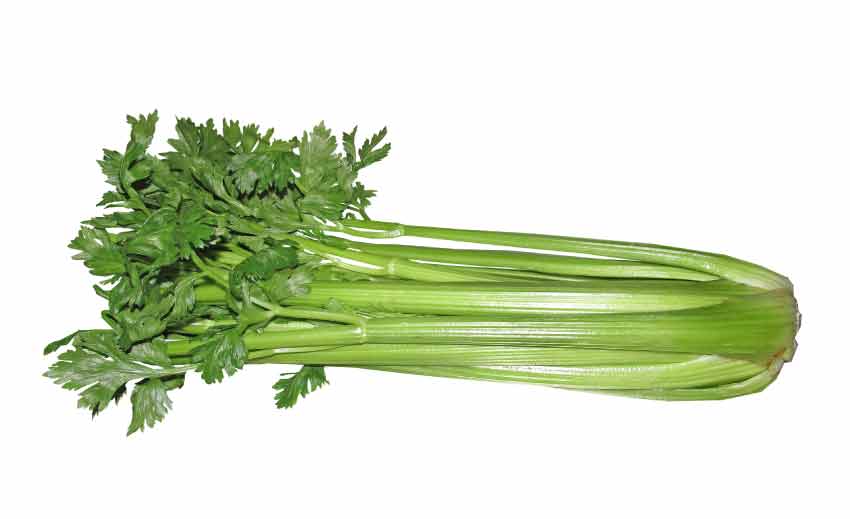
Can Bearded Dragons Eat Celery?

If you want to give your bearded dragon the most nutritious diet possible, you should add celery to their diet. While it doesn’t have much nutritional value, it does contain various vitamins and minerals, calcium and phosphorus. Additionally, celery has anti-inflammatory properties. However, it is not recommended for your beardie to eat more than a few pieces of celery a day.

Celery contains a 1.6-to-1 calcium-to-phosphorus ratio, which means it is a good choice for beardies. The calcium in celery will help them grow, while the phosphorus will prevent them from absorbing it. The resulting metabolic bone disease is painful, paralyzing, and potentially fatal. As a result, you should limit the amount of celery your beardie consumes to a few pieces per week.

Make sure to cut the stem into smaller pieces as well, as the stem can cause indigestion. You can also feed your beardie some Dubia roaches if you want to make sure he or she gets enough calcium.

Celery is not a great food for beardies, but it is still one of the best foods for them. It’s known to be healthy and provides your pet with an excellent source of calcium. After cutting the leaves, you can put the celery leaves into the feeding bowl.
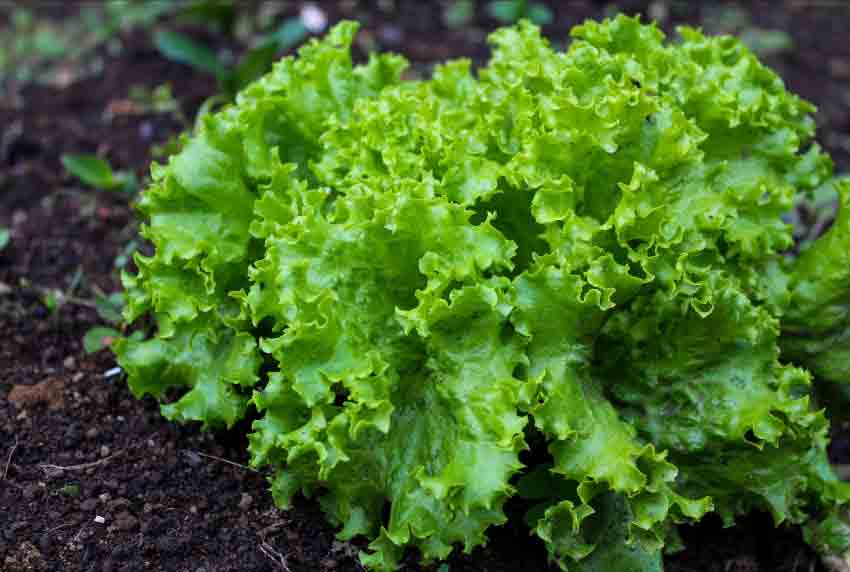
Lettuce

Can Bearded Dragons Eat Lettuce?

While you shouldn’t feed your bearded dragon lettuce on a daily basis, you can give it a healthy salad once or twice a week. If you can’t find fresh lettuce at your grocery store, buy a bag of chopped and rinsed leaves. This will allow your pet to eat more of the greens without the risk of spoilage.

To keep your dragon healthy, you can give your dragon salads made with fresh lettuce. However, you shouldn’t give it too much. A single leaf of lettuce is usually plenty for an adult bearded dragon. The water content of lettuce also prevents it from absorbing other nutrients. If you do feed your beardie lettuce on a regular basis, make sure you inspect it for spoilage and make sure it doesn’t contain harmful chemicals.
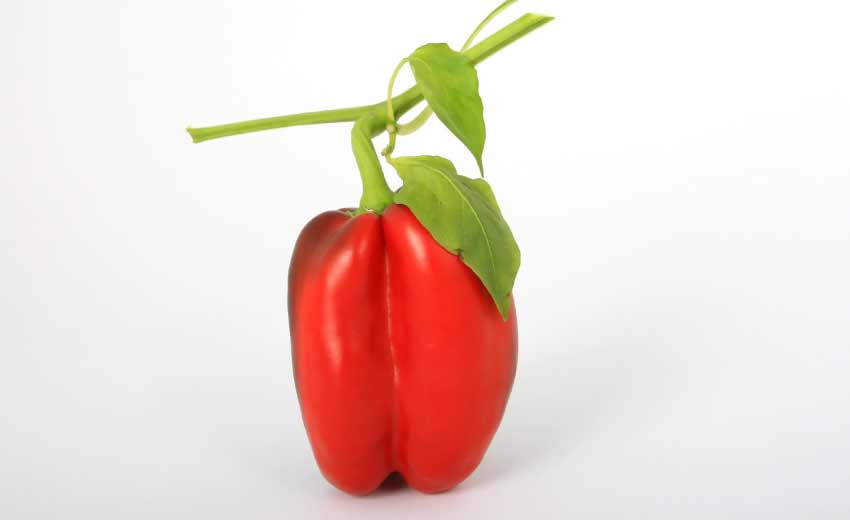
Bell Pepper

Can Bearded Dragons Eat Bell Pepper?

It provides essential vitamins and minerals and adds a delicious flavor to your beardie’s diet. Here’s how to safely feed your beardie with this vegetable.

First of all, bell pepper is very healthy for your bearded dragon. Its solid portion is loaded with antioxidants, which can help keep its cells healthy. These substances prevent the buildup of free radicals and make its cells stronger and healthier. While it’s tempting to give your beardie bell peppers for fun, you should never let him eat a whole pepper. Be sure to wash and cut your beardie’s peppers before giving them to him.

Another great vegetable that bearded dragons love are vegetables. Celery, carrots, cucumbers, and sweet potatoes are great choices. The best veggies to feed your beardie include bell peppers because they contain a lot of water and nutrients. It’s also easy to prepare and your beardie will love them. And you can even mix some of these vegetables into the food. If you’re unsure of what to feed your beardie, try introducing them to the vegetable.
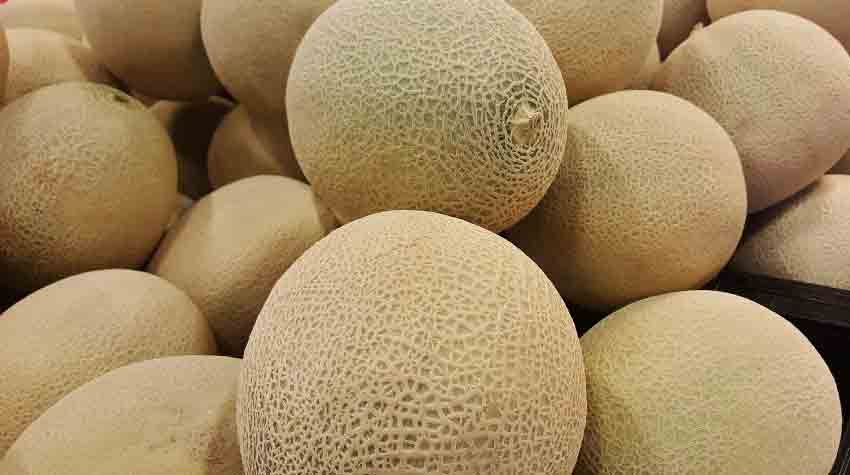
Cantaloupe

Can Bearded Dragons Eat Cantaloupe?

Unlike most other fruits, cantaloupe is low in sodium, making it a healthier choice than other types of fruit for a beardie or animal. But cantaloupe has other advantages. This type of fruit is high in beta-carotene, which is responsible for its orange color.

Cantaloupe contains several essential nutrients, including vitamin A, beta-carotene, and vitamin C. It also has a high content of fiber, which is beneficial for bearded dragons. However, you should avoid giving your beardie large amounts of cantaloupe, since it may cause diarrhea or runny stools. It also contains oxalates, which could prevent the beardie from getting calcium from this food.

The best way to feed your beardie cantaloupe is to cut it into small pieces, which are smaller than the diameter of its eyes. Then, you can mix it with other fruits for your beardie to eat. Although cantaloupe is a good choice for a diet, it doesn’t pose a health risk. Cantaloupe can lead to obesity, high blood pressure, and other issues, so you should be careful with how much you feed him.

The fruit is high in water and contains vitamins. However, cantaloupe is low in calcium. Because of its high phosphorus content, it can upset the proper ratio of calcium and phosphorus in your beardie. Cantaloupe is not the best option for a beardie, because it lacks enough calcium and vitamin D. As a result, the cantaloupe should only be fed occasionally.

Can Bearded Dragons Eat Pineapple?

The first thing you should know is that pineapple contains oxalates, a substance that prevents your dragon from absorbing calcium from its diet. This prevents your beardie from consuming calcium and may lead to metabolic bone disease. Therefore, you should only feed your beardie the flesh of the fruit. Never give it the skin, core, or other tough parts.

Although pineapple may seem like a perfect food for your beardie, it can actually pose health risks for your pet. Pineapple is high in oxalates, which bind with calcium and make it impossible for the dragon to absorb it. This can lead to metabolic bone disease, which can result in deformity and even death. To protect your beardie from this problem, you should limit your beardie to eating pineapple only one or two times a month.

Pineapple is also high in calcium, but be sure to use caution. Because pineapple contains moderate amounts of oxalates, it may cause your beardie to become ill. It is best to offer pineapple to your beardie only a few times per month. Before feeding your beardie pineapple, be sure to remove the top and core, and slice the fruit into small pieces. When feeding your beardie pineapple, you should not feed him the skin or any of the cores.

Can Bearded Dragons Eat Cherries?

The fruit’s acidity and high sugar content can cause digestive problems in Beardies. Also, it can lead to weak bones and MBD in some animals. So, always make sure that the Cherry is completely washed before feeding it to your Beardie. Moreover, you should not serve your dragon with the leaves of the cherry.

You should also avoid dried cherries. These are harder to chew and contain more sugar. You can try giving your dragon some dried or canned cherries. You can even feed your beardie with cherry pits. If you want to give your beardie a taste of cherries, you can choose dried or frozen ones. Ideally, your beardie should not eat more than once a month.

Can Bearded Dragons Eat Avocado?

A little bit of research on avocados shows that avocados are not harmful to bearded dragons. Their high content of monounsaturated fats can help reduce obesity and fight off diseases like cardiovascular disease. Nevertheless, avocados should not be fed to your beardie because it can make it ill. The good news is that avocados are packed with healthy monounsaturated fats.

The bad news is that avocados can be choking hazards for bearded dragons. They also contain persin compounds that can affect your pet’s health. While some beardies have survived eating avocados, it’s not a good idea for your beardie. As long as you’re aware of the risks, avocados can be harmful to your beardie.

Afterward, give your beardie a bath. The warm water helps flush out the avocado poison from their system.

can bearded dragons eat

Can Bearded Dragons Eat Asparagus?

When considering what vegetables to feed your pet, asparagus is a popular choice. While it’s a controversial vegetable, dragons don’t seem to mind it. It’s also a good choice for people who want to provide their bearded dragon with healthy food. Just remember to follow the instructions for serving it properly and avoid providing your beardie with anything that might be dangerous for him or her.

Before you let your beardie eat asparagus, be sure to first determine the size of its mouth. Since bearded dragons have varying-sized mouths and throats, you’ll need to be very careful when serving this vegetable to your dragon. Look for spears with leaves so it’s easier for your beardie to chew on them. Make sure that the stalks don’t have any dark spots or fungus on them, as this could make them unsuitable for consumption.

While the vegetable offers several benefits to a beardie, it also has some disadvantages. Asparagus contains a lot of phosphorus, which binds with calcium and may hinder the absorption of calcium. It’s important to limit the amount of this vegetable to one or two servings per week.

Can Bearded Dragons Eat Mango?

While the question of can bearded dragons eat mango is not an easy one, it is beneficial to these reptiles. The fruit has several beneficial nutrients that will benefit your beardie. It can help your dragon’s immune system and improve his or her ability to fight disease. It can also be used to revive wilted lettuce. Just remember to read the label.

Although mangoes can be eaten by bearded dragons, it is important to make sure you choose organic varieties. This way, you’ll be able to ensure that the fruit does not contain pesticide residues, and it is more nutritious for your pet. Never feed your dragon an unripe mango. The fruit has high sugar content and may cause your beardie to choke on it. In addition, peeling a fresh, ripe mango is not advisable for beardeds. It’s not just a choking hazard for your animal, but it also poses a choking hazard for it.

Mango contains high amounts of vitamin A, which is helpful in maintaining your beardie’s immune system. Vitamin C is essential for healthy bearded dragons, and a healthy diet can be difficult to find. Another fruit to consider feeding your beardie is the pineapple. However, it is important to remember that the fruit can be toxic if too much is eaten.

Can Bearded Dragons Eat Dandelions?

While you may be tempted to let your bearded dragon eat the entire flower, the plant is not really an ideal choice for your pet. It is important to chop the leaves into smaller pieces and mix them with other healthy greens.

Dandelions are a great choice for feeding your beardie. Although you should avoid feeding them the stems because they are not edible, dandelion leaves are very nutritious for the animal.

The best way to feed your beardie dandelions is to pick them from the outside. This is a great food for your beardie, and it should be added to their regular diet. For best results, choose a place in your garden that is not too close to the dandelion’s breeding ground.

can bearded dragons eat

Can Bearded Dragons Eat Brussel Sprouts?

Brussel sprouts are a vegetable that resembles miniature cabbages. Plus, they contain a lot of water, which can lead to digestive problems in bearded dragons. Regardless, it is highly unlikely that your beardie would get sick from eating brussel sprouts, but this is not to say you shouldn’t give them a try.

Can Bearded Dragons Eat Earthworms?

While they aren’t the most nutritious foods, they can boost the health of your lizard. It’s best to buy the smallest ones for a baby beardie, because larger ones can cause impaction, which can lead to constipation and paralysis. As your beardie grows up, it will eat a variety of types of grubs without much difficulty.

While earthworms are nutritious, they aren’t the best food for your beardie. They should be used as a supplement to your regular diet, and they should not be a staple food. In addition, your beardie needs at least 10ml of water a day, which should come from food and water drank directly. They attract sand, and aren’t a healthy source of protein.

In addition to containing protein, earthworms are full of chemicals and parasites that can harm your pet. That’s why they’re best fed as a treat. In contrast, humans should only feed their pets with foods high in protein and water. However, this isn’t the case with earthworms.

Can Bearded Dragons Eat Nightcrawlers?

The answer is a resounding “yes!” However, you need to take some precautions. You should always buy worms from a reputable source like a pet store or bait store. A worm’s moisture content is 70 to 90%, which depends on the species and how much water is available in the terrarium. Worms have a high protein content and are rich in minerals and vitamins. Their protein content is 60 percent, with only 7.8% fat and 2% fiber. They also have a large amount of iron, calcium, potassium, and zinc.

Nightcrawlers can be purchased online or from a reputable seller. Remember to remove the worms after 10-15 minutes of feeding. The unused worms should be returned to the culture and can be fed to other pets.

Can Bearded Dragons Eat Mushrooms?

Besides vegetables, bearded dragons can also eat mushrooms. Celery is also a good raw green for your pet. Be sure to chop it finely to prevent your dragon from becoming irritated. You can also feed your beardie a few pieces of this vegetable a day.

However, keep in mind that a beardie should not eat spoiled food, so he should avoid eating mushrooms. You must also make sure that your favorite dragon’s favorite place is not damp and dirty. This will prevent your beloved pet from eating mushrooms. If you want to give your beardie a healthy diet, then you have to make sure that he doesn’t get toxic food. If you have a pet beardie, it’s essential to keep it clean and free of mold, grass, and fungus.

If you’re curious about whether your beardie can eat mushrooms, you can look for a nutrient-rich mushroom. The ratio of calcium and phosphorus is usually 2:1. This is ideal for a beardie, since his digestive system can absorb calcium properly. Because of this, you must remember that mushrooms have a low calcium-to-phosphorus ratio and a high phosphorus-to-calcium content. That’s why you need to make sure that your pet’s diet has enough calcium, phosphorus, and protein in its daily diet.

Can Bearded Dragons Eat Wax Worms?

Wax worms are a common diet for bearded dragons, and while they are low in nutritional value, they are a suitable choice if you’re trying to keep your beardie from becoming overweight. Be sure to choose a dish with an escape-proof lid or secure catch-all for the worms. They’re not very agile but should be contained in a shallow dish.

While wax worms are low in calcium and aren’t suitable for all beardied dragons, they’re not too large and are perfectly safe for the little reptiles. Remember that they’re a treat, and should be considered an occasional treat. If you’re worried about their digestive tract, consider giving them other kinds of worms instead.

Although bearded dragons aren’t recommended for eating wax worms, they can easily be fed to them. Depending on their size and health, they can eat up to five to six of these worms per day. The amount of wax a beardie consumes will vary, and the type of worms you choose should depend on the requirements of your pet. For example, an adult beardie may need more protein and fat than a baby. But too much fat can be detrimental to their growth.

Although wax worms aren’t the healthiest option, they’re popular among bearded dragon owners. A single serving of wax worms should only be given once or twice a week, and be part of a rotating meal plan. This is one of the few types of food that bearded dragons can eat without becoming overweight.

Can Bearded Dragons Eat Kiwi?

There are many reasons why you should avoid giving your pet kiwi. First of all, it contains calcium oxalate, which is a mineral essential to bone, muscle, and metabolism health. In addition, kiwi is toxic to pets. You should limit the amount of kakis you give your dragon to less than ten percent of their total food intake.

As a fruit, kiwi is not only nutritious for your beardie, but it also contains high amounts of antioxidants. The cactus fruit is a staple food for beardies, and its seeds are larger than kiwis. Even if your dragon doesn’t like kiwi, he’ll probably love it. So, don’t worry if you can’t serve kiwi daily to your dragon. He’ll be fine eating it once or twice a month, though.

Kiwis are also a great treat for beardies. They love to bite off large pieces of their food, and they are rich in Vitamin C. However, kiwi should be given to your beardie only sporadically.

The oxalic acid prevents your pet from absorbing calcium, which can cause metabolic bone disease, a condition that can be fatal. Although kiwi is delicious and nutritious, you should avoid giving your beardie kiwi skin.

Can Bearded Dragons Eat Turnip Greens?

This green vegetable is considered a staple food, and is great for your pet’s health. You should wash the turnip leaves before serving them to your pet, and mix the turnip leaves with other foods rich in calcium and other nutrients. Although turnip is high in vitamin A and C, it does have a small amount of oxalate, which is not good for beardies.

While you shouldn’t give your beardie too much fat, too much of this food can lead to obesity and other problems. Moreover, fiber helps your beardie’s digestive system and helps prevent constipation. This is why turnips are a healthy food for beardies.

When feeding your beardie turnip greens, make sure that you serve them as a raw salad. Always serve them raw and uncooked. Cooking them destroys their chemical boundaries, which makes them less nutritious. So, if you’re planning to feed your beardie turnip greens, you’ll want to make sure that you don’t cook them.

Can Bearded Dragons Eat Pears?

And while they do not have much nutritional value, they may be beneficial for your pet. If offered at the right time, pears will provide your beardie with a well-balanced diet, which will be able to keep their digestive systems functioning well. Although pears are higher in fibre than other fruits that dragons will typically eat, they are still low in vitamin K and are not considered a staple food. In moderation, allowing your beardie to eat pears is a safe and healthy way to feed your pet.

One important tip is to never give your beardie any fruit that contains seeds. As a result, you should avoid giving your pet pear seeds as they can cause digestive problems and a variety of other health issues. However, if you want to provide your pet with pear treats, you can always blend pears with coconut water and mix them with other foods.

You should limit pears to about two per week. If you plan to feed your beardie pears, make sure to remove the seeds. Also, do not give him the juice of pears, because it contains preservatives and sweeteners that are not good for him.

Can bearded dragons eat mice

If they are fed live mice, be sure to thaw them first before feeding them. It is best to keep them at 85-95degF, as hot mice may cause digestive problems for your pet. In addition, be sure to keep them away from other pets that may be allergic to them.

Mice have a high calcium content, which bearded dragons can easily digest, but their tiny bodies make them difficult to digest.It is recommended to only feed your pet pinkies at a low temperature, around 86-95 degF. Also, be sure that the mice you’re giving your beardie are at the right temperature before feeding them. Otherwise, the temperature may cause digestive problems.

Keeping your pet healthy is the main goal of any bearded dragon owner. This includes the proper diet. Mice should be provided on a regular basis, as they are a great source of protein. Frozen and canned mice are good choices if you want to feed your dragon more often.

Can Bearded Dragons Eat Stink Bugs?

Bearded dragons love to eat stink bugs, and they have no problem doing so. These insects contain a high amount of calcium and protein, and their hard chitin exoskeleton is excellent for absorbing vitamins. Unfortunately, some wild insects are highly toxic for your dragon and can harm your pet in many ways. To avoid this problem, it’s important to be extra careful with what you feed your beardie.

While some bearded dragons love to eat stink bugs, it is important to keep them away from areas where there are a lot of stink bugs. If you live in an area where these insects are common, you may want to consider staying indoors with your beardie while you take care of the situation. If you’re concerned that your pet is infected, try avoiding it entirely. Then, take your pet to the vet. In the meantime, protect your home from outside insects by covering your dragon’s cage with a mesh or plastic sheet.

If you’re worried that your beardie might be eating the odory insects, you can try growing some catnip plants in your home or garden. You can sprinkle catnip around window sills or other areas where bugs are active. It’s important to remember that stink bugs don’t like scents, and don’t feed them to avoid pests.
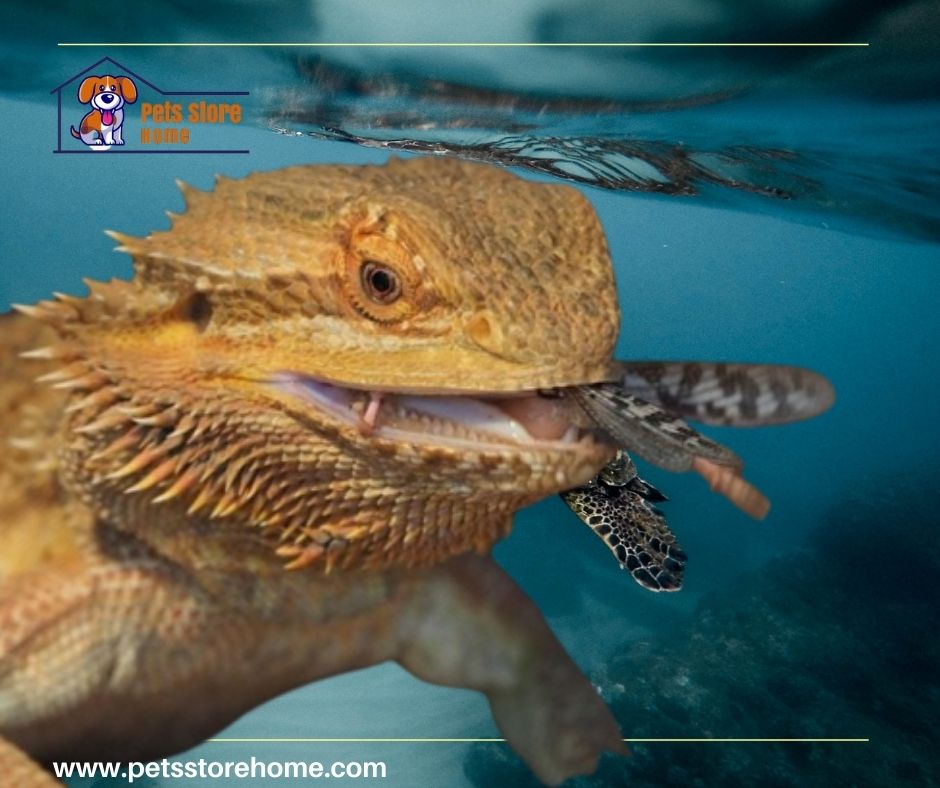
can bearded dragons eat

Can Bearded Dragons Eat Sweet Potatoes?

These sweet-tasting vegetables are a staple food in many tropical countries such as the Caribbean, South America, and Africa. They are a good choice for feeding bearded dragons because they are low in calories and have a low phosphorus-to-calcium ratio.

Sugar has high glycemic index and can lead to diabetes and obesity. That’s why you should limit your beardie’s consumption of sweet potatoes to a few times a month. Nevertheless, it’s important to avoid giving your dragon too many other sugary foods that can counteract the positive effects of sweet potatoes.

Although the average beardie loves sweet potatoes, they are not healthy for your lizard. The right mix of vegetables, such as broccoli, cauliflower, and sweet potato, should be fed to your beardie. For example, broccoli is a good choice because it is high in fiber, while a diet that includes a variety of other fruits and veggies will provide a diverse diet for your beardie.

You should consider whether you should feed your beardie a sweet potato with its skin or not. The skin may be toxic to your pet, and you must be sure it is completely safe. If you’re not sure whether or not your beardie would eat a whole sweet potato, you can try removing the skin before offering it to him.

Can Bearded Dragons Eat Pumpkin?

The nutritional value of pumpkin is good for your bearded dragon, but it does have a few risks, particularly because it is high in calcium. Also, its high phosphate content makes it less effective as a calcium source. A small amount of pumpkin a day is fine.

The main benefits of pumpkin for beardied dragons are fiber and vitamin C. Fiber helps with correct digestion, and also maintains healthy bowel motions. Vitamin C improves eye and skin health, and also supports the immune system, preventing beardie sickness. Finally, pumpkin is rich in calcium, which strengthens the bones, muscles, and tissues.

Pumpkin is high in fiber, which helps beardied dragons digest food. Its vitamin C content is also beneficial for your beardie’s digestive system. It also improves the immune system, which means it’s an essential ingredient in preventing sickness. Its calcium content makes it great for their muscles, bones, and tissues.

Pumpkin is a good source of calcium for beardie dragons. Since pumpkin has a low phosphorus-calcium ratio, it’s a safe and nutritious treat for your pet. A small piece of pumpkin once or twice a month is sufficient for a regular meal. Avoid feeding your pet the seeds of the pumpkin, as they can cause gastrointestinal issues. It’s important to remember that bearded dragons can’t metabolize the sugar in bananas, so you should never give it to your beardie.

Can Bearded Dragons Eat Hornworms?

While adult bearded dragons can eat a variety of foods including hornworms, juveniles can only consume about 20-50 a day. This amount should be fed to your beardie once a week. You can also feed your dragon fresh vegetables and multivitamin supplements, since these foods are loaded with protein and nutrients. However, if you want to give your beardie a more nutritious diet, you should only feed it a handful of a single kind of a dietary supplement.

Tobacco hornworms are identifiable by their distinctive white diagonal lines on their bodies. These worms have reddish brown wiggly ‘horns’ on their heads. Tobacco ‘hornworms’ are typically fed to chickens and reptiles for their protein and phosphorous content. Although they are a popular option for insect-eating pets, bearded dragons have no use for them.

If you are trying to decide whether to feed your beardie hornworms, you’ll have to make sure you’re doing it correctly. While mealworms are suitable for your beardie, you should consider the size of the worms. Larger food can cause paralysis and damage to the spinal cord that’s attached to its food tract. It’s important to note that bigger hornworms will kill your beardie if consumed.

Can Bearded Dragons Eat Chicken?

While it’s not a bad idea to offer your dragon meat and eggs, these two kinds of meat are incredibly high in fat and phosphorus, which can affect your dragon’s health and digestion. Keeping your pet’s Ernährung as close to its natural diet as possible is crucial for its wellbeing. In addition to vegetables and insects, a healthy, balanced meal of chicken and veggies is the best diet for a healthy and balanced life.

When choosing what type of chicken to feed your beardie, you have to keep in mind that the raw version is probably the most nutritious. Because chicken is high in fat, it’s not a good idea to give your pet a whole chicken. The best choice for your beardie is to mix some cooked chicken with vegetables and staples. Alternatively, you can provide some bones from a cooked chicken and give it some of the meat. As a general rule, insects and whole prey are best for your beardie.

While beardie owners often feed their dragons chicken, you should be very careful not to overfeed your pet. Chicken contains large amounts of phosphorus, which is harmful for your pet’s health. So, you should only give it a few pieces of chicken per month to get the desired effect. Aside from that, you should also limit the amount of chicken scraps. You should give your beardie a healthy meal once a month, and try to keep it away from other sources of protein.

Can Bearded Dragons Eat Squash?

Can bearded dragons eat squash? Yes, but it is important that you wash your squash thoroughly so that any chemicals or foreign materials do not affect your pet’s digestive system. Cut the squash into bite-sized pieces, and make sure to remove the peels.

It is a source of vitamin A, but it can cause gastrointestinal issues and may even kill your beardie. It is best to mix it with a mixture of vegetables, so that your dragon receives variety and a balanced diet. A daily serving of squash should not exceed one-half cup.

While squash can be given to a bearded dragon, the amount of this food is too high. The amount of phosphorus in the squash is too high, which can result in health problems. Too much phosphorus can prevent the body from absorbing calcium, and it can lead to a metabolic bone disorder. In extreme cases, this can lead to limbs that are too short or misshapen.

Just make sure the squash is smaller than the dragon’s eyes. Amounts as small as one-half of cucumber are suitable for bearded dragons. Adding mealworms can also help make the squash tastier for your dragon. The squash has beneficial nutrients for your pet, but you should not feed your pet a daily portion. Squash is not the best choice for daily meals. For healthy and happy pets, you should offer more nutritious foods such as other vegetables.

African Dwarf Frog Lifespan | Food | Care | Eggs | Tank Size | Setup | Temperature

African Dwarf Frog Lifespan | Food | Care | Eggs | Tank Size | Setup | Temperature

African Dwarf Frog

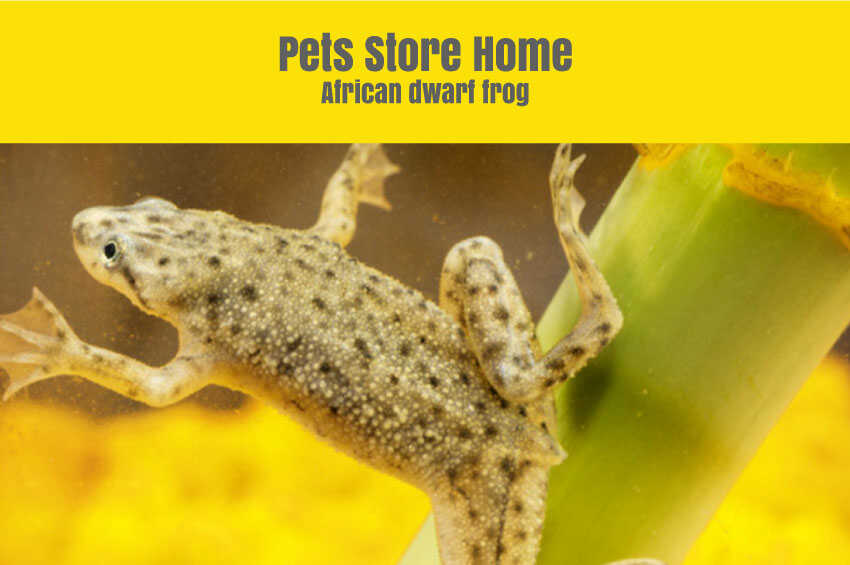
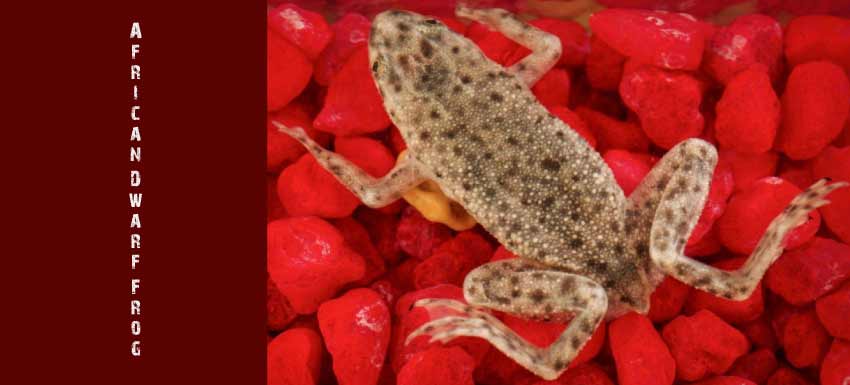
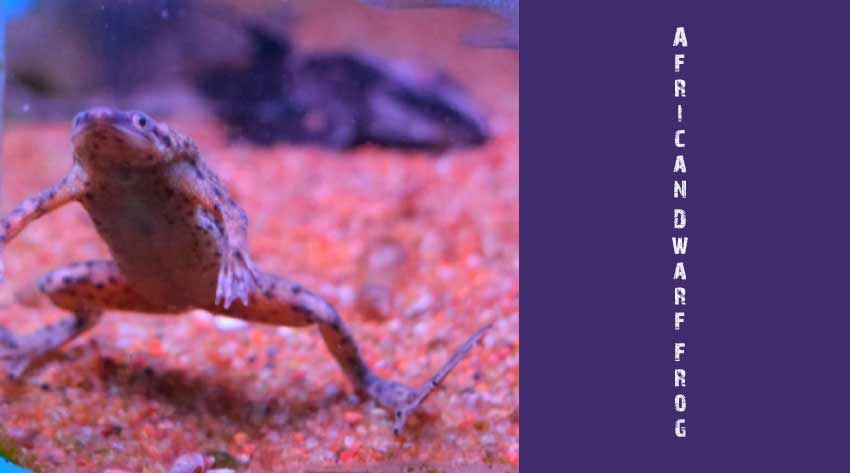
African Dwarf Frog Lifespan: African dwarf frogs are a type of frog that is found in Africa. They live in the water and their body color is light green. African dwarf frogs are small and mostly don’t grow to be larger than an inch long. So they are Best Pets for Apartments. They have short legs and a wide head with a round mouth that has no teeth. The top of their head has three bumps on it, which makes them look like they have a crown on their heads.

Its life cycle consists of eggs, tadpoles, and adults. They are known to be very social animals and they live together in groups called “clans” which consist of one male and multiple females. In the wild, they feed on small invertebrates such as worms and snails that they find on the ground or leaves from trees. The African dwarf frog is a type of amphibian that has been on Earth for about 60 million years.

African Dwarf Frog eggs

African dwarf frog eggs are a popular pet for people who want to have a frog that does not require much care.

African dwarf frog eggs can be eaten raw or cooked, but they should not be boiled because it will kill the developing embryos inside the egg.

The African dwarf frog is a very small frog, with a snout that is only about 1/4 inch long and its body length ranges from 2 to 3 inches long.

African dwarf frog eggs are the most commonly used type of frog eggs in the world.

African dwarf frogs are important to human life because they create a lot of oxygen through their respiration process.

The African dwarf frog is a very popular pet and has been in the pet industry for over 100 years. One of the most interesting facts about these frogs is that they lay eggs that are approximately one inch long.

African dwarf frogs have been bred by humans for over 100 years. These frogs are easy to care for, breed quickly, and can be easily found in pet stores or online.

African dwarf frogs are small enough to be kept as pets but have unique characteristics such as their ability to lay eggs with an approximate length of one inch long.

African dwarf frog size

African dwarf frogs are known for their small size pet– they are only about two inches long. In the United States, African dwarf frogs are often used as pets or classroom pets because they’re relatively easy to take care of.

The size of African dwarf frogs is not well known because they are quite hard to find. They live in dense rainforest areas, making it difficult for scientists to study them as they would like too. African dwarf frog is classified as a “vulnerable” species by IUCN Red List of Threatened Species, because they are not able to survive outside their natural habitats due to habitat destruction.

The African dwarf frogs are usually small in size, but they can be found in some regions as large as 8 inches (20 centimeters). They have a rounded body with smooth skin, and they have no teeth.

African Dwarf Frog Eggs

African dwarf frog lifespan

The African dwarf frog’s lifespan is three years.  It’s are a popular pet for many people and they are also used in laboratories for scientific research. They only live for a few years. The average lifespan is only 3-5 years. However, they still have the potential to live up to 20 years. The African dwarf frog has been around for more than half a billion years, making it the second oldest living amphibian in the world. It has been around since before dinosaurs roamed the earth and survived much mass extinction that wiped out other species of frogs along with it.

African dwarf frog tank size

African dwarf frogs are small in size, but they require a larger tank with a height of at least six inches. The African dwarf frogs are small in size and can be kept in a small tank. They also have an interesting lifecycle that can be observed by the owner.

African dwarf frogs are not as popular as other species of frogs because they are smaller and not as colorful pet.  They can be kept in small tanks as long as they have plenty of water, plants, and hiding places.

African dwarf frog habitat

The African dwarf frog is one of the most commonly kept pet frogs but due to their delicate nature, they require high-quality care. They should be fed a diet that consists mostly of live food such as worms, crickets, mealworms, and pinkie mice. There are many different species of African dwarf frogs, but they all share the same habitat and lifestyle.

The African dwarf frog is a popular pet because it is easy to care for with low maintenance and doesn’t need a lot of space or resources. It can survive in small spaces and even if it does get sick or eaten by an animal it will just grow back from its tadpole form.

African dwarf frogs are a highly endangered species and they are found only in a few places in the world.

African dwarf frog diet

The African dwarf frog diet consists of a variety of food sources that they can eat. They are omnivores, which mean they will eat both plants and animals.

  • Algae
  • Invertebrates (such as snails)
  • Plant material (such as leaves)

The African dwarf frog diet is a very small diet consisting of crickets, mealworms, and water.

It has a light brown or greenish color with dark markings on its back legs, and it has a white belly. The frog is often found in the rainforest near streams or ponds with plenty of vegetation and animal life. They are also known for their high-pitched call which sounds like “Peep”

The African dwarf frog diet consists of crickets, mealworms, and water. African dwarf frogs require a diet that consists of live food such as insects, worms, and other invertebrates. They are carnivorous so they must be fed with live food in order to survive.

The African dwarf frog diet is not easy for pet owners to provide since they need to keep the water clean and avoid exposing their pets to harmful chemicals.

African Dwarf Frog Eggs

African dwarf frog shedding

African dwarf frogs are a type of frog that is found in Africa. Their ability to shed their skin and grow back new ones is unique and has been studied extensively by scientists.

The African dwarf frog’s ability to shed its skin and grow new ones makes it an interesting subject for study. It has been studied by scientists for more than 100 years, but there are still many questions that remain unanswered.

African dwarf frogs have been studied extensively by scientists for over 100 years, but there are still many questions that remain unanswered.

African dwarf frogs usually live in the water, but they have a unique way of shedding their skin.

The African clawed frog also does it, but it is much more complicated than what an African dwarf frog does.

African dwarf frogs are the only species of frog that sheds their skin. It is a process called ecdysiast, which is when an animal’s outer layer of cells separates from its inner layer. This happens as a result of environmental changes or as a way for animals to grow bigger and stronger. African dwarf frogs will shed their skin in order to grow bigger and stronger, but they also do it for another reason – mating season.

African dwarf frog care

They are known for their easy care and low cost, making them a popular choice for beginner pet owners. They can be kept in a standard aquarium or terrarium, which is not too large. The water should be changed every day, and they need to be fed with a high-quality brand of food. They should also get regular misting to keep their skin moist.

The African dwarf frog is a relatively small frog that can live in the wild as well as in captivity. It has an average lifespan of 3-5 years and is considered to be hardy enough for beginners who want to try keeping an amphibian pet.

African dwarf frogs are an amphibian that is native to the African continent. They are small in size, but they need a lot of care and attention.You can help your African dwarf frog by providing them with the right environment, food, and water. 

African dwarf frog

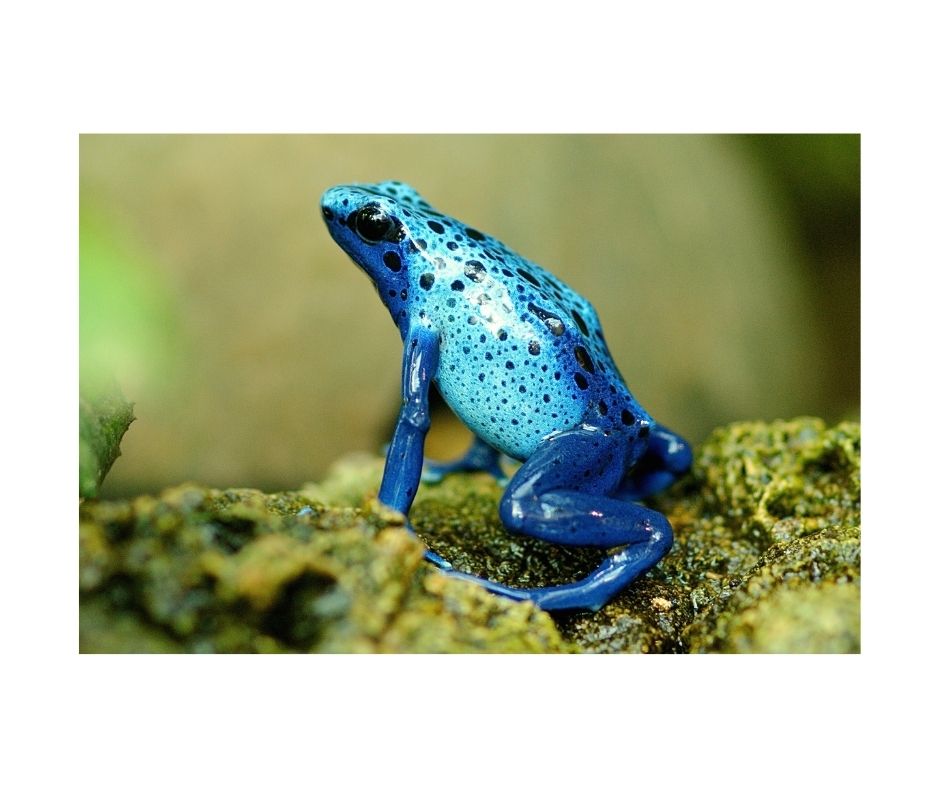
Blue African dwarf frog

It is known for its bright blue color and it is one of the most common species in Africa.

The blue African dwarf frog also has an interesting history. He sent some specimens to a museum, but they were not accepted because they had an orange coloration instead of the blue coloration that they were supposed to have.

The blue African dwarf frog is a type of frog that is found in Africa and it has been placed on the IUCN red list of threatened species. It has been studied extensively since its discovery in the 1980s and it has only recently been discovered to be endangered.

The blue African dwarf frog was discovered by Tim Davenport, who was an American ornithologist and herpetologist, who wanted to study frogs that were endemic to Africa. He went on a trip to the region between Cameroon and Nigeria, where he saw this small frog with brilliant blue coloring living in trees near

The blue African dwarf frog is a small frog that is found in Africa. It has a light blue color and it can be found in the rainforest or savannah grassland. This frog is able to change colors to camouflage with its surroundings.

African dwarf frog tank setup

When it comes to caring for these frogs, it is important that you set up your tank properly so that they will be able to thrive and live healthy lives. African dwarf frogs are very popular and have been used in classrooms and homes for years.

There is no one perfect way to set up an African dwarf frog tank, but this article will go over the most common methods of setting up an African dwarf frog tank.

How much water should I use in my African Dwarf Frog Tank

It is important to learn about the different factors that contribute to a successful setup before diving in and buying your first set of frogs. In this article, we will discuss the most important considerations for setting up an African dwarf frog tank and how you can make your own setup more successful.

African Dwarf Frog

African dwarf frog and beta

African dwarf frogs, also known as Beta, are popular pets among hobbyists and aquarium enthusiasts. They are often seen in small tanks with little or no filtration. Many owners have difficulty providing these fish with the necessary care that they need to thrive. The introduction is about an African dwarf frog and beta as pets that might be difficult to care for but can still live long if given proper care.

The African dwarf frog is a popular pet among people and is often the subject of many memes on social media. The beta fish, on the other hand, is another popular pet that has been around for centuries.

It is often found in wet areas with lots of trees and vegetation due to its need for water and food. The beta fish is a tropical freshwater fish that can be found in Asia, Southeast Asia, India, and Sri Lanka.

They are popular for their ease of care and ability to live in small spaces.

Betta fish are a popular choice as pets because they have a lively personality, can be trained to eat from your hand, and don’t require a lot of room to live.

African dwarf frog food

It has been kept as a pet for over 400 years, and has been considered to be one of the first animals to be domesticated by humans. The African dwarf frog is not only popular as a pet but it is also widely used in scientific research and education.

African Dwarf Frogs are not the type of pet that can be fed with just anything. They need specific foods in order to stay healthy and happy. The best foods for these frogs are crickets and earthworms because they have high protein content which is essential for the African dwarf frog’s health.

African dwarf frogs are a type of frog that is native to the African continent. They are also known as the “ping-pong” frog because they jump up to 6 inches in a single leap.

African dwarf frogs are omnivores and will eat anything, including insects and small mammals. They can be found in many types of habitats, but they prefer to live near water because they need it to drink and breed.

African dwarf frogs are an important part of the ecosystem in Africa, where they thrive on insects like flies, beetles and ants.

African dwarf frogs are small frogs that live in the African countries of Cameroon and Gabon. They are usually kept as pets by children, but they can also be raised as food for larger frogs.

African dwarf frog

African dwarf frog temperature

African dwarf frogs have been around for millions of years and have adapted to various habitats and climates. Some scientists believe that they may have evolved from a type of salamander.

The African dwarf frog has a very low tolerance for temperature changes and can die within minutes if its temperature goes below 20 degrees Celsius.

The African dwarf frog lives in water with a temperature between 24-27 degrees Celsius, but when the water becomes too warm, they move to land where they can survive. However, when the weather gets colder, they will return to the water for warmth.

They are able to maintain their body temperature at a specific temperature, which is crucial for their survival and reproduction. These frogs are often found in stagnant water, making them susceptible to heat-related mortality.

The African dwarf frog is a small, nocturnal amphibian that inhabits the rainforest. They have a high tolerance for low temperatures, but they can still succumb to heat-related mortality when temperatures become too hot for them.

When it comes to keeping these frogs alive, it’s important to keep their habitat cool and moist so that they can survive.

Conclusion

In conclusion, this paper has shown that the African dwarf frog is an interesting creature and it should be studied further. It’s time for the conclusion of the African dwarf frog. This animal has been studied for decades and scientists have learned much about its life cycle, habitat and behavior from it. They are small in size with a dark brown or black skin and they can be found in many habitats including streams, ponds, rivers and wetlands. African dwarf frogs are an excellent example of how evolution can create new species over time. The African dwarf frog is a very interesting and unique animal that has many uses. It can be used as a pet. It can be used as an educational tool for students, as well as for research purposes.

Can Rabbits eat Vegetables?

Can Rabbits eat Vegetables?

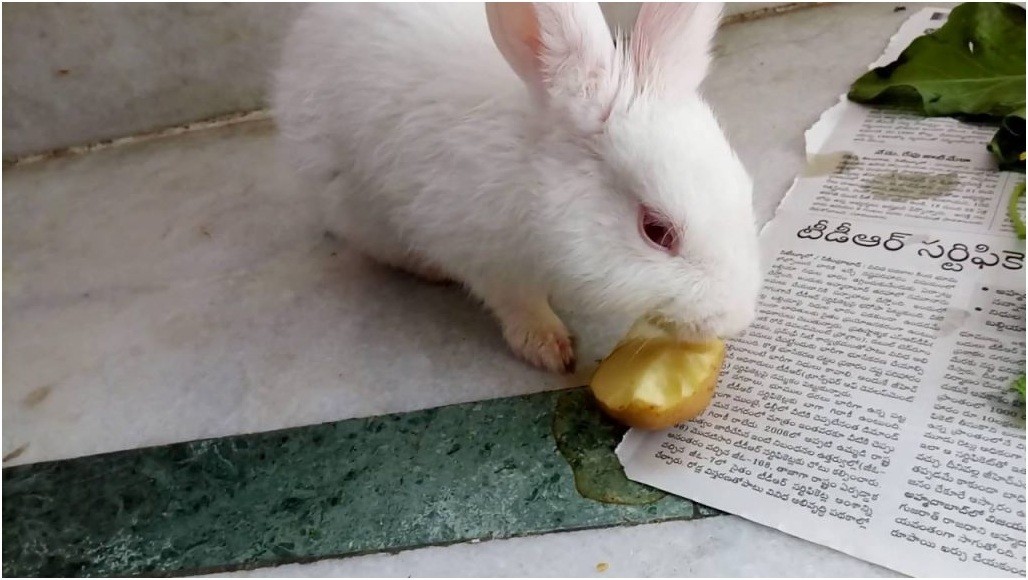
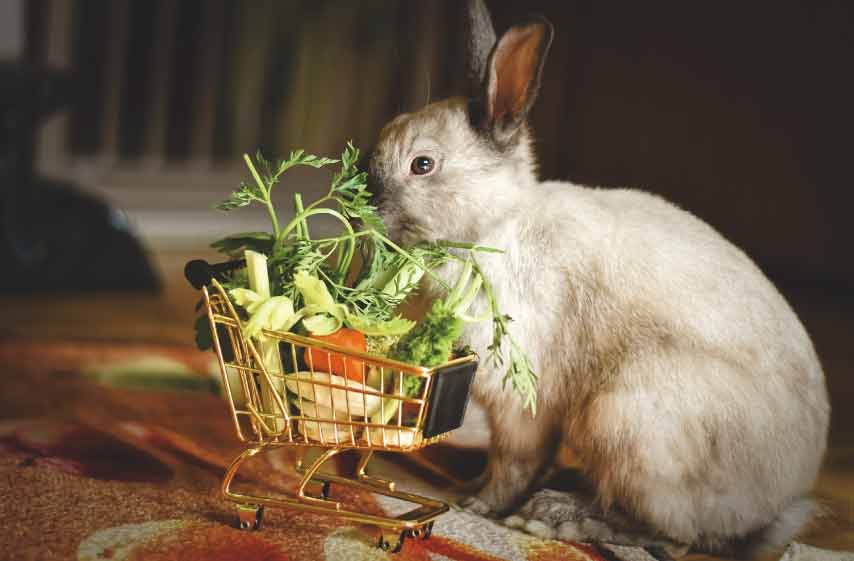
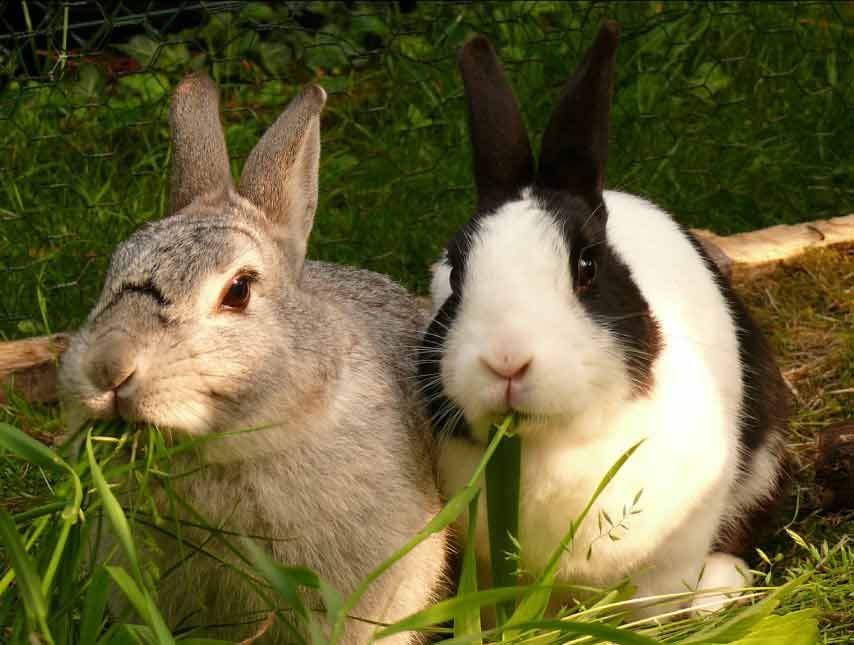
Can rabbits eat vegetables?

There are numerous vegetables that can be fed to rabbits. The most nutritious type is fresh leafy green vegetables, such as romaine lettuce and parsley. Some types of starch vegetables are also suitable. However, they should be fed in moderation. You can also mix vegetables with water to give your rabbit a drink. This should fall into good rabbit food, anytime, any day.

Some of these vegetables can be dangerous to rabbits, so give them only a few small portions at a time. However, you should avoid giving them complex carbohydrates and sweets, because this can lead to obesity. Fresh vegetables, such as carrots, are okay for your rabbit to eat. But, if you’re giving them a large portion, it’s a good idea to cut them into pieces about one inch long.

Another vegetable that rabbits can eat is celery. It contains vitamins and minerals and is a great source of fiber. Avoid giving your rabbit potatoes or mashed sweet potatoes, as these are difficult to digest. However, you can give your rabbit collard greens, which provide them with essential minerals and dietary fiber. Also, don’t give your rabbit corn on the cob. It can cause stomach pain and gas. You can also feed your rabbit watermelon, which is excellent for hydration during the summer months.

Although rabbits can eat vegetables and fruits, it’s best to introduce vegetables and fruit gradually. Changing your rabbit’s diet suddenly could upset his digestive system and lead to diarrhea and sickness.

Can Rabbits Eat Celery Leaves?

Can Rabbits Eat Celery Leaves? Also, the question about Can rabbits eat bok choy arises from another one as can rabbits eat celery leaves? Yes, but it should be cut into small pieces or shaved off completely. It contains fiber strings and can be a choking hazard. For best results, give your rabbit only celery leaves. If you can’t find the leaves in your grocery store, try looking for them at farmer’s markets. Even if you can’t find them, you can always grow them yourself, but if you want to be sure, don’t give them the whole plant!

If you do give your rabbit celery, cut it into half-inch pieces. It’s important to cut it into tiny pieces and introduce it slowly, keeping an eye on your rabbit’s reaction to it. If you notice an abnormal reaction from your rabbit, stop giving them celery until the symptoms clear up. This will ensure that your rabbit is not suffering from a serious condition.

As long as you don’t feed your bunny too much, celery is safe for your rabbit. Be sure to cut the celery stems off. This will prevent them from choking and also prevent them from going moldy. If you can’t find celery that doesn’t have any chemicals on it, don’t give it to your rabbit. It’s not harmful to your rabbit but it’s best to avoid it unless you are absolutely sure it’s completely safe for your bunny to eat.

Can Rabbits Eat Bananas?

Bananas are delicious treats for rabbits, and they’re safe to give them in moderation. Their sweet tooth makes them naturally attracted to sweet fruits and vegetables. In order to minimize the risk, make sure your pet is getting enough of the good stuff.

Bananas are high in sugar, and they’re difficult for rabbits to digest. The starch content in bananas can also create physical energy problems. A better option is to feed your rabbit banana peels. It’s best to buy organic bananas for your pet actually rabbits are a Best Pets for Apartments. In addition, banana peels contain lower amounts of the sugar and starch that can harm rabbits.

Bananas Sugar Contain

Can Rabbits Eat Bananas?

The peels of bananas contain less sugar than the flesh of the fruit. But unripe bananas may contain more starch and may cause digestive issues for rabbits. Just make sure they’re pesticide and toxin-free. As Rabbits are Best Small Pets for Depression so be care about your pet. And don’t forget to consult with a veterinarian first. And remember, a few bananas a week will do your rabbit no harm.

Can Rabbits Eat Apples?

While a small number of apples can be nutritious for your pet rabbit, the seeds and cores can cause serious stomach upset and even illness. Although fresh apples are widely available in grocery stores, it is important to keep the amount of fruit you give your pet small. In addition to avoiding toxicity, apples should be given in moderation to avoid compromising their health. Rabbits are Low Maintenance Pets for Apartments so their health and nutrition are important for all member of apartments.

Apples contain mostly water-soluble fiber, making them ideal for rabbits. However, the seeds and stems are toxic to them. Before introducing fruit to your rabbit, you should ensure it has been thoroughly washed. Additionally, many apples are heavily sprayed with pesticides that can be harmful to your pet. Therefore, you should make sure that you only provide your pet with organic apples. This way, they’ll consume fewer chemicals.

If you’re planning to give your rabbit an apple, it’s important to keep in mind the amount of sugar and the amount of fiber. Furthermore, you should be aware of the acidity level of other fruits you give your rabbit. Everyone needs an Easy to Take Care of Pets with Small Low Maintenance. Ultimately, you’ll be able to determine which fruit is best for your rabbit.

can rabbits eat bananas

Can Rabbits Eat Broccoli?

However, you should avoid giving them any other ingredients from your kitchen because they are not safe for them. Especially aware about kids as the rabbits are best Pets for Kids and These Are the Good Pets. This is especially important for baby rabbits as their dietary requirements are much different from their parents. If you are worried that your pet will get sick from eating broccoli, make sure you give it a treat first.

Broccoli is a rich source of vitamin K for rabbits, and it has a variety of other health benefits. Although the concentration of vitamin K in broccoli is lower than the vitamin C and B in other vegetables, it contains more vitamin B than either of those two. Both vitamins contribute to the proper functioning of your rabbit’s digestive system, nerves, and immune system. It is also good for your rabbit’s skin, fur, and nails. Be ready your pet as Cuddly Exotic Pets.

Despite its health benefits, broccoli can cause gas in a rabbit’s stomach. As a result, it is best to start with a small portion of the vegetable and monitor the reaction carefully. In general, the vegetable is good for bunnies, but it is best to avoid too much. If your rabbit begins to have diarrhea, stop the experiment immediately and consult a vet to be sure. The right amount of broccoli can be extremely beneficial for your bunny.

Can Rabbits Eat Cucumbers?

Cucumbers can be a delicious and nutritious treat for your pet rabbit. If you are not sure whether they will like it or not, you can slice the cucumber and give it to your pet. It is best small pets for cuddling. You can also give cucumber flowers to your rabbit, but make sure they don’t have any hairs. If your rabbit adores the taste of cucumbers, you can give it to your pet.

It contains a good amount of beta-carotene, which helps your rabbit’s immunity, eye and skin, and prevents cancer. It is important to remember that even seeds can be poisonous to rabbits, but you should still feed your pet with cucumbers. If you choose to give your rabbit cucumbers, make sure to wash them thoroughly before giving them to your bunny.

While cucumbers can be a healthy snack for your rabbit, they may not be the best food choice for your pet. If you feed your rabbit too much of them, they will have digestive issues, runny stools, and poor appetite. Hence, it is important to check the label carefully before giving your rabbit any type of food.

can rabbits eat bananas

Can Rabbits Eat Blueberries?

When you are considering introducing a new fruit to your pet rabbit, you might be wondering, can bunnies eat blueberries? Fortunately, this is an easy and delicious treat that most will happily eat.

Unlike other fruits, blueberries are low in fiber and are safe for rabbits to eat occasionally. If you give your rabbit too many blueberries, it could lead to dental problems, weight gain, or a smelly enclosure. To prevent these problems, you should wash blueberries thoroughly and introduce them to them gradually. You should also mix the berry with vegetables to discourage your rabbit from picking through the food.

The first time you give your rabbit blueberries, it is important to watch your animal closely. The first few days of feeding your rabbit blueberries are critical, so be sure to follow their progress with monitoring. Your rabbit should be pooping regularly, which means they’re digesting the berry.

Can Rabbits Eat Spinach?

Rabbits are omnivores and can eat spinach leaves and stems as a source of nutrition. The plant contains calcium, oxalate and magnesium. The nutrients found in these foods are beneficial for humans. However, it is not recommended for everyday consumption by rabbits. They can only ingest raw spinach leaves and stems, and may not be able to digest cooked spinach. The cooked spinach will block their digestive tracts and may even cause death.

While spinach is generally safe to feed to your rabbit, make sure you don’t give it a daily serving. The oxalic acid found in this vegetable can bind with other minerals in their body and cause problems for your pet. These include itchy skin, bladder stones and kidney issues. The pesticides in conventional spinach can harm your animal’s digestive tract, so it’s best to avoid giving your rabbit this plant.

Spinach is low in oxalate, but it contains sufficient levels of fiber to support your rabbit’s digestive tract. When fed in large amounts, it can cause GI stasis, which can result in blockage and even death. The roots of spinach have higher levels of sugar than the stems. As a result, you should cut the roots before feeding spinach to your rabbit. If the stools are normal, you can feed it the full amount.

Can Rabbits Eat Sweet Potatoes?

If you’ve ever wondered whether or not you can feed your rabbit sweet potatoes, the answer is a resounding yes! This starchy, sugary vegetable is high in micronutrients and is an excellent source of beta-carotene, which is converted by the body into Vitamin A. Unlike other foods, sweet potatoes do not cause a negative reaction in your rabbit’s digestive system. In fact, they may actually be a good choice for a diet that’s lacking in other nutrients. However, there are several issues with feeding sweet potatoes to your rabbit.

While sweet potatoes are not harmful to rabbits, they’re not a healthy addition to a rabbit’s diet. Their starch and sugar content makes them a poor choice for small pets.

While sweet potatoes are not a bad idea for rabbits, you should keep their diet free of them if possible. They need plenty of fiber in their diet, and sweet potatoes don’t provide them with enough. It’s best to limit their intake to small amounts and use them sparingly. They’ll have a much higher intake of fiber when you’re feeding them sweet potatoes, so it’s best to feed them in moderation and not everyday.

Can Rabbits Eat Cabbage?

Fortunately, the answer is yes. Although this vegetable is not poisonous, it should be introduced slowly. It is not recommended to feed your rabbit more than one or two leaves per week, as this vegetable rots quickly. Your rabbit will become uncomfortable and will not eat or drink for several hours after ingesting it.

The first time you feed your rabbit cabbage, be sure to use a small leaf. The small size will prevent your rabbit from passing gas, and it will be easy to ensure your pet doesn’t get bloated or diarrhea. Adding more cabbage to your rabbit’s diet gradually should alleviate any gastrointestinal problems, but you should consult your veterinarian if you notice any unusual symptoms. After several days, your rabbit should be eating fresh cabbage without any negative effects.

When you first start introducing cabbage to your rabbit, you must keep in mind that different animals may react to it differently. If your rabbit has never eaten cabbage before, it may experience indigestion almost immediately. If your rabbit seems sluggish and has runny poop, it’s time to start reducing the amount of cabbage your bunny eats. As the food is high in sugar and fiber, you should avoid introducing it to your rabbit at an early age.

Can Rabbits Eat Asparagus?

Asparagus is mostly composed of protein, but it also contains a small amount of fat. It contains 3.9 grams of carbohydrates, 1.9 grams of which are sugar, and 2.1 grams of fiber. It is also low in sodium.

When feeding asparagus to rabbits, you must make sure to keep a close eye on their digestion. Unlike humans, rabbits may not be able to digest it well, and so they should be introduced to it slowly. If your pet’s stomach is upset after the first few feedings, you should stop giving it to it until it recovers.

Asparagus is a member of the onion family, so it should be safe for your pet to eat. Asparagus has high water content and is therefore considered a laxative and diuretic.

Can Rabbits Eat Carrots?

Can rabbits eat carrots? The answer is no. In a recent study, the RSPCA found that 11% of all dogs and cats suffered from tooth decay. Although a rabbit might not show signs of pain, it will still cause immense pain and may even lead to their death. Hence, you must never feed your pet a carrot on a regular basis.

Carrots are rich in several nutrients and can be fed to your rabbit without any problem. However, you need to monitor your rabbit’s intake closely to avoid over-feeding.. They are especially high in vitamin A, B6, C and E. They are also high in dietary fiber and sugar.

When feeding carrots to your rabbit, make sure you don’t overfeed them. You’ll want your rabbit to be satisfied with a small amount every couple of days, and you don’t want to feed them too much on a day when you’re giving them other treats. While carrots are high in fibre and Vitamin A, too much sugar or starch can upset the digestive system of a rabbit. You should try to vary the amounts that you give them.

Can Rabbits Eat Bok Choy?

Can Rabbits Eat Bok Choy?

How to Keep Your Rabbit Safe and Healthy

Can rabbits eat bok choy

Can rabbits eat bok choy? Before know that we have to know about rabbits its nature, habituate etc. As a pet it needs to care about food.  Rabbits are small mammals also a variety of cool pets. They belong to the family Leporidae and the order Lagomorphs. The European species is Oryctolagus cuniculus, as are its descendants. There are 305 different breeds of domesticated rabbit around the world. Someone thimks it is exotic pets. The most common species is the striped rabbit, or white rabbit. However, there are other species of rabbit that look like a cross between a lop and a quail.

These ears are very sensitive to temperature, so if you pick up a rabbit, you risk causing an accident. If the food is not digested properly, the animal will vomit, which can lead to serious consequences. Can rabbits eat bok choy? It is important that you keep the food out of reach of the animal at all times. If a rabbit eats too much of something, it will die.

While you are away, your rabbit will be with you. If you have other pets, your rabbit will still have a companion. If you leave your pet alone, you can put your hands to work cleaning up messes while you’re away. A healthy, happy rabbit will be happy with the company of other pets and not be a nuisance in your home. Also it is a Low Maintenance Pets for Apartments.

Rabbits

cThe Nature and Habit of Rabbits

Can rabbits eat bok choy

The Nature & Habit of Rabbits has much to do with their habitat.  These creatures live in woodlands, and in winter, they are not active, as a result, they are not likely to be active during this time. May be a question comes as Can rabbits eat bok choy?  However, rabbits can survive throughout the winter by adapting their behavior to the different seasons. If you’ve ever wondered about the habits of a rabbit, this article will give you an idea of their daily routines. You can get a guide about your cool pets to have in your room.

Rabbits are small, grazing animals. They also have longer ears than hares, with black colored tips. Their ears are also longer than a rabbit’s, and their newborns are furry. They spend their days eating weeds and clover, and in warmer months, they feed on flowers, can rabbits eat bok choy,  vegetables, and conifer needles and can rabbits eat bok choy. They also have a black button nose.

Rabbits communicate by smell. They also use urine to communicate through chemical signals. When they are threatened, they freeze up and engage in rapid, irregular movement. Their long hind limbs and strong pelvic girdle enable them to reach speeds of up to 80 km per hour.

Their habits depend on their habitat. Most rabbits live in burrows that are primarily underground and can rabbits eat bok choy. Others live in open fields and have nests in the open fields. They eat forbs and grasses and live in many environments. The nature and habit of rabbits can be varied and fascinating.

can rabbits eat bok choy

The Evolutionary History of Rabbits and Their Close Relationship with Humans

Can rabbits eat bok choy

A new study has explored the evolutionary history of rabbits and their close relationship with humans. Using a multi-faceted approach, the researchers examined DNA and fossil evidence, along with historical documents and archaeological remains to uncover the species’ true genetic make-up and can rabbits eat bok choy. The results indicate that the myth about the origins of the bunny and its connection to humans is based on a simple misinterpretation, and provide evidence for the concept of human-wildlife interactions.

Rabbits were first cultivated in the second century BC, in Spain. Romans introduced them to Britain and used them for food. Later, the middle Ages saw rabbits bred to become larger and fatter for meat and Can rabbits eat bok choy. The industrial revolution sparked a new era in rabbit breeding. The evolution of the animal was facilitated by this new demand. By the 19th century, the first domesticated animals were bred and sold as pets.

The European rabbit originated in the Iberian Peninsula, about half a million years ago. They spread around the Mediterranean and beyond, and were first introduced by Phoenician traders. Then, the Roman Empire brought them to England and continued to spread. They were widely used as game animals, and were not domesticated until the nineteenth century. Can rabbits eat bok choy? To understand how domestication occurred, it is important to look at the different species of rabbit. Then you should confirm about it foods as can rabbits eat bok choy or others.

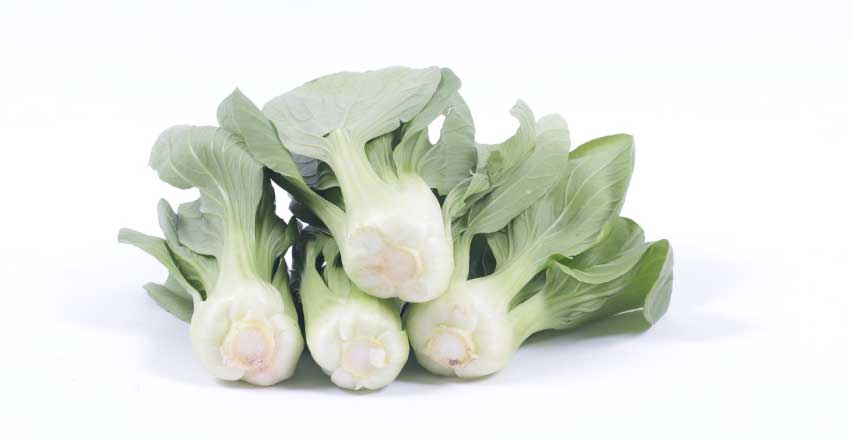
Bok choy

Can rabbits eat bok choy?

Can rabbits eat bok choy, it is a very common question? Bok choy is a great food for rabbits. It’s not only healthy but also low in calories and high in fiber and water, which makes it easy for rabbits to digest. Can Rabbits eat bok choy raw, but if you’d like to cook it, steaming is a gentle way of cooking that will cause the least amount of damage to the nutrients.

Bok choy is generally safe for rabbits to eat, although they can experience digestive upset from bok choy if they eat too much of it. Thus, you need to give your rabbit bok choy in small quantities or as an occasional treat.

The Bok choy is one of the best vegetables to give your pet rabbit. Rabbits love the crunchy texture and bitter taste. If you’re looking for a great source of nutrients, bok choy can be an excellent choice for your pets.

Can Rabbits eat bok choy provides more than 150% of their daily vitamin A needs?

Can Rabbits eat bok choy the dark green leaves and the light-colored stalks? Perhaps the best benefit of bok choy is that it contains a high level of vitamin C and fiber, both of which are essential to a rabbit’s diet, but neither of which rabbits produce naturally. Hope this will meet about Can rabbits eat bok choy. 

Tomatoes

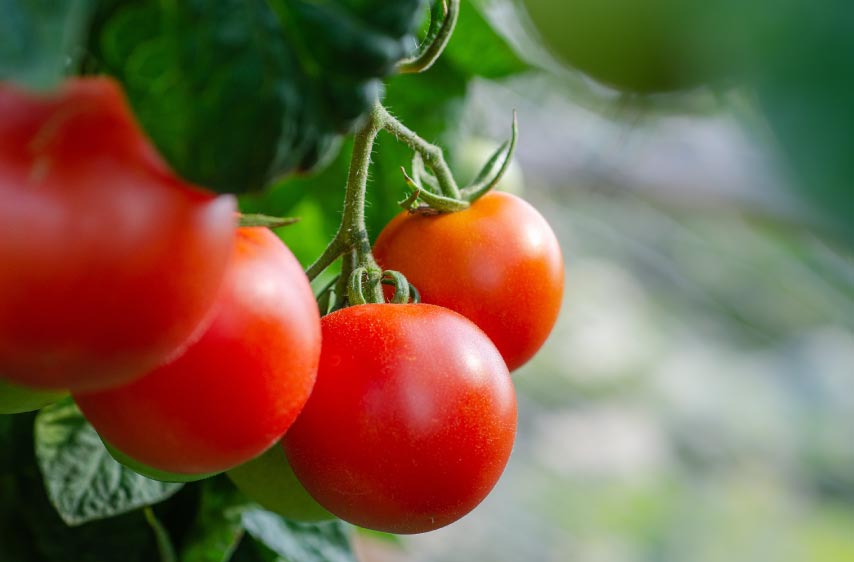
Can Rabbits Eat Tomatoes?

In addition to being a natural herbivores, they also enjoy fruits and salad mix. Although the plant is not toxic to rabbits, you should always take appropriate precautions to prevent any negative consequences. To learn more about whether tomatoes are good for your rabbit, read on.

Tomatoes are good for rabbits, but the skin, stems, and leaves should never be given to your pet. Because tomatoes contain a lot of sugar, it is important to keep a strict limit on how many tomatoes you give your rabbit each week. Too much sugar can make your rabbit sick. Try to keep it to one cherry tomato a week and your rabbit will be fine. You can feed your pet as many as three cherry tomatoes a week, but not more.

It is best to keep your rabbit away from tomato plants until they are healthy. Depending on their health and lifestyle, you should limit their diet to one tomato a week. The leaves and stems can contain tomatine, a toxin that is toxic to animals. As a result, it is best to limit your rabbit’s exposure to tomatoes to a few.

Attention about Tomatoes

Tomatoes contain glycoalkaloids, which make them highly toxic. Tomatine is found in tomato fruit, but in smaller concentrations. Toxic concentrations of tomatine can affect humans and animals. A small amount of tomatine will not harm a rabbit. A few slices of tomato will make a big difference in the rabbit’s health. Remember to keep the serving sizes small and combine the tomato with other vegetables.

Most tomato varieties contain carotenoid substances and vitamins B, ascorbic acid, and folic acid. They also contain choline, which is a part of fetal tissue. Ingestion of tomato treats can cause diarrhea and other digestive problems. Fortunately, tomatoes can be very healthy for rabbits. But if you’re not sure whether to give them tomatoes, you can always give them smaller pieces of tomato slices and a smaller portion.

Tomatoes can cause stomach aches, diarrhea, and even constipation. They should be picked before they ripen, as they will not eat rotten tomatoes. In addition, rotten or overripe tomato leaves can be harmful to your rabbit’s health. You should make sure that tomatoes contain no leaves, stems, or seeds to avoid causing your pet any problems.

Strawberries

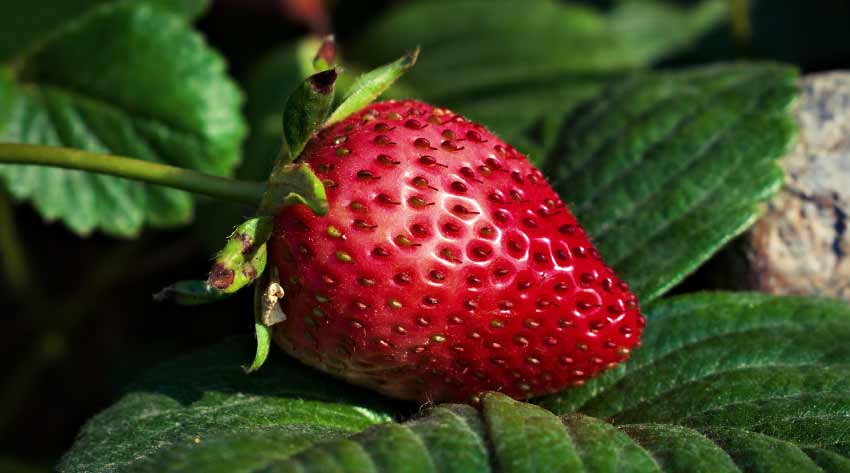
Can Rabbits Eat Strawberries?

As far as fruit goes, they can eat any vegetable or fruit. However, you should know that there are some things you need to do before introducing new food to your rabbit. It’s best to start off by giving them a small amount and monitor their reactions carefully. If you notice that your rabbit is having diarrhea, stop giving it the treat and visit your veterinarian. To clean your rabbit’s fur, you can use wet wipes. In addition, be sure to wash your strawberry thoroughly to remove any chemicals or dirt.

If you’re worried about pesticides and chemicals getting into your rabbit’s body, you can try giving them the stem and leaves of a strawberry plant instead. The leaves are also a safe treat for your rabbit. While these portions may not seem like much, they can be very tasty. To avoid any choking hazard, you should be sure to wash the plant thoroughly before you feed it to your rabbit.

Dry Strawberries

Another food you shouldn’t give your rabbit is dried strawberries. You should also keep in mind that your rabbit’s stomach is very sensitive, so dried fruit is not a good option. This is a great way to introduce new foods to your rabbit and make it happier.

You can feed your rabbit strawberries. You can give them the rinds of nectarines but it’s better if you only give them a portion of the fruit. Since they’re high in carbohydrates, it’s better to count it as a treat than a regular food. It’s okay to give your rabbit a small amount of these fruits. Remember that you don’t want your rabbit to get a stone in his mouth.

While strawberries are a healthy snack for rabbits, it’s not a good idea to give them a lot of them. Despite how tasty strawberries may be, they’re not good for your rabbit’s digestive system. It is important to avoid overfeeding. The best way to avoid giving your rabbit too much of any food is to give it in small amounts. During the first few days, you can introduce them to them gradually and offer them only a small piece of it.

They are also beneficial for their digestive system, as the sugar content of strawberries can lead to diarrhea. As a result, you’ll need to ensure that your rabbit doesn’t choke on the fruit. You must also give your rabbit plenty of water so that the water level stays constant.

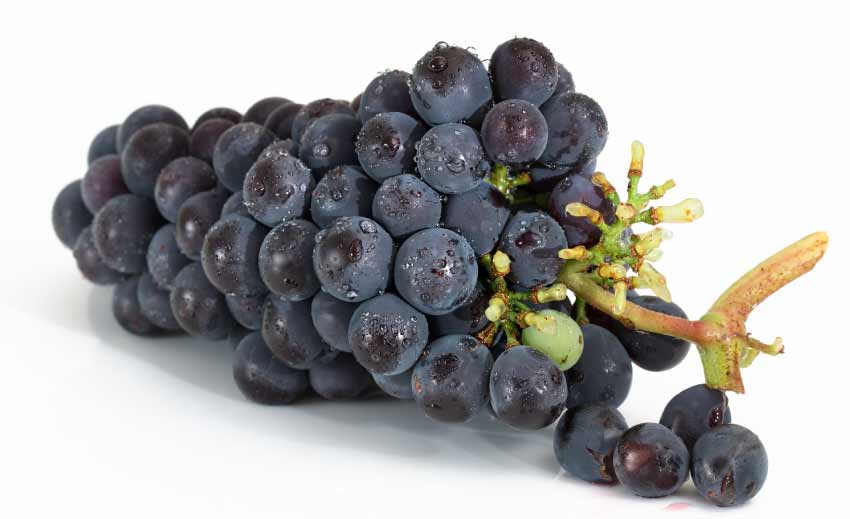
Grapes

Can Rabbits Eat Grapes?

This common question is often asked by new pet owners. After all, they are small animals with delicate digestion systems. Fortunately, the answer is no. While grapes are a popular treat for humans, they are not recommended for consumption by rabbits. They contain too many calories and can lead to obesity and renal failure. Aside from these risks, grapes also pose a number of other problems for your pet. These digestive issues may include diarrhea, bloating, lethargy, and loss of appetite. You should monitor your pet closely to avoid causing any harm to your beloved companion.

As long as they are grown and untreated, your pet rabbit is safe to eat grapes. Ideally, you should limit grapes to a few pieces a week, and feed them no more than twice a week.

While it is okay to give your rabbit a handful of grapes occasionally, you should monitor their behavior and contact your veterinarian if they begin to have digestive problems. Remember that grapes are toxic for cats and dogs, but grapes are safe for rabbits. As with any food, the amount your rabbit can eat depends on its age, size, and breed. And if you’re not sure whether your pet can handle it, start by removing the skin and seeds.

Watermelon

Can Rabbits Eat Watermelon?

The white part is sweet, while the green part is a nutrient-dense source of vitamin C. Aside from being tasty, watermelons are also good sources of fiber. They contain coralline, an amino acid that helps keep the rabbit’s system healthy.

When you feed a rabbit watermelon, be sure to watch for any health problems or choking risks. Symptoms of a previous watermelon meal include looser stools, a bad odor, or a bad digestive system. For the best results, try limiting your rabbit’s watermelon diet to a few pieces a week. If you find that your rabbit’s stools are loose and have poor digestion, avoid introducing them to your pet.

A watermelon contains around 30 calories per 100 grams and is great for hydration, but is high in sugar. This can cause diarrhea in your rabbit. The fruit does not contain much protein or fat, and your rabbit will need to eat plenty of hay in addition to the watermelon. A serving of watermelon is not a full meal, so it’s best to introduce your rabbit to a small amount of it once in a while.

Conclusion

So we got a clear concept about can rabbits eat bok choy or other foods like celery, tomatoes, strawberries, grapes and watermelon. During any food ingredient we should to know all the foods pros and cons, its nutrition and vitamin percentage. This will help your pet healthy and happy. So can rabbits eat bok choy is not a problem now to all. It is Best Small Pets for Depression  

How Long Do Ferrets Live as Pets ! Ferrets for Adoption

How Long Do Ferrets Live as Pets ! Ferrets for Adoption

How Long Do Ferrets Live For As Pets?

How Long Do Ferrets Live As Pets?

Ferrets can be a wonderful pet for many people. These adorable pets are extremely intelligent, love to play, and make cute noises. In addition to regular veterinary visits, they also need proper dental care and diet.

As they grow older, ferrets can get a bit less active and develop gray hairs. Because of their age, they are more prone to illnesses and are generally not as mobile as they were while young. Some may also have less energy. And because of their aging bodies, they are more likely to develop serious ailments. Depending on their age and overall health, ferrets can live up to 12 years or longer.

Ferrets can live up to 12 years as pets, but they are typically shorter. The lifespan of common ferrets is six to eight years. Their life expectancy is similar in white, black, and albino ferrets. In the wild, they live only three to four years, but they are endangered due to overpopulation and disease concerns. They may live up to ten years if they are neutered.

Ferret

How Long Do Ferrets Live?

Depending on the environment, ferrets may live up to nine years. Most die in their mid-to-late sixties. However, some may die earlier if the owner is unlucky or under-feeds them. While five years of age is considered old for a pet ferret, this doesn’t mean that the pet will not have issues. This is a common question among owners of ferrets, but there are some things you should know before buying one.

Ferrets have a long lifespan compared to many other common pests. Moreover, ferrets require proper care and training. They can live up to ten years if they’re well-cared-for and exercised.

Ferrets should receive vaccinations every year. While ferrets don’t need much exercise, their fast-paced lifestyles can cause dental problems. They should be confined in a cage or be banded when they’re outside. They also need sixteen to eighteen hours of sleep each day. Some even pretend to sleep in order to show you how much they’re sleeping. These pets are highly intelligent and have developed ways of communicating.

Ferrets are essentially the same age and have similar lifespans compared to domestic cats and dogs. Ferrets are typically sterilized when brought into captivity and are therefore not pregnant.


Ferret

How many types of ferrets are there?

You don’t know so much about pets. These types of pets have long bodies. But these legs are short. These are also dark masks on top of their eyes. If you want to know about separate types of ferrets as a pet. If you are looking for them. And to get ferret as a pet. He who has knowledge about different types of ferrets. He can decide the best types of ferrets are for him. Also, he can decide which type of best for his family. Only one breed of a ferret is called standard and the same ferret is called European.

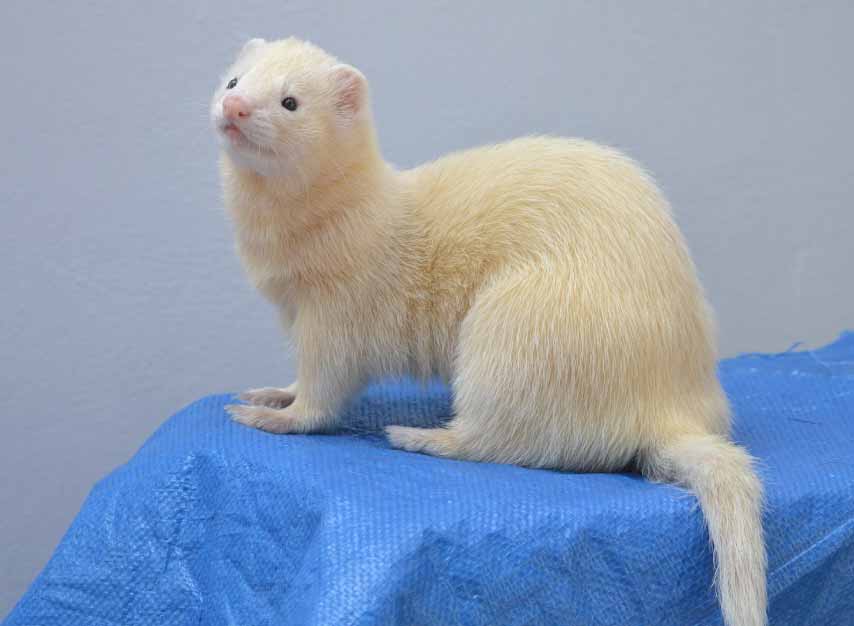
 In this post, we will try to cover all types of ferrets. We will also try to recognize them. In this topic, you can learn the difference between ferrets. An albino ferret, an all-white ferret, an angora ferret and a panda ferret.

Are ferrets domestic animals?

 There are debatable domestication dates back to around 2500 years. But nobody knows the proper timing. They have been domesticated because people hunt rabbits by them.

The dimension of the ferret

You can identify three types of ferrets. They are following

1- Whippet: This ferret’s distinctive trail is, it has a small and long head. They are originally from the United State.

2- Standard: This type of ferret was once used for rabbit hunting. Because it is a sinuous appearance and is also very fast in its movement. It is a classic ferret. It is a known European ferret also.

3-Bull: This ferret has a wide head and a full chest. It has also short legs. All of the existing ferrets, this type of ferrets are the largest ferrets. It had lived mainly in Northern Europe.

Different types of ferrets or all types of ferrets

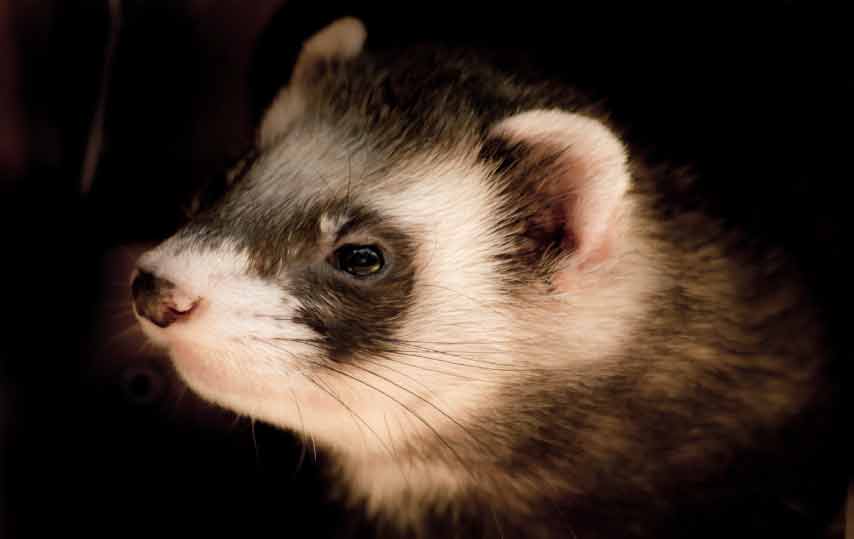
Sable ferrets

We have commonly seen this variety of ferrets. It is the most common household pet. These ferrets are brown in color. Coat’s top layers of that ferrets are a beautiful rich brown. The undercoat is these types of ferrets are lighter in color. We also see these golden colors. Again, we found these white and cream colors. All the color types of these ferrets are easily found all time.

Black sable ferrets

Dark blackish-brown guard hairs are present on the black sable ferrets. They are the white undercoat. Completely black ferrets are rarely we can see. A light color undercoat almost they have. These types of ferrets have dark brown eyes. Their nose is also nearly black. A hood like mark on its head has these ferrets. Shade and nose are the same matches this type of ferret.

Albino

Albino ferrets are white red eyes with cream-colored and pink noses or pink eyes. These ferrets have an absence of pigment. It has a solid white coat. These types of ferrets are the lightest. One thing about albino ferrets. Albino ferrets are a little bit prone. But it is not a big matter. Again albino ferrets can have yellow fur. But is not yellow ferrets. It is a normal color also. Because of the oily skin albino seems to be yellow in color. On average, albino ferrets live 8 years longer. Their character is not different from others ferrets

Cinnamon ferrets

Cinnamon ferrets are light brown and reddish cast. These types of ferrets’ legs necks, tails, and chest are slightly darker reddish-brown colors. They can have a brick-red nose and also a pink nose. There rate to find. They are very beautiful because of their reddish-brown guard fur. Darker tails and legs make them beautiful also. The cinnamon ferret will not find commonly in pet stores because they are very rare. You can find cinnamon mitts. But they are cinnamon but they are with mitts.

Chocolate ferrets

We usually see chocolate ferrets’ brown eyes. These ferrets have brown fur. For this reason, when we see these it seems the color of chocolate. So their name is called chocolate ferrets. The chocolate ferret’s pattern is like basic sable ferrets. Their legs are darker and tails are also darker. An adult chocolate ferret is 4.4 Ibs for a length of 22 on average. Chocolate ferrets’ weight and size are like other ferrets.

Champagne ferrets

There are other kinds of ferret that are name is champagne. They are beautiful ferrets. They are diluted versions of chocolate ferrets’ color. These type of ferrets has guard color. They have a white and cream undercoat. That type of ferret has light to dark eyes. They have also a light pink or light being nose. 

Blaze ferrets

This type of ferret has various colored coats. Many ferret species have white bid. Some of them have four mitts also. We can characterize them by the colored rings around their eyes. They also characterized by small.

Dark-eyed white ferrets

Dark-eyed white ferrets have dark color eyes. They can have various lighter shades in contrast and their nose can be a pink color. Their eyes also can be burgundy color. Their undercoat may be cream and white in color. These have the same color guard hairs.

Color of ferrets

Ferrets are judged by the color of their fur. You can Judge them by three parameters- the first one is the basic color. You can judge by a pattern of color. You can classify these by mask also.

When we are thinking about the color of the ferret fur, we indicate general color. That means the color of the nose, eyes, and fur.

The AFA (American ferret association) find out several different colors and patterns that are survey breed standers for ferrets. The seven different colors and patterns are considered breed standards.

The following are the basic color of the ferrets
The following are the basic pattern of the ferrets


Standard, Siamese, solid, self, and roan.

The following are the basic pattern of the ferrets


If you figure out ferret color. What color of coat ferret is? First, you will need to identify it. Over this coat color. What pattern do they have? American ferrets are seen in domestic ferrets. They are Association list eight colors. They are following. They have a lifespan of seven to ten years. That kind of fur is white brown-black. They are 13 cm (5.1 in) tail. They are about 1.5-4 pounds weight. (Around 0.7-2kg). They are sexually dimorphic predators. Their mail is larger. And females are smaller. Almost that types ferrets 51 cm (20) average length grow up

Blue Crested Gecko Morphs Price  for Sale

Blue Crested Gecko Morphs Price for Sale

The Cute Blue White Crested Gecko

crested gecko tank size

The cute crested gecko, blue crested gecko, or white crested gecko are one of the most popular pet geckos in the world. They can also be kept as pets. You can find these adorable little creatures at many pet shops and online. This article will cover a few of the most common types of Cute crested gecko and how to choose the right one.

The cute crested gecko, blue crested gecko, or white-crested gecko is a polygenic species, meaning that it can be either albino or normal. These cute crested gecko-like cool pets to have in your room have a one in four chance of being albino.

Unlike most other geckos, the blue crested gecko or white crested gecko does not have any distinctive markings. Its distinctive pattern will develop over time. During its first year, the color of the cute crested gecko will change drastically. It will also have a distinct pattern. This process is called firing up and depends on many factors as exotic pets. You can know more about cheap exotic pets. If you take an exotic pet at first know what exotic pets are legal in Washington State

Crested Gecko

Cute Crested Gecko

One of the most adorable geckos is the cute crested gecko. These geckos have a hair-like projection above the eyes and two rows of spines on their body. Their toes have small hairs and claws. The different colors of the species also vary greatly. The morphs are distinguished by the crest. A cute crested gecko or white crested gecko has a specialized toe pad, much like a human. This is an advantage over its cousins, the leopard gecko, which lacks toe pads. Rather, the toes are used for prey capture and pseudo-basking, which makes them very unique and cute. If you own one of these little guys, Small Exotic Pets That Are Easy to Own you will be able to enjoy their fun personalities and adorable antics. The cute crested gecko and white crested gecko has different color patterns, called Morphs. Polymorphism refers to the existence of multiple visually distinct versions of a species. You might have more than one of the same kinds as cute crested gecko, and this can be confusing. However, these little lizards are very lovable and cute crested gecko is a great pet for kids.

You’ll have a dazzling, colorful cute crested gecko on your hands. These creatures are known to be skittish when they first meet humans, but with a little time, they’ll settle in. With some patience, your new friend will be a relaxed, loving pet in no time. It will best as Low Maintenance Pets for Apartments

cute crested gecko, blue crested gecko, white crested gecko

White Crested Gecko Color Variation

crested gecko tank size

The white-crested gecko its color is caused by its lack of pigmentation in some areas. While this trait is not passable, some breeders hope to create this unique color variation in a future breeding program.

A criterion for this variation is whether the individual has any defining colors. A gecko’s color is determined by its color cells or chromatophores. White Crested gecko has a variety of chromatophores, or pigment production centers, which produce different colors. Each chromosphere is named after a particular pigment. Melanophores produce brown or orange color, whereas pheomelanin and eumelanin are blue-colored. The lack of a leucophore is another factor that can cause a variation in the color of a white-crested gecko. These all are symbols of Best Pets for Apartments.

Tricolor morphs are different from the white ones of a white-crested gecko. Their body is three-colored with varying patterns. This type has a distinct combination of Tricolor and Harlequin morphs. The wild type is the standard and most common form of the white-crested gecko. If you’re interested in buying a white-crested gecko for sale. You can find the information that you need on our care sheet.

Crested Gecko Tank Size

Buying a Blue Crested Gecko

The name blue crested gecko is a misnomer, because it is actually one of three color variants of this species. However, two expeditions by Wilhelm Henkel and Robert Seipp led to the discovery of a population in 1994. During the trip, these animals were collected from the wild by Philippe de Vosjoli, Allen Repashy, and Frank Fast. They were then introduced into the pet trade. The Blue Crested Gecko has been bred in captivity and is now available for sale.

It is best to keep your new blue crested gecko pet in its natural habitat, as they require a lot of space. The bare minimum size for a blue crested gecko is 12 inches. Having this size makes them ideal for smaller aquariums, but this is not true for larger tanks. If you are considering buying a blue crested gecko as a pet, it’s worth considering the following tips:

  • You need to keep its environment as natural as possible.
  • The food should be kept at a comfortable temperature to avoid the risk of over-heating your blue crested gecko.

When breeding a blue crested gecko, make sure the female is at least 38 grams. If she’s less, she may have calcium-deficiency issues, which could shorten her life span. The male blue crested gecko usually mats in the evenings. With the female blue crested gecko being the last to arrive. Before mating, the male blue crested gecko will chirp and head bobble. Once he mounts his female, he’ll insert the hemipenes, which are placed into the female’s vent. The pair of blue crested gecko will lock for several minutes.

Crested Gecko Tank Size

Various Morphs of a Crackled Gecko

Depending on the species, there are several different morphs of cute crested gecko. The differences between each of these morphs can be confusing, so it is best to seek the advice of a breeder when making your choice. The first thing to remember is that morphs are not the same as projects, which are breeding colonies that a person develops for personal use. The main difference between morphs and projects is the amount of development that is involved. Most popular pets in the world.

The different morphs of cute crested gecko differ in the amount of white that they show. Generally, geckos with more white on their bodies have more patterning, while those with a small amount of white are called “white-walled.” However, some morphs have both black and white stripes and do not affect the color of the belly. This type of morph is more common in the wild.

Another morph of cute crested geckos like cool pets is the cream-on-cream variety. This variation is much rarer than the harlequin, which shows a red-and-lavender base color. In the case of the harlequin morph, the two base colors are red and lavender, while the standard harlequin does not show any white coloration. It is rarer than the flame morph, which has a greenish base color.

Crested Gecko Tank Size

Crested Gecko Care

First, make sure that your enclosure is at least 50 percent humidity. Using a misting bottle will provide the perfect amount of humidified air to keep your pet happy and healthy. Then, make sure that the mist is delivered at regular intervals of thirty seconds or longer. For an automatic misting system, you can purchase a product such as a Mist King, which will do the job for you.

Besides providing a suitable enclosure, you can also offer your pet live, non-toxic plants to climb. Keeping its temperature stable is also a great way to provide proper Cute Crested Gecko care. You should check the humidity level daily with a hygrometer. If it is not stable, mist the area regularly with warm, filtered water. You can mist the area several times a day, especially at night when they are most active. You can know more for ideas for pet ashes.

Then, choose appropriate food. Ensure that the food is small enough for your Cute Crested Gecko to eat. Ideally, it should eat insects that are smaller than its head size. As for the easy care of your Crested Gecko, you need to keep it safe from common diseases.

cute crested gecko, blue crested gecko, white crested gecko

Buying a Felted Gecko – What is the Crested Gecko Lifespan?

If you’re considering buying a Cute crested gecko for your home, you’ll want to know how long this reptile’s lifespan is. As with any pet, you’ll need to consider your budget and time commitment before you start caring for your new pet. These tricks can help you take care of your new reptile, and make your new friend a happy member of your family.

Whether you want to buy a male or a female, it’s important to keep in mind that this species lives up to 20 years. It’s important to consider this number if you can’t commit to that length of time. The eyelash crested gecko is known to live for about nine inches, and the males are sexually mature at about eighteen months.

When buying a Cute crested gecko, it’s important to remember that they have a short lifespan in the wild. They live for a few years and do not eat anything at all. The same applies to humans. They can inherit some disease from their ancestors, which can affect their longevity. While these pets are great pet companions, they are an investment, and you’ll want to make sure you have the time to care for them for at least a decade.

cute crested gecko, blue crested gecko, white crested gecko

Crested Gecko Tank

When looking for the best small Pets for depression as cute crested gecko tank, you should look into the Exeo Terra Glass Terrarium. This glass terrarium has been designed by European herpetologists and features front opening doors. Double ventilation system and full screen top. Its front opening doors are easy to open and close, and the terrarium’s double ventilation system allows it to maintain an optimal temperature throughout the year.

Although cute crested gecko or white crested gecko these are nocturnal animals. They do spend time on the ground. If you choose to put in live plants, it is best to use Eco earth, as this substrate has a nutrient-rich pH balance. In addition to the proper temperature, a crested gecko’s habitat should also have adequate humidity levels.

Crested geckos need constant fluctuation in their environment. A temperature of seventy-two degrees Fahrenheit or twenty-eight degrees Celsius is perfect for them. If you choose to keep more than one of them in a terrarium, you should provide several separate enclosures for each species. If you do not want to have multiples of a species in the same terrarium, you can place them in different tanks so that they can socialize with each other.

The Harlequin Crested Gecko

The Harlequin Cute Crested Gecko, White Crested Gecko or Blue Crested Gecko is a relatively easy reptile to care for. It is very inexpensive and doesn’t take up as much space as some other designer reptiles. Despite its name, this species has many distinctive characteristics. Whether you are looking for a pet for a tropical or desert environment, the Harlequin is the right choice.

The Harlequin Cute Crested Gecko, White Crested Gecko or Blue Crested Gecko is an easygoing species with a reputation for being docile towards humans. It is not difficult to house a pair of them in the same tank, although multiple males can fight with each other. The pair may even breed together, and the females will stay hidden during the day. The Harlequin is a designer reptile, so it will shed its skin completely when it is healthy and at the right humidity. The shedding process is very quick, and you can easily maintain the correct temperature and humidity level.

Crested Gecko

Flame Crested Gecko Color – How to Tell If Your Pet Has a Harlequin Or Flame Crested Gecko

The color of a flame crested gecko can be attributed to several factors, including the surrounding environment, temperature, humidity, hormones, and fear. They can also have different colors on their legs and limbs. However, regardless of these factors, any spotting on your pet’s body should be considered an indication of a harlequin.

First, remember that a flame crested gecko must be green to be considered a harlequin morph. This color is due to a lack of pigmentation in the skin, so the resulting morphs are usually shades of olive green or pale green. You may want to choose an heirloom morph if you’re considering keeping a harlequin or flame gecko as a pet.

The Lilly White Crested Gecko

The Lilly White crested gecko is the most distinctive looking species of crested gecko. Its high cream and white coloration makes it the most attractive of all crested geckos. Its coloration will vary from hatching to adulthood and you can find them in different color combinations. The offspring of Lilly Whites can also have a mix of base colors and patterns.

The Lilly White is such a stunning looking animal. Its appearance is largely determined by the type of gecko it was bred with. Many people often ask whether they should breed the Lilly White with another normal looking gecko to get a Lilly White. The visual outcome of the breeding is somewhat predictable, but the exact appearance of the offspring is difficult to predict. The best way to choose a good partner for breeding your new pet is to choose an established breeder with experience in keeping crested geckos.

This unique breed is often characterized by its cream-white coloring, but can be made to look even more beautiful by being bred with another gecko. The Lilly White is an extremely prolific breeder and can live up to 10 years with proper care.

cute crested gecko, blue crested gecko, white crested gecko

The Dalmatian

The Dalmatian Cute Crested Gecko, White Crested Gecko, or Blue Crested Gecko crested gecko is a popular pet that has many benefits, including low maintenance and a distinctive appearance. Although they can be skittish and a bit skittish, this species is generally healthy and will make a good addition to any household. If you have the right environment and care, your gecko will thrive and provide you with years of enjoyment.

The Dalmatian Cute Crested Gecko, White Crested Gecko, or Blue Crested Gecko crested gecko is an excellent choice for first-time owners because of its unique color pattern and personality. The Dalmatian is a relatively low-maintenance pet and will thrive with low-cost food and housing. This reptile breed can be held and handled, which is essential for companionship. Here’s how to care for your Dalmatian blue crested gecko.

Cream back Dalmatians have thick, frosted cream on their dorsal areas. Unlike the typical chevrons and markings, Dalmatian babies have smooth and symmetrical heads. These geckos have a semi-prehensile tail, and a black wingtip is their primary marking. A Dalmatian with a black Dalmatian morph has white spots, while a white Dalmatian has a yellow-red wingtip and a green dorsal patch.

The female Dalmatian crest gecko has a distinctive pattern and patternless Dalmatian spots. The juvenile Dalmatian crusty doesn’t usually have any Dalmatian spots, so you may be lucky to find one without any. A basic Dalmatian with some spotting is inexpensive, while a big black inkblot spot is worth several hundred dollars.

A Dalmatian with this pattern

The name is derived from the fact that it has a crest of fringed spots on its head and tail. A Dalmatian with this pattern can be either orange or rust red. Its eyes are also yellow or rust red, but it is impossible to distinguish the Dalmatian from its spotted counterparts.

The Dalmatian blue crested gecko is a pattern less and patterned variety. This Dalmatian has a pronounced orange or red dorsal color. It has no patterns. A cream back crested gecko has a thick layer of cream on its dorsal area, which is a distinct characteristic of this species. It does not have the typical chevrons and markings, but it has a thick coat, which makes it look as though it is frosted. Besides the cream back Dalmatian, the cream back is a great choice for beginners to keep because it is easy to clean and maintain.

The Dalmatian has a variety of base colors, and they all have black/red/green spots. This type of Dalmatian is a thriving pet, and it can live for up to a week without any help. However, the Dalmatian blue crested gecko needs a daily diet to stay healthy. It can survive on a small amount of food, but will need assistance with nutrition.