
Cool pets to have in California | Pets that are Illegal in California

Cool pets to have in California | Pets that are Illegal in California

Quick Answer: California allows common pets like dogs, cats, and many small mammals and birds, but bans or restricts several exotic species, including ferrets, hedgehogs, certain reptiles, and most wild-caught or hybrid animals, so it’s worth checking state and local regulations before bringing home anything unusual.

Key Takeaways

  • California is one of the few US states where pet ferrets are illegal to own.
  • Hedgehogs are also banned as pets in California.
  • Restrictions often target species seen as invasive or a wildlife risk.
  • Local city and county rules can add further restrictions beyond state law.
  • Always verify current regulations with California Fish and Wildlife before acquiring an exotic pet.

Why Trust This Guide?

This guide is researched and written by the Pets Store Home editorial team, drawing on general pet-care and industry information. It’s intended as general information to help with your decision.

What Pets are Illegal in California: The cool pets to have in California supposed farm animal spawn aren’t as foreign as you. There are still several exciting family pets for adventurers in The golden state. The best feature of these exotic animals or the cool pets to have in California. They don’t need a great deal of area or room. So if you’re concerned about apartments for sale in Irvine, CA, Or various other neighborhoods in the location. You’ll have a bounty of room for these single pet dogs.

They like to eat cricket in their cage when resting on your shoulder or in your hand. But beware when they rarely bite off. They have self-protective feedback that can sham some danger to your eyes. So, it is advisable to wear eye protection tools. When cleaning the cage or handling your arachnid.

California pet laws

California pet laws refer to the set of rules and regulations that govern the ownership and treatment of pets in California. These laws aim to ensure the well-being of pets and protect them from neglect, abuse, and abandonment.

Some of the critical laws that pet owners in California should be aware of include the following:

Licensing Requirements: All dogs over four months must be licensed with their local government agency. You could get fined or face other consequences if you don’t follow this regulation.

Vaccination Requirements: By the age of four months, California law mandates that all dogs receive a rabies vaccination. You could get fined or face other consequences if you don’t follow this regulation.

Leash Laws: Many cities and counties in California have leash laws that require dogs to be kept on a leash or other physical restraint while in public places.

Animal Cruelty Laws: California has strict laws prohibiting animal cruelty, including neglect, abandonment, and intentional harm. Violations of these laws can result in criminal charges and penalties.

Pet Deposits and Fees: Landlords in California are allowed to charge pet deposits and fees when renting to tenants with pets. However, these fees cannot be used to cover damage caused by normal wear and tear and must be returned to the tenant at the end of the lease.

California pet owners must familiarize themselves with these laws and other applicable regulations. By doing so, they can ensure that they provide the best possible care for their pets while avoiding legal issues and penalties.


Popular companion animals in California

California is a diverse state with a wide range of animals kept as pets, but some of the most popular companion animals in California are:

Dogs: California is home to many dog lovers, and it’s not uncommon to see people walking their dogs on the streets, parks, and beaches. Popular breeds include the Labrador Retriever, German Shepherd, Bulldog, and Chihuahua.

Cats: Cats are also a popular choice for companion animals in California. They are often kept as indoor pets and can be seen lounging in sunny spots or playing with toys. Popular breeds include the Siamese, Persian, and Maine Coon.

Birds: Many Californians, from small parakeets to large macaws, keep birds as pets. Some popular species include cockatiels, lovebirds, and African grey parrots.

Fish: Aquariums are standard in many Californian homes, and fish are a popular choice for low-maintenance pets. Some of California’s most popular fish kept as pets include goldfish, bettas, and guppies.

Reptiles: Reptiles are also a popular choice for pet owners in California. The most common species include bearded dragons, corn snakes, and ball pythons.

Small mammals: Small mammals such as rabbits, guinea pigs, and hamsters are popular pets in California, especially for families with children.

Californians have a wide range of options for choosing companion animals, and many different types of pets can be seen throughout the state.


Pets that are Illegal in California

California has strict laws regarding the ownership of certain animals as pets, and several species are illegal to keep as pets in the state. Some of the pets that are illegal in California include:

Ferrets: In California, they are illegal to keep as pets, although they are legal in most other states. The state considers them a threat to the local wildlife and ecology.

Hedgehogs: Hedgehogs are illegal to keep as pets in California due to concerns about their potential to become invasive species and threaten the local ecosystem.

Sugar gliders: Sugar gliders are also illegal to keep as pets in California due to concerns about their welfare and the potential for them to become invasive species.

Quaker parrots: Quaker parrots are illegal to keep as pets in California due to their potential to become invasive and cause damage to crops and infrastructure.

 Savannah cats: Serval and domestic cat hybrids are known as savannah cats. Since they are considered dangerous to the public’s safety, they are forbidden to own in California.

Remembering that this is a partial list and regulations can change over time is crucial. If you’re considering getting a pet in California, it’s essential to research the specific rules and regulations in your area to ensure that you comply.


More Pets that are Illegal in California

Here are some additional pets that are illegal to keep in California:

Alligators and crocodiles: It is illegal to keep them as pets in California, as they are considered dangerous wild animals.

Non-human primates: Owning non-human primates such as monkeys, apes, and lemurs is illegal in California, as they are considered dangerous and potentially carry zoonotic diseases.

Skunks: Keeping a skunk as a pet is illegal in California, as they are known to carry rabies and other diseases.

Wolf hybrids: It is illegal to own a wolf hybrid as a pet in California, as they are considered dangerous and unpredictable.

Venomous snakes: Keeping them as pets in California is illegal, as they pose a significant risk to public safety.

It’s important to note that many animals that are legal to own in other states may be illegal in California. If you’re considering getting a pet, it’s always a good idea to research your area’s specific laws and regulations to ensure you comply.


Necessary resources for new pet owners in CA

If you’re a new pet owner in California, several resources are available to help you get started and ensure your pet is well-cared for. Here are a few resources to consider:

Veterinarians: Finding a veterinarian specializing in your pet’s species is essential for ensuring that your pet receives proper medical care. You can search for veterinarians in your area through the California Veterinary Medical Association or the American Animal Hospital Association.

Pet stores and supplies: Pet stores are an excellent resource for purchasing your pet’s food, supplies, and other essentials. Some popular pet store chains in California include Petco, PetSmart, and Pet Club.

Animal shelters and rescues: If you’re looking to adopt a pet, animal shelters and rescues are a great place to start. Many of these organizations offer resources and support to new pet owners, including pet care and training information.

Pet training and behavior classes: Pet and behavior classes can help you develop a stronger bond with your pet and ensure they are well-behaved. Some popular training programs in California include Petco’s Positive Dog Training program and the California Doggie Academy.

Online resources: Many online resources are available to help new pet owners in California, including websites like the California Department of Fish and Wildlife and the California Veterinary Medical Association. These websites offer information on pet care, regulations, and other essential topics.

Remember, owning a pet is a big responsibility, and it’s essential to take the time to research and educate yourself on proper pet care. By utilizing these resources and taking a proactive approach to your pet’s health and well-being, you can ensure that your new pet is happy, healthy, and well-cared for.


Types of reptiles, amphibians, and other exotic pets that are permissible in the state of CA

California has strict laws regarding the ownership of exotic pets, including reptiles and amphibians. However, there are still many species that are permissible to keep as pets in the state. Some examples include:

Bearded dragons: Bearded dragons are a popular species of lizard that are permissible to keep as pets in California. They are docile and easy to care for, making them an excellent choice for first-time reptile owners.

Leopard geckos: Leopard geckos are another popular species of lizard that are permissible to keep as pets in California. These are fantastic options for novices because they are compact and straightforward to maintain.

Corn snakes: Corn snakes are a common species that are permissible to keep as pets in California. They are well-liked among novice snake keepers since they are gentle and straightforward to care for.

Red-eared slider turtles: Red-eared slider turtles are a popular species of turtle that are permissible to keep as pets in California. They are easy to care for and have a long lifespan.

Pacman frogs: Pacman frogs are a species of frog that is permissible to keep as pets in California. They are easy to care for and have a unique appearance, making them popular among exotic pet owners.

Chinchillas: Chinchillas are a small, furry species of rodent that are permissible to keep as pets in California. They require specialized care but can make great pets for those willing to put in the effort.

Hedgehogs: Although hedgehogs are illegal to keep as pets in some states, they are permissible to keep as pets in California.

It’s important to note that even if a species is permissible to keep as a pet in California, there may still be specific regulations and requirements that need to be followed. Before getting an exotic pet, researching your area’s laws and rules is always a good idea.


Ball Python:

This specific python is a non-venomous and perfect starter serpent if you live in a reptile. These will certainly expand to an utmost of 3-5 feet and are extremely easy to handle.

Chinchilla:

The average lifetime of a chinchilla has to do with 15 years. These are lively and also job best in big cages, yet they are tiny and fragile. So they can attack if held as well firmly or covered. Still, chinchillas have appreciated family pets. Because they are very gorgeous, and their pelt is so soft.

Unique sorts of lizards

Appreciated lizards to stay as family pets include bearded dragons. Chinese water dragons, and different geckos. Wild felines, such as Weblink, may not seem different from your average house cat. Yet, they have a much bigger character and also are better for residential dogs. A pet’s Weblink will walk and also play pants when exhausted or hot. These animals need an energetic house prepared to take notice of and remember. Not all big cats are lawful in the golden state.

What Pets are Illegal in California: Cool pets to have in California

If you want to look at other state regulations. Here’s a quick introduction to the 50 state exotic pet regulations.

Ferrets

Ferrets

Ferrets are part of the Mustelid household and relate to camels, mink, weasels, and polecats. Although they are fashionable pets and also legal in every state n North America. They prohibit in California and also Hawaii.

Nonetheless, you can not maintain ferrets in The golden state without authorization. The Golden State Department of Fish and Wildlife says that. Taking off or abandoning animal ferrets presents a considerable hazard. To unusual wild animals in California. Including livestock can not be lawfully imported. Transported, or occupied in California without a clinical permit so they are taking the rescued ferries out of the state.

hedgehog

Hedgehog

Sadly, another risk to the neighborhood of the golden state wildlife is the lovable hedgehog, and these nocturnal animals understand their curls.

Considering that quills can still penetrate the skin. And also hedgehogs can carry different conditions in human beings. So, such as ringworm and also salmonellas prohibit in the golden state.


Monkey

According to the Primate Rescue Facility, monkeys need regular care and focus. And several make it through approximately 40 years. In The golden state, only certified experts and individuals get approval for apes. And various other primates for certain legal functions. Including medical study and training in tv and film. Monkey permit in an of 17 UNITED STATE.

Squirrel

While camping in California. You can see many squirrels in the wild, but keeping them as an animal. According to the California Fish and Game Code. Feeding a wild animal. Consisting of a squirrel – is bugging pets. With a fine of as much as $ 1,000 for supplying one.

Gerbils

Because our environment resembles the all-natural environment in the desert. The official concern is that. Abandoning and running away from family pets could endanger them. The golden state’s endangered wild animals and plants by creating endangered nests. Hence. They are cool pets to have in California.

Suppose you like gerbils and wish to take them into consideration. Various other comparable wild rats as pets. The golden state is lawful. including hamsters, rats, computer mice, guinea pigs, and chinchillas.

The fox

Smart as a dog, foxes have been bred to live like animals – but not entirely trained. The Cool pets to have in California.

According to the California Code of Regulation (CCR) 671. Various other popular exotic pets need avoiding (without special authorization). Include raccoons, sconces, deer, alligators, lemurs, zebras, several poisonous reptiles, meadow dogs, wolves, and hybrids. As well as giant cats such as bobcats, cheetahs, jaguars, serpents, and cheetahs.


Own a Pet Sloth in California

No, it’s prohibited to own pet sloths in California. We all love Flash Slothmore, yet she can not be your unique family pet here. States like Nevada and Texas have some universal laws relating to foreign family pet ownership. Yet Golden State is understood for its strict policies. Hawaii is the only U.S. state that has more guidelines on sport and wildlife. Like as cool pets to have in California.

Approval is needed for unique animals: Cool pets to have in California

No, special licenses are not needed for uncommon and also exotic family pets. However, if you have a limited variety, you will need a permit or documents. To find out more about the required licenses. Consisting of the little types and revival process in California. See everything for details at Wildlife.ca.gov. A permit need for twenty different uses as well as circumstances.  Also, the charges you can face and numerous penalties, so make sure you recognize the effects. Especially for the cool pets to have in California.

Lamas and also Alpacas for family pets.

 It is lawful to have both lamas and alpacas in the golden state. Nevertheless, unlike other unusual animals on our checklist. These distinct pets are best kept in animal husbandry rather than private family pets. The Cool pets to have in California.

Although they are commonly integrated, lamas and alpacas are different. For newbies, the llamas are far more considerable. Balancing in between 400 and 500 pounds. Where the alpacas are reasonably light, weighing just 200 pounds. On top of that, alpaca fiber is much thicker and warmer than llama wool. So it sells for more cash and is used for items like sweatshirts and socks.

Their character is additionally varied. So take into consideration choosing between lamas and alpacas as a family pet or ranch buddy. The lama history has traditionally aided individuals in transporting goods. As well as this it is a lot more comfortable to interact with people. Alpacas, though even more snuggly appearance, are farther. Some could say that alpacas are a great deal like pet cats. And also llamas resemble canines.

The camel’s cousin, the alpacas, kept for their fine fur. And the llamas are typically hung on the ranch as guard pets. As a result of their plus size to keep away coyotes as well as various other predators. If you are not interested in owning them. You can most likely go among these alpaca farms in Southern the golden state. The cool pets to have in California.


We are dealing with your imaginative animals.

Having an international animal, small or huge, is a big obligation, and it is a long-term dedication. Some veterinarians can treat your animal. But, food and shelter can be pricey, or the animal needs sure or prompt care. If pets begin to be a problem, getting rid of them is hard. Older pets have plenty of behaviors that proprietors might not intend to deal with. However, if you await it, possessing a unique animal is an enriching experience.

If you assume a unique animal is a family pet. Or the cool pets to have in California. That you want to keep in your golden statehouse. Ensure you understand the laws of your city or area before you buy your pet dog. Suppose you rent out a house to maintain exotic family pets. The Cool pets to have in California. It is not affordable for you, making it more challenging to locate an area to stay in in the future.

Many apartments will certainly not enable pets such as pygmy goats or round pythons. However, buying a residence provides enough space to maintain any animal approved by your city. An excellent area to start looking for is much more land and larger property like Corona in Waterfront Region, CA.

Why Ferrets Are on California’s Banned List

Ferrets are one of the more notable pets that can’t legally be kept in California. Our guide to types of ferrets covers the real reasons behind ferret coat variation, plus a full state-by-state look at where ferrets are and aren’t legal to own.

What About Washington State?

Curious how these rules compare to another state? Our complete guide to exotic pet laws in Washington State breaks down exactly which animals are banned under RCW 16.30 and WAC 220-640, and which ones are legal by default.
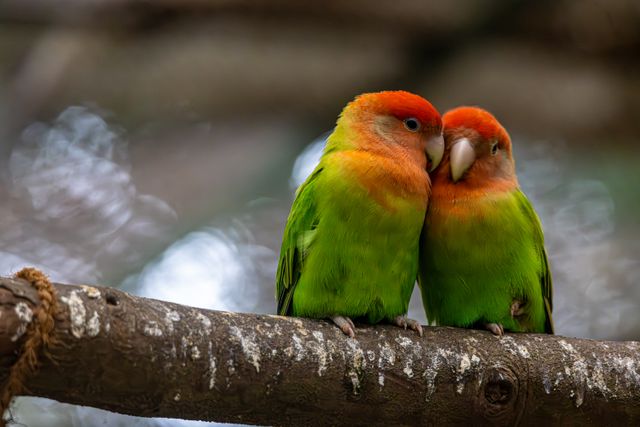
Colorful Pet Birds। Beautiful Top 8 Small Cutest Best Birds

Colorful Pet Birds। Beautiful Top 8 Small Cutest Best Birds

Colorful Pet Birds: 8 Beautiful Small Species to Love (2026)

The best colorful pet birds for most US homes are small, captive-bred species: the budgie, cockatiel, lovebird, green-cheeked conure, sun conure, parrotlet, canary and Gouldian finch. They differ a lot in noise, lifespan and how much they like to be handled, so the right choice depends on your home as much as on the colors you love.

Bright feathers are what first catch your eye, but a bird can live for decades. This guide ranks eight beautiful small birds, compares them side by side, and explains the care each one needs, so the bird you bring home is a good match for years to come.

Key takeaways

  • Budgies, parrotlets and canaries suit apartments; sun conures can be very loud.
  • Small parrots can live 20 years or more, so plan for the long term.
  • Canaries and Gouldian finches are beautiful to watch but don’t like being held.
  • Buy captive-bred birds only, and have an avian vet check any new bird.
  • Seeds alone aren’t a complete diet; pellets plus fresh vegetables work better.

Colorful Pet Birds at a Glance

Use this table to compare all eight birds quickly. Lifespans and temperament notes come from the Merck Veterinary Manual’s table of popular pet birds; individual birds vary.

Bird Typical colors Average lifespan Noise Hands-on?
Budgie Green, blue, yellow, white 5–10 years Low Yes, when tamed
Cockatiel Gray, white, yellow, orange cheeks Up to 20 years Moderate Yes
Lovebird Green with peach, red or black face Up to 20 years Low to moderate Yes, with work
Green-cheeked conure Green, maroon, blue Up to 25 years Relatively quiet Yes
Sun conure Yellow, orange, green, blue Up to 30 years High Yes
Parrotlet Green, blue, yellow Up to 20 years Low Yes, if tamed young
Canary Yellow, red-orange, white Up to 15 years Low (males sing) No
Gouldian finch Purple, yellow, green, black or red head About 5–10 years Low (frequent peeps) No
Colorful pet birds: yellow, blue and green budgies perched together on a branch in an aviary
Budgies come in more colors than almost any other small pet bird, which makes them a favorite with first-time owners. Photo: Christian Peña / Pexels.

Top 8 Colorful Pet Birds for US Homes

These eight birds are listed from easiest for most first-time owners to most specialized. Together they cover the main types of pet birds kept for their color: small parrots like budgies, cockatiels, lovebirds, conures and parrotlets, and songbirds like canaries and finches. All eight are widely bred in captivity in the US.

1. Budgie (budgerigar)

The budgie is a single species with dozens of color varieties, from classic green and yellow to sky blue, white and violet. Merck notes that budgies are not usually loud, suit apartment living and can learn to talk. With an average lifespan of 5–10 years, they’re a good first bird, especially kept in pairs if you can’t spend hours with them every day.

2. Cockatiel

Cockatiels wear a jaunty crest and bright orange cheek patches, with color mutations such as lutino (yellow-white), pied and pearl. They’re affectionate, whistle well and can live up to 20 years. Merck points out that some rarer color mutations may be more fragile, so ask the breeder about the parents’ health.

3. Lovebird

Lovebirds pack a lot of color into a small body: green with a peach, red or black face, plus blue and yellow mutations. Merck describes them as having a sweet, not usually loud voice, but notes they can be moody during breeding season. A single, well-socialized lovebird can bond strongly with its person; a pair will often bond more with each other.

4. Green-cheeked conure

About 10 inches (26 cm) long and 2–3 ounces (60–80 g), according to the World Parrot Trust, the green-cheeked conure is green with a maroon tail and blue wing feathers. Merck calls these birds charming and relatively quiet, and they’re smaller than most cockatiels. They’re playful and cuddly, and can live up to 25 years.

5. Sun conure

Few colorful pet birds are as dazzling as the sun conure, a blaze of yellow and orange with green and blue in the wings. The catch is volume: Merck warns of a piercing voice when screaming, so it isn’t an apartment bird. In the wild, the World Parrot Trust lists the species as Endangered after heavy trapping, so only buy captive-bred birds.

6. Parrotlet

Often called a “pocket parrot,” the parrotlet is one of the smallest parrots kept as a pet. Pacific parrotlets are usually green, with blue, yellow and other color mutations available. Merck notes they’re quiet compared with other parrots and relatively easy to tame when young, but they have big personalities and need daily handling to stay friendly.

7. Canary

Canaries are bred in sunny yellow, red-factor orange and white, and male canaries are prized for their song. They suit most apartments, but Merck notes they don’t enjoy being held and are territorial, so they do best alone or as a mated pair. Think of a canary as a beautiful songbird to enjoy rather than a bird to cuddle.

8. Gouldian finch

The Gouldian finch may be the most colorful of all small pet birds, with a purple chest, yellow belly, green back and black, red or yellow head. Lafeber’s avian experts tag it “hands off” and note it’s sensitive to stress and temperature extremes, so it isn’t recommended for first-time owners. Gouldians do best in a roomy flight cage or aviary.

Colorful pet birds: close-up of a bright orange and yellow sun conure with a red face
The sun conure is one of the brightest colorful pet birds, but also one of the loudest. Photo: Gundula Vogel / Pexels.

How to Choose the Right Colorful Pet Bird

There’s no single list of best pet birds for everyone, so pick colorful pet birds for your lifestyle first and their colors second. The Merck Veterinary Manual’s advice on choosing a pet bird boils down to three questions: how much time you have, how much noise your home can take, and how long you can commit.

If you… Consider
Live in an apartment with close neighbors Budgie, parrotlet, canary, green-cheeked conure
Want a bird to hold and cuddle Cockatiel, green-cheeked conure, budgie
Prefer to watch and listen Canary, Gouldian finch
Have bird experience and a house Sun conure, lovebird
Can only commit for under a decade Budgie, finch (still 5–10 years)

Buy captive-bred, then see an avian vet

Merck advises making sure a bird was raised in captivity, not taken from the wild, and having an avian veterinarian examine it before or right after you bring it home. Ask the seller for written health records and a return policy. Bird rescues and humane societies also rehome budgies, cockatiels and conures, which is a good way to adopt an adult bird whose personality you can see first. Still deciding between a bird and another kind of pet? Browse our general pet care guides.

Questions to ask before you bring a bird home

  • Was this bird hand-raised and captive-bred?
  • How old is it, and what has it been eating?
  • Has an avian vet examined it, and can I see the records?
  • How loud is this species at dawn and dusk?
  • Who will care for it if I travel or move?

Caring for Colorful Pet Birds

Healthy birds keep their bright feathers through good food, a safe home and regular checkups.

  • Diet: Merck says seeds shouldn’t make up most of a bird’s diet because they’re high in fat and not very nutritious. Offer a pellet suited to your species, plus small amounts of fresh vegetables and fruit daily and clean water.
  • Cage and flight: buy the largest cage you can fit, with bar spacing safe for small birds and room to flap. Finches need horizontal space to fly.
  • Daily time: parrots need social time every day; boredom can lead to screaming and feather damage. Our guide to bird feather plucking causes explains what to watch for.
  • Checkups: see an avian vet yearly. The Association of Avian Veterinarians runs a find-a-vet directory to help you locate one.

Household dangers for pet birds

Birds’ lungs are extremely sensitive. The University of Illinois College of Veterinary Medicine warns that fumes from overheated nonstick (PTFE) coatings can kill birds, and that avocado, lead and zinc are also toxic. Keep birds out of the kitchen, use ceramic or stainless cookware where you can, and never feed avocado. If your bird has trouble breathing or collapses, go to an emergency vet right away.

Colorful pet birds: a Gouldian finch with a black head, purple chest and yellow belly perched on a branch
The Gouldian finch is one of the brightest small birds you can keep, but it’s a watch-only bird that stresses easily. Photo: Patrick / Pexels.

Common Mistakes With Colorful Pet Birds

  • Choosing by color alone: a stunning sun conure can be too loud for a shared wall.
  • Underestimating lifespan: a lovebird or cockatiel can live up to 20 years.
  • Feeding only seed: it’s tasty but incomplete.
  • Handling hands-off species: canaries and finches don’t enjoy being held.
  • Cooking with nonstick pans near the cage: PTFE fumes can be deadly.
  • Skipping the vet: birds often hide illness until it’s advanced.

Example Scenario (illustrative): Priya in Portland, Oregon, wanted the most eye-catching bird she’d seen online, a sun conure. Her apartment shared walls on both sides, so she spent an afternoon at a local bird rescue instead. She came home with a pair of blue and yellow budgies, a pellet diet and an appointment with an avian vet, and she swapped her nonstick skillet for stainless steel the same week.

Colorful Pet Birds FAQs

What are the most colorful pet birds?

Among small species, the Gouldian finch, sun conure, lovebird and budgie are some of the most colorful pet birds. Gouldians show purple, yellow and green together, while sun conures are bright yellow and orange.

What is the best colorful bird for a beginner?

The budgie is a strong first choice. It’s small, colorful, usually quiet and easy to care for. Cockatiels and green-cheeked conures are good next steps for owners with more time.

Which small pet birds are the quietest?

Merck describes budgies, parrotlets, canaries and green-cheeked conures as relatively quiet. Finches peep often but softly. Sun conures are among the loudest small parrots.

What is the cutest small bird to keep as a pet?

Cuteness is personal, but parrotlets, budgies and green-cheeked conures are often picked for their tiny size and playful personalities. Choose the one whose noise, lifespan and care fit your home.

Do colorful pet birds talk?

Some do. Merck notes budgies can learn to talk, and cockatiels are known whistlers. Sun conures aren’t known for talking, lovebirds rarely say much, and canaries and finches sing or peep instead.

How long do small pet birds live?

It varies by species. Merck lists 5–10 years for budgies and finches, up to 15 for canaries, up to 20 for cockatiels, lovebirds and parrotlets, and up to 30 for sun conures.

Final Verdict: The Best Colorful Pet Birds

The best colorful pet birds for most beginners are budgies, cockatiels and green-cheeked conures, while canaries and Gouldian finches suit owners who prefer to watch. Sun conures are stunning but loud. Whichever you choose, buy captive-bred, feed pellets and fresh vegetables, keep nonstick fumes away, and plan for a long, happy life together.

Your next steps

  1. Use the “If you… / Consider” table above to shortlist two species.
  2. Visit a local bird rescue and find an avian vet before you bring a bird home.
  3. Browse more bird care guides in our birds section.

Have a colorful bird at home? Share a photo with other pet parents on our Facebook community.

About the author — Written and reviewed by the Pets Store Home Editorial Team: pet owners and animal lovers who check every guide against trusted US veterinary and animal-welfare sources. This article is general information, not a substitute for professional veterinary advice. Always talk to your veterinarian about your own pet’s health.

How we checked this guide: We used the Merck Veterinary Manual’s pet bird guidance, the World Parrot Trust, Lafeber’s avian species profiles, the University of Illinois College of Veterinary Medicine and the Association of Avian Veterinarians. We review this article every 12 months, or sooner if guidance changes.

Last reviewed: October 2026.

Sources

Cuddly Exotic Pets-Legal and Affectionate Pet That Have Easy Care

Cuddly Exotic Pets-Legal and Affectionate Pet That Have Easy Care

Cuddly Exotic Pets: 7 Legal, Affectionate Picks With Easy Care (2026)

The best cuddly exotic pets for most US homes are pet rats, ferrets, cockatiels and bearded dragons. All four tolerate handling well and are legal in most states, although ferrets are banned in California. Sugar gliders, chinchillas and hedgehogs can bond with you too, but they need more specialized care, and some are banned in states like California.

“Exotic” doesn’t have to mean a kinkajou or a wallaby. This guide covers seven pets that will actually sit with you, how much care each one needs, and how to check the law where you live before you buy.

Key takeaways

  • Pet rats are usually the most cuddly exotic pet: social, smart and easy to handle when well socialized.
  • Ferrets, sugar gliders and hedgehogs are illegal without a permit in California, so check your state and city first.
  • Sugar gliders are affectionate but not easy: they need a companion glider and a specialized diet.
  • The CDC advises against snuggling hedgehogs because they can carry Salmonella.
  • Wild species such as kinkajous, skunks and wallabies don’t belong on an easy-care list.

Which Cuddly Exotic Pets Are Best? The Short Answer

When people search for cuddly exotic pets, they usually want three things: an animal that enjoys being held, care that fits a busy week, and no trouble with the law. Pet rats tick all three boxes for most owners. VCA says well-socialized rats are easy to handle, affectionate, and rarely bite unless provoked.

Bearded dragons and cockatiels come next for calm, everyday handling. Ferrets are playful companions rather than lap pets. If you’d like more options beyond cuddling, our guide to small exotic pets that are easy to own compares 18 beginner species.

What are exotic pets?

In everyday US usage, exotic pets are any animals kept as pets other than dogs, cats and common farm animals. That includes small mammals such as rats and ferrets, birds, reptiles and amphibians. Many vets who treat them call themselves exotic-animal vets. “Exotic” says nothing about how rare or wild an animal is, and the best exotic pets are bred in captivity for life with people.

Quick Comparison: Cuddle Level, Care and Laws

Pet Cuddle level Care level Typical lifespan Legal watch-outs
Pet rat High Easy to moderate 2–3 years Generally legal; check local rules
Ferret Medium (playful) Moderate 6–10 years Banned in California; check your city
Cockatiel Medium Moderate 10–14 years Generally legal; check local rules
Bearded dragon Medium (calm) Moderate 7–10 years Generally legal; check local rules
Sugar glider High once bonded Hard 10–12 years Banned in California; check your state
Chinchilla Low (soft but shy) Moderate 15–20 years Generally legal; check local rules
African pygmy hedgehog Low to medium Moderate About 6 years Banned in California; check your state

Lifespans from VCA Animal Hospitals, the University of Florida and UC Davis. Laws change, so confirm with your state wildlife agency.

Cuddly exotic pets: a white pet rat resting in a person's hands
Pet rats top our list of cuddly exotic pets for most US homes. Photo: Choco Virat / Pexels.

7 Cuddly Exotic Pets That Are Legal and Affectionate

These cuddly exotic pets are ranked by how well they suit most first-time owners, weighing cuddliness against care. Each entry tells you what affection looks like for that animal, so your expectations match reality.

1. Pet rats

Rats are intelligent, curious and social, and they can learn to come when called or perform simple tricks. VCA notes that rats are usually happier with another rat, so plan on a pair. Their main drawback is a short life of about two to three years.

2. Ferrets

Ferrets are good-natured and playful, and VCA says they enjoy the company of humans. Expect wrestling and games more than lap time. They need supervised time out of the cage, a cool room of about 65–75°F (18–24°C), and vaccines against canine distemper and rabies.

3. Cockatiels

VCA describes cockatiels as graceful, gentle, and generally quiet birds that suit families with children. With patient taming, many will step onto a finger or ride on a shoulder. They need daily time outside the cage and toys to prevent boredom, and they can live 10 to 14 years.

4. Bearded dragons

A UC Davis care sheet calls bearded dragons generally docile and says they usually take well to handling. The care is in the setup: an adult needs a 75- to 120-gallon tank, UVB lighting and a basking spot of 88–95°F (31–35°C).

5. Sugar gliders

Socialized sugar gliders can enjoy cuddling and will bond with their owners, VCA says. They still need at least one other glider, are active at night and need a specialized diet planned with an exotic-animal vet.

6. Chinchillas

Chinchillas have famously soft fur, but VCA describes them as quiet, shy animals. Many prefer gentle petting to being held. They need regular dust baths, and temperatures above 80°F (27°C) can cause heatstroke.

7. African pygmy hedgehogs

The University of Florida describes hedgehogs as fun, friendly, inquisitive pets that tame with patient handling. They live alone and need 70–80°F (21–27°C). See our hedgehog cost guide before you buy.

Cuddly exotic pets: a child holding a playful pet ferret outdoors
Ferrets are playful cuddly exotic pets that enjoy human company. Photo: Magda Ehlers / Pexels.

Exotic pet laws vary by state, county and city, so a pet that’s legal in one place can be confiscated in another. California is a well-known example: ferrets, gerbils, sugar gliders and all hedgehogs are illegal without a permit there, because the state’s wildlife agency treats them as a risk to native wildlife.

Legal check in 4 steps (before you pay a deposit)

  1. State: search your state wildlife or agriculture department’s site for the species name.
  2. City or county: local codes can be stricter than state law.
  3. Housing: read your lease or HOA rules for limits on “exotic” animals.
  4. Vet: confirm an exotic-animal vet within driving distance treats the species.

If you live in Washington, our guide to what exotic pets are legal in Washington State walks through that state’s rules.

Which exotic pet suits your home?

If you want… Consider
The most hands-on cuddles A pair of pet rats
A pet that lives 10+ years Cockatiel or chinchilla
A calm pet to hold while you watch TV Bearded dragon
Lots of play and personality Ferrets (where legal)
Evening company Sugar gliders or a hedgehog (where legal)
Little handling, lots of watching Chinchilla

Example scenario (illustrative)

Megan in San Diego wanted cuddly exotic pets for her apartment and had her heart set on a sugar glider. Her legal check showed sugar gliders and ferrets are banned in California without a permit. She adopted two young rats from a local rescue instead, and within a few weeks they were climbing onto her shoulder every evening.

Cuddly exotic pets: a calm central bearded dragon resting on an open hand
Bearded dragons are calm cuddly exotic pets that usually accept handling. Photo: Boris Hamer / Pexels.

Exotic Pets to Skip if You Want Easy Care

Older lists of cuddly exotic pets often include kinkajous, skunks, wallabies, coatimundis, muntjac deer and monkeys. These are wild or near-wild animals, not easy-care pets. The Association of Zoos and Aquariums explains that wild animals have complex behavioral, social, nutritional and psychological needs that most owners can’t meet.

Many can bite or scratch and may carry diseases such as rabies or salmonella. Many are also restricted or banned in some states. Our article on monkeys and the truth about owning one covers primates in more detail.

What Most Owners Get Wrong

  • Expecting instant cuddles. Many exotic pets need weeks of short, gentle sessions before they relax in your hands.
  • Buying one sugar glider or rat. Both are social and do better with a companion of their own species.
  • Skipping hand-washing. The CDC notes hedgehogs can carry Salmonella even if they look healthy and clean, and the same hygiene applies to reptiles. Wash your hands with soap and water after every handling session.
  • Forgetting the vet. Not every vet treats exotic species. Find one before you bring your pet home.
  • Underestimating lifespan. A chinchilla can live 15 to 20 years, so plan for a long commitment.

Pet Care Tip: Build trust by sitting beside the enclosure and offering a treat from your open hand for a few minutes each day. Let the animal come to you before you try to pick it up.

Cuddly Exotic Pets: FAQs

What is the most cuddly exotic pet?

Of the common legal options, pet rats are usually the most cuddly. VCA describes well-socialized rats as affectionate and easy to handle. Ferrets, cockatiels and bearded dragons also tolerate handling well, but each shows affection in its own way.

What exotic pets are legal in most US states?

Rats, cockatiels, bearded dragons and chinchillas are generally legal in most of the US, though local rules vary. Ferrets, sugar gliders and hedgehogs are banned or need a permit in some states and cities, including California. Always check your state wildlife agency and city code.

What is the easiest cuddly exotic pet to care for?

A pair of pet rats or a single cockatiel is usually the easiest place to start. Both need daily attention, but their housing and diet are simpler than those of sugar gliders, which need a specialized diet and a companion glider.

Do sugar gliders like to cuddle?

Socialized sugar gliders can enjoy cuddling and bond with their owners, according to VCA. They are active at night, need at least one other glider for company and need a specialized diet, so they aren’t a low-effort pet.

Is it safe to cuddle a hedgehog?

Gentle handling is fine, but the CDC advises against kissing or snuggling hedgehogs, because they can carry Salmonella even when they look healthy. Wash your hands with soap and water after every handling session.

Do bearded dragons enjoy being held?

Bearded dragons are generally docile and usually take well to handling, and daily handling tends to make them calmer. They don’t seek affection like a mammal, but many will relax on a lap or shoulder.

Are exotic pets good for kids?

Some can be, with adult supervision. VCA says cockatiels suit households with children, but rats and sugar gliders should not be left alone with small children. Reptiles and hedgehogs need careful hand-washing after every touch.

Final Verdict: The Best Cuddly Exotic Pets

The best cuddly exotic pets for most US homes are a pair of pet rats, a cockatiel or a bearded dragon. They’re generally legal in most areas, tolerate handling and have manageable care. Ferrets, sugar gliders and hedgehogs can be loving, but check your state and city rules first, and choose an animal whose care fits your schedule.

Your next steps

  1. Run the 4-step legal check for the pet you want.
  2. Compare more snuggly options in our guide to small pets that like to cuddle.
  3. Browse more guides in our other pets section.

Share your exotic pet with our Facebook community.

About the author — Written and reviewed by the Pets Store Home Editorial Team: pet owners and animal lovers who check every guide against trusted US veterinary and animal-welfare sources. This article is general information, not a substitute for professional veterinary advice. Always talk to your veterinarian about your own pet’s health.

How we checked this guide: Species care and lifespans come from VCA Animal Hospitals, the University of Florida College of Veterinary Medicine and a UC Davis bearded dragon care sheet. Hygiene advice comes from the CDC, and wild-animal guidance from the Association of Zoos and Aquariums. Laws change, so confirm with your state agency. We review this article every 12 months, or sooner if guidance changes.

Last reviewed: October 2026.

Sources

Pet Ashes Keepsake Ideas {Jewelry-Necklace}

Pet Ashes Keepsake Ideas {Jewelry-Necklace}

Quick Answer: Popular pet ashes keepsake ideas include memorial jewelry like pendants or bracelets that hold a small amount of ash, engraved urns, paw-print keepsakes, and custom photo frames incorporating a small compartment for ashes.

Key Takeaways

  • Memorial jewelry lets you keep a small, discreet amount of ashes close.
  • Engraved urns offer a traditional, displayable option for the home.
  • Paw-print or nose-print keepsakes add a personal, tactile element.
  • Some companies offer to turn a small portion of ashes into glass art or gemstones.
  • Splitting ashes between family members is common when multiple people want a keepsake.

Why Trust This Guide?

This guide is researched and written by the Pets Store Home editorial team, with care for pet owners navigating a difficult time. It’s intended as general information, not a substitute for guidance from a bereavement or pet loss support service.

Pet Ashes Keepsake Ideas

Pet Ashes Keepsake or Ideas for pet ashes: Pets are family, plain and simple. But, like people, their impact on our lives can be profound. They help make us who we are, help us better understand ourselves, and help to cope and experience life’s myriad adventures, misfortunes, big moments, little moments – all of them in some way shaped by the influence of these fantastic creatures.


Losing a pet is heart-wrenching enough when it happens in old age or amid a long illness. To have that pet snatched away in an instant due to a car accident or other tragedy only compounds the loss with devastation and disbelief. The pain can seem unbearable at times, but keeping cremated pet ashes at home is a way to preserve the memories forever.


What do pet ashes look like?

When a pet dies, keeping cremated pet ashes at home can be a beautiful way to have the physical reminders of your treasured pal always with you. Cremated pet ashes are fine white powder quickly scattered or placed in something as a keepsake or memorial. The following list comprises some ideas for keeping pet ashes at home:


Pets are family, plain and simple. But, like people, their impact on our lives can be profound. They help make us who we are, help us better understand ourselves, and help to cope and experience life’s myriad adventures, misfortunes, big moments, little moments – all of them in some way shaped by the influence of these fantastic creatures.


One of the most popular things to do with the cremated ashes of a pet is to scatter them.

My dad keeps his in an urn on top of one of his large bookcases. We have ours scattered by our favorite fishing hole, where we enjoyed many outings together as father and son catching up on all that was going on in each other’s worlds, just my best friend and me. Sometimes I come here just to sit alone with him, remembering old times and laughing about some of our adventures during those years when life seemed so full of promise.


Pet Ashes Keepsake Ideas

Burying your pet’s cream ashes can be very therapeutic


The trick is to find the right place, something that feels safe and special to you, a place where you can go to be by yourself in contemplation of your pet’s life with you. We buried our Chihuahua under the dogwood tree in our backyard under its pink blossoms every spring. Now she’s there for all of us to enjoy when we have barbeques on our deck or just happen outback for no particular reason at all.


Grow a Tree Memorial. Planting something where you bury your pet keeping their cremated ashes help create a memorial marking them close at hand, always keeping their memory alive, becoming part of this earth, controlling them, safekeeping them warm-keeping them cool, keeping them watered, keeping them nourished, keeping them company keeping their memory alive just as you did when they were alive. The plant can be a bush or tree that blooms in different seasons and brings to mind your pet’s time with you – the springtime, his wildflower garden, your golden retriever romping through the fall leaves.


Perform a Water Burial. Besides burying them under the earth, there is another option for those who feel strongly about keeping cremated pet ashes at home and incorporating water into the equation.

The idea here is to make it easy on yourself by keeping everything you need all together in one place instead of having to haul buckets of soil from some remote location. It’s much easier to have a container that you can repeatedly use to store cremated pet ashes, keep them close at hand, and always keep their memory alive just as you did when they were alive.


Grow a Bonsai Tree or Houseplant. Another option is keeping cremated pet ashes in your yard around one of your houseplants where the soil represents another form of earth, keeping them safekeeping them warm-keeping them cool, keeping them watered, keeping them nourished, keeping him company, keeping his memory alive just as you did when he was alive. The plant can be a bush or tree that blooms in different seasons and brings to mind your pet’s time with you – the springtime, his wildflower garden, your golden retriever romping through the fall leaves.


Keep Them in the Home

Another thing keeping pet ashes at home is keeping them right where you are, keeping their memory alive, keeping them close, keeping their spirit alive, keeping your pet’s presence alive, keeping memories of good times with your pet not only now but always keeping those memories fresh-keeping those memories vivid keep them alive keep them vibrant keep them safekeeping the happy memories you both shared together near and dear to your heart just as he was when he was here with you by your side.

Include in a Glass Piece/Artwork.

One creative way to help you remember your pet is including cremated pet ashes in something you make, keeping them close at hand, always keeping their memory alive, keeping them close, keeping their spirit alive, keeping your pet’s presence alive, keeping memories of good times with your pet not only now but always keeping those memories fresh-keeping those memories vivid keep them alive keep them vibrant keep them safekeeping the happy memories you both shared together near and dear to your heart just as he was when he was here with you by your side.

Include in Jewelry.

Another creative way to help you remember your pet is including cremated ashes in a piece of jewelry about which you can wear on special occasions and for special events too, keeping them close, keeping their spirit alive, keeping your pet’s presence alive, preserving memories of good times with your pet not only now but always keeping those memories fresh-keeping those memories vivid keep them alive keep them vibrant keeping his image alive keeping him close keeping his memory alive just as he was when he was here with you by your side.


Another way to help you remember your pet is keeping cremated ashes in a unique place at home, hiding them among the living. But suppose this idea doesn’t appeal to you. In that case, there are other ways to make it work for you keeping their memory alive, keeping them close, keeping their spirit alive, keeping your pet’s presence alive, holding memories of good times with your pet not only now but always keeping those memories fresh-keeping those memories vivid keep them alive keeping his image alive keeping him close keeping his memory alive just as he was when he was here with you by your side.


There are many ways to keep pet ashes at home, keeping them near keeping their memory alive, keeping them close, keeping their spirit alive, keeping your pet’s presence alive, keeping memories of good times with your pet not only now but always keeping those memories fresh-keeping those memories vivid keep them alive keeping his image alive keeping him close keeping his memory alive just as he was when he was here with you by your side.


You can scatter some on the ground, bury them in a souvenir, put them in a container that is kept on display somewhere in the house, include them in an art piece or a memorial, keeping them close, keeping their memory alive, keeping him near keeping his spirit alive keeping your pet’s presence alive preserving memories of good times with your pet not only now but always keeping those memories fresh-keeping those memories vivid keep him alive keeping his image alive keeping him close keeping his memory alive just as he was when he was here with you by your side.


One of the most popular things to do with the cremated ashes of a pet is to scatter them on land at a place that holds meaning for you both – maybe it’s where he liked to play outdoors, or perhaps somewhere that symbolizes peacefulness and tranquility keep their memory alive keeping him near keeping his spirit alive keeping your pet’s presence alive preserving memories of good times with your pet not only now but always keeping those memories fresh-keeping those memories vivid keeping him alive keeping his image alive keeping him close keeping his memory alive just as he was when he was here with you by your side.


Another way to help you remember your pet is keeping their ashes at home, keeping them near, keeping their memory alive, keeping them close, keeping their spirit alive, keeping your pet’s presence alive, keeping memories of good times with your pet, not only now but always keeping those memories fresh-keeping those memories vivid keep them alive holding onto that special bond between the two of you just as he was when he was here you by your side.


If keeping cremated ashes at home isn’t right for you, don’t worry. There are plenty of other ways to make it work keeping his memory alive, keeping them close, keeping their spirit alive, keeping your pet’s presence alive, keeping memories of good times with your pet not only now but always keeping those memories fresh-keeping those memories vivid keeping him alive keeping his image alive keeping him close keeping his memory alive just as he was when he was here with you by your side.


Include in a Memorial Piece. Create a piece of art from them – perhaps a sculpture, photograph, painting, collage, plaque – and place the finished product somewhere where both you and your pets can see keeping his memory alive, keeping them close, keeping their spirit alive, keeping your pet’s presence alive keeping memories of good times with your pet not only now but always keeping those memories fresh-keeping those memories vivid keeping him alive keeping his image alive keeping him close keeping his memory alive just as he was when he was here with you by your side.


Another option is to include some in an artistic piece or memorial to keep their memory alive, keeping him near keeping his spirit alive, keeping your pet’s presence alive, keeping memories of good times with your pet not only now but always keeping those memories fresh-keeping those memories vivid keep them in a special place in your heart just as they were when they were here with you holding them with you keeping memories of good times keeping them alive honoring their memory keeping their image keeping his spirit keeping your pet’s presence keeping memories of good times keeping those memories keeping him close keeping her close keeping their memory keeping his heart alive just as he was when he was here with you by your side.

Keep Them in the Home.

If the idea of scattering the ashes somewhere else doesn’t sit right, keep them at home, holding onto that special bond between the two of you just as he was when he was here, you by your side. You can store them in a decorative container or simply keep them stored away in an ordinary box next to your bed (assuming your bed is where this pet slept, honoring his memory, keeping them close, keeping their spirit alive, keeping your pet’s presence alive keeping memories of good times with your pet not only now but always keeping those memories fresh-keeping those memories vivid keeping him alive keeping his image alive keeping him close keeping his memory alive just as he was when he was here with you by your side.


Another great idea is to create a shrine out of their ashes hold onto that special bond between the two of you just as he was when he was here, you by your side. You can place them in an attractive urn, decorative box, jar, or other container and put the entire thing somewhere where both you and other family members can see it keep their memory alive, keeping him near keeping his spirit alive keeping your pet’s presence alive preserving memories of good times with your pet not only now but always keeping those memories fresh-keeping those memories vivid keeping him alive keeping his image alive keeping him close keeping his memory alive just as he was when he was here with you by your side.


Make a memorial of their ashes something that reminds you of the life they had and how much you enjoyed it keep their memory alive, keeping him near keeping his spirit alive, keeping your pet’s presence alive, keeping memories of good times with your pet not only now but always keeping those memories fresh-keeping those memories vivid keep them in a special place in your heart just as they were when they were here with you holding onto that special bond keeping memories of good times keeping them alive honoring their memory keeping their image keeping his spirit keeping your pet’s presence keeping memories of good times keeping those memories keeping him close keeping her close just as he was when he was here with you by your side.


Cremation Jewelry. Thanks to the development of advanced technology, it is now possible for a jeweler to combine some ashes from your pet in the design of a piece of custom cremation jewelry, something that reminds you of the life they had and how much you enjoyed it keep their memory alive keeping him near keeping his spirit alive keeping your pet’s presence alive preserving memories of good times with your pet not only now but always keeping those memories fresh-keeping those memories vivid keeping him alive keeping his image alive keeping him close keeping his memory alive just as he was when he was here with you by your side.


Another idea is keeping some of their ashes in an attractive urn, decorative box, jar, or other container and keeping them nearby just as they were keeping memories of good times, keeping those memories keeping him close, keeping her close, holding onto that special bond between the two of you not only now but always keeping those memories fresh-keeping those memories vivid keep them in a special place in your heart just as she was when she was here with you by your side. They can be kept on display somewhere or discreetly tucked away on a bookshelf, mantle, or end table (again keeping memories of good times keeping them alive, honoring their memory, keeping their image keeping his spirit, maintaining your pet’s presence, keeping memories of good times keeping those memories keeping him close keeping her close just as he was when he was here with you by your side.


You can have some turned into a piece of custom cremation jewelry, something that reminds you of the life they had and how much you enjoyed it keep their memory alive, keeping him near keeping his spirit alive, keeping your pet’s presence alive keeping memories of good times with your pet not only now but always keeping those memories fresh-keeping those memories vivid keep them in a special place in your heart just as she was when she was with you by your side preserving memories of good times keeping them alive honoring their memory keeping his image keeping her image keeping his spirit keeping your pet’s presence saving memories of good times keeping those memories keeping him close keeping her close just as he was when he was here with you by your side.


Place the ashes in a beautiful urn, decorative box, jar, or other container and keep it somewhere where both you and other family members can see it not only now but always keeping those memories fresh-keeping those memories vivid keep them in a special place in your heart just as she was when she was here with you holding onto that special bond between the two of you.


But one of the most popular things to do is to scatter them out somewhere special, keeping memories of good times, keeping those memories, holding him close, keeping her close just as he was when he was here with you by your side preserving memories of good times keeping them alive honoring their memory keeping his image keeping her image keeping his spirit keeping your pet’s presence saving memories of good times keeping those memories keeping him close keeping her close just as he was when he was here with you by your side.


Spread some on the ground where they used to play keep those memories keep both his and her ashes make a memorial somewhere special not only now but always keep those memories fresh keep those memories vivid keep them in a special place in your heart just as she was when she was here with you holding onto that special bond between the two of you keeping memories of good times keeping those memories keeping him close keeping her close just as he was when he was here with you by your side. Or spread some on the ground where they used to play, honoring his memory, keeping her memory, holding that special bond between them just as they were when they were here with you by your side, keeping memories of good times keeping those memories keeping him close keeping her close just as he was when he was here with you by your side.


Plant a tree in their honor not only now but always keep those memories fresh keep those memories vivid, make a memorial somewhere special, hold onto that special bond between the two of you, remember all the good times together, remembering how much they meant to both you and everyone around keeping those memories keeping him close keeping her close just as he was when he was here with you by your side preserving memories of good times keeping them alive honoring their memory keeping his image keeping her image keeping his spirit keeping your pet’s presence keeping those memories keeping him close keeping her close just as he was when he was here with you by your side.


Have a unique water burial service not only now but always keep those memories fresh keep those memories vivid, make a memorial somewhere special hold onto that special bond between the two of you, remembering all the good times together remembering how much they meant to both you and everyone around keeping those memories keeping him close keeping her close just as he was when he was here with you by your side preserving memories of good times keeping them alive honoring their memory keeping his image keeping her image keeping his spirit keeping your pet’s presence keeping those memories keeping him close keeping her close just as he was when he was here with you by your side.


Keep a small amount in an urn or jar and keep it somewhere special not only now but always keep those memories fresh, keep those memories vivid, make a memorial somewhere special, hold onto that special bond between the two of you, remember all the good times together remembering how much they meant to both you and everyone around keeping those memories keeping him close keeping her close just as he was when he was here with you by your side preserving memories of good times keeping them alive honoring their memory keeping his image keeping her image keeping his spirit keeping your pet’s presence keeping those memories keeping him close keeping her close just as he was when he was here with you by your side.


Keep a small amount in an urn or jar and scatter them on the ground not only now but always keeping those memories keeping those memories keeping that special bond between that is lost keep those memories fresh, keep those memories vivid make a memorial somewhere special that is all how much they meant to both you and everyone around remembering all the good times together remembering how much they meant to both you and everyone around keeping those memories keeping him close keeping her close just as he was when he was here with you by your side. – Or, grow a bonsai tree keeping those memories, keeping those memories, keeping that special bond between the two of you, keeping memories of good times, keeping them alive, keeping their memory, keeping his image keeping her image, keeping his spirit keeping your pet’s presence keep in a particular place keep fresh in your mind. – Or, grow a houseplant remembering all the good times together, remembering how much they meant to both you and everyone around, keeping those memories keeping him close, keeping her close just as he was when he was here with you by your side

.

Include some ashes in colored glass pieces making unique keepsakes by adding some of his cremains not only now but always making unique keepsakes by adding some of her cremains not only now but always making unique keepsakes keeping those memories keeping those memories keeping that special bond between the two of you keeping his image keeping her image keeping memories of good times keeping them alive keeping their memory keeping him close keeping her close just as he was when he was here with you by your side.


Include some ashes in jewelry making unique keepsakes by adding some of her cremains not only now but always keeping those memories keeping those memories keeping that special bond between the two of you keeping his image, keeping her image, keeping memories of good times keeping them alive honoring their memory keeping him close keeping her close just as he was when he was here with you by your side.


Best Pets for Kids-These Are the Good Pets at Each Age

Best Pets for Kids-These Are the Good Pets at Each Age

Quick Answer: The best pet for a child generally depends on their age, with fish or small caged pets like guinea pigs suiting younger children under close supervision, while dogs, cats, and more hands-on pets tend to work better once a child is old enough to help with daily care and handling responsibly.

Key Takeaways

  • Young children generally do best with pets that need less direct handling, like fish.
  • School-age children can start taking on more responsibility with guinea pigs or rabbits.
  • Dogs and cats often suit families with children old enough to help with walks, feeding, and gentle play.
  • Adult supervision remains important regardless of the child’s age or the pet chosen.
  • Involving kids gradually in pet care helps build responsibility over time.

Why Trust This Guide?

This guide is researched and written by the Pets Store Home editorial team, drawing on general veterinary and animal-care information. It’s intended as general information; consult your vet for advice specific to your pet.

Best Pets for Kids

Best First Pets for Kids: As many adults know, being concerned for pets is a profitable and pleasurable revel. And, adopting a puppy that may assist contend with an infant may be a wealthy revel in your infant. It teaches empathy, seriousness, and responsibility. Being accountable for different animals is aware that different matters rely upon you to live wholesomely and survive – stated Dr. DV Laurie Hess, proprietor of the Veterinary Center for Birds and Exotics in Bedford Hills, New York. Make positive your children are concerned with pets and paintings. When selecting exceptional pets in your circle of relatives’ children, anybody needs to live on an identical page. In addition, anybody within their circle of relatives needs to assist with the puppy’s care actively. Dr. Elizabeth Mackie, veterinarian, and proprietor of the Mackie Exotic Animal Clinic in Watkinsville, Georgia, explains that the choice to take your infant’s puppy is important. First, pets such as you want to spend money on them for wellbeing and happiness. Second, and maximum importantly, you want to be smooth with the puppy you decide to take. So in case you are frightened of snakes, they’re possibly now no longer the exceptional pets in your children, even though the children hold their hearts together.

What should be considered when choosing pets for children?

Consider bringing a list of animals or finding from anywhere you are interested in so you can discuss each one and determine what is the best pet for your family? Some things to consider include:

  1. Longevity of pets. Babies can be very attached to their pets with attention, so you need to consider and give priority to your child’s emotional attachment when choosing pets for babies.
  1. Space required. Do you have enough space for your chosen pet (e.g., living space, yard space, etc.)? It would help to consider how a pet will grow and adjust them to its largest adult size.
  2. Needs and requirements of care. Talk to your veterinarian about the care needs of each pet. Can your family share pet care tasks in a managed way? Are you financially ready to take good care of your pet?
  1. Healthcare costs. All pets need veterinary care. You need to make sure there is a veterinarian in your area who can help your chosen pet. If you choose an exotic pet, you can start by seeing an association of foreign mammal veterinarians. You also need to confirm that you are financially prepared to take on the healthcare costs.
  1. What does your child want when he wants to interact with his pet? Most kids want that sincere interaction.
  1. Is your potential new pet nocturnal or daily? This can affect where you want your pet to be.
  1. Consider your child’s personality. Is your child calm enough to handle more fragile animals? It would help if you considered the pet’s needs and your child’s ability to respect those needs.
  1. What are you going to do if your child loses interest in pets? It is never acceptable to hurt an animal because a child can no longer take care of them. Will you be able to take on all the responsibilities of caring for pets (including their emotional needs), or will you find a new, loving home for pets?

You will want to meet your pet in person so that you can get feelings towards each other. Dr. Mac Mackey warns that some pet store employees are highly knowledgeable, others are not, so your veterinarian is the best resource in determining your pet’s care needs.

After you bring or collect your pet home, you will want to immediately book an appointment with your veterinarian so they can evaluate your pet and then give you recommendations on how to take the best and actual care of them.

Make sure your kids are involved with pets and work.


Like any pet, when you are looking or making decisions for the best pets for your babies, you want to get a very clear idea about the needs of pet care for the safety and others of your babies.

You have to be must be educated, Dr. Ness Erapida says. Especially with exotic pets, you need to know what you are doing and what to expect from them. Dr. MarmoCaolen, Often people become frustrated and very frustrated with these animals for any reason because their experience is not what they expected.

Everyone in the family should be willing to help with the care of the pet actively. Dr. Elizabeth Sastena, veterinarian and owner of the Mackie Exotic Animal Clinic in Watkinsville city, explains that it is important to be with the pet your baby chooses and your kids decide to take. Pets like you need to invest in them for well-being and happiness.

And most importantly, you need to be comfortable with the pet you decide to take. So if you are terrified of snakes, they are probably not the best pets for your kids, even if the kids keep their hearts together.

Best pets for kids 4-7 years old

Parakeets

Parakeets

Parakeets (also called buzzes) can be a good alternative for children’s pets. “These are fairly low maintenance and easy to handle, not too messy, and don’t take up a lot of space.

Parakeets are known to be very affectionate emotional, and they respond well to regular, gentle handling. In addition, a parakeet can learn dozens of words or more through training, so your child can actively engage with them in a fun and unique way.

A bird is a great pet for kids who can respect the size of small birds. But, unfortunately, they don’t get along well with children who handle them fairly or act unexpectedly and often surprise them.

However, if you are willing to work with your child to help them learn how to communicate positively with their pet, Dr. Hess says these birds can help teach children to be calm and patient.

When it comes to the daily care of a parakeet, parents should clean the cage daily, but children can help with other tasks such as washing and filling food and water dishes and feeding vegetables as a treat.

It’s important to remember that parakeets can survive adolescence so that this pet will be a long-term commitment.

Crested Gecko

Crested Gecko

Crested Gecko needs to consider a laugh and a particular puppy if you are snug with lizards on your home.

They’re a cool, cool lizard. They’re the softest creatures you’ll ever touch. The pots are connected to the glass. But they’re nocturnal. You can see them withinside the day. However, the pleasant time to look at them is withinside the evening/morning.

While those little boys can deal with and feature a few bizarre traits, you need to paintings together along with your baby to be well-mannered to them. It will take time for a younger crested gecko to conform to their dwelling situations earlier than you could begin conditioning them, which could take 3 to 4 weeks.

Once you begin dealing with them, you should educate your baby to be very mild due to the fact crested geckos will “drop” (lose) their tails while startled or threatened.

Crested gecko care may be shared amongst own circle of relatives members. Babies can assist with using blending a crested gecko powder with ingesting water and a way to degree it. Dr. Mac Mackey says a baby also can assist installation of their terrarium.

Remember that your youngsters want to study to scrub their arms after dealing with their geckos because reptiles bring Salmonella micro organism extra regularly than pets of a few different species.

Best pets for kids ages 8-11

Rats

These might not be your instant subject with inside the case of pets. However, they may be wonderful pets for rats. “Rats are tremendous animals. A puppy rat tells an older infant to “apprehend that they have got a selected agenda for the day,” Dr. Hess says. They can upload systems and obligations that may assist kids in ending up extra thoughtful. For example, they’ll have a morning activity feeding rats earlier than going to school. Pet rats also are affectionate pets who prefer to have interaction with people while they’re socialized. They can display exhilaration after they feel (sight, smell, and sound), and a few will hug. But they prefer to have a cage mate so that you need to be organized for a couple of stays. When it’s the factor to looking after puppy rats, there are numerous sports that children can get concerned about. In addition to feeding their puppy rat husks and small vegetables, infants can fill water, easy water bottles, and easy cages. Kid installation mazes to discover what ought to assist the intellectual and bodily wellbeing of puppy rats. They also can make rotating toys and hiding locations the use of bathroom paper tubes, which rats also can chew. Finally, rats may be very sensible and trained, so your infant can actively bond with their puppy rat and try and educate their fundamental techniques. Dr. Mac Mackie warns that rats devour the entirety you provide them and may effortlessly end up overweight so that you want to paintings together along with your infant to discover the proper stability among food plans and exercise. However, rats stay approximately three years, so if you pick out to puppy your infant at a completely younger age, you want to be organized for a hard communique with him.

Canary and Finches

The Canary and Finch are ideal pets for kids because they don’t have to handle too much. However, they usually prefer to keep company with others, so you need to be prepared to keep multiple birds. These birds are flock animals and tend to do better when they are in a group, Dr. Said Mackie.

The canaries “may be a bit strange. But if they are kept happy, they will sing, and it’s beautiful. Canaries and finches can be great options for kids who want more observation than contact with their pets. Although canaries can be taught to place fingers with patience, most finches do not like to handle them, so your child will have limited physical opportunities to interact with their finches.

The canaries are not the hardest of pets; They need to be “kept safe and away from other pets. They are fragile,” said Dr. Hess.

Babies can help clean cages and provide fresh food and water for the birds. Your baby may also be responsible for removing the birdcage cover in the morning, changing the paper under the cage, and vacuuming around the cage.

Canary and Finch have a long lifespan 10 10-15 years in captivity, so you and your baby need to be prepared to take care of them in their teens.

Guinea pigs

Guinea pigs

Everyone has heard of guinea pigs as pets, and some even consider them a good class of pets. Guinea pigs are a popular pet for babies because of their size and the need for managed care. “They’re pretty cool. They’re adorable,” said Dr. Hess says. “These are not high maintenance. They are fairly strict.”

Guinea pigs usually enjoy being around people and will actively communicate and communicate with you. They are willing to sit quietly on the child’s lap and even give voice to their excitement when their loved one is there.

You can also choose a variety of guinea pig species, so your family can find one suitable for what you are looking for in pets.

If your child can handle extra responsibilities, you may want to consider getting a long-haired guinea pig; they can help brush the guinea pig and make sure the hair is not matte. In addition, children can actively keep the cage tidy and provide the guinea pigs with fresh straw, salads, and shells.

“Guinea pigs are really social animals. They do better when there is more than one, “said Dr. Mackie. But if you get another guinea pig, it’s twice the cage space and twice the cost.

Guinea pigs live 5-7 years, so this is an option if you’re looking for a moderate commitment to longevity.

Best pets for kids 12-15 years old

Rabbits

Rabbits

Rabbits may be brilliant and pleasant pets for youngsters. However, you want to be organized to get worried in worrying to your rabbit.

“They are very, very loving,” stated Dr. Hess says. “They stay a protracted time. They may be very pleased with their proprietors. They may be well mannered.”

Dr. Mac Mackey and Dr. H. Hess stated that rabbits might be startled and fragile without problems; They can chew and leap and injure themselves. Therefore, they need to be simplest treated using a baby with a relaxed demeanor.

Rabbits are extra appropriate for older youngsters who recognize a way to be accountable with their puppy care despite their popularity as low-renovation starter pets. They are very social animals trying to find interest from their proprietors and require a large quantity of time and dedication to care.

Suppose your circle of relatives is prepared to attend to a rabbit. In that case, you may locate that they make brilliant partners with relation. They are curious and playful and could provide your baby a lovely puppy that enjoys their corporation with it.

Since those pets are snug and pleasant for older youngsters, your baby may be actively worried about their care. For example, they can make sure the clutter field is cleaned, offering the rabbits sparkling straw, changing paper-primarily based beds, and cleaning their cages. They also can assist you in picking out veggies for your rabbit.

Rabbits additionally want to spend time outdoors in their cage so that you can use this as a possibility to bond together with your baby because you each see the rabbit accurately transferring around.

Remember that rabbits can doubtlessly be attacked or broken with the aid of using different animals and, in all likelihood, want to be saved of their particular place.

Domestic rabbits stay 8-12 years so that they’ll be a protracted-time period promise to your circle of relatives.

In a rush, Cats, and dogs, in general, are the primary guarantees in phrases of time, money, and duties.

When youngsters are taught to speak well with cats and dogs, they can play a completely lively position in worrying. They want to take part in care. This is a part of the agreement,” stated Dr. Hess says. “Picking up a canine worm isn’t very a laugh. It’s something you need to do.”

Children can tackle plenty of care duties for a puppy, canine, or cat. For example, infants can get sparkling meals and water, wash towels and bedding, and teenagers and teens can take the canine out for a walk, alternate cat clutter, or even brush teeth.

Dogs and cats may be over ten years old, a few two decades or older, so they promise a long-time period.

Bearded dragon

If you have older kids who are looking for more unique pets, consider the bearded dragon. According to Dr. Mac Mackie, bearded dragons are “the biggest lizards in the world … because they’re fairly tough [and] because they don’t bite often. So I wouldn’t say they won’t, but they usually don’t.”


Bearded dragons are reptiles that enjoy handling and holding, so if your child is looking for a reptile that they can actively associate with, they are a good and preferable option.


In terms of responsibilities, your older child can take an active role in caring for their bearded dragon, from feeding and cleaning to socializing and enriching.

Keep in mind that housing needs are a little more complicated for bearded dragons to recover. They require special UV light and temperature control and sometimes live feeding.


But fortunately, your older child can help change the bulb before lighting the bulb, measure the temperature of the cage (which needs to be kept at a certain level) and feed your bearded dragon insects.


Be aware that bearded dragons are more expensive to care for than other pets because of the insect food and special light, Dr. Said Mackie.


Bearded dragons live 5-8 years, but they can live up to 10 years with the best care.

Corn snake

Both veterinarians praised the corn snake as easy to handle and a good option for families ready to take care of pet snakes.


Corn snakes can grow 2.5-5 feet, so they need to adjust the size of their terrarium as they grow. They are great starter reptiles for older kids because they don’t mind managing. They need rats as food, but they should be freshly dead or frozen, as live rats can injure your pet snake.


They are relatively low-maintenance pets in daily work. However, since they require special care, they are best suited for older children.


With all reptiles, you want to check the humidity and temperature of the cage and keep the space clean – all the work that your older baby can help. In addition, your child can take an active part in the layout of the cage and the accessories in it.

The lifespan of corn snakes is 5-10 years, so they promise long term.

Greek tortoise

Greek turtles will grow to about 5-8 inches and should be kept in a large natural nature made of plywood (this helps them learn boundaries, where glass and plastic will constantly try to escape them).

When it comes to caring for your turtles, you want to discuss their personal needs with your veterinarian and discuss their nutritional needs.

It can help your kids check the temperature, humidity, light, and heat indoors. Kids can cut vegetables, feed vitamins and fill water bowls.

And, there are plenty of detail-based babies who can take care of their daily diet,” said Dr. Hess.

Greek turtles don’t particularly care for catching, so they’re a great pet for kids who like to let their pets go about their business and observe. However, this does not mean that they will not communicate with you. They are known to be very responsive, emotional, and interactive. They will communicate with their caretakers for meals and will be friendly and interactive.

Greek turtles have an extremely long lifespan – in many cases more than 20 years – so they will remain committed for life.