Most popular pets in the world-top 5-10-in America-Owns pets; Dogs-Us

Most popular pets in the world-top 5-10-in America-Owns pets; Dogs-Us

Quick Answer: Dogs and cats remain by far the most popular pets in the US and worldwide, followed by freshwater fish, and then smaller companion animals like birds, small mammals, and reptiles rounding out the most commonly kept pets.

Key Takeaways

  • Dogs are generally the single most popular pet by household ownership in the US.
  • Cats follow closely behind and are the most popular pet in many other countries.
  • Freshwater fish are extremely common but often less visible in ownership statistics.
  • Small mammals, birds, and reptiles make up a smaller but steady share of pet ownership.
  • Popularity can vary significantly by country and cultural preferences.

Why Trust This Guide?

This guide is researched and written by the Pets Store Home editorial team, drawing on general pet-care and industry information. It’s intended as general information to help with your decision.

Most popular pets in the world: The most popular pets in the world are available in different surveys. Some of the information is presented today in different parts of the country. Among all the surveys and discussions, a survey organization called GFK and its analysis have been considered the most acceptable. GFK has conducted surveys in 22 countries around the world. The United States is at the forefront when it comes to pet ownership. A previous survey was conducted in the United States in 1988, in which they collected reports of 51 million pet-owned homes. This was the first survey of pets. They found that about 63 percent of all U.S. households have pets, which is 61.1 million households.


And when you think about pet ownership worldwide, 57% of people around the own world pets in one way or another. Among them, online presence is more than 59%. And on the list of favorites, dogs are the most popular pets worldwide. 43% of people like dogs. Cats follow their preference by 33%. Fish (14%), birds (5%), and other pets (5%). Moreover, due to environmental and climatic reasons worldwide, owners of other pets are also found in some places. Especially Asia and Africa.

Infographic

The study found a remarkably remarkable similarity in pet ownership metrics between U.S. men and women. Of the 59% of the world’s population, 28% are males, and 31% are females, but 24% of the remaining 41% do not keep pets but are dependent on pets. It could be their needs or natural causes. In addition, dogs are the worldwide average result for those who keep pets as a hobby. 52% of men prefer dogs, and 48% of women prefer rare ones in cats, 40%, males and 38%, females. In the case of fish, 12% reported almost identical levels of male ownership. 10% women).

The United States is fifth in pet ownership and third in cat ownership. About three-quarters (70%) of U.S. consumers have at least one pet, of which 50% are dogs, and 39% are cats.


Asian countries have the lowest percentage of their online population who own pets. They usually keep many pets, especially cows, goats, ducks, chickens, sheep, rabbits, and various animals. They also consider them as domesticated animals and birds. But their presence online is very low. In South Korea, only 31 percent of people have any pets. Hong Kong follows it at 35 percent and Japan at 37 percent.


Americans spend more than 50 billion a year raising their pets. At least 27% of American pet owners acknowledge that taking pictures of their pets can play a big role in their professionalism. Interestingly, about 36% of Americans celebrate their dog’s birthday and give pets birthday presents. Many Americans say that 90 percent of Americans think that separating their pets means separating one of their family members. As a result, more than half of all Americans have pets, at least one dog or rare animal. You would be even more surprised to know that about six million domesticated pets in the United States. Pet ownership in the United States has more than tripled since the 1980s. They think that a pet is an animal that can be talked to with an open mind. There will be no discovery of enmity. And you can spend time with your pet without any hassle.


The funny thing is that Romania is the country with the most balanced distribution of pets globally. 50% of their population owns dogs, and 50% owns cats. Meanwhile, while the number of dogs in Switzerland is declining, it is increasing rapidly in India.


Pets are your most silent and silent friend or beautiful thing that will positively impact your life when you are thinking of buying a pet or bringing it home. Ever since then, a strange peace has been sighing in your mind. You didn’t just bring a pet, and you think you brought a flood of Ans. But sometimes, pet owners get confused as to which pet they should bring home. Thinking about their problem, we have come up with a list of the most popular pets. The advantage of adopting a popular pet is that you will always have access to its information. In addition, you can get updates with an internet search if you ever have a problem, which is not the case with other uncommon pets. So here are some of these popular pets for your home.

There are some most popular pets in the world

Pets Snail

Pet snails

If you select snails as a pet it is your right choice.  As a pet, snails are the lowest demanding pet that you can adopt. Snails do not want much time and attention from anybody. In fact, in some areas people consider snails to be a lucky attraction to them.

Most popular pets in the world

Birds

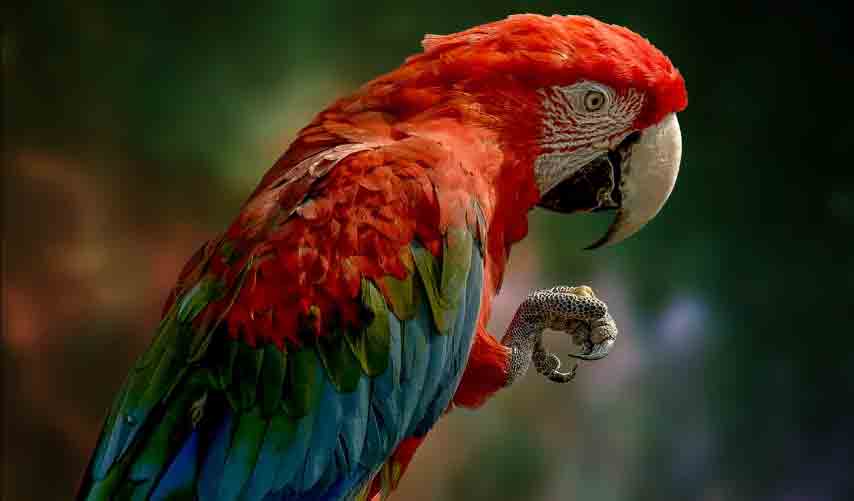
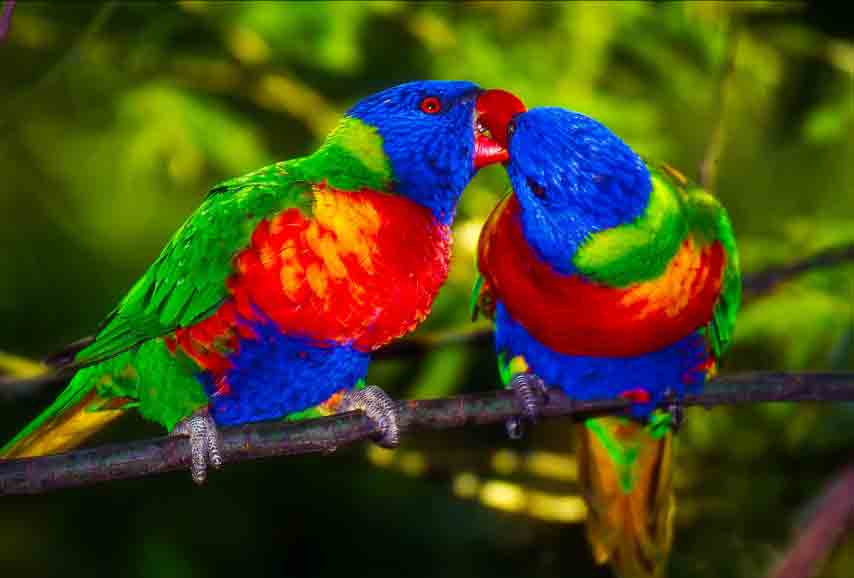
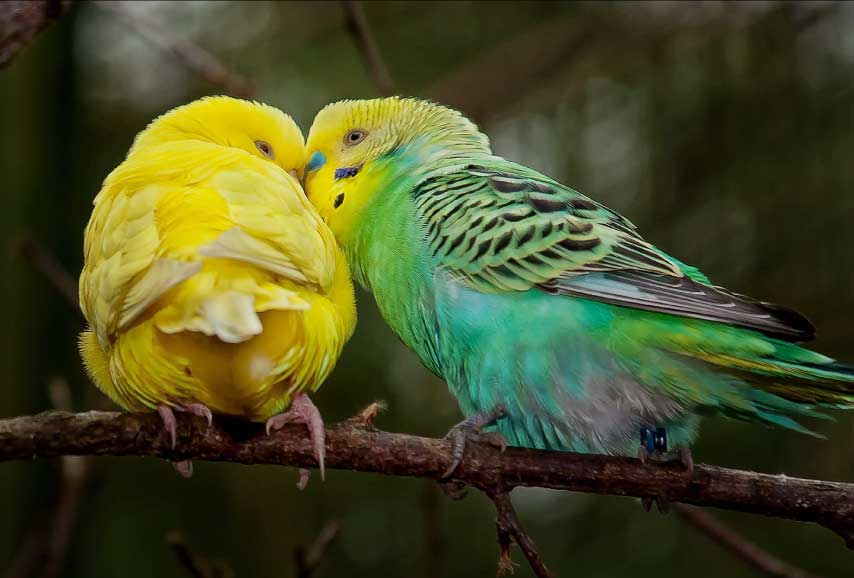
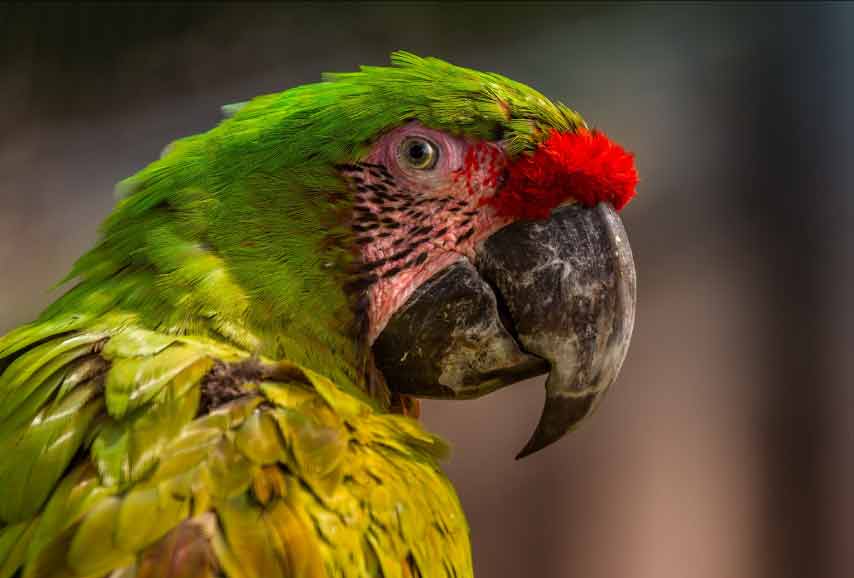
If you want a pet that can love you and is cheap for yourself, then a bird is the right choice for you. Birds are exceptional pets, especially if you have a baby. Some birds, like parrots and other varieties, also can talk to some people and communicate with their owners. It is awesome.

rat

Rats smell

If you keep a rat as a pet, you need to be accustomed to the smell. Unfortunately, despite regular cage cleaning, many rat pet owners complain that it still stinks.

However, if you want a pet rat that smells less, the chinchilla may be the right choice for you.

Dog

Dogs

No other pet can compete with the popularity of dogs around the world. Dogs as pets are playful, protective, and loving. So, dog ownership also has health benefits. With some training and logistic support, you and your dog will have a great time together?

Why are dogs so popular?

The reason behind the popularity of dogs is their connection with humans. Dogs can understand people and bond with them like any other pet. And their wagging tail and puppy add cherries above the dog’s eyes.

Most popular pets in the world

Cats

The second most popular pet is the cat, and it makes sense! Cats need less space than dogs, and they can clean themselves, entertain themselves, and be beautiful.

Which pet is the cleanest?

Cats like cleanliness. Not only do they keep themselves clean but they also keep their surroundings clean, beautiful, and tidy. It is inherent in them. Many people prefer dogs to cats because they do not need the same attention as dogs.

Horses

Yes, that’s right! As long as you can pet a horse for them, you can take it as a pet. Although it takes a lot of hard work and money to keep a horse, people love these beautiful animals. However, it would be best to make sure that there is enough space in your backyard for horses.

Most popular pets in the world

Fish

If you want a beginner-friendly pet, fish will be your pet. Fish can survive with minimal effort from their owners. You only need to clean the fish tanks once a month and feed them every day, and your pet fish will be happy.

Guinea pigs

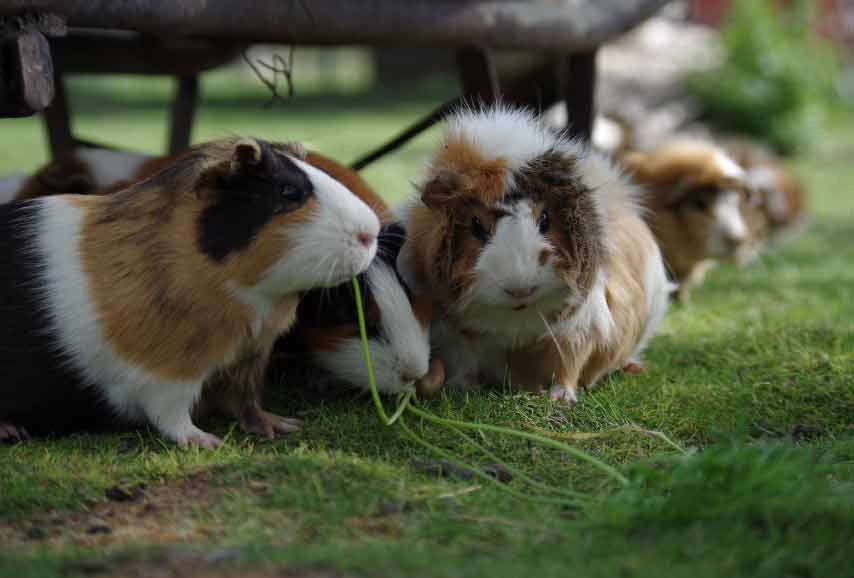
The list of most popular pets is not complete without mentioning guinea pigs. You don’t need any experience in keeping guinea pigs because they are best for beginners.


Can pets be frustrated?

Yes, pets can be depressed, especially dogs and cats. For example, if they feel love or you don’t want to be around them, your pet may get depressed.


After looking at this list of the most popular pets in the world , we’re sure you’ve probably found the right one for you. Pets bring happiness into your life, so be sure to make them happy too.

Most Popular Pets in America


The United States is at the forefront of pet ownership in the world today. A survey found that in 2109 and 2010, more than 63 million households kept pets, with at least one dog. The results of the survey are given below. This happens when you compare the demand and the number of users and which pet is more popular.


The Most Popular Animals Owned as Pets in America


Position 

Name of Pets

Pets Owner Basis on Family

1

Dog

48,255,413

2

Cat

31,896.077

3

Fish

1,047,500

4

Reptiles

366,900

5

Other mammals

197,800

6

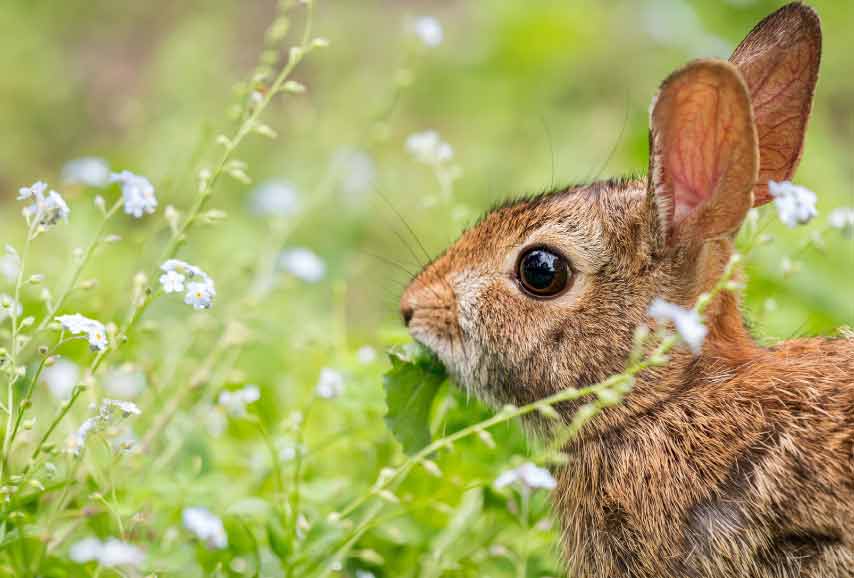
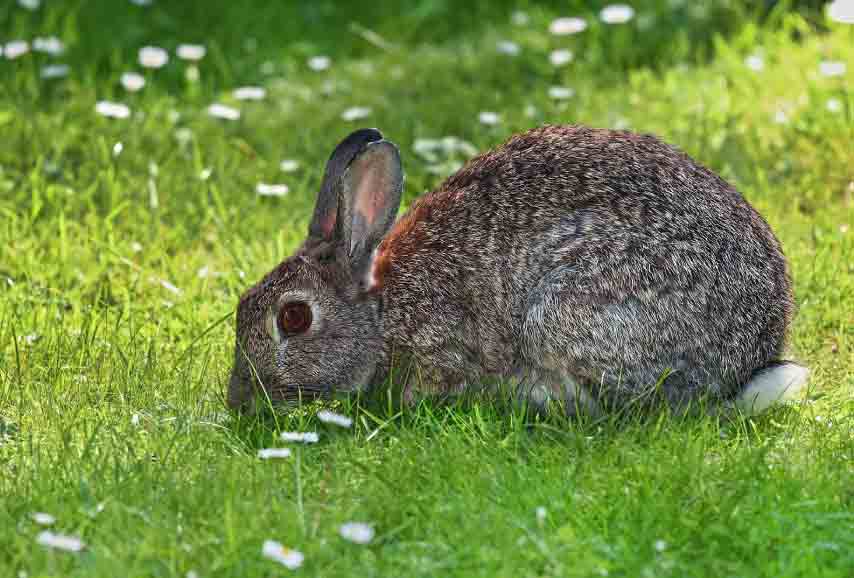
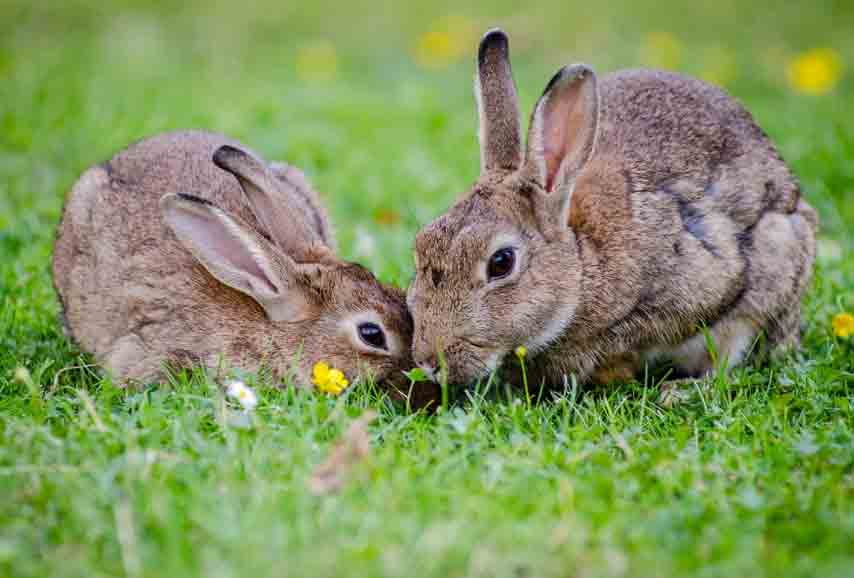
Rabbits

154,400

7

Pet chicken

137,900

8

Other Pets

49,400

9

Ferrets

32,600

10

Everyone else

32,200

 The United States, in their 2021 Ripper Report, ranked them as the most popular pets in terms of size, with fish, cats, dogs, birds, small animals such as hamsters and guinea pigs and horses, etc. We discuss some of these popular pets in more detail.

United State Top 10 Most Popular Pets

Although the quantity of puppies owned is much less than that of cats, it’s far nevertheless the maximum well-known and maximum liked puppy in America’s common domestic and family. It has been tested that Pets make socializing with others less complicated because they do not talk, and those with pets discover it less complicated to begin a conversation. No, be counted what technology says, the actual motive humans maintain pets withinside the United States is that they may be miserable. Pets are animals that may be hugged, and their affections may be enjoyed. People come again from paintings each day. About seventy-three million families withinside the United States have at least one puppy. More approximately, this supply text Source textual content required for extra translation information

The Top 10 Most Popular Pets in America:

10. Ferrets

During the reign of Queen Victoria, ferrets received their recognition while the Queen, now no longer most effective, commissioned the construction of unique cages for ferrets. However, they additionally began out gifting ferrets to the journeying heads of state. Thus, in 1994 it changed into predicted that there have been greater than 7 million ferrets withinside the U.S as pets in households. Ferrets have characteristics of each cat and dog (although there are huge variations, too), that is why they’re turning into popular. They are small but playful and stay so for the duration of all their lives. Unlike dogs, they do now no longer want to be taken for a stroll at 2 a.m. and but they’re extraordinarily social and clutter trainable. Ferrets sleep around 15-20 hours an afternoon and relying on their neutered state, and they pass with the aid of using specific names.

9. Iguanas

Although they look pretty scary, Iguanas may be extra special pets. Besides the advantage of being lazy around them and now no longer taking them for walks, those pets are durable and make someone responsible. They can stay for up to twenty years with the right care, meals, and refuge, displaying that those are hard animals. Most Iguanas stay fortuitously of their terrariums; however, because they grow, there wishes to be sufficient area for them to transport around. It loves basking withinside the daylight (it’s far a wasteland animal!), and if no daylight comes inside the home, puppy docs advocate artificial light.

8. Snakes

If given the right care, snakes may have a lifespan of over forty years. Because of the growing call for puppy snakes, an appealing snake breeding enterprise has come to existence with inside the U.S., mainly regarding docile species like ball python and corn snakes. A snake now no longer must be fed regularly and calls for meals each 5 to 14 days. Snakes born in captivity and bred are considered higher pets as they’re more tamed than the ones stuck from the wild. On the other hand, snakes may be very low renovation pets. The maximum, not unusual place species now no longer exceed five toes in period and require minimal space.

7. Birds

It became extra than 4,000 years in the past that birds have been first caged for his or her beauty. Birds have constantly been related to dinner however there are numerous hen species that can be saved as pets. In reality, some varieties of birds are very quiet and uncommon for instance birds from the Macaw family. The maximum normally saved birds with inside the domestic as pets are the canary and the parrot. Certain species like cockatiels, doves, budgerigars, finches, and lovebirds, can thrive as pets with the right care however different species just like the macaw are higher left with inside the wild. Birds could make exquisite partners and the bigger ones can stay for as much as dozens of years. The hen’s nutrition, interest desires, and care elements have to be taken into consideration earlier than taking one as a pet.

6. The Guinea Pig                 

In the early 1900s, the British immigrants delivered the primary Guinea Pigs to the United States. They have been my favorite pets ever because, due to the fact, they have a pleasant temperament without a tendency to bite. Their caging necessities are pretty clean to deal with because they can’t soar or climb. They are tremendously healthy pets with fewer fitness problems. Newborn Guinea Pigs are completely advanced with their eyes and mouth open, so they’re amusing to play with and clean to breed. Not simplest is favorite beef meals for non-Muslim Americans. It’s also a famous farm animal within side the countryside.

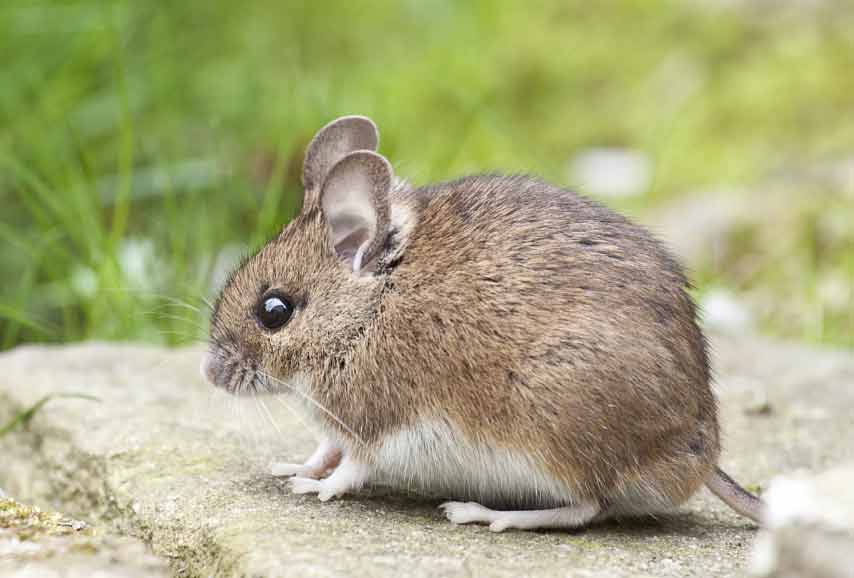
5. Mice

The domesticated descendants of mice first come from China. They have been saved withinside the Royal Palaces. However, nowadays, they may be all around the world. Normally a mouse can live up to a few years. Why that failed to wonder Ronald Weasley while his lawn rat lived for twelve years surprises us too. However, we will forgive the loophole in want of the awesomeness of Harry Potter. Mice are the maximum considerably allotted mammals from all sorts of pets after human beings. The mice that stay in houses are nocturnal. They feed on insects, small plant life, and seeds. The female mouse can supply start to 4-7 younglings each thirty days. However, due to the excessive style of predators, younglings do not live on for a bargain longer.

4. Fish

A few 25,000 species of fish have been observed up to now, and fishing is the second one maximum famous interest of humans in America. Keeping a fish has usually been a favorite of humans seeking out pets as it brings each corporation and rest. A great quantity of serenity exuded via way of means of the nevertheless water wherein the fish lightly swims. It brings rest and soothes the mind. Watching slow-shifting fish swimming withinside the aquarium is enjoyable for humans with hyperactive minds. Kids with significant strength tiers can advantage from looking fish. Fish are famous pets due to the fact they’re less expensive to buy, inexpensive to feed, and do now no longer want a good deal space. They also are exceptionally smooth and low-upkeep pets. Goldfish are the maximum famous among the recognized puppy species.

3. Hamsters

The records of hamsters are pretty exciting as they have been initially located in Syria via way of means of a zoologist, after which despatched to labs all around the world, arriving withinside the US in 1938. A separate inventory changed into delivered to America in 1971 as nicely. However, all of the recognized hamsters in North America nowadays are descendants of the primary ones delivered. Hamsters are famous for clinical experiments because they can reproduce at a quick fee and are disease-free. On the other hand, farmers recall them as a nuisance, and exclusive methods are sought to kill them. One of the maximum famous, however, relentless ones is drowning them.

2. Cats

Cats withinside the wild should have existed in North America. However, the domesticated species become first delivered into the united states with the English. It becomes frequently imported to manipulate the hassle of the rodents. Little did human beings recognize that cats could ultimately emerge as the maximum desired pets in North America. Although the wide variety of cats in America is more than the puppies, we’d nonetheless positioned puppies on our listing of maximum favorite pets at the pinnacle. Many households would like to hold puppies. However, troubles like lesser areas limit the choice. Cats are very playful too, however now no longer as dependable as puppies and commonly quit to be selfish. Siamese is ranked because the maximum famous breed of cats in America. It is innately curious and could chat with you all day and night time in case you want.

1. Dogs

Dogs are the maximum famous puppy withinside the United States. There are many motives for that. Dogs are immensely dependable and protective. Research has established that the loyalty of a canine to his grasp is 2nd to none. They are commonly affectionate with youngsters and their owners. Some puppies are higher with youngsters and maybe educated higher than others. Dogs will recognize while the grasp is low and could playfully attempt to distract them from the gloomy mood. Dogs are strong animals that don’t require several cares. They are to be consumed as an ordinary foundation, though. However, it’s miles greater out of addiction than out of wanting for meals. Dogs aren’t extraordinarily highly-priced, or even canine meals aren’t always very highly-priced. However, if you select to shop for a pedigree or the canine has uncommon fitness troubles, preserving it could fee you a fortune in phrases of vet fee. According to The American Kennel Club, the Labrador Retriever is the maximum famous canine breed in America today.

Leave my pet at home.

You can leave your pet at home. However, some pets develop separation concerns, and keeping them alone for long periods is not a good idea.

Best Pets for Apartments Living-Top 10 List

Best Pets for Apartments Living-Top 10 List

Best Pets for Apartments: Top 10 List for Apartment Living (2026)

What are the best pets for apartments? The best pets for apartments are quiet, happy in a small space and allowed by your lease. Top picks include an adult indoor cat, a calm small or low-energy dog, a betta fish, a leopard gecko, a pair of rats or guinea pigs, a corn snake and a budgie. Noise, neighbors and building rules matter as much as size.

Apartment life adds limits a house does not: shared walls, stairs or elevators, no private yard and a landlord’s pet policy. This top 10 list ranks the best pets for apartments by how well they fit those limits, then covers lease rules, noise, and how to keep both your pet and your neighbors happy.

Key takeaways

  • Check your lease and building rules before you choose any pet.
  • An adult indoor cat is one of the easiest mammal pets for apartment living.
  • For dogs, energy level and barking matter more than size, the AKC notes.
  • Fish, geckos and snakes are nearly silent and need little floor space.
  • Rats and guinea pigs suit apartments but do best in pairs.
  • Birds and night-active rodents can bother neighbors through thin walls.

Best Pets for Apartments at a Glance

Pet Noise for neighbors Space needed Typical lifespan
1. Adult indoor cat Low Litter area, scratching post, climbing space Many years
2. Calm small or low-energy dog Low to moderate Bed, crate, daily walks Varies by breed
3. Betta fish Silent 5-gallon heated tank 3–5 years
4. Leopard gecko Silent 10 gallons for one, larger preferred 10–15 years
5. Corn snake Silent 36 x 18 x 18 in for adults 15–20+ years
6. Pet rats (pair) Low Large multi-level cage 2–3 years
7. Guinea pigs (pair) Low to moderate 10 sq ft for two 6–9 years
8. Budgie Moderate (chatter) At least 18 x 18 in cage 7–15 years
9. Hamster Low (wheel at night) Large single cage 18–24 months
10. Hermit crabs (group) Very low 5 gallons per 2 crabs Around 10 years

Noise ratings are our editorial judgment; space and lifespan figures come from the care sources linked below.

Best pets for apartments: a white cat sitting on a window in a Brooklyn apartment
An indoor cat with a window perch is one of the best pets for apartments. Photo: James Fitzgerald / Unsplash.

Before You Choose: Lease, Noise and Space

The best pets for apartments are the ones your building allows and your neighbors barely notice. Check these four things first.

  • Lease rules: Read your lease for pet limits on type, number, size or breed, and for deposits or monthly pet rent. Get any approval in writing.
  • Noise: Shared walls carry barking, chirping and wheel squeaks. Think about your pet’s active hours and your neighbors’ sleep.
  • Space: Measure where an adult-size enclosure, litter box or crate will go, and check that floors can hold a filled aquarium.
  • Access: Stairs, elevators and the distance to a patch of grass matter for dogs, especially puppies and seniors.

Some animals also have local legal limits. Check city and state rules before choosing an exotic pet.

Top 10 Best Pets for Apartments

1. Adult indoor cat

Cats do not need walks and use a litter box, which makes them a natural fit for apartment living. The ASPCA recommends keeping cats indoors, scooping the litter box daily and washing it weekly, providing a sturdy scratching post at least three feet tall, and trimming nails every two to three weeks. A window perch and some vertical space can help an indoor cat stay active. If you love cats, see our guide to the smallest cat in the world.

2. A calm small or low-energy dog

The American Kennel Club notes that size is not the only factor: some large breeds are low-energy and happy to relax indoors, while some small breeds need lots of activity. It suggests choosing a dog that does not bark excessively and is polite with people in elevators, stairways and lobbies. Daily walks are still a must.

3. Betta fish

A betta is silent and fits on a sturdy shelf. A Chewy betta care sheet lists a minimum 5-gallon tank, a heater for 76–81°F water, a filter and a lifespan of about 3 to 5 years.

4. Leopard gecko

Leopard geckos are quiet and calm. VCA Animal Hospitals says one can live in a 10-gallon tank with a screen top, kept around the mid-80s °F, and live 10 to 15 years. Bigger enclosures are better, and they eat live insects. Curious about their mouths? Read do leopard geckos have teeth.

5. Corn snake

A corn snake makes no sound and eats only every week or two as an adult. The Phoenix Herpetological Society recommends at least a 36 x 18 x 18 inch enclosure for adults and calls corn snakes escape artists, so a locking lid is essential, especially with neighbors next door.

6. Pet rats

Rats are smart, social and quiet. VCA veterinarians say rats are usually happier with another rat, can learn tricks and rarely bite when socialized. They live about 2 to 3 years and are most active in the evening and at night.

7. Guinea pigs

Guinea pigs are gentle and social. A Seattle Animal Shelter care sheet recommends at least 10 square feet for two, daily vitamin C and a calm spot away from loud noise. They do squeak and whistle, so place the cage on an inside wall if your building has thin walls.

8. Budgie

Budgies are small, manageable parrots for apartments, but they do chatter. Writing for PetMD, Sean Perry, DVM, says budgies live about 7 to 15 years and need a cage of at least 18 by 18 inches. Keep the cage away from shared walls if neighbors are sensitive to sound.

9. Hamster

A hamster needs little space, but VCA notes it is mostly active at night, runs hard on its wheel, should be housed alone and lives about 18 to 24 months. A silent wheel keeps both you and your neighbors happier.

10. Hermit crabs

Hermit crabs are among the quietest options. PetSmart’s care guide recommends keeping them in pairs or groups, at least 5 gallons per 2 crabs, humidity of 70–80% and spare shells for growth.

For more choices, compare our lists of easy pets to take care of and cool pets to have in your room.

Pet Care Tip: Before signing a lease, ask the landlord for the pet policy in writing, including deposits, pet rent and any breed or size limits. It is much easier to plan around clear rules than to fix a dispute later.

Tips for Dogs in Apartments

Dogs can be some of the best pets for apartments with the right routine. A Dogster guide reviewed by Luqman Javed, DVM, suggests:

  • Walk your dog at least twice a day, ideally before you leave and in the evening.
  • Keep walks and meals at about the same times each day; dogs like routine.
  • Lay rugs to dampen the sound of running and jumping.
  • Reward quiet behavior and get your dog used to normal building noises.
  • Start training and socialization early so hallway and elevator meetings go smoothly.
  • Consider a secure balcony potty spot if stairs or elevators make quick trips hard.

Bringing home a puppy? Our guide on how to potty train a puppy in an apartment walks you through it.

Keeping Neighbors Happy With the Best Pets for Apartments

Common mistake Why it matters Better approach
Skipping the lease check Can lead to fees or having to rehome the pet Get pet approval in writing first
Choosing a dog by size alone Energy and barking matter more Match energy level to your routine
Putting a bird cage on a shared wall Chatter carries to neighbors Use an inside wall
Ignoring night activity Wheels and scratching echo at night Use silent wheels and soft bedding
Loose lids on snake or gecko tanks An escaped reptile can end up next door Use locking lids

Hygiene matters in shared buildings too. The CDC says reptiles can carry Salmonella even when healthy, advises washing hands after handling them or their habitats, and does not recommend reptiles for homes with children under 5.

When to call a vet right away: Labored breathing, bleeding, collapse, a pet that stops eating for more than a day, or any suspected poisoning needs prompt care. If your vet is closed, go to a 24/7 emergency animal hospital. For a possible poisoning, call the ASPCA Animal Poison Control Center at (888) 426-4435; a consultation fee may apply.

7 questions to ask before getting an apartment pet

  1. Does my lease allow this pet, and what are the fees?
  2. How much noise will it make, and when?
  3. Where will the cage, tank, crate or litter box go?
  4. How far is the nearest grass or dog-friendly area?
  5. Who will care for it when I travel?
  6. Is there a vet nearby who treats this species?
  7. Can I commit for its whole lifespan, including future moves?

Example Scenario (illustrative)

Aisha rents a one-bedroom apartment in Philadelphia with a strict noise policy. She skips a puppy and a parrot, gets written approval for a cat, and adopts a calm 4-year-old from a shelter. A window perch, a tall scratching post and a covered litter box in the bathroom keep her cat happy, and her neighbors never notice.

What most owners get wrong

Many people rank the best pets for apartments by size alone. In practice, noise, activity hours and lease rules decide whether a pet works. A quiet large dog may suit an apartment better than a barky small one, and a silent gecko may suit thin walls better than a cheerful budgie.

Best Pets for Apartments FAQs

What is the best pet for a small apartment?

For most people, an adult indoor cat or a betta fish. Both are quiet, need little floor space and do not need outdoor time.

What are the best dogs for apartments?

Calm dogs that do not bark much. The AKC notes that energy level matters more than size, and some large, low-energy breeds do well indoors.

Are cats good apartment pets?

Yes. Cats do not need walks, and the ASPCA recommends keeping them indoors with a scratching post and a clean litter box.

What are the quietest pets for apartments?

Fish, leopard geckos, corn snakes and hermit crabs make almost no noise, so they suit thin walls.

What pets are good for small spaces?

Betta fish, leopard geckos, pairs of rats, hermit crabs and adult cats all fit small homes with the right setup.

Are rabbits good apartment pets?

They can live indoors, but the House Rabbit Society says rabbits need 2 to 4 hours of daily exercise in a bunny-proofed space and about as much care as dogs and cats.

Do I need my landlord’s permission for a fish tank?

Many leases cover aquariums, especially large ones, because of weight and water damage risk. Check your lease and ask in writing.

Final Verdict: Best Pets for Apartments

The best pets for apartments are quiet, space-smart and allowed by your lease. An adult indoor cat, a calm dog with a steady walking routine, a betta fish, a leopard gecko, a corn snake or a pair of rats or guinea pigs all fit apartment living well. Check the rules, plan for noise and choose a pet for its whole lifespan.

Your next steps

  1. Read your lease and ask your landlord about the pet policy.
  2. New to pets? Start with our guide to low-maintenance pets for beginners.
  3. Explore more small-pet guides in our Other Pets section.

Share your apartment pet setup with other owners on our Pets Store Home Facebook page.

About the author: Written and reviewed by the Pets Store Home Editorial Team, a group of pet owners and animal lovers who check every guide against trusted US veterinary, public-health and animal-welfare sources. This article is general information, not a substitute for professional veterinary or legal advice. Always talk to your veterinarian about your own pet’s health.

How we checked this guide: Cat care comes from the ASPCA; apartment dog advice from the AKC and a DVM-reviewed Dogster guide; small-pet figures from VCA Animal Hospitals, PetMD, the Seattle Animal Shelter and the Phoenix Herpetological Society; betta and hermit crab figures from Chewy and PetSmart; rabbit care from the House Rabbit Society; and hygiene advice from the CDC. Noise ratings are our editorial judgment. We review this article every 12 months, or sooner if guidance changes.

Last reviewed: October 2026.

Cheap Exotic Pets-Legal Cheapest Top 10 Affordable List

Cheap Exotic Pets-Legal Cheapest Top 10 Affordable List

Quick Answer: Some of the most affordable exotic pets to get started with include hermit crabs, betta fish, leopard geckos, and hamsters, typically costing under $50 for the animal itself, though ongoing enclosure and care costs still add up over time.

Key Takeaways

  • Initial purchase price for these pets is often quite low, sometimes under $20.
  • Enclosure and setup costs frequently exceed the price of the animal itself.
  • ‘Cheap’ upfront doesn’t always mean cheap long-term; factor in ongoing food and habitat costs.
  • Research species-specific care requirements even for low-cost pets.
  • Always verify legality in your state before acquiring any exotic species.

Why Trust This Guide?

This guide is researched and written by the Pets Store Home editorial team, drawing on general veterinary and animal-care information. It’s intended as general information; consult your vet for advice specific to your pet.

Affordable and cheap exotic pets or cool pets that are cheap: First, raise the question of what is the cheapest exotic pet? Some of these animals can be cheap. 

However, each of them will need a supply of at least 100 if they are taken care of adequately. Common best cheap exotic pets below $ 50 can be green iguanas, Daegu, budgerigar, hermits, and axolotls.

Cheap Exotic Pets

When we consider adding a new pet to our family, the price may play a role in that decision. Interestingly, the price range of exotic pets can vary dramatically, from  5 to 1,000 for rare or high-demand varieties. 

Firstly, some of these prices may seem extreme to some people. Do they think why higher or so much amount spent on a mammal?

When the price of a pet arrived in three or even four ranges (an amount that most people would rather spend on a nice portion of furniture or car payments), they can shop to find a pet that is “reasonable.” It would be a futon for you, like knowing shopping for an animal. 

However, since pets are living things, they demand care that will cost us more than our initial purchase price. Therefore, it may be reasonable and assume that their purchase price is the least expensive part of pet ownership, even if they cost more than $ 1000.


Definition of exotic pet

An exotic pet is a non-traditional pet not commonly kept as a companion animal. This can include any animal, not a dog, cat, bird, or domesticated farm animal. Examples of exotic pets may include snakes, lizards, turtles, spiders, scorpions, ferrets, hedgehogs, sugar gliders, and various species of birds, rodents, and primates. 

The term “exotic pet” can also refer to wild animals taken from their natural habitats and kept in captivity as pets. It’s important to note that owning an exotic pet comes with unique challenges and responsibilities and may not be legal in all areas.  

Exotic pets are often acquired for their novelty, perceived beauty, or as status symbols. However, owning an exotic pet can be challenging, as these animals often require specialized care, housing, and diets that can be difficult and expensive to provide. 

Additionally, some exotic pets may pose a danger to their owners or to the public, particularly if they are not properly trained or socialized.

Exotic pets are also a controversial topic. Many animal welfare organizations and experts believe that keeping wild animals as pets is inherently cruel and can lead to the animals suffering from stress, poor health, and shortened lifespans. 

Moreover, capturing and trading exotic animals can contribute to the depletion of wild populations and negatively affect ecosystems and biodiversity.

Because of the potential risks and challenges involved in owning an exotic pet, many countries and regions have enacted laws and regulations that restrict or prohibit the ownership of certain species. 

It is important to research the laws and requirements in your area before considering getting an exotic pet. Additionally, it is recommended that prospective owners thoroughly research the care requirements of any exotic animal they are considering and only acquire pets from reputable breeders or rescues that prioritize animal welfare.


The most popular types of exotic pets and their characteristics

There are a wide variety of exotic pets that people keep, but some of the most popular types and their characteristics include:

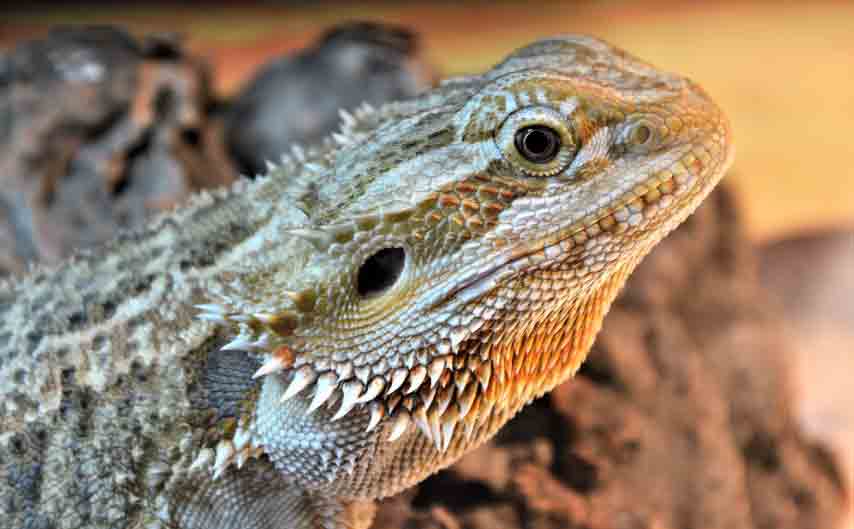
Reptiles: Snakes, lizards, turtles, and tortoises are common reptile pets. They are often low maintenance and can be fascinating to observe. However, they require specialized diets, temperature control, and lighting to ensure their health and well-being.

Birds: Parrots, macaws, and cockatiels are some popular bird pets. They are highly intelligent and can learn to mimic human speech and behavior. However, they require much attention and socialization to prevent boredom and loneliness.

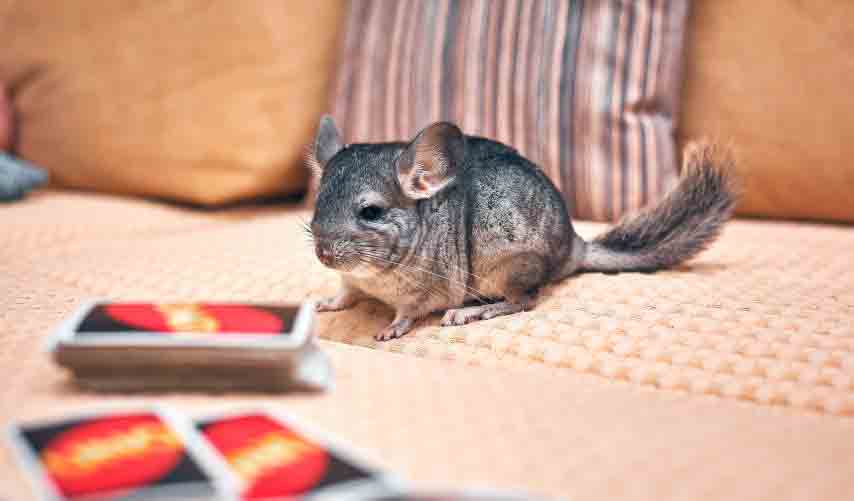
Small mammals: Ferrets, hedgehogs, chinchillas, and sugar gliders are popular small mammal pets. They are often low maintenance and can be kept in small living spaces. However, they require specialized diets and environments to ensure their health and well-being.

Primates: Monkeys and apes are highly intelligent and social animals that require extensive care and specialized diets. They can be dangerous and are illegal for pets in many areas.

Fish: Tropical fish, such as cichlids and angelfish, are popular aquarium pets. They require a suitable aquarium environment, proper filtration and water chemistry, and regular maintenance to ensure their health and well-being.

It’s important to note that exotic pets have unique care requirements and may not be suitable for everyone. Potential owners should carefully research the species they are interested in and ensure they have the time, resources, and expertise to provide proper care. 

Additionally, prospective owners should only acquire exotic pets from reputable breeders or rescue that prioritize animal welfare.


Here are some additional popular types of exotic pets and their characteristics:

Invertebrates: Tarantulas, scorpions, and other spiders are popular invertebrate pets. They are low maintenance and can be fascinating to observe. However, they require specific living environments and specialized diets to ensure their health and well-being.

Amphibians: Frogs, toads, and salamanders are popular amphibian pets. They are often low maintenance and can be fascinating to observe. However, they require specialized diets, temperature control, and lighting to ensure their health and well-being.

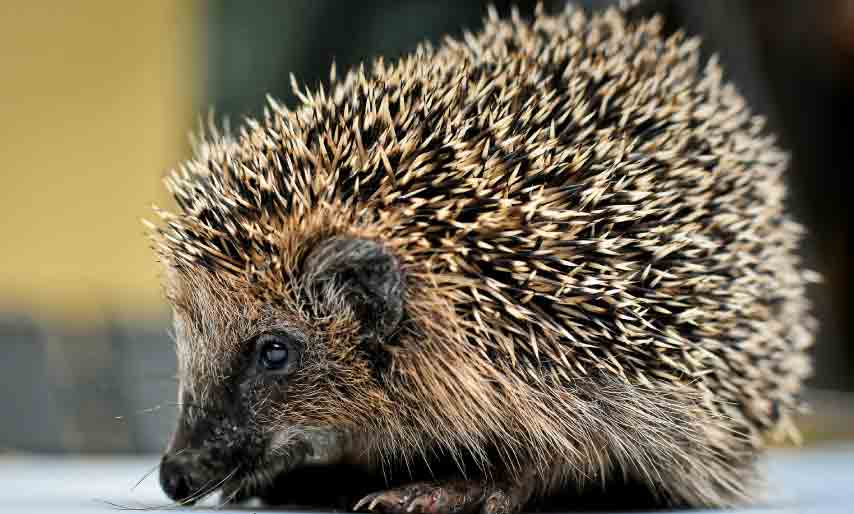
Hedgehogs: Hedgehogs are small, spiky mammals often kept as pets. They are relatively low maintenance and can be affectionate and interactive. However, they require specific diets and environments to ensure their health and well-being.

Ferrets: Ferrets are playful and curious small mammals often kept as pets. They require a lot of attention and socialization and can be trained to do tricks. However, they require specific diets and environments to ensure their health and well-being.

Large cats: Some people keep large cats, such as lions, tigers, and cheetahs, as exotic pets. However, these animals require extensive care and specialized diets and can be extremely dangerous. They are illegal to own as pets in many areas.

It’s important to note that while exotic pets can be fascinating and rewarding to own, they come with unique challenges and responsibilities. Potential owners should carefully research the species they are interested in and ensure they have the time, resources, and expertise to provide proper care. 

Additionally, prospective owners should only acquire exotic pets from reputable breeders or rescues prioritizing animal welfare.


Tips for finding an affordable exotic pet

Finding an affordable exotic pet can be challenging, as the cost of owning and caring for an exotic pet can be high. However, there are some tips that prospective owners can follow to find an exotic pet that is within their budget:

Adopt from a Rescue: Many exotic pets end up in shelters or rescues because their previous owners could not provide adequate care or could no longer care for them. Adopting from a rescue can be more affordable than purchasing from a breeder and can also help support animal welfare organizations.

Research local laws and regulations: Some states or localities may restrict owning certain exotic pets, which can affect the availability and price of these animals. Researching local laws and regulations can help prospective owners find more affordable legal options. 

Consider less popular species: Some exotic pets, like large cats or primates, are more popular and expensive. Consider less popular species, such as small reptiles or birds, which can be more affordable.

Look for second-hand equipment: Exotic pets often require specialized housing and equipment, which can be expensive. Looking for second-hand equipment, such as enclosures or lighting systems, can help reduce the overall cost of owning an exotic pet.

Purchase from a reputable breeder: While purchasing an exotic pet from a breeder can be more expensive than adopting or purchasing from a pet store, it can also help ensure that the animal is healthy and raised responsibly. This can help prevent future veterinary costs and provide a better long-term value for the investment.


More Tips for finding an affordable exotic pet

Attend exotic pet shows and expos: Attending exotic pet shows and expos can be a great way to learn more about different species and connect with breeders and sellers. These events may also offer discounts or deals on exotic pets and supplies.

Consider a juvenile or young animal: Juvenile or young exotic animals can be more affordable than adult animals. However, ensuring that the animal will grow to a size that can be accommodated in the home and that the owner has the expertise and resources necessary to care for a developing animal is important. 

Consider co-ownership: Co-ownership of an exotic pet with a trusted friend or family member can help. Reduce the cost of ownership while still allowing both parties to enjoy the benefits of pet ownership. 

Set a budget and stick to it: Owning an exotic pet can be expensive, and it is important to set a budget and stick to it. Prospective owners should consider the ongoing costs of food, housing, and veterinary care and any one-time costs like equipment or permits when setting a budget.

Be patient: Finding an affordable exotic pet may take time and patience. It is important to take the time to research different species and sellers and to wait until a suitable and affordable pet becomes available. Rushing into a purchase can lead to higher costs and lower satisfaction with the ownership experience.


Understanding the cost associated with keeping, caring for, and owning an exotic pet.

Owning an exotic pet can be a unique and rewarding experience, but it also comes with costs that can be higher than those of traditional pets. Here are some of the costs associated with keeping, caring for, and owning an exotic pet:

Purchase price: The cost of an exotic pet can vary widely depending on the species and the animal’s rarity. Some exotic pets, like large cats or primates, can cost tens of thousands of dollars, while others, like small reptiles or birds, can cost a few hundred dollars.

Food and supplements: Many exotic pets have specific dietary requirements that can be more expensive than those of traditional pets. Some exotic pets, like large snakes or birds of prey, require live prey, which can be costly and require special permits.

Housing and equipment: Exotic pets often require specialized housing and equipment, such as temperature-controlled enclosures, UV lighting, and filtration systems. These items can be expensive and require regular maintenance.

Veterinary care: Exotic pets may require specialized veterinary care from veterinarians trained in treating non-traditional species. These visits can be more expensive than those for traditional pets.

Licensing and permits: Some exotic pets may require licensing and permits to own, depending on the owner’s species and location. These permits can be costly and require regular renewal.

Training and socialization: Many exotic pets require extensive training and socialization to ensure their health and well-being. This can require specialized trainers and classes, which can be expensive.

Overall, the cost of owning an exotic pet can be high, and it is important for prospective owners to carefully consider these costs before committing. 

Prospective owners should research the species they are interested in and ensure they have the time, resources, and expertise to provide proper care. Additionally, prospective owners should only acquire exotic pets from reputable breeders or rescue that prioritize animal welfare.


Pros and cons of owning an exotic pet

Owning an exotic pet can be a unique and rewarding experience, but it also has advantages and disadvantages. Here are some of the pros and cons of owning an exotic pet:

Pros:

Unique and fascinating animals: Exotic pets can provide their owners a unique and fascinating experience. They can be fascinating to observe and can offer a sense of novelty and excitement.

Educational opportunities: Owning an exotic pet can offer educational opportunities to learn about different species, their behaviors, and their natural habitats.

Potential for bonding: Some exotic pets, like birds or small mammals, can form strong bonds with their owners and become affectionate companions.

Cons:

Legal and ethical considerations: Owning an exotic pet may not be legal or ethical in some areas. Some species may be protected or endangered, while others may pose a risk to the owner, their family, or the surrounding environment.

High costs: Exotic pets can be expensive to purchase, feed, house, and provide veterinary care for. They may require specialized equipment and living environments, which can add to the cost. 

Specialized care requirements: Exotic pets often have specific care requirements, including specialized diets, temperature control, and lighting. They may also require more time and attention than a traditional pet.

Potential danger: Some exotic pets, like large cats or venomous snakes, can pose a danger to their owners, their family, and their community if not properly trained, housed, and cared for.

Overall, owning an exotic pet can be a rewarding and unique experience, but it is important to carefully consider the potential drawbacks and responsibilities that come with it. 

Prospective owners should research the species they are interested in and ensure they have the time, resources, and expertise to provide proper care. Additionally, prospective owners should only acquire exotic pets from reputable breeders or rescue that prioritize animal welfare.

Pricing the animal

Many factors determine the price of an animal. Some of these include Difficulty in reproduction. Many animals, especially less common exotic pets, find it difficult to breed captive or produce a limited number of offspring. Some animals, such as the wolf / wolf-dog and the prairie dog, are seasonal breeders, producing offspring only in spring.

Form, colour, or breed. The ball python is a very common snake available in the pet business for about 20-70 for ‘normal’ coloured animals (depending on where you get them from). 

However, some breeders have created different reptiles, and some have sold up to $ 50,000. This example shows how extreme the price range for a particular species can be when they have a particular colour and are in high demand.

Care: The cost of care. There is a lot involved with caring for newborn animals. Many exotic pets are raised by hand, and it is worth paying extra for it. This important step in animal husbandry often determines how an animal can be social. 

Other exotic pets, such as toucans, need constant feeding throughout the day when they are young and many weeks before they are old enough to go home with their owner.

Rarity. Some exotic pets are extremely and very rare. When very few people sell an animal for any occasion, people are willing to pay increases significantly.

Demand. Whether the animal meets any of the above criteria if its demand exceeds the supply.


iguana

Determining what is cheap

So how do you make a pet actually ‘worth,’ and what makes one cheap or cheap? I will judge by comparing the animal to other similar species in terms of their size and availability. To do this, I need to divide the exotic pet into two groups: conventional and unusual.

The conventional exotic pet only describes the exotic pets that are commonly found, as you will find in chain pet stores like Petco. Many are domesticated but still considered ‘exotic .’ Others are reptiles/amphibians/arthropods that are not very large or evil (not cobras, alligators, Burmese pythons, etc.). Common exotic pets include sugar gliders, ferrets, ‘pocket pets,’ chinchillas, hedgehogs, cocktails, and aquarium fish. The price of this group of animals may vary, but some cost less than $ 50, which would be considered ‘cheap.’

Unusual exotic pets that most people think are only found in zoos. However, the animals in this group tend to bring in at least 1000, so I think the prices below this figure are ‘cheap.’

Conventional exotic pets below $ 50

Unfortunately, many of these animals are bought on impulse. Their very low price tag or small price tag is a big part of the reason. While some of these animals may be cheap, each of them will need a supply of at least $ 100 worth if they are taken care of adequately. There should be a lack of care, or if your luck is bad, the animal may get sick, and then the actual cost may unexpectedly pile up. Veterinary bills often start at around $ 50 for an appointment but can easily go up to thousands. It is unethical not to provide veterinary care for the animal you are responsible for because low initial cost.

Green iguana

Green iguana: $ 15-25

The iguanas are one of the main victims, suffering from inadequate care from their presence as cheap animals in chain pet stores. They should not be sold there, especially if they are not shown pictures of 4-7 foot adults as small children. With their extremely low purchase price, people don’t realize that they need very expensive maintenance. They will need fresh vegetables prepared for them every day, a very large enclosure (even if you make one, you will spend hundreds on materials), expensive UVB / UVA lighting, and much more.

Degu

Degu: $ 10-20

When the price of chinchillas starts at $ 100, their lesser-known intimate look, the Daegu, costs the same as a jail. These foreigners have a high population in the pet trade, but not many people know about them. Still, because they are small rats, they breed long-term and may end up in animal shelters, so it would be a good idea to test them there before buying. Their maintenance is also not too expensive, as is the cost of caring for rats.

Budgerigar

Budgerigar: $  10-35

These tiny popular parrots are found everywhere. Their small size and an excellent cheap price will make them easy prey to buying persuasion for ‘decorative purposes.’ Parrots are very social and friendly, so it is a contradiction because these birds are so easy to acquire, but often their welfare is not considered that people tend to give big birds. The tradition of birds is not traditionally given too much space. Many cheap small betting cages are available, but they are often very small.

Hermit Crab: $ 5-35

Hermit crabs are the first pet for many. They are popular ‘disposable’ pets that are bought, hoping that they will not live long. These are cheap and are often replaced after a month or two of survival. It’s not the owner’s fault either. Their care is advertised for a small plastic tank with sand, water dishes, and commercial crab shells. Proper care of herbal crabs involves a lot more, and if it is done properly, herbal crabs are not so cheap, but the costs can still be reasonable. Provide a large aquarium with deep layers, branches to rise to the top, fresh and salted water, and about 70% high humidity. They should not be left alone.

Axolotl

Axolotl: $ 15-35

These bizarre-looking animals are amphibians and can be kept relatively cheap. An Axolotl can be kept in a 10-gallon aquarium. They don’t need (or need) any light, no hot, gravel, or considerable water. Just provide them with purified tap water or spring water and maintain their water quality with frequent water changes or proper filtration.

Unusual exotic pets under $ 1000.

These exotic pets are very uncommon but can be kept with proper care without any problems. Unfortunately, since very few people keep these animals, they are strictly regulated in the United States, illegal in at least half of the states. This is very unfortunate because they pose a similar threat to the public rather than dogs and cats. These rare animals cost hundreds of dollars, but you value them when considering how many breeders these species have as hand-raised specimens.

African Crested Porcupine

African Crested Porcupine: $ 500-800

Since other shrimp species cost at least $ 1000, these striking African shrimp are quite cheap. However, they will need space outside or indoors (and this can be a complicated undertaking if you are involved with them). Therefore, this cage will increase its cost.

Red Fox

Red Fox: $ 300-500

Unfortunately, red foxes and their numerous color variations are illegal in most states, as they are relatively inexpensive for an exotic carnivore. Non-native foxes all exceed $ 2000. The real cost of owning a red fox is the concern you will gain if someone decides to change or reinterpret a law that threatens to confiscate your pet, in addition to the cost of an external pen. Therefore, these foul-smelling animals are not usually kept indoors.

 Coatimundi: $ 700-800

The price of  Coatimundi is just the tip of the iceberg for this highly active and playful raccoon relative. It would be best to build a strong case to hold this skilled exotic pet and keep the enrichment object across the enclosure. These national pets are time-consuming, and new owners must have experience in exotics

Skunk

Skunk: $ 250-450

For an exotic mammal that is relatively unusual, sconces are less expensive. As domesticated species, they can come in other colors. These can be kept in a fashion similar to that of ferrets and fox foxes.

Guinea Pigs

Guinea pigs: $ 300-500

These exotic deer-rats, closely related to guinea pigs and capybaras, are relatively common in the unusual exotic pet trade, often referred to as the good ‘starter’ exotic. When socialized, they can be quite affectionate with attention and calm. Therefore, it is recommended that they have an outdoor space.

This article is accurate and true to the full knowledge of the author. However, it is not a substitute for formal and individual consultation from a diagnostic, prognosis, treatment, prescription, or veterinary medical professional. Animals that show signs and symptoms of distress should see a veterinarian immediately.


Thanks and Regards.

What About Washington State?

Curious how these rules compare to another state? Our complete guide to exotic pet laws in Washington State breaks down exactly which animals are banned under RCW 16.30 and WAC 220-640, and which ones are legal by default.

10 Best Small Pets for Depression & Anxiety-A Complete Guide

10 Best Small Pets for Depression & Anxiety-A Complete Guide

Quick Answer: Small pets like guinea pigs, rabbits, and certain birds can offer companionship, routine, and a calming presence that many people find genuinely helpful alongside, not instead of, professional support for depression and anxiety.

Key Takeaways

  • Caring for a pet can add helpful daily routine and structure.
  • Gentle, low-maintenance pets can offer companionship without being overwhelming.
  • Guinea pigs and rabbits are often chosen for their calm, interactive nature.
  • A pet is a meaningful complement to care, not a replacement for professional mental health support.
  • Consider your energy levels and daily capacity honestly before taking on a new pet.

Why Trust This Guide?

This guide is researched and written by the Pets Store Home editorial team, drawing on general information about pets and wellbeing. It’s intended as general information, not medical advice; if you’re struggling with depression or anxiety, please also reach out to a qualified mental health professional.

Best Small Pets for Depression

Best small pets for depression: Animal companionship eases loneliness, stress, and depression. However, for high-maintenance pets, you may need more time and effort to devote. It may surprise you that any small pet is best for depression.

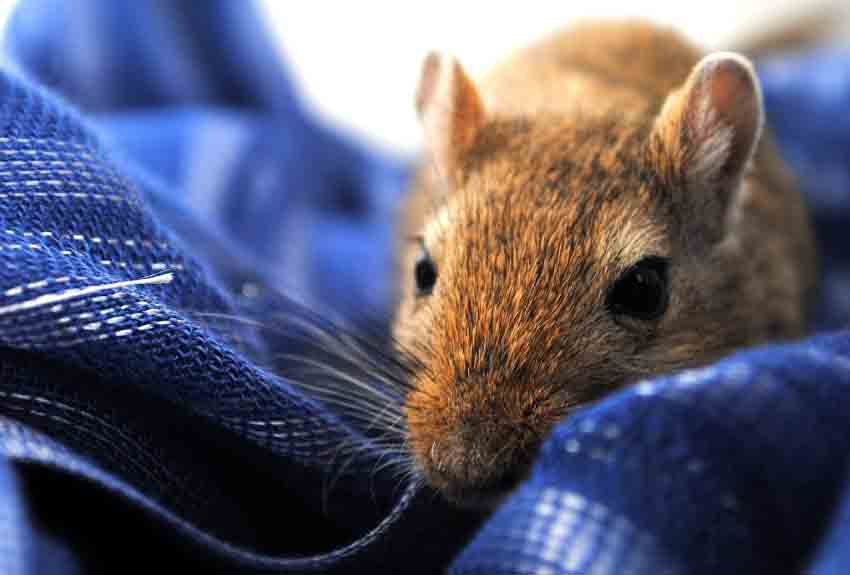
The best small pets may be dwarf rabbits, gerbils, rats, and some lizards for those people who are in depression. These animals provide similar emotional connections and comforts as dogs and cats. Most and maximum rat pets provide you with fun with intelligent, fun interactions. Rabbits and lizards are still emotionally present during relatively low maintenance.

Animals ease the symptoms of depression by providing emotional comfort and unconditional love. In addition, they give their owners physical contact through painting, knocking, and cuddling. Pets need your care and attention so they can also serve as inspiration to keep going.

Mental health is an essential aspect of an individual’s overall well-being. Undeniably, depression can take a toll on one’s daily routine, making it difficult to find joy in the things we once enjoyed. The good news is that there are various ways to manage depression, and having a pet is one such way. Being a pet owner can help combat loneliness, anxiety, and stress; pets provide comfort and companionship.

However, only some have the space or resources to accommodate a large pet. This is where small pets come in. Small pets can be ideal for those living in small apartments or those who don’t have the energy and resources to care for a giant pet. In this blog post, we will be discussing the best small pets for depression. 

We will explore the benefits of having pets for mental health and the different small pets perfect for those who want a furry companion.

How Can You Choose the Best Small Pets For Depression and Anxiety?

Choosing the best small pets for depression and anxiety can be a meaningful and therapeutic way to improve your mental health. Pets can provide companionship, reduce stress, and promote a sense of purpose and routine. However, it’s essential to consider your personal preferences, lifestyle, and the specific needs of different small animals before deciding. 

Here are some steps to help you choose the right small pet for depression and anxiety:

Self-assessment:

Reflect on your preferences: Consider whether you prefer a more interactive pet that enjoys socializing or a more independent one.

Assess your available time and energy: Different animals require varying levels of care, so think about how much time you can realistically dedicate to your pet.

Determine any allergies: Ensure that you or anyone in your household does not have allergies to the type of pet you’re considering.

Research:

Learn about small pets: Research the various small animals commonly kept as pets, such as guinea pigs, hamsters, rabbits, rats, gerbils, or birds. Each has unique characteristics and care requirements.

Consider temperament: Some pets may be more affectionate and interactive, while others may be more reserved. Choose one that matches your desired level of interaction.

Space and housing:

Ensure you have an appropriate living space: Consider the space available for your pet. Different animals may require cages, enclosures, or specific habitat setups.

Ensure the pet’s habitat meets their needs: Research the specific requirements for housing, including bedding, temperature, humidity, and any other environmental considerations.

Daily care and maintenance:

Be realistic about your ability to care for the pet: Consider the daily responsibilities involved, such as feeding, cleaning, and providing mental and physical stimulation.

Think about your routine: Choose a pet that fits your daily schedule, as some animals are more low-maintenance than others.

Budget:

Calculate the cost: Determine the initial setup costs (cage, bedding, toys, etc.) and ongoing expenses (food, bedding, medical care, etc.). Make sure you can comfortably afford to care for your pet.

Longevity:

Consider the lifespan: Different small pets have varying lifespans. Ensure you’re prepared for the commitment, as some animals may live for several years.

Consult with experts:

Talk to veterinarians or experienced pet owners: Seek advice from professionals or people with experience with the type of pet you’re interested in to understand their needs and care requirements better.

Adoption or purchase:

Consider adopting from a rescue or shelter: Many small pets need loving homes, and adopting can be a rewarding experience.

Prepare your home:

Make sure your home is pet-friendly and safe. Remove any hazards that could harm your new pet.

Emotional support:

While pets can provide emotional support, they are not a substitute for professional mental health care. If you are struggling with depression or anxiety, seek help from a therapist or counselor in addition to having a pet.

Ultimately, the best small pet for depression and anxiety aligns with your lifestyle, preferences, and capacity to provide care and attention. A well-suited pet can bring joy, companionship, and emotional support into your life.


How do Small Pets for Depression and Anxiety Help Mental Health?

Small pets can have a positive impact on mental health and help alleviate symptoms of depression and anxiety in several ways:

Companionship: Small pets provide friendship and emotional support. Their presence can reduce loneliness and isolation, common in individuals with depression and anxiety.

Unconditional Love: Pets offer unconditional love and acceptance. They don’t judge or criticize, making it easier for people with mental health challenges to feel valued and appreciated.

Routine and Responsibility: Caring for a small pet establishes a daily routine and a sense of purpose. This can help individuals struggling with depression and anxiety by providing structure and motivation to get out of bed and care for their pets.

Stress Reduction: Interacting with small pets can reduce stress and anxiety. Spending time with animals has been shown to lower cortisol levels (a stress hormone) and trigger the release of oxytocin (a feel-good hormone), leading to calm and relaxation.

Physical Activity: Caring for small pets often involves physical activities like feeding, cleaning, and playing. These activities can encourage exercise, have mood-boosting effects, and reduce anxiety.

Social Interaction: Owning a small pet can foster social interaction. Whether taking your pet for a walk, visiting a pet store, or sharing pictures and stories with friends and family, pets can be conversation starters and help individuals with social anxiety build connections.

Mindfulness and Presence: Caring for a small pet can encourage mindfulness and being present in the moment. Engaging with your pet, whether through petting, grooming or simply observing their behavior, can help divert attention away from negative thoughts and worries.

Sense of Achievement: Meeting the needs of a small pet and watching them thrive can create a sense of accomplishment, boosting self-esteem and self-worth, which can be particularly valuable for those battling depression.

Reduced Rumination: Spending time with a small pet can interrupt cycles of rumination and obsessive thinking, as it directs focus toward the immediate needs and interactions with the pet.

Emotional Outlet: Pets can serve as a safe, dynamic outlet. You can talk to your pet and share your feelings without fear of judgment or disclosure. 

Enhanced Mood: The playful and endearing nature of many small pets can bring joy and laughter into your life, helping to improve your mood and overall outlook.

It’s important to note that while small pets can be a valuable source of emotional support, they are not a replacement for professional mental health treatment. If you are experiencing severe depression or anxiety, it’s crucial to consult a mental health professional who can provide appropriate therapy and support. Small pets can be a beneficial complement to a comprehensive mental health care plan.

What are the Benefits of Having Small Pets for Depression and Anxiety?

Small pets can offer numerous benefits for individuals with depression and anxiety. These benefits can enhance mental well-being and contribute to overall emotional health. 

Here are some of the advantages of having small pets for depression and anxiety:

Companionship: Small pets provide constant companionship and emotional support, which can help alleviate feelings of loneliness and isolation commonly associated with depression and anxiety.

Unconditional Love: Pets offer unconditional love and acceptance, fostering a sense of worthiness and reducing self-doubt and negative self-perception.

Stress Reduction: Interacting with small pets has been shown to reduce stress levels and promote relaxation by decreasing cortisol (a stress hormone) and increasing oxytocin (a bonding hormone).

Routine and Structure: Caring for small pets establishes a daily way, which can be especially beneficial for individuals with depression, as it provides a sense of purpose and helps maintain a structured day.

Responsibility: Taking care of a pet instills a sense of responsibility, boosting self-esteem and providing motivation for self-care, even on difficult days.

Physical Activity: Small pets often require physical activity and playtime, encouraging owners to engage in exercise. Regular physical activity is known to improve mood and reduce anxiety.

Social Interaction: Owning a small pet can facilitate social interactions with other pet owners, leading to potential new friendships and reduced social isolation.

Mindfulness and Presence: Spending time with a pet encourages mindfulness and being present in the moment, diverting attention away from rumination and worries.

Emotional Outlet: Pets serve as non-judgmental listeners and provide a safe space to express and talk about feelings, reducing expressive bottling.

Mood Enhancement: Small pets’ playful and affectionate nature can bring joy and laughter into daily life, improving mood and overall mental well-being.

Decreased Anxiety: The rhythmic actions of petting or cuddling with a small pet can be soothing and help reduce anxiety symptoms.

Distraction from Negative Thoughts: Interacting with a small pet can temporarily distract from negative thoughts and obsessions, relieving the constant mental turmoil associated with anxiety and depression.

Reduced Rumination: Caring for a pet can disrupt cycles of rumination, as it requires focus on immediate needs and interactions with the pet.

Sense of Achievement: Meeting the needs of a small pet and witnessing their well-being can create a sense of accomplishment, boosting self-esteem and self-worth.

Emotional Bonding: Developing a strong emotional bond with a pet can provide security and comfort, which can be particularly valuable during difficult times.

Additionally, it’s crucial to provide proper care and attention to your pet to ensure their well-being and maintain the positive effects on your mental health. If you have severe depression or anxiety, consider consulting a mental health professional in addition to enjoying the companionship of a small pet as part of your holistic approach to wellness.

How to know if you’re depressed?

Depression can manifest itself in various ways, and its symptoms can differ from person to person. However, here are some common signs and symptoms of depression:

Feeling sad, empty, or hopeless for most of the day, nearly every day

Losing interest or pleasure in activities you used to enjoy

Having difficulty sleeping or sleeping too much

Feeling tired or having low energy

Feeling worthless, guilty, or helpless

Having difficulty concentrating, making decisions, or remembering things

Having recurring thoughts of death or suicide

Experiencing physical symptoms, such as headaches, digestive problems, or chronic pain, that do not respond to treatment

If you are experiencing several of these symptoms lasting for at least two weeks, you may be experiencing depression. However, speaking with a mental health professional is essential for an accurate diagnosis and appropriate treatment.

Here are some additional signs and symptoms of depression:

Changes in appetite or weight: You may experience a decrease or increase in appetite, leading to significant weight loss or weight gain.

Difficulty with daily tasks: Simple tasks like getting out of bed, brushing your teeth, and getting dressed can become difficult when you’re depressed.

Loss of interest in socializing: You may feel like withdrawing from social situations and spending time alone instead of interacting with friends or family.

Physical symptoms: Depression can also cause stomach pains, headaches, or other unexplained aches and pains.

Negative thinking: You may have negative thoughts about yourself, others, or the world around you. This type of thinking can lead to feelings of hopelessness and despair.

Substance abuse: People with depression may use alcohol or drugs to cope with their feelings.

It’s important to note that other conditions, such as anxiety or stress, can also cause these symptoms. However, if you’re experiencing several of these symptoms interfering with your daily life, seeking help from a mental health professional is essential. They can help you determine if you’re experiencing depression and develop a treatment plan that works for you.

Here are some additional signs and symptoms of depression:

Irritability: You may feel easily annoyed or angered by things that don’t usually bother you.

Reduced sex drive: Depression can cause a decreased interest in sex or difficulty with sexual function.

Persistent sadness: Feeling sad for extended periods, even when things are going well.

Changes in sleep patterns: You may experience insomnia, waking up early, or oversleeping.

Decreased productivity: Depression can cause difficulty completing tasks or being productive at work or school.

Suicidal thoughts or behavior: If you’re experiencing thoughts of self-harm or suicide, it’s crucial to seek help immediately.

It’s important to remember that everyone experiences depression differently, and not all people with depression will experience all these symptoms. If you’re unsure whether you’re experiencing depression, it’s always best to seek help from a mental health professional who can evaluate your symptoms and diagnose properly. Depression is a treatable condition; you can start feeling better with the right support and treatment.

Here are some other things to consider if you think you may be depressed:

Duration of symptoms: Depression is diagnosed when symptoms last for at least two weeks. If you’re experiencing sadness, hopelessness, or other symptoms for an extended period, it’s important to seek help.

Impact on daily life: Depression can significantly impact your ability to perform daily tasks, work, or care for yourself. If you’re struggling to function, it’s time to seek help.

Triggers or causes: Depression can be caused by various factors, including genetics, life events, or chemical imbalances in the brain. If you can identify a trigger or cause for your depression, addressing it as part of your treatment plan is essential.

Other conditions: Depression can often occur alongside other conditions such as anxiety, substance abuse, or eating disorders. It’s important to receive a comprehensive evaluation to identify and address all underlying conditions.

Remember that depression is a common and treatable condition; seeking help is a sign of strength, not weakness. Effective treatments, including therapy, medication, and lifestyle changes, can help alleviate depression symptoms and improve your quality of life.


Here are some steps you can take if you suspect you may be experiencing depression

Talk to a mental health professional: A mental health professional, such as a therapist or psychiatrist, can help evaluate your symptoms and provide a diagnosis. They can also recommend appropriate treatment options, such as therapy or medication.

Seek social support: Talking to a trusted friend or family member about your feelings can help you feel less alone and more supported. Joining a support group or seeking out peer support can also be beneficial.

Practice self-care:

  • Engage in activities you enjoy.
  • Get enough sleep.
  • Eat a healthy diet.
  • Exercise regularly.

Taking care of your physical health can positively impact your mental health.

Set achievable goals: Start small and set achievable goals for yourself. This can help you feel a sense of accomplishment and boost your self-esteem.

Avoid drugs and alcohol: Using drugs or alcohol to cope with depression can worsen symptoms and lead to addiction.

Remember that seeking help is essential if you’re experiencing depression symptoms. Depression is a treatable condition; you can start feeling better with the proper support and treatment.


Here are some additional tips to help manage depression:

Practice mindfulness: Mindfulness involves being present at the moment and non-judgmentally accepting your thoughts and feelings. Mindfulness meditation or yoga can help reduce symptoms of depression.

Challenge negative thoughts: Depression can often lead to negative thinking patterns. It’s important to recognize and challenge negative thoughts with positive ones. This can help shift your perspective and improve your mood.

Engage in activities you enjoy: Depression can cause you to lose interest in activities you used to enjoy. Please list activities you find enjoyable and try to engage in regularly.

Reach out for support: Let friends or family members know what you’re going through and ask for their support. You can also join a support group or seek a therapist.

Stay active: Exercise can help boost your mood and reduce symptoms of depression. Aim to engage in physical activity for at least 30 minutes daily, several times a week.

Take care of your physical health: Depression can often lead to neglecting physical health, so prioritizing self-care is essential. Eat a healthy diet, sleep well, and avoid drugs and alcohol.

Remember that managing depression takes time and effort, but you can start feeling better with the proper support and treatment. It’s essential to be patient and seek help if you’re struggling.


Pets help mental health

Many pet owners say that a companion reduces their stress levels. In addition, it helps to manage the symptoms of mental health problems, including depression.

Surprisingly, however, this can be a controversial topic for educators, psychiatrists, and psychologists a specialist. For example, Harold Herzog argued that the ‘pet effect’ was simply an unproven assumption and shown in his research for the current direction in psychological science.

In contrast, many studies have shown that animal companionship is beneficial to the mental health of people of all ages. For example, a study by professional school counseling found that small animals are excellent companions. This is especially true for young children who have experienced emotional upheaval or trauma. In addition, researcher Barbara Flom has found that young children can open their mouths to counselors with the help of animals.

Similarly, Pauline Hall proposed pet-positive research in the British Journal of Nursing and institute. It showed a speech that interaction with companion animals is beneficial for chronic mental patients.

These individuals, of course, or syllabus, do not have the opportunity to own pets personally, so communication was limited.

The psychology of pet

Of course, chronic mental illness is not representative of most people who suffer from depression. For example, a well-known and reputed physiologist published research at BMC Psychiatry showed that small or large pets are very good for people with depression.

The most important element he found was a pet’s emotional support and connection. Especially infinitive true for those who had or continue a difficult relationship with those closest to them. Pets can help people with depression:

L Stop loneliness

Enjoy emotional support. Own manage their symptoms more effectively and essentially and found that Brooks argued that pets should be seen as a key part of an individual’s support network.

The evidence suggests that pet ownership offers the following benefits:

Stress Low-stress levels

Anxiety symptoms are reduced compared to non-pet owners

Increase self-esteem

Social Connections

Strong is a strong routine

Companionship and affection

Dep depressed depressive symptoms (compared to pet owners)

Small pets can provide comfort and companionship for individuals with depression.

Depression is a pervasive mental health issue that affects millions of people worldwide. While therapy and medication are effective ways to manage symptoms, they may only work for some. Fortunately, small pets have been shown to provide comfort and companionship for individuals with depression. They can reduce loneliness, promote relaxation, and offer emotional support. Among the best small pets for depression are guinea pigs, hamsters, and rabbits. These animals are easy to care for, relatively low-maintenance, and breed bonds with their owners over time. Additionally, watching and interacting with these pets can offer a sense of purpose and joy, enhancing one’s overall well-being. It is important to note that while small pets can provide therapeutic benefits, they should never be viewed as a replacement for professional treatment.

Pets Emotional support

Pets provide unc unconditional love. This affection, unsettled by day-to-day anxiety, is comforting to many people. Owners can talk freely with a pet without discreet fear. Anyone associated with this feeling – or something – is still listening. It can be therapeutic.

External motivation

Having a pet makes sure you have something to think about yourself. You are responsible for:

Feeding it

It gave water

It is to clean the cage

Seeing Emotional’s emotional and social needs

When a depressing episode hits, getting out of bed can be difficult. However, having a small pet to look after inspires many people.

People who are severely depressed may be unable to take care of themselves, let alone an animal.

Exercise has been shown to relieve and manage depression and anxiety in such a manner. However, those who deal with severe depression or mental haphazard may even be unable to feed themselves.


Physical comfort.

Humans are sensitive animals. People often talk about the comfort of having ‘another heartbeat’ at home. Playing, petting, and interacting with fellow animals can release similar chemicals into our brains, such as hugging and being thankful to a family member or friend. 

Owning a pet is very good for depression at the biological level. However, it is essential to touch other living things regularly to reduce feelings of companionship and isolation.

Most studies focus on larger and greater, more popular companion animals such as dogs and cats. However, small pets can be best for depressed people.

Small pets accessible It will probably be allowed in small pet rental accommodation.

Small pets require less rigorous daily care. For example, like a dog, a gerbil doesn’t need regular walks. However, it may need to be refilled once and every few non-interval days.


Choosing small pets to help you with depression

The best relationships are mutually beneficial for the mind. It is true for humans and their animal companions. By choosing a small pet that suits your personality and lifestyle, you will improve its life and yourself. After all, life in a shelter is not exactly comfortable for most animals.

However, if you deal with depression, it is important to ensure that your pet is properly cared for, even on your worst days. 

Ask for outside advice. 

Sometimes it isn’t easy to choose a pet. You may think you need a high-strength partner, but is it really or actually? It may be helpful to ask the therapist or friends for advice. Based on you:

Routine

Personality

Down your low day frequency

Get a pet at a good time

It’s smart to buy your pet when you feel comparative ‘up’ or when your symptoms or indicators are under control. It will be easier to bond with your pet when you have the strength to do so. Similarly, it is easy to get into the habit of meeting your pet’s needs on good days.

Consider your own needs

With so many small pets of your choice, consider your needs.

Are you a morning or night man? It will affect you if you want a nocturnal animal or anyone within normal human hours. If you have insomnia on bad days, animals can help you at night.

What is your living situation and budget? For example, although rats and bearded dragons can live in habitats of about the same size, it is less expensive to take care of rats.

How much time pass and attention can you give to it? If you know that depression can be devastating, it may be wise to have less interactive pets.

The best small pets for depression

Once your ground rules are in place, you can start looking for an animal mate. Here are some small animals that best help people with depression:

Gerbils

Gerbils

Of all your choices, the gerbil is one of the best for depressed people. Why?

Put in the best pair

Clean

Other Odorless than other rats

Daily requires very little daily maintenance

They are fairly affordable pets. Gerbils require special accommodation, but suitable beds and food are very affordable.

Of course, gerbils are intelligent, high-powered animals. If you can’t provide them with the right toys, comfortable toys, or enough attention, you should expect quarreling and chewing at the bars.

If you want emotional stimulation, however, these gerbils will keep you on your toys. Bonding with them takes time and patience with attention, but the power of jail to pay is worth it:

Play games

Could you get to know its owners?

Remember ma mazes and patterns.

In addition, if you hit a rocky patch, you will find that the gerbils are comfortable being alone for days at a time. Gerbils are also quite good-natured and unlikely to bite. However, they are also not the cruelest animals. These are too small, so don’t expect a comfortable afternoon on the sofa.

Gunia Pigs

Guinea pigs are social animals that thrive on human interaction, making them great pets for individuals with depression.

Guinea pigs are social animals that thrive on human interaction, making them one of the best small pets for individuals with depression. These furry creatures love to cuddle and enjoy being held, providing comfort and companionship to those struggling with depression. Guinea pigs are also easy to care for, requiring only a clean living space, fresh water, hay, fruits and vegetables, and pellets. They don’t make noise at night, don’t require a lot of space, and are generally low-maintenance, making them an ideal choice for those who have limited time and energy. Taking care of a guinea pig can provide a sense of purpose and responsibility, which can help alleviate symptoms of depression.

Rats

The rat is the largest and most intelligent rat. As pets, they are affectionate, energetic, attention creates, and love to interact with people. Like gerbils, they need special accommodation. Unlike gerbils, they need space to climb instead of digging, so their cages can be huge (and a little expensive). Conversely, these are relatively low maintenance for those who are depressed.

Rat is a clean, healthy animal.

It is easy to get the bed and food (and affordable).

You only need to add other foods to the cage every day.

Bedding should be changed in intervals once or twice per week.

Due to its size and affectionate nature by genetics, a rat is more likely to be bitten. Therefore, if you have a bad day, you can be comfortable with it. However, there is a downside to rat ownership if you are prone to big frustrating episodes. Rats can get nasty quickly if you don’t play with them often.

Hamster

Hamsters are the most common small pets. These nocturnal animals can be kept alone or with others. However, be sure to buy these together to avoid humanism. Unfortunately, they can’t attach the new hamster to their enclosure.

These are very independent small animals. Be prepared to spend the time needed with them to form a bond. This can be a big investment for someone who often struggles with depression. However, if you are prone to more rare episodes, you will find that this bond lasts during this period.

Hamsters can live in relatively compact spaces. However, you should offer them as much accommodation as possible and keep the toys inside for prosperity. Finding their bed and food is very easy and incredibly affordable. Also, most rental properties will allow hamsters. Just make sure it does not harm if it allows free roaming in your residence.

The downside is that hamsters can be a little violent. They are more likely to bite than gerbils or rats. They’re also a little more independent, and you don’t always want to manage or pet them.

Birds

Birds can make wonderful small pets for those struggling with depression or loneliness due to their cheerful songs and playful personalities. Whether you opt for a parakeet or a canary, these feathered friends can provide a sense of joy and companionship in your home. Many bird species possess unique and amusing personalities, and some can even be taught to mimic sounds and verbal cues, providing endless sources of entertainment. Additionally, interacting with your bird can provide much-needed socialization and a therapeutic outlet for stress and anxiety. For those seeking a low-maintenance pet, some bird species require minimal care and can thrive in small spaces, making them suitable for apartment living or those with limited outdoor space.

Cats

For those struggling with depression, a small pet can provide comfort and companionship. Cats, in particular, are affectionate companions that can make great pets for those suffering from depression. They can give a sense of purpose and responsibility, which is often helpful for those experiencing feelings of worthlessness or apathy. Cats are also known for their calming presence, and studies have shown that interacting with cats can reduce stress and anxiety levels. Caring for a cat can provide a much-needed routine and structure to daily life, which can be especially helpful for those struggling to establish a healthy way. Whether cuddled up on the couch or simply sitting nearby, cats can be a loyal and loving presence that brings joy and comfort to those dealing with depression.

Chinchillas

A chinchilla or its variety is considered an exotic pet, but it is quite easy to find in pet stores. It is an intelligent, happy, and attractive animal. Chinchillas need a connection of intellectual stimulation and emotion, so it’s best to keep more.

Chinchillas need large cages with lots of toys. They should be taken out of the cage at least every day for exercise. Once you have the right accommodation, owning a chinchilla is not too expensive. 

However, it may be somewhat accustomed. At most, a chinchilla will need a dust bath for its daily hygiene routine. The process can be energetic, so expect some chaos.

Chinchillas can be very affectionate once they are in a bond with a person. If you take the time to build a strong connection, you can expect one or two. Overall, they can stay comfortably alone for a day or two together. They will self-entertain as long as they are provided with food, water, toys, and a dust bowl. With another chinchilla for companionship, it could be even longer. Like guinea pigs, chinchillas have a long lifespan. A healthy chinchilla can live up to 15 years. This is a perfect companion but a big promise.

Dogs

Dogs can provide emotional support and help individuals with depression feel more connected.

Dogs have long been known to provide emotional support and companionship to their owners. Recent research has shown that they can play a vital role in helping individuals with depression feel more connected. Dogs are social animals that provide comfort and affection through physical touches, such as cuddling, playing, and allowing themselves to be petted. This physical connection can help ease feelings of loneliness and isolation, common symptoms of depression. Additionally, dogs can provide a sense of purpose and responsibility, which can be especially important for individuals struggling with depression. The routine of walking, feeding, and caring for a dog can provide structure and consistency to an individual’s life and give a sense of fulfillment that can help ease symptoms of depression. For these reasons, dogs can be an excellent choice for individuals looking for small pets to help manage their depression.

Rabbits

Rabbits are often seen as small pets for children. However, really, rabbits are more comfortable in a home with adults. Rabbits are the ultimate predators. As a result, they do not feel very comfortable and are kept in a place where they have no place to hide.

House rabbits also like to run and hide in small, dark places. When you drink one, it is recommended that you research toilet training. Rabbits can be trained and get experience to return to their huts to urinate and defecate. With this habit, you can run around your home.

This takes all the time and affection. Good friendly rabbits are happy to rest in your lap and take petting if your day is bad.

Although they will become lonely if neglected for several days, most rabbits enjoy time alone. If you struggle with moderate depression, your rabbit will not need attention.

With a lifespan of 6 to 8 years, a rabbit can be a big promise. However, rabbits make the perfect small pet for those who want a mate. Their loving and gentle nature will undoubtedly give you a feeling of comfort and love.

External Therapy Animals Best Small Pets for Depression

Of course, you don’t have to be attached to rats or even mammals. However, it must benefit from human interaction.

Animals like spiders or snakes, for example, are not great pets for depression. This is because they can handle the extra stress and have problems with their relationship with people.
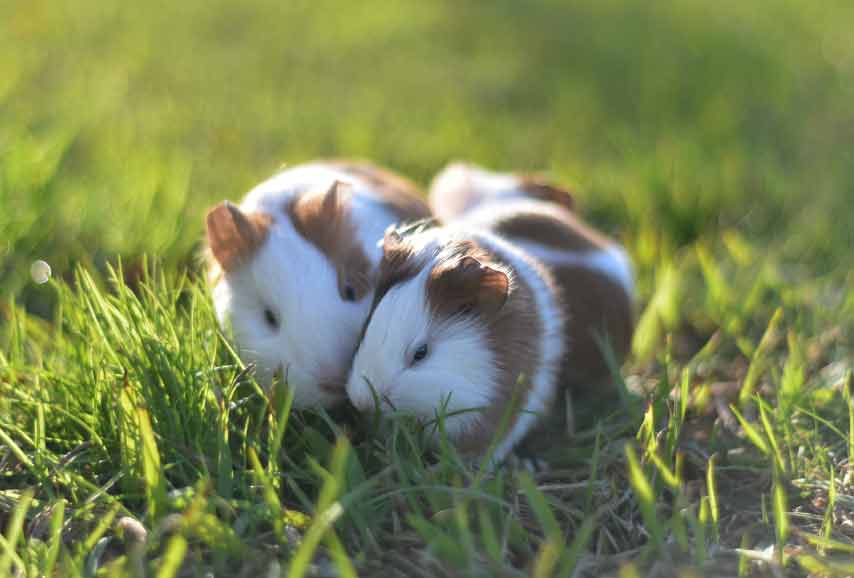
Bearded dragon

The bearded dragon can form a very strong bond with its owner. Once properly tied, it can even start to sleep on you or hug you. However, as a little exotic pet, the bearded dragon is not for everyone.

A source from your pet store can be difficult.

The average bearded dragon is a long-term mate, with a lifespan of 10 to 15 years.

If you get a bearded dragon, you need heat / UV light to stay healthy.

It will also require a varied diet which includes:

Insects

Plants

Vegetables

Lements supplement

Once you get into the scheduled routine of what you need, you will see that a bearded dragon is a fairly low-maintenance pet. It is satisfied by sunbathing, cricket hunting, and lounging around its perimeter. If you have severe depression, you will find your bearded dragon happy to entertain himself for several days.

As it grows, it may require a larger vivarium. Those who have been isolated for a week or more will need a partner. Despite the slow metabolism, it still needs to be eaten habitually.

Parrots

All birds can be friendly and loving to some extent. However, any type of parrot is an intelligent and complex animal that has a long lifespan. Some parrots can live up to 50 years. This means that any parrot you find will be your lifelong companion.

There are many benefits to owning a parrot. These birds are very clever and often learn to imitate humans. Even if it may not be yours, it will still form a strong bond with you. You can grow up to understand each other because parrots can also be depressed. Neutrality, stress, or a low standard of living will make your parrot:

Depressed

Concerned

Initial potentially aggressive

While it may be very nice to share a common problem, make sure you are committed to it. Parrots will need a large cage and a varied diet. In addition, lots of toys and attention are a part of her daily needs. Overall, if you want a pet that is your partner in crime, a parrot should be your first choice.


Thanks and regards.

Cool Pets to Have in Your Room -Top 10 Coolest Pets

Cool Pets to Have in Your Room -Top 10 Coolest Pets

Cool Pets to Have in Your Room: Top 10 Coolest Pets for Small Spaces (2026)

What are the best cool pets to have in your room? Good bedroom pets are small, quiet and happy in a tank or cage, such as a betta fish, leopard gecko, hermit crabs, a pair of rats, guinea pigs or a budgie. The right pick depends on your space, your sleep, how much handling you want, and how long you can commit.

A pet that lives in your bedroom shares your air, your noise and your schedule. Some cool pets are silent and low-key; others chatter at dawn or run on a wheel at 2 a.m. This guide ranks 10 cool pets to have in your room, compares their space, lifespan and noise, and flags the health and legal checks to make first.

Key takeaways

  • The quietest picks are a betta fish, leopard gecko, corn snake or tarantula.
  • For a pet you can handle and bond with, rats and guinea pigs are strong choices, but both do best in pairs.
  • Hamsters and hedgehogs are mostly active at night, which can disturb light sleepers.
  • Lifespans range from about 2 years (rats, hamsters) to 10–20 years or more (leopard geckos, corn snakes, female tarantulas).
  • The CDC does not recommend reptiles for homes with children under 5, and hedgehogs can also spread Salmonella.
  • Check state and city rules before buying any exotic pet.

Cool Pets to Have in Your Room at a Glance

Pet Minimum space Typical lifespan Noise / active time
Betta fish 5-gallon heated tank 3–5 years Silent; filter hum only
Leopard gecko 10 gallons for one (bigger is better) 10–15 years Quiet; dawn and dusk
Hermit crabs 5 gallons per 2 crabs Around 10 years Quiet; some night clicking
Pet rats (pair) Large multi-level cage 2–3 years Mostly evening and night
Guinea pigs (pair) 10 sq ft for two 6–9 years Vocal; squeaks and whistles
Hamster Large single cage with wheel 18–24 months Night; wheel noise
Budgie At least 18 x 18 in cage 7–15 years Daytime chatter
Corn snake 36 x 18 x 18 in for adults 15–20+ years Silent
Tarantula Small secure enclosure Females up to 20 years Silent; night hunter
Hedgehog Large cage with solid wheel Several years Night; wheel noise

Figures come from the care sources linked in each section below. Bigger enclosures than the minimum are usually better for welfare.

Cool pets to have in your room: a pet gecko up close
Quiet reptiles such as geckos are popular cool pets to have in your room. Photo: Haley Palys / Unsplash.

How to Choose a Bedroom Pet

Before you pick from any list of cool pets to have in your room, answer five honest questions. They matter more than how a pet looks online.

  • Your sleep: Night-active pets such as hamsters, rats and hedgehogs can be noisy while you sleep.
  • Your space: Measure the floor or shelf space you can give, then plan for the adult size of the enclosure, not the starter kit.
  • Handling: Do you want a pet to cuddle, or one to watch? Fish, tarantulas and hermit crabs are mostly hands-off.
  • Time: Some cool pets live 2 years; others live 20. Think about college, moves and roommates.
  • Household: Young children, older adults and anyone with a weak immune system need extra care around reptiles and some small mammals.

If you mainly want something simple, our guide to easy, low-maintenance pets covers more options, and our pets for apartments guide helps if your whole home is small.

Top 10 Cool Pets to Have in Your Room

1. Betta fish

A betta brings bright color and personality with no noise at all. A Chewy betta care sheet lists a minimum 5-gallon tank for one betta, water at 76–81°F with a heater, a filter, and a lifespan of about 3 to 5 years. Skip the tiny bowls; stable, warm, filtered water keeps a betta healthy.

2. Leopard gecko

Leopard geckos are calm, quiet and easy to watch. VCA Animal Hospitals says one gecko can live in a 10-gallon tank with a screen top, kept in the mid-80s °F with a safe heat source, and may live 10 to 15 years. Bigger is better, though: the Royal Veterinary College recommends at least 36 x 18 x 18 inches and notes that leopard geckos are most active at dawn and dusk.

Geckos eat live insects dusted with calcium, so you need to be comfortable with crickets or roaches in your room.

3. Hermit crabs

Land hermit crabs are social, so plan for at least two. PetSmart’s care guide suggests at least 5 gallons per 2 crabs, humidity of 70–80%, warm daytime temperatures, deep substrate for molting, and several spare shells per crab. With good care they can live about a decade.

4. Pet rats

Rats may surprise you. VCA veterinarians describe them as extremely intelligent, able to learn tricks and come when called, and say well-socialized rats rarely bite. They are usually happier with another rat, live about 2 to 3 years, and are most active at night, though awake for periods during the day.

5. Guinea pigs

Guinea pigs are gentle, chatty and great for owners who want daily interaction. A Seattle Animal Shelter care sheet says they are herd animals that do best with companions, need at least 10 square feet for two, need daily vitamin C, and live about 6 to 9 years. They squeal, chirp and whistle, so they are not the quietest choice.

6. Hamster

A hamster is a classic first pet, but it keeps night hours. VCA notes that hamsters run hard on wheels at night, may not suit light sleepers, are best housed alone, and live about 18 to 24 months. They can bite when startled, so wake them gently before handling. A silent, solid wheel helps a lot in a bedroom.

7. Budgie (parakeet)

Budgies are bright, social little parrots that can learn to whistle and sometimes talk. Writing for PetMD, Sean Perry, DVM, says pet budgies can live about 7 to 15 years and need a cage of at least 18 by 18 inches with varied perches. Expect morning chatter, and plenty of daily social time.

8. Corn snake

Corn snakes are one of the calmer pet snakes. The Phoenix Herpetological Society describes them as docile, typically 4 to 5 feet long, and able to live 15 to 20 years or more. Adults need an enclosure of at least 36 x 18 x 18 inches with a warm basking spot, and the society calls them escape artists, so a locking lid is a must.

9. Tarantula

For a truly unusual pet, a tarantula is silent and needs little space. The Smithsonian’s National Zoo says female Chilean rose tarantulas can live up to 20 years in human care, while males live far shorter lives. They can flick irritating hairs when threatened, so treat a tarantula as a pet to watch, not to hold.

10. Hedgehog

Hedgehogs are cute and curious but take patience. They are mostly active at night and need a large cage and a solid wheel. The CDC has linked pet hedgehogs to Salmonella outbreaks and advises owners not to kiss or snuggle them and to wash hands after handling. Hedgehogs are also banned in some states and cities, so check local rules first. Learn more in our guide on whether hedgehogs are good pets for kids.

Pet Care Tip: Set up the enclosure and run the heat, light and filter for a few days before your pet arrives. You will catch noise, temperature or humidity problems before they affect your pet or your sleep.

Pets That Do Not Suit a Bedroom

Some animals sometimes listed as cool pets to have in your room really need much more space or special permits. Potbelly pigs can grow very large and need outdoor space. Wallabies and chipmunks need room to roam and may be restricted where you live. Large parrots are loud and need hours of daily attention. If you love unusual animals, our guide to small exotic pets that are easy to own has more realistic options.

Health and Safety Checks for Cool Pets to Have in Your Room

The CDC says reptiles and amphibians can carry Salmonella even when they look healthy. It does not recommend them for homes with children under 5, adults 65 and older, or people with weakened immune systems, and advises washing hands with soap and water after touching the animal, its food or its habitat.

  • Keep tanks, cages and feeding supplies out of the kitchen, and do not clean habitats in a food-prep sink.
  • Wash hands after every handling session and cleaning.
  • Find an exotic-animal vet near you before you buy, not after your pet gets sick.
  • Check your state wildlife agency, city code and landlord or dorm rules for any exotic pet.

When to call a vet right away: Labored breathing, bleeding, not eating for more than a day in small mammals, a reptile that stops moving or eating for an unusual length of time, or any injury needs prompt care. If your vet is closed, call a 24/7 emergency animal hospital that sees exotic pets.

Setting Up Your Room for a Pet

7 questions to answer before you bring a pet home

  1. Is the spot out of direct sun and away from heaters, vents and drafts?
  2. Is there an outlet nearby for heaters, lights or filters?
  3. Can the floor or furniture hold the weight of a filled tank?
  4. Is the lid or door escape-proof and secure from other pets?
  5. Will the pet’s active hours clash with your sleep?
  6. Who will care for it when you travel?
  7. Can you afford vet visits as well as food and supplies?

Example Scenario (illustrative)

Jordan, a light sleeper in a small Chicago apartment, wants a pet for his bedroom. He rules out a hamster because of night wheel noise and chooses a betta in a heated, filtered 5-gallon tank on a sturdy dresser. After a few months of easy care, he adds live plants and starts researching a leopard gecko for a second tank.

Common mistake Why it matters Better approach
Buying the starter kit cage or bowl Often too small for adult welfare Buy for the adult size from day one
Keeping a social pet alone Rats, guinea pigs and hermit crabs do better with company Adopt a bonded pair or group
Ignoring night activity Wheel noise can ruin your sleep Pick a quiet species or a silent wheel
Skipping a legal check Some exotics are banned locally Check state, city and lease rules

What most owners get wrong

Many people choose cool pets to have in your room by looks alone and assume small means easy. In reality, a gecko under 10 inches long can live 15 years and a tiny hamster may keep you up every night. Match the pet’s schedule, lifespan and space to your life first, and the “cool” part takes care of itself.

Cool Pets to Have in Your Room FAQs

What is the best pet to keep in your room?

For most people, a betta fish or leopard gecko. Both are quiet, need little floor space and do not need daily handling.

What pets are good for small spaces?

Betta fish, leopard geckos, hermit crabs, tarantulas and pairs of rats all fit well in small rooms with the right enclosure.

What is the quietest pet for a bedroom?

Fish, corn snakes, leopard geckos and tarantulas make almost no noise. Avoid wheel-runners if you are a light sleeper.

What is a cute small pet that likes being held?

Rats and guinea pigs usually enjoy gentle handling once socialized. Both do best in pairs.

Are reptiles safe to keep in a bedroom?

Yes, with good hygiene. The CDC advises washing hands after handling and does not recommend reptiles for children under 5.

Which cool pets to have in your room live the longest?

Corn snakes can live 15 to 20 years or more, leopard geckos 10 to 15 years, and female Chilean rose tarantulas up to 20 years.

What is a good pet for a teen’s bedroom?

A betta fish, leopard gecko or a pair of rats are good starter choices, with an adult helping on setup, costs and vet care.

Final Verdict: Cool Pets to Have in Your Room

The best cool pets to have in your room match your space, sleep and schedule. Choose a betta, leopard gecko, corn snake or tarantula for quiet, low-handling care, or a pair of rats or guinea pigs for a pet you can bond with. Check local rules, plan for the adult enclosure, and find an exotic-animal vet first.

Your next steps

  1. Measure your space and note your sleep and travel habits.
  2. Compare budget picks in our guide to cheap exotic pets, or browse brightly colored pet birds.
  3. Explore more small-pet care guides in our Other Pets section.

Tell us which room pet you chose on our Pets Store Home Facebook page.

About the author: Written and reviewed by the Pets Store Home Editorial Team, a group of pet owners and animal lovers who check every guide against trusted US veterinary, public-health and animal-welfare sources. This article is general information, not a substitute for professional veterinary advice. Always talk to your veterinarian about your own pet’s health.

How we checked this guide: Care figures come from VCA Animal Hospitals (leopard geckos, hamsters, rats), the Royal Veterinary College (gecko enclosure size), PetMD (budgies, reviewed by a DVM), the Seattle Animal Shelter (guinea pigs), the Phoenix Herpetological Society (corn snakes), the Smithsonian’s National Zoo (tarantulas), and Chewy and PetSmart care sheets (bettas, hermit crabs). Health and hygiene advice comes from the CDC. We review this article every 12 months, or sooner if guidance changes.

Last reviewed: October 2026.