google-site-verification=ASrSFqKsKmxqlSloaozW_qZZYHGwV5yjQG-dPyX1MuY
Do Leopard Geckos have teeth?

Do Leopard Geckos have teeth?

Introduction to Leopard Geckos

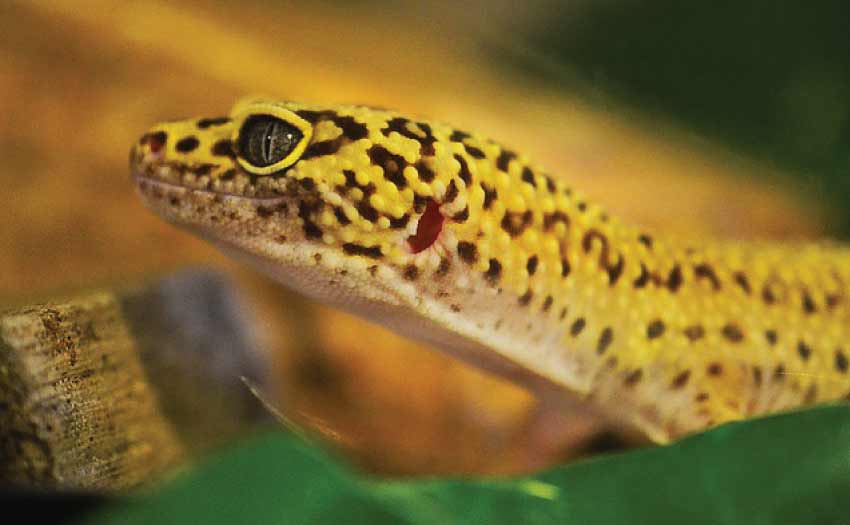
Leopard geckos (Eublepharis macularius) are small reptiles native to the arid regions of Afghanistan, Pakistan, and parts of India. They are among the most popular pet reptiles due to their docile nature, striking appearance, and relatively easy care requirements. Leopard geckos have become a favorite choice for reptile enthusiasts and beginners alike.

Here are some key aspects to know about leopard geckos:

Physical Appearance: Leopard geckos have a distinct appearance with their stout bodies, large triangular heads, and long, thick tail. They grow to 8 to 10 inches on average, with males somewhat outweighing females. They have thin, rough scales covering their skin, and their colors can range from white to yellow, orange, and brown. One of their defining features is their iconic leopard-like spots, which are present on their bodies and tail.

Nocturnal Behavior: Because they are typically nocturnal animals, leopard geckos are most active at night. Although they have excellent night vision, they must navigate using their keen hearing and senses of smell. During the day, they hide and rest in cool, dark places like crevices or caves.

Habitat: In the wild, leopard geckos inhabit rocky desert and grassland regions. As pets, they require a suitable enclosure that mimics their natural environment. A 20-gallon tank is generally recommended for a single adult gecko, with additional space for multiple geckos or breeding pairs. The tank should include a substrate like a reptile carpet, paper towels, a non-adhesive shelf liner, hiding spots, climbing structures, and a shallow water dish.

Temperature and Lighting: Leopard geckos are ectothermic, meaning they rely on external heat sources to regulate their body temperature. A temperature gradient within their enclosure is crucial, with a warm side maintained at around 88-92°F (31-33°C) and a more relaxed side around 75-80°F (24-27°C). This can be achieved using an under-tank heating pad, heat tape, and a thermostat for temperature control. While they do not require UVB lighting, providing a low-intensity UVB bulb can benefit their overall well-being.

Feeding: Leopard geckos are insectivores whose diet mainly consists of various live insects. Suitable food options include crickets, mealworms, waxworms, and dubia roaches. It’s essential to provide appropriately sized prey items no more comprehensive than the width of the gecko’s head to prevent choking. A calcium and vitamin D3 supplement should be dusted onto the insects before feeding, ensuring proper nutrition and preventing metabolic bone disease.

Temperament and Handling: Leopard geckos are known for their calm and docile nature. With regular and gentle handling, they can become accustomed to human interaction. It’s essential to handle them with care, supporting their body and tail to avoid injury. It’s advisable to wash hands before handling to remove scents that might confuse or stress the gecko.

Breeding: Leopard geckos are known to breed readily in captivity. If planning to produce, it’s crucial to research and understand the steps and considerations involved in successful breeding, including appropriate temperature cycles, mating behaviors, and egg incubation conditions.

Leopard geckos make fascinating and relatively low-maintenance pets. However, responsible ownership involves providing suitable habitats, proper nutrition, and regular veterinary care to ensure their health and well-being.


Anatomy of a Leopard Gecko

Here’s an overview of the anatomy of a leopard gecko:

Head:

Snout: The snout of a leopard gecko is pointed and houses the nostrils.

Eyes: Leopard geckos have large, lidless eyes with vertical pupils, allowing them excellent night vision.

Ears: They have small ear openings on the sides of their head.

Mouth: Leopard geckos have wide mouths with small teeth for grasping and chewing food.

Body:

Skin: The skin of a leopard gecko is covered in small, bumpy scales. It helps them retain moisture and provides some protection.

Limbs: They have four short, sturdy legs with five clawed toes on each foot, used for walking, climbing, and grasping prey.

Tail: Leopard geckos have a thick, fleshy tail that stores fat reserves. As mentioned earlier, they can drop their seats as a defense mechanism, and it will regenerate over time.

Internal Organs:

Digestive System: Leopard geckos have a relatively short digestive tract adapted for processing a diet of insects.

Respiratory System: They have a pair of lungs for breathing air.

Cardiovascular System: Leopard geckos have a four-chambered heart that pumps oxygenated blood throughout their body.

Reproductive System: Males have hemipenes, paired reproductive organs, while females have ovaries and a reproductive tract for producing and laying eggs.


Senses:

Vision: Leopard geckos have well-developed eyesight, particularly in low-light conditions, due to their nocturnal nature.

Hearing: They can detect sounds and vibrations through their ears, although they have relatively limited hearing compared to their vision.

Smell and Taste: Leopard geckos use their sense of smell and taste to locate food and assess their environment.

Leopard geckos have a compact and efficient anatomy that allows them to thrive in their natural habitat and adapt to captive environments. Understanding their anatomy helps reptile keepers provide appropriate care and recognize any signs of potential health issues.

Description of the teeth structure in Leopard Geckos

Like other reptiles, Leopard geckos have specialized teeth adapted to their specific dietary needs. Their teeth design enables them to capture and consume their prey efficiently. Here’s a description of the teeth structure in leopard geckos:

Teeth Types: Leopard geckos have two main types of teeth: incisors and maxillary teeth.

Incisors: Leopard geckos possess a row of sharp, pointed incisor teeth at the front of their upper and lower jaws. These teeth are used for grasping and holding onto prey items.

Maxillary Teeth: Behind the incisors, leopard geckos have multiple rows of smaller, recurved teeth known as maxillary teeth. These teeth are used for tearing and crushing the prey into manageable pieces.

Tooth Replacement: Like many reptiles, leopard geckos can continuously replace their teeth throughout their lives. This process, known as polyphyodont dentition, ensures they always have functional teeth. When a tooth is lost or damaged, a replacement tooth develops and moves forward to take its place.

Tooth Attachment: Leopard geckos have acrodont dentition, meaning their teeth are fused to the top of their jawbones rather than rooted in sockets like mammals. The teeth are attached directly to the bone, making them less likely to fall out during feeding or handling.

Tooth Adaptations: Leopard geckos’ teeth are well-adapted for capturing and consuming small prey items. The sharp incisors allow them to grasp the prey firmly. At the same time, the recurved maxillary teeth aid in tearing apart the prey’s exoskeleton and breaking it into smaller pieces that can be swallowed.

It’s important to note that leopard geckos do not chew their food like mammals do. Instead, they typically swallow their prey whole or in smaller pieces. Providing appropriately sized prey items that match the gecko’s mouth and teeth structure is essential to ensure they can consume their food quickly.

Understanding the teeth structure of leopard geckos helps us appreciate their unique adaptations for their natural diet and provides insights into their feeding behavior and care requirements as captive pets.

Do Leopard Geckos Have Teeth?

Yes, leopard geckos do have teeth. Like other reptiles, they possess teeth specialized for capturing and consuming their prey. These teeth are an essential part of their feeding and digestive process.

Types of Teeth in Leopard Geckos

Leopard geckos have two main types of teeth: incisors and maxillary teeth.

Incisors: Leopard geckos have sharp, pointed incisor teeth at the front of their upper and lower jaws. These teeth are used for grasping and holding onto prey items. The incisors are positioned at the front of the mouth and aid in the initial capture of the prey.

Maxillary Teeth: Behind the incisors, leopard geckos have multiple rows of smaller, recurved teeth called maxillary teeth. These teeth are positioned along the upper and lower jaws and are used for tearing and crushing the prey into manageable pieces. The recurved shape of the maxillary teeth helps grip and tear apart the prey’s exoskeleton or flesh.

Combining the incisors and maxillary teeth allows leopard geckos to capture, manipulate, and consume their prey efficiently. It’s worth noting that leopard geckos do not chew their food like mammals. Instead, they typically swallow their prey whole or in smaller pieces.

The teeth of leopard geckos continuously grow and are replaced throughout their lives. This ensures that they always have functional teeth for hunting and feeding.

Dental Care for Leopard Geckos

Dental care is essential for leopard geckos’ overall health and well-being. While their teeth naturally wear down through feeding and chewing, there are a few things you can do to support their dental health:

Appropriate Diet: A balanced diet is crucial for maintaining dental health in leopard geckos. Feeding various appropriately sized live insects helps promote natural chewing and jaw exercise. Avoid feeding prey that is too large, as it may cause dental trauma. Additionally, dusting the insects with calcium and vitamin D3 supplements helps prevent nutritional deficiencies that can impact dental health.

Clean Water: Provide a shallow dish of fresh, clean water for your leopard gecko. Regularly change the water to ensure it remains free of debris and contamination. Keeping the water clean helps prevent oral infections and promotes overall oral hygiene.

Monitoring Chewing Behavior: Observe your leopard gecko while it eats to ensure normal chewing behavior. Healthy teeth should wear down naturally through regular feeding and chewing. It could indicate dental issues if you notice any difficulties or changes in chewing behavior, such as reduced appetite, dropping food, or pawing at the mouth. Consult a reptile veterinarian if you have concerns about your gecko’s dental health.

Regular Veterinary Check-ups: It’s important to schedule regular veterinary check-ups for your leopard gecko. A reptile veterinarian can assess the overall health of your gecko, including their dental condition. They can identify dental abnormalities, such as overgrown or misaligned teeth, and provide appropriate treatment.

It’s worth noting that leopard geckos’ teeth are continuously replaced throughout their lives. However, dental issues can occur in some cases, such as overgrowth, malocclusion, or infection. These conditions may require professional intervention and treatment from a reptile veterinarian. Regular dental care, a balanced diet, and proper hygiene can help maintain good dental health in leopard geckos.

Dealing with Dental Problems

Dealing with dental problems in leopard geckos requires proper identification, intervention, and veterinary care. If you suspect your leopard gecko is experiencing dental issues, it’s essential to consult a reptile veterinarian who can provide an accurate diagnosis and appropriate treatment. Here are some common dental problems in leopard geckos and potential approaches to address them:

Overgrown Teeth: Overgrown teeth occur when the teeth do not wear down properly through normal chewing and use. This can result in misalignment, discomfort, or difficulty eating. If necessary, a reptile veterinarian can trim or file down the overgrown teeth under sedation to restore proper alignment and function.

Malocclusion: Malocclusion refers to misalignment of the upper and lower jaws, leading to problems with bite and tooth contact. Malocclusion can cause pain, difficulty eating, and potentially injure mouth tissues. Treatment options may include tooth trimming, orthodontic devices, or extraction of affected teeth in severe cases. A reptile veterinarian will determine the most appropriate course of action.

Dental Infections: Dental infections can occur due to trauma, abscesses, or bacterial/fungal overgrowth in the oral cavity. Signs of dental diseases may include swelling, redness, discharge, or a foul odor from the mouth. Treatment typically involves:

  • Addressing the underlying cause, such as draining abscesses.
  • Providing antibiotics or antifungal medication.
  • Maintaining oral hygiene.

Tooth Loss or Injury: In cases where a leopard gecko loses a tooth or experiences dental trauma, veterinary intervention may be necessary. Depending on the severity, treatment options may include:

  • Managing pain.
  • Providing antibiotics to prevent infection.
  • Ensuring proper healing of oral tissues.

Remember, it is essential to seek professional help from a reptile veterinarian experienced in treating dental problems in leopard geckos. They can perform a thorough examination, provide an accurate diagnosis, and recommend appropriate treatment options based on the specific condition of your gecko. Regular veterinary check-ups and proactive dental care can help prevent or identify dental problems early, ensuring the best possible outcome for your leopard gecko’s oral health.

Conclusion

Leopard geckos are fascinating reptiles and popular pets known for their unique appearance, docile nature, and low maintenance requirements. Understanding their teeth structure and dental care needs is essential for providing proper care. Leopard geckos have incisors and maxillary teeth, which allow them to capture, tear, and consume their prey. Dental care for leopard geckos involves:

  • Providing a balanced diet.
  • Monitoring chewing behavior.
  • Maintaining clean water.
  • Scheduling regular veterinary check-ups.

If dental problems arise, such as overgrown teeth, malocclusion, dental infections, or tooth loss/injury, it is crucial to seek veterinary care from a reptile veterinarian. They can diagnose the issue and recommend appropriate treatment options, including tooth trimming, orthodontic devices, antibiotics, or other interventions as necessary.

By ensuring proper dental care and addressing any dental issues promptly, you can help maintain your leopard gecko’s oral health, contribute to their overall well-being, and enjoy a fulfilling relationship with your pet for years to come.
Conclusion

Leopard geckos are fascinating reptiles and popular pets known for their unique appearance, docile nature, and low maintenance requirements. Understanding their teeth structure and dental care needs is essential for providing proper care. Leopard geckos have incisors and maxillary teeth, which allow them to capture, tear, and consume their prey. Dental care for leopard geckos involves:

  • Providing a balanced diet.
  • Monitoring chewing behavior.
  • Maintaining clean water.
  • Scheduling regular veterinary check-ups.

If dental problems arise, such as overgrown teeth, malocclusion, dental infections, or tooth loss/injury, it is crucial to seek veterinary care from a reptile veterinarian. They can diagnose the issue and recommend appropriate treatment options, including tooth trimming, orthodontic devices, antibiotics, or other interventions as necessary.

By ensuring proper dental care and addressing any dental issues promptly, you can help maintain your leopard gecko’s oral health, contribute to their overall well-being, and enjoy a fulfilling relationship with your pet for years to come.
How Much is a Hedgehog Pet? Summary of Total Cost & Ongoing Care and Expenses

How Much is a Hedgehog Pet? Summary of Total Cost & Ongoing Care and Expenses

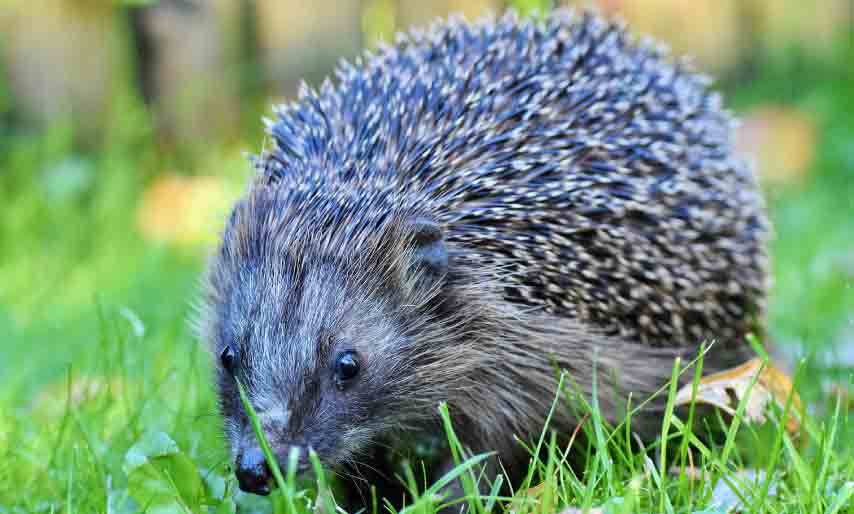
How Much is a Hedgehog Pet?

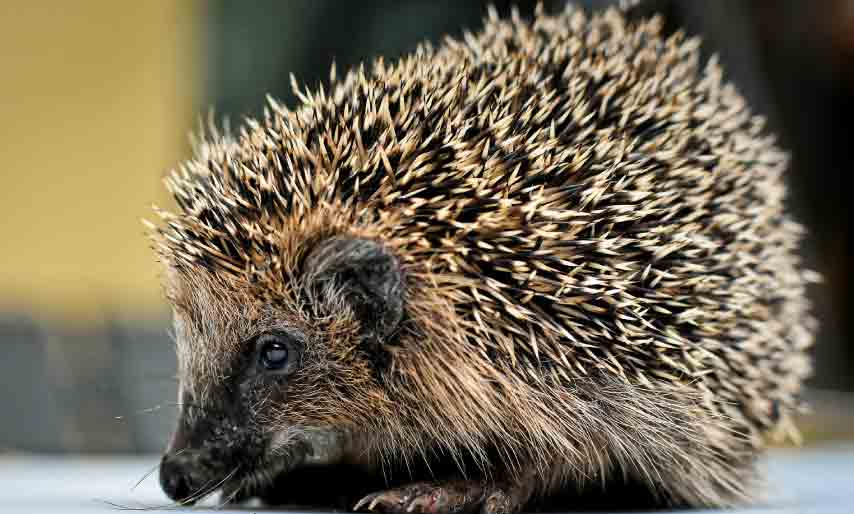
Hedgehogs can make great pets for the right person, but not everyone is cut out for the responsibilities of owning a hedgehog. For those who are interested in bringing a hedgehog into their home, adoption can be a great option. There are many reasons why people choose to adopt hedgehogs rather than purchase them from breeders or pet stores.

Hedgehog adoption is a process by which a person or family takes in a hedgehog that is in need of a new home. This may be due to the previous owner being unable to care for the hedgehog or needing to surrender it for other reasons. Adopting a hedgehog can be a great way to give a loving home to an animal in need and can also be a more affordable option than purchasing a hedgehog from a breeder.

When adopting a hedgehog, it’s important to find a reputable rescue organization or shelter that specializes in hedgehog adoption. These organizations typically provide care for hedgehogs that have been surrendered or abandoned, and work to find them new homes with loving families. They may also provide education and resources for new hedgehog owners to ensure they have the knowledge and tools needed to provide the best possible care for their new pet.

Potential adopters should carefully consider their lifestyle, living situation, and ability to provide for the hedgehog’s needs before committing to adoption. It’s also important to research hedgehogs and their care requirements to ensure that adoption is the right choice.

Summary of Total Cost of Owning a Hedgehog

Many elements, including as the price of initial setup and recurring costs, might affect the overall cost of having a hedgehog. Here is a summary of some of the potential costs involved in owning a hedgehog:

  • Hedgehog habitat or cage: $100-$500+
  • Food: $10-$20/month
  • Veterinary care: $50-$200/year (or more, if the hedgehog becomes ill or injured)
  • Bedding: $10-$20/month
  • Toys and accessories: $20-$50 (or more, depending on how much you choose to spend)
  • Grooming supplies: $10-$20 (or more, depending on your preferences)
  • Heating and lighting: $20-$50/month

These costs can add up quickly, and potential hedgehog owners should budget for both the initial setup costs and ongoing expenses to ensure they are able to provide for their pet’s needs. It’s crucial to keep in mind that caring for a hedgehog requires ongoing expenses for the duration of the animal’s life.

Some other potential costs to consider when owning a hedgehog include the following:
  1. Travel expenses: If you need to travel with your hedgehog, you may need to purchase a carrier or travel cage, which can cost anywhere from $20-$100 or more. You may also need to pay for pet-friendly accommodations or transportation.

  2. Special needs: Some hedgehogs may have special needs or medical conditions that require additional care or supplies, which can increase the cost of ownership.

  3. Emergency expenses: In the event of a medical emergency, you may need to pay for emergency veterinary care, which can be expensive.

  4. Adoption fees: If you adopt a hedgehog from a rescue organization or breeder, you may need to pay an adoption fee, which can vary depending on the organization or individual.

By budgeting for these expenses and planning ahead, you can ensure that you are able to provide the best possible care for your hedgehog and enjoy the unique and rewarding experience of owning one of these fascinating pets.

Ongoing Care and Expenses for Owning a Hedgehog

Owning a hedgehog can be a rewarding experience, but it also requires ongoing care and expenses to ensure their health and well-being. Here are some of the key things to consider when it comes to caring for a hedgehog:

  1. Housing: Hedgehogs require a specific type of housing that provides adequate space, warmth, and ventilation. They also need a hideaway or shelter to feel secure, as well as an exercise wheel to stay active. A quality hedgehog habitat can cost several hundred dollars.

  2. Food: Hedgehogs need a balanced diet that includes high-quality dry cat food, live insects, and fresh fruits and vegetables. The cost of food will depend on the type and quality of food you choose to feed your hedgehog.

  3. Veterinary care: Hedgehogs require regular check-ups with an exotic animal veterinarian who is knowledgeable about their specific care requirements. They may also require additional veterinary care if they become ill or injured. Vet visits and treatments can be expensive.

  4. Bedding: Hedgehogs need a soft and absorbent bedding material, such as recycled paper or fleece liners. Bedding should be changed regularly to maintain a clean and healthy environment.

  5. Toys and accessories: Hedgehogs need mental stimulation and enrichment, which can be provided through toys and accessories such as tunnels, balls, and puzzles. These items can add up in cost.

  6. Grooming: Hedgehogs require regular nail trims and occasional baths to stay clean and healthy. Supplies such as nail clippers, shampoo, and a toothbrush can add up in cost.

  7. Heating and lighting: Hedgehogs need a warm and well-lit environment to thrive. Heating lamps and lighting fixtures may be necessary, and the cost of electricity should be factored into the ongoing expenses of ownership.

Overall, the ongoing expenses of owning a hedgehog can vary depending on the individual needs of the hedgehog and the owner’s personal preferences. However, it’s important to budget for these ongoing expenses to ensure that the hedgehog is well-cared for and to avoid unexpected costs.

In addition to the ongoing expenses of owning a hedgehog, there are some other important considerations to keep in mind:

  1. Time commitment: Hedgehogs require daily care and attention, including feeding, cleaning, and socialization. They may be more active at night when their owners are sleeping because they are nocturnal animals. Think on whether potential owners have the time and resources to devote to caring for a hedgehog.

  2. Socialization: Hedgehogs can be shy or defensive, and may need time and patience to become comfortable with their owners. It’s important to handle and interact with a hedgehog regularly to build trust and promote socialization.

  3. Health risks: Hedgehogs can carry bacteria such as Salmonella, which can be transmitted to humans. It’s important to practice good hygiene and handle hedgehogs safely to avoid potential health risks.

  4. Lifespan: Hedgehogs can live up to 6 years or more with proper care, which is a significant commitment. Prospective owners should think about their ability to devote to and care for a hedgehog over the long run.

Overall, owning a hedgehog can be a rewarding experience for those who are prepared for the responsibilities and expenses involved. It’s important to research and consider all aspects of hedgehog care before committing to ownership, and to provide the best possible care for these unique and fascinating pets.

Choosing the right hedgehog

Choosing the right hedgehog can be important in ensuring a successful and rewarding ownership experience. Here are some factors to consider when choosing a hedgehog:

  1. Age: Hedgehogs are typically sold as babies or young adults. While baby hedgehogs may be cute and appealing, they may require more socialization and patience to become comfortable with their owners. Older hedgehogs may already be more socialized and easier to handle.

  2. Temperament: Hedgehogs can vary in temperament, and it’s important to choose a hedgehog that is friendly and comfortable with handling. Spend time with the hedgehog before making a decision, and observe its behavior and level of comfort with human interaction.

  3. Health: Choose a hedgehog that appears healthy and active, with clear eyes, clean ears, and healthy skin and fur. Avoid hedgehogs that show signs of illness, such as lethargy, poor appetite, or respiratory problems.

  4. Breeder or rescue organization: Consider the source of the hedgehog when making a decision. A reputable breeder or rescue organization can provide guidance and support and information on the hedgehog’s background and temperament.

  5. Gender: Hedgehogs can be male or female, and each gender may have different personality traits and behaviors. Consider your own preferences and experience with pet ownership when choosing a gender.

Overall, taking the time to research and choose the right hedgehog can help ensure a successful and rewarding ownership experience. Consider your lifestyle and preferences, as well as the needs and temperament of the hedgehog, to make an informed decision.

Here are some additional factors to consider when choosing a hedgehog:
  1. Diet: Hedgehogs require a specific diet that includes a high-quality commercial hedgehog food, as well as occasional treats such as insects or fruits. Some hedgehogs may be picky eaters or have specific dietary needs, so it’s important to choose a hedgehog that has a healthy appetite and is willing to eat a variety of foods.

  2. Activity level: Hedgehogs are generally nocturnal and can be quite active at night. Consider your own sleep habits and whether a noisy or active hedgehog may be disruptive to your household.

  3. Space requirements: Hedgehogs require a suitable habitat or cage that is large enough to provide space for exercise and activity. Consider whether you have enough space in your home for a hedgehog cage, as well as any additional equipment or accessories.

  4. Time commitment: Hedgehogs require daily care and attention, including feeding, cleaning, and socialization. Consider whether you have enough time to devote to caring for a hedgehog and providing the necessary attention and interaction.

  5. Legal requirements: Hedgehogs may be illegal or restricted in some areas, so it’s important to research local laws and regulations before bringing a hedgehog into your home.

By considering these factors and researching hedgehog ownership, you can make an informed decision and choose a hedgehog that is well-suited to your lifestyle and preferences. Remember that owning a hedgehog is a long-term commitment, and it’s important to provide proper care and attention to ensure a happy and healthy life for your pet.

What Size Cage Is Needed?

The size of the cage needed for a hedgehog depends on the size of the hedgehog and its activity level. A suitable cage should be large enough to allow the hedgehog to move around comfortably and engage in natural behaviors like running and burrowing.

The minimum size for a hedgehog cage is about 2 feet long by 1.5 feet wide and at least 1.5 feet tall. However, larger cages are generally better, and many hedgehog owners recommend a minimum size of 4 feet by 2 feet for a single hedgehog. A multi-level cage can also provide additional space and opportunities for exercise and play.

The cage should be made of sturdy materials, such as wire mesh or plastic, and should be escape-proof to prevent the hedgehog from getting out. The cage should also be well-ventilated and kept in a cool, dry area away from direct sunlight and drafts.

In addition to the cage itself, hedgehogs require additional equipment and accessories, such as a hiding place or shelter, a litter box, and an exercise wheel. These items should also be appropriately sized for the hedgehog and provide ample space for movement and activity.

Overall, providing a suitable cage and environment is an important part of hedgehog ownership and can contribute to your pet’s health, happiness, and well-being.

Are Hedgehogs Good Pets for Kids or Toddlers?

While hedgehogs can make good pets, they may not be the best choice for young children or toddlers. Hedgehogs have specific needs and require careful handling to avoid injury or stress. Young children may not understand how to handle a hedgehog gently or may accidentally drop or mishandle the hedgehog, which can cause injury or harm to both the hedgehog and the child.

Hedgehogs are also nocturnal animals and may be active and noisy at night, which can be disruptive to a child’s sleep or routine. Additionally, hedgehogs have quills that can poke or scratch, which can be painful for young children.

If you are considering a hedgehog as a pet for your child, it’s important to carefully consider the age and maturity level of your child, as well as their ability to understand and follow safety guidelines for handling and caring for a hedgehog. Close supervision and guidance are necessary to ensure the safety and well-being of both the hedgehog and your child.

Overall, while hedgehogs can make good pets, they may not be the best choice for young children or toddlers, and it’s important to carefully consider all factors before bringing a hedgehog into your family.

Conclusion

In conclusion, owning a hedgehog can be a rewarding and enjoyable experience for both children and adults. However, it’s important to carefully consider the ongoing care and expenses associated with hedgehog ownership, as well as the potential challenges and drawbacks. Choosing the right hedgehog and providing a suitable cage and environment are also crucial factors in ensuring a successful and fulfilling ownership experience. 

What fruits can bearded dragons eat every day?

What fruits can bearded dragons eat every day?

What fruits can bearded dragons eat every day?

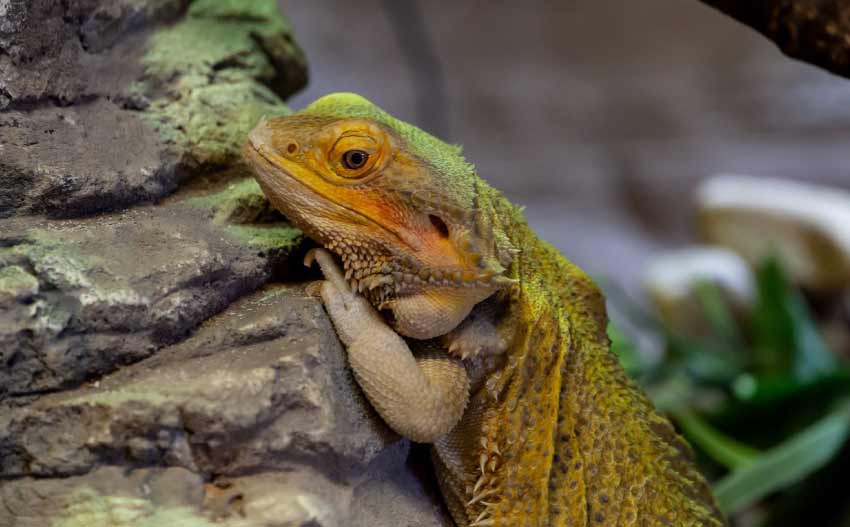
Bearded dragons are popular pets that many people enjoy.

Apples

Apples are high in fiber, which can help keep bearded dragons healthy. Apples also provide vitamins, minerals, and antioxidants.

Bananas

Bananas are a great option for bearded dragons that have a sweet tooth. Bananas also provide vitamins and minerals, including vitamin C.

Oranges

Oranges are another good option for bearded dragons that want something sweet. Oranges also provide dietary fiber and other antioxidants.

Pineapples

Bearded dragons also enjoy pineapples. Fruits not recommended for bearded dragons to eat include grapes, raisins, and figs.

What vegetables can bearded dragons eat?

However, some vegetables and fruits may be harmful if eaten in high quantities.

Some recommended vegetables for bearded dragons include:

carrots

grapes

zucchini

oranges

kiwi fruit lettuce

cucumbers

beet greens

It is important to consult with a veterinarian before giving any vegetables to a bearded dragon, as some may be harmful and should not be given in high quantities.

Bearded dragons also enjoy treats such as fruits, vegetables, and insects.

How long can bearded dragons go without food?

Bearded dragons can go a few days without eating, but they will not survive very long without food. Therefore, bearded dragons should be fed a small amount of food daily, and water should also be available.

If a bearded dragon is not eating or drinking, it is important to take them to a veterinarian. Bearded dragons can live up to 10 years if properly cared for.

How do you clean a bearded dragon’s tank?

The substrate can also be replaced every six months or so. A toothbrush and water can be used to clean the dragon’s scales. Bearded dragons should be handled with care, and their tank should be cleaned before being put in.

How do you feed a bearded dragon?

Bearded dragons should be fed a small amount of food every day. If they are not eating or drinking, they may need to be taken to a veterinarian.

How often do bearded dragons eat?

Some people believe that bearded dragons should only eat fruit high in sugar and carbohydrates, while others believe that any fruit is acceptable as long as it is cut into small pieces.

Some experts recommend giving bearded dragons a small number of fresh vegetables and fruits daily as part of their diet.

Most bearded dragons should eat about one to two cups of food per day.

Bearded dragons typically eat about once a day, but this will vary depending on their size, age, and activity level.

It is generally recommended that you provide a diet high in moisture and low in protein, as this will be best for your bearded dragon.

Vegetables for bearded dragons

Vegetables for bearded dragons can be a great way to provide them with nutrients and vitamins. Vegetables that are good options for bearded dragons include:

-Beans

 -Broccoli

 -Carrots

 -Celery

 -Cucumbers-Parsley

 -Peas

 -Potatoes

 -Zucchini Beans are a great source of protein, fiber, and nutrients such as folate and magnesium. Carrots are high in beta-carotene and vitamins A and C. Celery is a good source of potassium, calcium, and vitamins B6 and K. Zucchini is a good source of vitamins A, C, and K, and folate.

Bearded dragons will typically eat 3-5 servings of vegetables a day.

What greens can bearded dragons eat?

Some specific vegetables and fruits that bearded can eat include apple, banana, celery, carrot, cucumber, kale, lettuce, mustard greens, papaya, pears, pineapple, and spinach, sweet potato, and watermelon.

Bearded dragons can also eat small amounts of meat, such as chicken or ham.

Bearded dragons can also be fed a variety of reptile-specific supplements, such as calcium, multivitamins, and mineral supplements.

Bearded dragons should be provided a variety of hiding places, such as tree branches and rocks, to help them explore and hide.

Bearded dragons should also be provided plenty of fresh water to drink.

Best greens for bearded dragons

However, they should be fed a variety of fresh vegetables and fruit. This list includes the best greens for bearded dragons:

-Alfalfa sprouts

 -Artichokes

 -Asparagus

 -Beet greens

 -Broccoli

 -Celery

 -Cilantro

 -Collard greens

 -Dandelion greens

 -Endive

 -Fennel bulb

 -Garlic cloves -Green beans

 -Jalapeno peppers

 -Kale

 -Lettuce (any kind)

 -Leafy green veg (collard, mustard greens, turnip greens, etc.)-Mint

 -Mustard greens

 -Okra

 -Parsley

 -Pineapple

 -Spinach

 -Swiss chard

Do bearded dragons drink water?

Do bearded dragons drink water? Generally, bearded dragons do not drink water in the wild. However, they will drink when they are in captivity, as this is their only source of moisture. In the wild, they usually just lick their surroundings to get the needed moisture.

Bearded dragons are susceptible to water-borne illnesses, so it is important to ensure that the water you provide them is safe.

Some people also like to give their bearded dragons a treat of fresh watermelon or other fruit in addition to their regular water. This can help to promote healthy hydration levels.

Beardeds are generally very active and will drink when they need to. Just be sure to provide fresh, clean water and ensure the dish is filled to the top, so your dragon doesn’t have to go far to find water.

Do bearded dragons hibernate?

Do bearded dragons hibernate? Bearded dragons do not generally hibernate. They will go into a state of torpor (a kind of suspended animation) during the year’s colder months, but they do not actually sleep. They are just very inactive and will not eat or drink.

Bearded dragons may be kept in a cool but not cold enclosure in captivity. Bearded dragons generally do not need to hibernate to survive, but it is something that some people choose to do as an enrichment activity. It can be fun for the dragon and help conserve energy during the colder months.

What do baby bearded dragons eat?

Good options include apples, bananas, celery, grapes, grapeseed oil, honeydew, kale, oranges, peas, pears, raisins, raspberries, spinach, strawberries, and watermelon.

Some adults will also eat various fruits and vegetables, so it is important to offer a range of options to your beardie.

Bearded dragons can also eat small insects, but it is important to provide various food options to avoid over-feeding your beardie.

What vegetables can bearded dragons eat? Top 10 List

What vegetables can bearded dragons eat? Top 10 List

What vegetables can bearded dragons eat?

In this article, we’ll discuss the types of vegetables that bearded dragons can eat and provide some recipes to get you started.

Here are some of the vegetables that bearded dragons can eat:

Celery
Carrots
Zucchini
Cucumbers
Green beans
Bananas
Apple sauce
Thinly sliced apples
Pineapple chunks
Frozen fruit bars or ice cream. Some of the vegetables that bearded dragons can’t eat are:

Grapes
Oranges
Kiwifruit
Honeydews
Applesauce

Bearded Dragons

How long can bearded dragons go without food?

Bearded dragons can go several days without food, but they should be fed a small amount every day. A good diet for bearded dragons includes fresh vegetables and fruit, insects, and small prey.

How do I know if my bearded dragon is healthy?

You can check the health of your bearded dragon by examining his skin, eyes, mouth, and claws. If he has any injuries or parasites, you will see them. Bearded dragons also produce a musky scent when they are sick or injured.

Bearded Dragons

How do I give my bearded dragon a bath?

Bearded dragons need a bath about every two weeks. To give your dragon a bath, pour about an inch of hot water into the tub and add about a cup of room-temperature water. Add enough shampoo to cover the dragon’s body. You can also use a vegetable wash or soap. Soak your dragon for about 10 minutes, then rinse him off. To well dry him completely.

How do I clean my bearded dragon’s home?

You should clean your bearded dragon’s home every two weeks. To clean the home, first remove all of the furniture and any other objects that the dragon can climb on or crawl under.

What fruits can bearded dragons eat?

Below is a list of vegetables that bearded dragons can eat:

Asparagus
Banana
Broccoli
Cabbage
Carrot
Celery
Cucumber
Garlic
Green beans
Kale
Lettuce (Iceberg, romaine, etc.)
Mango
Melon
Pineapple
Potato

Bearded dragon owners should be aware that some vegetables may not be safe for their dragon to eat due to their particular dietary needs or health. For example, grapes are high in sugar and could be harmful to bearded dragons if they are not consumed in moderation. Owners should also be aware that some vegetables contain toxins which could harm their dragon if ingested in high quantities.

How often do bearded dragons eat?

You can feed them fresh or dry food every day.

How much do bearded dragons weigh?

Bearded dragons typically weigh between 2 and 4 pounds.

Do bearded dragons get along with other pets?

Bearded dragons do best when they are the only pet in the home. However, they can get along well with other reptiles if they are introduced gradually.

How often do bearded dragons need to be bathed?

Bearded dragons should be bathed once a week, but they can go longer between baths if their coat is clean and dry.

Are bearded dragons good with kids?

Bearded dragons are generally good with kids, but they should be supervised when they are young so that they do not get harmed.

Do bearded dragons make good pets?

Bearded dragons make good pets if they are given enough space and are handled gently.

Vegetables for bearded dragons

Some vegetables that can be eaten by bearded dragons include carrots, celery, cucumbers, zucchini, and squash.

Bearded dragons also eat insects, spiders, and small reptiles.

Bearded dragons also eat live insects, small mammals, and bird eggs.

Some recommended vegetables for bearded dragons include:

Carrots
Celery
Cucumbers
Zucchini Squash

Squash Live insects (insect larvae, pupae, and adults)
Small mammals (e.g., mice, gerbils, rats)
Bird eggs

What greens can bearded dragons eat?

There are a few vegetables that can be eaten by bearded dragons, but it is important to be aware of their safe consumption levels. Some of the most common vegetables that can be consumed by bearded dragons include: lettuce, kale, collard greens, spinach, and cucumbers.

While these vegetables are all okay to eat, it is always best to check with a vet before giving them to your dragon as some may have high levels of toxins that can potentially harm them. Additionally, some bearded dragons may have a sensitivity to some of the ingredients found in these plants so it is important to test out different varieties until you find one that your dragon seems to enjoy.

Bearded dragons also enjoy insects and other small animals, so make sure to provide them with a variety of food items to keep them amused and healthy!

What kind of water should bearded dragons drink?

Bearded dragons should drink a water that is pH balanced and has a low amount of chlorine. How often should bearded dragons be fed?

Bearded dragons should be fed a variety of insects, small pieces of meat, and vegetation every day.

Is bearded dragon sex okay                                 

Bearded dragons are known to be sexually active, but it is important to be cautious when handling them as they may become defensive.

Best greens for bearded dragons   

Some favorites include: broccoli, kale, collard greens, mustard greens, peas, carrots, apples, oranges and grapefruit. There are many different types of vegetables that can be fed to bearded dragons, so it is important to research which ones are safe for them to eat.

Some additional greens that can be fed to bearded dragons include: watercress, arugula, Swiss chard, romaine lettuce, dandelion greens and birch leaves.

Always be sure to read the ingredients list on any vegetables or fruits that are fed to your bearded dragon, as some can contain harmful chemicals that can be harmful to them.

Bearded dragon owners should also make sure to provide a variety of fresh water sources, as dragons need plenty of moisture to keep their skin healthy and their gums moist.

Some additional tips for feeding bearded dragons include:

– Add vegetables and fruits to the dragon’s regular diet gradually over a period of several weeks to avoid causing any stomach upset.

– Let the dragon graze on its food instead of trying to force it to eat by hand.

– Avoid feeding the dragon sugary treats or drinks, as these can add unnecessary sugar to their diet and lead to obesity.

Do bearded dragons drink water?

Bearded dragons do not need to drink water like other reptiles. A small amount of moisture found in their diet is all they need.

Bearded dragons in captivity are typically supplied with a water dish and occasionally a moistened paper towel.

How much water should a bearded dragon drink

Bearded dragons in captivity typically only need a small amount of moisture, usually found in their diet. How often should a bearded dragon drink?

Bearded dragons in captivity usually only need to drink water occasionally, and should not be kept constantly wet.

If your bearded dragon does not seem to be getting enough water, try offering a small amount of fruit or vegetable juice mixed with water as a supplementary drink.

Baby bearded dragon

What do baby bearded dragons eat?

Vegetables can be a great food for baby bearded dragons. In fact, many vegetables are great for all reptiles. Here are a few suggestions of vegetables that can be fed to baby bearded dragons: carrots, cucumbers, green beans, peas, apples, oranges, and grapes. Be sure to give your baby bearded dragon plenty of fresh water and insects to eat too!

Please note that baby bearded dragons should not be given any meat or meat products.

Baby bearded dragon habitat

A baby bearded dragon’s habitat should consist of a large, shallow bowl filled with a layer of fresh sand. The bowl should also have a shedding rock or two for the lizard to hide under and a heat source (i.e. a warm basking light) positioned so that the reptile can regulate its body temperature. A hiding spot should be provided for the lizard to escape from bright light and drafts. Finally, water dishes should be placed in several different locations throughout the habitat to provide moisture and hydration.

Baby bearded dragon care

A baby bearded dragon’s enclosure should be at least 12 inches by 12 inches by 24 inches, and the reptile should have plenty of space to swing its legs and romp.

Can Chinchillas Eat Carrots-Strawberries-Apples-Bananas

Can Chinchillas Eat Carrots-Strawberries-Apples-Bananas

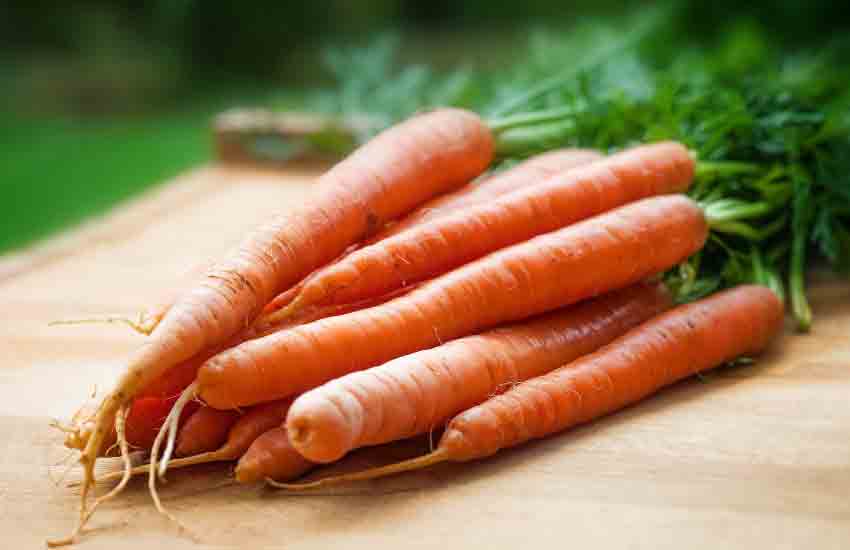
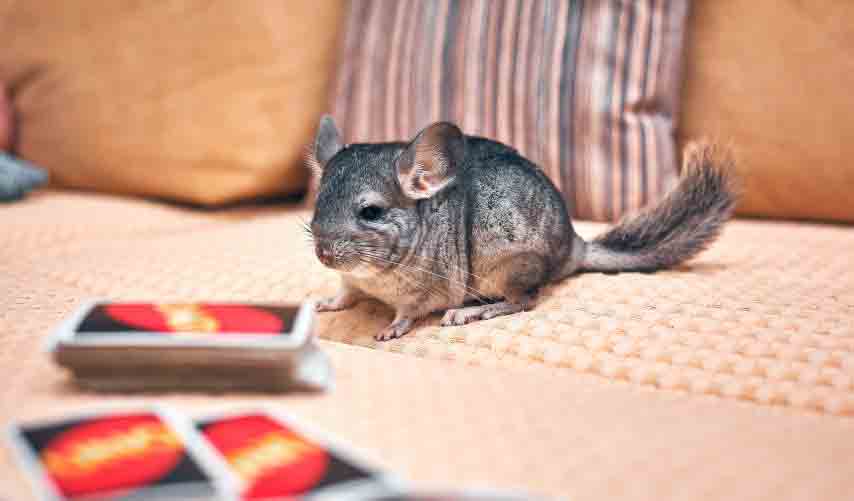
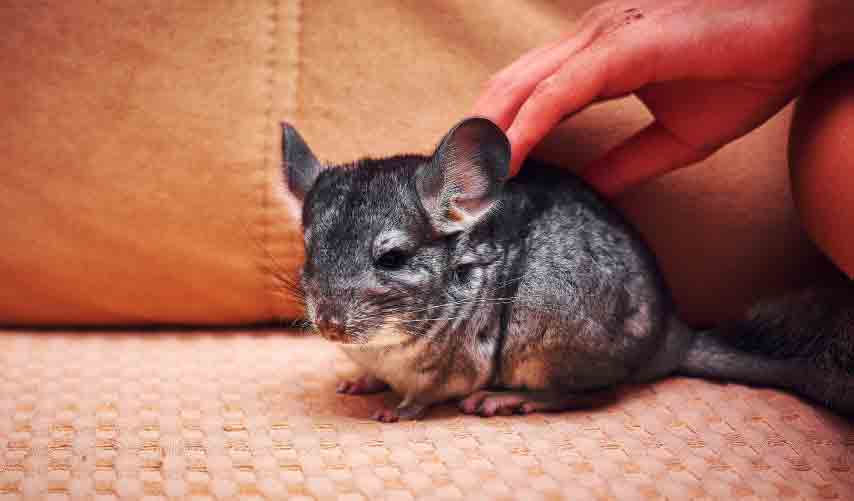
Can Chinchillas Eat Carrots? You might be wondering if you can feed chinchilla carrots. This type of vegetable is a favorite among many pets. Carrots are rich in vitamins A and C and can be a good addition to your chinchilla’s diet. However, carrots are rich in sugar, acids, and phosphorus. As such, you should only give your chinchilla small amounts of carrots every few weeks.

Can Chinchillas Eat Carrots

Can Chinchillas Eat Carrots?

While chinchillas can eat carrots, it’s important to remember that they shouldn’t be given large quantities of them. It can make them sick. It’s best to give them a small piece of carrot once a week or as a treat. Likewise, chinchillas don’t like lettuce and should not be fed this food on a regular basis.

Carrots are a healthy snack for chinchillas, but it’s important to wash and cut them into smaller pieces. Before giving a chinchilla carrot, check the label for pesticides and other chemicals. If they contain any, do not give them the carrot. This will prevent gastric problems and diarrhea. A chinchilla’s pee is a deep yellow color.

Can Chinchillas Eat Carrots
Can Bearded Dragons Eat Grapes? Top 10 Types of feeds

Can Bearded Dragons Eat Grapes? Top 10 Types of feeds

Can Bearded Dragons Eat Grapes?

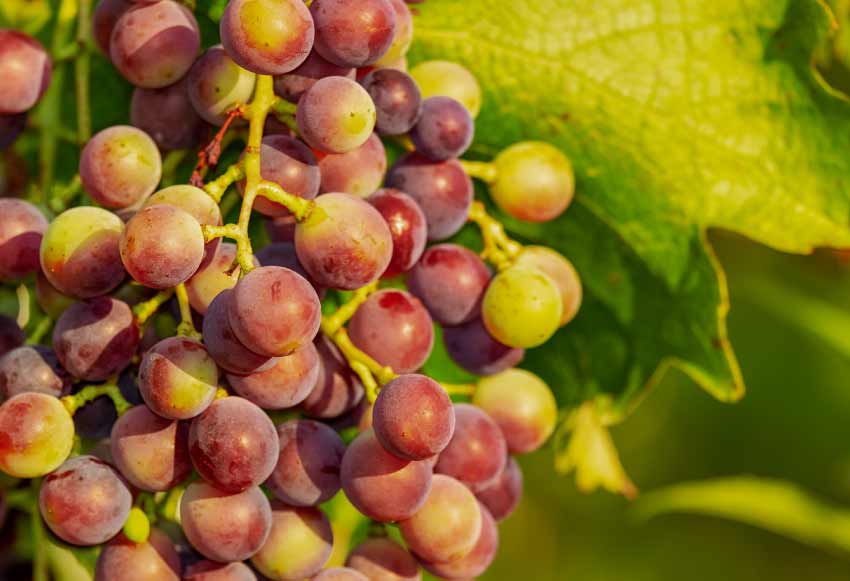
Can Bearded Dragons Eat Grapes? While they do love grapes, it is important not to feed them too much. If you can’t resist, try to buy a few and give your dragon a taste. However, you should avoid adding additives to their food, so they won’t become accustomed to the taste.

A 150-gram serving has 2.8g of fiber, which is higher than many other vegetables and fruits. The high fiber content is very helpful in keeping your dragon regular and healthy. So, it is a good idea to keep some grapes in your bearded dragon’s cage.

When you want to feed your beardie dragon grapes, make sure that you remove any seeds and peel them thoroughly. During the feeding, it is important to check for any weeds and berries. You should also keep their water clean. You should also make sure that their food is free from pesticides. This way, you can be sure that their food is safe for them.

How often should the bearded dragon eat grapes?

This is because grapes contain seeds that are difficult to digest. Those seeds may clog its digestive system and result in impaction. Alternatively, you can remove the seeds yourself before feeding your beardie. It is important to thoroughly wash the grapes before feeding your beardie. If the grapes are still cold, wait until they are at room temperature before feeding them to avoid them spoiling in the bearded dragon’s stomach. You can feed your beardie grapes in a variety of ways, including mixing them with other vegetables. Grapes also contain potassium, which helps control blood pressure. In addition to these nutrients, grapes are high in vitamins and dietary fiber. You should offer your beardie grapes at least once a week. For the best results, offer half a grape per bowl of greens. Although bearded dragons can digest green grapes, they should not be fed grapes with seeds. Grapes contain oxalates, which prevent beardies from absorbing calcium. If your beardie eats too many grapes, it can suffer from metabolic bone disease, which causes deformed bones and is not curable.

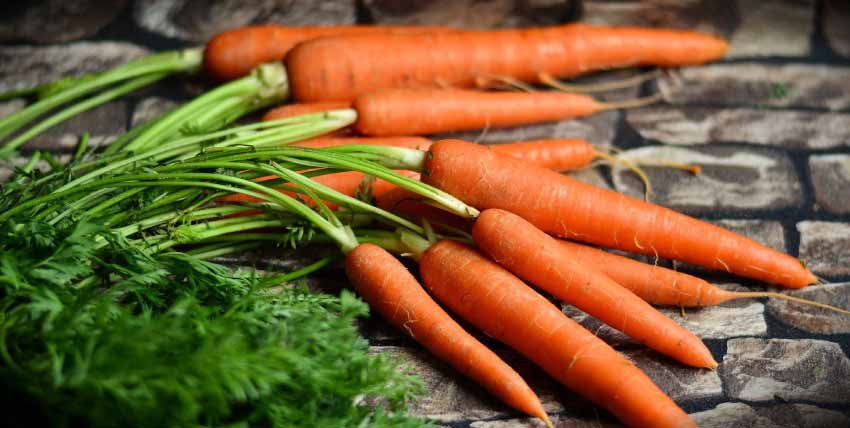
Carrots

Can Bearded Dragons Eat Carrots?

Carrots are beneficial for your bearded dragon because they provide a variety of nutrients including vitamins and minerals. Your beardie will appreciate the high-fiber content and vibrant color of a healthy carrot. If you are worried about how much carrots your beardie should ingest, be sure to ask your vet.

In addition to enhancing your beardie’s health, carrots also provide your reptile with a source of natural sugar. Since they contain almost 90% water, carrots are a refreshing treat for warm climates. However, they also contain more than 60% sugar, which can cause digestive problems. Fortunately, carrots are a great source of energy and can even boost your beardie’s immune system.

The first thing to remember when feeding carrots to your beardie is to wash and peel them thoroughly before giving them to your reptile. While some people suggest that they should never feed their pets raw carrots, this is not true for bearded dragons. You should only feed your pet a single or two pieces of carrots per week. This is because carrots are not a natural food for beardie and can cause health problems.

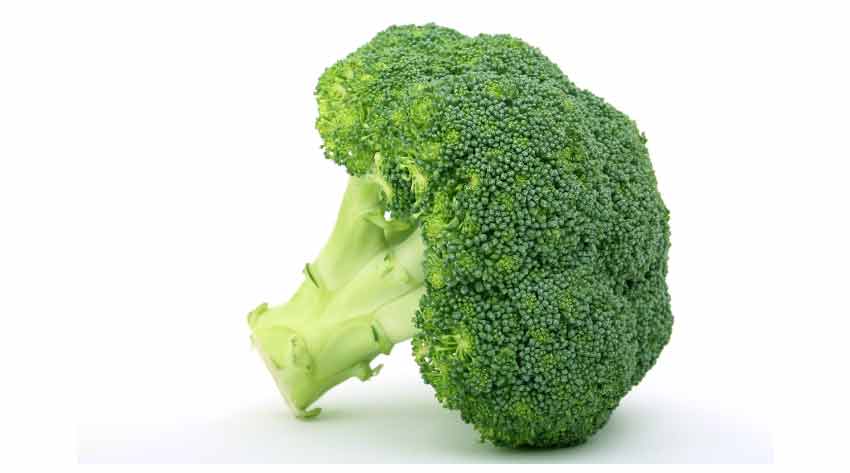
Broccoli

Can Bearded Dragons Eat Broccoli?

Broccoli is a healthy and tasty veggie that can be eaten raw in salads or sliced into sticks for dipping.

Bearded dragons need to eat a variety of fiber-rich foods in order to maintain a healthy digestive system and stay healthy. Just one cup of raw broccoli has five to 10 percent fiber, which will help keep colon cells strong and support proper digestion. Always feed your beardie the raw version of veggies, because cooking reduces the nutritional value. You can’t feed him broccoli that’s been boiled.

Providing broccoli to your beardie is not the same as feeding it a regular diet, and it may cause complications. First, remove any dirt or insects from the broccoli, and wipe it dry with a clean tea towel. Don’t give your beardie any pieces that have become soggy or spoiled.

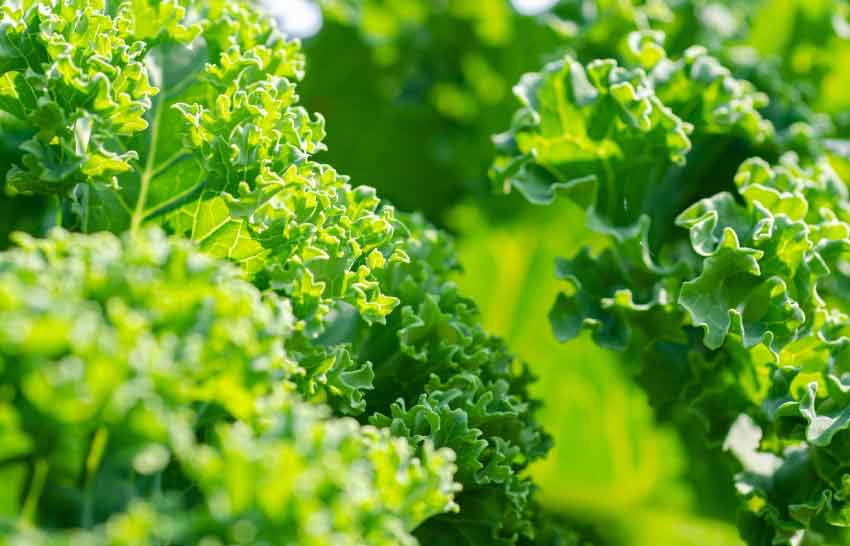
Kale

Can Bearded Dragons Eat Kale?

While kale is one of the more nutritious vegetables, it is not a good staple food. It contains oxalates and goitrogens, which can cause toxicity. Too much vitamin A is fatal for a dragon and causes a condition called hypervitaminosis A. Furthermore, oxalates are toxic to beardies, and are found in abundance in foods like broccoli and spinach.

For a healthy diet, kale is recommended for bearded dragons, as it contains a high amount of calcium. Your beardie needs plenty of calcium to grow strong and vibrant. It also has low amounts of phosphorus, which is not beneficial for the health of its skin and hair. Moreover, kale does not contain oxalates, which are dangerous to bearded dragons.

Although bearded dragons can eat kale, it is better to add it to their diets only occasionally. They rely on live insects and other vegetables as their main staples, and this type of diet has more nutrients than kale. Collard greens are another popular vegetable for bearded dragons. But you should avoid feeding your beardie too much. If you give it too much, it will cause digestive problems.

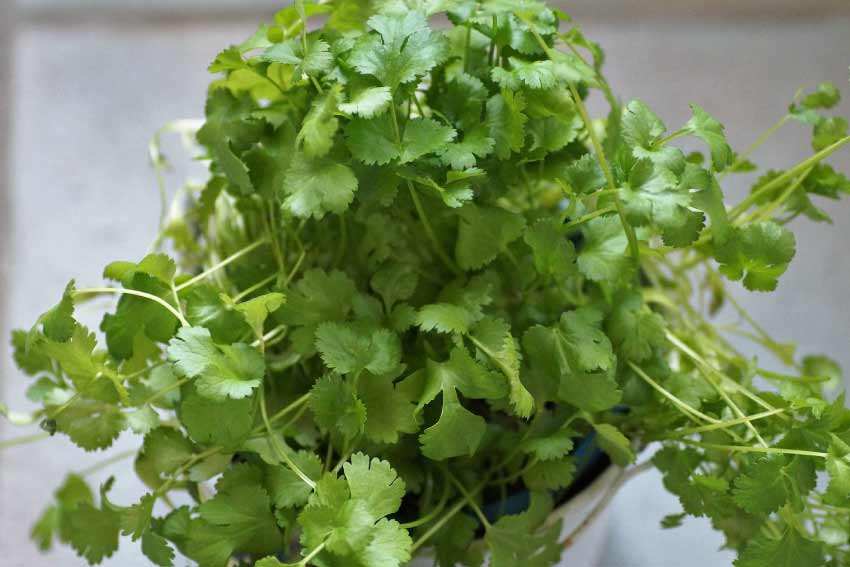
Cilantro

Can Bearded Dragons Eat Cilantro?

This vegetable is a great source of vitamins A and C. But it’s important to note that you shouldn’t give your dragon too much of it. Fresh cilantro will provide plenty of benefits for your Beardie.

The best way to give your beardie some cilantro is to chop the leaves into small pieces and feed them a little at a time. Remember to cut off the stems and hulls to avoid any choking hazard. It’s important to know that some of these ingredients can be indigestible for your dragon, and the seeds are called coriander. Even if you don’t give your beardie cilantro on a regular basis, be sure to monitor its intake and eliminate any excess.

While it’s perfectly safe to feed your beardie cilantro, it’s important to know how much to feed. You can only feed your beardie 5-8 stalks of cilantro per day. But, don’t feed them cilantro on its own, as it can cause dehydration. Because of the high concentration of vitamin A in cilantro, too much can cause health issues.

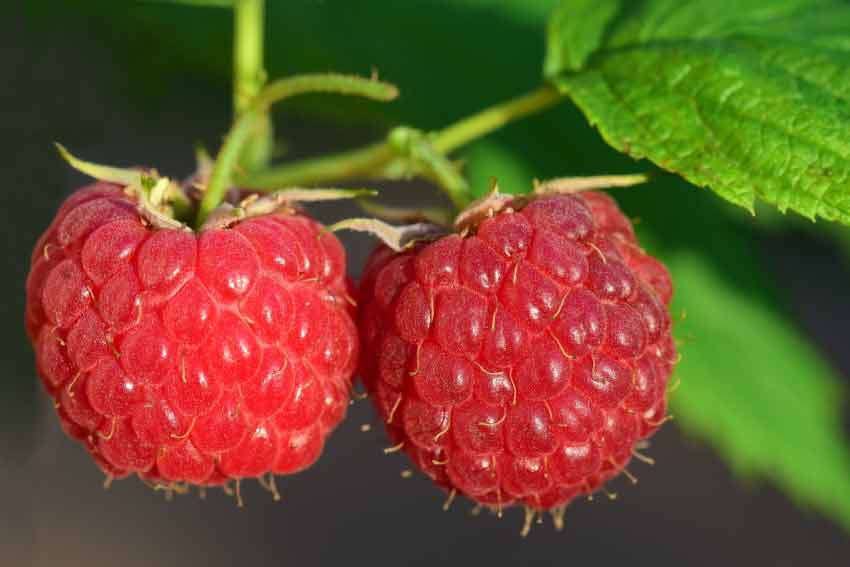
Raspberries

Can Bearded Dragons Eat Raspberries?

If you have a bearded dragon, one of the foods you can introduce into its diet is raspberries. These tasty fruits are very healthy for your bearded dragon, and if they are properly prepared, they can be a great source of fiber. However, you should make sure not to overfeed your beardie on raspberries, as it can lead to digestive issues and even obesity. Therefore, it is best to offer a small amount of raspberries to your pet every few weeks or so to ensure that they get the right amount of nutrition and avoid any health risks.

A common misconception about bearded dragons and raspberries is that they can’t eat them. However, they can eat apples and other common fruits, provided they are prepared in a specific manner. While fresh fruit isn’t a major part of a regular diet, a beardie can still benefit from the occasional serving of a piece of fruit. This is because beardies have a strong sweet tooth, and they enjoy eating fruit.

But you don’t want to give them raspberries every day. The sweet, soft texture of raspberries is something that bearded dragons love. Just be sure to give your pet a treat once every few weeks, but don’t overdo it, as this can lead to digestive issues and deprivation of more nutritious food.

Can Bearded Dragons Eat Cabbage?

Unlike other pets, beardeds can tolerate small amounts of a variety of vegetables, including cabbage. While it is not recommended for all types of reptiles, some species are more suitable for use as food than others. Below, you’ll find information on the pros and cons of cabbage for bearded dragons.

Although it might sound odd at first, you can give your bearded dragon some cabbage. However, it is best to keep it away from the stalks as it can cause watery poop and diarrhea, which is bad for your beardie’s health. Instead, provide only the leaves, and cut them into pieces so your beardie can eat them. In addition to red cabbage, green cabbage is another option, but it is less nutritious than red.

It is important to note that cabbage has a high calcium-to-phosphorus content, making it a fantastic choice for your beardie. It is also low-fat and contains only a small amount of cholesterol. Just be sure to monitor your beardie’s blood sugar levels closely. If your beardie starts to show signs of diabetes or high blood pressure, try feeding him with cabbage in moderation.

Bearded Dragons

Can Bearded Dragons Eat Arugula?

For starters, you must provide a bowl of clean water for your dragon in its terrarium. You should also provide high-quality greens, which are high in water. Arugula is especially useful for beardeds because it is a high-water-content green.

Arugula comes in two varieties, baby and mature. The baby type contains smaller and tenderer leaves with a pungent flavor. Its taste is milder than the mature one, but arugula leaves are tougher and have a stronger flavor. Despite its bitterness, arugula is a safe option for your pet.

Although arugula is not the healthiest option for beardied dragons, it is high in calcium and other nutrients. Arugula is also rich in fiber, which helps your beardie’s digestive tract function properly. And arugula has a high water content, which helps your pet stay hydrated.

Arugula is an excellent choice for beardie diet. Ensure that there is no water left in the arugula, as most reptiles cannot eat watery foods. You should also be careful when selecting iceberg lettuce, which is another green vegetable. Sadly, iceberg lettuces have a low-quality soil and contain little iron and calcium. Nonetheless, it is an ideal food for beardie owners.

Can Bearded Dragons Eat Blackberries?

They don’t need a high-sugar diet, but they can benefit from a low-sugar diet to help lower their risk of obesity, blood pressure problems, and heart failure. Also, blackberries are high in antioxidants and vitamin C, which helps the dragon’s body combat harmful oxidants. This prevents the oxidants from attaching to dangerous molecules and neutralizes them.

However, you should remember that fruits are not the only thing that bearded dragons can eat. The same applies to blackberries. These berries are high in sugar, which is bad for reptiles. If you feed your beardie a blackberry that contains sugar, it may cause diarrhea or other stomach upset. In addition, too much sugar in a diet can cause blood pressure problems in beardies.

You can offer blackberries to your beardie only once a month, or mix them with other vegetables and fruits to give your pet the nutrition they need. This way, it will get a fuller, healthier meal. If you want to provide your beardie with a wide range of food, mix it with greens and fruit for a more varied diet. By mixing blackberries and greens, you can give your pet a balanced diet.

Can Bearded Dragons Eat Parsley?

You can give your bearded dragon parsley in small amounts, preferably only about one tablespoon per week. However, you should avoid giving your beardie too much parsley, since it may result in choking or diarrhea. You can also feed your beardie carnation petals, worms, and other veggies.

If you have a large number of bearded dragons, you can give them a small amount of parsley to help their digestion. To avoid these issues, it is best to start by giving your beardie a small amount of parsley, and gradually increase the amount. It is also important to remember that parsley is a great source of vitamin C for beardie dragons, but it is important to keep the amount to a reasonable level.

You can also add parsley to your beardie’s greens. Just make sure that you mix it with vegetables so that the leaves don’t become too fibrous. The stems are a choking hazard. You should also avoid giving your beardie flakes of parsley, which are usually preservatives and other elements. They can also be harmful for your beardie if they ingest them regularly.

Can Bearded Dragons Eat Green Beans?

You can introduce green beans to your bearded dragon through salads or as an individual serving. It’s best to make sure that they are fresh and free of chemicals, as overfeeding them can lead to more waste and cleaning. Whenever possible, keep green beans out of reach of your beardie, or they may become hyperactive and attempt to escape the cage. Young beardies need a shallow dish to eat from, and it’s best to remove it completely after feeding.

The best way to provide fresh plant matter for your beardie is to drown it in water, which is safe for both the dragon and you. You can also offer it lima beans or chopped green beans. Be sure to use smaller greens than the large ones, as these are less likely to be stringy and woody. Additionally, green beans contain plenty of calcium, which will help keep your beardie healthy.

Remember to wash them and chop them properly. However, don’t rely on green beans alone as your pet’s diet. When choosing vegetables, pay attention to their vitamin content. Similarly, if you’re feeding them for their own health, you’ll want to choose foods that are beneficial for your beardie.

Can Bearded Dragons Eat Eggs?

No, but they can get a few nutrients from them. Depending on the type of egg you give them, they may enjoy eating both hard-boiled and poached. Always thoroughly check the eggs before allowing them to eat them. They should be cooked or whisked before being fed to your pet. Moreover, you should ensure that they come from free range grass-fed chickens.

While the protein in eggs is not dangerous to beardie dragons, overfeeding can cause health problems, including fatty liver disease. To avoid fatty liver disease, it is best to only give half an egg to your pet. As for the quantity, the only rule is that it should not be more than half an entire egg at a time.

In order to avoid bacteria, give your beardie some raw eggs instead of scrambled eggs. Remember that beardie’s eggshell is an excellent source of bacteria. A few minutes of cooking time is all that’s required. A small portion of an egg will be fine, and you can serve them alongside a variety of vegetables for added nutrition.

Can Bearded Dragons Eat Zucchini?

The seeds, which contain cyanide, are a choking hazard for dragons. In addition to this, you should also scrub it clean to remove pesticide residue and other harmful chemicals. While it’s best to leave the skin on zucchini, it’s also best to cut it up into small pieces. The seeds are dangerous because they can easily suffocate your beardie. Remember that you should only give your beardie two or three pieces of zucchini at a time.

While zucchini contains a small amount of calcium, it is not rich in the mineral. A proper diet for your beardie should consist of three types of greens: lettuce, spinach, and cucumber. If you’re still unsure about whether your dragon can eat zucchini, don’t worry. It’s perfectly safe to introduce it on a weekly basis.

However, zucchini doesn’t make an ideal diet for beardies, and there are many risks. The first is the phosphorus content. Zucchini contains a lot of phosphorus, which is very bad for young reptiles. Your beardie needs a diet high in protein, and this isn’t the case with zucchini.

Bearded Dragons

Can Bearded Dragons Eat Peaches?

You can also make a sliced version of peaches and serve it to your beardie as a treat. The pit should be removed, as it can cause diarrhoea.

Peaches can be a nutritious treat for your beardie. They’re high in vitamin C, folate, potassium, and fiber, which is great for your pets’ diet. They’ll even appreciate the taste of kiwi, as it is similar to the taste of human fruit. However, you need to make sure the fruit is peeled or chopped to prevent any problems. They belong to the family Cucurbitaceae and are safe for them to eat.

Make sure to remove the pit before feeding them to your beardie. You can also try preparing peaches for your pet by cutting them into small pieces. Alternatively, you can peel and dice them, but be sure to use canned or boiled peaches.

Can Bearded Dragons Eat Basil?

However, you must remember that it is not a staple food, and overfeeding it may cause health issues. Fresh basil is the best choice, as it is less concentrated in nutrients and can contain undesirable materials. Moreover, dried basil can also be difficult to regulate for bearded dragon owners.

It’s best to introduce it in moderation, and check with your vet if your dragon is sensitive to it. In addition to basil’s many benefits, it is high in protein and fat.

While basil is not recommended for your beardie, it is a good way to vary their diet. You can plant basil seeds in a window sill or back garden and feed your beardie with unlimited amounts of this wonderful herb. The best way to start offering your dragon fresh basil is to give them a small amount at a time, and you can always increase the servings over time.

Can Bearded Dragons Eat Corn?

Yes, but it should be a special treat and not a regular diet for the lizard. Despite their peaceful nature, bearded dragons are extremely aggressive and can bite if provoked. A bite from a beardie can cause a mild injury and can also lead to infection. Their natural predators include large goannas, dingoes, and birds of prey.

To avoid this disease, it is important to provide your beardie with diet rich in calcium and phosphorus. Corns contain high amounts of phosphorus, which is bad for the dragon’s bones. If it gets metabolic bone disease, the animal could eventually die. Fortunately, corn contains a small amount of both.

While it’s a high-calorie food, corn is a good source of protein. In addition, it provides your beardie with a small amount of folate, a vital vitamin that helps the animal’s immune system function. And because corn is a fiber-rich food, it helps keep the dragon’s digestive system working properly. It also helps keep the dragon healthy, so it’s not a problem.

In addition to corn being high in phosphorus, it also contains a low amount of calcium. Because of its high content of phosphorus, corn is not a good choice as a regular diet for bearded dragons. Nevertheless, some breeders recommend feeding it sparingly, once or twice a month.

Can Bearded Dragons Eat Collard Greens?

Collard greens are a tasty and nutritious treat for beardies. However, collard greens should be thoroughly washed before serving to reduce the risk of bacteria and other diseases. Also, collards can be quite heavy if you serve them raw, so make sure they are chopped into manageable pieces.

Collard greens can be easily prepared for your pet. They are available in several forms. The leaves are soft and absorbent, and their fiber and water content make them an excellent addition to your diet. Ensure you feed your pet a variety of greens for optimum health and vitality.

Collard greens are best fed as a raw food. It is best to chop the leaves into thin strips or uniform pieces for your beardie. Pureed greens are even better because they don’t cause the risk of choking on the food. Lastly, make sure that your beardie is eating a good variety of vegetables and not just one or two. When giving your dragon collard greens, be sure to give it at least twice a week.

Can Bearded Dragons Eat Cauliflower?

You should only feed your dragon the white heart part of a whole head of cauliflower. You can also give them the fibrous stems and mix it with other veggies. However, you should avoid feeding them large quantities of cauliflower. It contains less calcium than other vegetables. It is best to mix it with other veggies and only feed it in small amounts.

Regardless of its nutritional value, cauliflower can be fed to your beardie in moderation. The vegetable contains high amounts of phosphorous and goitrogens, which can cause gastrointestinal upset and even death in your reptile. In addition, you should let it cool before giving your pet. But be careful not to overfeed your beardie with cauliflower. A small amount will do no harm. If you’re unsure of whether or not to feed your dragon cauliflower, make sure you let it cool completely first before you feed it.

Cauliflower can be fed to your beardie every day, but don’t feed it cooked. It will burn its mouth when eaten, so make sure it cools completely before feeding it to your beardie. It’s not recommended to feed your pet a cooked cauliflower, as it can cause the dragon to choke. If you’re feeding your beardie a raw head of cauliflower, it’s best to leave it in the refrigerator for a few hours.

Can Bearded Dragons Eat Bell Peppers?

Although bell peppers provide many beneficial nutrients to your pet, they are low in calcium. Compared to other vegetables, bell peppers provide only a few milligrams of calcium per 100 grams. In contrast, green bells are high in vitamin C and fiber, and can be fed to your bearded dragon in moderation.

It is important to remember that bell peppers are low in calcium, which is essential for the health and growth of a dragon. However, if you are not sure what foods your beardie should eat, you can always give them a small amount of these veggies. In addition to green vegetables, bell peppers can also be fed to baby beardies. While you should avoid giving your dragon too much, you should ensure a balanced diet with plenty of calcium-rich foods.

Bell peppers do contain calcium, but not a large amount, so don’t give your beardie too much of it. You should cut the peppers into small cubes and serve them in the appropriate bowl. Make sure that you prepare your food in small, diced portions to allow your dragon to easily consume it. Additionally, cooking your peppers can also make them more palatable and add a boost of nutrition.

Can Bearded Dragons Eat Cicadas?

Cicadas are a favorite food of the bearded dragon and can be easily handled by bearded dragon owners. Unlike other insects, however, cicadas have no fat, so they’re a healthy treat for your pet or animal. Be sure to consult the breeder’s food list for specific guidelines regarding what to feed your dragon. This article offers some tips for keeping your dragon healthy, from diet to feeding habits.

While you may be wondering how to feed your beardie a cicada, there are a few precautions you should follow. It’s best not to feed the insect in the wild, but instead, buy some at a pet store. It’s safe and healthy for your beardie, and it’ll get some much-needed vitamin C. Ensure that the insects are in a clean and dry environment. If you have a lawn, make sure you hose it off before feeding the cicada.

If you’re not sure whether your beardie can eat cicadas, you can try it. Just be sure to use your common sense and only feed them insects that are close to their eye size. If you’re worried about the cicada’s size, you can try to find it in the backyard or check a pet store.

Can Bearded Dragons Eat Grasshoppers?

You can provide your bearded dragon with live or dead grasshoppers. You should introduce live feeder insects into your lizard’s cage in the beginning. This will stimulate the lizard’s natural curiosity and lead to more playtime. You can also give your lizard dead feeder insects in a salad bowl. If you don’t have a cricket catcher, you can buy some from the pet store.

Grasshoppers are an excellent source of vitamin A for bearded dragons, which can enhance their vision. Additionally, grasshoppers are also a good source of omega-3 and -6 fatty acids. In addition, grasshoppers are a great way to provide your beardie with additional protein. If you’re not sure what type of grasshoppers to purchase, consult with your exotic veterinarian.

Grasshoppers are a good source of protein for beardies. You can hand feed them to build a bond with them and show them that you’re not a danger. As they get used to humans, they’ll begin to associate treats with positive associations. In addition, hiding dried grasshoppers around their enclosure can provide additional stimulation for your beardie. They’ll spend a lot of time chasing after these small, tasty insects.

You can offer grasshoppers to your beardie, but remember that the wings of grasshoppers can get caught in their teeth. While grasshoppers can be a great source of protein, you should only provide grasshoppers that you’ve purchased from a pet store or reputable online retailer. In the wild, you should not feed grasshoppers to bearded dragons because they are likely exposed to toxins and chemicals.

Can Bearded Dragons Eat Green Onion?

One question that pet owners frequently ask is can bearded dragons eat green onion? There are two basic reasons why this food is not good for beardie pets. First, they are high in acidity and have a low nutritional value. Second, these foods contain a high amount of water and do not have much value for the animal. So, if you’re wondering, can beardies eat green onions?

The second reason is that green onions are extremely acidic and can harm your beardie. The calcium-to-phosphorus ratio of onions is disproportionate, making them toxic for your reptile. As such, it is not a good food for beardies. Instead, you should provide a diet rich in vegetables and other plant matter. But, you must keep in mind that green onions have a low pH, which means that your pet dragon will have trouble digesting them.

Lastly, beardied dragons shouldn’t ingest green onions. They don’t need them and will eventually become malnourished if they eat them. This vegetable is high in calcium and can cause metabolic bone disease, which causes weak bones and behavioral issues. It’s better to leave them alone until you know a little more about their diet and the right way to provide them with that valuable mineral.

Can Bearded Dragons Eat Grass?

This popular pet is actually able to eat grass, but it must be fed in moderation and in limited amounts. Because their diet is comprised of mostly insects, they do not need a lot of plant matter. However, because grass is difficult for bearded dragons to digest, it can be tempting for them. This food can also contain excess calories. Chicken is not a safe food for bearded turtles, but it is not harmful if given in small quantities once or twice a month. Larger amounts of chicken may make your pet ill.

During playtime, you should let your beardie nibble on grass to keep them active and stimulate their natural behavior. You should also make sure not to let your beardie play in an area that has been treated with chemicals. If you find grass that has a chemical coating, you should not let your beardie play there. This could potentially poison your pet. Another reason why grass is not recommended for beardies is because it is hard for them to digest. In addition, most animals that eat grass have digestive systems that are designed to break down grass, so they do not have the same digestive system.

Moreover, you should also avoid feeding beardies with grass that is highly fibrous. If you notice that your beardie is not eating enough grass, consult a vet to help you with this issue. Insufficient nutrients can also lead to lethargy and lack of appetite. In addition, some organic foods may be toxic to beardies, so it’s better to give your beardie some other types of food.

Bearded Dragons

Can Bearded Dragons Eat Radishes?

Whether you’re curious to know if your bearded dragon can eat radishes or not is entirely up to you. The good news is that radishes are one of the best foods to give your pet. You can even feed your pet grapevine leaves if you wish.

The greens of radish contain a high concentration of Vitamin A, but are not as nutritious as the actual radish. You can also try giving it a piece or two of radish leaves as a snack. You can also try feeding radish leaves to your beardie by hand, which will encourage him to eat them.

The tops of radishes can also be given to your beardie, and you can also mix them with other veggies. Remember to feed your beardie small amounts of radish greens, three times per month at most, and to wash them well to avoid parasites.

Can Bearded Dragons Eat Mealworms?

Providing food for your pet bearded dragon is not hard. The optimum time to give them mealworms is during the evening before the lights are turned off. Once you’ve purchased mealworms, you can place them in their habitat. Then, simply follow the feeding instructions provided on the packaging. Mealworms should be placed in the right area so your dragon can easily reach it.

Moreover, feeding your beardie only mealworms is not advisable, as the nutrients in them are not enough for your pet’s health. It is better to feed your beardie staple insects, such as crickets and waxworms, along with the mealworms.

Before feeding your Bearded Dragon mealworms, make sure to carefully inspect the food. Look for insects that have a thick exoskeleton. You can purchase a mealworm feeder from a reputable website online. To ensure your Beardie eats a healthy diet of mealworms, make sure to choose fresh mealworms.