
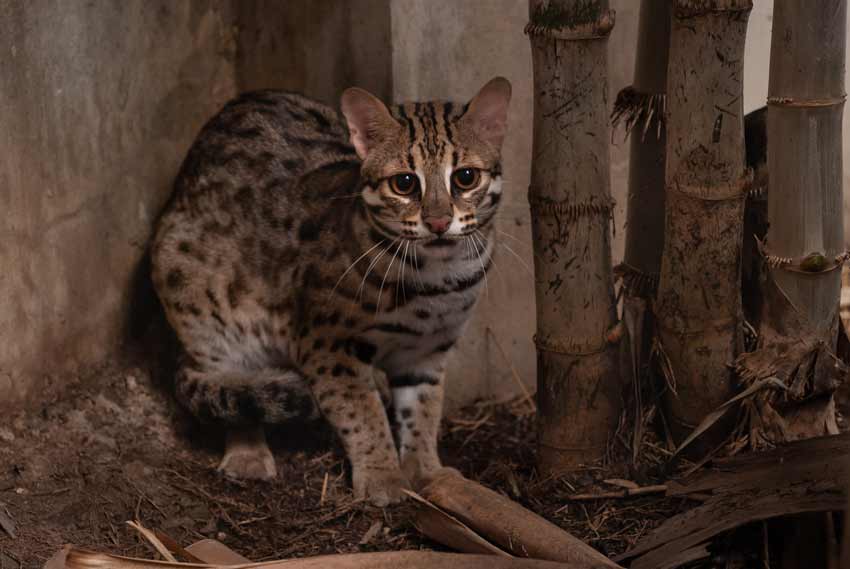
Quick answer: No. Despite the “for sale” search terms this topic attracts, the rusty-spotted cat (Prionailurus rubiginosus) is not a legitimately available pet in the United States, the UK, or the EU. It is a wild felid, and in most of the world it is illegal to buy, sell, or keep one without a specialized exotic-wildlife or zoological permit. Below we cover its real size, weight, legal status, and what to look at instead if you’re drawn to a small, spotted cat.
Key Takeaways
- The rusty-spotted cat is one of the smallest wild cat species on Earth, roughly 35-48 cm (14-19 in) in body length with a 15-30 cm tail, and weighing about 0.9-1.6 kg (2-3.5 lbs) as an adult – noticeably smaller than most house cats.
- It is native to India, Sri Lanka, and parts of Nepal, and is listed on CITES Appendix I, meaning international commercial trade in wild-caught animals is banned.
- There is no legitimate retail “price” for a rusty-spotted cat because there is no lawful consumer supply chain – any online listing claiming to sell one should be treated as a scam or a wildlife-trafficking red flag.
- A handful of accredited zoos and conservation breeding programs house the species, but private ownership is not permitted in nearly every jurisdiction that has been checked.
- If you like the look or size of a rusty-spotted cat, several domestic breeds and small companion animals offer a similar scale and personality without the legal or welfare problems.
Why Trust This Guide?
This page was researched and rewritten using published wildlife biology sources, CITES trade listings, and IUCN Red List data on Prionailurus rubiginosus, cross-checked against general information on animals and wild felid taxonomy. Figures on size and weight are drawn from field studies rather than marketing copy, and every claim about legality has been checked against current wildlife trade rules rather than repeated from older, uncited articles.

What Is a Rusty-Spotted Cat?
The rusty-spotted cat is a small wild cat native to the forests, scrublands, and grasslands of India, Sri Lanka, and parts of Nepal. It gets its name from the rust-colored spots that run along its coat, set against a grayish-brown background. Despite looking like a miniature, delicately marked house cat, it is a fully wild species with wild instincts, a specialized diet, and none of the generations of selective breeding that make domestic cats suitable companions.
It’s easy to see why the species shows up in searches from people who love small, unusual pets – the same curiosity that draws people to pet lists of coolest animals to keep at home. But admiring a wild species and being able to legally or responsibly keep one are two very different things.
Can You Legally Own a Rusty-Spotted Cat?
In practical terms, no. The rusty-spotted cat is protected under the Wildlife Protection Act in India and is listed on CITES Appendix I, the strictest category, which prohibits international commercial trade in wild-specimens. In the United States, most states classify small wild felids under exotic or dangerous animal statutes that either ban private possession outright or require a license or permit to own one, issued only to accredited zoos, universities, or licensed wildlife rehabilitators – not to hobbyist buyers.
If you’re researching what actually is legal to keep as an exotic pet in your area, that’s a much shorter and safer list, and it’s worth reading before assuming any wild cat species can simply be purchased online.
Rusty-Spotted Cat Size Compared to a House Cat
This is where a lot of older articles on this topic get the numbers wrong, sometimes listing weights in the 9-16 kg range, which would make the species larger than a bobcat – that figure is incorrect. Adult rusty-spotted cats typically weigh between 0.9 and 1.6 kg (roughly 2-3.5 lbs), with body length of 35-48 cm plus a 15-30 cm tail. For comparison, an average house cat weighs 3.6-4.5 kg (8-10 lbs). That makes the rusty-spotted cat noticeably smaller than a typical domestic cat, not larger – it is, in fact, considered one of the Rusty Spotted Cat Size record-holders among wild felids specifically because of how small it stays even at full maturity.
Kittens are correspondingly tiny at birth, weighing only around 60-77 grams, and reach adult size gradually over the first year. In the wild, spotting a kitten versus an adult comes down to proportion – kittens have relatively larger heads, paws, and eyes compared to their body, and their spotting pattern is less defined until the coat matures.
Rusty-Spotted Cat “Price”: Why There Isn’t One
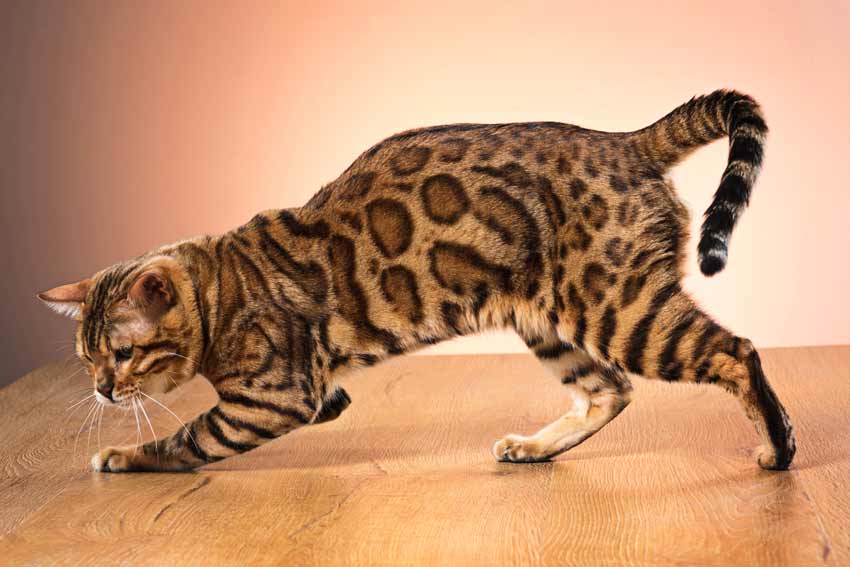
Because there is no legal retail channel for this species, there is no real, verifiable market price to quote. Listings that advertise a rusty-spotted cat for sale at a specific dollar figure are either misidentifying a domestic breed with similar markings (like a spotted Bengal or an orange and white cat breed with rosette-style spotting), or are outright fraudulent. If your actual goal is a small, budget-friendly companion animal rather than a wild species, it’s worth browsing genuinely cheap exotic pet options that are both legal and realistically available near you.
Habitat, Diet, and Behavior in the Wild
Rusty-spotted cats favor dry deciduous forest, scrub, and rocky grassland, and in Sri Lanka they’ve also been recorded in more open agricultural mosaics. They are almost entirely nocturnal and solitary, hunting rodents, small birds, insects, and lizards. Their small size makes them excellent climbers, and they’re known to shelter in tree hollows and dense undergrowth during the day. Because they’re rarely seen and difficult to study, population estimates remain rough, and the IUCN currently lists the species as Near Threatened, with habitat loss as the primary pressure.
If You Like the Look, Consider These Instead
People who search for a rusty-spotted cat are usually drawn to one of two things: the small size, or the spotted coat. Both are achievable with legal, well-established domestic options. Breeds like the Bengal or the Egyptian Mau carry similar rosette or spotted patterning, and if you specifically want something on the smaller end, our guide to the smallest cuddly pet breeds covers several affectionate, compact options.
If space is a factor, our roundup of pet options suited to apartment living, and a separate guide focused on pet choices for cuddly, low-maintenance apartment companions, are both good starting points. And if you’re comparing across species entirely rather than sticking with cats, our list of the pet most commonly kept worldwide, and our guide to genuinely good pets for low-maintenance households, are worth a look before committing to any one animal.
Other Small Pets Worth Comparing
Because this topic tends to attract people early in their research on small or unusual companion animals, a few adjacent guides on our site may help you compare options side by side: our overview of pet chinchillas, our guide to pets best suited to different age groups of children, and our piece on pet companionship for emotional support and mental health. Even if none of these are wild cats, they’re realistic, legal alternatives that solve the same underlying want – a small, engaging animal to care for.
Some exotic-pet enthusiast communities also trade in rusty-spotted cat merchandise and collectibles rather than the animals themselves – fan shops such as Keychains Co sell wildlife-themed accessories, which is a safer and legal way to show appreciation for the species without the ethical and legal complications of ownership.
Frequently Asked Questions
Is the rusty-spotted cat domesticated? No. It has never been selectively bred for domestic traits and behaves as a wild animal even when hand-raised from a young age.
How does its size compare to a full-grown house cat? Smaller. Adults top out around 1.6 kg, versus 3.6-4.5 kg for an average house cat.
Are rusty-spotted cats dangerous? They are not a threat to humans in the wild and tend to avoid people, but like any wild carnivore they are not suited to handling or home life.
What should I feed a wild rusty-spotted cat if I find one? Don’t attempt to feed or raise one – contact a licensed wildlife rescue. This is different from routine care questions like food for an actual pet reptile or small mammal, where feeding is appropriate and expected.
For more on legal, well-suited companion animals rather than wild species, explore the rest of our pet guides, including our full breakdown of what makes a good pet for your specific living situation and experience level.
[…] Which foreign pets are legal in Washington State? […]