Can Cats have Chicken noodle Soup?

Can Cats have Chicken noodle Soup?

Quick Answer: Cats shouldn’t eat chicken noodle soup — it’s typically high in sodium and often contains onion or garlic, both toxic to cats, and the noodles offer little nutritional value.

Key Takeaways

  • Onion and garlic, common in soup, can cause toxic hemolytic anemia in cats.
  • Store-bought and homemade soups are usually too high in sodium for cats.
  • Noodles provide carbs but little of what a cat actually needs nutritionally.
  • Plain, unseasoned cooked chicken is a much safer occasional treat.
  • Watch for vomiting, lethargy, or pale gums if soup was ingested, and call your vet.

Why Trust This Guide?

This guide is researched and written by the Pets Store Home editorial team, drawing on general veterinary and animal-care information. It’s intended as general information; consult your veterinarian for advice specific to your pet.

Can cats eat chicken noodle soup? Understanding the ingredients

Cats have specific dietary needs quite different from humans, and their systems are only sometimes equipped to handle certain ingredients commonly found in human foods, including chicken noodle soup. While a small taste of plain cooked chicken might be safe for cats in moderation, it’s important to understand that many chicken noodle soup components could be problematic. Let’s break down the ingredients:

Chicken: Plain, cooked chicken without seasoning or sauces can be safe for cats in small amounts as an occasional treat. It’s a protein source essential to a cat’s diet.

Noodles/Pasta: Noodles and pasta are primarily made from grains, which are not a natural part of a cat’s diet. Cats are obligate carnivores, requiring a diet primarily composed of animal-based proteins. Grains like those in pasta don’t provide the nutrients that cats need.

Broth/Soup Base: Most chicken noodle soups contain broth, which can be high in sodium. Cats with lower salt tolerance and excessive sodium intake can lead to health problems, including kidney issues.

Vegetables: Many chicken noodle soups contain carrots, celery, and onions. Onions are toxic to cats and should be avoided completely. Even the other vegetables might need help to be digestible for cats.

Seasonings/Spices: Chicken noodle soup is often seasoned with various spices and herbs that could harm cats. Cats have more sensitive palates; certain seasonings can be toxic or cause digestive upset.

Dairy: Some soups might contain dairy products like milk or cream. Many adult cats are lactose intolerant, which means they lack the enzyme to digest lactose properly. This can lead to digestive discomfort.

While plain, unseasoned cooked chicken might be safe for cats in moderation, it’s best to avoid feeding them chicken noodle soup. Cats have specific nutritional requirements, and their diet should primarily consist of high-quality commercial cat food formulated to meet their needs. If you want to provide your cat with treats, choosing cat-specific treats designed to be safe and nutritious for them is a good idea. Always consult your veterinarian before introducing new foods to your cat’s diet.

Examining the components of chicken noodle soup

Certainly, let’s examine the components of a typical chicken noodle soup and discuss how each component might affect cats:

Chicken: Plain, cooked chicken without seasoning or sauces can be safe for cats in small amounts as an occasional treat. It provides a source of protein, which is important for cats.

Noodles/Pasta: Noodles and pasta are made from grains, which are not a natural part of a cat’s diet. Cats are obligate carnivores and require animal-based proteins. Grains like those in pasta don’t provide the necessary nutrients for cats.

Broth/Soup Base: The broth in chicken noodle soup can be high in sodium. Cats have a lower tolerance for salt, and excessive sodium intake can lead to health issues, including kidney problems. The high sodium content is a concern.

Vegetables: Many chicken noodle soups contain carrots, celery, and onions. Onions are toxic to cats and should be avoided completely. Even other vegetables might not be easily digestible for cats and might not contribute to their nutritional needs.

Seasonings/Spices: Chicken noodle soup is often seasoned with various spices and herbs. Cats have sensitive palates; some seasonings can be toxic or cause digestive upset.

Dairy: Some soups might contain dairy products like milk or cream. Many adult cats are lactose intolerant, lacking the enzyme to digest lactose properly. This can lead to digestive discomfort and upset.

Fat Content: Some chicken noodle soups can have a relatively high-fat content. While cats need fats in their diet, excessive fat intake can lead to obesity and other health problems.

Additives and Preservatives: Processed soups often contain additives, preservatives, and artificial ingredients that might not be suitable for a cat’s digestive system.


In summary, while plain, unseasoned cooked chicken might be safe for cats in moderation, most of the other components of chicken noodle soup are not well-suited to a cat’s dietary needs. Cats have specific nutritional requirements, and their diet should consist of high-quality cat food formulated to meet those needs. 

Identifying potential harmful ingredients for cats

Identifying potential harmful ingredients for cats is crucial to ensure their well-being. Cats have specific dietary requirements, and certain safe substances for humans or other animals can be toxic or harmful to them. Here’s a list of ingredients that are commonly found in human foods and should be avoided in a cat’s diet:

Onions and Garlic contain compounds that can damage a cat’s red blood cells and lead to anemia. Even small amounts can be dangerous.

Grapes and Raisins: These can cause cat kidney failure, leading to serious health issues.

Chocolate: Chocolate contains theobromine, which is toxic to cats and can lead to symptoms ranging from vomiting to seizures and even death.

Caffeine: Found in coffee, tea, energy drinks, and some medications, caffeine can cause heart palpitations, restlessness, and other health problems in cats.

Alcohol: Alcohol consumption can cause severe neurological and digestive issues in cats and can be fatal.

Dairy: Many adult cats are lactose intolerant and cannot properly digest lactose, leading to digestive upset.

Bones: Cooked bones can splinter and cause choking hazards or internal damage to a cat’s digestive tract.

Fatty Foods: High-fat foods can lead to pancreatitis and obesity in cats.

Artificial Sweeteners: Xylitol, commonly found in sugar-free products, can lead to hypoglycemia and liver failure in cats.

High Sodium Foods: Cats are sensitive to salt, and foods high in sodium can lead to kidney and heart issues.

Raw Fish: Raw fish can contain thiaminease enzymes that destroy thiamine (Vitamin B1), leading to neurological issues.

Raw Eggs: Raw eggs can contain bacteria like Salmonella and E. coli, potentially causing foodborne illnesses.

Highly Processed Foods: Foods might contain additives, preservatives, and artificial ingredients that can harm cats.

Medications: Many human medications are toxic to cats, so never give your cat medication without consulting a veterinarian.

Plants: Some plants, like lilies, poinsettias, and certain types of ivy, are toxic to cats if ingested.

Nuts: Some nuts, like walnuts and macadamia nuts, can be toxic to cats.

High-Fiber Foods: Cats are obligate carnivores and cannot digest fiber, so high-fiber foods can cause digestive issues.

Sugary Foods: Cats don’t require sugar and can develop health issues if fed sugary foods.

Eating balanced and nutritionally complete cat food that meets their needs is always recommended. If you want to introduce new foods or treats to your cat’s diet, it’s best to consult a veterinarian to ensure their safety and well-being. If you suspect your cat has ingested something harmful, immediately contact your veterinarian or an emergency animal hospital.


The benefits of chicken for cats

Chicken can be a beneficial addition to a cat’s diet when offered safely and appropriately. Here are some of the benefits of chicken for cats:

High-Quality Protein: Chicken is a great source of high-quality animal-based protein essential for a cat’s overall health. Cats are obligate carnivores, requiring animal protein to meet their nutritional needs.

Amino Acids: Chicken provides essential amino acids contributing to muscle development, tissue repair, and overall growth in cats.

Taste and Palatability: Cats often find chicken appealing due to its taste and texture, making it a popular choice for cat food and treats.

Low Carbohydrates: Chicken is naturally low in carbohydrates, which is ideal for cats since they cannot digest and process carbs.

Nutrient Content: Chicken contains important nutrients like vitamins B6 and B12, niacin, and phosphorus, which support a cat’s overall health and well-being.

Digestibility: Cooked, boneless, and skinless chicken is generally easy for cats to digest, which can be especially beneficial for cats with sensitive stomachs.

Weight Management: Lean chicken can be a good option for cats on a weight management plan due to its lower fat content than other meats.

Variety: Offering chicken as part of a varied diet can help prevent food boredom and ensure your cat receives a range of nutrients.

Homemade Treats: For pet owners who prefer to make cat treats at home, plain, cooked chicken can be a safe and simple option.

When feeding chicken to your cat, it’s important to follow these guidelines:

Cooked and Boneless: Always feed your cat cooked chicken that is boneless. Cooked bones can splinter and cause choking hazards or internal damage.

Unseasoned: Ensure the chicken is plain and free from seasonings, spices, or additives. Cats have sensitive palates, and some seasonings can be toxic.

Moderation: While chicken can benefit a cat’s diet, it should not replace a nutritionally complete and balanced cat food. Moderation is key.

Consult a Veterinarian: Before making any significant changes to your cat’s diet, it’s recommended to consult your veterinarian. They can provide guidance based on your cat’s individual health needs.

Remember that every cat is unique, and dietary needs can vary. While chicken can offer several benefits, it’s just one part of your feline companion’s well-rounded and balanced diet.

Nutritional value of chicken for feline health

Chicken is a valuable source of nutrition for feline health, offering essential nutrients that support various aspects of their well-being. Here’s a breakdown of the nutritional value of chicken for cats:

High-Quality Protein: Chicken is rich in high-quality animal-based protein, which is crucial for cats. Protein is necessary to maintain lean muscle mass, support kittens’ growth, and ensure overall health.

Amino Acids: Chicken provides essential amino acids that cats need for various bodily functions, including tissue repair, enzyme production, and immune system support.

Vitamins: Chicken contains B vitamins (B6, B12, niacin), which are important for energy metabolism, skin health, and nervous system function.

Minerals: Chicken is a source of minerals like phosphorus, which is essential for bone health, as well as selenium, which has antioxidant properties.

Low Carbohydrates: Cats are obligate carnivores and cannot digest carbohydrates. Chicken is low in carbohydrates, aligning well with a cat’s dietary needs.

Fats: While chicken contains fats, they are an energy source and essential fatty acids that support skin and coat health and various body functions.

Taurine: Taurine is an essential amino acid for cats found in animal tissues, including chicken. It is necessary for heart health, vision, and overall well-being.

Moisture: Wet cat food, often containing chicken, contributes to a cat’s hydration needs, which is important for kidney function and urinary tract health.

Palatability: Many cats find chicken palatable, making it a popular choice in commercial cat foods and treats.

Weight Management: Lean chicken can be a suitable option for cats on weight management diets due to its lower fat content.

Sensitive Stomachs: Plain, cooked chicken can be gentle on sensitive stomachs and is often recommended for cats with digestive issues.

It’s important to note that while chicken offers numerous benefits, it should be part of a balanced and complete diet for cats. Commercial cat foods are formulated to meet feline nutritional requirements and often include chicken or other high-quality protein sources. If you’re considering incorporating chicken into your cat’s diet, follow these guidelines:

Feed cooked, boneless, and skinless chicken.

Avoid seasonings, spices, and additives.

Offer chicken in moderation and as a complement to balanced cat food.

Consult your veterinarian before making any significant dietary changes for your cat.

Ensuring your cat’s nutritional needs are met involves providing a well-rounded diet that meets its specific requirements.

How chicken can be incorporated into a cat’s diet

Chicken can be incorporated into a cat’s diet in various ways, but it’s important to do so safely and in moderation. Here are some guidelines on how to include chicken in your cat’s diet:

Cooked and Boneless: Always feed cooked boneless chicken free from the skin. Cooked bones can splinter and cause choking hazards or internal damage.

Plain and Unseasoned: Ensure the chicken is plain and free from seasonings, spices, or additives. Cats have sensitive palates, and some seasonings can be toxic.

Moderation: Chicken should not replace a nutritionally complete and balanced cat food. It should be considered as a treat or supplement. Aim to make chicken only a small portion of your cat’s overall diet.

Proper Cooking: Cook the chicken thoroughly to ensure it’s safe for your cat to eat. Avoid using oils, fats, and seasonings during the cooking process.

Cut into Small Pieces: Cut the chicken into small, bite-sized pieces that are easy for your cat to chew and swallow.

Treats: Use small pieces of cooked chicken as treats for training or as rewards for good behavior.

Mix with Cat Food: You can mix a small amount of cooked, plain chicken into your cat’s regular cat food to enhance the flavor and provide some variety.

Homemade Cat Food: If you’re considering making your cat food, consult a veterinarian or a veterinary nutritionist to ensure the homemade diet is properly balanced and meets your cat’s nutritional needs.

Meal Toppers: Use a small amount of cooked chicken as a meal topper, sprinkling it over your cat’s regular food to make it more enticing.

Special Occasions: Offer plain cooked chicken as a special treat on birthdays or as a reward for veterinary visits.

Remember that every cat is unique, and dietary needs can vary. While plain cooked chicken can offer some benefits, it’s important to prioritize a nutritionally complete and balanced cat food as the main source of your cat’s diet. Before making significant changes to your cat’s diet, consult your veterinarian to ensure you provide the best possible nutrition for your feline friend.

The risks of feeding chicken noodle soup to cats

Feeding chicken noodle soup to cats can pose several risks and potential health issues due to the ingredients commonly found in the soup. Cats have specific dietary requirements that differ from humans, and some components of chicken noodle soup can harm them. Here are the risks of feeding chicken noodle soup to cats:

Sodium Content: Chicken noodle soup often contains high levels of sodium. Cats are sensitive to salt, and excessive sodium intake can lead to kidney and heart problems.

Onions and Garlic: Many soups include onions and garlic for flavor, but these ingredients are toxic to cats and can lead to gastrointestinal upset, anemia, and other health issues.

Noodles/Pasta: Cats are obligate carnivores, which means their diets should be primarily composed of animal-based protein. Grains like those in noodles or pasta are not a natural part of their diet and don’t provide the essential nutrients cats need.

Vegetables: Chicken noodle soup often contains vegetables like carrots and celery. While some vegetables are safe for cats in small amounts, others might be difficult for them to digest or may not contribute significantly to their nutritional needs.

Seasonings/Spices: Many soups contain seasonings and spices that can harm cats, causing digestive upset or even toxicity.

Dairy: Some soups include dairy products like cream. Most adult cats are lactose intolerant, and dairy can lead to digestive discomfort.

Processed Ingredients: Processed soups might contain additives, preservatives, and artificial ingredients unsuitable for a cat’s digestive system.

Unbalanced Nutrition: Feeding chicken noodle soup could lead to an unbalanced diet for your cat, as it needs more essential nutrients formulated cat foods provide.

Potential Allergies: Cats can have allergies to certain ingredients, and introducing new foods can trigger allergic reactions.

In summary, chicken noodle soup is not an appropriate food for cats due to the various risks it poses. Choosing cat-specific treats or foods formulated to meet their nutritional needs is better if you want to provide your cat with a special treat or supplement their diet. Always consult your veterinarian before introducing new foods to your cat’s diet to ensure their health and safety.

High sodium content and its impact on feline health

High sodium content in a cat’s diet can significantly impact feline health. Cats are more sensitive to sodium (salt) than humans, and excessive sodium intake can lead to various health problems. Here’s how high sodium content can affect feline health:

Kidney Health: High sodium intake can stress a cat’s kidneys. Cats are prone to kidney issues, and excessive sodium can contribute to developing or exacerbating kidney problems, including kidney disease.

Blood Pressure: Excessive sodium consumption can lead to high blood pressure (hypertension) in cats. Hypertension can cause damage to various organs, including the eyes, heart, and kidneys.

Dehydration: Sodium can affect fluid balance in the body. High sodium intake can increase thirst and urination, potentially leading to dehydration.

Cardiac Health: Excess sodium intake can strain the cardiovascular system, leading to heart problems in cats, especially those predisposed to heart issues.

Urinary Health: Sodium can influence urine pH and concentration. High sodium levels in the diet can contribute to urinary issues, including forming urinary crystals and stones.

Appetite and Palatability: Cats may prefer salty foods, leading them to consume more sodium-rich foods and potentially ignore their balanced cat food. This can lead to nutritional imbalances.

Digestive Upset: High sodium intake can cause digestive upset, including vomiting and diarrhea, impacting a cat’s overall well-being.

Thirst and Urination: Cats on high-sodium diets may drink more water and urinate more frequently, increasing litter box maintenance and potentially stressing the urinary system.

To prevent these negative health effects, providing cats with a balanced and nutritionally complete diet that meets their specific dietary requirements is crucial. Commercial cat foods are formulated to provide the right amount of essential nutrients, including sodium, for feline health. When considering feeding your cat any human food or treats, it’s important to check the nutritional content, including sodium levels, and consult your veterinarian to ensure it’s safe and appropriate.

Suppose your cat has specific health issues like kidney disease or hypertension. Your veterinarian might recommend a specialized diet with controlled sodium levels to manage the condition and support your cat’s well-being.

Potential allergens in the soup

Chicken noodle soup can contain several potential allergens that might harm cats. Cats can develop allergies or sensitivities to certain ingredients, leading to various health issues. Here are some potential allergens commonly found in chicken noodle soup:

Chicken: While chicken is generally well-tolerated by most cats, some cats can develop allergies to poultry proteins. Signs of a chicken allergy can include digestive upset, skin itching, scratching, and gastrointestinal issues.

Wheat: Chicken noodle soup often contains wheat-based noodles or pasta. Wheat is a common cat allergen, and wheat allergies can lead to digestive issues, skin problems, and discomfort.

Onions and Garlic: Many soups contain onions and garlic for flavor, but both are toxic to cats and can cause various health issues, including digestive upset, anemia, and other serious conditions.

Other Vegetables: Carrots, celery, and other vegetables commonly found in chicken noodle soup might cause allergic reactions or digestive problems in some cats.

Seasonings/Spices: Soup spices can be allergenic or cause digestive upset in cats.

Dairy: Some soups might contain dairy products like cream. Most adult cats are lactose intolerant, and dairy can lead to digestive discomfort and other issues.

It’s important to note that cats can develop allergies to any ingredient, even those not listed here. If you suspect that your cat has developed an allergy or sensitivity to a certain food, it’s best to consult your veterinarian. They can help diagnose the issue, recommend appropriate dietary changes, and guide managing your cat’s health.

When introducing any new foods or treats to your cat’s diet, including human foods like chicken noodle soup, always do so under the guidance of your veterinarian. Monitoring your cat’s reactions to new foods and watching for signs of allergies or sensitivities is essential to ensure their well-being.

Alternative options for cat-friendly chicken soup


If you’re interested in offering your cat a cat-friendly version of chicken soup, there are some simple and safe alternatives you can consider. These options can be prepared at home to ensure the ingredients suit your cat’s dietary needs. Here are a couple of ideas:


Chicken Broth for Cats:


Ingredients:


Cooked chicken (boneless and skinless)

Water

Instructions:


Boil boneless and skinless chicken in water until fully cooked.

Remove the chicken from the water and set it aside for your cat.

Allow the chicken broth to cool.

Offer the cooled chicken broth to your cat in a shallow dish. If desired, you can mix in a small amount of the cooked chicken pieces.

This simple chicken broth can be soothing and hydrating for cats, especially if they need extra fluids. It avoids potentially harmful ingredients like onions, garlic, and excessive sodium.

Homemade Chicken Cat Food:


Make homemade cat food using safe and appropriate ingredients to offer a more substantial chicken-based meal. Here’s a basic recipe:


Ingredients:


Cooked chicken (boneless and skinless)

Cooked and plain white rice

Cooked and pureed carrots (in small amounts)

Water or low-sodium chicken broth

Instructions:


Cook boneless and skinless chicken thoroughly.

Cook white rice separately.

Puree cooked carrots (if using) in small amounts.

Mix the cooked chicken, rice, and pureed carrots with water or low-sodium chicken broth to create a moist and balanced meal.

This homemade cat food recipe provides protein from chicken, a small amount of carbohydrates from rice, and a touch of vegetables. Make sure to consult your veterinarian or a veterinary nutritionist before introducing homemade meals to your cat’s diet to ensure it’s nutritionally balanced and appropriate for your cat’s health needs.


Always introduce new foods gradually and watch for any signs of allergies, sensitivities, or digestive issues in your cat. Also, consult your veterinarian before significantly changing your cat’s diet.

Homemade chicken broth recipes for cats

Homemade chicken broth can be a soothing and hydrating addition to your cat’s diet. It’s important to ensure that the broth is plain, free from seasonings, and contains no potentially harmful ingredients. Here’s a simple homemade chicken broth recipe that is safe for cats:

Homemade Chicken Broth for Cats:

Ingredients:

Boneless, skinless chicken (such as chicken breast or thighs)

Water

Instructions:

Prepare the Chicken: Cut the boneless, skinless chicken into small, manageable pieces.

Boil the Chicken: Place the chicken pieces in a pot and cover them with water. Bring the water to a boil.

Simmer: Once the water boils, reduce the heat to a simmer. Allow the chicken to simmer for about 20-30 minutes until fully cooked and tender.

Remove the Chicken: Use a slotted spoon to remove the cooked chicken pieces from the pot. Set them aside for your cat.

Cool the Broth: Allow the chicken broth to cool completely. You can refrigerate it for a while to speed up the cooling process.

Serve to Your Cat: Once the broth is cool, you can offer it to your cat in a shallow dish. Mix some of the cooked chicken pieces you set aside earlier.

Remember to serve the chicken broth in moderation as a treat or supplement to your cat’s regular diet. While this homemade chicken broth can benefit your cat, it should not replace a balanced and nutritionally complete cat food.

Always consult your veterinarian before introducing new foods or treats to your cat’s diet, especially if your cat has any health issues or dietary restrictions. Additionally, watch your cat’s reactions to the new food to ensure it agrees with them and doesn’t cause digestive issues or allergies.

Commercially available cat-friendly chicken soups

There are commercially available cat-friendly soups and broths formulated specifically for cats. These products are designed to be safe and nutritionally appropriate for feline consumption. When choosing a cat-friendly soup, please read the ingredient list and nutritional information to ensure it meets your cat’s dietary needs. Here are a few examples of commercially available cat-friendly soups and broths:

Tiki Cat Broths: Tiki Cat offers a range of broths made from real chicken or fish. These broths are designed to be a supplemental treat and can be a hydrating and flavorful addition to your cat’s regular diet.

Weruva Cats in the Kitchen: Weruva offers a line of cat food pouches that include broths with real protein sources like chicken or fish. These pouches can be served as a meal topper or a standalone treat.

Inaba Churu: Inaba Churu is a creamy puree treat in a squeeze tube. It’s available in various flavors, including chicken, and is a great way to provide hydration and nutrition to your cat.

Feline Natural Chicken & Venison Feast: Feline Natural offers canned cat food that can also be served as a broth or soup. Their products are made from high-quality ingredients; you can dilute them with water to create a soup-like consistency.

Wellness CORE Simply Shreds: While not exactly a soup, Wellness CORE Simply Shreds offers pouches of real meat shreds in a tasty broth. It can be used as a topper or a standalone treat.

Instinct Grain-Free Stews: Instinct offers grain-free stews from real meat sources like chicken or turkey. These stews are formulated to provide hydration and nutrition.

Before introducing any new commercial product to your cat’s diet, it’s a good idea to consult your veterinarian to ensure that the ingredients are appropriate for your cat’s health and dietary needs. While these products can be convenient and appealing, they should still be fed in moderation and as a supplement to a balanced cat food diet.

Conclusion: Understanding the importance of a balanced and appropriate diet for cats

In conclusion, a balanced and appropriate diet for cats is crucial for their overall health and well-being. Cats have unique nutritional requirements due to their status as obligate carnivores. Here are the key takeaways:

Nutritional Needs: Cats require a diet rich in high-quality animal-based protein. Their bodies are adapted to metabolize nutrients from animal sources, and they need essential amino acids, vitamins, and minerals found in animal tissues.

Avoid Harmful Ingredients: Cats should avoid certain ingredients that are safe for humans but harmful to them, such as onions, garlic, grapes, and chocolate. These can lead to serious health issues or toxicity.

Hydration: Proper hydration is essential for cats to support their kidney function and overall health. Moist foods, such as wet cat food or diluted broths, can contribute to their hydration.

Weight Management: Providing an appropriate diet helps manage a cat’s weight. Obesity can lead to various health problems, so feeding a balanced diet and avoiding excessive treats is important.

Commercial Cat Food: High-quality commercial cat foods are specifically formulated to meet feline nutritional needs. They provide the right balance of proteins, fats, vitamins, and minerals to support cats at different life stages.

Variety: While cats have specific dietary requirements, some variety can be beneficial. Introduce new foods gradually, and consult your veterinarian if you’re considering changing your cat’s diet.

Consult a Veterinarian: Always consult your veterinarian before significantly changing your cat’s diet. They can provide guidance based on your cat’s age, health status, and individual needs.

Homemade Options: If you’re considering homemade foods or treats, consult a veterinarian or a veterinary nutritionist to ensure they’re balanced and safe for your cat.

Allergies and Sensitivities: Cats can develop allergies or sensitivities to certain ingredients. Monitor their reactions to new foods and address any adverse symptoms promptly.

Moderation: Treats, snacks, and supplemental foods should be offered in moderation and should not replace a balanced diet.

By prioritizing a balanced and appropriate diet, you’re providing the foundation for your cat’s long and healthy life. Understanding their specific dietary needs and choosing foods that support those needs will help ensure that your feline companion thrives and enjoys optimal health.

Wondering What Else Is Off-Limits for Cats?

If your cat is a regular table-food scavenger, our guide to whether cats can have McDonald’s fries breaks down the real risks (and debunks a common myth about hidden seasoning) so you know when to worry and when it’s fine.
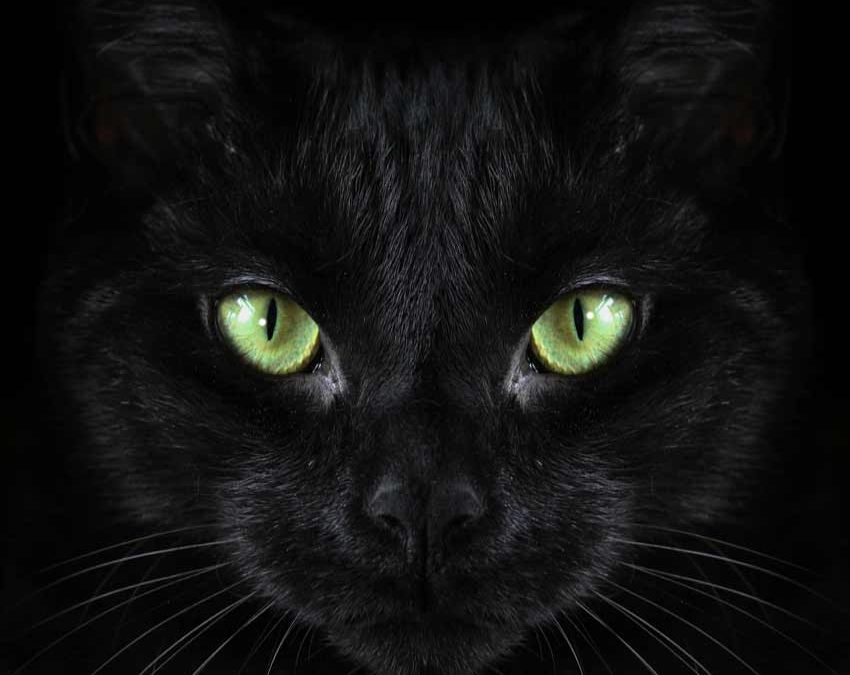
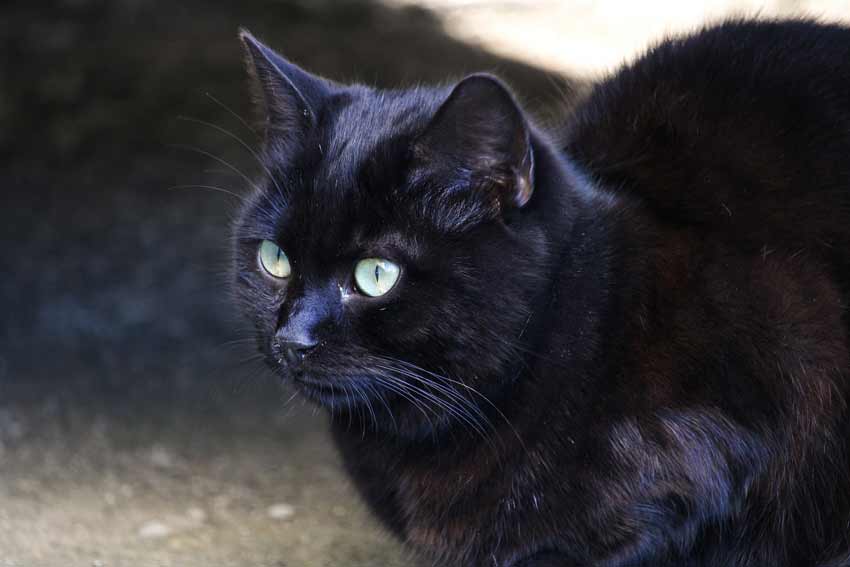
Black Cats With Green Eyes

Black Cats With Green Eyes

Quick Answer: Black cats with green eyes are a striking but common combination, since green is one of the most frequent eye colors in cats and pairs naturally with solid black coats — it’s not tied to any specific breed or health condition.

Key Takeaways

  • Green eyes are a genetically common color in cats generally.
  • Black coat plus green eyes is a classic, widely seen combination.
  • Not linked to any one specific breed, since it appears in mixed and purebred cats alike.
  • Eye color can shift slightly as kittens mature into adulthood.
  • No health implications are tied to this particular color combination.

Why Trust This Guide?

This guide is researched and written by the Pets Store Home editorial team, drawing on general pet-care and industry information. It’s intended as general information; consult a vet or specialist for advice specific to your pet or situation.

Quick Answer: Black cats with green eyes are a striking but common combination, since green is one of the most frequent eye colors in cats and pairs naturally with solid black coats — it’s not tied to any specific breed or health condition.

Key Takeaways

  • Green eyes are a genetically common color in cats generally.
  • Black coat plus green eyes is a classic, widely seen combination.
  • Not linked to any one specific breed, since it appears in mixed and purebred cats alike.
  • Eye color can shift slightly as kittens mature into adulthood.
  • No health implications are tied to this particular color combination.

Why Trust This Guide?

This guide is researched and written by the Pets Store Home editorial team, drawing on general pet-care and industry information. It’s intended as general information; consult a vet or specialist for advice specific to your pet or situation.

Introduction to black cats with green eyes

Black cats with green eyes are a unique and striking type of feline. Black cats are known for their sleek and mysterious appearance, and when combined with the vividness of green eyes, they become even more fascinating. Green eyes in cats are caused by a combination of genetics and melanin, which is the pigment that gives cats their coat color. 

The intensity of the green colour can vary depending on the amount of melanin present in the iris of the eye. Black cats have a long and complex history, often associated with superstition and mythology. In some cultures, black cats are considered to bring good luck and fortune, while in others, they symbolize bad luck and evil. 

Despite these beliefs, black cats with green eyes are loved and admired by many for their striking beauty and unique personality.

Overall, black cats with green eyes are a stunning and captivating type of feline that has captured the hearts of many cat lovers.


Black Cats With Green Eyes

The History of black cats in different cultures

The history of black cats in different cultures is a complex and fascinating topic, with many different beliefs and superstitions surrounding these animals. Here are a few examples:

Ancient Egyptians: In ancient Egyptian culture, cats, in general, were highly respected and even worshipped as sacred animals. Black cats were believed to bring good luck and fortune and were often depicted in art and literature.

Medieval Europe: During the Middle Ages in Europe, black cats were associated with witchcraft and were believed to be companions of witches. This led to a widespread fear of black cats, with many people believing that they were evil and could bring bad luck.

Japan: In Japan, black cats are seen as symbols of good luck and fortune. In fact, it is believed that if a single woman owns a black cat, she will attract many suitors.

Scotland: In Scottish folklore, a black cat appearing on your doorstep is a sign of prosperity and good luck. However, if a black cat crosses your path, it is considered bad luck.

United States: In the United States, black cats have been associated with Halloween and other spooky occasions. Many people believe that they are unlucky, and some animal shelters will not adopt black cats around Halloween out of fear that they may be mistreated.

Despite 

England: In England, black cats were often seen as bringers of good luck, and were even believed to protect homes from evil spirits. Sailors would often keep black cats on their ships, as it was thought that they would ensure a safe journey.

India: In India, black cats are also considered to be lucky, especially if they cross your path from left to right. They are also believed to bring wealth and prosperity to their owners.

Ancient Rome: In ancient Rome, black cats were associated with the goddess Diana, who was often depicted with a black cat by her side. Black cats were also believed to protect homes and families from evil spirits.

Ireland: In Irish folklore, black cats were believed to have the power to cure illness and disease. It was also believed that if a black cat crossed your path, it was a sign that good luck was on its way.

Despite 

Scandinavia: In Scandinavian countries, black cats were believed to be able to see the future and predict the weather. It was also believed that if a black cat was seen at a wedding, it would bring the couple good luck.

Middle East: In some Middle Eastern cultures, black cats are considered to be sacred and are believed to possess magical powers. They are often seen as protectors and are kept as pets in many households.

Africa: In some parts of Africa, black cats are seen as spiritual beings and are believed to have a connection to the spirit world. They are often associated with witchcraft and are sometimes used in rituals and ceremonies.

Despite the many beliefs and superstitions surrounding black cats in different cultures, it is important to remember that they are just animals and should be treated with love and respect. They make wonderful pets and companions, and their unique appearance and personality traits have made them beloved by many people around the world.


Exploring the genetics behind black cats and green eyes

The genetics behind black cats and green eyes is complex and involves multiple genes controlling coat and eye colour.

Two genes determine cat coat color: the melanocortin 1 receptor (MC1R) gene and the agouti signalling protein (ASIP) gene. The MC1R gene controls melanin production, the pigment that gives cats their color. 

The ASIP gene regulates the distribution of melanin in the hair shaft. In black cats, the MC1R gene produces large amounts of melanin, while the ASIP gene prevents the expression of any color except black.

Multiple genes also determine eye color in cats. The green color of a cat’s eyes is caused by a combination of yellow and blue pigments. The yellow pigment in the iris is determined by the presence of the oculocutaneous albinism II (OCA2) gene. 

This gene also controls the production of melanin in the skin and hair. The blue pigment in the iris is caused by the scattering of light, which is influenced by the structure of the iris.

Therefore, for a black cat to have green eyes, it must carry the genes that control both black coat colour and green eye color. It is also possible for a black cat to have other eye colors, such as gold or yellow, depending on the combination of genes inherited from its parents.

In conclusion, the genetics behind black cats with green eyes is a fascinating and complex topic involving multiple genes that control coat and eye color. 

The unique combination of these genes creates the striking appearance of black cats with green eyes, which has captured the attention and admiration of many cat lovers.


Myths and superstitions surrounding black cats with green eyes

Several myths and superstitions surround black cats with green eyes, some of which are rooted in history and culture. Here are a few examples:

Bad luck: In some cultures, black cats with green eyes are considered to be harbingers of bad luck. This belief likely stems from medieval Europe, where black cats were associated with witchcraft and were believed to be witches’ companions. This led to a widespread fear of black cats, with many people believing they were evil and could bring bad luck.

Good luck: In contrast, in some cultures, black cats with green eyes are believed to bring good luck. For example, in Japan, black cats are seen as symbols of good luck and fortune. It is also believed that if a black cat appears on your doorstep, it is a sign of prosperity and good luck.

Supernatural powers: Black cats with green eyes are sometimes associated with supernatural powers or abilities. In ancient Egypt, cats were considered to be sacred animals and were believed to have supernatural powers. This belief continued in other cultures, where black cats with green eyes were believed to have the ability to see into the spirit world or predict the future.

Halloween: Black cats with green eyes are often associated with Halloween and other spooky occasions. Some people believe that they are more likely to encounter a black cat with green eyes during this time, and that the cat may be a sign of something supernatural or ominous.

It is important to remember that these beliefs and superstitions are not based in fact, and that black cats with green eyes are just like any other cat. They are playful, affectionate, and make wonderful pets. It is up to us to challenge these superstitions and treat all animals with kindness and respect.

Protective powers: In some cultures, black cats with green eyes are believed to have protective powers. For example, in Scotland, it is believed that a black cat entering a home signifies that good fortune is on its way and that the cat will protect the home from harm. In some parts of England, owning a black cat is believed to protect a sailor from danger while at sea.

Satanic associations: Unfortunately, some people still associate black cats with Satanism or witchcraft, leading to acts of cruelty and abuse against black cats. For example, some people have been known to harm or even kill black cats on Halloween, believing that this will bring them good luck or protect them from evil. It is important to remember that these beliefs are unfounded and that all cats deserve to be treated with love and kindness.

Mystical and magical qualities: Some people believe that black cats with green eyes possess mystical or magical qualities, such as the ability to bring good fortune or ward off evil. These beliefs have persisted throughout history and are still held by some people today.

Overall, the myths and superstitions surrounding black cats with green eyes are varied and complex and often reflect the beliefs and values of different cultures and societies. While some of these beliefs may seem harmless, it is important to remember that they can also lead to prejudice and discrimination against black cats. As responsible pet owners and animal lovers, we should strive to challenge these beliefs and treat all animals with respect and compassion.


How big is a Rusty spotted cat?

How big is a Rusty spotted cat?

Quick Answer: The rusty-spotted cat, one of the smallest wild cat species in the world, typically weighs just 1-1.6 kg and measures around 35-48 cm in body length, roughly half the size of an average domestic cat.

Key Takeaways

  • One of the smallest wild cat species in the world.
  • Native to India and Sri Lanka.
  • Adults typically weigh only 1-1.6 kg.
  • Not a domesticated species and not legally kept as a pet in most places.
  • Classified as near threatened, largely due to habitat loss.

Why Trust This Guide?

This guide is researched and written by the Pets Store Home editorial team, drawing on general product and buying-guide information. It’s intended as general information to help with your decision.

How big is a Rusty spotted cat?

The rusty spotted cat is a unique cat species that piques the interest of experts and animal lovers. This cat, which is indigenous to India and Sri Lanka, is distinguished by its characteristic reddish coat with black dots and its relatively small size. The Rusty Spotted Cat is the smallest wild cat in Asia, but it has a strong disposition and extraordinary hunting abilities. 

But this mysterious species is much more complex than its size and look alone would suggest. This blog post examines the numerous facets of the physical traits, habitat, behaviour, and ecological relevance of the “how big is the Rusty Spotted Cat?” subject. We draw on academic research, field observations, and professional opinions to comprehensively describe this unusual cat species. 

This article will provide you with a thorough and interesting viewpoint on the Rusty Toad, regardless of whether you are a professional biologist, an amateur naturalist, or just someone who wants to learn more about the variety of living things in the world.

The rusty spotted cat is one of the tiniest wild cats in the world.

At up to 35 cm, the Rusty Spotted Cat (Prionailurus rubiginosus) is regarded as one of the tiniest wild cats in the world (excluding their tail). They normally only weigh up to 1.5 to 2 kilos when completely grown. 

They live in dry woods, scrublands, and grasslands, primarily in India and Sri Lanka. Their little stature is an adaptation that helps them hunt and survive in their particular environment due to their rarity in the wild and elusiveness as a species, rusty-spotted cats. 

They are excellent hunters and can take down anything larger than themselves despite their small size. Their small stature betrays their tremendous contributions to the natural world; they play both a predator and a prey role in their environment.

It is comparable in size to a house cat.

One of the tiniest wild cats in the world is the rusty spotted cat, also known by its scientific name Prionailurus rubiginosus. It is indigenous to the grasslands and forests of Sri Lanka and India. 

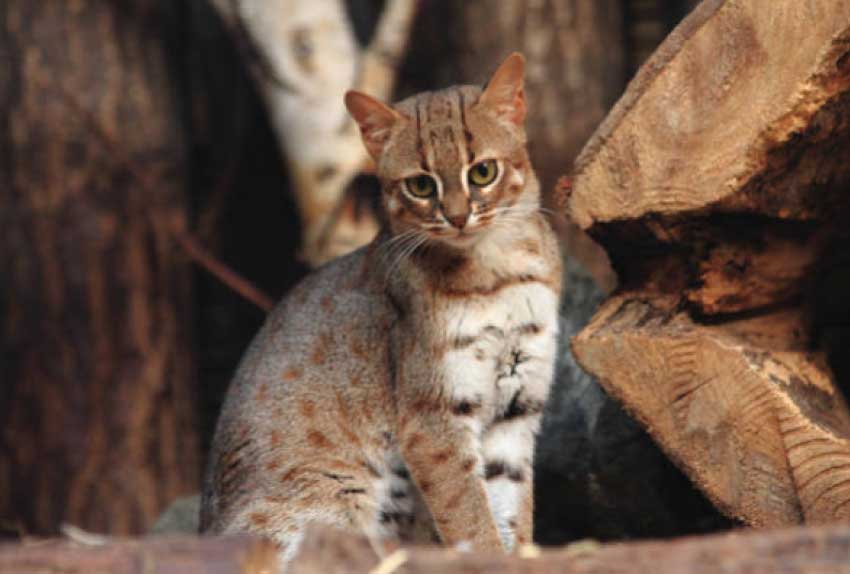
Although the rusty spotted cat is frequently compared to domestic cats in size, it has attracted a lot of interest and curiosity. In fact, at barely over 2 pounds on average, it is considered Asia’s smallest wild cat. It measures between 35 and 48 cm (14 and 19 inches) from head to tail, with a shoulder height of roughly 20 cm (8 inches). 

Despite its small size, the rusty-spotted cat is a formidable predator with exceptional agility and hunting ability.

An adult Rusty Spotted Cat has a head and body length that ranges from 35 to 48 cm.

Small wild cat species known as the Rusty Spotted Cat are indigenous to the Indian subcontinent. According to experts, an adult Rusty Spotted Cat has a head and body length that ranges from 35 to 48 cm. At length, about equivalent to a domestic cat, it is regarded as one of the smallest wild cats worldwide. 

The Rusty Spotted Cat is a small but effective predator that eats a variety of small prey, including rodents, birds, and insects. Little is understood about the ecology and behaviour of this fascinating species because of its small size and elusive character.

The tail measures 15 to 25 cm in length.

The minuscule size of the Rusty Spotted Cat, a small wild cat species that is native to South Asia. Despite being one of the tiniest cat species in the world, its tail is proportionate to its body size, measuring between 15 and 25 centimetres. 

Due to its diminutive size, this cat has drawn the attention of both researchers and nature enthusiasts. Even though its tail may appear relatively tiny, the Rusty Spotted Cat uses it for important functions like balance and communication with other cats.

The weight of an adult rusty spotted cat ranges from 0.8 to 1.6 kg.

With a length that ranges from 35 to 48 cm, the Rusty Spotted Cat is one of the tiniest wild cats in the world, according to studies. The adult Rusty Spotted Cat is around the size of a domestic cat and weighs between 0.8 and 1.6 kilos. These cats are thinly built, have small legs, and have short and narrow tails. 

They can blend in with their surroundings in the wild because of their rusty or tawny fur with black patches and stripes. Rusty Spotted Cats are renowned for being athletic and agile hunters, feeding on small rodents, reptiles, and birds despite their small size. The Rusty Spotted Cat is an interesting and unusual animal species that is worth learning about and studying because of its size.

The male and female Rusty Spotted Cats differ slightly in size.

Small wild cat species known as the Rusty Spotted Cat can be found in India, Sri Lanka, and some other Asian countries. The female Rusty Spotted Cat is significantly smaller than the male, a distinguishing feature of this species. The trained eye can still tell even when there isn’t much of a size difference. 

Rusty Spotted Cat adult males normally weigh between 0.8 and 1.6 kilograms, while females typically weigh between 0.6 and 1.3 kg. They are the smallest wild cat species in the world due to their diminutive stature. Despite their small size, they are agile predators and have adapted to various habitats, from dry shrubland to thick forests. The Rusty Spotted Cat is considered vulnerable to extinction owing to habitat loss and poaching.

The Rusty Spotted Cat’s little stature makes it easier for it to move around and hunt in its habitat, which is heavily forested.

The Rusty Spotted Cat, one of the tiniest wildcats in the world, benefits greatly from its small size in its heavily wooded home. The Rusty Spotted Cat, which averages only 35 centimetres in length and weighs between 0.9 and 1.6 kilos, is an expert at navigating through the thick undergrowth and foliage of its forest environment. The Rusty Spotted Cat can hunt more effectively due to its small size, allowing it to move more quickly and agilely than larger predators. 

The Rusty Spotted Cat is a nocturnal hunter that uses its keen senses and exceptional hunting abilities to capture prey like mice, tiny birds, and insects. Overall, the Rusty Spotted Cat’s small size gives it a distinct advantage in its natural environment, enabling it to flourish and endure as a significant predator in the ecosystem.

The Rusty Spotted Cat is a vicious predator that can take down larger prey despite its small size.

One of the tiniest wild cats in the world, the rusty spotted cat weighs about 0.9 to 1.6 kg and is 35 to 48 cm long. Despite its diminutive size, this cat is a vicious predator and can take down prey that is bigger than it. It has exceptional hunting abilities and is quick enough to catch prey that moves quickly, like insects, small birds, rodents, and lizards. 

It can ambush and swiftly immobilise victims thanks to its stealthy approach, sharp retractable claws, and biting teeth. The superb hearing and vision of the Rusty Spotted Cat let it discover and stalk prey, which contributes to its successful hunting. Despite its small size, the Rusty Spotted Cat is a powerful and effective predator in its natural environment.

The Rusty Spotted Cat originates from Sri Lanka and India.

Little wild cats with rusty spots are indigenous to India and Sri Lanka. With an average adult body length of approximately 35–48 centimetres and a weight range of 0.9–1.6 kilos, it is considered the world’s smallest wild cat species. Short, reddish-brown fur with rusty patches and stripes on its legs and tail covers this tiny cat’s body. 

While they may be small, the Rusty Spotted Cat is known for being a formidable predator, hunting small mammals, birds, and reptiles. This species has been designated as “Near Endangered” on the International Union for Conservation of Nature’s (IUCN) Red List of Threatened Species due to habitat loss and fragmentation.

The Rusty Spotted Cat is classified as Near Endangered due to habitat degradation and killing.

Little wild cats called the Rusty Spotted Cat (Prionailurus rubiginosus) can be found in Sri Lanka and India. The Rusty Spotted Cat, which weighs just 0.6 to 1.6 kg, is classified as Near Endangered on the IUCN Red List of Threatened Species due to several dangers it encounters despite its small size. 

The main risks to this species include hunting and trapping for the illegal wildlife trade, habitat loss, fragmentation, and degradation. As a result, the Rusty Spotted Cat population is steadily declining, and urgent action is needed to stop further damage to this rare and interesting animal.

In conclusion, despite its diminutive size, the rusty-spotted cat is mighty in terms of its ecological significance and evolutionary adaptations. It is also one of the cutest and most popular cat species due to its small stature. Even while there is still much to learn about this secretive predator, the fact that it exists speaks to the variety and richness of the natural world. We must protect these little cats’ survival in the face of mounting challenges as humans’ impact on their environments continues.


Facial Features Vary Across the Cat World Too

Size isn’t the only trait that varies widely among cats. Domestic breeds show striking differences in facial structure as well; our guide to cat nose shapes breaks down why some breeds have long, straight noses while others, like the Persian, have a completely flat profile.

Wolf cat | Lykoi | Breed | Baby | Kitten | Animal

Wolf cat | Lykoi | Breed | Baby | Kitten | Animal

Quick Answer: The Lykoi, nicknamed the ‘wolf cat,’ is a rare natural mutation breed known for its partially hairless, wolf-like coat caused by a specific gene affecting hair follicles, and while striking in appearance, it behaves like a typical domestic cat in temperament and care needs.

Key Takeaways

  • The Lykoi coat pattern comes from a natural gene mutation, not crossbreeding with wild animals.
  • Coat can range from mostly bald to partially furred and may change with molting.
  • Despite the wild look, temperament is typically affectionate and playful, like other domestic cats.
  • Skin needs some extra care due to reduced coat coverage.
  • Kittens can be pricey given the breed’s rarity.

Why Trust This Guide?

This guide is researched and written by the Pets Store Home editorial team, drawing on general veterinary and animal-care information. It’s intended as general information; consult your vet for advice specific to your pet.

What is a Wolf cat?

Wolf cats have been around for about twenty years, and while their names have often been misleading, they have some distinguishing characteristics. Because of their patchy fur and lack of obvious health problems, these cats aren’t a good option for homes with children or pets, but some people find them cute. Shortly, more breeders are releasing wolf cats into the wild, so you might want to check them out.

The big ears and large eyes of Lykoi cats make them easy to dirty. During molting season, you may have to bathe them daily to keep their fur clean. A unique cat shampoo is recommended for these furry friends. In addition to bathing, Lykoi cats also need daily brushing. You might consider adopting a Lykoi if you’re looking for a fun pet.

Wolf cats are intelligent, loyal, and healthy cats. Their prey drive is high, but they’re not dangerous. Owners of wolf cats generally raise their cats indoors, and they will display friendly behaviors once they’re familiar with their surroundings. Because of their wolf-like appearance, wolves are excellent pets. They’ll stay loyal to you even if you’re not at home. So, if you’re wondering what a wolf cat is, consider getting one for your home.

Sadly, they’re infrequent and expensive. Depending on where you buy your kitten, you could be spending over $1,500. If interested, you should check online or call a reputable breeder. Most breeders of Lykoi cats are scarce and have long waiting lists.

Another feature

Another feature is its hairlessness. This furless cat breed has no undercoat and molts rapidly that it becomes almost entirely bald. While there is no genetic link between a wolf cat and a hairless cat, owners were initially concerned that the new breed might cause various health issues. As it turns out, the two species are entirely different, but their similar appearances have led to confusion and even fear amongst cat lovers.

Wolf cat

Lykoi wolf cat

The Lykoi wolf cat is a furless and shaggy hybrid first seen in 2010. Its name is derived from the Greek word for “werewolf” and is an apt description, given its appearance. This cat is known to have patches of fur and is prone to transformations throughout its life. Lykoi cats are playful, affectionate, and loyal companions.

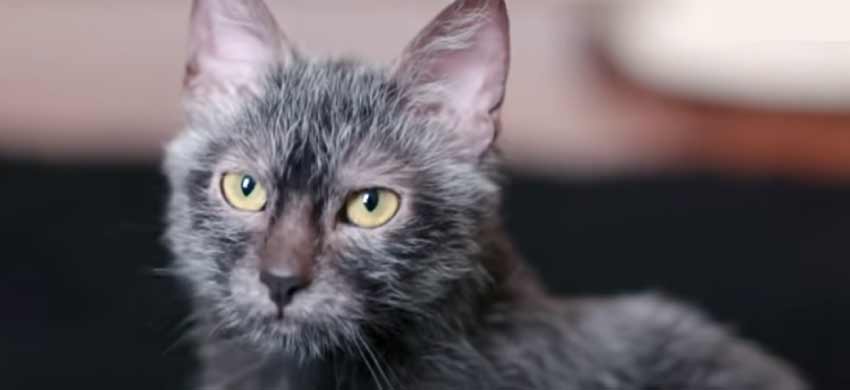
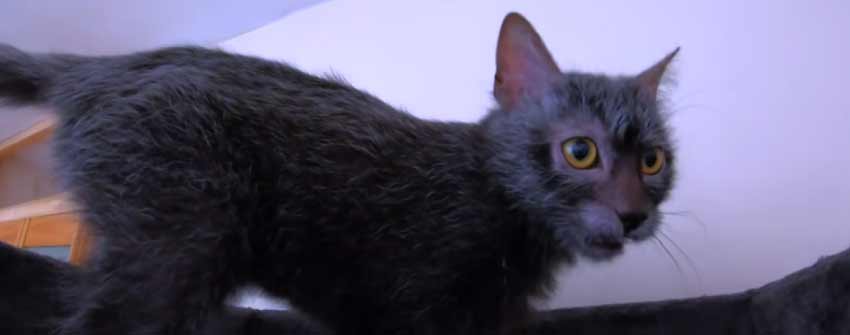
The Lykoi wolf cat has a distinctive coat known as a “roan.” The feline lacks an undercoat, giving them the wolf-like appearance they are famous for. They molt twice a year and shed their entire coat. Then, they grow back with different shades of fur. Their skin does not shed heavily but requires a bath once a month.

Breeders have found that this gene is not caused by a disease, as some breeders have claimed. In addition, dermatologists have ruled out the possibility that the hair growth patterns are due to an illness or infection. Instead, the genetic mutation causing this characteristic is recessive. As a result, breeders have begun to breed Lykoi with black domestic cats. This way, the cats can be coupled with each other without the fear of disease.

Although the Lykoi wolf cat looks like a wolf, it is an independent creature with its mind. While Lykoi wolves are known to be independent, they can also be easily manipulated into lap-warming creatures.

Greek for “wolf cat”

Its name is Greek for “wolf cat” and reflects its appearance. These cats have shaggy, sparse coats and haunting yellow eyes. They can sometimes be seen stalking the perimeter of campsites, making campers drop their s’mores and other treats. The Lykoi wolf cat is the newest breed to have received preliminary recognition by the Governing Council of the Cat Fancy.

The Cat Fanciers’ Association formally recognized the Lykoi breed in May of 2018. The International Cat Association has been working with the CFA on expanding the breeding program. Until 2022, Lykoi of all colors will be accepted as a Provisional Breed and eligible for Championship status by 2023. These cats should be kept indoors, as they tend to shed their coats.

Despite its size and appearance, the Lykoi is very friendly and easygoing. They are familiar with humans, other cats, and dogs, though they can be a bit aloof and prone to wandering. Unlike other breeds, the Lykoi is not a lap cat but can tolerate long periods of isolation. The Lykoi cat enjoys interacting with people and playing with toys. However, they are not very good with children and should not be expected to be the lap cat of your child.

Wolf cat breed

Consider the wolf cat breed if you want a unique, engaging, and beautiful pet. These animals have lots of personalities and are great companions. If you have the time and energy to devote to caring for a wolf cat, you’ll find that they make great pets. Of course, they are not for everyone. As with any cat breed, you should do your research before adopting a wolf.

The wolf cat is a relatively recent breed, appearing in Tennessee about 20 years ago. This breed is named after a genetic mutation that makes its coat resemble a wolf’s. Although this mutation is recessive, it doesn’t make it susceptible to disease. Wolf cat breeders often breed them with Lykoi cats, domestic cats. While they look similar to wolves, the Lykoi cat breed’s appearance and behavior differ.

The wolf cat breed needs daily exercise, including at least fifteen to twenty minutes of playtime. It can also play with other cats or children. A few toys will help stimulate this active breed. You should brush its fur two to three times a week. Monthly baths will help keep the exposed skin free of oil and dirt. Although the wolf cat breed doesn’t need daily grooming, you will still want to keep it clean and well-kept.

The price

The price of a werewolf kitten will depend on where you get one. A kitten can cost $1,500 to two thousand dollars. However, you’ll have to wait a long time to get a wolf kitten, as only a handful of breeders raise these magnificent animals. The Governing Council of the Cat Fancy granted preliminary recognition to this breed last year.

To raise a wolf cat as a pet, you should research the Lykoi breed. They have long, thin fur and are also known as werewolf cats. Their name derives from Greek and means wolf cat. Several cat breeds have bobbed tails, but there is an entirely hairless variety of the Lykoi. Manx cats are often called rumpies, and some even have stumpy seats.

The Lykoi cat is similar to the wolf cat in appearance and personality. It’s a medium-sized cat with a wedge-shaped head. It has a hairless mask and is often confused with a sphynx cat. The two breeds do not have a genetic resemblance despite their similar looks. These cats can be easily trained to be social and playful around other cats.

How much is a Persian cat?

If the Lykoi’s striking looks appeal to you but you’d rather have a more established, widely available breed, our guide to Bengal cat behavior covers another visually distinctive, high-energy option.

Other Unusual Genetic Traits in Cats

The Lykoi’s werewolf-like coat is one striking example of a naturally occurring genetic mutation in cats. Another, less visually dramatic example is a kinked tail, caused by vertebrae fusing at an angle before birth – a harmless quirk found in breeds like the Siamese, Manx, and Japanese Bobtail.

How much is a Persian cat?

How much is a Persian cat?

Quick Answer: Persian cats typically cost between £500 and £1,500 from a reputable breeder in the UK, or higher for show-quality lines, with price varying by coat color, pedigree, and whether the cat comes from championship bloodlines.

Key Takeaways

  • Standard pet-quality Persians are generally the most affordable.
  • Show-quality or rare-colored Persians command higher prices.
  • Always ask for health testing given the breed’s predisposition to breathing and eye issues.
  • Adoption through breed-specific rescues is often cheaper than buying.
  • Budget for ongoing grooming costs given their long, high-maintenance coat.

Why Trust This Guide?

This guide is researched and written by the Pets Store Home editorial team, drawing on general veterinary and animal-care information. It’s intended as general information; consult your vet for advice specific to your pet.

How much is a Persian cat?

Consider the price range if you wonder how much a Persian cat is. Prices can vary anywhere from $100 to $500 for a Persian kitten, depending on the breed and region. Older Persians are generally less expensive and will cost a few hundred dollars less than kittens with the same pedigree. For more information on the different breeds of Persian cats, see our articles on Birman, Havana Brown, and Persian cats.

The rarer a Persian cat is, the more expensive it will be. A white Persian cat with blue eyes will cost more than a standard black cat, but you should not base the price of a Persian cat solely on its coat color. And if you want to adopt a kitten from a shelter, you’ll probably need to spend more than usual.

Budget

Once your Persian kitten is healthy, the cost of its care will start to taper off. You should budget for an average of $960 per year for its health care and supplies. These costs vary depending on brand and overall health, so shop for the best deal. However, do not forget to take your kitten to the vet regularly. Vaccinations, checkups, and de-worming treatments will add to the cost of care.

While many breeds are self-grooming, you may find that your Persian cat will require professional grooming. Regular bathing and brushing can run you anywhere from $50 to $80 a visit. Grooming costs can quickly add up if you go overboard with accessories. To avoid spending more than you can afford, it is wise to invest in a cat carrier and high-quality Persian shampoo.

As with any cat breed, the time you spend caring for your new friend will vary based on the species. You need to clean the space and get a powerful vacuum cleaner to remove the cat hair. Persian cats are some of the most friendly and affectionate pets available.

Generally, a Persian cat costs between $500 and USD 5,000. However, some Persian cats can cost up to $5k. However, this price range can be much higher for a white or super flat-faced cat.

Persian cat price

If you are planning to buy a Persian cat, you may be wondering how much it will cost. However, the price of a Persian cat depends on various factors, and you should consider the breed’s quality when determining its worth.
The first year of a Persian’s life is usually around $1925, and the average cat will live for up to 17 years. A show-quality Persian will cost more than $3000. It is advisable to find a reputable breeder and visit the cats. You should also meet the parents, which will ensure a healthier and more desirable Persian. The first year’s cost can vary from $640 to $3,000, while a second year costing $840 to 1860 can range from $70 to $155 depending on the color of the Persian.
It is known for its long, shiny coat and sweet temperament. The breed is one of the oldest cat species and has been popular since ancient times. You may have already noticed these beautiful cats in a hieroglyphic of 1684 BC. However, a Persian cat’s price depends on several factors, including its temperament and grooming requirements. A breeder following proper guidelines will have strict hygiene standards and must be willing to spend the time necessary to care for the kittens and breeding queen.

Baby Persian cat

Baby Persian cat color

Are you considering a Persian cat as a pet? Generally speaking, Persian cats make excellent pets for all family members, including older children and senior citizens. Persian cats enjoy being noticed, but they don’t demand constant attention.

Lilac cream: This Persian has a rich cream color with lavender-pink patches. Their paw pads and noses are a beautiful shade of lavender. The eyes are copper. The body color is ivory, while the face is cinnamon or lilac. Some Persians have patchy red patches. Their noses are usually dark, but they can also be white.

Chocolate-silver tabby: These Persians have a milk chocolate ground color and a classic tabby pattern. Their noses are pink. Their paw pads are also pink. Their eyes are green or brown. This cat’s fur is silky, so it’s effortless to care for. And if you’re a lover of color, a Persian kitten will give you plenty of joy! So, what color do you want?

A thick, lustrous coat and long paws signify a beautiful Persian cat. They’re an excellent choice for cat lovers who love a regal cat. They’re gentle and affectionate and are good with children but tend to reserve their attention for family and trusted guests. You can even let a Persian kitten play with your children! They’ll even play house on your couch! A Persian cat will never mind a change in routine!

The color of a Persian cat’s fur can vary greatly. Some Persians are entirely white, while others have brown or mackerel patches. Some Persians have red or cream points but no brindle. Some Persians are chocolate-colored. If you don’t like the look of a chocolate-silver Persian, you can choose another color. You can get a kitten with either mackerel or a classic tabby pattern.

Another

Another difference between a Persian cat and a Siamese is their color. Persian cats have the classic pointed coloration, with a clear contrast between their body and their points. Persian cats have long, dense coats with deep seal brown points, unlike other short-haired breeds. If you’re interested in a Persian cat, consider its personality and coat color.

Whether you’re looking for a Persian baby cat or a long-haired Persian, you can find one that matches your home’s decor. These pets can make the perfect pet for a family, a pet store, or even a holiday companion. Just be sure to choose the right cat for your lifestyle and budget! You’ll be glad you did. And the best part is that a Persian cat is one of the best investments you can make in your life.

Persian cat health issues

The following are common health issues that affect Persian cats. To minimize these risks, consider the following tips:

First

First, you should know that Persian cats are prone to kidney disease and other underlying medical conditions. Although most cats do not show any symptoms of these ailments until their later stages, these diseases can be debilitating. You should ensure your Persian cat gets annual dental exams and checkups from your veterinarian to ensure your pet’s overall health. This breed was the first to be featured in a cat show in 1871 and won the prize for “Best in Show.”

Second

Second, Persian cats are susceptible to eye and bottom problems. Eye and bottom problems are genetic and can occur due to improper breeding practices. You can avoid such situations if you buy Persian kittens from a reputable breeder. These cats have a typical lifespan of eight to ten years. They are also highly heated and sensitive. They need a high-protein diet for good health.

While it may seem tempting to let your cat groom, taking care of your pet’s skin and coat is essential. Hairballs can be dangerous for your Persian cat’s health. In addition to blocking defecation, your cat’s fur can cause skin issues and block the air passage. Veterinary care is essential for Persian cats with these problems. If your pet is suffering from hairballs, you should consider getting them a professional groomer to remove the mats.

Brushing

Brushing should be done with a metal comb to keep their coats clean. Persians like to feed twice a day, although kittens may not want to eat at certain times. Wet and dry food are both beneficial for your cat’s health. A regular brushing schedule will ensure your cat’s health and happiness.

Once or twice a week is preferable. This will help keep their coats clean and prevent tangles. Regular brushing will also reduce the incidence of cat allergies. Everyday grooming routines should be established while your Persian kitten is young.

In addition to a regular brushing routine, Persians have the same health problems as their grey counterparts. However, black Persians are more active and require more frequent veterinary attention. Black Persians can develop the genetic disorder PKD, which affects the kidneys. Fortunately, if detected early, treatment can make your kitten healthier and longer-lived. This congenital disease is curable with proper care and a responsible breeding program.

Long hair persian cat

The long-haired Persian cat is a breed of domestic cat with a thick, luscious coat. It is a gentle cat with a gentle temperament. Unlike some cats, however, Persians must be groomed and bathed regularly to keep their fur healthy. This cat is known for its long coat and gentle personality, but proper care and nutrition are essential to prevent health problems. Here are some tips for caring for your long-haired Persian cat:

The Persian breed of cat has a long and distinguished history. Although the Persian breed was first introduced to Europe in the mid-late 1500s, long-haired Persians were present there for much longer than a century. Roman and Phoenician caravans carrying cats from Persia brought the breed to Europe. It is believed that the long-haired gene first appeared spontaneously in cats living in cold mountainous regions of Persia.

Long-haired Persian cats have a luxurious coats and are a popular choice for cat lovers. The Persian breed has a rich history, and its long coats make them attractive. While some people may prefer short-haired cats, Persians are among the oldest domesticated cats. They also form strong bonds with humans and are a perfect pet for many people.

This breed has been around since 1684 B.C. and is a famous cat breed worldwide. In 2018, it was the fourth most popular breed in the Cat Fanciers’ Association, the world’s largest cat registry.

For a deeper breakdown of grooming, veterinary, and ongoing expenses beyond the initial purchase price, see our full guide to Persian cat cost.

Physical Traits Beyond Coat and Price

When researching a specific breed’s cost, it’s worth remembering that physical quirks like a kinked tail generally don’t affect a kitten’s price the way lineage and coat quality do – a kink is usually just a harmless genetic trait rather than something that changes a cat’s value.

How Does This Compare to a Bengal?

Persians and Bengals sit in a similar price bracket among purebred cats, though for very different reasons: Persian pricing is driven mostly by coat type and lineage, while Bengal kitten prices swing dramatically based on generation, since Bengals are a hybrid breed descended from the Asian Leopard Cat. If you’re weighing both breeds, it’s worth comparing not just cost but temperament, since the two breeds have very different energy levels and care needs.

Persian cat cost

Persian cat cost

Quick answer: A Persian cat typically costs between $500 and $2,500 to acquire, depending on whether you adopt or buy from a breeder, plus roughly $1,000-$2,000 in the first year for grooming tools, veterinary care, food, and supplies. Ongoing annual costs usually run $800-$1,500, with daily grooming and specialized veterinary care being the two expenses that set Persians apart from lower-maintenance breeds.

Key Takeaways

  • Adoption typically costs $75-$300 through a rescue, while breeder kittens generally range from $800-$2,500 or more depending on pedigree and coat type.
  • Grooming is the single biggest ongoing cost difference versus other breeds – daily brushing plus periodic professional grooming can add $600-$1,200 a year.
  • Persians are prone to specific health issues, including polycystic kidney disease (PKD) and brachycephalic breathing problems, which can mean higher lifetime vet costs.
  • Reputable breeders should provide health testing documentation (especially PKD screening) – a price that seems unusually low is often a red flag for corners being cut.
  • Total first-year cost, including acquisition, is commonly $1,500-$4,000 depending on source and health status.

Why Trust This Guide?

This guide reflects typical Persian cat pricing and care-cost patterns reported by breeders, rescues, and veterinary sources, focused on giving prospective owners a realistic budget rather than a single misleading number. Costs vary by region and individual cat, so treat these as planning ranges rather than fixed prices.

Understanding Persian Cat Pricing

The Persian is one of the oldest and most recognizable cat breeds, known for its long, flowing coat, flat face, and calm, gentle temperament. That distinctive look comes from generations of selective breeding, which is part of why Persians tend to cost more than many other cat breeds both to acquire and to maintain. Understanding where that cost comes from – and where it’s reasonable to spend less – makes it much easier to budget accurately before bringing one home. For a second opinion on typical pricing, our companion piece on how much a Persian cat costs breaks down price by source in more detail.

Price varies enormously depending on where you get your Persian. A rescue or shelter adoption is by far the most affordable route, while a breeder kitten with championship bloodlines and rare coat coloring can run into the thousands. Neither extreme is necessarily “better” – it depends on your priorities, whether you want a specific look or pedigree, and how much of the cost you’d rather put toward initial acquisition versus ongoing care.

It also helps to separate the idea of “cost” into two distinct budgets: the one-time cost of acquiring the cat, and the recurring annual cost of keeping it healthy and well-groomed for what is typically a 12-17 year lifespan. Many first-time Persian owners focus heavily on the acquisition price and underestimate the ongoing commitment, which is one of the more common reasons Persians end up surrendered to rescues by owners who didn’t fully plan for the grooming and health-care demands ahead of time.

Upfront Cost: Adoption vs. Breeder

Adopting a Persian (or Persian mix) from a rescue or shelter typically costs $75-$300. This fee usually includes spay or neuter surgery, initial vaccinations, and sometimes a microchip – all of which would otherwise be separate expenses if you started with an unaltered kitten. Purebred Persians do show up in rescues more often than people expect, since the breed’s grooming demands lead to some owners surrendering cats they weren’t prepared to maintain.

Buying from a breeder is a significantly larger investment. Pet-quality Persian kittens (not intended for showing or breeding) generally run $800-$1,500 from a reputable breeder. Show-quality kittens with strong pedigrees, rare colors, or championship bloodlines can range from $1,500 to $2,500 or more. Be cautious of prices well below this range from an online seller or classified ad – unusually cheap purebred kittens are a common sign of a kitten mill or backyard breeder who hasn’t invested in health testing, proper socialization, or veterinary care.

What Makes Persian Cats More Expensive Than Average

Several factors converge to make Persians pricier than many other breeds, both to buy and to keep. First, responsible breeding requires health screening for polycystic kidney disease (PKD), a genetic condition common in the breed that causes cysts to form in the kidneys over time. Screening costs money, and breeders who do it properly pass some of that cost on to buyers – which is a worthwhile trade-off, since it reduces the odds of expensive health problems down the line.

Second, the Persian’s flat-faced (brachycephalic) structure, while part of the breed’s signature look, comes with a higher likelihood of breathing difficulties, eye discharge, and dental crowding compared to cats with a more typical muzzle shape. Traditional “doll-face” Persians have a slightly less extreme facial structure than modern show-standard “peke-face” Persians, and this distinction can affect both price and long-term health costs – doll-face Persians are often somewhat easier and cheaper to maintain from a health standpoint, even though they may cost less upfront than extreme show-type cats.

Third, coat maintenance is a genuine specialty skill. The Persian’s dense, long double coat mats easily without daily care, and professional groomers often charge more for Persians than for short-haired breeds because the process takes longer and requires more careful handling.

Ongoing Costs: Grooming

Grooming is where Persian ownership diverges most sharply from lower-maintenance breeds. A Persian’s coat needs brushing every single day to prevent mats and tangles, which if left unaddressed can become painful and may require a vet or groomer to shave out entirely. Daily brushing takes real time – typically 10-20 minutes – and requires the right tools: a wide-tooth comb, a slicker brush, and often a detangling spray.

Beyond daily home care, most Persian owners also schedule professional grooming every 4-8 weeks, which typically costs $50-$100 per session depending on your area and the groomer’s experience with long-haired breeds. Some owners choose to keep their Persian in a shorter “lion cut” to reduce daily maintenance, which is a legitimate option worth discussing with a groomer if the daily brushing commitment feels unmanageable. Eye area cleaning is another near-daily task for many Persians, since the breed’s facial structure often causes tear staining that needs gentle wiping to prevent skin irritation.

Added up over a year, grooming supplies and professional sessions commonly total $600-$1,200, making it one of the largest recurring costs of Persian ownership – often larger than food.

Ongoing Costs: Veterinary Care

Because of their breed-specific health predispositions, Persians often benefit from more frequent veterinary monitoring than the average cat. Routine annual care – checkups, vaccinations, and parasite prevention – typically runs $200-$400 per year, similar to other breeds. Where costs rise is in breed-specific screening and management: kidney function testing to monitor for PKD, regular eye exams for tear duct or corneal issues, and dental checks given the breed’s tendency toward crowded teeth.

Pet insurance is worth strong consideration for Persians specifically, given their elevated risk for certain hereditary conditions. Monthly premiums for a Persian typically run somewhat higher than for a mixed-breed cat, reflecting that increased risk, but can meaningfully offset the cost of an unexpected diagnosis or surgery. For a broader look at how policies and pricing work, our guide to pet insurance is a useful starting point, and setting aside a dedicated emergency fund is a reasonable alternative or supplement for owners who prefer to self-insure.

Ongoing Costs: Food, Litter, and Supplies

Day-to-day costs for a Persian aren’t dramatically different from other cats of similar size. Quality cat food typically runs $300-$600 per year depending on the brand and whether you choose wet, dry, or a mixed diet. Some owners choose food formulated for long-haired breeds, which can help reduce hairball frequency, though this isn’t strictly necessary if you’re already managing shedding through regular brushing.

Litter costs generally run $150-$300 annually, and it’s worth noting that Persians’ long fur can track litter more than short-haired breeds, so many owners invest in a litter mat or a covered box to help manage the mess. Basic supplies – a scratching post, toys, a carrier, and food and water bowls – are a one-time cost of roughly $100-$300 that most new owners need regardless of breed.

Total First-Year Cost Estimate

Putting the pieces together, a realistic first-year budget for a Persian cat looks something like this: $75-$2,500 for acquisition (adoption to high-end breeder), $600-$1,200 for grooming, $200-$500 for veterinary care and preventive treatment, $300-$600 for food, $150-$300 for litter, and $100-$300 for one-time supplies. That puts a typical first-year total somewhere between $1,500 and $4,000, with the wide range driven mostly by whether you adopt or buy from a breeder, and how much you invest in professional grooming versus doing it entirely yourself.

After the first year, expect ongoing annual costs of roughly $800-$1,500 for a healthy adult Persian, assuming no major medical issues arise. This is noticeably higher than the average cost of owning a short-haired domestic cat, primarily because of the grooming commitment – a cost that doesn’t go away as the cat ages the way some one-time expenses do.

Persian Cat Temperament and Whether the Cost Is Worth It

Persians are known for a calm, gentle, and affectionate temperament – they tend to be quieter and less demanding of active play than many other breeds, preferring to lounge nearby rather than climb curtains or chase toys for hours. This makes them a popular choice for owners who want a relaxed companion animal, particularly in calmer households or with older owners who appreciate a lower-energy pet. If you’re weighing a Persian against a more energetic option, our profile of Bengal cat behavior makes for a useful contrast in temperament and cost.

Whether the cost is “worth it” really comes down to whether you can realistically commit to the daily grooming routine. A Persian who isn’t brushed regularly doesn’t just look unkempt – matting can become a genuine welfare issue, leading to skin infections and pain, and severe cases sometimes require sedation for a full shave-down at the vet, which is far more expensive (and stressful for the cat) than consistent home grooming would have been. If you’re drawn to the Persian’s look and temperament but aren’t sure you can commit to daily brushing, it’s worth being honest with yourself before bringing one home, rather than after.

It’s also worth thinking about lifestyle fit beyond grooming. Persians generally do well in calm, predictable households and tend to be less tolerant of chaotic environments, boisterous young children, or other pets that don’t respect their space. They’re not typically a good match for owners hoping for a highly interactive, fetch-playing companion – their appeal lies in quiet companionship rather than constant engagement. Owners who value that calm presence, and who can commit the time grooming requires, often find the cost genuinely justified by the day-to-day experience of living with the breed.

How Persian Cost Compares to Other Long-Haired Breeds

Persians aren’t the only long-haired breed that comes with above-average grooming costs, so it’s worth understanding where they sit relative to similar options. Maine Coons have a long coat but a different texture that mats less readily, so while acquisition costs are often comparable to Persians, grooming costs tend to run somewhat lower – see our Norwegian Forest Cat vs. Maine Coon price comparison for specifics. Himalayans, which are essentially a Persian-Siamese cross with Persian-style coats and coloring, share nearly identical grooming and health cost profiles with Persians, including similar PKD risk – our guide to the Himalayan Persian mix price covers this closely related option in more depth.

Ragdolls and Norwegian Forest Cats, by contrast, have longer guard hairs and less dense undercoats than Persians, which generally makes them easier and cheaper to groom despite their size. If cost is a major deciding factor and you’re drawn to the general look of a long-haired cat rather than the Persian specifically, it’s worth researching these alternatives before committing, since the grooming savings can be substantial over a cat’s lifetime.

Additional Cost Considerations

A few less obvious expenses are worth budgeting for as well. Boarding a Persian while you travel typically costs more than boarding a short-haired cat, since many boarding facilities charge extra for cats requiring daily brushing, or may decline long-haired cats entirely if they’re not equipped to manage matting risk during a stay. Pet sitters who come to your home may also charge a premium if grooming is part of the requested care.

Seasonal coat blowouts – periods of heavier shedding, typically in spring and fall – can temporarily increase grooming time and may warrant an extra professional session or two per year beyond the routine 4-8 week schedule. As Persians age into their senior years (generally considered 10-plus), veterinary costs tend to rise as well, with more frequent bloodwork and monitoring for kidney function becoming standard practice given the breed’s PKD predisposition – a good reason to have pet insurance or a dedicated savings buffer in place well before a cat reaches its senior years rather than after a diagnosis.

Dental care is another cost that tends to be underestimated. Persians’ facial structure can lead to more crowded teeth than average, and professional dental cleanings under anesthesia – typically needed every couple of years for many cats – usually run $300-$700 depending on whether extractions are required.

How to Avoid Overpaying or Getting an Unhealthy Kitten

The Persian breed’s popularity, combined with its higher price point, unfortunately makes it a target for unscrupulous sellers. A legitimate breeder should be willing to show you health testing results for PKD, let you meet the kitten’s parents, and answer detailed questions about their breeding program without hesitation. Be wary of sellers who only communicate online, ship kittens sight-unseen, or pressure you to decide quickly – these are common signs of a kitten mill or scam operation rather than a responsible breeder.

If your budget favors adoption, check with breed-specific rescue organizations in addition to general shelters – many maintain waiting lists specifically for Persians and Persian mixes, and can often match you with a cat whose temperament and grooming needs are already well understood by the rescue staff.

FAQ: Persian Cat Cost

Why are Persian cats so expensive? A combination of breed popularity, required health screening (especially for PKD), and the specialized grooming their coat demands all contribute to higher upfront and ongoing costs than many other breeds.

Is a Persian cat high maintenance? Yes, primarily due to daily grooming needs and breed-specific health monitoring – their temperament itself, however, is generally low-energy and easygoing.

Can I reduce grooming costs for a Persian? Learning to do most grooming at home, and considering a shorter “lion cut” style, can meaningfully reduce professional grooming costs while still keeping the coat healthy.

Are Persian cats prone to health problems? They have known predispositions to polycystic kidney disease and breathing difficulties related to their flat facial structure, which is why health testing and a good veterinary relationship matter more than with some other breeds.

Is adopting a Persian cheaper in the long run than buying one? Adoption is almost always cheaper upfront, though ongoing grooming and health care costs are similar regardless of where the cat came from.

How much does it cost to groom a Persian professionally? A single professional grooming session typically runs $50-$100, and most owners schedule these every 4-8 weeks in addition to daily home brushing.

Do Persian cats need pet insurance? It’s not mandatory, but given the breed’s elevated risk for polycystic kidney disease and other hereditary conditions, many owners find insurance or a dedicated savings fund provides valuable peace of mind.

What’s the price difference between a doll-face and peke-face Persian? Pricing can vary either way depending on the breeder and current demand, but peke-face (extreme flat-faced) show-standard Persians are often priced higher due to their rarity and show potential, despite generally carrying greater health risk than the more moderate doll-face type.

Does a Kinked Tail Affect a Persian Cat’s Price?

Persian cat pricing is driven mainly by coat quality, face type, and pedigree rather than minor tail variations. A kinked tail is a separate, usually harmless genetic trait that shows up across many cats and breeds, and it generally isn’t a factor buyers need to weigh when evaluating cost.


What About the Persian’s Famous Flat Nose?

Persians are known for their round, full face, which often gets mistaken for a big nose. Our guide to cat nose shapes explains why Persians actually have the flattest nose of any common breed, and what that means for their health.

Considering a Himalayan Persian?

If you’re weighing a colorpoint Persian alongside other options, our guide to the Himalayan Persian cat breaks down what actually distinguishes it from a standard Persian, the health testing to ask about, and what really drives its price.