Himalayan Persian Cat: Breed Facts, Genetics & Price Guide

Himalayan Persian Cat: Breed Facts, Genetics & Price Guide

Quick Answer: A “Himalayan Persian cat” isn’t a mixed breed in the traditional sense – the Himalayan is a Persian-type cat carrying Siamese-derived colorpoint genes, and since 1984 the Cat Fanciers’ Association has classified it as a division of the Persian breed rather than a separate one. Kittens typically cost $500 to $1,500 from a breeder (occasionally $3,000+ for show quality), with price driven mainly by point color, eye color, pedigree, and PKD health testing.

Key Takeaways

  • A “Himalayan Persian” isn’t a cross of two separate breeds – the Himalayan is itself a Persian-type cat with Siamese-derived pointed coloring.
  • CFA reclassified the Himalayan as a division of the Persian breed in 1984; other registries like TICA still list it separately.
  • Polycystic kidney disease (PKD) is the single most important health test to ask a breeder about.
  • The long coat requires daily brushing regardless of whether the cat is registered as Himalayan or Persian.
  • Price is driven by point color, eye color, pedigree, and health testing – not by “mix” rarity, since there isn’t really a separate mixed breed here.

Why Trust This Guide?

This guide is researched and written by the Pets Store Home editorial team, drawing on Cat Fanciers’ Association breed records and veterinary genetics resources on feline polycystic kidney disease. It’s intended as general information; consult a veterinarian or a reputable, health-testing breeder for advice specific to your cat.

Why “Himalayan Persian Mix” Is a Bit of a Misnomer

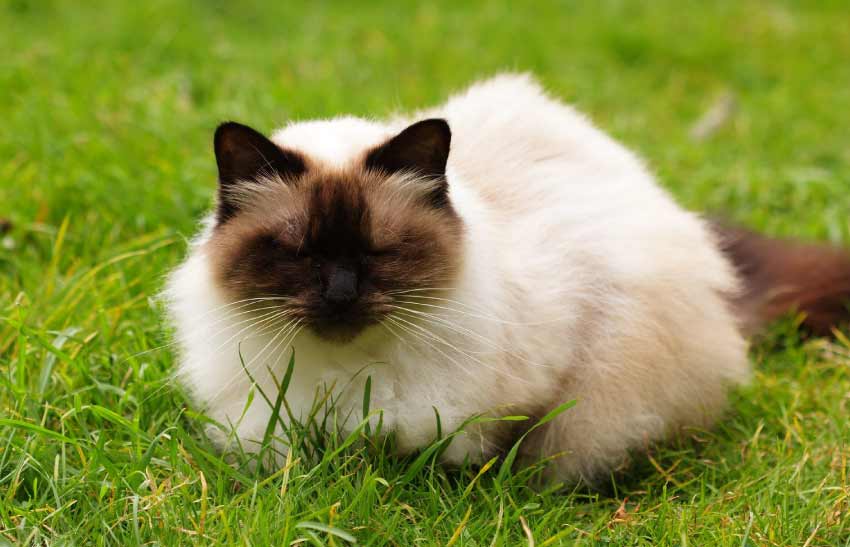
Shoppers often search for a “Himalayan Persian mix” expecting a hybrid between two distinct breeds, similar to how a Labradoodle mixes a Labrador and a Poodle. That’s not quite what’s happening here. The Himalayan was never a separate species crossed with the Persian after the fact – it was built from the Persian breed itself, decades ago, by introducing Siamese colorpoint genetics and then breeding those offspring back into Persian type for many generations until the cats bred true for a Persian body with Siamese-style pointed coloring.

The result is a cat that is genetically and structurally a Persian, just carrying a specific color gene the original Persian breed didn’t have. When people advertise “Himalayan Persian mix” kittens today, they usually mean one of two things: a Himalayan bred to a solid-colored Persian (which produces kittens that are still purebred Persians, some carrying the point gene and some not), or simply a colorpoint Persian-type cat whose exact registration status is unclear. Neither is a genuine two-breed hybrid.

How the Himalayan Was Created

Breeders in the United States and Britain began deliberately crossing Persians with Siamese cats in the 1930s and 1950s, aiming to combine the Siamese’s pointed color pattern with the Persian’s long coat and stocky body type. It took multiple generations of selective breeding to fix the Persian conformation while retaining the Siamese-derived pointed pattern. The Cat Fanciers’ Association recognized the result as its own breed, the Himalayan, in 1957.

That recognition didn’t last in its original form. In 1984, the CFA reclassified the Himalayan as a division within the Persian breed – a “Persian, Himalayan pattern” – rather than a standalone breed, reflecting how close the two had become structurally. Other registries handled it differently: TICA and some international associations still register the Himalayan as its own breed today, which is part of why you’ll see conflicting information about its breed status depending on which organization’s rules a breeder follows.

Physical Characteristics

A Himalayan-patterned Persian has the same stocky, cobby body as any Persian: a broad chest, short thick legs, and a round head with a short muzzle. Adults typically weigh 7 to 12 pounds (roughly 3 to 6 kilograms), with males running larger than females. The coat is long, dense, and silky, requiring the same maintenance as any long-haired Persian.

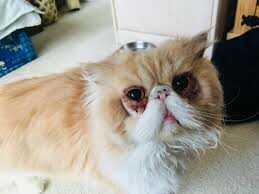
The defining trait is the colorpoint pattern inherited from the Siamese side of its ancestry: a lighter body color with darker “points” on the ears, face, paws, and tail, paired with vivid blue eyes. Point colors include seal, blue, chocolate, lilac, red, and cream, along with tabby and tortie variations. Kittens are born white or very pale and develop their point coloring over the first year or two, since the pigmentation is temperature-sensitive and darkens on the cooler extremities.

Temperament

Temperament closely follows the Persian side of the pedigree: calm, quiet, and affectionate, with a preference for a predictable routine over a high-energy household. These cats tend to enjoy human company and lounging in a favored spot more than active play, though individual personality varies and some lines carry a bit more of the Siamese side’s vocal curiosity.

They generally do well with calm children and other pets when introduced gradually, but they aren’t the best fit for chaotic, high-traffic homes or households that can’t commit to daily grooming and a stable environment.

Grooming Needs

The long coat needs daily brushing to prevent matting, along with regular attention to the face – tear staining is common given the shortened muzzle, and the folds around the nose need to be kept clean and dry. Occasional bathing helps keep the coat manageable, and nail trims, ear cleaning, and dental care round out routine care. This is one of the higher-maintenance grooming commitments in the cat world, and it applies whether the cat is registered as a Himalayan or simply a colorpoint Persian.

Health Considerations

Polycystic kidney disease (PKD) is the most significant health concern tied to Persian ancestry, including Himalayan-patterned cats. It’s an inherited condition in which fluid-filled cysts gradually replace healthy kidney tissue, eventually impairing kidney function; there’s no cure, but a genetic test can identify carriers, and responsible breeders test their breeding cats and avoid pairing two carriers. Ask any breeder directly for proof of PKD testing on the kittens’ parents.

The short, flat face common to Persian-type cats (brachycephalic conformation) can also contribute to breathing difficulty, tear duct problems, and dental crowding, with more extreme “peke-faced” lines generally at higher risk than moderate-faced lines. Choosing a breeder who selects for a more moderate face shape can reduce these risks. Regular veterinary checkups, appropriate dental care, and attention to breathing or eye discharge are worthwhile for any Persian-type cat.

Exercise and Environment Needs

These are indoor cats by nature and by necessity – their coat and face shape make them poorly suited to outdoor life, and their low-key energy level means they don’t need much active exercise. Some interactive play and simple enrichment (climbing perches, puzzle feeders) help keep them mentally engaged and at a healthy weight, since their laid-back nature can tip into inactivity-related weight gain if diet isn’t managed.

What Drives Himalayan Persian Pricing

Because there isn’t a genuine second breed involved, pricing isn’t about hybrid rarity – it follows the same factors that drive Persian pricing generally. Point color and eye color quality matter, with certain colors and especially vivid blue eyes commanding a premium. Pedigree and show potential push prices toward the higher end, while pet-quality kittens with minor cosmetic imperfections cost less. Health testing and guarantees from the breeder add cost but are worth paying for, especially PKD clearance. Typical pet-quality kittens run $500 to $1,500, with show-quality or particularly striking kittens reaching $3,000 or more; adoption through a rescue typically runs $75 to $200.

Frequently Asked Questions

Is a Himalayan Persian actually a mixed breed?
Not in the usual sense. The Himalayan is a Persian-type cat carrying Siamese-derived colorpoint genes, reclassified by the CFA as a Persian division in 1984 rather than treated as a cross of two separate breeds.

Why do breeders advertise “Himalayan Persian mix” kittens?
Usually because they’re pairing a colorpoint (Himalayan-patterned) Persian with a solid-colored Persian, or because the registration terminology varies by association. The kittens are still purebred Persians either way.

What health testing should I ask a breeder for?
At minimum, PKD (polycystic kidney disease) genetic testing on both parents. Also ask about eye and breathing health given the breed’s flat-faced conformation.

How much grooming do they need?
Daily brushing to prevent matting, plus regular face cleaning to manage tear staining. This is a high-maintenance coat regardless of registration status.

Are Himalayan Persians good with kids and other pets?
Generally yes with calm households and gradual introductions, given their laid-back temperament – but they aren’t well suited to chaotic, high-energy homes.

Since Himalayans share so much of their coat, grooming needs, and PKD risk with their Persian ancestors, our full guide to Persian cat cost is a useful companion read for budgeting ongoing care. If the short-muzzled face shape is a concern for you, our guide to cat nose shapes and breeds explains how facial structure affects breathing and health across breeds. And if you’re comparing other long-haired breeds before deciding, see our Norwegian Forest Cat vs. Maine Coon price guide.
Norwegian Forest Cat vs Maine Coon |  Size and Price | Black Grey Orange White

Norwegian Forest Cat vs Maine Coon | Size and Price | Black Grey Orange White

Quick Answer: Norwegian Forest Cats and Maine Coons are similar in size and long-haired appearance, but Maine Coons are generally slightly larger and heavier, while Norwegian Forest Cats tend to have a denser double coat suited to cold climates, and pricing for both typically runs from £600 to £1,500+ depending on lineage.

Key Takeaways

  • Maine Coons are generally the larger of the two breeds, sometimes reaching 18+ pounds.
  • Norwegian Forest Cats have a dense, water-resistant double coat built for cold weather.
  • Both breeds share a friendly, sociable temperament suited to families.
  • Price ranges overlap significantly, with pedigree and breeder reputation mattering more than breed alone.
  • Grooming needs are high for both breeds given their long coats.

Why Trust This Guide?

This guide is researched and written by the Pets Store Home editorial team, drawing on general veterinary and animal-care information. It’s intended as general information; consult your vet for advice specific to your pet.

Norwegian forest cat vs Maine coon

The main differences between the Norwegian forest cat and the Maine coon are:

The general appearance of the Norwegian forest cat is a bit wilder and less reserved, while the Maine coon is a bit more reserved than its counterpart.

  • The Norwegian forest cat has a shorter tail compared to its counterpart.
  • The Norwegian forest cat has longer legs than its counterpart.
  • The main difference between the Norwegian forest cat and the Maine coon is that they are small, sleek, and black.

The reason for this is that Norway has a large number of forests, which means there are a lot of animals living in them. This makes it easier for them to hunt and eat as much as they want without having to worry about getting caught by other animals in their environment. On the other hand, Maine does not have as many trees, which means there aren’t as many animals in it – so they can get caught more easily.

The Norwegian forest cat is a small, nocturnal mammal that is native to the forests of Norway and Sweden. It belongs to the family Felidae. In contrast, the Maine coon is a large, long-haired cat that lives in North America.

What is a Norwegian Forest Cat?

The Norwegian forest cat is a domestic cat native to Northern Europe. Its long, glossy coat and woolly undercoat are well adapted to the cold climate in its native habitat. Despite its name, this breed isn’t as common as other house cats and is often found in solitary settings. Its coloration can vary from blue to a rich, reddish-brown.

It has a head shape resembling an equilateral triangle with a pointed nose. It comes in a variety of colors and is an excellent choice for a family pet. Its color varies based on where the cat lives and what it eats.

This cat makes a very cuddly kitten and can be quite a handful. The breed will mature to a mature size of 10kg in about five years. They can weigh up to 10kg and have a thick double coat. These cats are similar to the Maine Coon breed and take care of their owners by being gentle with their children. If you are looking for a new pet for your home and apartments, it’s important to find one that is compatible with your lifestyle

Norwegian forest cat

Norwegian Forest Cat Size and Personality

It can grow as large as eight to twenty pounds, depending on the gender. This breed is not typically compared to a typical house cat. In fact, the average domestic housecat weighs only eight to ten pounds. Although these felines are large, they are very lovable and are a great addition to any home.

Its double coat is long and glossy, with a short topcoat and woolly undercoat. The feline has a surprisingly bold yet calm personality. They have an excellent temperament and are easy to get along with other pets, which makes them an excellent choice for a family pet. The following characteristics are typical for a male of this breed.

The Norwegian Forest cat weighs between eight to fifteen pounds. The Ragdoll is another large breed and has a long, limping gait. It weighs between 12 and twenty pounds. It has been known to reach 25 pounds. Its coat is as soft and silky as the Norwegian Forest cat.

Norwegian Forest Cat

Tips for Choosing a Norwegian Forest Cat Black

The Norwegian forest cat is known for their gentle nature, the Norwegian Forest cat is an excellent pet for families with children and other pets. They are extremely loyal and not overly aggressive. A Norwegian forest cats’ fur can range from cream to blue and they can be any color.

The Norwegian forest cat was first bred in the 1930s, although it nearly disappeared by the 1940s due to hunting. But the breed’s fan club rallied to keep it alive, and in the 1970s the Norwegian forest cat was officially introduced to the U.S. market. It is the national feline of Norway. According to Norse mythology, the Norwegian forest cat is magical. It can climb rock faces, and its short tail makes it very agile.

Norwegian Forest Cat for Sale

The Norwegian Forest cat is the most popular breed of kitty, and its popularity speaks for itself. This regal feline is large and elegant, and is covered with a semi-longhair coat. Its head is triangular in shape, with high set ears. Its full coat is woolly and water-repellent. The eye color can be any of the following: blue, hazel, green, or yellow.

The Norwegian Forest cat is a big, laid-back cat that is native to the wild mountains of Norway. They may be up to two years old, and have thick, curly coats to protect them from the harsh climate. This breed may not mature until age four or five, but they are generally very healthy and highly active.

While the Norwegian Forest cat is known for its independent nature, it is also very friendly with people and Best Small Pets for Depression. Though they can be quite demanding, they also enjoy human companionship. If you have a child at home, you might want to consider adopting a free Norwegian Forest cat. However, you should be aware that online pet scams are a common problem with this breed, so you should be careful when looking for a cat on the internet.

The Maine Coon and the Norwegian Forest Cat

The Norwegian Forest Cat has heavy bones and can jump long distances, which helps it live in the wild. The domesticated form of the Norwegian Forest cat served as an effective mouser, but it was not until the 1970s that it became popular in the United States. Interestingly enough, the Maine Coon Cat is the oldest breed of feline in the country. It may have made its way to America on the Mayflower.

The Maine Coon is similar to the Norwegian Forest Cat in appearance and personality, but it is different in appearance. It is also known to have a variety of colours and patterns, including the original tabby version. It also has an almond-shaped eye. It is not known whether the Maine Coon is a female or a male cat, but both cats look alike.

Norwegian forest cat price

Some people think that this is because of the popularity of Norwegian forest cats, but there is actually another reason – Norway has one of the highest deforestation rates in Europe. As forests disappear, so does their prey for the Norwegian forest cat – which means that prices go up as well.

This means that if one region has a higher cost of a Norwegian forest Cat, it will be cheaper in another region, but still expensive in other regions. The reason for this variation is due to different levels of demand for these animals and also the fact that there are different production methods employed by producers.

Norwegian forest cat

Norwegian forest cat kitten

A Norwegian forest cat kitten is a rare animal. It is a member of the cat family and is found in Norway, Sweden, Finland and Russia. The Norwegian forest cat kitten has a long body with short legs and no tail.

The Norwegian forest cat kitten is one of the most popular pets in Norway, because it can be kept as an indoor pet or outdoors for leisure purposes. The Norwegian forest cat kittens are raised from birth in the house to which they have access by their mother until they start to hunt for food when they are about three months old.

The Norwegian forest cat kitten is a very special animal that has been given its name because of its unique appearance. It has a short nose, short legs and long tail that makes it look like an upside-down cat. It also has a small head and big ears, which are similar to cats’ ears.

Giant Norwegian forest cat size

The world’s largest cats are the giant panda, the Siberian tiger and the Javan tiger. They have a long history of being hunted for their fur, but they have also been protected by many countries since they were first discovered in the 19th century. The giant panda is only now becoming more popular as a pet due to its unusual appearance, but it is still critically endangered because of its habitat loss.

The animal is known for its huge size and strength. It can weigh up to and can even lift more than.

The cats are known for their speed, strength, and agility. They have been used as hunting animals in the past. But with the global warming, their habitats have become scarce and they are facing extinction.

Norwegian Forest Cat vs Maine Coon

Getting a Grey Norwegian Forest Cat

The Grey Norwegian forest cat is a very affectionate cat, and it’s very good with children. These cats are easy-going and tolerant with other pets. They are playful and curious.

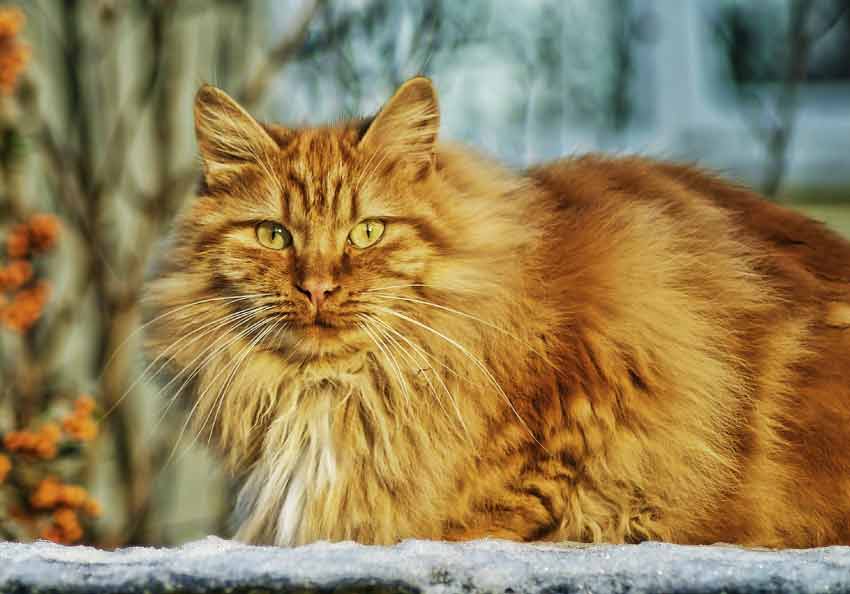
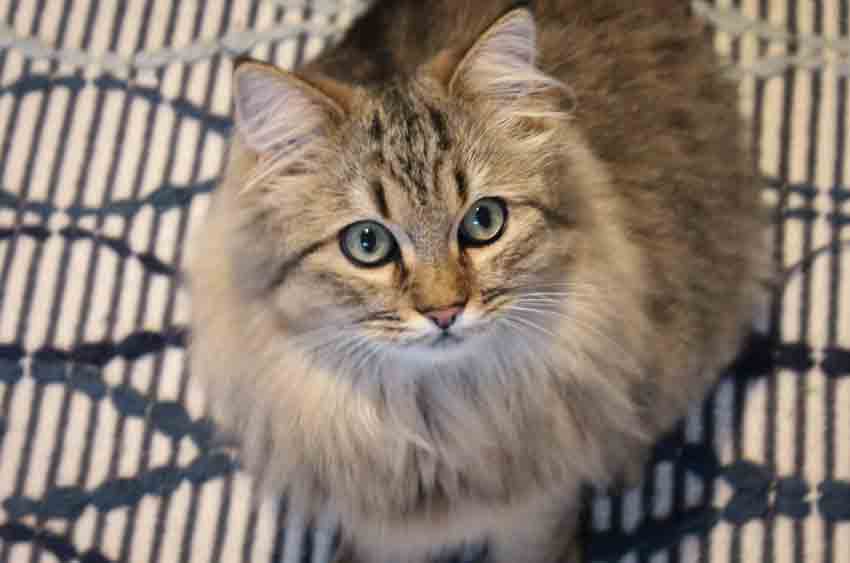
The Norwegian Forest cat is a large, fluffy cat with a long, fluffy tail and a thick, silky coat. The fur on the Norwegian Forest cat varies in color from pure white to deep coal black. You can brush the coat of a grey cat at least twice a week, and tease out knots. Increase the frequency of brushing during the shedding season to prevent knots.

Norwegian forest cat

The Orange Norwegian Forest Cat

Its coat is water resistant and is covered with wispy hairs on its ears. The elongated, pointed fingers of the Norwegian Forest cat help it to tread on snow. These unique traits make it an excellent tree-climbing cat. This cat has a friendly, loving personality and is a good choice for families.

The breed is naturally beautiful, and is the most popular. It’s beautiful coat is made of thick, shiny fur. The coat of this feline is known to be bright orange. Whether it’s black, white, or a combination of all three colors, your new furry companion will surely delight you. Its bright, playful disposition will surely make your home a happy place to live.

Norwegian forest cat breeders

The Nordic country is a popular breeding location for this exotic breed.

While you may be tempted to purchase a male kitten, it is better to purchase a female kitten instead. This is because males are generally larger and scruffier. A healthy Norwegian forest cat is neutered or spayed to keep it healthy. Nevertheless, you should check with the breeder’s policy before buying a kitten. Remember that this cat is extremely social and needs to interact with other animals to maintain social relationships.

White Norwegian Forest Cat

The White Norwegian forest cat is one of the few breeds of cats that have a white coat. While this is a rare color, you can find this feline in almost every shade of gray, black, and blue. It is believed that the earliest explorers of Norway took this feline with them to keep their ships rodent-free.

This feline is a great pet choice because of its adorable appearance and ability to blend in with its surroundings. Its medium-length, tabby fur makes it an easy choice for many households. The Norwegian Forest Cat is also quite social and is likely to get along with all members of the household, and will enjoy the company of everyone. And if you’re looking for a family-oriented cat, you may want to consider a pure white version.

A Rare Black and White Norwegian Forest Cat

This unique breed was favored by Vikings and is a great companion for both children and adults. Its coloration varies according to season, and the coat is a rich, glossy gray or chocolate brown. The tail of this black and white cat is long and straight. It has a short, fluffy tail and is particularly beautiful. It’s known for its affection and bonds with its family.

The Norwegian Forest Cat is a semi-long-haired feline that is native to Norway. It’s called “Skogkatt” in Norway. This breed is a lap cat, but will choose a more active spot near people. A scratching post and a cat tree are essential to the health of your new feline friend.

How Much Does a Norwegian Forest Cat Cost?

The cost of a Norwegian Forest Cat varies depending on the type of cat you buy. These cats are particularly popular in Scandinavia, and they can be quite expensive to ship. You may also need to find a pet sitter or grooming service for your pet. But keep in mind that these services can be costly and will add up quickly. A pet sitter can be very expensive and may be out of your price range if you choose one with a lot of benefits.

Despite its high price, a Norwegian Forest cat is worth the investment. Their vibrant coats and striking colors make them attractive and lovable, and their long, luscious fur makes them an ideal pet. You should know that you’ll have to invest some money into taking care of them and keeping them happy.

The Tabby Norwegian Forest Cat

The Norwegian Forest cat is one of the most beautiful domestic cats, and it has a long, glossy coat and woolly undercoat. According to Norse mythology, it was Freya’s favorite cat. This myth is true of many myths, and the cat’s regal beauty was said to promote fertility and good health in the North Germanic people.

The tabby Norwegian forest cat is a large, imposing feline full of personality. While they are available in nearly any color or pattern, the tabby is a classic color. To identify the most beautiful cat for your home, start by talking to professionals in your area. A vet, groomer, or pet sitter can recommend a Norwegian Forest Cat for you.

Norwegian Forest Cat Size Vs Normal Cat

Their diet is predominantly meat and low in carbohydrates, which makes them more prone to obesity than other cat breeds. The following are the size comparison charts for the two species.

The Norwegian Forest Cat is an incredibly large cat, and is not afraid of water. The breed was given official status by King Olav V of Norway in 1950. It has an unusually big appearance, with a full head of fur and a big, dark blue eyes. It takes a Norwegian Forest Cat five years to mature, making it a great pet for people with smaller apartments or homes.

Norwegian Forest Cat Rescue

If you’re not familiar with this adorable feline, here’s a little background. They are beautiful cats, and the best way to find one is to visit a rescue center.

These cats are beautiful and healthy and don’t mind living in a family with kids and other pets. They’re easygoing and are generally not easily stressed. These felines are generally friendly and don’t have a problem hanging out with people of all ages. However, this feline can develop separation anxiety if you leave it unsupervised for too long.

Norwegian Forest Cat Characteristics

Though they don’t need super active exercise, they do need regular training. You can try teaching them tricks, and you will find that they soon become very obedient.

But because of their high energy requirements, the Norwegian Forest Cat may not be right for everyone. If you’re looking for a cat that will fit in with your family, you’re better off looking for a different breed.

It’s long, dense, double coat comes in many different colors and textures. The males have a larger body, while the females are smaller. The males weigh twelve to sixteen pounds, and the females have a lighter-colored coat. The Norwegian Forest Cat’s eyes are almond-shaped, and they have a large chin.

Calico Norwegian Forest Cat

This beautiful feline can come in a variety of colors, from pointed to chocolate. Its name is derived from its distinctive pointed ear pattern. This gorgeous feline is known for its affectionate disposition and love for people. The breed was introduced to the United States in 1979 and was recognized by the International Pet Association and Cat Fanciers Association in 1993.

The Norwegian Forest Cat has long, wavy fur and deep blue spots on its body. Whether the cat is a solid color or has multiple colors, its coat should be a dark brown, with black spots and white markings. In addition, the calico Norwegian forest cat should have a deep, emerald green eye.

Norwegian forest cat

Norwegian Forest Cat Adoption

A beautiful Norwegian Forest cat is a great pet for the right person. This large and laid-back cat is a great companion. They are not usually a good candidate for pet ownership because of their age, but they are still very good with children. They are also large in size, weighing between six and nine kilograms. They are usually found in abandoned homes, shelters, or farms.

The eye color of a Norwegian forest cat varies, but the most common color is white and brown tabby. Although the eye color is often mismatched, this cat is easily identified by its large, almond-shaped eyes. In addition to their distinctive eyes, they have a rounded nose. In general, the ears are rounded and the head is round. Their coats are soft and comfortable, making them an excellent pet for people who are relocating from other areas.

Norwegian Forest Cat Lifespan

A Norwegian forest cat lifespan can range from 14 to 15 years. This breed’s longevity is determined by the care that is given to it. A nutritious diet and a regular veterinary checkup can extend this feline’s life. Certain illnesses are hereditary and can’t be prevented. However, some are common and can be cured by breeders.

As a kitten, a Norwegian forest cat is very curious. It likes to climb trees and poke through cabinets. The kitten doesn’t usually mature, so its owners may not notice it until later on in its life. Some older animals can be affected by a feline urinary tract disease called cystitis.

How Much Does a Norwegian Forest Cat Weigh?

The Norwegian Forest cat weighs between 4.5 and 7.5 kilograms. The male and female average between 14.5 and 20.5 pounds, and they grow from 10 to 16 inches tall. Their health is unique, however, and they are prone to heart disease and kidney failure. Genetic problems are a particular concern, especially since inbreeding can cause Glycogen Branching Enzyme (GBE) defects, which can lead to many health issues for the breed. DNA testing is highly recommended for owners of these cats.

Is the Norwegian Forest Cat Hypoallergenic?

While Norwegian Forest cats are attractive large cats with a unique appearance, they aren’t considered hypoallergenic. This is due to the presence of Fel D1, a protein found in their fur and urine. These proteins can cause allergic reactions. While this breed is considered a low-allergenic pet, it can still be prone to excessive shedding. Routine cleaning of your cat’s cage is the best way to minimize the allergens it sheds.

Blue Norwegian Forest Cat

A blue Norwegian Forest Cat is the most popular breed of the species. The color is a unique combination of red and blue, with an even, vertical black line down its spine. The hood and tail rings are white. The body is white with large, symmetrical colored spots, while the head and legs are black and cream. The markings are very dense and should be consistent throughout the body and head. A tipped tail should be present if a blue-gray Norwegian Forest Cat is to be considered a tipped breed.

The Tuxedo Norwegian Forest Cat

The tuxedo Norwegian forest cat is a large and sturdy breed that is heavily coated and boned. The paws are large, round, and covered with fur between the toes.

It does not come in one color point, but it can come in different shades and patterns, including tuxedo, and silver tabby. These cats are sweet-natured and can live in a variety of homes and are great pets.

The kitten is born with long, woolly fur and is fully matured at around five years of age. This breed is not known for being particularly sociable or affectionate, but is a wonderful pet for people of all ages.

Adopting a Silver Norwegian Forest Cat

A silver Norwegian forest cat is a stunning pet. These cats have long, dense fur, a wide head, and a short, equilateral triangle on the nose. Although they are beautiful, the silver variety requires more grooming and is often found in houses with other pets. Their long, sleek coat also makes them a favorite pet for people who enjoy the outdoors. But, before you adopt a silver cat, consider these points.

Their britches are full and their legs are strong and suited to hunting. In the wild, this breed was confined to Norway until the 1970s, when breeders began to develop them and exported the first breeding pair to the US. The first litter of kittens was born in 1979 and a breeding pair was soon exported. The silver color of these cats is the most sought after.

How Big Are Norwegian Forest Cats?

They have a long, glossy coat and woolly undercoat. Their plumed tail is a distinctive feature, and they have longer back legs than front ones. Their long coats are made up of double-fur, and they look similar to the Maine Coon breed. The body is medium-sized with a broad chest and girth.

They have long, bushy tails and a full coat of fur. These cats are fond of climbing, and many Viking myths mention them scaling sheer rock faces.

It can weigh 13 to 22 pounds, but females are smaller than males. It grows slowly, reaching full size at around four years of age. Their size makes them excellent pets for those who want a large and affectionate cat.

If you’re comparing long-haired breeds by total cost of ownership rather than just purchase price, our guide to Persian cat cost shows how a Persian’s grooming and health expenses stack up against these two breeds.

Considering a Himalayan Persian?

If you’re weighing a colorpoint Persian alongside other options, our guide to the Himalayan Persian cat breaks down what actually distinguishes it from a standard Persian, the health testing to ask about, and what really drives its price.

Rusty Spotted Cat Pet for Sale | Size Comparison to House Cat | Price

Rusty Spotted Cat Pet for Sale | Size Comparison to House Cat | Price

Quick answer: No. Despite the “for sale” search terms this topic attracts, the rusty-spotted cat (Prionailurus rubiginosus) is not a legitimately available pet in the United States, the UK, or the EU. It is a wild felid, and in most of the world it is illegal to buy, sell, or keep one without a specialized exotic-wildlife or zoological permit. Below we cover its real size, weight, legal status, and what to look at instead if you’re drawn to a small, spotted cat.

Key Takeaways

  • The rusty-spotted cat is one of the smallest wild cat species on Earth, roughly 35-48 cm (14-19 in) in body length with a 15-30 cm tail, and weighing about 0.9-1.6 kg (2-3.5 lbs) as an adult – noticeably smaller than most house cats.
  • It is native to India, Sri Lanka, and parts of Nepal, and is listed on CITES Appendix I, meaning international commercial trade in wild-caught animals is banned.
  • There is no legitimate retail “price” for a rusty-spotted cat because there is no lawful consumer supply chain – any online listing claiming to sell one should be treated as a scam or a wildlife-trafficking red flag.
  • A handful of accredited zoos and conservation breeding programs house the species, but private ownership is not permitted in nearly every jurisdiction that has been checked.
  • If you like the look or size of a rusty-spotted cat, several domestic breeds and small companion animals offer a similar scale and personality without the legal or welfare problems.

Why Trust This Guide?

This page was researched and rewritten using published wildlife biology sources, CITES trade listings, and IUCN Red List data on Prionailurus rubiginosus, cross-checked against general information on animals and wild felid taxonomy. Figures on size and weight are drawn from field studies rather than marketing copy, and every claim about legality has been checked against current wildlife trade rules rather than repeated from older, uncited articles.

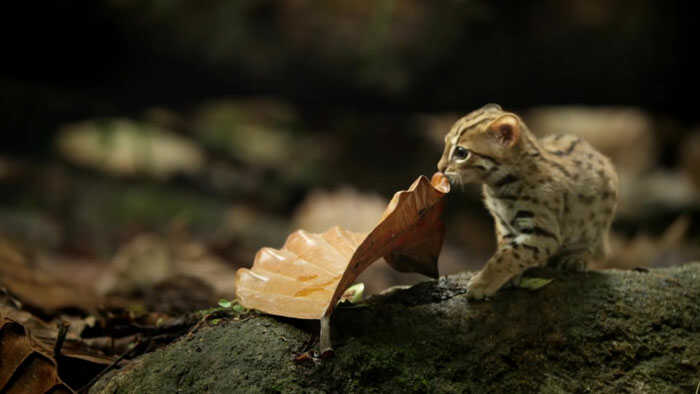
Rusty-spotted cat, one of the smallest wild cats

What Is a Rusty-Spotted Cat?

The rusty-spotted cat is a small wild cat native to the forests, scrublands, and grasslands of India, Sri Lanka, and parts of Nepal. It gets its name from the rust-colored spots that run along its coat, set against a grayish-brown background. Despite looking like a miniature, delicately marked house cat, it is a fully wild species with wild instincts, a specialized diet, and none of the generations of selective breeding that make domestic cats suitable companions.

It’s easy to see why the species shows up in searches from people who love small, unusual pets – the same curiosity that draws people to pet lists of coolest animals to keep at home. But admiring a wild species and being able to legally or responsibly keep one are two very different things.

Can You Legally Own a Rusty-Spotted Cat?

In practical terms, no. The rusty-spotted cat is protected under the Wildlife Protection Act in India and is listed on CITES Appendix I, the strictest category, which prohibits international commercial trade in wild-specimens. In the United States, most states classify small wild felids under exotic or dangerous animal statutes that either ban private possession outright or require a license or permit to own one, issued only to accredited zoos, universities, or licensed wildlife rehabilitators – not to hobbyist buyers.

If you’re researching what actually is legal to keep as an exotic pet in your area, that’s a much shorter and safer list, and it’s worth reading before assuming any wild cat species can simply be purchased online.

Rusty-spotted cat size comparison

Rusty-Spotted Cat Size Compared to a House Cat

This is where a lot of older articles on this topic get the numbers wrong, sometimes listing weights in the 9-16 kg range, which would make the species larger than a bobcat – that figure is incorrect. Adult rusty-spotted cats typically weigh between 0.9 and 1.6 kg (roughly 2-3.5 lbs), with body length of 35-48 cm plus a 15-30 cm tail. For comparison, an average house cat weighs 3.6-4.5 kg (8-10 lbs). That makes the rusty-spotted cat noticeably smaller than a typical domestic cat, not larger – it is, in fact, considered one of the Rusty Spotted Cat Size record-holders among wild felids specifically because of how small it stays even at full maturity.

Kittens are correspondingly tiny at birth, weighing only around 60-77 grams, and reach adult size gradually over the first year. In the wild, spotting a kitten versus an adult comes down to proportion – kittens have relatively larger heads, paws, and eyes compared to their body, and their spotting pattern is less defined until the coat matures.

Rusty-Spotted Cat “Price”: Why There Isn’t One

Because there is no legal retail channel for this species, there is no real, verifiable market price to quote. Listings that advertise a rusty-spotted cat for sale at a specific dollar figure are either misidentifying a domestic breed with similar markings (like a spotted Bengal or an orange and white cat breed with rosette-style spotting), or are outright fraudulent. If your actual goal is a small, budget-friendly companion animal rather than a wild species, it’s worth browsing genuinely cheap exotic pet options that are both legal and realistically available near you.

Rusty-spotted cat habitat in the wild

Habitat, Diet, and Behavior in the Wild

Rusty-spotted cats favor dry deciduous forest, scrub, and rocky grassland, and in Sri Lanka they’ve also been recorded in more open agricultural mosaics. They are almost entirely nocturnal and solitary, hunting rodents, small birds, insects, and lizards. Their small size makes them excellent climbers, and they’re known to shelter in tree hollows and dense undergrowth during the day. Because they’re rarely seen and difficult to study, population estimates remain rough, and the IUCN currently lists the species as Near Threatened, with habitat loss as the primary pressure.

If You Like the Look, Consider These Instead

People who search for a rusty-spotted cat are usually drawn to one of two things: the small size, or the spotted coat. Both are achievable with legal, well-established domestic options. Breeds like the Bengal or the Egyptian Mau carry similar rosette or spotted patterning, and if you specifically want something on the smaller end, our guide to the smallest cuddly pet breeds covers several affectionate, compact options.

If space is a factor, our roundup of pet options suited to apartment living, and a separate guide focused on pet choices for cuddly, low-maintenance apartment companions, are both good starting points. And if you’re comparing across species entirely rather than sticking with cats, our list of the pet most commonly kept worldwide, and our guide to genuinely good pets for low-maintenance households, are worth a look before committing to any one animal.

Small pets similar to the rusty-spotted cat

Other Small Pets Worth Comparing

Because this topic tends to attract people early in their research on small or unusual companion animals, a few adjacent guides on our site may help you compare options side by side: our overview of pet chinchillas, our guide to pets best suited to different age groups of children, and our piece on pet companionship for emotional support and mental health. Even if none of these are wild cats, they’re realistic, legal alternatives that solve the same underlying want – a small, engaging animal to care for.

Some exotic-pet enthusiast communities also trade in rusty-spotted cat merchandise and collectibles rather than the animals themselves – fan shops such as Keychains Co sell wildlife-themed accessories, which is a safer and legal way to show appreciation for the species without the ethical and legal complications of ownership.

Frequently Asked Questions

Is the rusty-spotted cat domesticated? No. It has never been selectively bred for domestic traits and behaves as a wild animal even when hand-raised from a young age.

How does its size compare to a full-grown house cat? Smaller. Adults top out around 1.6 kg, versus 3.6-4.5 kg for an average house cat.

Are rusty-spotted cats dangerous? They are not a threat to humans in the wild and tend to avoid people, but like any wild carnivore they are not suited to handling or home life.

What should I feed a wild rusty-spotted cat if I find one? Don’t attempt to feed or raise one – contact a licensed wildlife rescue. This is different from routine care questions like food for an actual pet reptile or small mammal, where feeding is appropriate and expected.

For more on legal, well-suited companion animals rather than wild species, explore the rest of our pet guides, including our full breakdown of what makes a good pet for your specific living situation and experience level.

Orange and White Cat Breed | Black Grey Fluffy Long Haired Breeds

Orange and White Cat Breed | Black Grey Fluffy Long Haired Breeds

Quick Answer: Orange-and-white coloring isn’t tied to one specific cat breed but appears across many, including domestic shorthairs, Persians, and Maine Coons, since it comes from a coat-color gene rather than a distinct breed lineage.

Key Takeaways

  • Orange-and-white is a coat pattern seen across many breeds and mixed cats.
  • The orange gene is more commonly expressed in male cats than females.
  • Breed identification depends on body type and coat length, not color alone.
  • Shelters often have orange-and-white cats available, regardless of breed.
  • Temperament varies by individual cat rather than by coat color.

Why Trust This Guide?

This guide is researched and written by the Pets Store Home editorial team, drawing on general pet-care and industry information. It’s intended as general information to help with your decision.

Orange and white cat breed

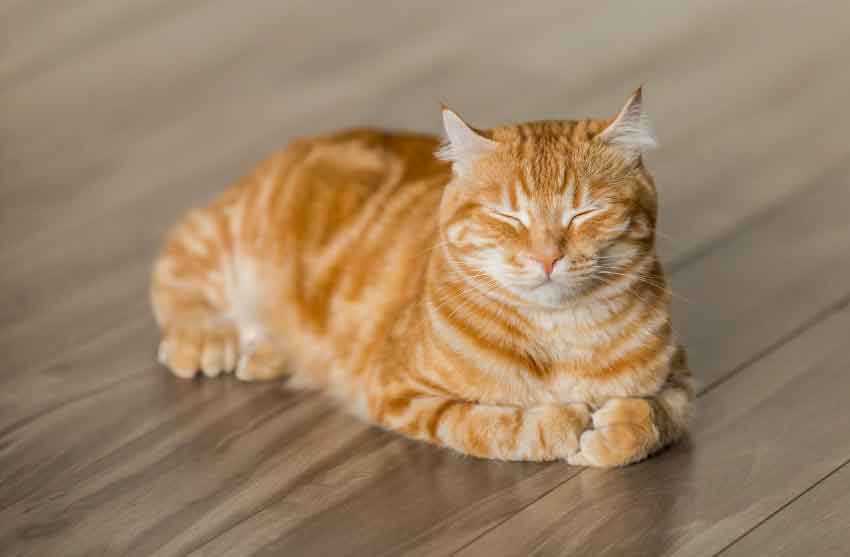
The orange and white cat breed is of a domestic cat. The coat of an orange and white cat can be all orange, all white. Or a mix of the two colors. They may also have markings in other colors, such as black or brown.

Orange and white cat breeds consider being one of the most common breeds of cats in the world. They are often bred for their looks, as both the orange and white fur colors consider to be attractive.

As with most other breeds of cats, orange and white cat breeds come in a variety of different personality types. Some are reluctant while others are a lot more outward bound. They make good pet dogs for people that have a lot of time to spend with them. As they call for regular interest and communication.

If you are interested in owning an orange and white cat, be sure to do your research first. There are a number of breeders who specialize in these cats. So there is no shortage of them available for adoption. Just prepare to pay a bit more for one of these cats. Then you would for a regular domestic cat.

One of the most popular cat breeds in the world calls the orange and white cat breed.

This breed of cat has a fur coat that can be either all orange or all white. With no markings in other colors such as black or brown. The orange and white cat breed is known to have a variety of different personality types. Some can be quite shy while others tend to be more outgoing and playful.


Orange and White Cat

You Should Know About Orange and white cat breed:

If you are thinking about owning an orange and white cat. You might want to consider doing your research first. There are many breeders who specialize in these types of cats. So they are readily available for adoption if you look around online. However, keep in mind that these cats will cost a bit more than regular domestic cats would. Because they consider to be a breed.

During selection of an Orange and white cat breed you have to know something which may help. We mention here for your proper guidance. You have to know the followings:


  • What are an Orange and White Cat breed?
  • The History of the Orange and White Cat Breed
  • Orange and White Cats as Pets
  • The Personality of an Orange and White Cat breed
  • Where to Find an Orange and White Cat breed


Orange and White Cat

What is an Orange and White Cat breed?

The orange and white cat breed is a breed of domestic feline that has coats of either all orange. Or all white fur, with no markings in other colors. They consider to be one of the most common breeds of cats in the world. And make good pets for people who have plenty of time to spend with them.

Orange and White Cat

The History of the Orange and White Cat

The orange and white cat breed is one that has been around for many years. It thought to have originated in Europe. Where it bred for its looks more than for any other reason.

Orange and White Cat

Orange and White Cats as Pets

Orange and white cats are often said to be one of the most popular breeds of cats in the world. They make good pets for people that have plenty of time to spend with them. As they require regular attention and also communication.

Orange and White Cat Breed

The Personality of an Orange and White Cat

Although orange and white cats come in a variety of personality types some are much shyer than others. Many owners will say their orange and white cat is much more loving towards them. Than any other breed would be, which may or may not make up for its shyness.

Orange and White Cat

Where to Find an Orange and White Cat

If you interest in owning an orange and white cat, be sure to do your research first. There are a variety of breeders that focus on these pet cats. And also they can often found at family pet stores near you. However, if you want an orange and white kitten. It is much easier to find one for sale online than it is in person.

Orange and White Cat

Final Thoughts

If you interest in owning an orange and white cat. Make sure to educate yourself on the subject before rushing out to get one. They know for being playful. Affectionate companions that make great pets for people. With plenty of time to spend with them every day.

Orange and White Cat

Orange And White Cat Colors and Patterns

Many who wish to own a cat drawn to orange tabbies. As they are some of the most striking cats out there. The color is more than just eye-catching. It has associations with fire and warmth. Making an orange tabby cat somewhat reminiscent of the sun. Here’s what you should know about owning this type of kitty.

Cats that have inherited one copy of the orange gene on their X chromosome (one from each parent). Will typically be mainly white or cream in coloring. With patches or spots on their fur consisting entirely of red/orange fur. This call “patched tabby”. If both chromosomes contain the gene for orange fur at all times (the cat is “solid orange”). Then the cat’s entire body will be a deep orange color.

If a cat has two copies of the orange gene. The dominant one will override any other colors present on the fur, making the cat fully orange. This called “self-colored”.

White cats with just a few patches of orange fur are sometimes called “calico” cats. While those that are almost entirely white except for some very light ginger marking called “tortoiseshell”.

The tabby pattern can show up in any of these colors, but is most common in black and brown cats. It usually manifests as stripes, swirls or spots on the cats. There are four main tabby patterns: classic, mackerel, spotted and ticked. The first three are the most common “ticked” means having black fur with white patches (the opposite of a piebald). Which is very rare in cats.

Orange and White Cat

Are Orange and White Cats All Male?

While it is commonly believed that all orange and white cats are male, this is not actually the case. In fact, there can be female orange and white cats just as there can be male black and white cats. However, the predominance of males in these two color combinations may be. Due to the fact that many people mistakenly believe. That they are only male. This misconception may be because orange and white are both typically considered “masculine” colors. Alternatively, it could simply be a coincidence. No matter the factor. It is necessary to keep in mind that not all orange as well as white pet cats are kids. And vice versa – not all black and white cats are girls.

So if you’re considering getting a cat and draw to one of these color combinations. Don’t let the gender assumption stop you from adopting one of these wonderful felines. There are plenty of both male and female orange and white cat breed. And black and white cats waiting for homes at animal shelters across the country. So go ahead and adopt the one that speaks to your heart. You won’t disappoint.

I hope this article has helped to clear up some of the confusion about orange and white cat breed. And their gender. If you have any more inquiries, do not hesitate to leave a comment listed below. As well as remember, when it involves pet cats, there’s no such point as a ridiculous concern.

Orange and White Cat

Some Question Answer about this

What Is the Life Span of a Cat?

Describes average life span of different types of cats. Including any factors that might affect lifespan.

How old is My Cat in Human Years?

Asks how old your cat is in human years and provides an explanation for the formula used to determine age in human terms.

How Old Will My Cat Be When It Dies?

Provides information about which breeds are most likely to live longer lives. As well as general tips for prolonging your cat’s life.

How Long Do Cats Live With FIV (Feline AIDS)?

Describes what happens when a cat contracts FIV. How long they typically live with the virus, and ways to extend their life.

There is nobody solution to this inquiry as it depends upon the individual cat. However, orange and also white pet cats are not always male. Actually, according to The Cat Fanciers Organization, around half of all orange pet cats are women. And while white cats are slightly more likely to be male than female, the difference is not statistically significant.

Orange and White Cat

The Myth of the Orange and White Cat

So why do so many people believe that all orange and white cats are boys? One possible explanation is the association of these colors with tomcats. A tomcat is a male cat that has reached sexual maturity and is capable of breeding. Toms are easily identified by their distinctive orange or white coloring.

However, it’s important to remember that not all orange and white cats are males. And not all male cats are orange or white. So if you’re considering adding a feline friend to your family. Don’t let the cat’s color prejudice you – any color kitty could make a great addition.

Cats come in all shapes and colors. With each one possessing its own unique set of features and personality traits. And while there are some general trends that can observe among different breeds of cats. It’s important to remember that each individual cat is unique. So when it comes to questions like “are orange and white cats all male?”, the answer is it depends.

In general, orange and white cats are more often male than female. But there is no guarantee that a specific orange or white cat will be a boy. The same goes for other colors – color doesn’t determine gender.

Orange and White Cat

Orange and White Cats breed Personality

Orange and white cat breed known for their friendly personalities. They make great pets and are always eager to please their humans. These cats thrive when they have a strong bond with their family, and love spending time playing and cuddling. They are usually very active and love to discover their environments. Orange, as well as white cats, are likewise really intelligent animals. Which makes them very easy to train. Overall, these felines make wonderful companions for any family. If you’re considering adding an orange and white cat to your home. Be sure to give one a loving home. They will surely brighten up your days. The Biggest Dog in the world 2022.

If you’re looking for a friendly feline that loves to play and cuddle. An orange and white cat might make a great pet. These cats are also intelligent and easy to train. So they make wonderful companions for families looking to add a new member to their home. Be sure if you adopt an orange and white cat to give them a loving home. They will brighten your life in no time.  Cute Small Dog Breeds.

Orange and White Cat

15 Orange Cat Breeds You Should Know About

There are several kinds of felines, however did you know that there are also orange pet cats? Here are 15 types of orange pet cats that you must find out about:


American Shorthair

The American Shorthair is among one of the most popular orange feline types in the world. They recognize for their friendly as well as mild nature. And they make great pets for family members with children.

British Shorthair

The British Shorthair is one more preferred breed of orange feline. They know for being tranquil and also docile, and also they make wonderful interior pet dogs.

Maine Coon

The Maine Coon is a large, cozy feline that is native to the state of Maine. They understand for being friendly and great kids. As well as they make terrific indoor/outdoor cats.

Manx

The Manx is a preferred breed of pet cat that know for its lack of a tail. They are normally friendly and also excellent with youngsters, as well as they make great indoor felines.

Norwegian Forest Pet Cat

The Norwegian Woodland Feline is a large, fluffy feline that is belonging to Norway. They known for being friendly as well as good with kids, and they make terrific indoor/outdoor cats.

Persian

The Persian is a prominent breed of pet cat that known for its long hair and wonderful personality. They make wonderful interior family pets, and they require normal grooming to maintain their layers healthy as well as glossy.

Ragdoll

The Ragdoll is a popular type of pet cat that is known for its docile character. And also the capability to “ragdoll” (or go limp) in the arms of its proprietor. They are generally good with kids, as well as they make wonderful indoor pet dogs.

Siamese

The Siamese is a preferred type of cat that known for its striking blue eyes. As well as vocal personality. They are generally excellent with children, as well as they make fantastic interior family pets.

Snowshoe

The Snowshoe is a distinct type of feline known for its huge, white paws. They are typically friendly as well as great with children, as well as they make wonderful indoor pet cats.

Turkish Angora

The Turkish Angora is a prominent breed of cat that understand for its length hair and wonderful individuality. They make great interior pet dogs. And they need normal brushing to keep their layers healthy and balanced and also glossy.

Turkish Van

The Turkish Van is a prominent breed of pet cat that known for its length hair as well as love of water. They are normally friendly and excellent with youngsters, and also they make terrific indoor/outdoor felines.

Australian Mist

The Australian Haze is a special type of feline that is native to Australia. They understand for their short hair, wonderful personality, and also lack of an undercoat. They make fantastic interior pet dogs, and also they do not require much pet grooming.

Bengal

The Bengal is a unique type of cat that understand for its wildcat-like look as well as energetic character. They are commonly excellent with kids. However they might not be finest option for homes with children due to their high energy level.

Bombay

The Bombay is a special breed of cat that recognize for its black hair and exotic appearance. They are commonly good with kids. But they might not be finest choice for houses with children due to their high energy degree.

The golden state Spangled

The California Spangled Cat is a one-of-a-kind breed of feline. That understand for its discovered coat and also energized character. They are generally good with children. However they might not be best selection for homes with small children due to their high power degree.

So there you have it, 15 different breeds of orange pet cats that you must learn about. If you’re thinking about including an orange pet cat to your family members. Any among these types would certainly make a wonderful choice.

Orange and White Cat

Final thoughts on the Orange and White Cat breed

The orange and white pet cat is a lovely creature and makes a wonderful family pet. They are friendly and also caring, and make excellent buddies.

If you’re thinking of including an orange as well as a white feline to your family members. Make certain to do your research study initially. These cats require a great deal of attention and treatment, so they might not be the best fit for everyone. Yet if you agree to place in the time and initiative. An orange, as well as a white pet cat, can provide you with years of companionship and love.

The orange, as well as white cat, is a gorgeous animal that makes an excellent pet dog. They are really loving, friendly buddies that can give you years of love and also interest. Yet prior to you determining to embrace one, there are some points you need to recognize initially.

These cats require great deals of treatment and attention – they require their hair cleaned a minimum of weekly. They will certainly be searching for locations to climb up or get on top of. To keep an eye out the home window. And also most significantly, they require lots of human communication. If you’re hectic all day functioning away from the house, this most likely isn’t the appropriate type for you.

Yet if you place in the work into dealing with an orange and also white pet cat now. After that, they will reward you with years of friendship as well as love.

Can French Bulldogs Swim? 


Do Golden Retrievers Shed a Lot.


Can Guinea Pigs Eat Strawberries?


White German Shepherd Dog.


Are Hedgehogs Good Pets for Kids?


Blue Heeler German Shepherd.


The Smallest Cat in The World.


When do Hamsters Hibernate?


Can Bearded Dragons Eat Bananas?


Best Pets for Apartments Living.


Best small pets for depression.

Small Exotic Pets.

Coat color is just one factor in choosing a cat – temperament and energy level matter too. Our guide to Bengal cat behavior covers a breed known for its bold, dog-like personality.

Coat color aside, long-haired breeds like Persians come with a meaningfully different cost profile than short-haired cats. Our guide to Persian cat cost breaks down the grooming and health expenses worth knowing before choosing a long-haired breed.

What is The Smallest Cat in The World 2022 ? Top 10 Real Cute Cat List

What is The Smallest Cat in The World 2022 ? Top 10 Real Cute Cat List

Quick Answer: The Singapura is widely recognized as one of the smallest domestic cat breeds, with adults typically weighing just 4-8 pounds, though individual small cats and certain other petite breeds like the Munchkin can also rank among the tiniest.

Key Takeaways

  • The Singapura is generally cited as the smallest recognized cat breed.
  • Adult Singapuras typically weigh only 4-8 pounds.
  • Munchkin cats are small due to short legs but not necessarily lowest in overall weight.
  • Individual cats within any breed can vary, so ‘smallest’ rankings are general guidelines.
  • Small breed size doesn’t necessarily mean lower energy or different care needs.

Why Trust This Guide?

This guide is researched and written by the Pets Store Home editorial team, drawing on general pet-care and industry information. It’s intended as general information to help with your decision.

What is the smallest cat in the world?

 It is a normal query what is the smallest cat in the world in 2022. Someone wants to know about the world’s smallest wild cat. And other wild cats as well as the deadliest cat and tiny cats, the Sunda leopard cat. Cat family in deciduous forests. The smallest cat named Lilieput lives in San Mateo, California, USA. She weighs 2 pounds and measures 6.7 inches high.

The second smallest living cat is named Thumbelina. She weighs 1 pound and measures 4 inches high at full length (not including tail). Thumbelina lives in Auckland, New Zealand. The total length measured from the tip of the nose to the tip of the tail would be about 9″ long. I think you have again the question: what is the smallest cat in the world?

The third-smallest living cat in the world name is Tinker Toy, who lives in Wheat Ridge, Colorado, USA. He weighs 1 pound 8 ounces and measures 7 inches high at full length (not including tail). That puts his height well into the ‘toy’ category as what is the smallest cat in the world.

Her family is currently thinking about changing her name to “Stumpy,” but they have not yet decided. Her father, Redd Foxx, is a former SPCA president. Who has bred hundreds of cats, says he may try again to breed her at some point in the future. She is small enough that she can exercise inside a birdcage or run through an open door. She only eats dog food and has difficulty reaching water when inside her dish. Therefore one of her owners holds it for her when she drinks. Cute Small Dog Breeds.

Rusty Spotted Cat

Your content goes here. Edit or remove this text inline or in the module Content settings. You can also style every aspect of this content in the module Design settings and even apply custom CSS to this text in the module Advanced settings.

Know more: What is The smallest cat in the world?

The world’s smallest cat in captivity, named Himmy (3 pounds). According to Guinness World Records (Great Britain edition). His owner was Australian Robert Heinze (December 15, 1941 – August 6, 2007). He lived in Sydney with his wife, Jill. Jimmy was 7.5 inches (19 cm) tall and 5 pounds (2kg) in weight at the age of 13 years old. He died on July 20, 2006, after a heart attack leaving behind one daughter Houxi Koo Juniper (June Bug; 0.79 pounds—1.25 kg). The smallest adult cat ever recorded was also an Australian domestic short-haired tabby. Named Tinker Toy, owned by Maureen Morris of Northamptonshire. The United Kingdom when he died in January 1986 at the age of 10 months.

He weighed 1 pound 8 ounces (0.735 kg). When full-grown. He was 14 inches (35.4 cm) tall and nearly 8 inches (20.3 cm) in length from the nose to the tip of the tail. Which is about half the size of a usual full-grown adult cat.

In 1999, a 4.5-year-old tabby female named Bluey. Owned by Australian Alison Handley was officially recognized. As the shortest living domestic cat with a height of 2 inches (5 cm). Bluey had been previously noted as being just 1 inch shorter. When compared with the Guinness World Record holder. Thumbelina in 1998 at age 3 years old when she lived in Melbourne, Australia.

In 2001 when she was getting on in years and no longer able to hide from her nemesis. An English Mastiff named Flash, who lived next door and frequently barked at her. Bluely was eventually killed by the dog in March 2002 when she was 4 years old. Hope you got the answer that what is the smallest cat in the world.

Rusty Spotted Cat

The rusty-spotted cat is one the smallest cat in the world

If you further arise the question as what is the smallest cat in the world. Think about a Rusty-spotted cat. It is the variety of smallest wild cats but is still larger than most domesticated cats and big cats. The International Union for Conservation of Nature (IUCN). The Red List classifies the species as Least Concern. Due to its common occurrence, natural habitat. And long grey fur in protected areas throughout southern Africa.

The scientific name Felis catus Rustica give by Swedish zoologist Carl Linnaeus. Who used “catus” for all felines—in 1766. He stated that this name referred to the animal’s markings. Translated from Latin as “rusty spots”. Other common names include Manengouba weasel (French). Fichtenwölfchen (German), manengouba (Portuguese), and ocelot in southern Africa.

What is the smallest cat in the world? It replaces by the closely related marbled cat in East Africa. And by the Asian leopard cat further north. The rusty-spotted cat’s ancestors think to have crossed into Asia from Africa about 6 million years ago. Via the land bridge between Asia and North America. Before returning to Africa during a colder period. When forests were more widespread in Asia. The earliest known fossil specimens date back 3 million years. Making it among the oldest felines alongside its spotted cousin the leopard cat. Morphological studies show that both cats originated during explosive speciation. And radiation events that occurred between 8 and 4 million years ago. The Biggest Dog in the world 2022.

Rusty Spotted Cat

Rusty-spotted cats specifications

Rusty-spotted cats resemble domestic shorthair cats. What is the smallest cat in the world? But have a more slender build with long legs. Smaller heads with short muzzles, shorter, denser fur. And spotted markings on the coat rather than stripes or patterns. Their spots are large and elongated, giving them a pied appearance like the leopard. They vary widely in color from ruddy ochre to pale fawn. Hence their common name – being palest at night-time. Underparts are generally lighter colored than the rest of the body. Usually off-white or cream-colored. Males can distinguish themselves from females by a scrotal area. Covered in short hair which looks like a donut. They weigh between 4 and 7 kg (8.8 and 15.4 lb), with a head-to-body length of 45–60 cm (18–24 in).

The tail is relatively long, measuring 27–45 cm (11–18 in) including the 12–20 mm (0.5–0.8 in) bushy tip. It is generally the same color as the rest of the body or sometimes darker. They have large, furry paws and six nipples each. Males and females both have four teats on their belly but females. Also, have two extra teats inside their front legs. Their short claws are suitable for walking rather than climbing trees.

Margay cat

Smallest Cats: Margay (Bob)

The Margay is the smallest of all wildcats found in North, Central, and South America. It prefers forest habitats, where it hunts by both day and night.

The margay has short legs relative to its body size. What is the smallest cat in the world? But can climb vertically with great speed using tiny hooked claws. They are very territorial cats that mark their range. By spraying urine onto leaves or branches. Both male and female margays spray urine to mark their territory. Males do so more than females. When the cat encounters another’s scent-marking. It will scrape or scratch at the branch or sometimes even bite it.

Although they are solitary creatures except when mating. What is the smallest cat in the world? Females maintain their range while males often wander from one area to another. They can reach a speed of 15 kilometers per hour (9.3 miles per hour). When hunting, 55 kilometers per hour (34 miles per hour). While running from danger, such as a predator like a jaguar. A margay can also leap more than six yards (5.5 meters) in one jump, using its long tail to stabilize itself. It kills medium-sized rodents with its sharp teeth and claws. Larger prey kills by a swift blow that strikes the neck or spine.

The feline is generally shy and elusive but does not hesitate to attack if threatened. It has very powerful hind legs and large paws for grasping prey. Enabling it to climb quickly through the dense undergrowth of its forest habitat. The margay is not currently considered threatened. Although deforestation has caused a decrease in population. Orange and White Cat Breed.

Smallest Cats Ecology and behavior

The smallest cat species are those that stand lower at the shoulder. Then they do all other four limbs combined. This classification used most authorities. Although some list dwarf or miniature animals as distinct categories or subcategories. The tiniest cats are usually between 8″12 inches (20cm30cm) long and weigh less than 1lb (0.45kg). Some larger ones may measure up to 3’4″6’8″(1-1.5m), but the average among 41 species is only 12″17″(31-43cm).

Small cats have shorter, stockier limbs than other felids, as well as powerful jaws. They have fewer teeth and weak bites because the jaw muscles are not large enough to deliver a strong bite. All this is evidence that small cats have evolved from bigger ones. All 39 species of small cats descend from a common ancestor. Which lived 10,000 years ago. This date coincides with the end of the last ice age. And the disappearance of saber-toothed tigers). The size difference between big and small cats is due to mutations. During development. Long ago, one animal was genetically predisposed. To be slightly smaller than normal for its species. This trait passes on to descendants.

Scientists have recently sequenced the genomes of several small cats. This may help to explain why they are so much less muscular than large ones. Over time, these changes affected body structure and behavior. Although not always in the same way. The various species diverged according to the conditions where they live. For example, cold temperatures favor smaller sizes. Because heat loss is more efficient in bigger animals. Predators maintain their hunting skills well despite their diminishing stature.

Meet the smallest feline species on the planet—the rusty-eyed

Meet the smallest feline species on the planet. The rusty-eyed black cat. The average rusty-eyed black cat weighs one to two pounds or about 1/4 to 1/3 of what an average adult male would weigh. Their height is usually around eight inches. Females are always less than males, but not by much. Their coats vary in color from white to dark grey and their eyes usually have a reddish tint. You can easily recognize them. Due to their unusually large ears that look like satellite dishes. This belief to be an adaption to their small size. Which helps them hear danger approaching where they live (in dense forests).

Their territory covers all of Norway, Sweden. And Finland (which together make up Scandinavia). The rusty-eyed black cat is also known as the Scandinavian dwarf cat or, sometimes, just RBC.

A small rusty-eyed black cat attacking a house centipede. With one paw while holding it down with another. This is normal behavior that they teach their kittens at an early age. That way they can learn to hunt properly later on in life. When they feel threatened, these cats will hiss. Spit and even claw to protect themselves from biggest animals/humans if needed. Rusty-eyed black cats hunt by humans for pelts (for the fur industry) and for food (for cat meat). This is different from the other felines who kill only for sport.
Smallest wild cat

Records of the smallest wild cat keep as pets date back to Ancient Egypt. They consider it sacred, and the goddess Bastet was often depicted as one. In Ancient Rome, they thought to introduce by Egyptian traders. Documentation from that time reveals that. The Romans imported a great number of exotic animals. Including silver and golden cats which they used for hunting. The domestic cat was introduced to Europe during the Middle Ages. With the returning Crusaders. At the time they call “Persian cats”, due to people associating them with their homeland. When domesticated, cats are highly valued by humans for companionship. And the ability to hunt vermin.

Usually, adult male wild cats are not suitable to keep as a pet, or any other type of outdoor/indoor cat. The males are bigger and may show aggression towards people. Adult female wild cats are much better suited for being pets. Sometimes neutered adult wildcats are tame enough. To allow interaction with humans, but this is rare. They may not be very affectionate with people, but this is not the case with all of them.

Adult male wild cats are better suited for captivity than females. Because they will fight people if they do not know you very well or if they lose their temper. Adult females that socialized before around 10 months old. Can also be suitable for keeping a pet. However, adult males are not suitable for keeping pets. Because they are not tolerant towards other members of their species. It is possible to tame adult males, but this is very difficult and will take a long time.

Black Footed Cat

Third smallest wild cat

The smallest wild cat is the black-footed cat, a native of Africa. It weighs from 2 to 3 kg (4.4 to 6.6 lb) and measures 90 to 100 cm (35 to 39 in) including its tail.

Closely following it in size among wild cats are several species that boast a length of about 85 cm (33.5 in).

They are the African golden cat, the leopard cat, and the bay cat. Each of which is about 30 cm (12 in) longer than the black-footed cat. All three inhabit Southeast Asia. But only two species live in Africa: the black-footed cat and the smallest wild cat there, the servile.

Flat headed cat

Flat-headed cat

The flat-headed cat can find in the tropical forests of Southeast Asia. It is sometimes called the Seruyan tiger cat. Or just the Seruyan tiger because it looks like a small leopard. But, scientists do not know whether it is closely related to the leopard cats of Africa. The European wildcat, or even in a separate genus.

The face of a flat-headed cat distinguishes by its very short nose. And broad head, reminiscent of a bulldog. Their eyes describe as slanted. But are not so much slanting as they are simply small with shorter eyelashes than most cats.

The body of a flat-headed cat is long and slender. The limbs are short, giving the appearance of a stretched-out animal. Even their tails seem to be too long for them. Their fur is also very different from most other cats, being coarse but at the same time soft.

Pallas's cat - tiny cat

Pallas’s cat: tiny cat

It is negatively affected by habitat fragmentation. Prey base decline due to snow leopard predation. Poaching, human disturbance caused by livestock grazing and mining, and road construction. It list as Vulnerable by IUCN.

The Pallas’s cat has a broad but fragmented distribution in the grasslands. And montane steppes of Central Asia. With a few isolated populations in the Tien Shan Mountains to the east and northeast. From central Kazakhstan to western China. It records in Afghanistan, Iran, Kazakhstan, Kyrgyzstan, Nepal. Tama River and west of the Dudh Kosi river), Pakistan (only in Chitral District. Russia (southern Altai and southern Krasnoyarsk Regions. Ciscaucasia: southern Dagestan and northern Azerbaijan), Tajikistan, Turkey, and Uzbekistan.

The Pallas’s cat inhabits high altitude semi-deserts, steppes. And rocky hillsides at altitudes between 500 and 3,000 m in the foothills of mountains. It is also found in agricultural areas such as fields of millet near streams at lower elevations.

Sand Cat: what is the smallest cat in the world

Sand Cat: what is the smallest cat in the world

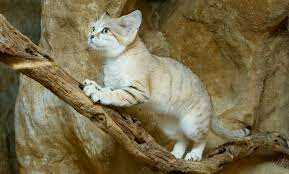
The sand cat, or Felis margarita, is a small wild cat. That inhibits the deserts of Northern Africa and Western Asia. The first name refers to its coloration. A light yellowish tone with dark brown spots. Its second name, margarita, means pearl in Spanish. The name is most likely due to its eyes, which are a light gold color.

The sand cat’s appearance and behavior make it an outstanding desert dweller. Its fur is thick and protects it from the sun and other harsh conditions found in the desert. On hot days, it buries itself in the sand. Its stealthy profile (a good hunter knows how to hide) makes it almost invisible. It has the widest ears of all cats, which contains blood vessels that cool down its body temperature. It can withstand temperatures up to 54 degrees Celsius (129 Fahrenheit). By lowering its metabolism and shutting down non-vital organs. In fact, at temperatures above 57 degrees Celsius (135 Fahrenheit), it can die.

The sand cat is a carnivore. Its diet consists mostly of smaller mammals, reptiles, and insects. It hunts using both sight and sound by staying downwind of the prey to avoid detection. Then pouncing on it with great strength. The front paws armed with sharp claws used to kill prey by piercing them or slashing their neck. The sand cats reported being able to leap up to three meters (ten feet). And can run 20 miles per hour (32 kilometers per hour).

smallest-wild-cat
Finally

So what is the smallest cat in the world? We have talked in detail about the smallest cats with very long tails. Rusty-spotted cat prionailurus spotted cat prionailurus rubiginosus. Smallest cats separate species, habitat loss. Small versions but tiny in size with darting movements.