Golden Retriever Puppy Price in 2026: What Actually Drives the Cost

Golden Retriever Puppy Price in 2026: What Actually Drives the Cost

Golden Retriever Puppy Price in 2026: What Actually Drives the Cost

The typical golden retriever puppy price from a US breeder in 2026 is roughly $1,000 to $3,500, and rescue adoption fees often run about $200 to $500. Puppies sold as “English cream” or from imported pedigrees can be listed higher. Higher prices should come with health clearances on both parents; a pale coat or a “rare” label doesn’t justify the extra cost.

Most buyers compare listings and still can’t tell whether a price is fair. This guide explains what each price range should get you, which health checks justify paying more, and what the dog will cost you after the first year.

Before you pay a deposit: ask for the parents’ registered names and look up their hip, elbow, heart and eye results yourself. See the puppy with its mother in person or on a live video call. Never pay a seller you can’t verify by gift card, payment app, wire transfer or crypto.

Key takeaways

  • Breeder puppies are commonly quoted at $1,000 to $3,500; rescue fees are often $200 to $500.
  • Health clearances on both parents are the main legitimate reason for a higher price.
  • “English cream” is not a separate breed, and coat color is no proof of better health.
  • The breed club estimates about 60% of Goldens die from cancer, so budget for vet care and insurance.
  • The first year of care for a large dog can cost over $3,000 on top of the purchase price.

Golden Retriever Puppy Price at a Glance (2026)

There’s no official national price list. In an August 2026 review of current cost guides, Petful found breeder estimates clustered around $1,000 to $3,500 and adoption estimates around $200 to $500. Petful presents these as research ranges, not national averages, and local prices vary.

The table below shows what you should expect to receive at each golden retriever puppy price range. The breeder ranges are typical asking prices, so use them as a starting point and check every claim yourself.

Source of the puppy Typical price What you should get
Shelter or Golden rescue About $200 to $500 Vet check, vaccines and often spay/neuter; inclusions vary
Litter with no parent health testing Often under $1,000 A puppy, but no proof the parents were screened
Health-tested breeder About $1,500 to $3,500 Parents’ clearances you can look up, a written contract and a return policy
Show, field or “English cream” marketing Often $3,500 and up Possibly titled parents, but part of the price may be marketing

What Actually Drives the Golden Retriever Puppy Price

Two puppies listed at the same golden retriever puppy price can be very different value. These are the factors that usually make the difference:

  • Parent health screening. Hip and elbow X-rays, a heart exam by a cardiologist and yearly eye exams cost the breeder money for every dog they breed. This is the main legitimate reason for a higher price.
  • Demand. The AKC ranked the Golden Retriever third of 210 breeds in 2025, so good breeders often have waitlists and set their prices accordingly.
  • Location. Prices tend to be higher in regions with a high cost of living and few local breeders.
  • Titles and lines. Parents with conformation, field or obedience titles can add cost because competing with a dog takes time and money.
  • What’s included. First vaccines, deworming, a microchip, AKC registration and a health guarantee all affect the price you’re quoted.
  • Coat marketing. Labels like “white,” “platinum” or “European” can raise the price without adding any health benefit.

Golden retriever puppy price guide: golden puppy lying on green grass
The golden retriever puppy price should reflect the parents’ health records, not just the puppy’s looks. Photo: Ilo Frey / Pexels.

Health Clearances That Justify a Higher Price

Ask any breeder which health tests the parents have had. The Golden Retriever Club of America (GRCA) sets out the tests its member breeders should complete in its code of ethics, and it expects the results to be recorded in an approved public online database:

Clearance Who does it Minimum age or timing
Hips OFA or PennHIP evaluation 24 months or older
Elbows OFA evaluation 24 months or older
Heart Board-certified veterinary cardiologist 12 months or older
Eyes Board-certified veterinary ophthalmologist Within 12 months before breeding, then yearly

The AKC breed page also lists a DNA test for neuronal ceroid lipofuscinosis (NCL5), an inherited nerve disorder, among the tests the national breed club recommends. Clearances can’t guarantee a healthy puppy, but they lower the odds of inherited joint, heart and eye problems.

Breeders sometimes say the parents are “vet checked” or “healthy.” Neither phrase is a clearance. Ask for each parent’s registered name and number, then look up the results in the Orthopedic Foundation for Animals (OFA) database. If a breeder won’t share these details, don’t pay a premium.

Does a higher golden retriever puppy price mean a healthier dog?

Not by itself. A $4,500 puppy whose parents have no public test results may be a riskier buy than a $2,200 puppy whose parents have every clearance on record. AKC registration only confirms the puppy’s parentage. It says nothing about whether the parents were health-tested.

English Cream vs. Gold: Does Color Change the Golden Retriever Puppy Price?

Color often affects the asking price, but it shouldn’t. The GRCA warns that pale Goldens are increasingly marketed as rare, healthier or longer-lived under names like “English cream” or “white European.” The club states plainly that there is only one Golden Retriever breed and that cream has always been one of its colors.

Full siblings in the same litter can range from very light cream to deep gold. The GRCA also cautions that breeders who select for one color narrow the gene pool, which can make inherited health problems more likely over time. The AKC-recognized breed standard calls for a “rich, lustrous golden of various shades.” It treats an extremely pale or extremely dark coat as undesirable.

Pet care tip: If you love a light coat, that’s fine. Pay for the parents’ clearances, temperament and the breeder’s support, not for the color name. If the breeder can’t show records, a cream puppy offered at $5,000 isn’t a better deal than a gold puppy at $2,500.

Golden retriever puppy price for cream coats: pale cream golden puppy resting on grass
A pale cream coat is a normal Golden color, so it shouldn’t raise the golden retriever puppy price by itself. Photo: JacLou- DL / Pexels.

First-Year and Lifetime Costs Beyond the Golden Retriever Puppy Price

The purchase price is usually a small share of the total. The AKC lists adult males at 65 to 75 pounds and females at 55 to 65 pounds, with a life expectancy of 10 to 12 years. For most of that time you’ll be feeding and caring for a large dog.

The AKC’s cost-to-raise-a-dog estimate puts a large dog’s first year at $3,239 and the average lifetime cost of a dog at $23,410. Those figures are several years old, so expect today’s costs to be higher.

Cost item AKC estimate per year Golden-specific note
Food $435 Golden retriever puppy food should be a large-breed puppy formula
Vet care $650 Puppies need extra visits for their vaccine series
Preventive medications $389 Heartworm, flea and tick prevention, dosed by weight
Supplies $432 Crate, beds and grooming tools for a heavy double coat
Pet insurance (optional) Not in AKC estimate US accident and illness average: $749.29 per year (2024 data)

The insurance figure comes from the North American Pet Health Insurance Association, whose 2025 industry report gives the average US accident and illness premium for dogs as $749.29 a year, or $62.44 a month. Your quote will depend on your ZIP code, the deductible you choose and your dog’s age.

Why cancer risk belongs in your budget

The GRCA, writing about the Morris Animal Foundation’s Golden Retriever Lifetime Study, estimates that about 60 percent of Golden Retrievers die from cancer. That doesn’t mean your dog will get cancer. It does mean that insurance or a savings fund started while your puppy is young may cost less over time than a single emergency bill. No breeder test can rule cancer out.

Adoption, Mixes and Lower-Cost Options

Adoption is the lowest-cost route, and many Golden rescue groups place adult dogs whose temperament is already known. Fees often include a vet exam, vaccines and a microchip, but check what’s covered before you sign. Puppies are rare in rescue, so be ready to wait or to consider an adult.

Mixes can cost less too. Golden retriever lab puppies (Goldadors) and other crosses are often listed below purebred prices, but the same health testing questions apply to both parents. Our guides to the Golden Retriever pitbull mix and when a Mini Goldendoodle is full grown cover two popular alternatives.

Example scenario (illustrative)

Kayla in Columbus, Ohio, was choosing between a $1,200 litter on a classifieds site and a $2,800 litter from a breeder 90 minutes away. Before she called, she asked herself, “What golden retriever puppy price makes sense for us?” The $1,200 seller couldn’t give the parents’ registered names. The breeder emailed the parents’ OFA numbers, a contract and a lifetime return clause. Kayla paid the higher price and set aside $60 a month for insurance.

Golden retriever puppy price and upkeep: dark golden puppy resting on a blanket indoors
Food, vet visits and supplies in the first year can cost more than the golden retriever puppy price itself. Photo: Josh Hild / Pexels.

Golden Retriever Puppy Price Red Flags and Scams

Cute golden retriever puppies are easy to fake online. Scammers reuse pictures of golden retriever puppies taken from other sites. The Federal Trade Commission advises running a reverse image search, refusing to be rushed, and treating requests for payment by gift card, payment app, crypto or wire transfer as a sign of a scam.

A very low price is a common bait. Treat any of these as a reason to walk away:

  • A golden retriever puppy price far below local norms, with “shipping only.”
  • No video call, no visit and no chance to see the mother.
  • Several litters or breeds available at all times.
  • “Health guaranteed” with no clearance numbers for either parent.
  • New fees added after you pay, such as crate, insurance or “quarantine” charges.

Report a suspected scam at ReportFraud.ftc.gov. Save every message and receipt.

Price-to-proof checklist: questions to ask any breeder

  1. What are both parents’ registered names and OFA numbers?
  2. When was each parent’s last eye exam?
  3. Does the price include vaccines, deworming, a microchip and registration?
  4. Is there a written health guarantee and a lifetime return clause?
  5. Can I meet the mother in person or on a live video call?

Golden Retriever Puppy Price: FAQs

How much is a golden retriever puppy in 2026?

Breeder puppies are commonly quoted at about $1,000 to $3,500. Puppies marketed as “English cream” or imported lines can be listed higher. Rescue adoption fees are often $200 to $500.

Why are Golden Retriever puppies so expensive?

Health-tested breeders pay for hip, elbow, heart and eye exams on every parent, plus vet care for each litter. Strong demand also keeps prices high.

Are English cream Golden Retrievers worth more?

No. The Golden Retriever Club of America says there is only one breed and cream is one of its normal colors. A pale coat doesn’t mean a dog is healthier or will live longer.

What health clearances should Golden Retriever parents have?

Hips (OFA or PennHIP) and elbows (OFA) at 24 months or older, a heart exam by a cardiologist, and a yearly eye exam by a veterinary ophthalmologist.

Is $3,000 too much for a Golden Retriever puppy?

Not if both parents have public hip, elbow, heart and eye results and you get a written contract. Without those records, $3,000 is too much.

How much does a Golden Retriever cost per year?

The AKC estimates a large dog’s first year at $3,239. Later years usually cost less, but insurance and age-related care add to the total.

Is a cheap Golden Retriever puppy a scam?

Not always, but a very low price, pressure to pay fast and payment by gift card, app or wire transfer are common scam signs.

Final Verdict: What Golden Retriever Puppy Price Should You Pay?

A fair golden retriever puppy price is usually $1,000 to $3,500 from a breeder whose dogs have public hip, elbow, heart and eye results. Rescue costs much less. Don’t pay extra for “English cream,” “rare” or “imported” labels without records. Put the money you save toward insurance and the first year of care.

Your next steps

  1. Contact two or three local Golden rescues before you shop for a breeder.
  2. Look up both parents’ clearances in the OFA database before paying a deposit.
  3. Read our guide to dog DNA test kits to see what a DNA test can and can’t confirm.
  4. Compare large-breed food options in our Canidae dog food guide, and browse more breed guides in our dogs section.

Share your Golden’s story with other owners in our Facebook community.

About the author — Written and reviewed by the Pets Store Home Editorial Team: pet owners and animal lovers who check every guide against trusted US veterinary, breed-club and consumer sources. Prices are market estimates and change often. This article is general information, not a substitute for professional veterinary advice.

How we checked this guide: Health testing and color guidance come from the Golden Retriever Club of America; breed size and recommended tests from the American Kennel Club; cost estimates from the AKC and NAPHIA; price ranges from Petful’s August 2026 review; and scam advice from the Federal Trade Commission. We review this guide every 12 months.

Last reviewed: October 2026.

Sources

Are Maltese Dogs Hypoallergenic? Their Best price and Lifespan

Are Maltese Dogs Hypoallergenic? Their Best price and Lifespan

Are Maltese Dogs Hypoallergenic? Price, Lifespan and Facts for Allergy Sufferers

Are Maltese dogs hypoallergenic? Not completely. No dog breed is allergen-free, and the American College of Allergy, Asthma and Immunology (ACAAI) says breeds like the Maltese are not guaranteed to be safer. Maltese shed lightly, which some allergy sufferers find easier, but they still produce allergens in dander and saliva.

The Maltese is a tiny, silky white companion dog that often tops lists of hypoallergenic dog breeds and small dogs that don’t shed. If you or someone at home has allergies, it is worth knowing what that label really means. This guide answers are Maltese dogs hypoallergenic using allergist and veterinary sources, then covers Maltese price, lifespan, size, health and care so you can decide with clear eyes.

Key takeaways

  • No breed is truly hypoallergenic; allergens come from dander, saliva and fur.
  • A Detroit study cited by the ACAAI found no significant allergen difference between “hypoallergenic” and other breeds’ homes.
  • Maltese are light shedders, which may help some people, but results vary by person and dog.
  • Maltese puppies from breeders often cost about $1,000 to $4,500 in the US; adoption is about $100 to $700.
  • Maltese usually live 12 to 15 years.
  • Common health concerns include kneecap problems, liver shunts and dental disease.

Are Maltese Dogs Hypoallergenic? The Honest Answer

The short answer to are Maltese dogs hypoallergenic is “less allergenic for some people, but not allergen-free.” In an ACAAI Ask the Allergist answer, an allergist names Samoyeds, Portuguese water dogs and Maltese as breeds often called hypoallergenic, but says none is guaranteed to be safer for people with allergies.

The ACAAI cites a Detroit study that found the main dog allergen, Can f 1, in 94% of 173 homes, with no statistically significant difference between homes with “hypoallergenic” breeds and homes with other dogs. A 2012 Dutch study in the Journal of Allergy and Clinical Immunology, indexed by Utrecht University, reached a similar conclusion: it found a lack of evidence to describe any dog breed as hypoallergenic.

Claim What the evidence says
“Maltese don’t cause allergies.” All dogs make allergens; the ACAAI says no breed is guaranteed safe.
“Allergies come from fur.” Allergen proteins are found in dander, saliva and fur.
“Low-shedding means low allergen.” Studies found no consistent breed difference in home allergen levels.
“Every Maltese is the same.” The ACAAI notes individual dogs vary in how much allergen they shed.

Sources: ACAAI and the 2012 Can f 1 study. Note: Fel d 1, sometimes quoted online, is a cat allergen, not a dog allergen.

Why people ask: are Maltese dogs hypoallergenic?

The reputation comes from the coat. Hill’s Pet Nutrition calls Maltese light shedders, and a WebMD breed guide, reviewed by Amy Flowers, DVM, says they almost never shed or drool. Less hair on furniture can mean less visible mess, but it does not remove the proteins people react to, so the “Maltese dog hypoallergenic” label is really about shedding, not allergens.

If you have allergies and want a Maltese

  • See an allergist first; the ACAAI says an allergist can evaluate your symptoms and prescribe medication.
  • Ask about allergy shots (immunotherapy), which can reduce sensitivity over time.
  • Spend time with the specific dog before committing, since individual dogs vary.
  • Keep the dog out of the bedroom and clean floors and bedding often.
White Maltese dog with a long silky coat, illustrating are Maltese dogs hypoallergenic
Maltese shed lightly, but no dog is completely allergen-free.

Maltese Dog Breed Overview

Knowing the breed helps you judge are Maltese dogs hypoallergenic enough for your home. So what is a Maltese dog? It is a toy companion breed with a long, straight, pure white coat. Hill’s says the breed is believed to come from Malta, a small island south of Sicily, with references in Roman, Greek and Egyptian sources, and that the American Kennel Club registered it in 1888. Dog Food Advisor notes the breed’s exact origins are uncertain.

Trait Full grown Maltese Source
Weight About 4 to 7 pounds Hill’s; WebMD
Height About 7 to 10 inches WebMD; Hill’s
Coat Long, straight, silky, white Hill’s
Exercise About 20 to 30 minutes a day Hill’s; PDSA
Grooming Daily brushing; regular baths Hill’s; WebMD; PDSA
Lifespan About 12 to 15 years Hill’s; WebMD

Maltese dog size estimates vary slightly by source. The Maltese is small, but it is not the smallest dog breed, as some sites claim.

Full grown Maltese dog standing, showing typical Maltese size of about 4 to 7 pounds
A full grown Maltese usually weighs under 7 pounds.

Maltese personality

Hill’s describes the Maltese as gentle, affectionate, intelligent and playful, and highly alert, often barking at unfamiliar noises. WebMD notes they become very attached to their people and can develop separation anxiety if left alone too long. Both sources warn they can be snappy with rowdy young children, and WebMD notes the AKC rates the breed 3 out of 5 for good with young children. They suit calm homes or families with older kids.

Grooming a Maltese

That flowing coat takes work. WebMD says the coat needs daily brushing and combing to prevent mats, plus frequent baths. Owners can keep it long or clip it to about one to two inches, which is much easier to maintain. Hill’s adds that cleaning around the eyes daily helps prevent tear staining.

If that sounds like a lot, our guide to easy, low-maintenance pets may help. Regular grooming also helps keep loose hair under control, which matters to allergy-sensitive homes wondering are Maltese dogs hypoallergenic in daily life.

Maltese Price: How Much Does a Maltese Cost?

Once you have settled are Maltese dogs hypoallergenic for your household, budget is the next question. Maltese prices vary widely by breeder, region and bloodline. Dog Food Advisor puts show- or breeding-quality puppies at about $1,000 to $2,000, while a 2026 iHeartDogs guide gives the regional ranges below. Adoption through a rescue typically costs about $100 to $700.

US region Typical Maltese puppy price
Northeast $1,500–$4,000
South $1,200–$3,500
Midwest $1,000–$3,000
West $1,500–$4,500
Rescue or adoption About $100–$700

Sources: iHeartDogs (2026) and Dog Food Advisor (2025). iHeartDogs does not publish its data method, so treat these as estimates.

Ongoing costs of owning a Maltese

The purchase price is only the start. iHeartDogs estimates yearly costs of about $240 to $480 for food (see our Pet Food Center for diet ideas), $300 to $1,200 for vet care, $320 to $1,080 for grooming and $200 to $600 for insurance. Over a 15-year life, it estimates $20,650 to $47,500, not including the puppy. In the UK, the PDSA suggests budgeting at least £70 a month.

Why a very cheap Maltese puppy is a red flag

Prices far below the ranges above can signal a puppy mill, a scam or a dog without health testing. Avoid sellers who will not show you the parents, share health records or let you visit. “Teacup” is a marketing label, not a recognized type of Maltese, so ask your vet about health risks before buying an unusually tiny dog. A healthy Maltese puppy from a tested litter is worth the wait.

Maltese puppy with a white coat, showing what buyers pay for when comparing Maltese price
Ask breeders for parent health tests before paying for a Maltese puppy.

Maltese Lifespan and Common Health Problems

The Maltese lifespan is long for a dog. Hill’s gives 12 to 14 years, while WebMD and Dog Food Advisor give 12 to 15 years. The PDSA says over 12 years. Good breeding, dental care and a healthy weight likely help a Maltese reach the upper end of that range. A long Maltese lifespan also means a long allergy commitment, another reason to settle are Maltese dogs hypoallergenic for you before buying.

Health concern What it is
Patellar luxation Slipping kneecaps
Liver shunt and MVD Congenital liver blood-flow problems
Dental disease WebMD says the breed is prone to it; plan cleanings
Heart disease Listed by the PDSA
Hydrocephalus, CM/SM Brain and skull conditions listed by the PDSA
Eye problems Cataracts and entropion (inward eyelids)

Sources: PDSA and WebMD (reviewed by Amy Flowers, DVM).

The American Kennel Club lists three tests recommended by the national Maltese breed club: a patella evaluation, a cardiac exam and serum bile acids, a blood test that screens for liver problems. Ask any breeder for these results.

Are Maltese Dogs Hypoallergenic Enough for Your Home?

Whether a Maltese works for you depends on how severe your allergies are and how much grooming you can manage. For people with mild allergies, a light-shedding, small dog kept well groomed may be manageable. For people with severe allergies or asthma, the ACAAI’s advice is to see an allergist first, and some may need to avoid dogs altogether.

If you are comparing small hypoallergenic dogs, the same rule applies to every breed. Explore more small breeds in our guide to cute small dog breeds, and if you adopt a Maltese mix, a dog DNA test kit can estimate its breed makeup.

Pet Care Tip: Brush your Maltese outdoors or in a room away from the bedroom, and wash its bedding weekly. Daily grooming keeps the coat free of mats and can limit loose hair around your home.

When to call a vet right away: Contact your vet if your Maltese skips on a back leg, seems weak or wobbly after meals, has seizures, stops eating, or has bad breath with red gums, as these signs need prompt checks for problems such as kneecap, liver or dental disease. For collapse, trouble breathing or a seizure, go to a 24/7 emergency animal hospital.

7 questions to ask a Maltese breeder

  1. Can I see the patella, cardiac and bile acid test results for both parents?
  2. Can I meet the mother and see where the puppies are raised?
  3. How much do the parents weigh?
  4. Has the puppy had a vet check and first vaccines?
  5. Do you offer a written health guarantee?
  6. Will you take the dog back if I cannot keep it?
  7. Can I visit more than once to check my allergies?

Example Scenario (illustrative)

Sophie in Chicago has mild dog allergies and wanted a Maltese. She saw an allergist, visited a breeder three times to spend an hour with the puppy’s mother, and noticed only light sneezing. She now keeps her Maltese, Pearl, in a short puppy clip, brushes her daily and keeps the bedroom dog-free.

Myth Fact
“Maltese make less Fel d 1.” Fel d 1 is a cat allergen; the main dog allergen is Can f 1.
“Maltese are the smallest dog breed.” They are a toy breed, but not the smallest.
“Maltese live 20 years.” Most sources give 12 to 15 years.
“Hypoallergenic means allergy-proof.” The ACAAI says no breed is guaranteed safer.

What most owners get wrong

It is easy to assume the “hypoallergenic” label solves allergies, then struggle once the dog is home. Before asking are Maltese dogs hypoallergenic, ask whether your allergies have been tested. A trial visit and an allergist’s advice protect both you and the dog.

Are Maltese Dogs Hypoallergenic? FAQs

Do Maltese dogs shed?

Very little. Hill’s calls them light shedders, and WebMD says they almost never shed.

Are Maltese good for people with allergies?

Some people with mild allergies cope well, but the ACAAI says no breed is guaranteed to be safer.

How much is a Maltese puppy?

Breeder prices in the US often range from about $1,000 to $4,500; adoption is about $100 to $700.

How long do Maltese dogs live?

Usually 12 to 15 years, according to Hill’s, WebMD and Dog Food Advisor.

How big does a full grown Maltese get?

Most weigh about 4 to 7 pounds and stand about 7 to 10 inches tall.

Are Maltese good with kids?

They are affectionate but can be snappy with rowdy young children, so they suit calm homes or older kids.

Where are Maltese dogs from?

The breed is believed to come from Malta, though its exact origins are uncertain.

Final Verdict: Are Maltese Dogs Hypoallergenic?

No dog is truly hypoallergenic, including the Maltese, but its light-shedding coat may suit some people with mild allergies. Expect to pay about $1,000 to $4,500 from a breeder, plan for 12 to 15 years of care, and see an allergist and meet the dog before you commit.

Your next steps

  1. Book an allergist appointment to test for dog allergies.
  2. Spend time with adult Maltese before buying a puppy.
  3. Ask breeders for patella, cardiac and bile acid results.

Join our community on the Pets Store Home Facebook page, and explore more breed guides in our Dogs section and most affectionate pets list.

About the author: Written and reviewed by the Pets Store Home Editorial Team, pet owners who check every guide against trusted sources.

How we checked this guide: Allergy facts come from the ACAAI and a 2012 Can f 1 study. Breed, coat and lifespan facts come from Hill’s, WebMD (reviewed by Amy Flowers, DVM), Dog Food Advisor and the PDSA. Prices come from iHeartDogs and Dog Food Advisor, and health tests from the American Kennel Club.

Price sources do not publish their methods, so we present ranges. This guide was fully rewritten in October 2026, and we review it every 12 months.

Last reviewed: October 2026.

Do Beagles Shed a Lot? How Much or Bad?

Do Beagles Shed a Lot? How Much or Bad?

Do Beagles Shed a Lot? Shedding, Cost, Size and Weight Guide

Do beagles shed a lot? Beagles shed a moderate amount all year, with a heavier shed in spring when they lose their winter coat. Their short, smooth double coat is easy to care for, and the PDSA says a weekly brush is usually enough. Beagles are not hypoallergenic, so allergy sufferers should meet one before committing.

The beagle dog is a cheerful, compact scent hound, but new owners often have the same questions: do beagles shed a lot, how much do they cost, how big do they get, and why do so many get chubby? This guide answers each one with vet and welfare sources, so you know exactly what to expect.

Key takeaways

  • Beagles shed moderately year-round, with more hair loss in spring.
  • A weekly brush and occasional bath keep shedding under control.
  • Beagles are not hypoallergenic; no breed truly is, says the ACAAI.
  • US breeder prices run roughly $700 to $2,200, depending on region, per iHeartDogs.
  • Most beagles weigh about 20 to 24 pounds, with show varieties under 13 inches or 13 to 15 inches tall.
  • Beagles have about 2.7 times the risk of being overweight compared with crossbreeds, an RVC study found.

Do Beagles Shed a Lot? The Short Answer

Beagles shed, but not as heavily as many long-coated breeds. WebMD describes the beagle’s coat as short and smooth, growing in two layers, and says beagles shed all year, with extra shedding in spring as they drop their winter coat. The PDSA, a UK veterinary charity, says to expect a reasonable amount of shedding, as with most dogs.

So, do beagles shed a lot? In everyday terms, beagle shedding means short hairs on your sofa, clothes and floors, but a quick weekly brush keeps it manageable. In our experience, a typical week brings a light film of hair on dark fabrics rather than clumps. Because the hairs are short and stiff, they can weave into fabric, which is why some owners feel beagles shed more than they really do.

Beagle coat fact What it means for shedding
Short, smooth coat Easy to brush; hairs are short but stick to fabric
Two layers (double coat) The undercoat sheds out seasonally
Sheds all year Expect steady, light hair loss
Heavier shed in spring Brush more often while the winter coat comes out

Sources: WebMD (medically reviewed, April 2026) and PDSA. The fabric and weekly-shedding notes are our general observations.

Do old and baby beagles shed?

Yes. Whatever their age, the answer to do beagles shed a lot stays much the same: beagles of every age shed. Puppies usually swap their soft puppy fluff for an adult coat during the first year, so you may notice changes in texture and shedding as they mature. Senior beagles keep shedding too. A sudden increase in hair loss, bald patches or itchy skin at any age is worth a vet check, since WebMD lists allergies and hypothyroidism among beagle health issues, and the PDSA lists hypothyroidism too.

Do beagles shed a lot: a beagle with a short tricolor coat sitting on a couch
Beagles have a short double coat that sheds moderately all year.

How Much Do Beagles Shed Compared With Other Dogs?

If you are still asking do beagles shed a lot compared with other breeds, they sit in the middle of the shedding scale. They leave more hair around than light shedders such as the Maltese, yet their short coat is much quicker to groom than a thick, long one. If you are comparing breeds for an allergy-friendly home, our Maltese shedding guide and our look at French bulldog shedding show how other small breeds compare.

Are beagles hypoallergenic?

No. Like any dog, a beagle sheds hair and dander that can trigger allergies. The American College of Allergy, Asthma and Immunology says no dog breed is truly hypoallergenic. If anyone in your household has allergies, book time with a grown beagle before committing, and ask an allergist for advice.

When do beagles shed the most?

Spring is the peak, and it is when owners most often ask do beagles shed a lot. Beagle shedding climbs at that time because, as WebMD notes, the dog is dropping its thicker winter coat. Many owners also report a smaller shed in autumn as the coat fills out again, so set aside a little extra brushing time whenever the seasons turn.

How to Manage Beagle Shedding

Even if you feel your beagle dog sheds a lot, the good news is that grooming is simple. The PDSA calls their coat fairly low maintenance, and WebMD says occasional brushing and baths are enough to keep them clean. A short routine keeps loose hair off your furniture, and it is the best practical answer to do beagles shed a lot indoors.

Grooming task How often Why
Brush the coat Weekly; more in spring Removes loose hair before it lands on furniture
Bathe Occasionally, when dirty or smelly Keeps the coat clean without drying the skin
Check and clean ears Regularly, at least weekly PDSA says to keep floppy ears clean and dry
Trim nails Regularly WebMD recommends regular nail trims

Sources: PDSA (weekly brushing, ear care) and WebMD (baths, nails). Bathing and ear-check timings are our general guide.

For tools, a rubber grooming mitt or a short-bristle brush suits the beagle’s short coat best. Brush outside when the weather allows, so loose hair stays out of the house, then use a lint roller or a pet-hair vacuum head on sofas. The PDSA also recommends a complete, balanced dog food, which supports your beagle’s overall health, coat included.

Owner brushing a beagle to manage shedding
A weekly brush is usually enough to keep beagle shedding under control.

How Much Does a Beagle Cost?

Compared with many trendy breeds, beagles are fairly budget-friendly. iHeartDogs breaks down typical US breeder prices by region, from roughly $700 at the low end to $2,200 at the top. It also notes that beagles from rescues often arrive already spayed or neutered, vaccinated and partly trained, which can trim your upfront spending.

US region Typical breeder price
Northeast $1,000 to $2,200
West $1,000 to $2,100
Northwest $900 to $2,000
South $800 to $1,800
Rocky Mountains $700 to $1,800
Midwest $700 to $1,700

Source: iHeartDogs (2026). Prices vary by breeder and lineage; the source does not publish its method.

The ongoing cost of a beagle

Day-to-day costs add up over a long life. iHeartDogs puts food at $30 to $50 a month, routine vet visits at $150 to $400 a year and insurance at $20 to $60 a month, for a lifetime total of about $14,000 to $25,000 over 12 to 15 years, before the purchase price. A bargain puppy from an unknown seller can end up costing more if health problems surface, so favor breeders who health-test.

How Big Do Beagles Get?

Beagles are small to medium dogs. WebMD says show beagles are split into two height varieties: under 13 inches at the shoulder, and over 13 up to 15 inches. Pet beagles can fall outside those ranges. The PDSA gives an average height of 33 to 40 cm (about 13 to 16 inches) and an average weight of 9 to 11 kg (about 20 to 24 pounds).

Measure Typical range Source
Show height (small variety) Under 13 inches WebMD
Show height (large variety) Over 13 to 15 inches WebMD
Average height 33 to 40 cm (about 13 to 16 in) PDSA
Average weight 9 to 11 kg (about 20 to 24 lb) PDSA

Why Do Beagles Get Fat So Easily?

Beagles love food, and research backs that up. A Royal Veterinary College VetCompass study of more than 22,000 dogs found beagles had about 2.67 times the risk of being overweight compared with crossbred dogs, second only to pugs among the breeds it highlighted. A sharp nose and a big appetite mean stray snacks and extra treats pile up quickly.

Exercise and portion control are the fix. WebMD says beagles need a lot of exercise, at least an hour a day when young, and the PDSA advises keeping treats to no more than 10% of daily calories and cutting meals to match. Our guide on helping your dog lose weight has practical steps if your beagle is already chubby.

Healthy weight beagle on a walk, showing why beagles can get fat without exercise
Daily exercise and measured meals help beagles stay at a healthy weight.

Beagle Health and How Long Beagles Live

How long do beagles live? WebMD gives a beagle life expectancy of 12 to 15 years, and the PDSA says over 12 years on average. Health issues linked to the breed include epilepsy, hypothyroidism, intervertebral disc disease, allergies, ear infections and eye conditions such as cherry eye, according to the PDSA and WebMD. Keeping your beagle lean and active is an easy, everyday way to support its back, joints and general health.

The PDSA also advises checking that a puppy’s parents have been screened for inherited conditions, such as Factor VII deficiency and Musladin-Lueke syndrome. Whichever breed of beagles you choose, from pet lines to show lines, ask about health screening. For more breed ideas, see our list of cute small dog breeds.

Pet Care Tip: Make breakfast a nose workout. Hide part of the daily kibble around the yard or in a snuffle mat, so your beagle uses its scenting skills, burns a little energy and eats more slowly.

When to call a vet right away: PDSA and WebMD list allergies, ear infections, hypothyroidism, epilepsy and intervertebral disc disease among beagle health issues, so see your vet for itchy or red skin, bald patches, smelly or painful ears, unexplained weight gain or a seizure. As general advice, treat a long seizure, collapse or sudden back pain as an emergency and go to a 24/7 emergency animal hospital.

7 questions to ask a beagle breeder

  1. Have the parents been screened for inherited conditions?
  2. Can I meet the mother and see where the puppies live?
  3. How big are the parents?
  4. Has the puppy had a vet check and first vaccines?
  5. What food is the puppy eating now?
  6. Do you offer a written health guarantee?
  7. Will you take the dog back if I cannot keep it?

Example Scenario (illustrative)

Priya in Charlotte adopted a 3-year-old beagle, Rosie, who weighed several pounds over her ideal. Her vet set a daily food amount, cut treats to a small share of calories, and suggested two brisk walks plus a snuffle-mat breakfast. Over several months, Rosie slimmed down, and a weekly brush kept her shedding under control.

Myth Fact
“Short-haired dogs don’t shed.” Beagles have short hair and still shed all year.
“Beagles are hypoallergenic.” The ACAAI says no breed is truly hypoallergenic.
“Frequent baths stop shedding.” Regular brushing works better; WebMD says occasional baths are enough.
“A chubby beagle is just a happy beagle.” Beagles are at high risk of being overweight, which harms their health.

What most owners get wrong

Many owners ask do beagles shed a lot, yet overlook the bigger issue: weight. For a food-loving hound, a handful of extra treats each day adds up quickly. Weigh or measure meals, keep track of treats and stick to daily exercise, and your beagle will stay healthier and easier to care for.

Do Beagles Shed a Lot? FAQs

Do beagles shed a lot compared with labs?

Both shed year-round, but a beagle dog is much smaller, so there is usually less hair overall.

How often should I brush a beagle?

About once a week, and more often during the spring shed.

Are beagles good for people with allergies?

Not usually. Beagles shed, and the ACAAI says no breed is truly hypoallergenic.

How much does a beagle puppy cost?

US breeder prices run roughly $700 to $2,200, depending on region.

How big do beagles get?

Most weigh about 20 to 24 pounds and stand around 13 to 16 inches tall.

How long do beagles live?

How long do beagles live on average? Typically 12 to 15 years, according to WebMD.

Why is my beagle always hungry?

Beagles are food-driven hounds; measure meals, limit treats and ask your vet about a healthy weight.

Final Verdict: Do Beagles Shed a Lot?

So, do beagles shed a lot? They shed moderately all year, with a heavier spring shed, but a weekly brush keeps it manageable. They cost roughly $700 to $2,200 from US breeders, weigh about 20 to 24 pounds, and are prone to weight gain, so measured meals and daily exercise matter as much as grooming.

Your next steps

  1. Buy a rubber grooming mitt and brush your beagle weekly.
  2. Ask your vet for your beagle’s ideal weight and daily food amount.
  3. Plan at least an hour of walks and sniffing games each day.

Join our community on the Pets Store Home Facebook page, and explore more breed guides in our Dogs section. Have a beagle mix? A dog DNA test kit can estimate its ancestry.

About the author: Written and reviewed by the Pets Store Home Editorial Team, pet owners who check every guide against trusted sources.

How we checked this guide: Shedding, coat, size, lifespan and health facts come from WebMD (medically reviewed) and the PDSA veterinary charity. Overweight risk comes from the Royal Veterinary College VetCompass study, allergy guidance from the ACAAI, and prices from iHeartDogs.

Price sources do not publish their methods, so we present ranges. This guide was fully rewritten in October 2026, and we review it every 12 months.

Last reviewed: October 2026.

Do French Bulldogs Shed a Lot? Coat Type, Shedding & Grooming Guide

Do French Bulldogs Shed a Lot? Coat Type, Shedding & Grooming Guide

Do French Bulldogs Shed a Lot? Coat Type, Shedding & Grooming Guide

Do French Bulldogs shed a lot? No. Most Frenchies are light-to-moderate shedders. Their short, smooth coat drops a small amount of hair all year, with a mild increase for some dogs in spring and fall. A weekly brush with a rubber mitt or medium-bristle brush usually keeps loose hair under control. Sudden bald patches, red skin or constant scratching aren’t normal shedding, so call your vet if you see them.

You will find short hairs on your couch and clothes, but nothing like the fur drifts a Husky leaves behind. This guide covers how the Frenchie coat works, seasonal changes, shedding versus hair loss, and a simple grooming routine.

See your vet if: your French Bulldog has bald or thinning patches, red, scaly or smelly skin, pus-filled bumps, constant scratching, licking or chewing, or loses a lot of hair at once. These signs point to a skin, allergy, parasite or hormone problem rather than normal shedding.

Key takeaways

  • US vet and breed sources rate Frenchie shedding from minimal to moderate, never heavy.
  • The coat is short and smooth, so hair loss is steady and low rather than seasonal “coat blowing.”
  • Weekly brushing and a bath every one to two months suit most Frenchies.
  • No dog breed is truly hypoallergenic, and that includes French Bulldogs.
  • Skin folds, ears and nails need more regular attention than the coat itself.

Do French Bulldogs Shed a Lot? The Short Answer

Ask three trusted US sources “do French Bulldogs shed a lot?” and you’ll get three slightly different words, but none call the breed a heavy shedder.

Source How it describes Frenchie shedding Brushing advice
American Kennel Club (AKC) Sheds minimally Weekly, medium-bristle brush or rubber mitt
PetMD (vet-written) Average shedder Weekly
WebMD (medically reviewed) Sheds a moderate amount Grooming “not complicated”

The AKC says the Frenchie’s coat sheds minimally and doesn’t need a lot of grooming, while WebMD’s reviewed breed guide says Frenchies shed a moderate amount. The difference likely comes down to the individual dog, plus diet, health and season.

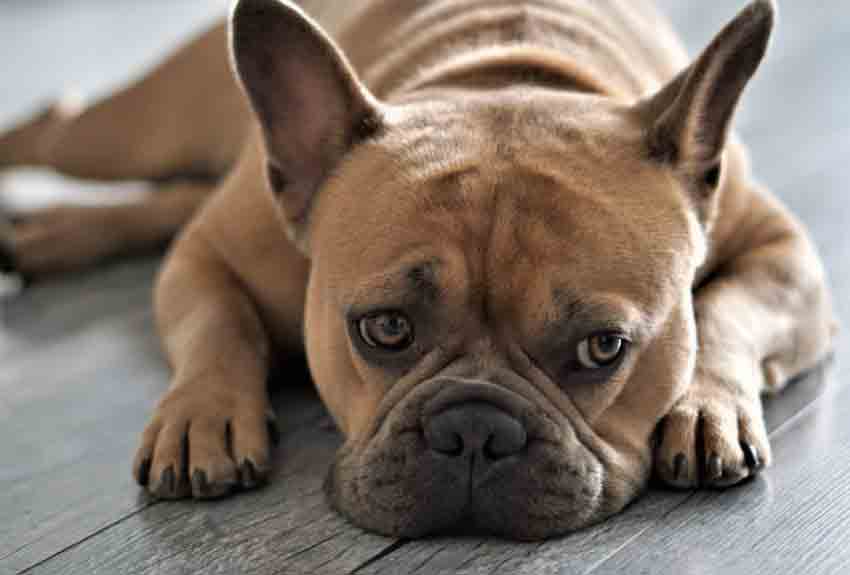
Do French Bulldogs shed a lot: fawn French Bulldog lying on a hardwood floor indoors
Short fawn hairs show up most on dark floors and fabrics, even though Frenchies are light shedders. Photo: David Kanigan / Pexels.

French Bulldog Coat Type: Short, Smooth and Fine

The French Bulldog has a short, fine, smooth coat that lies close to the body. It’s usually described as a single coat, meaning it lacks the thick, woolly undercoat that breeds such as Huskies and Golden Retrievers grow for insulation.

That matters because the undercoat is where most heavy shedding comes from. The AKC explains that double-coated breeds tend to shed year-round, with big peaks in spring and fall as they swap winter and summer coats. A Frenchie has far less hair to swap.

Short hair has a catch, though. The stiff, fine hairs weave into upholstery and clothing and can be harder to pick off than soft fur. That’s one reason owners keep asking “do French Bulldogs shed a lot?” despite the breed’s light-shedding reputation. Whether you have a fawn, brindle or brown Frenchie, color isn’t known to change shedding; it mainly changes where hair shows. For rare colors, see our guides to the full-grown blue merle French Bulldog and merle French Bulldog prices.

How Much Do French Bulldogs Shed Through the Year?

When people ask “do French Bulldogs shed a lot?” they’re often thinking about seasons. For most Frenchies, shedding is a gentle, year-round trickle. Many owners notice a small rise in spring and fall. The AKC links these seasonal shifts to hormonal responses to day length and temperature, and says a shedding season usually lasts from a few weeks to a couple of months. Indoor dogs with steady heating and lighting may shed more evenly all year.

Time of year What you may notice Grooming tweak
Spring Mild increase as the coat thins for warmer weather Brush two or three times a week for a few weeks
Fall Possible small rise as days shorten Brush a little more often; check for patchy loss
Winter Usually low; dry indoor heat can dull the coat Avoid over-bathing; watch the flanks for bald areas

Seasonal flank alopecia: a Frenchie-specific winter quirk

Some French Bulldogs lose hair in neat, matching patches on both sides of the body in fall or winter. This isn’t heavy shedding. VCA’s veterinarians describe it as seasonal flank alopecia and name French Bulldogs among the breeds it commonly affects. The bare skin may look darker than usual, and the hair typically regrows in spring.

VCA says the condition is cosmetic, but have your vet check any patchy hair loss first, because thyroid disease, allergies, mange and infections can look similar.

Do French Bulldogs shed a lot in winter: black and white Frenchie lying by a fireplace
Dry indoor heat in winter can leave a Frenchie’s skin and coat dull, so go easy on baths. Photo: Alex Kviatkouski / Pexels.

What Makes a French Bulldog Shed More?

If your answer to “do French Bulldogs shed a lot?” has suddenly become “mine does,” something has probably changed. These are the usual reasons for extra French Bulldog shedding.

Cause Clues What to do
Puppy coat change Softer puppy hair usually gives way to the adult coat within the first year Normal; brush gently a little more often
Allergies Itchy skin, paw licking, red belly, ear trouble Vet visit; allergies are managed, not cured
Fleas, ticks or mites Scratching, scabs, thinning near the tail or face Vet-recommended parasite prevention
Hormone disorders Thin coat, weight gain, low energy (hypothyroidism, Cushing’s disease) Blood tests at your vet
Skin infections Red, scaly or smelly patches; ring-shaped bald spots Vet diagnosis and treatment
Diet and stress Dull, dry coat; extra shedding after a move or vet trip Complete, balanced food; calm routine
Over-bathing Dry, flaky skin and a brittle coat Space baths out; use a mild dog shampoo

Allergies deserve special mention. WebMD and PetMD both flag skin allergies as a common Frenchie problem, and PetMD notes that allergic dogs may need medicated baths more often. Constant scratching can pull out far more hair than normal shedding. The AKC also warns that bathing too often can dry out the skin and coat.

Normal shedding or hair loss? When to call the vet

Normal shedding is even and leaves healthy skin underneath, which is why “do French Bulldogs shed a lot?” is a different question from “why is my Frenchie going bald?” Hair loss, which vets call alopecia, often leaves thin or bare patches. The AKC lists infections, allergies, parasites and hormone disorders among the main causes, and says to consult your veterinarian if your dog loses too much hair at once. Book a visit for bald spots, redness, pus-filled bumps, bleeding, odor or scaly patches.

Do French Bulldogs Shed a Lot Compared With Other Breeds?

Context helps when you’re asking “do French Bulldogs shed a lot?” Compared with breeds that carry a thick undercoat, Frenchies shed far less. Compared with low-shedding curly coats, they shed more. The AKC notes that coat type largely decides how much a dog sheds, so treat these ratings as general.

Breed Coat Typical shedding Brushing
French Bulldog Short, smooth Light to moderate Weekly
Pug Short; some have an undercoat Often heavier than a Frenchie Several times a week
Beagle Short, dense Moderate Weekly or more
Golden Retriever Long, double Heavy, with seasonal peaks Several times a week
Poodle Curly, continuous growth Low (hair is trapped in curls) Frequent, plus clipping

Our guides on whether Golden Retrievers shed a lot and whether Beagles shed a lot add detail. For almost no hair, see our list of hairless dog breeds.

Are French Bulldogs Hypoallergenic?

No. Even if the answer to “do French Bulldogs shed a lot?” is “not much,” low shedding isn’t the same as low allergen. The American College of Allergy, Asthma and Immunology (ACAAI) says there are no consistent differences in allergens between breeds, including those that shed less fur. A Detroit study it cites found dog allergen in 94% of homes, with no meaningful gap between homes with “hypoallergenic” breeds and other dogs.

The proteins that trigger allergies come from a dog’s saliva, dander and urine, though hair can carry dander and pollen around your home. Tolerance varies by dog, not breed. If anyone in your home has dog allergies, ACAAI suggests talking to an allergist before bringing a puppy home.

French Bulldog Grooming Guide to Control Shedding

Because the answer to “do French Bulldogs shed a lot?” is mostly no, coat care takes only minutes a week. The face, ears and nails need more attention. Here’s a schedule based on AKC and vet guidance.

Task How often Tip
Brush the coat Weekly; more during spring and fall Rubber mitt, curry brush or medium-bristle brush
Wipe facial folds Daily or after meals Clean, then dry thoroughly
Clean ears Every week or two, and after water Wipe only the visible outer ear
Bath Every one to two months Mild dog shampoo; rinse and dry well
Trim nails When you hear clicking on hard floors Trim the tip only, avoiding the quick
Brush teeth Daily is ideal; a few times a week helps Dog toothpaste only

PetMD’s vet-written breed profile recommends weekly brushing and a bath every one or two months, with ear cleaning every week or two. For nails, our step-by-step guide on trimming a dog’s nails without cutting the quick walks you through it.

How to brush a French Bulldog in five minutes

  1. Pick a calm moment, with treats ready.
  2. Run a rubber mitt or curry brush against the direction of hair growth to loosen dead hair.
  3. Go back over the coat with the grain to lift the loose hair away.
  4. Finish with a damp cloth or grooming wipe to catch fine hairs and add shine.
  5. Check the skin for redness, fleas or bald spots.

Skip slicker brushes and sharp de-shedding blades; they’re made for thick undercoats and may irritate thin-coated skin.

Don’t forget the wrinkles

Deep facial folds trap warmth and moisture, which lets yeast and bacteria overgrow. Vetstreet’s vet-reviewed guide calls this skin fold dermatitis and notes that flat-faced breeds are prone to it and that extra weight makes it worse. Wipe the folds with a pet-safe product and dry them fully. Our wrinkle wipes guide covers what to look for in a wipe.

French Bulldog grooming: brindle Frenchie with facial wrinkles resting indoors in a red harness
A Frenchie’s facial folds need more regular care than its short coat. Photo: Kimy Moto / Pexels.

How to Keep Frenchie Hair Off Your Home

Do French Bulldogs shed a lot next to most breeds? No, but even a light shedder leaves hair behind. These habits help:

  • Use washable throws on your Frenchie’s favorite couch spot and wash them weekly.
  • Vacuum with a HEPA filter. ACAAI recommends high-efficiency vacuums and HEPA air cleaners for people with dog allergies.
  • Keep a rubber glove or lint roller handy. A damp rubber glove often lifts stiff, short hairs out of fabric.
  • Feed a complete, balanced diet. Ask your vet before adding supplements.

Example scenario (illustrative)

Ramon in Austin noticed fawn hairs all over his gray sofa and wondered, “Do French Bulldogs shed a lot, or is it just mine?” His Frenchie, Biscuit, had never been brushed. Ramon started a five-minute rubber-mitt brush every Sunday and put a washable throw on the couch. Within a month, he was picking up far less hair. When an itchy patch appeared on Biscuit’s belly that spring, Ramon booked a vet visit instead of brushing harder.

Do French Bulldogs Shed a Lot? FAQs

Do French Bulldogs shed a lot of hair?

No. Most Frenchies are light-to-moderate shedders. The AKC says the coat sheds minimally, while WebMD calls it moderate. Expect some short hairs on furniture year-round, with a small rise in spring and fall.

Do French Bulldogs have a double coat?

No. The French Bulldog has a short, smooth coat without the thick undercoat of breeds like Huskies, so it doesn’t “blow coat” in heavy seasonal bursts.

Do French Bulldog puppies shed?

Yes, a little. Puppies shed their softer baby coat as the adult coat grows in, usually within the first year. Gentle weekly brushing helps, and it gets your puppy used to grooming early.

How often should I bathe my French Bulldog?

PetMD suggests every one to two months. Bathing too often can dry out the skin, though dogs with allergies may need medicated baths more often if your vet recommends them.

Are French Bulldogs good for people with allergies?

Not reliably. ACAAI says no breed is truly hypoallergenic, because allergens come from saliva, dander and urine. Spend time with a Frenchie and talk to an allergist before committing.

Why is my French Bulldog suddenly shedding so much?

Common reasons include allergies, parasites, skin infections, hormone problems, stress or a poor diet. Bald patches, red skin or itching mean it’s time for a vet visit rather than more brushing.

Final Verdict: Do French Bulldogs Shed a Lot?

Do French Bulldogs shed a lot? Not really. Their short, smooth coat sheds lightly and steadily, with modest rises in spring and fall, and a weekly brush keeps most of it in check. Low shedding doesn’t mean hypoallergenic. Focus grooming on wrinkles, ears and nails, and call your vet about patchy hair loss or itchy, sore skin. For more on the breed, read can French Bulldogs swim?

Your next steps

  1. Set a weekly five-minute brushing slot and a daily fold wipe.
  2. Book a vet check if you see any of the red-flag signs above.
  3. Browse more breed and care guides in our dog section.

Got a Frenchie shedding question? Join other pet parents in our Facebook community.

About the author — Written and reviewed by the Pets Store Home Editorial Team: pet owners and animal lovers who check every guide against trusted US veterinary and animal-welfare sources. This article is general information, not a substitute for professional veterinary advice. Always talk to your veterinarian about your own pet’s health.

How we checked this guide: Shedding, coat and grooming information comes from the American Kennel Club, VCA Animal Hospitals’ veterinarians, PetMD (written by Melissa Boldan, DVM), WebMD (medically reviewed), Vetstreet (veterinarian-reviewed) and the American College of Allergy, Asthma and Immunology. We review it every 12 months.

Last reviewed: October 2026.

Sources

Can French Bulldogs Swim? Do They Shed? Why They are So Expensive?

Can French Bulldogs Swim? Do They Shed? Why They are So Expensive?

Can French Bulldogs Swim? Do They Shed? Why Are They So Expensive?

Can French bulldogs swim? Not well. French bulldogs have heavy heads, short legs and flat faces, so most struggle to stay afloat and can tire or sink quickly. WebMD warns they cannot safely dog paddle. With a well-fitted life jacket, constant supervision and shallow water, many Frenchies can still enjoy a short, safe splash.

French bulldogs are America’s favorite breed, but they come with a few surprises. Owners often ask three things: can French bulldogs swim, do French bulldogs shed, and why do they cost so much? This guide answers all three with vet-backed sources, then covers size, health and the real cost of owning a Frenchie.

Key takeaways

  • Most French bulldogs are poor swimmers and can drown, so never leave one unsupervised near water.
  • A dog life jacket is a must for any Frenchie near a pool, lake or beach.
  • French bulldogs shed a moderate amount and need simple weekly grooming plus face-fold cleaning.
  • US breeder prices run roughly $2,400 to $5,500, depending on region, per iHeartDogs.
  • Prices are high partly because many Frenchies need artificial insemination and C-sections to breed.
  • The breed is prone to breathing problems and overheats easily.

Can French Bulldogs Swim? The Short Answer

The honest answer to “can French bulldogs swim” is that most cannot swim safely on their own. WebMD says Frenchies cannot safely dog paddle, because their large heads make them likely to tip forward and drown. Dr. Lori Teller of Texas A&M’s veterinary college adds that flat-faced breeds such as bulldogs have the most trouble in water. They may paddle hard yet fail to move forward or keep their heads up.

That does not mean every Frenchie hates water. Some enjoy wading, splashing in a kiddie pool or floating in a French bulldog life jacket. So when people ask can French bulldogs swim, the safest reply is: only with help. Never assume your dog can swim, even if it seems confident.

Body trait Why it makes swimming hard
Large, heavy head Tips the dog nose-first into the water
Flat face (brachycephalic) Harder to keep the nose clear and breathe while working hard
Short legs Less paddling power for a compact, muscular body
Tendency to overheat Tires quickly on hot days, even near water

Sources: WebMD (medically reviewed) and Texas A&M College of Veterinary Medicine. Leg and body notes describe the breed’s typical build.

Can French bulldogs swim: a French bulldog standing at the water's edge
Most French bulldogs need a life jacket and close supervision around water.

Why Can’t French Bulldogs Swim Well?

If you are asking can French bulldogs swim, start with anatomy and history. According to Britannica, the breed took shape in France in the late 1800s, when small local dogs were crossed with toy-sized Bulldogs. The result was a lap-sized companion, never a water retriever, and in our view that stocky, front-loaded frame is a poor fit for paddling.

Flat faces and breathing

Frenchies belong to the brachycephalic, or flat-faced, group of breeds. MSPCA-Angell says these dogs often have pinched nostrils and a soft palate that is too long, leading to snorting, heavy snoring and poor stamina. WebMD also notes that their breathing makes them overheat quickly. Since paddling takes real effort, a Frenchie can run short of breath within minutes.

Warm weather raises the stakes. A Royal Veterinary College VetCompass study of over 900,000 UK dogs found French bulldogs had about six times the heat stroke risk of Labrador retrievers.

Do French bulldogs like water?

Some do, some don’t, and enjoying water is not the same as swimming well. Plenty of Frenchies happily splash in a shallow kiddie pool, while others refuse to get their paws wet. Texas A&M is clear that you should never toss a dog into a pool or push one that seems unwilling. Let your dog set the pace, and keep each session brief.

Can French Bulldogs Swim Safely With a Life Jacket?

Can French bulldogs swim safely at all? With the right gear and attention, many can enjoy the water. Texas A&M advises a flotation vest for any dog that likes water but swims poorly, so it stays afloat until you can grab it. For a Frenchie, we suggest a jacket with a padded float under the chin and a strong grab handle on the back.

Safety step Why it matters
Always use a dog life jacket Keeps a heavy-headed dog afloat
Stay within arm’s reach WebMD says never leave a Frenchie unsupervised near water
Start in shallow water Lets your dog touch the bottom and build confidence
Fence or cover home pools Prevents an unseen fall into deep water
Rinse and dry afterward Texas A&M advises rinsing off chlorine and drying ears and skin folds
Avoid hot days and long sessions Reduces the risk of overheating
Offer fresh drinking water Texas A&M warns that swallowing lots of seawater can be dangerous

Sources: Texas A&M College of Veterinary Medicine and WebMD. Pool fencing and shallow-water tips are general safety advice.

French bulldog wearing a life jacket to swim safely in a pool
A life jacket with a back handle helps keep a Frenchie safe in water.

Do French Bulldogs Shed?

Yes, but only moderately. Per WebMD, the Frenchie’s short, smooth coat sheds moderately and is simple to care for. Allergy sufferers should still be careful: the American College of Allergy, Asthma and Immunology says no dog breed is truly hypoallergenic. In practice, the face takes more work than the coat, since WebMD advises regular, gentle cleaning of the ears and wrinkles.

Grooming task How often
Brush the coat About once a week, more in shedding seasons
Clean and dry face folds Several times a week
Check and clean ears Weekly
Trim nails Regularly, usually every few weeks
Brush teeth Regularly, with vet cleanings as needed

Source: WebMD lists these tasks; suggested timings are our general guide.

Why Are French Bulldogs So Expensive?

The French bulldog price reflects three pressures: tricky breeding, intense demand and health costs. WebMD notes that many males struggle to mate, so breeders often turn to artificial insemination, and many females need a cesarean section to give birth. Both procedures add to a breeder’s vet bills.

Demand keeps prices high too. The AKC named the French bulldog America’s most popular breed for 2024, the third year in a row, as dvm360 reported, and March 2026 reports say it held the top spot again for 2025.

US region Typical breeder price
Northeast (New York, Boston, Philadelphia) $3,000 to $5,500
West (California, Nevada) $2,800 to $5,200
Pacific Northwest (Washington, Oregon) $2,500 to $4,800
South (Texas, Georgia, Florida) $2,500 to $4,500
Midwest (Ohio, Michigan, Illinois) $2,400 to $4,300
Rescue adoption $250 to $750

Source: iHeartDogs (2026). Prices vary by breeder, lineage and coat color; the source does not publish its method.

The ongoing cost of a Frenchie

Buying the puppy is just the first bill. iHeartDogs puts food and pet insurance at about $40 to $70 a month each, and routine vet care at $250 to $500 a year. Over a lifetime, it estimates $17,300 to $45,960 in costs, not counting the purchase price. Health problems can push that higher. Embrace Pet Insurance lists intervertebral disc disease (IVDD) as a high risk for the breed, at $2,500 to $7,000 to diagnose and treat.

French bulldog puppy showing why French bulldogs are so expensive
Assisted breeding, high demand and health costs all push Frenchie prices up.

How big does a French bulldog get?

Frenchies are compact but sturdy. On French bulldog size, WebMD says the breed standard caps adult weight at 28 pounds and warns the breed gains weight easily. MSPCA-Angell recommends keeping flat-faced dogs at an ideal weight and avoiding overfeeding, so measure meals carefully. Our guide to helping your dog lose weight has practical tips.

French Bulldog Health Issues to Know

WebMD’s list of common French bulldog health problems covers breathing (brachycephalic airway syndrome), the spine (disc disease), joints (hip dysplasia and slipping kneecaps), skin (allergies and fold infections), plus ears and eyes, with many appearing by age 2 or 3. Expect a lifespan of about 10 to 12 years. Keep exercise gentle, typically one or two short walks a day, and discourage jumping on and off furniture, as WebMD suggests.

If you are comparing small breeds, see our list of cute small dog breeds and our Maltese price and shedding guide for a lighter-shedding option.

Pet Care Tip: Still wondering can French bulldogs swim in your own pool? Try your Frenchie’s life jacket on at home first, in the bath or a kiddie pool. A dog used to the jacket stays calmer at the lake, and you will see how it handles water.

When to call a vet right away: WebMD lists drooling, dizziness, gum color changes, lethargy and sudden collapse as signs of heatstroke, a medical emergency. Texas A&M also advises urgent care if a dog vomits or acts abnormally after drinking seawater. As general advice, a dog that struggled in water and then coughs, breathes noisily or seems weak should be checked too. Go to a 24/7 emergency animal hospital after hours.

7 questions to ask a French bulldog breeder

  1. Have the parents been checked for breathing problems?
  2. Can I see health test results for hips, knees and spine?
  3. Were the puppies born by C-section?
  4. Can I meet the mother and see where the puppies live?
  5. Has the puppy had a vet check and first vaccines?
  6. Do you offer a written health guarantee?
  7. Will you take the dog back if I cannot keep it?

Example Scenario (illustrative)

Marcus in Phoenix wanted his Frenchie, Biscuit, to join family pool days. He bought a life jacket with a back handle, let Biscuit practice on the top step, and kept swims to a few minutes in the early morning. Biscuit now floats happily beside the kids, and the pool gate stays locked the rest of the time.

Myth Fact
“All dogs can swim by instinct.” Texas A&M says not all dogs can swim, and flat-faced breeds struggle most.
“French bulldogs don’t shed.” They shed a moderate amount.
“Frenchies are rare, so they cost more.” They are America’s most popular breed; breeding costs and demand drive price.
“A cheap Frenchie is a bargain.” An unusually low price can be a warning sign of poor breeding and later vet bills.

What most owners get wrong

Watching a Frenchie paddle cheerfully for a few seconds, many owners decide it can swim. Yet a heavy head and flat face mean it can tire and go under with little warning. Before asking can French bulldogs swim, buy the life jacket and plan to stay within arm’s reach every time.

Can French Bulldogs Swim? FAQs

Can French bulldogs swim in a pool?

Only with a life jacket and close supervision; most cannot swim safely on their own.

Do French bulldogs need a life jacket?

Yes. A well-fitted dog life jacket with a back handle is essential near any water.

Do French bulldogs shed a lot?

No. They shed a moderate amount and need simple weekly brushing.

Are French bulldogs hypoallergenic?

No. The ACAAI says no breed is truly hypoallergenic, and Frenchies shed moderately.

How much is a French bulldog puppy?

The typical US French bulldog price from a breeder is roughly $2,400 to $5,500 by region; rescue adoption is about $250 to $750.

Why are French bulldogs so expensive?

Many need artificial insemination and C-sections, and demand is very high.

How long do French bulldogs live?

About 10 to 12 years on average, according to WebMD.

Final Verdict: Can French Bulldogs Swim?

So, can French bulldogs swim? Most cannot swim safely on their own, so use a life jacket and stay close every time. They shed moderately and are easy to groom, but they are expensive because of assisted breeding, huge demand and health costs. Budget for vet care, and choose a breeder who health-tests.

Your next steps

  1. Buy a French bulldog life jacket with a back handle before any water trip.
  2. Fence or cover your pool.
  3. Ask breeders the 7 questions above before you pay a deposit.

Join our community on the Pets Store Home Facebook page, and explore more breed guides in our Dogs section. Curious about a mixed-breed Frenchie? A dog DNA test kit can estimate its ancestry.

About the author: Written and reviewed by the Pets Store Home Editorial Team, pet owners who check every guide against trusted sources.

How we checked this guide: Swimming, shedding, size, lifespan, health and breeding facts come from WebMD (medically reviewed) and Texas A&M College of Veterinary Medicine. Heat stroke risk comes from the Royal Veterinary College VetCompass study, and airway details from MSPCA-Angell. Allergy guidance comes from the ACAAI. Prices come from iHeartDogs, health costs from Embrace Pet Insurance, and popularity from dvm360’s AKC report.

Price sources do not publish their methods, so we present ranges. This guide was fully rewritten in October 2026, and we review it every 12 months.

Last reviewed: October 2026.

Do Golden Retrievers Shed a Lot { How Much or Bad-When and Why More Than Labs or The Most }

Do Golden Retrievers Shed a Lot { How Much or Bad-When and Why More Than Labs or The Most }

Do Golden Retrievers Shed a Lot? How Much, When, Why and vs Labs (2026)

Do golden retrievers shed a lot? Yes. Hill's rates golden retrievers as high shedders, and the American Kennel Club says their thick double coat sheds moderately all year and heavily once or twice a year. Expect golden hair on floors, furniture and clothes, especially in spring and fall, and plan on weekly brushing that steps up to daily during heavy sheds.

This guide explains how much goldens shed, when and why, whether they shed more than Labs, which breeds shed the most, when shedding signals a health problem, and how to keep the fur under control.

When to call your vet. Seasonal shedding is normal. Bald patches, red or flaky skin, constant scratching, or heavy shedding outside spring and fall are not, and can point to allergies, parasites or a medical problem.

Key takeaways

  • Golden retrievers are heavy shedders with a water-repellent double coat.
  • They shed moderately year-round and heavily once or twice a year.
  • Labs shed about as much, but golden hair is longer and needs more brushing.
  • Brush weekly, daily during heavy sheds; bathe about once a month.
  • Never shave a golden's coat to reduce shedding.

Do Golden Retrievers Shed a Lot? The Short Answer

Do golden retrievers shed a lot? Yes, and it's a key part of owning the breed. Here's what to expect at a glance.

Question Answer
Shedding level High (Hill's rates it 4 out of 5)
Year-round shedding Moderate
Heavy shedding Once or twice a year, often spring and fall
Brushing Weekly; daily during heavy sheds
Bathing About once a month for family pets
Shaving Not recommended
Allergy-friendly? No

Sources: Hill's Pet Nutrition and the American Kennel Club.

Why Golden Retrievers Shed: The Double Coat

Goldens were bred to retrieve game birds, often from water, so they carry two layers of hair. The AKC explains that a double coat has a harsh outer topcoat and a soft, dense undercoat. The topcoat repels dirt and water, while the undercoat insulates. That undercoat is what sheds most, especially when it "blows" during seasonal coat changes.

The AKC describes the golden's coat as thick and water-repellent, with longer feathering on the ears, chest, legs and tail. More coat means more hair to lose, so shedding is simply how a healthy golden refreshes its coat. If you're asking "do golden retrievers shed a lot?", that double coat is the reason.

Do golden retrievers shed a lot: three cream and gold golden retrievers lying on green grass
A golden's thick double coat keeps it warm and dry, but the undercoat sheds heavily. Photo: Pexels.

How Much Do Golden Retrievers Shed?

On a scale of 1 to 5, Hill's gives golden retrievers a 4 for shedding, its "high shedding" level, and notes plainly that goldens shed a lot. So do golden retrievers shed a lot in everyday life? Yes, in two very different phases.

  • Everyday shedding: a steady, moderate loss of hair all year. You'll notice light tufts on dark furniture and clothing.
  • Coat blowing: once or twice a year, the undercoat can come out in clumps for a few weeks, and a single brushing session may remove a surprising amount of hair.

Size plays a part too. Hill's lists goldens at 50 to 80 pounds, so there's a lot of dog to shed. If you're planning for a puppy, our guide to how much golden retriever puppies cost covers grooming supplies in the budget.

When Do Golden Retrievers Shed the Most?

Many goldens shed hardest in spring and fall. PetMD explains that double-coated breeds shed their undercoats in spring and fall, and may shed more as temperature and daylight change. Dogs that live mostly indoors may shed more evenly through the year.

Time What usually happens What to do
Spring Winter undercoat blows out Brush daily until it slows
Summer Lighter, steady shedding Weekly brushing; keep cool
Fall Undercoat sheds before new growth Brush daily during the peak
Winter Moderate shedding Weekly brushing
After puppyhood Puppy coat gives way to adult coat Gentle, frequent brushing

Typical pattern; individual dogs vary with climate, indoor living and health.

Do golden retrievers shed a lot in winter, too? Usually yes, just less than during the spring and fall peaks. Shedding can also increase after hormonal changes. PetMD lists pregnancy and spay/neuter surgery among events that can lead to extra shedding, along with stress from routine changes, storms or fireworks.

Golden retriever shedding: a person brushing a light-colored long-coated dog on a wood floor
Daily brushing during spring and fall sheds keeps loose undercoat off your floors. Photo: Pexels.

Do Golden Retrievers Shed a Lot More Than Labs?

Both breeds shed a lot, and Labrador retriever shedding is just as real as golden shedding. The difference is more about the hair than the amount. The AKC says Labs have a short, dense, double coat that sheds heavily twice a year, with one Labrador club expert describing it as shedding "in handfuls." Goldens shed moderately year-round and heavily once or twice a year, but their hair is longer, softer and more visible.

Trait Golden Retriever Labrador Retriever
Coat Long, thick double coat with feathering Short, dense double coat
Year-round shedding Moderate Some; varies by dog
Heavy shedding Once or twice a year Twice a year
Hair you notice Longer strands and tufts Short hairs
Brushing Weekly; daily in peaks; comb the feathering Daily in peaks with a metal comb
Tangles and mats Possible behind ears and on feathering Less likely with a short coat

So, do golden retrievers shed a lot more than Labs? Not necessarily more hair, but more grooming. A golden's longer coat traps debris and can mat, so it takes extra time to keep tidy. If you're choosing between the two mainly to reduce fur, neither breed is a low-shedding choice.

Golden retriever vs Labrador shedding: a close-up of a yellow Labrador Retriever indoors
Labs have a short double coat that also sheds heavily twice a year. Photo: Pexels.

Do Golden Retrievers Shed the Most of Any Breed?

Do golden retrievers shed a lot compared with every other breed? They're among the heavier shedders, but they aren't usually considered the very top. The AKC lists dense triple or arctic coats in breeds such as the Pomeranian, Samoyed, American Eskimo Dog and Alaskan Malamute, and long double-coated giants such as the Newfoundland and Great Pyrenees. Breeds like these may blow even more undercoat than a golden.

If you want less hair, look at breeds or crosses known for low shedding. Our guide to the mini Goldendoodle covers a popular golden cross, though coat type varies by puppy. For comparison with other popular breeds, see how much Beagles shed and whether French Bulldogs shed a lot.

Is Golden Retriever Shedding Bad? When to See a Vet

Do golden retrievers shed a lot when something is wrong? They can. Normal shedding is healthy, but PetMD says the concern is shedding that's excessive, happens outside seasonal peaks, or comes with other changes. Watch for these warning signs of a problem:

  • Bald patches or clumps of hair coming out
  • Dull, dry or broken hair
  • Red, flaky, discolored or sore skin
  • Constant itching, licking or chewing
  • Increased thirst, urination or weight gain alongside shedding

PetMD lists poor diet, allergies, fleas and mites, stress, harsh human shampoos and conditions such as thyroid disease or Cushing's disease among possible causes. Keeping your dog on year-round parasite prevention helps; see our guide to flea control.

Example scenario (illustrative)

Darnell in Atlanta noticed his 4-year-old golden shedding heavily in July, well outside the usual spring and fall peaks, and scratching at night. His vet found fleas and mild skin irritation. After flea treatment and a switch to a dog-safe shampoo, the shedding settled back to its normal moderate level within about six weeks.

How to Manage Golden Retriever Shedding

You can't stop a golden from shedding, but you can catch the hair before it lands on your couch. PetMD puts it simply: shedding can't be totally stopped, but regular brushing removes loose hair first.

Brush on a schedule

The AKC recommends brushing a golden once a week during regular shedding and daily during heavy shedding, using a pin brush and a metal comb for the feathering behind the ears, chest, legs and tail. Skip soft bristle brushes, which won't reach the dense coat. Groomers quoted by PetMD also like a slicker brush and a metal comb for heavy shedders.

Bathe and dry properly

For family pets, the AKC suggests a bath about once a month with a canine shampoo and conditioner, rinsing twice because the double coat holds soap. Dry thoroughly, then brush. A bath during a heavy shed may help loosen more undercoat at once.

Don't shave the coat

The AKC advises against shaving or clipping a golden. Shaving a double coat can make it grow back unevenly and raises the risk of sunburn and overheating, and it doesn't stop shedding.

Support the coat from the inside

A complete, balanced diet matters. PetMD notes that high-quality protein and fats, particularly essential fatty acids, help reduce excessive shedding once health problems are ruled out. Ask your vet before adding supplements.

Shedding control checklist

  1. Brush weekly; daily in spring and fall.
  2. Comb the feathering to prevent mats.
  3. Bathe about monthly with dog shampoo.
  4. Keep up year-round flea and tick prevention.
  5. Vacuum often and use washable throws on furniture.
  6. Keep a lint roller by the door.
Do golden retrievers shed a lot: a golden retriever lying on green grass with its tongue out
Brushing outdoors during heavy sheds keeps much of the undercoat out of your home. Photo: Pexels.

Do Golden Retrievers Shed a Lot? FAQs

Do golden retrievers shed a lot?

Yes. Hill's rates golden retrievers as high shedders, and the AKC says their double coat sheds moderately all year and heavily once or twice a year. Regular brushing keeps most of that hair off your floors.

When do golden retrievers shed the most?

Usually in spring and fall, when double-coated dogs shed their undercoat. PetMD notes that shedding can also rise after big hormonal changes such as pregnancy or spay/neuter surgery.

Do golden retrievers shed more than Labs?

Both shed a lot. Labs have a short double coat that the AKC says sheds heavily twice a year, while goldens have a longer double coat that sheds moderately year-round and heavily once or twice a year. Golden hair is longer and more noticeable, and the coat needs more brushing.

Is it bad if my golden retriever sheds a lot?

Heavy seasonal shedding is normal. See your vet if you notice bald patches, dull or broken hair, flaky or irritated skin, constant itching, or heavy shedding outside spring and fall.

Should I shave my golden retriever to stop shedding?

No. The AKC advises against shaving or clipping a golden's coat. Shaving a double coat can make it grow back unevenly and raises the risk of sunburn and overheating.

How often should I brush a golden retriever?

The AKC suggests brushing once a week during normal shedding and daily during heavy shedding seasons, using a pin brush and a metal comb.

Are golden retrievers good for people with allergies?

Usually not. Golden retrievers shed heavily, and no dog breed is completely allergy-free. People with allergies should spend time around the breed before committing.

Final Verdict: Do Golden Retrievers Shed a Lot?

Do golden retrievers shed a lot? Yes: they're high shedders that lose hair steadily all year and heavily once or twice a year, usually in spring and fall. They shed about as much as Labs but need more grooming because of their longer coat. With weekly brushing, daily brushing during peaks, monthly baths and no shaving, most owners keep the fur manageable. If shedding comes with bald spots, skin changes or itching, see your vet.

Your next steps

  1. Buy a pin brush, slicker brush and metal comb before the next seasonal shed.
  2. Set a weekly brushing reminder, switching to daily in spring and fall.
  3. Read more about the breed in our golden retriever mix guide, or browse our dogs section.

Share your best fur-control tip with our Facebook community.

About the author — Written and reviewed by the Pets Store Home Editorial Team: pet owners and animal lovers who check every guide against trusted US veterinary and breed-club sources. This article is general information, not a substitute for professional veterinary advice.

How we checked this guide: Shedding level and size come from Hill's Pet Nutrition. Coat type, shedding pattern, brushing, bathing and shaving guidance come from the American Kennel Club's 2026 golden retriever, Labrador and double-coat grooming articles. Causes of excessive shedding and warning signs come from PetMD (reviewed by Barri J. Morrison, DVM, 2023), and shedding-control tips from PetMD (reviewed by Jennifer Coates, DVM). We review this article every 12 months, or sooner if guidance changes.

Last reviewed: October 2026.

Sources