Affenpinscher Price ! Cute Puppies Dogs

Affenpinscher Price ! Cute Puppies Dogs

Affenpinscher Puppies: Price, Colors, Size and Care Guide (2026)

How much do Affenpinscher puppies cost? Published estimates for Affenpinscher puppies from a US breeder range from about $650 to $3,500, depending on the source, region and show quality. Rescue fees are often lower. Expect small litters and waiting lists. Purebred Affenpinschers are not white; the breed standard allows only a small white chest spot.

The Affenpinscher is a tiny toy dog with a big personality and a famously monkey-like face. When an Affenpinscher named Banana Joe won Best in Show at Westminster in 2013, ABC News reported that buyers faced long waits, and the breed is still uncommon. This guide explains what cute Affenpinscher puppies cost, which colors are real, how big they get, their health risks and how to find a puppy safely.

Key takeaways

  • Breeder prices range from about $650 to $3,500, and sources disagree on the typical figure.
  • Adults stand about 9.5 to 11.5 inches tall and weigh about 7 to 10 pounds.
  • Life expectancy is about 12 to 15 years, according to Chewy.
  • Accepted colors are black, gray, silver, red, black and tan, and belge. White is not a standard color.
  • Litters are small; the breed club says a litter of one puppy is not uncommon.
  • Ask for eye, knee (patella), heart and hip screening results on the parents.

Affenpinscher Puppies at a Glance

The Affenpinscher comes from 17th-century Germany, where it was bred as a small ratter to catch mice and rats. According to Chewy’s breed profile, the name roughly means “monkey-like terrier” in German, and the American Kennel Club recognized the breed in 1936. Today it belongs to the Toy Group.

Trait Affenpinscher Source
Height 9.5–11.5 in (preferred) AKC breed standard
Weight 7–10 lb Chewy
Life expectancy 12–15 years Chewy
Coat Dense, rough, harsh, about 1 in on the body AKC breed standard
Colors Black, gray, silver, red, black and tan, belge AKC breed standard
Exercise About 30 minutes a day Chewy
Breeder price About $650–$3,500 Chewy, iHeartDogs, ABC News

The AKC standard is published by the Affenpinscher Club of America (approved June 12, 2000). Chewy’s breed ratings were reviewed by Sarah J. Wooten, DVM.

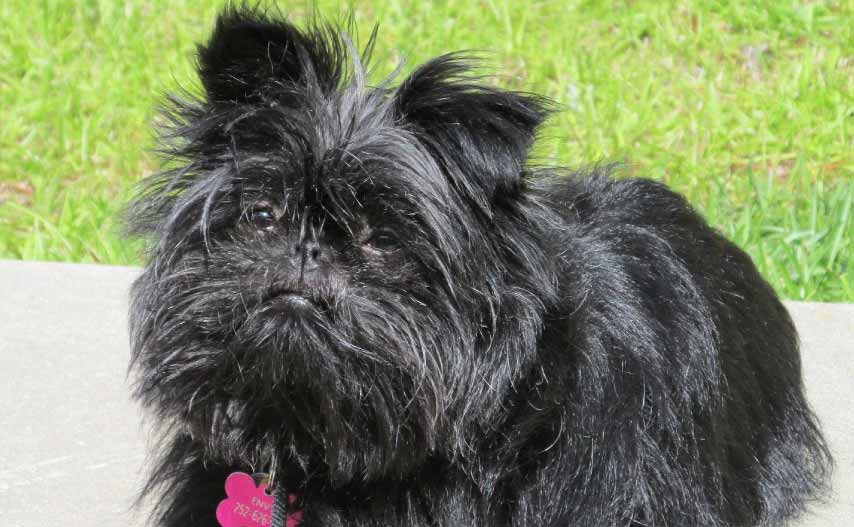
Affenpinscher with a shaggy, monkey-like face, a look shared by cute Affenpinscher puppies
Black is one of six accepted colors, alongside gray, silver, red, black and tan, and belge.

Affenpinscher Price: How Much Do Affenpinscher Puppies Cost?

There is no official price list, and published estimates vary. Chewy puts the price of a puppy from a breeder who screens for health and temperament at about $650 to $2,000. A 2026 iHeartDogs guide gives higher regional ranges, though it does not say how its figures were collected. Back in 2013, after the Westminster win, one breeder told ABC News she charged about $2,000 for pet puppies and $3,500 for show puppies.

Source Price range Notes
Chewy $650–$2,000 Breeder who screens for health and temperament
iHeartDogs: Northeast $1,500–$3,000 2026 regional estimate, method not stated
iHeartDogs: Midwest $1,200–$2,500 Same
iHeartDogs: South $1,000–$2,500 Same
iHeartDogs: West $1,500–$3,500 Same
Rescue adoption $300–$600 iHeartDogs estimate

Sources: Chewy; iHeartDogs (March 2026, updated September 2026); ABC News (2013). Treat all figures as rough guides and confirm with breeders near you.

Why the Affenpinscher price is often high

Supply is tight. The Affenpinscher Club of America (ACA) calls the breed uncommon and says a litter of one puppy is not unusual. Many breeders keep waiting lists, and the club notes that many will not ship puppies, so you may need to travel. Health screening of the parents can also add to a breeder’s costs.

Ongoing costs after you buy

The purchase price is only the start of the total Affenpinscher cost. iHeartDogs estimates routine vet care at $200 to $500 a year, food at $20 to $50 a month, grooming at $480 to $720 a year and pet insurance at $30 to $50 a month. Budget for a crate, harness, toys and a first vet visit too.

Are There White Affenpinscher Puppies?

No, not in a purebred show sense. The AKC Affenpinscher standard lists only black, gray, silver, red, black and tan, or belge. It states that “a small white spot on the chest is not penalized, but large white patches are undesirable.” Black dogs may also have a few white or silver hairs mixed in.

If a seller advertises a “white Affenpinscher,” be cautious. The puppy may be a mix, mislabeled or a different breed. Ask for registration papers and a pedigree, meet the parents, and consider a DNA test. Our guide to dog DNA test kits explains your options.

Affenpinscher Puppies Temperament

The breed standard describes the Affenpinscher as “game, alert and inquisitive with great loyalty and affection toward its master and friends.” It adds that the dog is generally quiet but can become “vehemently excited” when threatened, and is “fearless toward any aggressor.” Chewy describes the breed as curious, confident and spunky.

In daily life, that means a small dog with a big-dog attitude. Young Affens tend to be playful and bold, and they need consistent, positive training from day one. Because they are tiny and fearless, supervise them around larger dogs and teach children to handle them gently and sit on the floor when holding them.

Are Affenpinschers good for first-time owners?

They can be, if you are ready for grooming, training and a confident personality. Chewy notes the breed needs more mental than physical stimulation, so puzzle toys and short training games matter as much as walks. Their small size suits apartments, and the breed standard calls them generally quiet, though they can become very excited if they sense a threat.

Affenpinscher Puppies Health Concerns

Several health conditions are linked to the breed. The ACA health page lists slipping kneecaps (patellar luxation), hip dysplasia, Legg-Calvé-Perthes disease and eye problems. Chewy adds heart disease and breathing trouble linked to the short muzzle.

Condition What it is Screening
Patellar luxation Kneecap slips out of place OFA patella exam
Hip dysplasia Loose, poorly formed hip joint OFA hip X-rays
Legg-Calvé-Perthes Breakdown of the top of the thigh bone OFA Legg-Perthes X-rays
Eye disease Cataracts, glaucoma, PRA (per Chewy) Annual eye exam
Heart disease PDA and mitral valve disease (per Chewy) Basic cardiac exam
Breathing and overheating Short muzzle makes heat harder to handle Vet checks; avoid heat

Sources: Affenpinscher Club of America health page and Chewy. OFA is the Orthopedic Foundation for Animals.

Since June 1, 2024, the ACA’s requirements for the CHIC health database include eyes, stifles (knees), a basic cardiac exam and hips. Ask any breeder to show these results for both parents. Many breeders also test elbows and Legg-Perthes.

Caring for Affenpinscher Puppies

The wiry coat sheds less than softer coats, Chewy notes, but it still sheds and needs regular care. Chewy suggests this routine:

  • Brushing: Twice a week to prevent mats, plus a daily comb of the face and beard.
  • Bathing: About once a month.
  • Haircut: Every 2 to 4 months.
  • Nails: Trim about once a month.
  • Teeth: Brush daily, as Chewy recommends.
  • Exercise: About 30 minutes a day, split into one or two sessions.

Keep your puppy lean, since extra weight may add strain to small knees and hips. Avoid hot, humid outings, as the short muzzle makes overheating more likely.

How to find Affenpinscher puppies safely

Start with the ACA’s breeder referral list and the Affenpinscher Rescue of America, both linked from the club’s website. The club suggests asking whether the breeder is in good standing with the AKC and ACA, whether you can visit in person, and whether puppies are vet-checked, vaccinated and microchipped. It also suggests asking if the breeder will take the dog back at any point in its life.

Watch for scams. The Federal Trade Commission warns that pet scams are common online. Be wary of sellers who refuse video calls, demand payment by wire transfer, gift cards or payment apps, or keep adding shipping fees. A cheap “rare white” puppy with instant availability is a red flag.

Pet Care Tip: Start handling your puppy’s face, paws and mouth gently from the first week. Toy breeds need lifelong grooming and tooth brushing, and early practice makes both easier.

When to call a vet right away: Get urgent care if your puppy has trouble breathing, collapses, pants heavily after heat exposure, suddenly limps or holds up a back leg, or stops eating. Tiny puppies can drop blood sugar quickly, so act fast if they seem weak or wobbly. If your vet is closed, call a 24/7 emergency animal hospital.

7 questions to ask an Affenpinscher breeder

  1. Are you in good standing with the AKC and the ACA?
  2. Can I see OFA results for eyes, knees, heart and hips on both parents?
  3. Can I visit and meet the mother?
  4. Has the puppy been vet-checked, vaccinated and microchipped?
  5. How have the puppies been socialized to noise, handling and car rides?
  6. Will I receive AKC papers and a three-generation pedigree?
  7. Will you take the dog back at any stage of its life?

Example Scenario (illustrative)

Dana in Columbus spots a “white Affenpinscher puppy” online for $500 with shipping the next day. She checks the breed standard, sees white is not an accepted color, and contacts the ACA breeder list instead. She joins a waiting list and brings home a health-tested black puppy four months later.

Myth Fact
“White Affenpinschers are a rare, prized color.” White is not an accepted color; only a small chest spot is allowed.
“Affenpinschers do not shed.” They shed less than many breeds, but they still shed.
“Tiny dogs need no training.” Bold toy breeds need consistent, positive training.
“A higher price guarantees a healthy puppy.” Only parent health results show what was screened.

What most owners get wrong

Many buyers focus on price and looks, then skip the health paperwork. With a rare breed and long waiting lists, it is tempting to take the first puppy available. Waiting for a breeder who shows OFA results is the better investment.

Affenpinscher Puppies FAQs

How much is an Affenpinscher puppy?

Estimates range from about $650 to $3,500 from a breeder, depending on the source, region and show quality. Rescue fees are often lower.

Can Affenpinschers be white?

Not under the AKC standard. Only a small white chest spot is allowed, and large white patches are undesirable.

How big do Affenpinscher puppies get?

Adults stand about 9.5 to 11.5 inches tall and weigh about 7 to 10 pounds.

How long do Affenpinschers live?

Chewy lists a life expectancy of about 12 to 15 years.

Are Affenpinschers hypoallergenic?

No breed is guaranteed to be allergy-free. Their wiry coat sheds less than many breeds, but it still sheds, so spend time with one before you commit.

Why are Affenpinscher puppies hard to find?

The breed is uncommon, litters are small and many breeders keep waiting lists, according to the Affenpinscher Club of America.

Are Affenpinschers good with kids?

They are often best with gentle, older children. Their small size makes rough play risky, so supervise all interactions.

Final Verdict: Are Affenpinscher Puppies Worth the Price?

For the right owner, yes. Affenpinscher puppies offer a bold, loyal companion in a tiny package. Expect to pay roughly $650 to $3,500, wait for a litter and keep up regular grooming. Skip “white” puppy ads, and choose a breeder who shares health results for both parents.

Your next steps

  1. Download the ACA breeder referral list and contact two or three breeders.
  2. Check Affenpinscher Rescue of America for adult dogs.
  3. Budget for grooming, insurance and a first vet visit.

Share your Affenpinscher on our Pets Store Home Facebook page, and browse more breed guides in our Dogs section or see the most popular pets in the world.

About the author: Written and reviewed by the Pets Store Home Editorial Team, pet owners who check every guide against trusted sources.

How we checked this guide: Size, color and temperament come from the AKC Affenpinscher standard published by the Affenpinscher Club of America. Health screening comes from the club’s health page. Weight, lifespan, care and price come from Chewy’s breed profile, with regional price estimates from iHeartDogs and a 2013 report from ABC News.

Price sources disagree, so we show each range rather than one figure. This guide was fully rewritten in October 2026, and we review it every 12 months.

Last reviewed: October 2026.

White German Shepherd: Genetics, History & Health Guide

White German Shepherd: Genetics, History & Health Guide

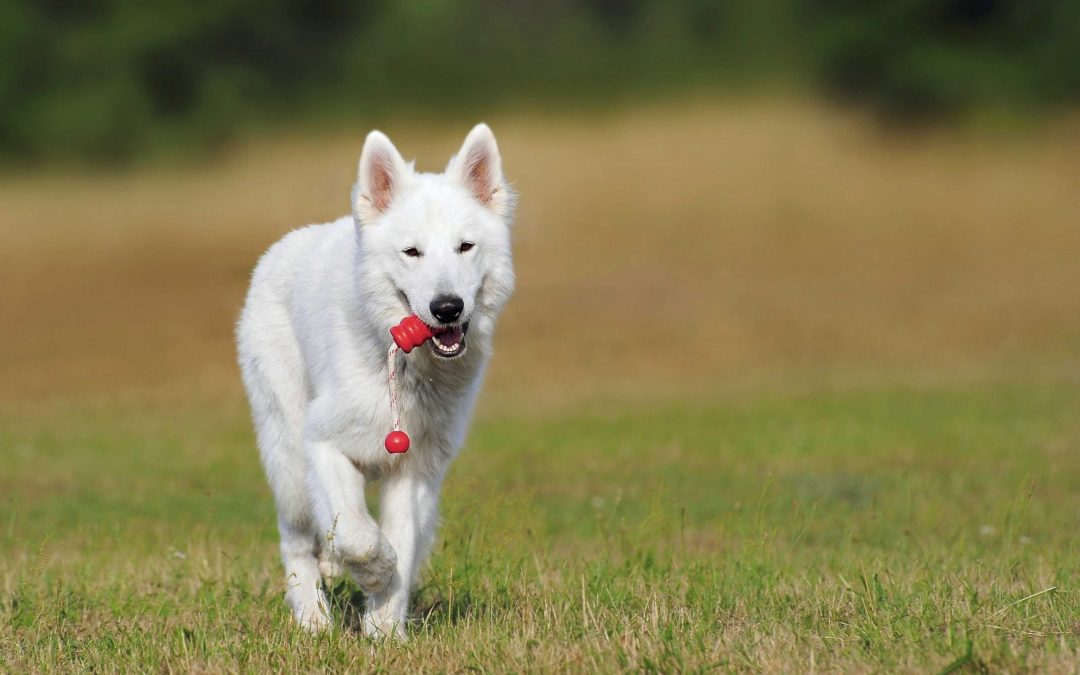
Quick Answer: White German Shepherds are genetically standard German Shepherds carrying a recessive color-masking gene, not albinos and not a separate breed by ancestry. The AKC disqualified the white coat from its GSD breed standard in 1968 (originally over a mistaken albinism concern), so white dogs can still register as German Shepherds for obedience, agility, and herding but can’t compete in AKC conformation shows. The UKC took the opposite approach, recognizing the “White Shepherd” as its own breed in 1999.

Key Takeaways

  • White coloring comes from a recessive gene at the MC1R locus (e/e genotype), not albinism – nose, eye rims, and paw pads keep normal dark pigment.
  • AKC disqualified white from its GSD breed standard in 1968; UKC instead recognized the White Shepherd as its own breed in 1999.
  • Temperament, size, and health needs match standard-colored German Shepherds – color doesn’t change the dog underneath.
  • Hip and elbow dysplasia, degenerative myelopathy, and bloat are the same breed-wide health concerns to screen for.
  • Price is comparable to standard-colored GSDs from health-tested breeders, sometimes a bit higher due to demand for the color.

Why Trust This Guide?

This guide is researched and written by the Pets Store Home editorial team, drawing on AKC and UKC breed-recognition records and canine coat-color genetics resources. It’s intended as general information; consult a veterinarian or a reputable, health-testing breeder for advice specific to your dog.

White Isn’t a Different Breed – It’s a Recognition Split

A White German Shepherd is, genetically, a German Shepherd Dog carrying two copies of a recessive color gene rather than a separate lineage. The confusion over its breed status comes entirely from how kennel clubs chose to handle that one gene, not from any real difference in ancestry. The American Kennel Club still classifies white-coated dogs as German Shepherd Dogs – they can be registered, and they can compete in obedience, agility, and herding events – but the AKC’s breed standard disqualifies the white coat from conformation showing.

The United Kennel Club took the opposite route. In 1999, after petitioning from White Shepherd breed advocates, the UKC officially recognized the “White Shepherd” as its own distinct breed, allowing white dogs to compete in UKC conformation alongside colored German Shepherds under a separate breed name. The Canadian Kennel Club also recognizes the White Shepherd separately. So depending on which registry a breeder uses, you’ll see the exact same dog described as either a color variant of the German Shepherd or a standalone breed – both are accurate depending on context, since the split is administrative, not genetic.

Why the White Coat Was Disqualified

The German Shepherd Dog was developed in Germany starting in 1899, when cavalry officer Max von Stephanitz began standardizing local herding dogs into a single working breed. White-coated dogs were part of the breed’s early gene pool and appeared in early litters alongside the more familiar black-and-tan and sable colors.

White fell out of favor in Germany’s breed club during the 1930s, and the American Kennel Club followed suit, disqualifying the white coat from the GSD breed standard on April 9, 1968. The original justification was a mistaken belief that white German Shepherds were albinos and therefore likely to carry health problems associated with albinism. That belief was later shown to be false – white GSDs have normal, fully pigmented noses, eye rims, and paw pads, and brown (not pink) eyes – but by the time the science caught up, the disqualification was already firmly written into the standard and has remained ever since.

The Genetics: Masked Color, Not Albinism

White coloring in German Shepherds comes from a recessive variant at the MC1R gene, often written as the “e/e” genotype. This variant doesn’t remove pigment from the dog – it masks the expression of the usual black-and-tan or sable coat pattern, so the coat reads as solid white or cream while the underlying pigment genetics are otherwise identical to any other German Shepherd. Because the nose, lips, eye rims, and paw pads keep their normal dark pigmentation and the eyes stay brown, a genuine White Shepherd looks nothing like a true albino animal.

Because the white gene is recessive, a puppy needs to inherit a copy from both parents to display it. Two dark-coated German Shepherds can each carry a hidden copy of the gene and unexpectedly produce white puppies, which is part of why white coloring can show up in otherwise standard-colored breeding lines.

Physical Characteristics

Aside from coat color, a White Shepherd matches the standard German Shepherd in every measurable way: males typically stand 24 to 26 inches at the shoulder and weigh 65 to 90 pounds, with females slightly smaller. The build is athletic and well-muscled, with the same erect ears, long muzzle, and double coat (though White Shepherds are sometimes bred with a slightly longer, plusher coat than the show-standard colored lines).

Temperament

Temperament is unaffected by coat color. White Shepherds share the breed’s intelligence, trainability, loyalty, and protective instinct, and they’re commonly used in obedience, agility, herding, and service-dog work. Like any German Shepherd, they need consistent training, an experienced or committed owner, and early socialization to channel their working-dog drive productively.

Exercise and Training Needs

These are high-energy working dogs that need substantial daily exercise – at least an hour of physical activity plus mental stimulation through training, puzzle toys, or a job to do. Without an outlet for their energy and intelligence, German Shepherds of any color are prone to developing destructive or anxious behaviors. Positive, reward-based training and early socialization go a long way toward a well-adjusted adult dog.

Health Considerations

White Shepherds share the same breed-wide health profile as standard-colored German Shepherds, since color genetics and health genetics are largely separate. Hip and elbow dysplasia are common concerns in the breed, and OFA or PennHIP screening in a puppy’s parents meaningfully reduces the risk. Degenerative myelopathy, a progressive spinal cord disease, is another breed-associated condition that responsible breeders test for genetically. Bloat (gastric dilatation-volvulus) is a life-threatening emergency more common in large, deep-chested breeds like this one, and owners should learn its warning signs. None of these risks are increased or decreased by the white coat itself – they come with the breed generally, not the color.

Grooming Needs

White Shepherds have a double coat that sheds year-round with heavier seasonal shedding, and it needs brushing two to three times a week (more during shedding season) to manage loose fur and keep the coat healthy. Because white shows dirt and staining more visibly than darker colors, some owners find they bathe a white-coated dog slightly more often, though the coat itself needs no different care than any other German Shepherd’s.

What Drives White Shepherd Pricing

Pricing tracks the same factors that drive standard German Shepherd pricing: health testing and guarantees, pedigree, working-line versus show-line breeding, and breeder reputation. Because white coloring is less common and sought after by a dedicated following, some breeders charge a modest premium for it, but well-bred White Shepherds and well-bred standard-colored GSDs generally land in a similar range – roughly $800 to $2,500 from a reputable breeder, with working-line or specialty breeding pushing prices higher.

Frequently Asked Questions

Is a White German Shepherd albino?
No. White coloring comes from a recessive gene that masks normal coat pigment. The nose, eye rims, and paw pads keep normal dark pigmentation and the eyes are brown, unlike true albinism.

Is the White Shepherd a separate breed?
It depends on the registry. AKC treats it as a German Shepherd with a disqualifying coat color; UKC and the Canadian Kennel Club recognize the White Shepherd as its own breed.

Why can’t White Shepherds compete in AKC conformation shows?
The AKC disqualified the white coat from the GSD breed standard in 1968, originally over a since-disproven concern about albinism. White dogs can still register with AKC and compete in obedience, agility, and herding events.

Do White Shepherds have different health risks than other German Shepherds?
No. They share the same breed-wide risks – hip and elbow dysplasia, degenerative myelopathy, and bloat – regardless of coat color.

Are White Shepherds more expensive than standard-colored German Shepherds?
Sometimes modestly more, due to demand for the color, but well-bred dogs of either color generally fall in a similar price range from a reputable breeder.

If you’re comparing German Shepherd mixes as well as purebred lines, our guides to the Blue Heeler German Shepherd mix and the Irish Wolfhound German Shepherd mix cover two popular crosses, and our guide to the Wolf German Shepherd Husky mix looks at a strikingly different combination built from the same working-dog ancestry.

Portuguese Water Dog Breeders Ny-California-Texas-Illinois-nj-ma-pa-ct

Portuguese Water Dog Breeders Ny-California-Texas-Illinois-nj-ma-pa-ct

Portuguese Water Dog Breeders in MA, CA, TX, IL, NJ, NY, PA and CT: How to Find a Good One

How do I find good Portuguese Water Dog breeders near me? Start with the Portuguese Water Dog Club of America (PWDCA) breeder directory, its breeder referral contact and regional PWD clubs. Choose a breeder who shows hip, eye and DNA test results for GM1, PRA, JDCM and microphthalmia. Expect about $1,500 to $4,000 per puppy.

Searching for Portuguese Water Dog breeders in Massachusetts, California, Texas, Illinois, New Jersey, New York, Pennsylvania or Connecticut? Lists of “top breeders” go out of date fast, and many cannot be verified. This guide shows you where reputable Portuguese Water Dog breeders are listed, which local clubs and laws apply in each state, which health tests to ask for and what healthy Portuguese Water Dog puppies cost.

Key takeaways

  • The AKC advises puppy buyers to start with the breed’s national club, the PWDCA.
  • Regional PWD clubs listed by the AKC include ones in Northern California and Greater Chicagoland.
  • The PWDCA recommends hip and eye exams plus DNA tests for GM1, JDCM, microphthalmia, EOPRA and prcd-PRA.
  • Chewy puts breeder prices at about $1,500 to $2,500; iHeartDogs estimates up to $4,000 in the West.
  • Seven of the eight states covered here have pet purchase protection laws; Texas does not, per ConsumerAffairs.
  • Never pay a deposit to a seller you cannot visit or video call.

How to Find Portuguese Water Dog Breeders You Can Trust

The American Kennel Club calls a responsible breeder “the best way to ensure a long and happy relationship with a purebred dog.” It does not endorse individual breeders, but it advises buyers to start with the breed’s parent club. For this breed, that is the Portuguese Water Dog Club of America, which keeps a breeder directory and a volunteer breeder referral contact.

Breed club listings are a starting point, not a guarantee. Always check health results yourself, visit or video call the breeder, and meet at least the mother. The AKC notes that referral contacts are volunteers, so allow a few days for a reply.

Where to look What you get How to use it
PWDCA breeder directory Breeders who are club members Look for breeders in or near your state, then contact several
PWDCA breeder referral (via AKC) A volunteer who can suggest breeders Email with your location and timeline
Regional PWD clubs Local breeders, events and advice Attend a meeting, show or water trial
Dog shows and water trials Meet breeders and adult dogs Ask about upcoming litters in person
PWDCA rescue Adult dogs needing homes Contact the rescue team to apply

Sources: AKC breeder referral contacts page and AKC club search. The PWDCA website is pwdca.org.

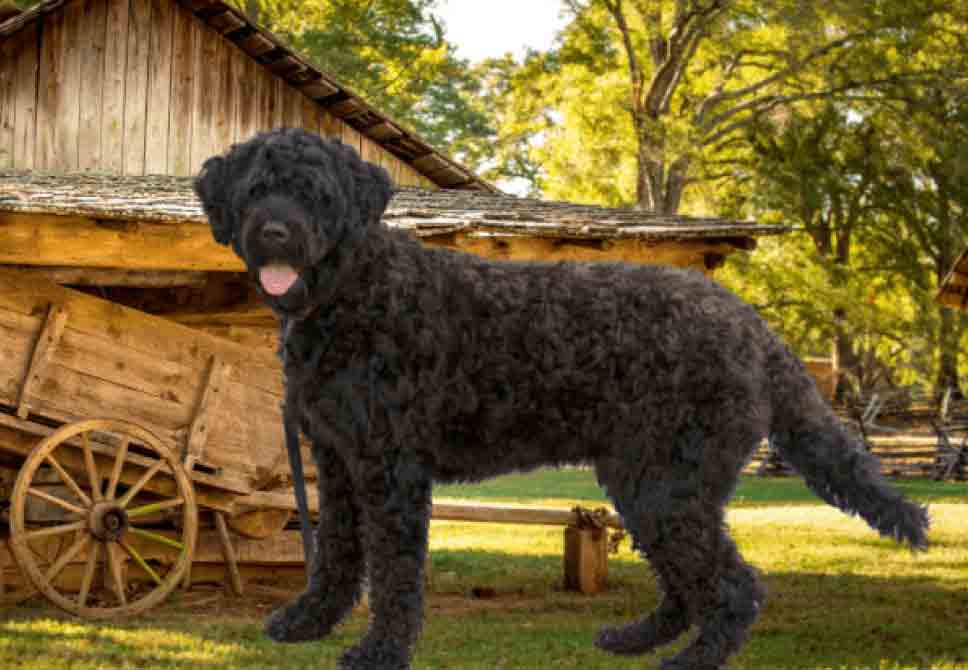
Portuguese Water Dog, the breed offered by Portuguese Water Dog breeders
Portuguese Water Dogs have a curly or wavy coat that sheds little, according to Chewy.

Portuguese Water Dog Breeders by State

We do not list individual kennels, because breeding programs change and we cannot verify each one. Instead, here are the best starting points in each state, along with whether the state has a pet purchase protection law (often called a “puppy lemon law”). Coverage varies, and some laws focus on pet dealers, so check how your state’s law applies to private breeders.

State Best starting point Pet purchase law?
Massachusetts PWDCA directory; Mayflower PWD Club (Charlton) Yes
California PWD Club of Northern California (AKC-listed) Yes
Texas PWDCA directory and breeder referral Not listed
Illinois PWD Club of Greater Chicagoland (AKC-listed) Yes
New Jersey PWDCA directory and breeder referral Yes
New York PWDCA directory and breeder referral Yes
Pennsylvania PWDCA directory; Keystone PWD Club (Abbottstown) Yes
Connecticut PWDCA directory and breeder referral Yes

Sources: AKC club search (AKC-listed clubs); IRS nonprofit records via Cause IQ (Mayflower and Keystone clubs); ConsumerAffairs pet purchase protection laws. Confirm current details with each club and your state attorney general.

Portuguese Water Dog Breeders in Massachusetts and Connecticut

New England buyers can start with the PWDCA directory. IRS records list a Mayflower Portuguese Water Dog Club based in Charlton, Massachusetts. Both states have pet purchase protection laws, according to ConsumerAffairs. Some breeders prefer buyers to visit in person, so be ready to drive across state lines.

Portuguese Water Dog Breeders in New York and New Jersey

If you live near the New York and New Jersey border, search both states. Use the PWDCA directory and breeder referral contact, and ask breeders in neighboring states too. ConsumerAffairs lists pet purchase protection laws in both states. Keep every receipt, health record and contract.

Portuguese Water Dog Breeders in Pennsylvania

IRS records list a Keystone Portuguese Water Dog Club in Abbottstown, Pennsylvania; confirm it is still active before relying on it. Combine that with the PWDCA directory. Pennsylvania has a pet purchase protection law, per ConsumerAffairs. Ask to see the parents’ OFA and DNA results before you pay a deposit.

Portuguese Water Dog Breeders in California

The AKC lists the Portuguese Water Dog Club of Northern California as a regional club. Southern California buyers can use the PWDCA directory. California has a pet purchase protection law. If you are new to the state’s pet rules, see our guide to cool pets to have in California.

Portuguese Water Dog Breeders in Illinois

The AKC lists the Portuguese Water Dog Club of Greater Chicagoland. Regional club events can be a good place to meet breeders and adult dogs. ConsumerAffairs uses Illinois as an example, noting that its law covers illness found within 21 days of purchase.

Portuguese Water Dog Breeders in Texas

We did not find an AKC-listed regional PWD club in Texas, so start with the PWDCA directory and referral contact. Texas does not appear on ConsumerAffairs’ list of states with pet purchase protection laws, so a clear written contract with a health guarantee matters even more.

Health Tests to Ask Portuguese Water Dog Breeders For

Good Portuguese Water Dog breeders test before they breed. The AKC lists the tests the PWDCA recommends: a hip evaluation, an eye exam by a veterinary ophthalmologist, and DNA tests for GM1 gangliosidosis, microphthalmia (MO), juvenile dilated cardiomyopathy (JDCM), early-onset PRA (EOPRA) and prcd-PRA.

Test What it screens for
Hip evaluation Hip dysplasia
Eye exam (ophthalmologist) Cataracts and other eye disease
GM1 DNA test A fatal inherited nerve disease in puppies
JDCM DNA test Inherited heart disease in young puppies
prcd-PRA and EOPRA DNA tests Inherited blindness, later or early onset
Microphthalmia DNA test Abnormally small eyes in puppies

Source: AKC Working Group health testing page (PWDCA-recommended tests) and Purina Pro Club.

The breed’s small founding gene pool helps explain why this testing matters. Purina Pro Club reports that fewer than 20 Portuguese Water Dogs existed worldwide in 1970. It describes GM1 as a progressive, fatal disease that usually kills affected puppies by about 1 year of age, and says the breed was the first to have a commercial prcd-PRA test.

JDCM is recessive. A 2002 study in the Journal of Veterinary Internal Medicine examined 124 puppies and found 10 affected, with results consistent with autosomal recessive inheritance. For recessive conditions such as GM1, JDCM and prcd-PRA, a puppy will not be affected if at least one parent tests clear, so ask to see both parents’ results.

Portuguese Water Dog Breeders Price Guide

Chewy says a puppy from a breeder typically costs $1,500 to $2,500. A 2026 iHeartDogs guide gives higher regional ranges, though it does not explain its method: $2,500 to $3,500 in the Northeast (such as NY and MA), $2,000 to $3,000 in the Midwest (such as IL), $2,000 to $2,800 in the South (such as TX) and $2,500 to $4,000 in the West (such as CA).

Ongoing costs add up. iHeartDogs estimates $500 to $1,000 a year for food and the same again for professional grooming every 4 to 6 weeks, plus $300 to $600 for routine vet care. Factor in insurance, training and supplies before you commit.

Is a Portuguese Water Dog Right for You?

Before you contact Portuguese Water Dog breeders, make sure the breed fits your life. It comes from Portugal, where it worked alongside fishermen, and is a classic example of the water dog breeds. Chewy describes it as active, fun-loving and intelligent, and notes the AKC recognized it in 1983. It also became famous as the breed of the Obama family’s dogs, Bo and Sunny.

Trait Portuguese Water Dog
Height 17–23 in
Weight 35–60 lb
Life expectancy 11–13 years
Coat Curly or wavy; black, white, brown or a mix
Shedding Minimal
Exercise About 1 hour a day, plus mental work

Source: Chewy breed profile, medically reviewed by Barri Morrison, DVM.

Chewy calls the breed hypoallergenic but notes no dog is 100% allergy-free, so spend time with one if anyone in your home has allergies. Grooming is a real commitment: weekly brushing, monthly baths and regular clips. Swimming, hiking and dog sports suit this breed well.

Prefer an adult dog? The PWDCA runs a rescue program, linked from its website. Not sure about a mixed-breed “doodle” sold as a PWD? Our guide to dog DNA test kits explains how to confirm a dog’s breed.

Watch for scams. The Federal Trade Commission warns that pet scams are common online. Be wary of sellers who refuse video calls, demand payment by wire transfer, gift cards or payment apps, or keep adding shipping fees.

Pet Care Tip: Ask the breeder to email copies of the parents’ OFA and DNA results, then look them up yourself on the OFA website using each dog’s registered name.

When to call a vet right away: Get urgent care if a puppy breathes fast or with effort, coughs, faints, has a swollen belly, stumbles, trembles or stops eating. Heart and nerve problems can appear early in young puppies. If your vet is closed, call a 24/7 emergency animal hospital.

7 questions to ask Portuguese Water Dog breeders

  1. Are you a PWDCA member, and do you follow its health recommendations?
  2. Can I see hip, eye and DNA results for both parents?
  3. Can I visit or video call and meet the mother?
  4. What is your health guarantee, and is it in writing?
  5. How are puppies socialized and groomed before going home?
  6. What coat type and adult size do you expect for this litter?
  7. Will you take the dog back at any point in its life?

Example Scenario (illustrative)

Rachel in Hartford finds a “Portuguese Water Dog puppy” online for $900 with no health records. Instead, she emails the PWDCA breeder referral contact, gets three breeder names in New England and New York, checks each one’s OFA results and joins a waiting list with a breeder two hours away.

Myth Fact
“Any AKC-registered puppy is health tested.” Registration does not prove health testing; ask for results.
“PWDs do not need grooming.” Low shedding means regular brushing and clips.
“A local breeder is always best.” A tested breeder a few hours away beats an untested one nearby.
“Hypoallergenic means allergy-free.” No dog is 100% hypoallergenic, Chewy notes.

What most owners get wrong

Many buyers limit their search to their own state and settle for the first available puppy. Good Portuguese Water Dog breeders often have waiting lists, and the right one may be a short drive or flight away. Widen your search before you lower your standards.

Portuguese Water Dog Breeders FAQs

How do I find Portuguese Water Dog breeders near me?

Start with the PWDCA breeder directory and breeder referral contact, then check regional PWD clubs and local dog shows.

How much does a Portuguese Water Dog puppy cost?

Chewy says $1,500 to $2,500 from a breeder. iHeartDogs estimates $2,000 to $4,000 depending on region.

What health tests should a breeder do?

Hip and eye exams plus DNA tests for GM1, JDCM, microphthalmia, EOPRA and prcd-PRA, as recommended by the PWDCA.

Are there Portuguese Water Dog breeders in Texas?

Use the PWDCA directory to find current Texas breeders. We did not find an AKC-listed regional PWD club there.

Do Portuguese Water Dogs shed?

Very little, according to Chewy, but their coat needs weekly brushing and regular clipping.

How long do Portuguese Water Dogs live?

Chewy lists a life expectancy of about 11 to 13 years.

Can I adopt a Portuguese Water Dog instead?

Yes. The PWDCA runs a rescue program for adult dogs needing new homes.

Final Verdict: Finding the Best Portuguese Water Dog Breeders

Whether you live in Massachusetts, California, Texas or anywhere in between, the best path is the same: start with the PWDCA, check regional clubs, verify every health test and get a written contract. Expect to pay about $1,500 to $4,000 and to wait for a well-bred puppy.

Your next steps

  1. Email the PWDCA breeder referral contact with your state and timeline.
  2. Shortlist three breeders and ask the 7 questions above.
  3. Look up the parents’ results on the OFA website before paying a deposit.

Share your PWD on our Pets Store Home Facebook page, and browse more breed guides in our Dogs section.

About the author: Written and reviewed by the Pets Store Home Editorial Team, pet owners who check every guide against trusted sources.

How we checked this guide: Breeder resources come from the AKC breeder referral and club search pages, and recommended health tests from the AKC’s Working Group health testing page. Breed facts and prices come from Chewy’s vet-reviewed profile and iHeartDogs. Health history comes from Purina Pro Club and a 2002 JDCM study. State laws come from ConsumerAffairs.

We do not list or endorse individual kennels. Club details come from AKC and IRS records and may change, so confirm them directly. This guide was fully rewritten in October 2026, and we review it every 12 months.

Last reviewed: October 2026.

Blue Heeler German Shepherd Mix Puppies (Puppy) | Famous Full Grown

Blue Heeler German Shepherd Mix Puppies (Puppy) | Famous Full Grown

Blue Heeler German Shepherd Mix Puppies: Size, Temperament, Health and Care

What is a Blue Heeler German Shepherd mix? It is a cross between an Australian Cattle Dog (Blue Heeler) and a German Shepherd. Most are medium-to-large, high-energy herding dogs that are loyal, smart and wary of strangers. Expect a dog somewhere between the parents in size, needing daily exercise, training and health-tested parents.

A Blue Heeler German Shepherd mix brings together two working breeds: a tough cattle herder from Australia and a versatile guardian from Germany. The result can be a brilliant partner for an active owner, or a handful for a quiet home. This guide covers what Blue Heeler German Shepherd mix puppies grow into, their temperament, health risks from both parents, and how to find a healthy puppy.

Key takeaways

  • The mix is a cross of an Australian Cattle Dog and a German Shepherd, not a recognized breed.
  • Parent sizes range from 35–50 lb (Cattle Dog) to 50–90 lb (German Shepherd), so adult size varies widely.
  • Both parents are herding breeds; expect high energy, chasing and possible nipping.
  • In one study, 10.8% of 899 Australian Cattle Dogs were deaf in one or both ears.
  • German Shepherds are prone to hip and elbow dysplasia, degenerative myelopathy and bloat.
  • Ask for hearing, eye, hip and elbow results on both parents before you buy.

What Is a Blue Heeler German Shepherd Mix?

The Blue Heeler is the common name for a blue-coated Australian Cattle Dog. According to Chewy’s vet-reviewed breed profile, the breed was developed in Australia to herd cattle across rough country and was recognized by the American Kennel Club in 1980. The German Shepherd was bred as a herding and working dog and is now known for police, service and family roles.

Cross the two and you get a Blue Heeler German Shepherd mix, sometimes called a German Shepherd heeler mix. Because it is a crossbreed, no breed standard sets its looks or size. Puppies in the same litter can favor either parent, so it helps to know both breeds well.

Trait Australian Cattle Dog German Shepherd
Height 17–20 in 22–26 in
Weight 35–50 lb 50–90 lb
Life expectancy 12–16 years 12–14 years (Chewy); median 10.3 years in a UK study
Coat Short double coat, blue or red Heavy double coat, sheds a lot
Temperament Loyal, independent, can be aloof with strangers Brave, loyal, devoted to family

Sources: Chewy breed profiles (medically reviewed by Barri Morrison, DVM) and O’Neill et al. (2017), VetCompass. Lifespan estimates differ between sources.

Blue Heeler lying in grass, one parent of the Blue Heeler German Shepherd mix
An Australian Cattle Dog (Blue Heeler), one parent of this shepherd cross. Photo: Jill Dimond / Unsplash.

Blue Heeler German Shepherd Mix Size and Full-Grown Weight

No study has measured this crossbreed, so the best guide is the parents. Using Chewy’s figures, a full grown dog of this cross will most likely fall somewhere between 17 and 26 inches tall and 35 to 90 pounds. Many are likely to land in the middle, as a medium-to-large dog, but a puppy that takes after the German Shepherd side can grow much bigger.

Measure Likely range for the mix How we estimated it
Height About 17–26 in Spans both parents’ ranges
Weight About 35–90 lb Spans both parents’ ranges
Build Muscular, athletic Both are working breeds
Coat Short-to-medium double coat Both parents have double coats

Estimates only. Your puppy’s adult size depends on its parents. Ask the breeder or shelter for the parents’ weights.

Coat color varies too. Puppies may show the Heeler’s blue or red speckling, the Shepherd’s black-and-tan saddle, or a blend. Both parents carry a double coat, and Chewy notes the German Shepherd sheds heavily, especially in spring and fall, so plan on regular brushing and dog hair on your furniture.

Keep your adult dog lean. Chewy notes that hip dysplasia, a risk from both parents, can worsen with excess weight. Our guide on how to help your dog lose weight explains how to check body condition at home.

Blue Heeler German Shepherd Mix Temperament

Expect a smart, loyal and busy dog. Chewy describes the Australian Cattle Dog as adventurous, intelligent and independent, and sometimes aloof with strangers. It describes the German Shepherd as brave, loyal and devoted to its family. Given those traits, expect a dog that may bond closely with one person or household and stay watchful around visitors.

Herding instincts: chasing and nipping

Both parents are herding breeds. The Oregon Humane Society warns that, without livestock to work, herding dogs may try to herd children, other pets, bikes or cars, sometimes with nips. This usually reflects instinct rather than aggression, but it needs early training and clear outlets.

Kids, other dogs and cats

Chewy says Australian Cattle Dogs usually do well with kids and other dogs when well socialized, but herding drive may make them a poor match for cats. With young children, supervise play and teach kids not to run shrieking around the dog, which may set off herding. A well-trained adult dog can be a calm, protective family companion.

Blue Heeler German Shepherd Mix Health and Lifespan

Crossbreeds are not guaranteed to be healthier. This mix can inherit conditions from either side, so the health of the parents matters most. Here are the main risks the sources link to each breed.

Condition From which parent What to ask for
Congenital deafness Australian Cattle Dog BAER hearing test on parents and puppy
Progressive retinal atrophy (PRA) Australian Cattle Dog Eye exam and DNA test results
Hip dysplasia Both Hip X-ray scores on both parents
Elbow dysplasia German Shepherd Elbow X-ray scores
Degenerative myelopathy German Shepherd DNA test results
Bloat (GDV) German Shepherd Know the signs; ask your vet about prevention
Allergies, epilepsy, EPI German Shepherd Family health history

Conditions listed in Chewy’s vet-reviewed breed profiles. Health tests are those commonly used for these breeds; your vet can advise on others.

Deafness in the Heeler side

Deafness is a real risk from the Cattle Dog parent. A 2012 study in BMC Veterinary Research hearing-tested 899 Australian Cattle Dogs. It found 10.8% were deaf: 7.5% in one ear and 3.3% in both. Dogs with dark masks on both sides of the face had lower odds of deafness, and females had higher odds. A puppy deaf in one ear may seem normal, so only a BAER test can confirm hearing.

Joint and spine risks from the Shepherd side

A large UK study of 12,146 German Shepherds by the Royal Veterinary College’s VetCompass programme found the most common causes of death were musculoskeletal disorders (16.3%) and inability to stand (14.9%). Common problems included ear infections, arthritis, diarrhea, being overweight and aggression. Hip-scored parents and a lean body weight may help protect your dog’s joints.

How long does the mix live?

There is no lifespan data for the cross itself. Chewy lists 12–16 years for the Australian Cattle Dog and 12–14 years for the German Shepherd. VetCompass, however, found a median lifespan of 10.3 years for German Shepherds in UK vet records. Our rough estimate for the mix is about 10 to 15 years, depending on genetics, weight and care.

Training and Exercise for a Blue Heeler German Shepherd Mix

This is not a couch dog. Chewy recommends up to two hours of exercise a day for Australian Cattle Dogs, plus mental work such as puzzle toys. Oregon Humane suggests dog sports like agility, flyball, nose work and Treibball, a herding game with large balls, to channel herding drive.

  • Start socializing early: Penn State Extension says the key socialization window runs from about 3 weeks to roughly 12–14 weeks of age.
  • Use reward-based training: Short, upbeat sessions suit smart dogs that bore easily.
  • Teach a reliable recall and “leave it”: These help control chasing.
  • Redirect nipping: Swap heels for a tug toy, and reward calm behavior.
  • Give the brain a job: Food puzzles, scent games and trick training help tire this mix out alongside physical exercise.

Penn State Extension also advises socializing young puppies in controlled settings, with fully vaccinated adult dogs, and avoiding high-traffic places such as dog parks.

Finding Blue Heeler German Shepherd Mix Puppies

Because this is a crossbreed, there is no major breed club or breed standard for it. You will find Blue Heeler German Shepherd mix puppies through shelters, rescues and individual breeders. Prices vary widely by region and breeder, and we could not find reliable price data, so compare several sources and remember that adoption fees are often lower than breeder prices.

Whichever route you choose, ask to see health results for both parents and meet at least the mother. The Federal Trade Commission warns that pet scams are common online. Be wary of sellers who refuse video calls, demand payment by wire transfer, gift cards or payment apps, or add surprise shipping fees.

Not sure what your rescue puppy is? A DNA test can confirm the mix. See our guide to dog DNA test kits. Exploring other shepherd crosses? Compare the Irish Wolfhound German Shepherd mix, or read about the White German Shepherd. For a smaller heeler cross, see Blue Heeler and Corgi mix puppies.

Pet Care Tip: Ask the breeder or shelter for the puppy’s BAER hearing test result. Hearing loss in one ear is easy to miss at home, and the test can be done on young puppies.

When to call a vet right away: Get emergency care if your dog has a swollen or hard belly, retches without bringing anything up, drools heavily or seems restless after eating. These can be signs of bloat, which needs urgent treatment. Also call promptly for sudden lameness, trouble standing or hind leg weakness. If your vet is closed, go to a 24/7 emergency animal hospital.

7 questions to ask a breeder or shelter

  1. Can I meet the mother, and ideally the father?
  2. Have the parents had hip and elbow X-rays scored?
  3. Has the puppy had a BAER hearing test?
  4. Do you have eye exam or PRA DNA results?
  5. Has the German Shepherd parent been DNA-tested for degenerative myelopathy?
  6. What vaccinations and deworming has the puppy had?
  7. Will you take the dog back if it does not work out?

Example Scenario (illustrative)

Marcus in Boise adopts a 12-week-old heeler-shepherd puppy from a rescue. When the puppy starts nipping his kids’ ankles during play, he books a puppy class, adds two short training sessions a day and gives her a tug toy to redirect the urge. Within a few weeks, the nipping fades.

Myth Fact
“Mixed breeds have no health problems.” Mixes can inherit conditions from either parent.
“Nipping means the dog is aggressive.” Herding dogs often nip from instinct; training can redirect it.
“A big yard replaces walks.” This mix needs structured exercise and mental work daily.
“All puppies in a litter look alike.” Littermates can differ in size, coat and temperament.

What most owners get wrong

Many people choose this mix for its looks and loyalty, then underestimate its energy. A bored working dog may chew, bark or herd the family. Plan daily exercise, training and brain games before the puppy comes home.

Blue Heeler German Shepherd Mix FAQs

How big does a Blue Heeler German Shepherd mix get?

Based on the parent breeds, most adults fall between about 17 and 26 inches tall and 35 to 90 pounds, with many likely to land in the middle.

Is a Blue Heeler German Shepherd mix a good family dog?

It can be, with an active family, early socialization and training. Supervise young children because of herding and nipping instincts.

How long do Blue Heeler German Shepherd mixes live?

No study covers the mix. Our estimate from parent data is about 10 to 15 years, depending on genetics, weight and care.

Does this heeler shepherd mix shed a lot?

Yes. Both parents have double coats, and German Shepherds shed heavily, especially in spring and fall.

How much exercise does this mix need?

Plan for a lot. Chewy recommends up to two hours a day for Australian Cattle Dogs, plus mental work.

Are Blue Heeler German Shepherd mix puppies prone to deafness?

They can be, from the Cattle Dog side. A BAER hearing test is the only way to confirm a puppy’s hearing.

Is a Blue Heeler mix good with cats?

Not always. Herding drive may lead the dog to chase cats, so slow introductions and supervision are important.

Final Verdict: Is a Blue Heeler German Shepherd Mix Right for You?

A Blue Heeler German Shepherd mix suits active owners who want a loyal, clever working partner and have time for daily exercise and training. Choose health-tested parents, socialize early and keep your dog lean. For a home with little time for exercise, a calmer breed may be a better fit.

Your next steps

  1. Check local shelters and rescues for heeler and shepherd mixes.
  2. Use the 7 questions above with any breeder or shelter.
  3. Book a puppy class and your first vet visit before bringing your puppy home.

Share photos of your dog on our Pets Store Home Facebook page, and browse more breed guides in our Dogs section.

About the author: Written and reviewed by the Pets Store Home Editorial Team, pet owners who check every guide against trusted sources.

How we checked this guide: Breed sizes, lifespans and health risks come from Chewy’s breed profiles, medically reviewed by Barri Morrison, DVM. Deafness data comes from a 2012 study in BMC Veterinary Research, and German Shepherd disorder data from the RVC’s VetCompass. Behavior and training advice draws on the Oregon Humane Society and Penn State Extension.

No study covers this crossbreed directly, so size and lifespan figures are estimates based on the parents. This guide was fully rewritten in October 2026, and we review it every 12 months.

Last reviewed: October 2026.

Biggest Dog Breed in the World 2023

Biggest Dog Breed in the World 2023

The biggest dog breed in the world depends on how you measure it. By weight, the Mastiff wins, at 120 to 230 pounds (54 to 104 kg) on the AKC breed weight chart. By height, the Irish Wolfhound is the tallest breed, with males standing at least 32 inches (81 cm) at the shoulder. Great Danes hold the records for the tallest individual dogs.

This 2026 guide replaces our older "2023" list. It ranks 12 giant breeds using AKC figures, explains record-breaking dogs, and covers what a giant dog really costs in space, care and lifespan.

Key takeaways

  • Heaviest breed: the Mastiff, at up to 230 pounds on AKC figures.
  • Tallest breed: the Irish Wolfhound, males at least 32 inches at the shoulder.
  • Tallest dog ever recorded: Zeus, a Great Dane, at 44 inches (1.118 m), per Guinness.
  • Giant breeds tend to have shorter lifespans and higher costs.
  • Deep-chested giants are at higher risk of bloat, a life-threatening emergency.

Biggest Dog Breed in the World: The Short Answer

Measure Winner Key figure Source
Heaviest breed Mastiff 120–230 lb (54–104 kg) AKC breed weight chart
Tallest breed Irish Wolfhound Males 32 in+ (81 cm) AKC breed standard
Tallest dog ever Zeus (Great Dane) 44 in (1.118 m) Guinness World Records
Heaviest dog on record Zorba (Mastiff) 343 lb (156 kg) AKC (1989 record)

Tallest vs Heaviest: How "Biggest" Is Measured

Dog height is measured at the withers, the top of the shoulder blades, not the head. Weight is a separate measure, and the two don't always line up. A lean sighthound like the Irish Wolfhound can stand taller than many Mastiffs yet weigh far less, because it is built for speed rather than bulk.

The AKC itself names the Irish Wolfhound as the tallest breed it recognizes, noting that it often stands well over 30 inches at the shoulder. So when people ask which is the biggest dog breed in the world, the honest answer is: the Mastiff for mass, the Irish Wolfhound for height.

Biggest dog breed in the world: a tall merle Great Dane sitting on grass in a park
Great Danes are among the tallest breeds, and one held the record as the tallest dog ever. Photo: Pexels.

12 Biggest Dog Breeds in the World, Ranked by Weight

Here is how each contender for the biggest dog breed in the world compares. This ranking uses the top of each breed's range on the AKC breed weight chart. Individual dogs vary, and males are usually larger than females. Ties are broken by the lower end of the range.

Rank Breed Typical weight (AKC)
1 Mastiff 120–230 lb
2 Boerboel 150–200 lb
3 Saint Bernard 120–180 lb
4 Great Dane 110–175 lb
5 Leonberger 90–170 lb
6 Neapolitan Mastiff 110–150 lb
7 Newfoundland 100–150 lb
8 Anatolian Shepherd Dog 80–150 lb
9 Tibetan Mastiff 70–150 lb
10 Bullmastiff 100–130 lb
11 Irish Wolfhound 105–120 lb
12 Scottish Deerhound 75–110 lb

1. Mastiff

Typical weight: 120–230 lb (54–104 kg). The heavyweight champion. The AKC notes the breed standard calls for males of at least 30 inches and females of at least 27.5 inches, and some reach up to 36 inches tall. Mastiff-type dogs appear in ancient art.

2. Boerboel

Typical weight: 150–200 lb (68–91 kg). A muscular South African mastiff-type breed developed to guard farms. It needs an experienced owner and consistent, reward-based training from puppyhood.

3. Saint Bernard

Typical weight: 120–180 lb (54–82 kg). Famous for mountain rescue work in the Swiss Alps. The AKC notes it was once called the Alpine Mastiff. Expect drool and heavy seasonal shedding.

4. Great Dane

Typical weight: 110–175 lb (50–79 kg). The AKC says Great Danes stand proudly at 32 inches and advises waiting until about age 2 before jogging, to protect growing joints. Individual Danes hold the tallest-dog records.

5. Leonberger

Typical weight: 90–170 lb (41–77 kg). A lion-maned working dog from Germany with a thick double coat. It needs regular brushing and room to move.

6. Neapolitan Mastiff

Typical weight: 110–150 lb (50–68 kg). Known for loose, heavy skin and deep facial folds. The folds need regular cleaning to prevent skin irritation.

Pet Care Tip: Plan for size before you bring a giant puppy home. Measure your car, doorways and the space for an extra-large crate, since a 150-pound adult is hard to lift or move in an emergency.

Biggest dog breed in the world by weight: a fawn Mastiff with a black mask sitting in the snow
The Mastiff is the heaviest breed on AKC figures, at up to 230 pounds. Photo: Pexels.

7. Newfoundland

Typical weight: 100–150 lb (45–68 kg). A water-loving working breed with webbed feet and a waterproof coat. Newfoundlands need frequent brushing and keep cool best in shade and air conditioning.

8. Anatolian Shepherd Dog

Typical weight: 80–150 lb (36–68 kg). A livestock guardian from Turkey. The AKC notes Anatolians can weigh up to 150 pounds. They need secure fencing and a job or plenty of space.

9. Tibetan Mastiff

Typical weight: 70–150 lb (32–68 kg). An ancient guardian breed with a heavy mane. It is independent and tends to be wary of strangers, so early socialization matters.

10. Bullmastiff

Typical weight: 100–130 lb (45–59 kg). Developed in England to help gamekeepers, the Bullmastiff is compact for a giant breed and usually calm indoors.

11. Irish Wolfhound

Typical weight: 105–120 lb (48–54 kg). The tallest AKC breed. Its standard sets minimums of 32 inches and 120 pounds for males and 30 inches and 105 pounds for females, so many dogs exceed the chart's weight range.

12. Scottish Deerhound

Typical weight: 75–110 lb (34–50 kg). A rough-coated sighthound similar to the Irish Wolfhound but lighter. It needs a safe space to run, as sighthounds may chase small animals.

Wondering whether the biggest dog breed in the world suits your home? Our guide to excellent family dogs compares calmer, easier breeds too.

What Counts as a Giant Dog Breed?

There is no official cutoff, but most people use "giant" for breeds that regularly top 100 pounds or stand around 30 inches or more at the shoulder. Every candidate for the biggest dog breed in the world fits that description. The AKC notes that giant breeds mature more slowly, mentally and physically, and that their growing joints can be vulnerable to injury, so puppy exercise needs careful management.

Large breeds such as the Bernese Mountain Dog (70 to 115 pounds on AKC figures) sit just below this group. They share many of the same needs, only on a slightly smaller scale.

Record-Breaking Dogs: The Tallest and Heaviest Ever

Breeds describe averages, but a few individual dogs have gone far beyond them. Guinness World Records lists Zeus, a Great Dane, as the tallest dog ever, at 1.118 m (44 in), measured in 2011. As of its January 2025 verification, the tallest living male was Reggie, a Great Dane from Idaho, at about 39.6 inches (1.007 m). The AKC reports a Mastiff named Zorba weighed 343 pounds in 1989.

For the full story of famous giant dogs, see our separate guide to the biggest dogs ever recorded.

How Many Dog Breeds Are There in the World?

The AKC added three breeds on January 1, 2026, bringing its total to 205 recognized breeds. Other kennel clubs worldwide recognize additional breeds, so there is no single global count. Rarer giants are covered in our guide to rare dog breeds.

Living With the Biggest Dog Breed in the World

Before choosing the biggest dog breed in the world, think about lifespan, health and practical costs. These factors matter more than size alone.

Factor What to expect Why it matters
Lifespan Often shorter than smaller breeds A study cited by the AKC found Great Danes averaged about 9.6 years
Bloat (GDV) Higher risk in deep-chested breeds UF vets call it an emergency where time is of the essence
Puppy growth Slow maturity, vulnerable joints Limit hard exercise until your vet approves
Costs Bigger food, crate, beds and medicine doses Many drugs are dosed by body weight
Housing Rental weight limits are common Check your lease before adopting

Know the warning signs of bloat: unproductive retching, restlessness and a swollen, tight belly. If you see them, go to an emergency veterinarian right away. Ask your vet whether a preventive gastropexy suits your dog.

Common Mistakes With Giant Breeds

Mistake Why it happens Better approach
Over-exercising a puppy Big puppies look grown Follow your vet's exercise plan
Skipping early training Puppies seem manageable Train before they reach 100 pounds
Underbudgeting Costs scale with size Price food, crate and vet care first
Ignoring lease limits Assuming pets are allowed Confirm weight rules in writing
Biggest dog breed in the world by height: a gray rough-coated Irish Wolfhound standing on grass
The Irish Wolfhound is the tallest AKC breed, with males at least 32 inches at the shoulder. Photo: Pexels.

Example Scenario (illustrative)

Marcus and Aisha in Knoxville want the biggest dog breed in the world and fall for a Mastiff puppy. Before committing, they check their rental's 100-pound weight limit, price an extra-large crate and ask their vet about bloat. They decide to wait until they buy a house with a fenced yard.

Biggest dog breed in the world: a Saint Bernard lying on green grass in a garden
Saint Bernards can weigh up to 180 pounds on AKC figures. Photo: Pexels.

Biggest Dog Breed in the World: FAQs

What is the biggest dog breed in the world?

By weight, the Mastiff (often called the English Mastiff) is usually named the biggest dog breed, at 120 to 230 pounds on the AKC weight chart. By height, the Irish Wolfhound is the tallest AKC breed, with males at least 32 inches at the shoulder.

What is the tallest dog breed?

The Irish Wolfhound. The AKC breed standard sets a minimum of 32 inches for males and 30 inches for females. Great Danes come close, and individual Great Danes hold the Guinness records for the tallest dogs.

What is the heaviest dog breed?

The Mastiff. AKC figures put the breed at 120 to 230 pounds, and a Mastiff named Zorba weighed 343 pounds in 1989, according to the AKC. The Boerboel and Saint Bernard can also reach about 180 pounds or more.

How long do giant dog breeds live?

They usually live shorter lives than small dogs. One large study cited by the AKC found Great Danes lived about 9.6 years on average, while Great Pyrenees averaged about 11.6 years. Researchers think giant breeds age at a faster pace.

Can a giant dog breed live in an apartment?

Sometimes, but check the lease first. The AKC notes that many apartments and rentals set weight limits that giant breeds exceed. You will also need space for a large crate and bed, plus daily walks.

How many dog breeds are there in the world?

The AKC recognizes 205 breeds as of January 2026, after adding three new breeds. Other registries around the world recognize more, so the total depends on which organization you ask.

Final Verdict: The Biggest Dog Breed in the World

The biggest dog breed in the world is the Mastiff by weight, at up to 230 pounds, and the Irish Wolfhound by height, at 32 inches or more for males. Great Danes hold the records for the tallest individual dogs. Whichever giant you love, plan for shorter lifespans, bloat risk and bigger costs.

Your next steps

  1. Shortlist two giant breeds and check their AKC weight ranges against your lease.
  2. Prepare for strong pullers with our guide to the best harness for dogs that pull.
  3. Browse more breed guides in our dogs section.

Show us your gentle giant in our Facebook community.

About the author — Written and reviewed by the Pets Store Home Editorial Team: pet owners and animal lovers who check every guide against trusted US veterinary and animal-welfare sources. This article is general information, not a substitute for professional veterinary advice. Always talk to your veterinarian about your own pet's health.

How we checked this guide: Breed weights come from the AKC breed weight chart; heights from AKC breed standards and articles; records from Guinness World Records and the AKC; lifespan research from the AKC; breed count from the AKC's 2026 announcement; and bloat guidance from the University of Florida Small Animal Hospital. Metric conversions are rounded. We review this article every 12 months, or sooner if guidance changes.

Last reviewed: November 2026.

Sources

The Biggest Dog in The World 2023 | Real Life Top10 Record | Largest | Fattest

The Biggest Dog in The World 2023 | Real Life Top10 Record | Largest | Fattest

Biggest Dog in the World: Real-Life Record Holders, Breeds and Facts (2026)

What is the biggest dog in the world? Guinness World Records lists Reggie, a Great Dane from Idaho Falls, Idaho, as the tallest living male dog at 1.007 m (3 ft 3 in) to the shoulder. The tallest dog ever was Zeus, a Great Dane from Otsego, Michigan, at 44 inches. By weight, Zorba, an Old English Mastiff, set the historic mark.

Search for the biggest dog in the world and you will find dozens of names, many with mixed-up heights and weights. This guide sticks to verified records. You will meet the current and past record holders, learn how Guinness measures a giant dog, see which breed is the tallest and the heaviest, and get practical care advice if you are thinking about sharing your home with a gentle giant.

Key takeaways

  • Reggie, a Great Dane in Idaho, holds the world’s biggest dog title for height among living males.
  • Minnie, a Great Dane in Connecticut, holds the tallest living female title at 0.975 m.
  • Zeus of Michigan (1.118 m, or 44 in) remains the tallest dog ever recorded.
  • Guinness stopped tracking the heaviest pets in 1998 to discourage overfeeding.
  • The Irish Wolfhound is the tallest breed, and the English Mastiff is usually the heaviest.

Who Is the Biggest Dog in the World Right Now?

According to Guinness World Records, the tallest living male dog is Reginald “Reggie” Johnson Reiss, an AKC-registered purebred Great Dane owned by Sam Johnson Reiss in Idaho Falls, Idaho. He measures 1.007 m (3 ft 3 in) from the floor to the withers, the highest point of the shoulders. Guinness lists the record as current as of January 27, 2025, and a 2025 Guinness article described him as seven years old.

The female title belongs to Minnie, a Great Dane owned by Ken and Lisa Nogacek of North Stonington, Connecticut. Guinness measured her at 0.975 m (3 ft 2 in) and confirmed the record in June 2025. Records can change quickly, so check the Guinness site for the latest holder of the world’s biggest dog title.

Record Dog Breed Height Home
Tallest dog living (male) Reggie Great Dane 1.007 m (3 ft 3 in) Idaho Falls, Idaho
Tallest dog living (female) Minnie Great Dane 0.975 m (3 ft 2 in) North Stonington, Connecticut
Shortest dog living (for contrast) Pearl Chihuahua 9.14 cm (3.59 in) Orlando, Florida

Source: Guinness World Records record pages and news articles (2025 and 2026). Heights are measured from the floor to the withers.

Biggest dog in the world: a giant Great Dane standing beside its owner
Great Danes hold both current Guinness tallest-dog records.

The Biggest Dog in the World Ever Recorded

The all-time height record still belongs to Zeus, a Great Dane owned by Denise Doorlag and her family in Otsego, Michigan. Guinness measured him at 1.118 m (44 in) on October 4, 2011. Zeus lived from November 26, 2008, to September 3, 2014. No dog has matched his height since, which is why many people still call him the biggest dog in the world.

Zorba: The Longest and Heaviest Dog on Record

For sheer bulk, the name to know is Aicama Zorba of La-Susa, an Old English Mastiff. Guinness lists him as the longest dog ever at 2.554 m (8.3 ft) from nose to tail, weighing 144.66 kg (319 lb) when verified in London in September 1987. Other accounts report he grew heavier by 1989, at roughly 330 pounds or more, but figures differ between sources.

Other Record Holders Since 2010

Dog Breed Record Height Years
Giant George Great Dane Tallest dog living Disputed (see below) Held 2010 to 2012
Zeus (Michigan) Great Dane Tallest dog ever 1.118 m (44 in) Measured 2011; died 2014
Zeus (Texas) Great Dane Tallest dog living (male) 1.046 m (3 ft 5.18 in) Confirmed 2022; died 2023
Kevin Great Dane Tallest dog living (male) 0.97 m (3 ft 2 in) Confirmed 2024
Reggie Great Dane Tallest dog living (male) 1.007 m (3 ft 3 in) Listed as of 2025

Sources: Guinness World Records; Wikipedia for Giant George and Zeus (Texas) dates.

The second Zeus lived with Brittany Davis in Bedford, Texas, and was confirmed by Guinness in May 2022. Sadly, reports say he died in September 2023 at age three, after a bone cancer diagnosis. Kevin, a three-year-old Great Dane from West Des Moines, Iowa, took the male title in June 2024, according to Guinness.

You may also see dogs such as Hulk, a large pit bull, described online as the world’s biggest pit bull. He never held a Guinness title. Read our separate guide on Hulk and other giant pit bull types for his story.

Great Dane, the breed behind recent tallest dog records, standing in a park
Every recent tallest-dog record holder has been a Great Dane.

How Guinness Measures the Biggest Dog in the World

Guinness measures height from the floor to the withers, the top of the shoulder blades, not to the top of the head. That is why a dog that looks huge in photos may fall short on the official measuring stick. A dog standing on its hind legs can tower over an adult, but only the shoulder height counts.

Measurement disputes do happen. Giant George, a Great Dane from Tucson, Arizona, held the title from 2010 to 2012. His height was widely advertised as 43 inches, but Wikipedia notes a lower measurement of about 39 inches at the withers. Guinness editor Craig Glenday called it “a hotly contested record.”

Why There Is No Record for the Heaviest Dog Today

If you want to know the heaviest or fattest dog alive, there is no official answer. Guinness explains that it dropped its heaviest pet categories in 1998 to “deter people from over-feeding their pets just to appear in the book.” It still notes typical weight by breed, but it no longer crowns individual heavyweight pets.

That is a good thing for animal welfare. Extra weight strains a giant dog’s joints and heart. If your own dog is carrying extra pounds, see our guide on how to help your dog lose weight safely.

What Is the Biggest Dog Breed? Tallest vs. Heaviest

The biggest dog in the world is an individual, but breed size tells you what to expect from a puppy. According to Rover, the American Kennel Club names the Irish Wolfhound as the tallest dog breed, while the English Mastiff is considered the heaviest dog breed. Great Danes come close on height, which helps explain their record streak.

Breed Height (adult) Weight (adult) Known for
Irish Wolfhound 30+ in (males about 32 in) 105 to 120+ lbs Tallest breed (AKC)
Great Dane 28 to 32 in 110 to 175 lbs Recent tallest-dog records
English Mastiff 27.5+ in 120 to 230 lbs Heaviest breed
Saint Bernard 26 to 30 in 120 to 180 lbs Rescue history
Leonberger 25.5 to 31.5 in 90 to 170 lbs Thick mane-like coat
Newfoundland 26 to 28 in 100 to 150 lbs Water rescue skills

Sources: PetMD (reviewed by Jennifer Coates, DVM) and Rover. Ranges vary by sex; males are usually larger.

For a full ranking, read our guide to the biggest dog breed in the world. You can also explore the Irish Wolfhound German Shepherd mix, the Kangal and French Mastiff puppies. Not sure what your mixed-breed giant is? A dog DNA test kit can help.

Caring for a Dog Like the Biggest Dog in the World

Owning a giant like the biggest dog in the world is rewarding, but it takes planning. PetMD notes that giant breeds can take 18 to 24 months to reach full size, though most growth happens in the first year. Big dogs eat more, need larger crates and beds, and receive medication doses scaled to weight, so expect higher costs.

Bloat is the most urgent risk. The Washington State University Veterinary Teaching Hospital lists Great Danes among the breeds at higher risk of gastric dilatation-volvulus (GDV), when the stomach fills with gas and can twist. It advises smaller, more frequent meals, slowing fast eaters and avoiding hard exercise right before or after meals. It also mentions preventive gastropexy surgery for high-risk dogs.

Lifespan is shorter, too. Mental Floss reports average lifespans of 12 to 14 years for small breeds, 8 to 10 for larger breeds and 5 to 8 for giant breeds. PetMD gives the Irish Wolfhound 6 to 8 years. Sadly, Zeus of Texas died at just three, a reminder that size brings risk.

Care area What giant dogs need
Food Large-breed puppy food and measured meals (general advice); ask your vet about portions
Feeding routine Two or more smaller meals a day to lower bloat risk (WSU)
Exercise Steady daily walks; avoid hard exercise around mealtimes
Joints Hip dysplasia is common in big breeds (PetMD); ask about screening of the parents
Training Start socialization early; a 150-pound dog that jumps can knock people over
Travel Choose hotels with no weight limit

Planning a trip with your gentle giant? Our guide to pet-friendly hotels that allow large dogs with no fee lists chains without weight limits.

Pet Care Tip: Our suggestion is to teach a giant puppy calm greetings, “sit” and loose-leash walking while it is still small. Manners that seem cute at 30 pounds can be dangerous at 150 pounds. Use reward-based training, never physical punishment.

When to call a vet right away: WSU lists unproductive retching, a swollen belly, drooling, restlessness, pacing and trouble breathing as signs of bloat. Time is critical. Take your dog to your vet or a 24/7 emergency animal hospital immediately.

7 questions to ask before getting a giant breed

  1. Do I have space for a dog that may weigh over 150 pounds?
  2. Can my car fit a large crate?
  3. Can I budget for higher food and vet bills?
  4. Have the parents had hip and heart screening?
  5. Am I ready for a shorter lifespan?
  6. Can I lift or help my dog if it is injured?
  7. Does my lease or home insurance allow giant breeds?

Example Scenario (illustrative)

Marcus in Denver brought home a Great Dane puppy after reading about Reggie. He switched to large-breed puppy food, split meals into three a day and booked a vet chat about gastropexy at spay or neuter time. He also bought a crate sized for the adult dog and started training at eight weeks.

Myth Fact
“The biggest dog of the world is always the heaviest.” Guinness records height and length, not weight, for individual dogs.
“Giant George was the tallest dog ever.” Zeus of Michigan, at 44 inches, holds the tallest-ever record.
“Great Danes are the tallest breed.” The AKC names the Irish Wolfhound as the tallest breed, per Rover.
“Big dogs need hours of running as puppies.” Giant puppies are still growing; our suggestion is steady, moderate exercise.

What most owners get wrong

In our experience, many people pick a giant breed hoping for the biggest dog in the world and overfeed the puppy to “help it grow.” Extra weight does not make a dog taller. It adds strain on growing joints. Feed for a lean body, and let genetics decide the height.

Biggest Dog in the World: FAQs

What is the biggest dog in the world right now?

Guinness lists Reggie, a Great Dane from Idaho Falls, Idaho, as the tallest living male dog at 1.007 m (3 ft 3 in). Minnie, a Great Dane from Connecticut, is the tallest living female.

What was the biggest dog in the world ever?

Zeus, a Great Dane from Otsego, Michigan, is the tallest dog ever at 1.118 m (44 in). Zorba, an Old English Mastiff, is the longest dog ever at 2.554 m.

How tall was Zeus the Great Dane?

Zeus of Michigan measured 1.118 m (44 in) at the withers in 2011. A different Zeus from Texas measured 1.046 m in 2022.

What is the heaviest dog breed?

The English Mastiff is usually called the heaviest breed, with males weighing up to about 230 pounds, according to Rover and PetMD.

What’s the tallest dog breed?

The American Kennel Club names the Irish Wolfhound as the tallest dog breed, with males standing about 32 inches or more.

Why does Guinness not record the heaviest dog?

Guinness dropped its heaviest pet categories in 1998 to discourage owners from overfeeding pets to set records.

How long do giant dogs live?

Mental Floss reports an average of 5 to 8 years for giant breeds, compared with 12 to 14 years for small breeds.

Final Verdict on the Biggest Dog in the World

The biggest dog in the world today, by Guinness standards, is Reggie the Great Dane, while Zeus of Michigan holds the all-time height record and Zorba holds the length record. Great Danes dominate height titles, Irish Wolfhounds are the tallest breed and English Mastiffs are the heaviest. If you want a gentle giant, plan for space, cost, bloat prevention and a shorter life.

Your next steps

  1. Compare giant breeds in our biggest dog breed guide.
  2. Ask your vet about bloat risk and gastropexy.
  3. Check the Guinness website for the latest record holder.

Share your gentle giant on the Pets Store Home Facebook page, and find more breed guides in our Dogs section.

About the author: Written and reviewed by the Pets Store Home Editorial Team, pet owners who check every guide against trusted sources.

How we checked this guide: Record holders, heights and dates come from Guinness World Records pages. Giant George and Zeus (Texas) dates come from Wikipedia. Breed sizes come from PetMD and Rover, bloat advice from Washington State University and lifespan figures from Mental Floss.

Where sources differ, such as Zorba’s weight, we give the Guinness figure first and note the conflict. We removed unverified dogs and records from the old version of this page. This guide was fully rewritten in November 2026 and is reviewed every 12 months.

Last reviewed: November 2026.