google-site-verification=ASrSFqKsKmxqlSloaozW_qZZYHGwV5yjQG-dPyX1MuY
How Long Do Chinchillas Live as Pets? | Are They good pets?

How Long Do Chinchillas Live as Pets? | Are They good pets?

How Long Do Chinchillas Live in Captivity? This pet is not as easy to answer as one might think. They are actually a relatively short-lived species that only live in captivity for a few years. However, if you have pet baby chinchillas as good pets, you may be feeling interested in finding out how long they live in the wild.

How Long Do Chinchillas Live in Captivity?

Baby Chinchillas as good pets usually live for eight to ten years, but this can vary. If you raise your chinchilla correctly, it can live as long as twenty years. This is not unheard-of longevity for a pet, but it’s worth bearing in mind that a captive-born chinchilla can die from hypothermia or fur fungus if it gets too wet.

If your pet lives in captivity, they usually live for 15 years. A few have even lived into their 20s. The longest known chinchilla lived for 3 months short of thirty years. This means that chinchillas as pets can be must pets for many years. Despite the short lifespan, a chinchilla should be must give the right food, water, and temperature, as well as proper care. If you want your kitty to live a longer life, consider introducing vegetables to his diet.
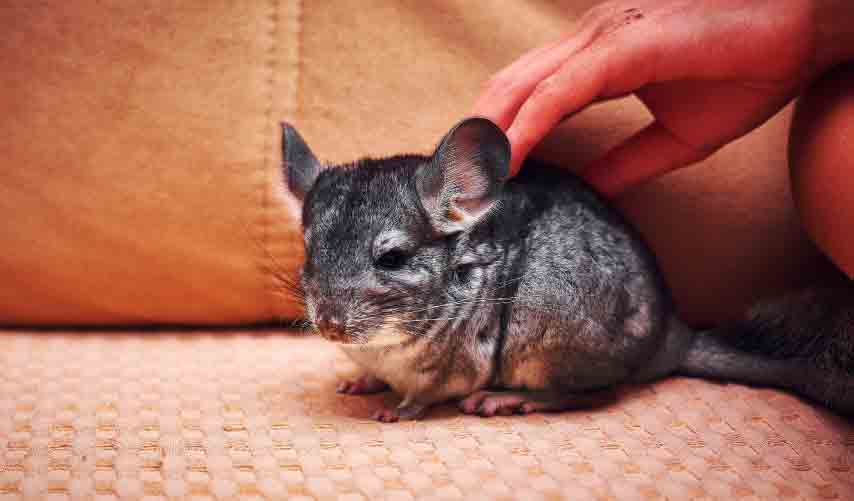
Chinchillas

Where Do Chinchillas Live?

Baby Chinchillas as good pets are not native to the United States, but they do thrive in the wild. They are found in rocky, barren regions of northern Chile and are social creatures. They spend their nights in burrows. During the day, they forage for food, grabbing a handful of bark or grasses and then holding it in their front teeth. They also eat a variety of plants, including cactus and broadsides.

They feed on grasses and roots and must feed a high-fiber diet with plenty of abrasive hay. The chinchilla is approximately 4 feet long and can reach a height of 49 cm (19 inches).

The population of chinchillas has increased dramatically in recent years. Due to overhunting in the early 20th century. However, there are still not enough chinchillas to support the entire population. Despite this, chinchillas are still considered endangered. Their numbers are low in the wild, and overhunting and pollution have resulted in the extinction of the species.

Their luxurious fur is so sought after that they were nearly driven to extinction. The fur of chinchillas is a gray-yellow color in the wild, but selective breeding has led to other colors such as red, black, white, and even brown. Their hair grows to a point on their heads and is very long.
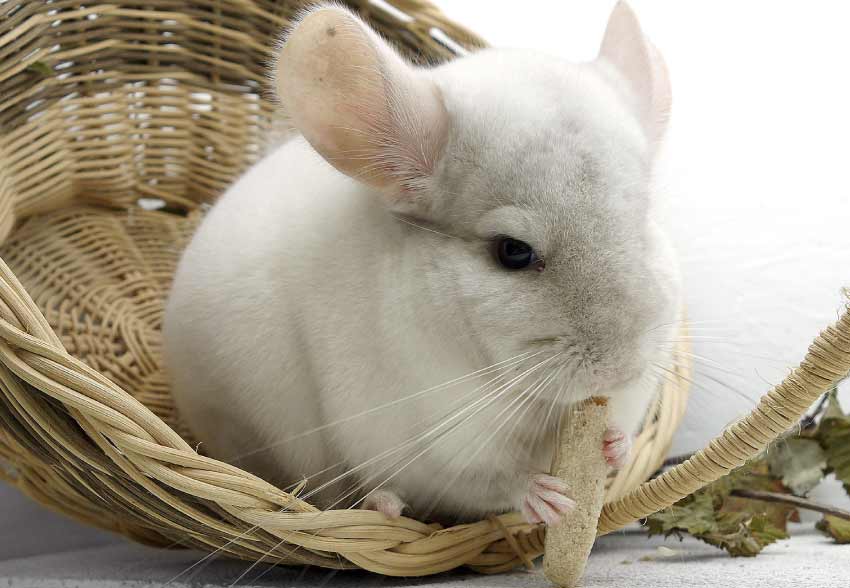
Chinchillas

Chinchillas as Good Pets

Chinchillas as Good Pets. Chinchillas as pets are small but mighty in size. They require a special cage, food, and regular attention. Because of their nocturnal habits, they tend to prefer to stay inside and sleep instead of interacting with humans. As a result, they don’t necessarily make good and cool pets for children or pets for older adults. Despite their cuteness, baby chinchillas as good pets need regular daily attention to be happy and healthy.

Chinchillas as good pets are gentle and docile creatures. Which means that they don’t bite humans. However, they are still highly unpredictable, so it’s best to be consistent in your handling with your pet. Try to handle your baby chinchillas as pets slowly, in small increments, until it’s used to the idea of handle. Eventually, your baby chinchillas as pets will be must use to your touch and will be more likely to cooperate with you.

The baby chinchillas as pets are an excellent pet for the right person. If you’re thinking about giving a chinchilla as a gift, remember to do some research before you purchase one. There are a lot of resources for finding the right pet, but it’s vital to ensure that the person is fully prepared. Even if you’re not sure about whether a chinchilla is the perfect and best small pets for cuddling pet, chances are high that it will be a hit.

What Do Chinchillas Eat?

Chinchillas as pets need to chew a lot of things, including nuts and seeds. Their diet should be free from processed carbohydrates and seeds, which can cause digestive problems. Fresh fruits, like apples, can cause mouth sores and tooth rot.

Timothy hay is ideal for chinchillas as pets, but you should avoid giving them anything with a high fat or sugar content. They also shouldn’t give rabbits food, which is not good for them. If you’re worried about their health, don’t feed them anything high in fat or sugar. Remember, chinchillas need to eat hay and vegetables for most of their lives.

Although chinchillas as pets have the same general diet as humans, they have different preferences. They tend to like high-carb and fatty foods. They’ll be happy to eat these, but make sure to check the label for chinchilla nutrition before feeding them.
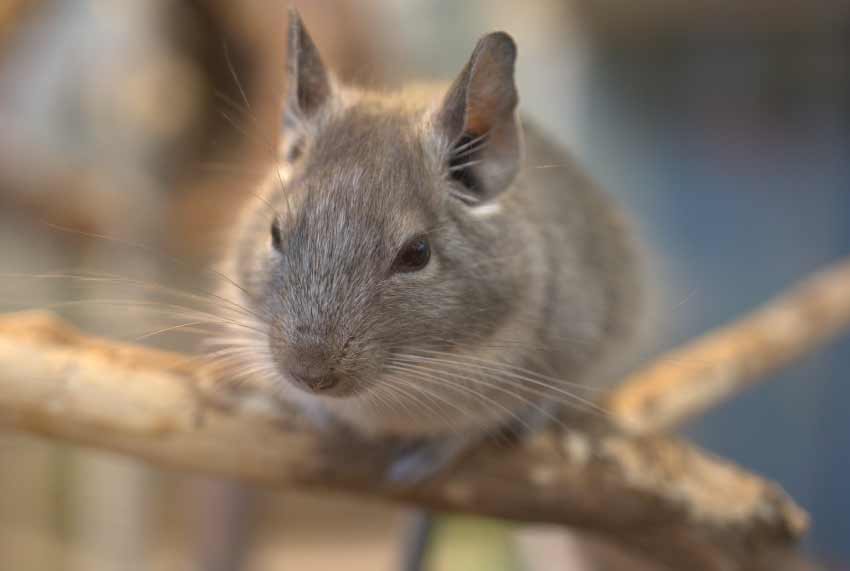
Chinchillas

Baby Chinchillas as Good Pets for kids

A chinchilla is a great pet for children, but if the child is not ready for the responsibility. Chinchillas as pets won’t be happy if he’s left alone. Baby chinchillas as good pets are an excellent gift for children, but it should not to give an unprepared child or unsupervised child. It can also be a great pet for adults, but it’s important to be careful to keep the baby chinchillas as good pets in a safe place.

The first step in adopting baby chinchillas as good pets is to find one that’s right for your situation. Don’t be afraid to contact local exotic pets and animal veterinarians to learn more about the best way to easy pets to take care for baby chinchillas as pets. You might even be pleasantly surprised with a chinchilla baby if you adopt one from a breeder. In the meantime, make sure to take a photo of the baby chinchillas as good pets before leaving it with the breeder.

Aside from their adorable appearance, baby chinchillas as good pets and cuddly pets require proper bedding. You should provide them with high-quality bedding and a fleece lining for their cages. A chinchilla’s cage should be attention and made of soft, durable material, and a breathable material.

The baby chinchillas as good pets are an ideal pet for the right family. It is best to start bonding with your chinchilla when it’s young, so they can get used to being proper handled and socialized. If your baby chinchillas as good pets are always used to human contact, they may be an excellent pet. If your home is calm, warm environment is important for baby chinchillas as good pets.

Baby Chinchillas as Good Pets for adopting

If you want to adopt baby chinchillas as good pets, you should be ready to take care of it. It’s a great choice for many reasons. It’s a great pet for children of any age. The animals are easy to care for and are easy to handle. In addition to being a fantastic pet, baby chinchillas as good pets. If you’re thinking of getting one, take time to research them and find out which one suits your lifestyle best.

Caring For Chinchillas

Baby chinchillas as good pets are much cuter than adult chinchillas, but care for these adorable creatures requires a few adjustments.

The males of baby chinchillas as good pets are great parents and can take care of their young. Oftentimes, the fathers will mate again after the female has given birth, which is when you should separate them. If you’ve already separated the pair, you can place the father in another cage. The female should remain with the male for at least 10 days, and then the male can follow her around.

After separating the pair, be sure to provide them with a cage that contains all of the necessary items to make their new lives as easy as possible. The baby chinchillas as good pets, habitat should include a hiding place, water bottle, and platforms to jump from. You can introduce the female and male in one cage, but it’s not recommended to put them in the same cage.

Although small, baby chinchillas as good pets are still unable to take care of themselves when out of the cage. This means that they can fall on high surfaces and dehydrate themselves. Furthermore, there are some chinchilla babies with underlying health problems. These are often difficult to spot, but an experienced owner can easily recognize these issues. These problems include broken limbs, ear infections, and eye cataracts.

Baby Chinchillas as Good Pets

Are Chinchillas Good Pets?

If you are looking for a pet with low maintenance, consider a chinchilla. This lizard is very clean and carefree. Because of their unique anatomy, chinchillas are great candidates to be a pet. They are generally easy to care for, have poor eyesight, and can live between 15 and 20 years. They are also very friendly, and have no known health problems.

Baby Chinchillas as good pets are very friendly animals as beautiful pet insects. Their fur is soft and luxurious, and their eyes are clear and healthy. However, they are vulnerable to overheating in captivity. Keeping their temperature between 65 and 80 degrees Fahrenheit is best. Though they are tolerant of cold temperatures, heat stroke is not uncommon. For this reason, keep their cage in a cool, shaded location.

This species of animal originated as a fur source, so it is important to provide proper shelter for it. As with all animals, they require a constant diet of fresh fruit and vegetables, so you need to be sure they do not eat all of it. If you do have the space, a chinchilla can be an excellent cool pets.

As a pet, baby chinchillas as good pets are relatively inexpensive, and they are often a great choice for people with kids or other pets. They are not prone to fleas or lice, and they do not shed. A chinchilla should live in a climate-controlled environment (50-70 degrees with 40 percent humidity) and should to keep in a cage for its own safety. You will also need to keep hay and sugar away from it, as it is a favorite of chinchillas.

How Much Are Chinchillas?

The first step in getting baby chinchillas as good pets is to find out how much they cost. This is not an exact science, but you can expect to spend about $60 to $80 for a three-month supply of premium pellets. If you’re able to afford a larger quantity, you may want to purchase hay in bulk. Which should cost around $30 per bale, and store in a cool, dry place.

Baby Chinchillas as good pets sold as adults by breeders and will cost more than a normal pet store purchase. This is because grown baby chinchillas as good pets are considered exotic animals, and are often sold for breeding. However, it’s possible to find a baby chinchilla as good pets at a pet store for a cheaper price. It’s a good idea to choose a baby as it will be easier to bond with and will not cost as much as an adult.

The cost of baby chinchillas as good pets depends on many factors, including where you live and the color patterns of your chinchilla. For instance, if you live in a very cold area, you may want to choose a brown or silver chinchilla to save money on heating costs.
How Long Do Chinchillas Live

When Do Chinchillas Bite?

Chinchillas as pets are docile animals. However, they can bite unexpectedly and can even nibble your finger. If you are a first-time chinchilla owner, this article will help you understand when they might attack you. These animals do not usually bite out of fear or anger, but may do so to protect themselves. Listed below are some situations when a chimp may nip or bite.

The first time you introduce a baby chinchillas as good pets, he or she may try to nip you. It may also bite if you pick it up or cuddle it. To prevent a chinchilla from biting you, be sure to keep your distance. If the chimp exhibits aggressive behavior, it may be time to step away. If you notice any aggressive behavior, move away.

While chinchillas as pets are not aggressive, they do bite. They can bite more deeply than expected, which makes them more painful. A surface-level bite is sharp while a deeper bite produces a duller, more aching pain. The level of pain you feel depends on the extent of the bite. A warning nip may not break the skin, but a deeper, more serious baby chinchillas as good pets can cause you to seek medical attention immediately.

There are several reasons why chinchillas as pets bite. They may be afraid or stressed, and may have a strong sense of urgency. In this case, they are trying to signal that they need to go to the bathroom or that they need put back in their cage. Another possible reason is that they are disapproving of disturbed. In any case, it is important to avoid any stressful situations that can cause a chinchilla to bite.

Do Bunnies and Chinchillas Get Along?

The first question to ask is whether rabbits and chinchillas as pets get along. The two are not naturally social animals, and they wouldn’t associate in the wild. If you’d like to introduce your bunnies and chinchillas as pets, you’ll need to start slowly. While some people choose to place two animals in the same cage, others simply allow them to share a room.

While rabbits and chinchillas aren’t aggressive towards each other, they should to house in the same room. This way, they can observe each other without fearing each other. In time, they should become physically close, and you’ll be able to decide whether they can live together. If you’re not sure, you can also consider a rabbit-only situation for the time being.
Remember that rabbits and chinchillas as pets are prey animals, and if you squeeze them too hard, they can break their bones. Although they’re adorable, bunnies and chinchillas as pets should never handle like a teddy bear. You can’t expect them to be completely trusting, but with some patience, they will warm up to you and become a valuable household member.

Do Chinchillas Smell?

You may have wondered, “Do chinchillas smell?” The short answer is no, they don’t. Some rodents can have foul-smelling feces and urine, but chinchillas don’t produce any. Occasionally, you may notice a distinct scent coming from a chirpy little critter’s mouth.  If you smell a distinct odor in your chinchilla’s breath, take him to the veterinarian.

Your Baby chinchillas as pets are emitting a foul smell, the best thing you can do is to get your chinchilla to the vet. If they seem a little unwell, the reason may be a health condition. Other times, your chinchilla might be suffering from a dental problem. If you notice a foul odor coming from your chinchilla, you should immediately bring him to a vet.

While it may take several weeks before the solution takes effect, it is a good idea to use it on a weekly basis. The vinegar will work over time and will eliminate the odor in your chinchilla’s cage, so you should start using it right away. While white vinegar isn’t a quick fix, it will work wonders for your chinchilla.

Are Chinchillas Nocturnal?

You may be wondering if chinchillas are nocturnal. This means that they are awake for most of the night, unlike nocturnal animals, which only wake up when there is no light in the surrounding environment.

Their activity levels fluctuate throughout the day, so if you disturb their normal sleeping patterns, they may become sick. Fortunately, they do not get overheated and are generally relatively stable in their schedules.

While baby chinchillas as good pets are not completely nocturnal, they do spend a great deal of time awake during the day. If you notice your chinchilla doing something different, take note of it. Moreover, chinchillas are not fully nocturnal. In fact, they are crepuscular, which is a term less frequently used than nocturnal.

This is healthy for them, and allows them to express themselves. They do not require much interaction, but they will sometimes scream at night, especially if their cage is too crowded or too bright. Some chinchillas may not scream at all during the day. However, they will usually make noises throughout the night, depending on how their cage is set up.

Why Can’t Chinchillas Get Wet?

Chinchillas are not meant to be constantly wet. This is because chinchillas’ fur is so thick and cannot quickly dry. When they do get wet, bacteria and fungi can grow and can cause their death. That is why they shouldn’t to give given water baths. It’s a good idea to give them dust baths if you don’t want to drown them.

Another reason why chinchillas can’t get wet is because they have a dense coat. This can lead to respiratory problems or even pneumonia. Furthermore, water can cause GI stasis in small pets or animals. It’s essential to avoid drowning or overheating chinchillas.

A wet environment can cause fungal infections in their fur. If you’re worried about whether you’re pet will become depressed. It’s important to remember that a chinchilla is an individual. While a chinchilla can tolerate handling and interaction. They don’t typically tolerate to carry in a carrier. When a chimp gets wet, don’t panic. Instead, simply dry them off with a towel or a blow dryer. A blow dryer will work well, but be sure to use a low setting, as it could overheat the animal.

Types of Chinchillas

The short-tailed Chinchilla is the most popular type and can live up to 20 years. It is also known as the Bolivian or royal chinchilla. These animals are around 28 to 49 cm long and have very short front legs. Their hind legs are long and powerful. They are known to be very energetic, but can also be susceptible to heat exhaustion. They are very sociable and can be social.

There are several different types of chinchillas, so knowing the differences between them can help you decide what kind to buy. There are long-tailed and short-tailed chinchillas, as well as crossbred chinchillas. The short-tailed kink is more docile. They are very friendly and sociable. During their sixty-day gestation, they add about 100-110 grams to their weight.

There are the standard grey chinchilla and the beige chinchilla. While the white coloration is more popular, the black and white ones are more common. The Brevicaudata chinchillas are more delicate and are suitable for zoos.

Are Chinchillas Rodents?

They live in colonies at high elevations. While their size makes them small, they are larger than ground squirrels. Although they are small, they are quite fast and are prone to burrowing in your home.

During the day, they hide under rocks and other vegetation and feed on the plants and fungi that grow in these areas. However, they are also nocturnal and will emerge occasionally during the day to take a dust bath. Both the chinchilla and the rat live in the same area and are closely related to each other.

Although chinchillas are rodents, they are not regarded as such. Rabbits are not considered rodents because they lack skeletal characteristics. The family in which chinchillas belong known as Abrocomidae. The chromosomes of chinchillas found in the southern part of the Americas and adapted to their environments.

Like the chinchilla, the viscacha is a relative of chinchillas. The two species are closely related but have different names. The long-tailed chinchilla is also called a pigeon rat. The short-tailed chinchilla is more common in the wild. It found in the same areas as chinchillas.

Why Do Chinchillas Take Dust Showers?

Their fine hairs are very delicate and cannot use water or dry themselves out. When they are wet, they can develop mold. Here’s how. Let your chinchilla enjoy its daily dust bath.

The dust itself is also better for chinchillas than water. Since chinchillas can’t get wet, their fur is less likely to get wet. The dust baths are also good for their skin, preventing infections and the growth of mold. As you can see, chinchillas’ unique dust bath process is a fun and healthy way to keep your pets clean. If you’ve ever seen one of these chinchillas, you’ll know that it’s probably the reason for their soft fur.

You can’t just give your baby chinchilla dust baths at any time. If they’re constantly taking dust baths, their skin will become dry and flaky. The best way to avoid these problems is to keep your chinchilla away from excessively wet dust showers. It will reduce the chances of fungal infections, which can cause serious illness in your chinchilla.

What Can Chinchillas Eat?

The first step in feeding your baby chinchillas as good pets is to make sure they are well-fed. They can provide grass or hay every day. This is important for a chinchilla’s health. If you are unable to provide grass, you can also provide a commercial diet. Make sure it is nugget style; muesli-style diets may cause selective feeding. A nugget-style pellet is ideal because it is easily digestible and absorbed by a chinchilla’s stomach.

Chinchillas love to eat vegetables and fruits and many people feed their baby chinchillas as good pets with scraps from their own supply. But be sure not to give them an entire bag of celery. You’ll also have to avoid feeding your chinchilla rabbit food and other rodent foods. These are not suitable for chinchillas and can lead to gastrointestinal blockages, which can lead to death.

How Big Do Chinchillas Get?

Before you purchase a chinchilla, it’s important to know how big they get. Most people assume that they will grow to be 10 inches long, but they can be smaller. Ideally, they shouldn’t weigh more than two pounds. The short-tailed variety can grow to be up to 18 inches long.

Chinchillas grow quickly and will mature into active young adults. They are active and will grow and develop rapidly over the years. The size of a chinchilla’s cage will depend on genetics, diet, and environment. Full-grown chinchillas will weigh between one and three pounds, depending on the size and type of food.

Kits are highly active and curious, and must handle with care to avoid harm. They need to handle carefully. If you have more than one chinchilla, be sure to separate them so that they can grow into the correct sizes.

Chinchillas’ teeth grow about two to three inches per year, and they need to grow in a healthy way. They are usually fed a diet of hay and pellets, but you should gradually move them to hay or pellets. You should feed them every day, but it’s important to understand that they will stay with their mothers for six to eight weeks until they are fully grown. During this time, they will be able to nurse and care for their kittens, but it’s important to avoid overfeeding them.

How Many Chinchillas Needed to Make a Coat?

If you are feeling interest in buying a chinchilla coat, you must know that the tiny animals can have hundreds of skins, which weigh up to 200 pounds. This is why a chinchilla coat is so expensive. There are many advantages to purchasing a pelt from a reputable supplier. First of all, chinchillas are very difficult to breed. And last but not least, they require a lot of time to grow into adulthood.

Since chinchillas have extremely soft fur, they can easily be too kept in captivity. The animals are small and can easily be too caught and processed for their fur. Their size means that the number of pelts required to make one coat is relatively high – as much as 100 chinchillas are more needed to make one coat. Because the pelts of a sable are so tiny, it takes multiple chinchillas to make merely one coat.

A chinchilla’s coat has a high density, making it ideal for fur farming and coat production. More than 20 thousand hairs are may produced per square centimeter, which makes it ideal for winter outfits. Furthermore, chinchillas are non-allergic, which makes them ideal for babies with sensitive skin. A chinchilla’s fur is very soft, which makes it ideal for winter clothing.

Can Bunnies and Chinchillas Live Together?

Although rabbits and chinchillas are not closely related, they can be compatible pets. Whether or not they can live together in the same home depends on the size of the home, the owner’s lifestyle, and the type of environment.

Keeping rabbits and chinchillas together is not a problem. Chinchillas and bunnies eat the same kinds of food, but the size and shape of their cages differ. This means that they won’t get along very well. If the bunny is the only pet, it will eat the chinchilla’s pellets and vice versa.

Although both species can get along, there are certain precautions that must be taken to protect the welfare of both animals. A chinchilla’s scent will not reach a bunny’s nose, and a rabbit’s smell can harm it.

Unlike rabbits, chinchillas and rabbits are not compatible. Rabbits have very delicate respiratory systems, and their droppings contain bacteria that can kill a chinchilla. While these animals are not necessarily antagonistic towards each other, they should never be kept in the same room or cage. Aside from that, they can’t mate. But they do get along very well with hamsters and guinea pigs.

Are Chinchillas Friendly?

Baby Chinchillas as good pets are extremely friendly animals. Although they may be shy at first, chinchillas are quick to warm up to their new owners. This is especially true if you have a new pet chinchilla or if you are just starting to introduce the chinchilla to your family. Keeping them indoors can help them get used to human contact. Once you have established your chinchilla’s trustworthiness, a chinchilla will soon accept your touch.

They are eager to play with children and adults, but it can take them a few days to warm up to new humans. This is because baby chinchillas as good pets are numb for the first few days, and they can be nervous about their new surroundings.

This behavior is caused by their desire to jump on rocks and ridges in the wild. If you pass by the cage, they may spray as well. However, this is rare, and it’s a common occurrence. If you see a baby chinchillas as good pets performing this behavior, don’t be alarmed.

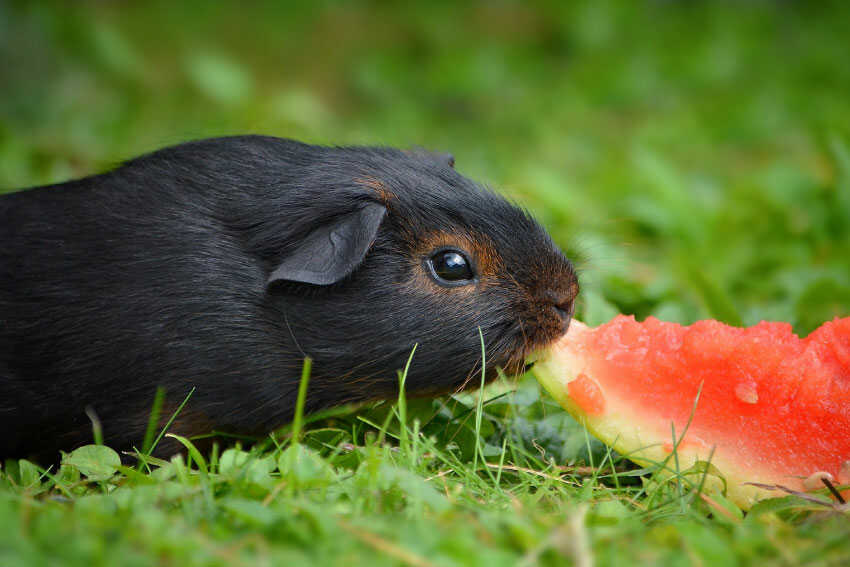
Can Guinea Pigs Eat Strawberries-Banana-Grapes and Apples with skin?

Can Guinea Pigs Eat Strawberries-Banana-Grapes and Apples with skin?

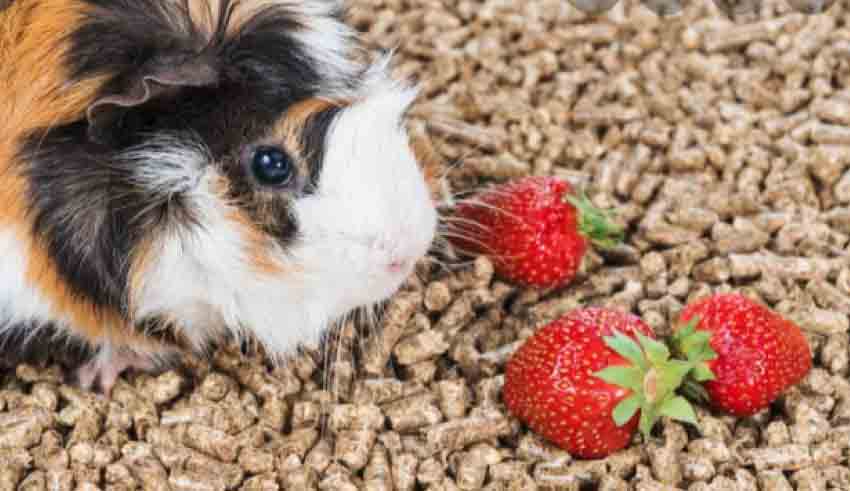
Can guinea pigs eat strawberries?

They just love to play with toys and explore their surroundings. So there’s a lot of fun in guinea pig ownership. But what about that question about can guinea pigs eat strawberries? Can guinea pigs eat strawberries? The short answer is yes. But the long answer is a little more complicated.

We all know guinea pigs love their fruit, but the fact is that most people don’t give their pets strawberries because they know they’re dangerous (they can cause an illness called “strombolis”, which can be fatal). But, we’re here to tell you that guinea pigs really can be eaten safely—and they’re great as a healthy snack.


Can Guinea Pigs Eat Strawberries

Can guinea pigs eat apples with skin?

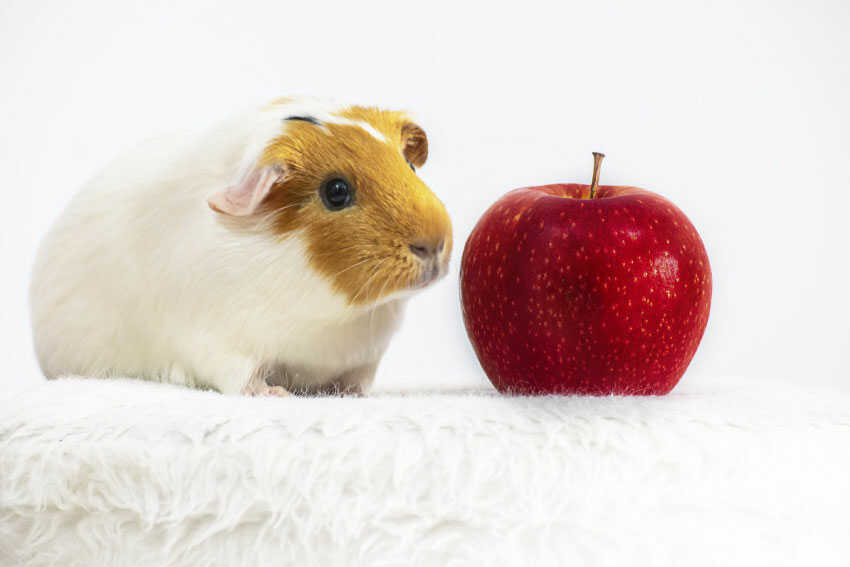
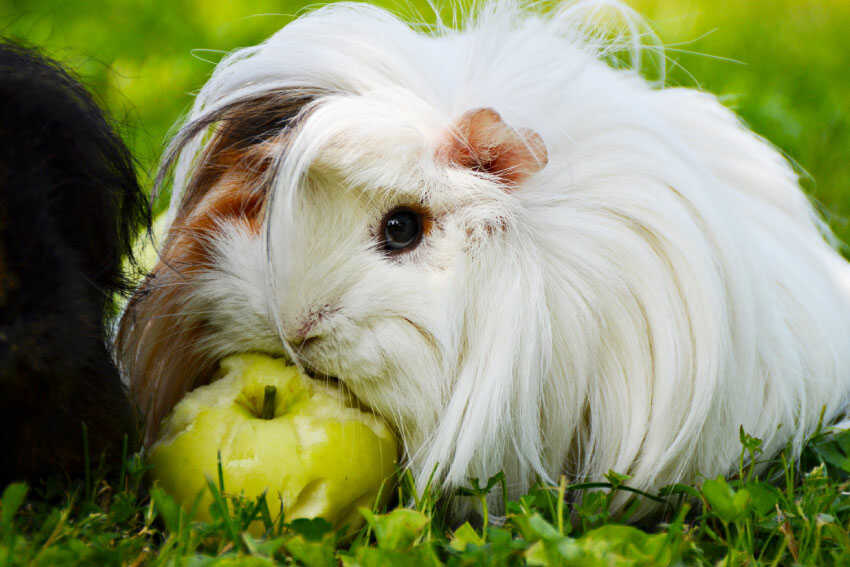
Guinea pigs love apples, but because they have a sensitive stomach, they need to eat apples that have not been washed or cut. It is not a good idea to feed them apples that have been peeled and have the skin removed since this can cause intestinal problems. But, apples without skin can still be used as food for the guinea pigs without risking any health problems for them.

Guinea pigs are lovely creatures that are often used as pets. They have been domesticated and used as food, clothing, and even as portals to the great beyond.

Can guinea pigs eat apples?

Guinea pigs are a member of the rodent family, and are related to hamsters, gerbils, chinchillas, and mice. Guinea pigs are known for their cuteness, non-aggressive nature, and ability to learn tricks.

Guinea pigs are often used in scientific experiments as subjects, since they are so docile. That being said, they are not naturally predisposed to liking apples. In fact, guinea pigs tend to dislike apples, which is why many people recommend that guinea pigs not be fed apples. However, this is not a hard and fast rule, and some people will use apples to make their guinea pigs happy, even if they are not healthy. Will guinea pigs eat apples? The answer is yes, but in small quantities, so read on to find out everything you need to know about guinea pig apples and learn what to watch out for.

Can Guinea Pigs Eat Strawberries

Can guinea pigs eat grapes?


Guinea pigs are one of the cutest animals you can own as a pet and their tiny bodies are cute and cuddly, but they can also be a handful when it comes to eating. Although they may be a safe pet, they can still bite, so it’s important that you educate yourself on their dietary needs.


Although grapes are an irreplaceable source of Vitamin C, they can also be harmful to guinea pigs, as it is a known carcinogen. It has been shown to cause cancer in rodents and many studies suggest that it might cause cancer in guinea pigs, too. On the other hand, research has shown that guinea pigs can be exposed to the carcinogen by eating the crushed skins of grapes. Since there are about 200mg of grape seeds in a guinea pig’s daily diet, it would be very impractical to prevent them from eating grapes.

Can guinea pigs eat bananas?

Guinea pigs are known for their inquisitive nature, but the furry mammals seem to be smarter than we think. In this case, guinea pigs are just as curious as they are inquisitive. They’ll try almost anything. But, when it comes to guinea pig diets, not all foods are created equal. Some may have too much sugar, some may be too spicy and some may even be toxic.


You’ve probably heard about guinea pigs eating bananas by now, but did you know that their diet includes different things than you might initially think? Their diet is actually almost fully vegan, with the only exceptions being the occasional bits of meat from insects that they may eat. But the most interesting thing about guinea pigs eating bananas is that they’re not just eating them because they like the taste: they’re eating them to gain nutrition from the fruit since bananas are a good source of potassium and Vitamin B6.

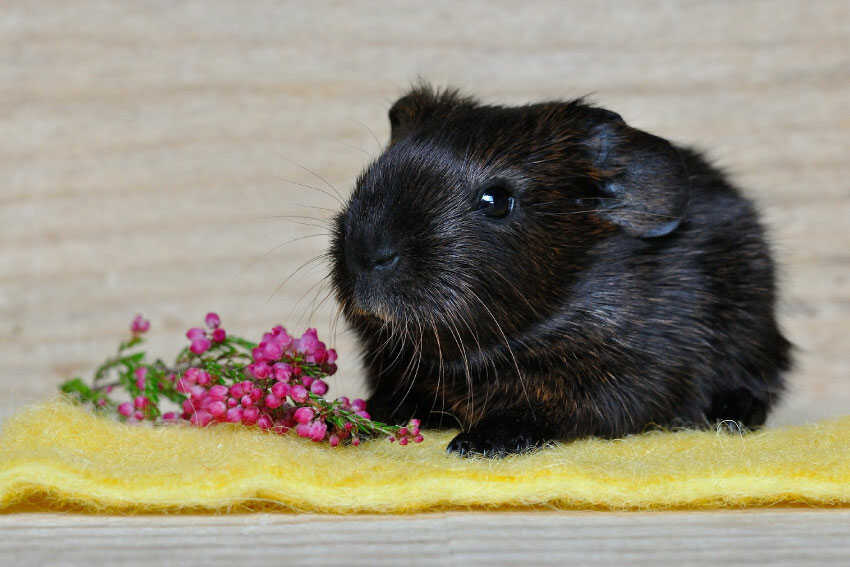
Are guinea pigs good pets?

Small Exotic Pets. Are guinea pigs good pets? Guinea pigs make great pets. They are a nice addition to a family with children and other animals. But they can be easily stressed out by both of these things. Now we should know that are guinea pigs good pets?


Guinea Pigs come from South America. Where there is a wide range of climates, from desert-like areas to tropical rainforests. In the wild, guinea pigs live in large groups of about 10 individuals called “herds.” The herds do not have one dominant male who leads them. Rather each herd has several males who work together to protect and mate with the females in the group. So the question again are guinea pigs good pets?


Male and female guinea pigs will stay together for life if given the chance. Which makes them very different from most other types of pets you might find in your neighborhood. The Biggest Dog in the world 2022.


Guinea pigs can live in a basic cage with some special items to make their life easier. They should always have a nice hiding place to run and hide in. Which you might recognize from the guinea pig cages at your local pet store. These types of cages are perfect for your guinea pig because they provide shelter. And a safe space to rest up while still being able to see what is going on around them. It’s important that your guinea pig has enough room to sit upright. Though he or she does not need much more than that. Since guinea pigs do not get too high off the ground when running around. Somebody wants to know are guinea pigs good pets?

Small Exotic Pets: Keeping Your Pet Comfortable.


In addition to a shelter, your guinea pig will enjoy a hideout. Because guinea pigs are prey animals. They feel most secure when hiding out near or under something. A cardboard box with a hole cut in the side is ideal. Just be sure you place it in your guinea pig’s cage instead of outside the cage. Otherwise, he’ll go right through it.


You can also provide your pet with bedding and hay for his cage. Shavings (not cedar, as this has an aromatic oil that can bother some people and isn’t good for the animal). Make nice bedding because they’re soft on the feet and absorbent. Plus they come in different colors to add visual appeal to the environment. Alfalfa hay (or any type of grass hay such as timothy). On the other hand, is appreciated by guinea pigs because it’s easy to digest and contains more nutrients than shavings.


Guinea pig food also helps your pet flourish. Be sure to feed your guinea pig pellets formulated for these animals. They’re nutritionally balanced and offer a wide variety of ingredients. So he gets all his nutritional needs met in one shot. Also, provide fresh vegetables and fruit each day. Your veterinarian can recommend which kinds of hay and veggies are best for your pet based on his age, health condition, etc.

Small Exotic Pets: Are guinea pigs cuddly exotic pets?


Most people think of guinea pigs as cute, cuddly little balls of fur. When they are presented with the idea of getting a new pet. Also, they want to know are guinea pigs good pets?


Most people are wrong. Guinea pigs are not cute, cuddly, or suitable companions for small children. Their behavior is drastically different from that which most small animal owners expect. And their care requirements tend to be higher than those associated with other species in the same size range.


Most people fail to stop and consider what it is about guinea pigs. Which makes them so very different from their image before setting out to get one as a pet.

Small Exotic Pets: Guinea pigs are prey animals


This means that they have evolved behaviors designed to make them inconspicuous in order to avoid predators. They are, therefore, among the most skittish animals, one will find. Not because they are afraid of you but because they anticipate that something unpleasant might happen. If they give themselves away by moving or making noise.


This also means that their first line of defense is to remain absolutely still in an attempt to avoid being noticed. By whatever might be looking for them. If you have ever seen a rabbit frozen in place when it first notices danger. Then you have some idea of what behavior to expect out of your guinea pigs.


As prey animals, their other line of defense is camouflage. So as to blend into their environment and escape notice by whatever predator might come near. If you’ve never seen a cavy before it may seem counterintuitive. That they would be brown, black, or gray in color. But this is because their native environment consists of grasslands which are also shades of these colors.


If you get one as a pet then it will quickly come to understand that. This is not its natural environment and it will no longer display any sort of camouflage behavior. It may take anywhere from several weeks to several months for this to happen. However, depending on how much the guinea pig needs to acclimate itself to its new habitat.


This means that if you present your New Guinea pig with an enclosure that has green grass in it. Then it will immediately sprawl out onto its back. And start chewing away at the vegetation without even getting up.


What do guinea pigs need?


Pets are animals kept by people as companions or for entertainment. Pets are great to have because they can help reduce stress, lower blood pressure. And provide affection. These are some types of pets that you should consider before bringing home a guinea pig.


Adult guinea pigs need to be handled frequently. So that they become accustomed to the touch of humans. They also require an enormous amount of space. They should not be left alone for more than 4 to 5 hours at a time. Because they are social creatures who become lonely easily without companionship from their human keepers. If you will not be able to give them your attention throughout the day. It is best not to bring them home unless you have someone willing to take over care of them. While you are away.


The first thing you need to know is that guinea pigs do not require vaccinations. Because they are natural herbivores. The second thing you should know is that guinea pigs are prey animals (like rabbits). They can be very timid & shy around humans, which means it may take time for them to get used to you. This also means that the more human contact they receive. The more tame and friendly they will be toward their owner(s).

Are guinea pigs easy to take care of pets?


As with any pet, the amount of care your guinea pig needs depends on what species it is. There are three breeds – short hair (or American), Abyssinian hair (or Peruvian), and straight-haired (or English). Short-haired breeds require less grooming than the others. And they also have a softer coat to keep them cool in the summer. Long-haired breeds require more grooming. Their fur needs to be brushed every day because it tangles easily. Instead of solid colors, long-haired breeds tend to have color patterns like “ticking” (small spots) or “tiger” (stripes). The Biggest Dog in the world 2022.


Guinea pigs’ skin does not need to be bathed. It is self-cleaning. But if their owner wants to bathe them anyway. The best way is to use a shampoo specifically for rodents.  Never apply any kind of baby or pet shampoo to your ideal pigs as some can cause serious problems for them.


It’s also important not to spray the shampoo directly onto the guinea pig. It should be put in a spray bottle and lightly misted on. If you can, take your guinea pig outside for a bath. Because there will inevitably be some water that gets on its fur. Which you don’t want to drip into its cage. Guinea pigs are very susceptible to respiratory ailments. So make sure they are breathing properly after their bath by watching for rapid breathing or wheezing. If this occurs, call your local veterinarian immediately. This might sound like overkill but it is better to be safe than sorry.


After your guinea pig has dried off (you may need towels as well as a hairdryer). Be sure to check for any skin irritations that may have occurred while it was wet.


Additional Care of Guinea Pigs


If your guinea pig gets dirty. You should take it out of its cage. And wipe the dirt off with a wet towel or hand-held vacuum cleaner. Do not bathe your guinea pigs in their cages. Because they will get water in the cracks of the cage & make bacteria grow there. Guinea pigs are very social creatures. So you should spend time with them every day. Play games, give them treats, groom them, etc. They are also very curious animals & if allowed to roam freely around the house. They can learn where their bathroom is through trial & error. The most dangerous place for them is on the carpet, so never leave them.

Pros and cons of owning a Guinea pig as a pet


  • Guinea Pigs are very social and enjoy human company, but should not be held for extended periods.


  • They need to chew on things so they cannot be left unsupervised in an unstocked cage for a long time. Though it is best to let them out at least once daily anyway. The Biggest Dog in the world 2022.


  • These animals require a large cage (ideally 2×4 feet) with lots of bedding such as CareFresh (or other compressed shavings). The bedding must be changed when dirty or wet. The cage was clean when dirty. And if there is more than one pig. Then the house must be cleaned every day so the pigs don’t get sick. The more space they have, the happier they are.


  • Other than that, you need to provide food for them (pellets work best), fresh hay, and clean water daily. Treats (they like cheerios or some fruits & vegetables). And also a petting session once per day. They need to get out of their cage at least once per day too. Allowing them out on your bed is even better if you can supervise them during this time. Other than this, there’s not much else required but plenty of cuddles.


  • They live 4-7 years which is long enough to get attached to any household animal.


Finally

The mentioned information helps you to recognize that guinea pigs are good pets. Get Pet updates from our site.

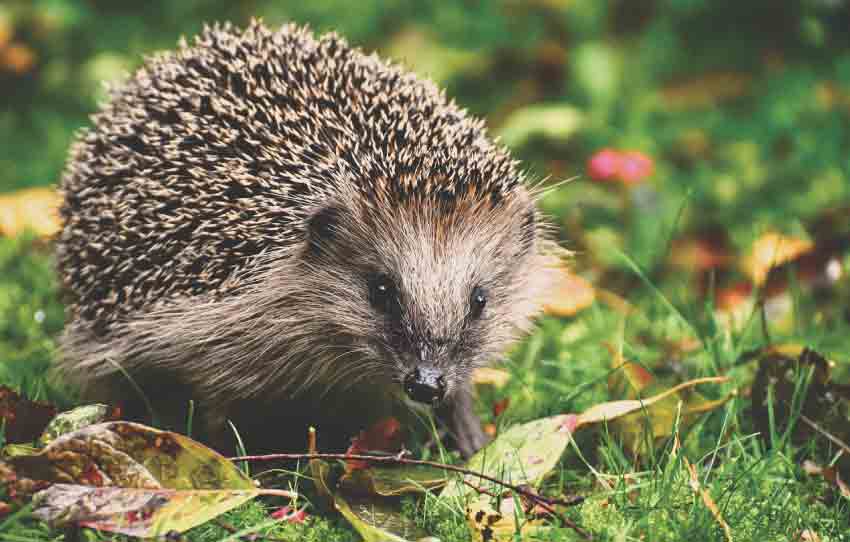
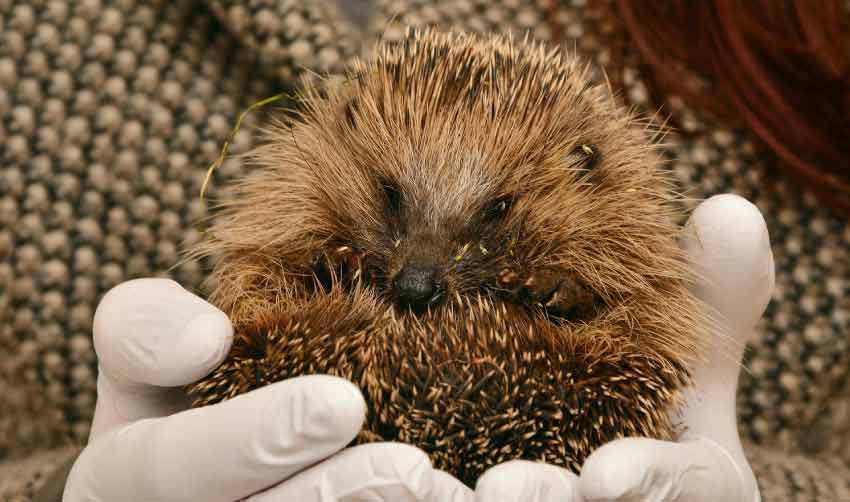
Are Hedgehogs Good Pets for Kids/Toddlers? Pros & Cons

Are Hedgehogs Good Pets for Kids/Toddlers? Pros & Cons

Are hedgehogs good pets for kids?

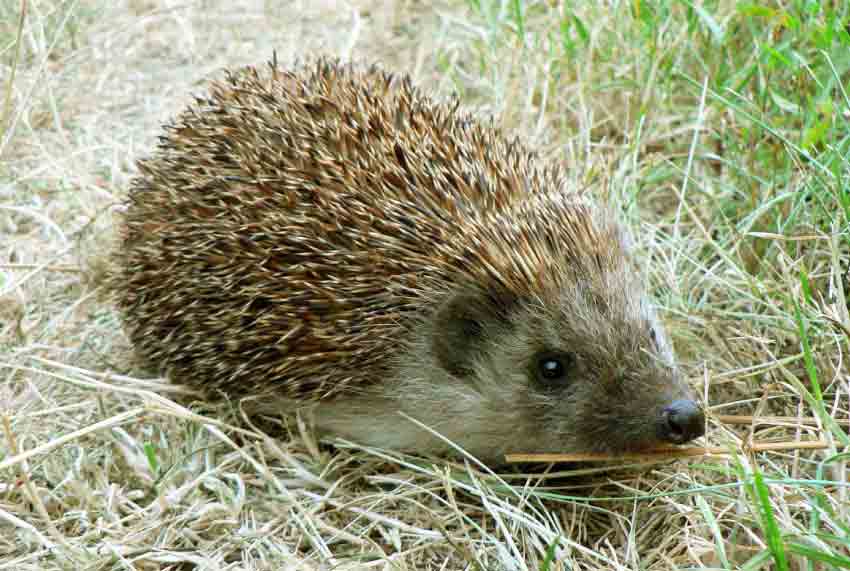
Are Hedgehogs Good Pets for Kids? it’s a common findings of all. Yes, hedgehogs are typically a good choice for young children, as they can be handled and handled frequently. While hedgehogs are most active when they are awake, they are also excellent nappers and require no special care to ensure a good night’s sleep. Here we should provide the solutions of your question Are Hedgehogs Good Pets for Kids?

Pros of having a hedgehog as a pet for kids

There are several pros to having a hedgehog as a pet for kids:

Low Maintenance: Hedgehogs are relatively low-maintenance pets, which makes them ideal for children who are not yet ready to care for more demanding pets. They are independent and do not require daily walks or grooming.

Unique: Hedgehogs are unusual and intriguing creatures that can be entertaining and educational for kids. They are nocturnal animals, meaning they are active at night, which can be exciting for kids to observe.

Quiet: As hedgehogs are often quiet creatures, they are perfect pets for families who reside in apartments or other confined spaces. They don’t meow, bark, or make other obtrusive noises that might annoy the neighbours.

Tactile: Hedgehogs are tactile animals that like to be held and petted. As they learn how to take care of their pet, this can aid kids in developing empathy and responsibility.

Long lifespan: Hedgehogs have a relatively long lifespan, meaning children can enjoy their company for many years. A hedgehog can live up to 5-7 years with proper care.

However, it is important to note that hedgehogs are unsuitable for all families and require a specific diet and habitat.

No allergies: Hedgehogs are hypoallergenic, meaning they do not produce dander or shed fur like other animals, making them a good choice for families with allergies.

Easy to house: Hedgehogs are small and do not require much space, making them easy to house in a small apartment or a house with limited outdoor space.

Teach responsibility: Owning a hedgehog can teach children responsibility, as they must provide food, water, and a clean habitat for their pets. It can also teach them about animal behaviour, biology, and conservation.

Affectionate: Hedgehogs can be affectionate pets and can form a bond with their owners. They often recognise their owners’ scent and will come out to greet them when they approach their habitat.

Low-cost: Hedgehogs are relatively low-cost pets and do not require expensive equipment or veterinary care. However, it is important to note that they require a specific diet and habitat, which can add to the cost of ownership.

It is important to consider the pros and cons of owning a hedgehog before getting one as a pet. They are unique and fascinating animals that can provide a lot of joy and entertainment but also require proper care and attention.

Active and playful: Hedgehogs are active and playful animals that enjoy exploring and playing with toys. They are curious and can be trained to do simple tricks like running through tunnels or jumping over small obstacles.

Easy to train: Hedgehogs are intelligent creatures that can be taught to use a litter box and comply with simple instructions. They may become simpler to care for and more pleasurable to be around.

Low odour: Hedgehogs have a low odour compared to other pets, making them a good choice for families sensitive to smells. They do not require frequent bathing, and their habitats can be easily cleaned with mild soap and water.

Unique appearance: Hedgehogs have a unique and adorable appearance, with their spines and round faces. They are often considered cute and charming pets, which can appeal to children.

Quiet companionship: Hedgehogs are quiet companions that can provide children with a sense of comfort and security. They do not make loud noises or demand constant attention but can be comforting to have around in the home.


Cons of having a hedgehog as a pet for kids

While there are many advantages to owning a hedgehog as a pet, there are also some cons to consider, particularly regarding children owning them. Here are some potential drawbacks:

Fragile: Hedgehogs are small, fragile animals that can be easily injured if not handled correctly. Children must be supervised when handling them, as rough handling or dropping them can cause serious harm.

Prickly spines: Hedgehogs have spines on their back that can be sharp and prickly, which can be uncomfortable or painful if not handled properly. Children need to be taught how to hold them correctly to avoid getting poked by their spines.

Nocturnal: As nocturnal animals, hedgehogs are often active at night, which may not be convenient for children who want to interact with them during the day. This can make it difficult to bond with them, as they may not be awake when children are.

Special diet: Hedgehogs have a specialised diet that consists mainly of insects and high-protein cat food. This can be challenging and expensive, and picky eater kids might need help finding it enticing. Possible health problems:

Potential health issues: Hedgehogs are susceptible to obesity, lung infections, and dental difficulties. Some ailments may need specialist veterinarian care, which can be expensive.

Short lifespan: While hedgehogs can live up to 5-7 years with proper care, their lifespan is relatively short compared to other pets, which can be difficult for children who may become attached to them.

Illegal in some areas: Hedgehogs are illegal to own in some areas, such as California, Georgia, and Hawaii. It’s important to check your local laws and regulations before considering getting a hedgehog as a pet.

While hedgehogs can make good pets for some families, they may not be suitable for all households, especially those with young children who need help understanding how to handle them properly or who may lose interest in caring for them over time. It’s important to weigh the pros and cons before making a decision.

Hibernation: Hedgehogs can enter a state of hibernation if they are kept in an environment that is too cold. This can be dangerous for their health, and they may require specialized care to bring them out of hibernation.

Habitat requirements: Hedgehogs require a specific habitat that includes a warm, dry area to sleep, an exercise wheel, and a hiding place. Setting up and maintaining this habitat can be time-consuming and costly.

Limited interaction: While hedgehogs can be affectionate pets, they may not be as interactive as other pets, such as dogs or cats. They may not enjoy being held or cuddled and prefer to explore independently.

Noisy wheel: Hedgehogs require an exercise wheel, which can be noisy if it is not well-maintained or in a bedroom. This can disturb children’s sleep and may require some adjustments to the habitat.

Not as trainable: While hedgehogs can use a litter box and respond to basic commands, they may not be as trainable as other pets, such as dogs. This can make it difficult to bond with them or engage in more complex interactions.

Not a cuddly pet: Hedgehogs are not known for being cuddly and may not enjoy being held or petted. Children looking for a pet to snuggle with may be disappointed with a hedgehog’s more independent nature.

Potential for biting: Hedgehogs may bite if they feel threatened or scared, which can be painful and potentially dangerous for children. Children must be taught how to handle them correctly to avoid being bitten.

Difficult to find a reputable breeder: It can be difficult to find a reputable breeder of hedgehogs, which can make it more challenging to find a healthy and well-socialized pet. This can also add to the cost of ownership if you need to travel long distances to find a reputable breeder.


Why are hedgehogs good pets for kids?

Hedgehogs can make good pets dog for kids or toddlers. They are tiny, simple to take care of, and love to play as well as call for extremely little space. They are also fascinating to see and also can be taught to do techniques. They can also be taught to do tricks, which makes them fun and entertaining pets for kids. Hedgehogs are friendly, gentle, quiet, and adorable. They are also inexpensive to keep.

Are Hedgehogs Good Pets

Reasons why hedgehogs make a good pet?

Some consider hedgehogs good pets because they are small and easy to care for. Hedgehogs are also considered to be relatively low-maintenance pets. There are other reasons as well to consider hedgehogs as a pet. Also, you should know that they are Hedgehogs Good Pets for Kids.

Hedgehogs do not damage the bedding in your home, nor do they destroy the carpeting or flooring underneath your home.

Do not jump up on people and bite them.

They don’t require the same type of exercise as other pets, so they are often not barking or jumping around during the day.

Don’t leave hair everywhere; they don’t stink up the house with their scent.

They are also quite amusing to watch and enjoy.

Relatively low maintenance. Like dogs, they require daily exercise and plenty of food.

Although hedgehogs are not guarded animals, they will not come to you and cuddle on the couch as a cat would.

So, hedgehogs can be considered pets in some ways but have unique needs and requirements. You will find these facts fascinating, too.

Some folks want to adopt a hedgehog, then go out and buy all the supplies and food for their new pet. Some people freak out about hedgehogs, completely freak out, and regret their decision. If you’re on the fence about whether or not you want a hedgehog as a pet, here are a few things to consider.

Hedgehogs only require a little attention and care.

A very intelligent, docile animal that requires human interaction to be happy.

You will not find hedgehogs at shelters or rescues.


Are Hedgehogs Good Pets

Do hedgehogs love their owners?

This inquiry has no conclusive solution, as each hedgehog has its character. However, numerous hedgehogs bond highly with their proprietors and can be very caring. Are Hedgehogs Good Pets for Kids? They may also be very protective of their owners, even approaching them at night if they hear strange noises. 

One person reports: “It saddens me that some hedgehogs are not allowed to show their love and affection. They should be in hoglets rather than a hedgehog’s pouch (a.k.a. cradle). In my opinion, the mother of all creatures should be free and active rather than tucked away inside some strange-smelling box. 

The only way to ensure a hedgehog feels comfortable is to give it the choice of environment.” These opinions are from people who care for their hedgehogs.

And people who want to know, are Hedgehogs Good Pets for Kids? Many want to keep the experience of owning a hedgehog private, so they expect quick action, and acquiring a hedgehog will be regarded as a success.

Are Hedgehogs Good Pets

Are hedgehogs good pets?

Are hedgehogs good pets with are Hedgehogs Good Pets for Kids? also is a common question for pet lovers. Before raising a pet, you need to know a lot about that pet. Make sure all information about your selected pets. Today we will discuss hedgehogs. Many people think hedgehogs are good pets. To know more about pets please read the article to increase your confidence. Also know are Hedgehogs Good Pets for Kids?

Are Hedgehogs Good Pets

 Pet hedgehogs

Pet hedgehogs are actually very interesting animals. They are related to both African porcupines and European hedgehogs. This means that they have quills like the former but hibernate in winter like the latter.

The scientific name for a hedgehog is “porcupine”, meaning ‘spiny pig’. The animal’s ability to roll itself into a ball can help it protect itself from predators most of the time at least. However, this doesn’t work against cars. Be careful on roads with these prickly friends around. Now the questions are hedgehogs good pets? Also the questions are Hedgehogs Good Pets for Kids?

Hedgehogs also have litters between 4-6 babies at a time. The largest litter ever recorded was 15 little hoglets born to one mother in England back in 1990. Somebody wants to know are hedgehogs good pets for kids?

Hedgehogs were introduced to New Zealand in the 1800s for hunters. Who wanted a better way to hunt sparrows and other birds? They soon became an introduced species. And unfortunately spread very quickly with little-to-no natural predators. Until the 1990’s when they discovered cats.

In fact, hedgehogs make great pets. However, they do require special care because of their unique features. I hope that after reading this article. You will have a better understanding of these interesting creatures. And your confusion, are hedgehogs good pets to solve.

Are Hedgehogs Good Pets

Why hedgehogs are good pets

Most pet lovers have a question: are hedgehogs good pets for kids? Hedgehogs are the only members of the suborder Erinaceomorpha. These creatures can make domestic pets. But they’re very specific. And not every hedgehog is good for a beginner (and even intermediate) hedgehog owner. Here’s what you need to know before you go out and buy one. Are Hedgehogs Good Pets for Kids?

If your goal is to own an exotic pet that will be less expensive than a cat or dog. Then look into hedgehogs. But do it carefully because their care requirements are so specific. That if you don’t meet them, your pet could die. Also, where you live might restrict how many you can keep. Because different states have different rules about keeping these animals as pets. Before you get a hedgehog as a pet. Be aware that they are nocturnal for the most part. This means that if you want to play with one during the day. You’re going to have to get up very early or stay up very late. They will let you know when they want attention though. Because they’ll start making yelping noises. Are Hedgehogs Good Pets for Kids?

Decide as Exotic Pet

If you do decide to get a hedgehog as your exotic pet. Make sure it comes from a reputable breeder. And not someone who’s trying to sell them at flea markets or in parking lots. You should also make sure that it’s healthy by checking its eyes, nose. And general conditions before paying for it. Also, ask about their diet. Because this is an important thing to consider when getting a hedgehog for a pet. It’s an animal that doesn’t eat much. So you’ll want to be sure that it isn’t just eating food because you haven’t eaten in three days. Hope you understand that are hedgehogs good pets for kids ?

Are Hedgehogs Good Pets

What are hedgehogs good for

If your state allows it, you might want to think about buying two hedgehogs at once. Are Hedgehogs Good Pets for Kids? If one dies, then you’ll still have another one around while you’re waiting for the other to give birth. And if they do reproduce while living together. Hopefully, their offspring will become pets. Instead of being released into the wild or sold as food. However, make sure that both are healthy before bringing them home together. Because even if they get along when the female is pregnant. Sometimes things can change after she gives birth and has to take care of her offspring. Are Hedgehogs Good Pets for Kids?

The last thing that you need to consider before getting a hedgehog as your pet is the cost of its food. These animals are insectivores. This means they eat insects along with some vegetation, but they don’t eat much. They will only need about one-third of cups of food per week. And their main diet should be crickets or mealworms. That has been bought from a pet shop specializing in exotic pets. So if having an exotic pet appeals to you but you’re not sure if a hedgehog is for you. Please confirm what it takes to take care of. Are Hedgehogs Good Pets for Kids?

Are Hedgehogs Good Pets

Hedgehogs pet care

The first thing you need to do to keep up with your hedgehog’s diet is to weigh him once a week in grams on a digital scale. This task will be a little more difficult. If your hedgehog is not tame yet. So it might take some time for you to figure out how much he actually weighs when he curls up into a ball. The reason you need to keep track of his weight is. So that you can make sure he gets enough food as well as the correct amount of food throughout the day. Are Hedgehogs Good Pets for Kids?

Hedgehogs should eat about 70-90 grams per day. If your hedgehog weighs in at 450 grams. Then divide 450 by 24 hours and you will get 18,75. This means that this hedgehog needs about 18 and a half grams of food per hour for each hour he is awake. Assuming he sleeps 10 hours out of the day. That means that you would only feed him 1/4 cup worth of dry cat or dog food. It depends on what type your hedgehog prefers every 8 hours. As far as frequency goes, I feed my hedgehogs every 8 hours around the clock. This way they can’t ever get too hungry and they won’t feel a need to hoard their food either. Are Hedgehogs Good Pets for Kids?

Hedgehogs

Hedgehogs Food & Diet

For a basic diet, hedgehogs can use Hartz brand cat food which is 18% protein and 5% fat for this particular example. If you have an overweight hedgehog who needs to lose some weight. You will need to decrease the amount of food that he eats per day by about 20%. So if your 450-gram hedgehog needs 1/2 cup worth of dry food in his bowl at all times. But you know that he is getting too chubby. Then simply give him only 1/4 cup worth of dry food once every 12 hours or every 8 hours. Like I mentioned in the paragraph above are Hedgehogs Good Pets for Kids?

I know this may seem like it would be too little food to give your hedgehog. But if you take into consideration that hedgehogs are supposed to eat about 90 grams worth of food each day. Then 1/4 cup is actually quite a large amount for them. Also, keep in mind that hedgehogs should not be overweight. Because they find themselves with an overabundance of fat reserves on their body. Which can lead to many diseases down the road such as diabetes and heart disease, among others.

A great way to make sure you are feeding your hedgehog correctly is by taking him out of his cage. At least once per day so he can run around free-range while you watch him. Are Hedgehogs Good Pets for Kids?

Hedgehogs

Can you have a hedgehog as a pet in the UK?

Are you thinking about getting a pet hedgehog? Awesome! Hedgehogs make great pets, they are low-maintenance and super cute. However, there are some things you should be aware of. Before taking on this new responsibility. So read carefully before making your decision. And think are Hedgehogs Good Pets for Kids?

These creatures were once wild animals roaming the English countryside. But as the popularity of keeping them as pets grew. More and more people started breeding them for that purpose. This has helped decrease the amount of poaching going on in England. However, it unfortunately also meant that. Many owners do not know how to properly care for these amazing beasts.

If you want to bring a little prickly friend into your life then this article is for you. We have outlined everything so that you can decide if a hedgehog is the right pet for you. And we have also included some helpful tips and tricks to ensure your new friend lives a long and happy life.

Are Hedgehogs Legal To Own As Pets In The Uk?

Yes, however, there are some exceptions. So before you go out and buy one it is important that you understand what these are. You may find this surprising. But hedgehogs can actually be illegal in some places. Such as California (USA) because they pose an environmental threat. This means it is up to each state to decide whether owning a hedgehog is legal or not. There are other states where it will depend on whether your local city allows them, eg: Virginia Beach in Hampton Roads only allows keeping reptiles. Are Hedgehogs Good Pets for Kids?

There are also exceptions in the UK where hedgehogs are banned. So before you go out and buy one check with your local authorities to make sure they are actually legal in your area. When you have decided that a hedgehog is legal to own in your area. Then you will need to get permission from whoever owns the property. if it’s not your home because some landlords do not allow animals on their premises.

Opinion

As of writing this article, hedgehogs are legal throughout England, Scotland, Wales, and Northern Ireland although each country has different rules about how many hedgies you can keep at one time. In England for instance there is no limit on how many you can keep whereas Scotland only allows you to keep up to 3. So if you plan on getting more than three hedgehogs. Then it would be best to look into getting a pet license because right now that is the only way to legally have more.

You can find out exactly what these rules are for each country here, however. If you are reading this article from outside of the UK it is important to check with your own countries laws first. Are Hedgehogs Good Pets for Kids?

What Age Hedgehog Can I Get?

Usually, breeders will not sell hedgehogs under 8 weeks old. Because they are still very vulnerable at that age. And need time to grow stronger before being taken away from their mother. If you want one as a pet. Then the best idea is usually to get them at around 6 weeks old. Any younger than that and will still be too young/vulnerable. Are Hedgehogs Good Pets for Kids?

Do Different Colors Count As Separate Hedgehogs?

Yes, each different color/pattern is classed as a separate species. So if you wanted to for instance get an albino. White hedgehogs would count as two because they are different species. This is up to you. Whether you want more than one of the same species. Or if you want several. It is not usually advised to mix different species together.

Finally

We’ve tried to give you some ideas about this pet. To satisfy your confusion are hedgehogs good pets for kids? Hopefully, it will be convenient for you to make a decision now. We kindly request you to let us know what you think of our post and if you have any further comments on Hedgehog.

When do Hamsters Hibernate UK With Their Eyes Open? How Long in Captivity?

When do Hamsters Hibernate UK With Their Eyes Open? How Long in Captivity?

When do Hamsters hibernate UK?

When do hamsters hibernate? Hibernation is deep sleep, equal to death in terms of biological processes. That is active during sleep. When hibernating, an animal’s breathing slows down until it is barely perceptible. Its heartbeat also slows and its body temperature drops drastically. The small mammals which hibernate include several species of bats. The best-known example is the common swift). Groundhogs (also known as woodchucks), and smaller rodents such as dormice and chipmunks. Hibernation usually takes place during the cold winter months. Or at times when food is scarce.

Hamsters Hibernate

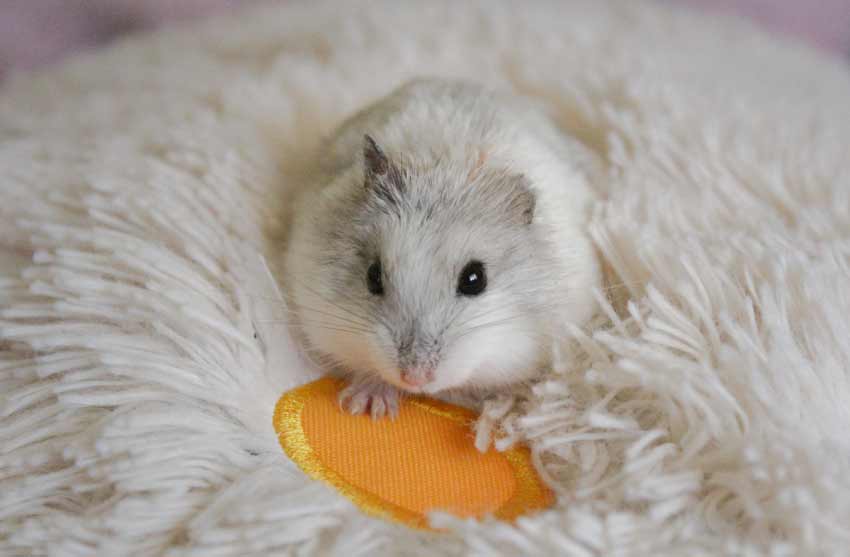
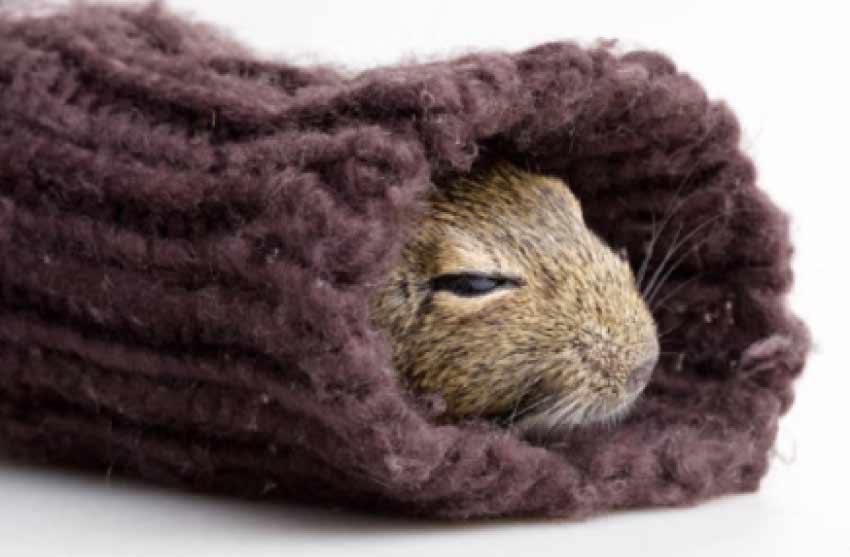
When hamsters hibernate they go into a state known as torpor. This condition is the natural reaction of hamsters to cold temperatures. However, it is not an ideal state for hamster husbandry. If your hamster starts to go into torpor, you may want to consider making changes to its diet and housing.

Although most hamsters don’t hibernate year-round, they will do so if the temperature drops below 18c. This is necessary to conserve the animal’s energy for staying warm. During this time, most breeds will hibernate and stay in a warm, stable nested place. While caring owners may be inclined to leave the windows open, a hamster will not stay in a room that is this cold all day long.

Why do Hamsters Hibernate

Many reasons can explain why animals enter into hibernation and when do hamsters hibernate:


  • To save energy during times of scarcity


  • For survival periods without food


  • To be able to survive cold weather.


Hibernation is a kind of survival strategy. That enables hamsters to make it through the winter months when there is no food available for them. When the temperature drops. They curl up inside their lairs and block themselves in using pieces of bedding. This prevents any loss of body heat when do hamsters hibernate. This gives rise to the image of hibernating animals as lethargic sleepers – but, this is not true. But when do hamsters hibernate? Although they remain relatively inactive during hibernation. Hamsters do wake up once or twice every week. But do not leave their lairs and occasionally stretch out or move about. These movements are usually associated with periods of increased metabolism. Burning off fat reserves. When spring arrives, the hamster’s biological clock will signal for it. To wake up when do hamsters hibernate.

Only Syrian hamsters and a few types of dwarf hamsters hibernate. But when do hamsters hibernate? This means that Roborovski and Chinese hamsters do not normally hibernate. And only Fur Hamsters sometimes do so. Hibernation in winter is so not required for their survival. But when do hamsters hibernate? However, these two species may also occasionally founded asleep during the cold season. And known as “winter lethargySoore. If one of your pet rodents has fallen into a deep sleep before the onset of winter. You can just let him sleep undisturbed until he wakes up by himself. If your animal is sleeping outside its cage in an unheated area.

Hamsters Hibernate

Hamster Bedding for Warmth & Burrowing:

One of the most important things hamsters need is beddings. When do hamsters hibernate? To provide warmth, comfort, security. And can also serve as a place for burrowing. If you aren’t careful in choosing the type of bedding. It can cause health problems for your little pet.

Hamster Bedding has different uses depending on what the bed makes out of. Where to put it in your hamster’s cage. And how often you change their bedding. Luckily there are many types that are suitable for each situation. These include paper-based, wood-based, fleece/flannel, sand, refresh, and soil. Below are explanations on each type and where and when to use it. Also, the answer about when do hamsters hibernate.

Hamsters Hibernate

Paper-Based Bedding: when do hamsters hibernate

Description: Paper-based bedding makes of either recycled paper or cellulose. Which are better for the environment than wood-based beddings. But are not very absorbent. They are generally cheaply priced. But you have to use them quickly once opened or they will become quite dusty.

When to Use It: 

This type of bedding can be used in any location in your hamster’s cage. However, it isn’t very absorbent. So if you use this around their food bowl or water bottle, expect it to get dirty fast. You should replace this often because if it gets too dirty. Not only can your hammy get sick. But it also won’t absorb as much of their waste, meaning that it will start to smell quickly.

Pros: 

Cheap, Eco-friendly

very absorbent Where & When To Use It: -Any location inside the cage.

cons:

Dusty 

Wood-Based Bedding: when do hamsters hibernate

Description: Wood-based bedding usually consists of sawdust or wood shavings. It is more expensive than paper-based bedding. But is more environmentally friendly and often used in animal hospitals. This type of bedding doesn’t provide burrowing opportunities for hamsters. However, they are easy to find at pet stores and can be found anywhere from shavings. To sawdust, to pellets.

When to Use It:

This type of bedding should only be used in the hamster’s cage. You should use this in any location where your hammy can’t get their food or water. However, if you do choose to use it around these things, expect them to become dirty quickly. If you leave this too long in the same spot, it will soak up moisture and start to smell bad.

Pros:

Eco-friendly, Easy Availability.

Great for burrowing Where & When To Use It. Anywhere in the cage not near the food/water bowl or anything else that will get wet easily.

Cons:

Not very absorbent.

Fleece Bedding

Description:  Fleece bedding is popular for many animals, including hamsters. It is safe to use around your hamster’s food bowl or water bottle but can stain easily if not regularly changed. Unlike other types of beddings, fleece isn’t meant to absorb liquid or smell, meaning that your hammy’s cage will always smell clean.

When to Use It:

This type of bedding should be used in any location inside the cage because it is easy to find at pet stores and doesn’t affect the environment – unless your hammy eats it, which can cause health problems. This type of bedding is great for burrowing, so if your hamster doesn’t have a wheel, it is best to use this around that area.

Pros:

Eco-Friendly, Smells clean

Where & When To Use It: -Any location inside the cage

Cons:

Stains easily.

Hamsters Hibernate

Flannel Bedding

Description:  This type is very similar to fleece bedding, except fleece is made from synthetic materials, while flannel is made from natural fabric fibers. Flannel bedding is also nice and soft for your furry friend with many different colors to choose from.

When to Use It:

Flannel bedding is safe to use around your hamster’s food bowl or water bottle but can stain easily if not regularly changed. It is easy to find at pet stores, doesn’t affect the environment – unless your hammy eats it, which can cause health problems.

Pros:

Eco-Friendly  -Smells clean

Where & When To Use It: -Any location inside the cage

Cons:

Stains easily

Carefresh is absorbent bedding that absorbs 3x its weight.  Carefresh does not fall apart like other types of paper-based material.

Caring for a hibernating hamster

When do hamsters hibernate? Cold weather brings about changes in behavior, activity, and metabolic rate in hamsters. As the days shorten and temperatures drop. Female Syrian hamsters build special nests to hibernate in for three to six months of winter. Hamsters are solitary creatures who do not live or travel in groups. They can form friendships with other hamsters during the breeding season (January through September. But they only choose one mate per season.

Hamsters Hibernate

Why Do Hamsters Hibernate?

When do hamsters hibernate? Most animals move toward food sources as the weather changes. But this is difficult for pet hamsters because their cages provide all the amenities they need year-round. Wild hamsters gather food before entering their dens so they will have adequate stores for winter. While domesticated individuals will refuse to eat anything if their food dish is empty.

This can lead to starvation and death among hibernating hamsters. If owners do not purchase special foods designed for the needs of torpid hamsters. When a Syrian hamster enters hibernation. His heart rate drops from 200 beats per minute to about 100 beats per minute. And his respiration slows down similarly. He will also go into aestivation (similar to hibernation, but considered more “light”) when his body temperature is between 86°F and 92°F. During this torpor, he is still able to move around in his bedding, but he does so very slowly. His sleep patterns will change drastically as well in early spring you might notice your pet engaged in periods of light activity, followed by periods of deep sleep. The process of when do hamsters hibernate.

What Should I Expect?

As the autumn months progress, your hamster will start to get ready for his winter nap when do hamsters hibernate. He may appear restless and be more vocal than usual (although this seems to vary from hamster to hamster). But you should never wake a hibernating animal because he needs extra sleep to survive the harsh season. Hamsters do not need special bedding during hibernation. In fact, it can be dangerous for them if they ingest their nesting material while sleeping. If you want to use a certain type of bedding in your pet’s cage. Make sure he is awake so he can move away from it before going into aestivation.

Hamster temperature monitoring – 24/7

When a pet hamster enters hibernation or when do hamsters hibernate, his heart rate drops from 200 beats per minute to about 100 beats per minute and his respiration slows down similarly. A functional process of when do hamsters hibernate.

 1-10 days before your hamster goes into aestivation, he will choose a dark den in which to build his nest. He will line the walls of his den with fur plucked from his stomach and sides and create an insulated area. Where he can sleep during the winter months. He builds this bed in a secluded place that is not in plain view of other hamsters or predators. Because safety is crucial when you hibernate in a group setting. Hamsters may also choose additional sites for temporary nests, usually inside their yards or exercise wheels. But they leave these areas soon after construction because they are not well-insulated.

 Understandably, your hamster’s habits will change drastically before he starts to hibernate. He may be more vocal, skittish, or ill-tempered than usual. Because his internal clock is telling him that it’s time for bed and winter is on its way. Even if you live in a region without cold weather. If you find your pet gathering and eating bedding materials (or stealing them from neighboring cages). Prepare ahead of time with the correct type of food and shelter. So he won’t go hungry, weak, or lose body fat that can lead to death during hibernation.

Hamster Safe Heaters for mating

The summer months (June through September) are the mating season for hamsters. This means they’re most active, vocal, and visible during this period. As the autumn months progress, your pet will start to act differently as he prepares for hibernation. He may be more restless or talkative than usual. Because his internal clock is telling him that it’s time for bed. Even if you have no plans to turn down the heat in your house anytime soon.

If you notice your pet eating nesting materials (or stealing them from neighboring cages). Prepare ahead of time with the correct type of food and shelter. So he won’t go hungry or weak during hibernation season when do hamsters hibernate.

Preventing hamster hibernation

You should never wake a hamster when he’s in hibernation because he needs extra sleep to survive long winters. When do hamsters hibernate? But there are a few signs owners can look for when they want to wake a hamster from aestivation. Sometimes, a hibernating animal will have extra fat stored on his belly or around the base of his tail when he wakes up from hibernation. Most owners also notice changes in their pet’s behavior when they’re awake because he may be more vocal and skittish than usual for a much longer time period than usual during aestivation.

There are signs you can look for when you want to wake a hamster from aestivation when do hamsters hibernate. But it’s best not to disturb him if possible. Sometimes, an animal will have extra fat stored on its belly. Or around the base of his tail when he wakes up from hibernation. More often though, your pet will show no physical signs that he’s awake. Hamsters are generally more vocal and skittish than usual when they wake up from aestivation. Because their bodies need time to readjust to daily life after months of inactivity.

If your hamster is awake from hibernation. He will make a nest out of bedding materials in a secluded area when do hamsters hibernate. This den will be dark and well-insulated so he can eat, sleep, groom himself. And store fat for the upcoming winter months. You may notice extra body fat on your pet if he wakes up early from aestivation. He’ll store this extra weight around the middle. Or base of his tail until it’s gone by eating normal amounts of food over a long period of time.

Signs of hamster hibernation

Many people think that hamsters go into hibernation in the winter and wake up in the spring. But this is not actually what happens. Hamster owners should know that hamsters don’t hibernate and that there are other signs to watch out for.

When a hamster goes into hibernation, it will appear sluggish and slow, sometimes sleeping for days at a time. This period of time usually lasts around three to four weeks before they begin coming out of their sleep cycle. And moving around more. During these long periods of sleep during which they don’t eat or drink anything at all. They can easily die if left alone. They also stop pooping and peeing while they’re asleep. Because their body temperature is so low. Their metabolisms slow down and they don’t have “to go” as often as when they’re awake.

A common sign that a hamster doesn’t hibernate

The most common sign that a hamster doesn’t hibernate is that it will still climb the sides of its cage in order to get food and water although it may be harder to wake them up. Hamsters that are going through hibernation tend to be more easily woken up by being touched or squeaked at, but hamsters that aren’t going into hibernation will only move when they hear running water or seafood around them. They can also die if they are woken from hibernation too early because their bodies haven’t been able to properly adjust yet. If a hamster is going into hibernation, it should be left alone and allowed to sleep. It’s a natural state of being for the animal and should not be interrupted or interfered with.

There are other signs that a hamster may show when going into hibernation. They will often have problems regulating their body temperature, so they may shiver as if they’re cold even if their room is warm. They’ll also produce a small amount of clear fluid from their mouth, which is actually saliva but can sometimes appear as though there’s “blood” coming from their mouth [as one writer reported]. The hamster may have trouble walking around because it has slowed its muscles down during hibernation, and it falls over a lot more than.

Hamster habitat location

The best place for hamsters to live is in the bedroom. Hamsters love to climb, so they can use their play area as exercise equipment. They will also enjoy exploring up high with the added bonus of being able to see everything that is going on around them! Most importantly, however, the bedroom affords your pet more protection from hazards that you may not always be aware of. This includes dangers posed by your family’s household pets or perhaps even a young child who might decide that it would be nice to keep one as a “toy”. Also, there are any number of hazards intrinsic to the environment outside your house, such as inclement weather and predators – these are things you don’t have to worry about when keeping your pet in your bedroom.

A hamster is most likely to be active during the evening, which means that you can interact with it more often if it lives with you. A word of warning though – make sure you don’t keep it with any other family pets even if they are non-aggressive! If your pet does not get along well with others then this is an extremely dangerous situation that could end in disaster for both animals involved. If you do have multiple pets then it would be advisable to purchase two cages and place them side by side on the floor with a clear divider between them. This will ensure that everyone gets enough space without having to resort to any violent behavior.

What should do

One more consideration before deciding where best for your hammies home is going to be – allergies. Be aware that hamsters can cause severe allergic reactions in some individuals and if you or a member of your family is prone to this kind of reaction then it is advisable not to keep a hamster in your bedroom. If you choose not to place the cage in your bedroom, make sure it won’t be near any other bedrooms.

In conclusion, keeping your pet inside the house offers many benefits over life outside in a hutch. Though there are differences between indoor and outdoor living, both have their own unique advantages which need carefully balancing out before deciding on a favored living space for your little friend.

How many hours do hamsters sleep

Everyone’s favorite furry friend likes to spend many hours of the day sleeping. Often, people mistake this as a sign that their hamster is dead or dying and this can lead to them panicking and not knowing what to do.

This article will cover how much sleep different species of hamsters need as well as what you should do if your hamster dies during its sleep cycle.

Syrian hamsters (Mesocricetus auratus) are solitary animals that often spend 16-18 hours per day asleep; they usually go to bed at sunset and wake around sunrise. A winter white hamster needs about 14 hours of sleep a day but can adjust its sleep time depending on food availability – if there is less food available then they will sleep for longer than 14 hours and vice versa. A Roborovski dwarf hamster only needs around 9 hours of sleep a day but this does not mean that they rest for this amount of time; they can be seen running on their wheels almost the whole night! Chinese hamsters get about 12-14 hours of sleep per day and Campbell’s dwarf hamsters need 10-12 hours of sleep.

Do hamsters hibernate with their eyes open?

Searching for answers to “do hamsters hibernate with their eyes open” can be extremely difficult. What makes the answer so hard is that many sources online contradict each other.

When searching, most articles referring to this question will mention a book written in 1994 by Dr. Curtis Eng called “Winter World: The Ingenuity of Animal Survival”. However, I was unable to get my hands on it and could not read it myself.

Another problem with searching is that some article searches just lead back to things. Like blog posts instead of actual sites. Where you might find an authoritative source for information. It’s very discouraging when you find a post written by a “hamster expert” who states that they have witnessed their hamsters hibernating with eyes open. But there is no source or reference to back up the claims. The question of when do hamsters hibernate is also made confusing.

In short, I did not want to write about this subject because it would be difficult to confirm anything. But after some time and research, I was able to unearth something of value: an article in the Journal of Experimental Biology titled “Hibernation physiology: freezing for survival”. It is an in-depth look into all aspects of what happens when animals hibernate and include data from multiple different species such as bats, ground squirrels, and black bears.

Do hamsters hibernate in captivity?

In captivity, it is not possible to create the exact same conditions as in the wild. In a cage, especially if big enough and with proper temperatures, there’s no chance of hibernation because of the constant warmth from the lightbulb or heater. Furthermore, most hamsters also eat throughout winter which prevents them from fattening up their bodies before going into hibernation. So natural hibernation in a caged hamster is highly unlikely, though some individuals might slip into a state that can be confused with hibernation.

Hibernation in hamsters occurs only when the seasons change from fall to winter. In captivity, however, this cycle is interrupted because the animal lives indoors where the seasons do not affect him as visibly as they would outdoors. Moreover, since most pet owners provide their pets with heaters and air conditioners to keep them comfortable during changes in season no matter what time of year it is (for example, keeping their pets warm during Christmas even though the weather might be cold enough to induce hibernation), it is difficult to figure out when they would naturally go into hibernation. In short, hamsters may sleep a lot in the winter, but only if they live outdoors where temperature changes are more apparent.

Do hamsters hibernate in winter?

A hamster may have thought the little wheel was the only way to keep warm during his cage’s cold winter nights. And yet, there are other methods to keep warm in winter. These methods are used by all mammals, including ourselves. Hibernation is one of these methods.

Hibernation, which is also called “a state of deep sleep”. Happens when an animal decides that it is no longer able to find food. Or that staying awake represents too great a risk because of major changes in its environment. The weather must be quite cold for an animal to hibernate – usually above 20°F (-6°C).

Hypothermia can be confused with hibernation

If you are experienced, chances are that you have faced these questions before. And if not, then this article might be helpful for new hamster keepers out there. These symptoms all point to the same thing: hypothermia in your pet. Often caused by genetic disposition or environmental factors. It can lead to many health problems and even death. So let’s take a look at what hypothermia is.

Hypothermia is defined as having a body temperature below 35 degrees Celsius/95 degrees Fahrenheit. A person who suffers from this condition usually becomes pale white and her heart rate decreases dramatically. The color of the skin becomes blue and shivering will increase as the body gradually tries to warm itself up.

What happens when hamsters suffer from hypothermia?

How do we know if they are actually cold? Or not (never touch their ears for this, as they can freeze quickly)? And is there a way to treat it? You might have heard about putting them in your shirt/dress/pajamas since they are warm-blooded mammals. But did you know that this could be detrimental to your pet’s health?.

Yes, it actually could be, because all mammals are sensitive to warmth. As seen with babies or pets that get too much heat without even being sick, it causes seizures. The same goes for hamsters in this regard, so please do not put them in your clothes.

When it comes to hamsters, what you can look out for are the following symptoms:

  • Chattering teeth (although some might argue that they do this when they are cold)
  • Sleepiness; instead of running around or playing, your pet will pretty much lie on its back and curl up into a spiral shape. They might even fall asleep like this.
  • Loss of appetite (however, this is actually common in all animals who suffer from hypothermia)
  • Shivering; most people think that hamsters cannot shiver or be seen trembling. Because they have no muscles to do so. But with naked animals, you can actually see small muscle twitches when they are cold.
  • Swollen feet, ankles, and legs; this is probably one of the most obvious symptoms of hypothermia in any animal. The skin will look “puffy” because the body accumulates fluids to warm up itself. This accumulation is noticeable when touching your pet or giving it a gentle squeeze.

Hypothermia in hamsters usually occurs when their environment is too cold for them. It can also be caused by genetics or age, for example, old age.

Additional information about hypothermia

As mentioned before, environmental factors are the main reason for this condition to take place in hamsters.

  • In the UK, aim for a temperature of about 25 degrees Celsius/ 77 degrees Fahrenheit. However, if your pet is from Turkey or Russia, this should be increased to 28-30C/82.4-86F.
  • In places like Australia or New Zealand. Make sure that your hamster’s habitat is at least 20 degrees Celsius/68 degrees Fahrenheit.

Also, avoid keeping your hamster’s cage near a window or a drafty part of the house because they absorb cold very quickly. Since their blood vessels are so close to the skin, they will get cold very fast. This is also why you should check their cage every day for drafts. Or any other problems that could cause hypothermia.

Another thing that you should avoid at all costs is putting your hamster’s habitat in front of a heater/fireplace. Although it might seem warm and cozy, this actually makes the problem worse. Because the heat accumulates inside of the habitat, making everything even colder than before.

Some things that you can do to prevent hypothermia from happening:

When do hamsters hibernate, although these environmental factors are unavoidable sometimes?

  • Tilt up their water bottle slightly so that it releases warmer-than-usual water onto the floor. This way, your hamster will be licking up the warmer water instead of freezing cold water in their bowl.
  • You can also partially cover or wrap your pet in a warm cloth after taking it out of the habitat.

The reason why hypothermia is dangerous for hamsters is that it lowers physiological functions. This means that the heart slows down and less blood flows to tissues/organs. If left untreated or if too much time passes before treatment starts, this condition could lead to death!

Since you are already keeping them at an optimal temperature with proper environmental management. Most hypothermic cases are usually easily fixed by warming up your hamster’s body slowly with a bath.

However, there are some cases in which your pet’s hypothermia is too severe that their heart rate drops significantly, making it hard to detect. In this case, you will have to administer CPR (cardiopulmonary resuscitation). By wrapping them up in a soft cloth and massaging their body.

With proper care and consideration for your hamster’s environment, hypothermia should not be a problem at all. Of course, always consult a vet before going through any steps described above.

Although they might seem very independent and strong on the outside. These little creatures cannot help keeping warm by themselves when it gets cold. They rely on us to keep them from getting sick. Or even dying from something as simple as being just a bit chilly.

Finally

How do you tell if your hamster is hibernating? This is because they have the ability to put themselves into a state similar to hibernation, wherein they slow down their vital functions and fall asleep. This will meet all the questions about when do hamsters hibernate.

Can Bearded Dragons Eat Tomatoes-Bananas-Strawberries-Apples? Top 7 List

Can Bearded Dragons Eat Tomatoes-Bananas-Strawberries-Apples? Top 7 List

Can bearded dragons eat tomatoes?

First of all, before anything else. You have to determine whether or not your bearded dragon can eat tomatoes. In the list of insects and vegetables below. If any of the items as being safe for your bearded dragon to eat. Then it’s ok for him/her to have them – however, keep in mind that this does not mean they should be a staple food source.

Bearded dragons love eating insects. Some examples of safe fruit and veggies they can eat include apples. Oranges, leafy greens (like kale), carrots, squash, and peas.

To help make sure that there aren’t any toxins. Or pesticides on the skin surface of the tomato plant itself. Wash off the tomato before dicing it up into small pieces and feeding it to your bearded dragon.

Tomatoes should consider a treat food, not a staple – so keep the amount you give your pet to an absolute minimum. Bearded dragons eat insects in the wild, in large quantities. Letting your pet sit in one place and eat nothing. But tomatoes are very different from their normal, natural way of eating. So use discretion when feeding him/her this fruit or vegetable. Also, make sure that washed thoroughly before giving them to your bearded dragon. Both because you want them to stay healthy. And also because they will likely want to play with the food after you wash it. Or even try taking bites out of it when playing with it. You can dice up the fresh tomato into small pieces for them. Or crush the entire tomato and mix it in with other vegetables.

can bearded dragons eat tomatoes

Pros and Cons

Can bearded dragons eat tomatoes? No, they should not. Raw tomatoes are toxic to them and can cause them harm. However, once cooked they are no longer an issue.

Tomatoes belong to the plant family called Solanaceae. Which grow many of their leaves on vines. They include potatoes, eggplant, bell peppers, and chili peppers. And tomatoes among others common around the world for human consumption. Bearded dragons cannot eat any of these plants or their fruit because it is toxic to them. This is true even if cooked or baked into foods. That you might prepare for your bearded dragon’s mealtime instead of eating raw. As a salad ingredient with dressing on it. Even though you might make tomato sauce out of one part of the plant family. And allow it to simmer with other ingredients, you cannot feed this to your pet.

You can supply them with fruits like cantaloupe, strawberries, oranges. And bananas though not without care. Because they also contain a lot of moisture. Which can cause bowel problems if given improperly or in excess. You should limit the amount of fruit a beardie will eat over its weekly diet plan as a general rule. Vegetables fit into their diets as well but these need cooking for at least 20 minutes first. Before giving them to the dragon as part of its regular meals.

Bearded dragons can eat tomatoes, but how frequently?

Tomatoes don’t quite make the “do not feed” list for bearded dragons despite all of these warning signs. The odd tomato actually has a number of positive health effects for your bearded dragon:

Despite being a fruit, tomatoes have a low sugar content, which benefits the heart health of your dragon.

When consumed in the correct amounts, tomatoes’ high vitamin A content will support and maintain your bearded dragon’s immune system, vision, ability to reproduce, and growth.

Tomatoes don’t contain a lot of oxalates. Since they absorb calcium and can result in MBD and other health problems, oxalates are comparable to phosphorus in this regard.

Lycopene, a potent antioxidant that gives tomatoes their red colour, is present in tomatoes. Lycopene promotes healthy skin and a strong heart while reducing inflammation and preventing cancer.

Did you realise? Lycopene is a component of our Reptile Greens & Calcium Powder, which supports the immune system of your dragon.

Why aren’t tomatoes safe to eat by bearded dragons every day?

Let’s look at tomatoes’ advantages before examining why they shouldn’t be a mainstay of your bearded dragon’s diet.

Dehydration and digestive problems. Due to their high acidity, tomatoes can contribute to gastrointestinal issues like diarrhoea. This causes your beardie to get dehydrated.

toxicity of vitamin A. Tomatoes contain beta carotene, which the body changes into vitamin A. This isn’t an issue in and of itself, but if you give your dragon excessive amounts of tomatoes (or other foods high in vitamin A) along with vitamin A supplements, your dragon may have some unsettling symptoms due to vitamin overdose. Dehydration, energy decline, weight loss, and edoema are a few of these.

a lacklustre diet. Calcium is a vital necessity for bearded dragons to be happy and healthy. Because tomatoes are such a poor source of calcium, dragons shouldn’t consume them frequently. You shouldn’t feed your beardie much of a food if it has low calcium alone.

excessive phosphorus Phosphorus is somewhat akin to the kryptonite of bearded dragons. This is so that calcium cannot be taken into your bearded dragon’s bloodstream since phosphorus and calcium bond together in the body. Because bearded dragons require calcium to survive, eating too many meals high in phosphorus puts them at risk for metabolic bone disease (MBD). This illness, if unchecked, has the potential to paralyse and kill dragons.

But tomatoes are not just too phosphorus-rich to be used as a normal food source. There is some calcium in tomatoes, but the phosphorus content is about six times higher.

Only meals with a calcium to phosphorus ratio between 1:1 and 2:1, with calcium predominating, should be frequently consumed by bearded dragons. This significantly lowers the likelihood that your beardie may acquire MBD and other health problems. A dragon’s health can swiftly decline if they consume foods with an unbalanced phosphorus to calcium ratio, with phosphorus predominating.

contains acid. Most likely, your veterinarian will advise against giving citrus fruits to your dragon. The reason for this is that they have a high citric acid content, which is hard on bearded dragons’ digestive systems. Despite not strictly being citrus fruits, tomatoes do contain some citric acid. Because they can result in severe diarrhoea and dehydration, they should not be consumed on a regular basis.

How Are Tomatoes Consumed by Bearded Dragons?

Realistically, bearded dragons can only consume approximately a quarter of a tomato per month. This isn’t much, but with a dish that has so many potential hazards, it’s best to be safe than sorry.

Use that tomato reward to persuade your bearded dragon to consume his salad. The ideal way to serve it is as follows:

Peel and thoroughly wash the tomato.

Take the seeds out.

Slice the tomato quarter’s flesh into small pieces.

Pro tip: You need not bother about preparing tomatoes because they may be served raw.

Do Bearded Dragons Consume Tomato Stems and Leaves?

In reality, tomatoes are a member of the nightshade family. Their vines, flowers, leaves, and stems all contain highly deadly alkaloids. Give none of them to your beardie without a doubt!

What may be eaten by bearded dragons more frequently than tomatoes?

Try some of the following if you’re looking for an alternate fruit or vegetable to feed your beardie:

A healthy, balanced diet for your bearded dragon must include fruit and vegetables, and tomatoes do have some wonderful health advantages. Just be careful to give your beardie the right amount to eat.

Do Bearded Dragons Benefit from Tomatoes? 

Tomatoes have a number of nutritional advantages for bearded dragons, including:

Beta carotene is quite well-found in tomatoes.

This transforms into vitamin A, which is necessary for protein synthesis, healthy skin development, and vision. However, consuming too much vitamin A might be harmful.

Therefore, owners should use caution while giving foods like sweet potatoes, which have a very high vitamin A content, to tomatoes. This is especially true if the multivitamin the bearded dragon is receiving already contains vitamin A.

They are a wonderful source of lycopene and other antioxidants, which support heart health and the immune system.

Additionally beneficial to the skin and anti-inflammatory, lycopene.

Because tomatoes have little sugar, they are preferable to other fruits.

Tooth damage, unwanted weight gain, and digestive problems are all effects of high sugar intake. This is one reason why owners should never give their pet dragon more than 10% of fruit-containing plant material.

They are also a good source of vitamin C, which is necessary for the development, maintenance, and repair of all bodily tissues.

C is a great immune system builder and antioxidant.

Tomatoes contain folate (vitamin B9) as well.

It is necessary for cell proliferation and beneficial for the reproductive health of pregnant pet dragons.

Additionally, tomatoes include potassium and vitamin K, two essential nutrients for blood coagulation. The body needs potassium to control blood sugar levels.

Oxalates or oxalic acid are few in them.

Oxalates are toxic because they bind to calcium and stop it from being taken into the bloodstream, making foods high in oxalates harmful.

This may result in a calcium shortage and ultimately metabolic bone disease (MBD). It is extremely crippling for bearded dragons and results in bones that are shrinking and lethargy.

They may begin to limp as the condition progresses, and eventually they may find it impossible to stand up by themselves. Kidney stones, also known as calculi, can develop in the renal system as a result of binding with calcium.

Risks to Health from Tomatoes

Unfortunately, consuming tomatoes on a regular basis might lead to health problems:

Calcium, a vitamin that bears need, is not found in sufficient quantities in tomatoes.

For bears, a deficiency in calcium is extremely harmful. As a result, owners typically give their pets a calcium supplement, which is typically available at most pet stores, as part of a balanced diet. Additionally, they feed their pet dragons calcium-rich dark leafy greens and gut-load feeder insects to make sure they get adequate calcium.

Tomatoes are not only deficient in calcium, but also have a poor calcium-to-phosphorus ratio of 0.2:1.

For bearded dragons, the optimum ratio ranges from 1.5:1 to 2:1. This is significant because excess phosphorus functions in a manner that is identical to that of oxalates. It binds to calcium and prevents calcium absorption. Kidney stones may then result from this mineral combination, although MBD may also result from it.

Citric acid is present in tomato fruits.

Even while they are not as acidic as citrus fruits, this acidity can nonetheless lead to diarrhoea and other gastrointestinal problems. This can therefore cause our pet dragons to get dehydrated. Acidity also hinders the absorption of crucial nutrients in the intestines, leading to deficiencies and imbalances in dragons.

Additionally, tomatoes contain 95% water.

This can appear to be a great source of water at first glance. However, overfeeding foods with a high water content, such as watermelon and iceberg lettuce, can cause diarrhoea and dehydration. Bearded dragons are not accustomed to much dampness because they evolved in the desert.

How Do I Feed Tomatoes to Bearded Dragons?

To give tomatoes to your bearded dragon, follow these steps:

The tomato should be well-washed.

Choose one quarter from a full-sized tomato after cutting it into quarters. Cut two grape tomatoes into quarters if you’re using them.

Peel a quarter of a full-sized tomato if you’re using one. If you’re using grape tomatoes, there’s no need.

Use a teaspoon to remove all the seeds, and then run water over the tomato’s interior to be sure you’ve done so.

The tomato should be cut into pieces roughly the size of M&Ms.

The majority of bearded dragons adore tomatoes, which are a pleasant addition to their diet.

If you want your bearded dragon to experience the positive health effects of tomatoes rather of the bad ones, it’s critical to prepare them properly.

Fresh tomatoes should not be fed on their own, per our advice.

While they have many health advantages, it’s ideal to use them in a salad that can support a balanced diet.

We advise combining the tomato slices with leafy greens like spinach and mustard greens.

It can be much easier if your bearded dragon has a lovely feeding bowl because you can quickly put together a “salad” in the dish before placing it in the enclosure.

Calcium is essential for bearded dragons. Just before serving the salad to your dragon, don’t forget to sprinkle it with a top-notch calcium supplement.

The Dangers of Feeding Tomatoes to Your Bearded Dragon

The dangers of feeding tomatoes to your bearded dragon can frequently make this practise appear riskier than it is. The general composition of their diet and you, as their owner, are ultimately in charge.

Can bearded dragons eat bananas

Can bearded dragons eat bananas?

It’s a natural finding that can bearded dragons eat bananas. Are you a bearded dragon owner? Who has noticed that your bearded dragon is acting lethargic, not eating as much as usual? Or not moving around as much? Bananas can give to your beardie warm or cold. Some good veggies include carrots, sweet potatoes, peas, apples, potatoes. And baby food squash. Know the reality of can bearded dragons eating bananas.

Can bearded dragons eat bananas

Bananas can be fed to your dragon daily in smaller portions.

Some good tips for preparing bananas are to cut the banana into little pieces. Or mash it up into a smoothie consistency. You can also add calcium to the banana and veggie mix (for example, calcium powder). Which can provide extra nutrients that can help with bone health and digestion. Which meet that can bearded dragons eat bananas.

You should only feed your bearded dragons bananas occasionally. Because they contain natural sugars (fructose). Which can interfere with their blood sugar levels. Bananas should not give to dragons. That have diabetes or other metabolic diseases such as anorexia nervosa. They can however give as a treat while training or when you want your bearded dragon to come and interact with you. Remember that too much of a good thing can be unhealthy for your dragon, so don’t give them bananas every day.

If you want to know can bearded dragons eat bananas? Please inform. Bearded dragons can eat bananas as a fruit snack. To provide extra nutrients and can help supplement their diet. Make sure that you only feed the banana once a week. Because it can contain natural sugars. Which can interfere with their blood sugar levels. If you want to try feeding your beardie a banana. Use these tips to prepare them properly before giving them to your bearded dragon.

Can bearded dragons eat bananas

How often to feed Bearded Dragons Banana and can bearded dragons eat bananas

 Banana should only give as a treat, once every other week-ish. It’s important that you don’t overfeed your Beardie with fruit. Because it has no benefit for them nutritionally and can lead to serious health problems. Know the details can bearded dragons eat bananas. If you feed them too much of it they might get diarrhea. Or constipation which will cause serious problems. If you don’t change their diet immediately. This will meet the confusion that can bearded dragons eat bananas.

What are the benefits Banana provides?

 Banana is extremely nutritious for Bearded Dragons. However, there are no significant benefits to feeding your Beardie more than once every other week. Due to its high nutritional value. fruits contain 90% water so it’s important to note that this will also cause a problem if too much fed. Know the can bearded dragons eat bananas.

Can bearded dragons eat bananas

What are the cons of Banana?

 Bananas, as stated earlier, contain 90% water. Feeding your Beardie too many fruits can lead to serious problems. With Bearded Dragons not being able to digest it properly. It’s also extremely high in sugar and some people have said it caused their Beardies diabetes. As well as other health issues such as kidney stones. Another thing is that. You should never give them seeds from the fruit. Or vegetables because they might choke on them or get an impaction. Which can be fatal if not treated immediately by a vet. So you know can bearded dragons eat bananas.

Strawberries

Can bearded dragons eat strawberries?

Strawberries are a sweet and nutritious fruit that can find in the market year-round. This article will focus on how to feed this fruit to your pet bearded dragon.

We all know that there are different kinds of foods out there for our pets, but what about berries?

Berries have many nutrients good for reptiles. They are rich in Vitamin C. Which helps their immune system become stronger. So they can fight off diseases better. It is very important that Leafs get enough calcium. Because it contains calcium, natural phosphorus. And magnesium can help with strong bones and teeth. Strawberries also have potassium and iron which are great for energy.

The next you might say is “These strawberries are not as red as I thought they would be.” Well, there is a reason for that. The nutrition inside of the strawberries changes the color to make them healthier. And better for your pet.

In conclusion, feeding your bearded dragon strawberries will benefit him. Because it gives him Vitamin C. Which will help boost his immune system. And give him stronger teeth and bones. It also gives them potassium which helps with energy and much more good stuff. Feeding your reptile strawberries is a really good decision.

can bearded dragons eat strawberries

Bearded dragons can eat strawberries and its Pros and cons

 Strawberries are very healthy for your bearded dragon. They provide vitamins and nutrients. So it is definitely beneficial to feed them strawberries. However, there is a risk of stomach upset if you give them too many. So limit how many you feed them, don’t just let your beardies eat as much as they want. As long as you watch the quantity that you give your beardie then it will be ok. But if not fed in moderation then they can cause serious problems such as diarrhea. Also, these fruits contain oxalate crystals. This means that the fruit itself has little calcium content. Until the crystals destroy by cooking or freezing. So make sure to remove the stems and leaves before feeding them raw strawberries. Or completely cook them when making them into a puree.

Also, too much of anything is bad for your bearded dragon, not just strawberries. So you have to make sure that they are eating enough of their regular food/diet. As well as ensure healthy growth and weight maintenance.

You also do not want to feed them the leaves or the stems. Only the actual red fruit part without any seeds or stems attached. This can feed whole or slice up depending on how large it is. However, if it’s cut then it’s best to wait until after feeding all their regular food. Before giving them strawberries. Otherwise, it will cause diarrhea due to the extra fiber content in the fruit. Also, avoid overfeeding with these fruits. Because they can lead to diarrhea which leads to dehydration. Which leads to death, just like any other fruit.

Can bearded dragons eat apples

Can bearded dragons eat apples?

Bearded dragons love apples, but before feeding them to them make sure you remove all the seeds. Black seeds from apples may be poisonous for bearded dragon lizards.

And of course, don’t feed your pet with rotten or moldy apples. Make sure not to serve your pet too many apple slices because they’re high in sugar and low in calcium.

The chemical compound found within apple seeds is called amygdalin/amygdaloid acid. When this compound mixes with water or saliva it forms hydrogen cyanide (HCN), a chemical used as a pesticide and an active ingredient in deadly poison gas. This is why we need to separate the amygdalin from apple seeds and remove them before feeding them to our pets.

Altogether, this means that even though bearded dragons can eat apples, you should not feed your pet with too many apple slices because they’re high in sugar and low in calcium. Also, always remember to remove the black seed.

Can bearded dragons eat apples

Bearded Dragon Diet

The bearded dragon is a popular type of pet lizard that comes from the dry, rocky deserts of Australia and nearby islands. They are also naturally accustomed to hot, arid weather. These lizards come in many colors and patterns, usually depending on their place of origin: central bearded dragons tend to be reddish-brown with red and yellow markings; west coast dragons tend to be bluish or grayish-green with white and yellow stripes; east cost dragons have dark blackish/gray bodies with white markings.

When it comes to size, they can reach up to 60 centimeters (24 inches), so owners should plan for the long term when deciding whether or not they want a bearded dragon as a pet.

Bearded dragons are generally not picky eaters. Their natural diet consists of hearty vegetables, such as the prickly pear cactus. In captivity, owners can feed their bearded dragons greens, pinky mice, crickets, silkworms, locusts, hornworms, butter worms, roaches (insect), earthworms, wax worms, or even small fruit pieces like apple slices. However, it’s also important to note that all foods should be washed thoroughly before giving them to your bearded dragon.

Pros and Cons of bearded dragons eat apples

Many people don’t know what to feed their bearded dragon, so they turn to pet stores for advice. They are told to give their beardie apples. It is even printed on the bags that some apple varieties come in “Bearded Dragon Food!” Unfortunately, this is not correct at all. Have you ever seen a wild bearded dragon eating an apple? No, neither have I- not once! The closest thing that beardies eat to apples is pears or peaches.

Apple

Here are some reasons why you shouldn’t feed your pet dragons apples:

1. Not very nutritious at all – Apples are high in sugar and low in nutrients. Bearded dragons need foods with low sugar content because too much can cause metabolic bone disease. They also need high amounts of calcium in their diet, which are found in dark green leafy vegetables, not fruit.

2. Can make your dragon sick – Apples contain chemicals that can cause irritation and upset the digestive system of a bearded dragon. One chemical is amygdalin. When an animal or human eats amygdalin, it gets broken down and creates cyanide- which is toxic to all living things!

Be sure to research before feeding anything new to your beardies. Always check for any allergies too by carefully watching how they react after eating something new. You will never know what kind of harm you could be causing if you do not take care when trying out new foods for your pet dragons.

can bearded dragons eat eggs

Can bearded dragons eat eggs?

Can bearded dragons eat eggs? In theory, the answer is yes. One of the most common questions I receive from visitors to my home is whether they can keep baby bearded dragons. The answer is yes, but you need to be aware of the risks.

Finally

If you are still confused as can bearded dragons eat bananas. We are happy to inform you that. Bearded dragons are carnivores that in the wild will eat anything from small rodents and lizards to insects. In captivity, they can be fed a commercially prepared dry diet, mixed with vegetables and fruit sources of moisture. Most people feed their bearded dragon a staple diet of 50-60% vegetables, 10–30% fruits, 20–25% protein-based foods such as mealworms or crickets, and 5-15% commercial bearded dragon food products at each feeding. Many have found success using commonly available dog food when feeding pets which helps increase the bulk of their stool samples when being used in conjunction with medications for internal parasites. Hope this will meat can bearded dragons eat bananas.

Courage the Cowardly Dog Villains Characters | House-Scooby Doo-Cast

Courage the Cowardly Dog Villains Characters | House-Scooby Doo-Cast

Courage the cowardly dog villains

To show courage the cowardly dog is an oldie but a goody by modern standards. The show’s antagonist, Eustace Bagge. Considered to be the greatest cartoon villain of all time. He has even cites as so by other professions outside of entertainment. Such as salesmen and dentists. This is because the cowardly dog villains are so despicable. That they can give their audience nightmares long after they leave the screen.

Eustace Bagge served many purposes in his role. As one of the courage’s primary antagonists. For starters, he served courageously with somebody. Who was truly evil rather than just misunderstood, like most cartoon villains. However, this may also serve to limit courage’s ability liked by children watching it. On top of that, courage’s true purpose is to teach good morals to children. And courage the cowardly dog villains still do that.

Many actors like to use courage as their first role rather than a supporting character. Such as Hercules or Zeus because courage serves as a springboard for both fame and glory. The reason courage is not as well known. As those other legends say, courage was specifically made by animation studios. With the goal of creating someone likable. But still evil enough that children taught good values. While it worked for this one, show courage may not work there anymore and retire from active duty.

Courage the cowardly dog

Courage the Cowardly Dog is a heated cartoon. The Chicken From Outside Space screens for Best Animation Short Film Oscars in 1996. It was the pilot episode of Courage the Cowardly Dog. One of the most adventurous and disturbing children’s shows ever produced. Courage was the first comedy series created by the Network. After the first episode after the pilot. The show is as haunting as a cartoon. The show is one of Cartoon Network’s most adventurous. And disturbing children’s films ever produced. It aired on network-owned television in November 1999 with an episode of a comic book.

Fifteen years after Courage, the cowardly dog’s last TV appearance, the show is still loved by many.

However, not everyone is happy about this. “I think it’s total rot. I was only eight when Courage the cowardly dog first came out and it made me want to be a coward too,” says Jeremy Fritton.

On Drusilla Island, Drusilla Wolfson said, “That stupid show will never come on my island again.”

Many people feel upset. Because they feel that courage should have kept being broadcast. However, there are others who are just as outraged at the idea of having that show ever come back at all.

People everywhere are saying that that show is just an excuse to teach kids being a coward is okay. It also teaches that you should give up on your dreams, for example, Courage’s dream of being a police dog.

At the time of this story, there are no plans for the courage to make its way back onto TV anytime soon. There are rumors though that one day it will return, no one knows if they are true or not yet.

Whatever happened with courage

Is he still out there fighting villains and protecting the innocent? Maybe he retired from crime-fighting to live in peace with Muriel and Eustace. Only time will tell, until then we can only hope for his return.

Premises 

Is it just me, or does Courage the Cowardly Dog have a weird premise? I mean, most people would think so.

I’m pretty sure most people are thinking this too. If you’re not, here’s some evidence:

Firstly

 The show has an intro which is only shown on about half of the episodes. It says, “Courage runs away from everything, even his own shadow.” That sounds like something someone with severe anxiety disorder would say. They run away from their own shadows. And also see said shadows as proof of whatever delusion they’re suffering. Or if they’re not suffering any delusions. And simply trying to avoid confrontations/pain/whatever.

That sounds like something someone was severely anxious would do. My point is, I’m pretty sure the intro to the show meant to make us think that Courage is afraid of his own shadow.

Secondly

The show also has a lot of eye-related jokes. Things like when Muriel pops up in the background. When Eustace and Courage are looking at each other. And she has huge eyes, or when Courage’s parents come out of their graves. And “drag” him into Hell which he sees as a perfectly ordinary house. One can take this as symbolism for how creepy things look. From the perspective of someone who’s severely anxious. 

Thirdly

The neighbor lady says she doesn’t get what all the fuss about her garden was about. Because it looked so normal from far away. In fact, she says, it looked beautiful. This meant to contrast with Courage’s view of the garden. As a nightmarish monster thing. But I think this was also intended to show how things can look different. From someone who’s severely anxious vs. someone who isn’t.

Fourthly

The line about Courage running away from everything. Even his own shadow has another interpretation. Maybe the writers were going for a parody of other famous cartoon dogs. Maybe Courage isn’t scared by himself. He actually fears other things that are scarier than him (like monsters and aliens). In fact, this would explain why Courage doesn’t mind Eustace as much as he does most people. After all, Eustace often beats up those monsters or whatever they are.

In this way, Courage isn’t actually cowardly. He’s just warped by his environment. In other words, the show is a commentary on how mental illness can be a product of one’s surroundings. Rather than something inherently wrong with the patient. I don’t know if that was the writers’ intention. But it seems to me that they were going for something along those lines. Instead of making a standard dog cartoon. Just my two cents though. Consider this an open-ended question: what do you think? Is there any merit to what I’m saying? Do you even like Courage or maybe hate it?

The plot, Courage the cowardly dog

  • Courage is an American animated television series. Created by John R. Dilworth for Cartoon Network. Originally as a part of the network’s Cartoon Cartoons block later known as the What A Cartoon Show. It is set in the fictional town of Nowhere, Wisconsin. And centers on Courage, a cowardly dog. They must overcome all fears to protect his unknowing farmer owner Muriel Bagge. And Eustace Bagge from all forms of danger. Including monsters and aliens. That appears out of nowhere, usually causing havoc with their plans to take over Earth or eat Eustace.
  • The cartoon format allowed the creators to create many unusual settings. And scenarios since animated cartoons were not tied down. To reality or budgetary concerns while still remaining funny.
  • The series follows Courage, a small black dog terrified of just about everything. However, he will embark on adventures to help his owners, Eustace and Muriel Bagge. Despite any danger that may come his way.
  •  Courage’s greatest fears are the monstrous but dim-witted alien invader Eustace Bagge. Who torments Courage out of jealousy because Muriel loves him more than she does Eustace. And the “Chicken from Outer Space ” is an evil shape-shifting chicken. From another world bent on eating every Earth creature. It can along its path of destruction including Eustace himself.
  • He’s also tormented by a trio of nasty, flea-bag alley cats known as. The Churches whose main goal in life is to beat Courage into their yard. So they can have the run of the whole neighborhood uninterrupted.

Other creatures

There are also other creatures. Who exists in Nowhere that are bigger than these three whom Courage has to face. But are usually not seen until later episodes or sequels. Such as giant baby chicks and ducks. Various dinosaurs, werewolves, vampires. Three ugly sisters enchanted by an old hag at Halloween time. That turns into witchy hags themselves when seeing light. During daytime hours or crossing water under moonlight. Another alien invader like Eustace but with a big, sharp mouth. And huge teeth called The Cajun Fox. A vampire bat turns into a vampire girl when it hears loud music.

Or sees the sun. A bunny monster. Who sometimes gets loose from Muriel’s vegetable garden to devour those. Who gets in his way of finding carrots. An evil-looking old woman named Ma Bagge is actually Eustace’s sister. Whom he calls “Crazy Old Mom” as she never lets him have any fun. She also likes to eat cats for lunch. Or dinner or breakfast depending on what time of day it is. But her favorite meal is raw meatloaf made out of Eustace himself.

Twist of show

Some of the stories put Courage in a different role as a protagonist. Such as an unscrupulous sea captain who sinks fishing vessels. And then feeds his victims to sharks. Or giant man-eating clams along the ocean floor. A police officer named Lt. Le Quack from outer space after capturing him. Originally as an outlaw from another one of his own worlds. Who sends him down to Earth to capture criminals sent there by himself. Whom he has been tracking for years before catching. But now takes it upon himself to rid the town of crime. Through any means necessary with no regard for due process nor innocent lives. They get caught up in it all just so he can keep getting promoted until he becomes the chief of police.

The series consists of nine seasons and 78 episodes. With 3 “Courage the Cowardly Dog” TV movies under its belt.

There are also four video games based on this cartoon show that make to date.

Courage has a huge crush on Dr. Liz Asher who is an astronomer from another planet. Whom he saved one day while she was out looking for new planets to explore along with her little dog named Kitten. Since then, she keeps coming back to visit him every so often. But disappears halfway through their journey back to Earth for unknown reasons.

Turnover the story

Courage’s favorite food is a perfect bowl of steaming hot. Bacon-flavored tofu soup with maple syrup and soy sauce. But because he is the only one in his family. Who eats it, Muriel has stopped making it for him so he makes it himself in secret. But whenever Eustace finds out about this perfect dish. And tries to take a taste himself, Courage goes into a wild fit of rage. To keep him away from it before the force stops when Muriel scolds them both afterward.

The names of the two main characters inspired by Fred Gipson’s novel. Old Yeller where Travis’s main character had an old. A stray yellow dog named Old Yeller he found in the woods one day. Who turned out to be his faithful companion through thick and thin. Even though they went through some really tough times together.

 Eustace is based on Douglas’s “Wrong Way” Corrigan. He flew an airplane from New York all the way to Dublin, Ireland. Instead of San Diego, California where he supposes to land. He never came back home after that. So people thought maybe he got lost or died along the way. But thirty-seven years later. He finally showed up back at his old house. With a knock on the door one night. After everyone had given up on him coming back alive with no explanation for where he’d been all this time.

Prototype

Ever since the show’s original run. Fans have wondered what would happen if Courage was ever caught in the portal. He once created it at the beginning of an episode. Many ideas and suggestions about how this would turn out for our favorite cartoon pooch. But none so far has come close to revealing the true nature of the beast. It is my opinion that it is about time someone took up writing on this subject. And attempt to shed some light on what could possibly befall him should such an event take place.

It has become evident in recent years that Cartoon Network is not going to reboot. Courage the Cowardly Dog anytime soon. However shameful it may be, it is a fact that must accept and understood by everyone. Who continues to hold it near and dear to their hearts.

This brings us neatly into our next topic of discussion. “What exactly happened when Courage sucked. Into the wormhole, he created back in the original series finale?”

In other media appearances 

Emotional range

Courage has a very high emotional range as he’s easily excited and often frightened. He uses this for his own gain. Disregarding what others think of him. He’ll do anything that makes him happy or will support those close to him. He cares deeply for those around him and goes out of his way to make sure they’re safe and happy. For example, in one episode his owners (a young boy and girl) replaces by doubles from another universe. Who was cold-hearted and cruel despite looking identical to them. Frustrated with their behavior. They return home shortly after left alone once so that ‘their’ parents can look after them again. Another instance is when he offers himself to be the meal for a giant monster. Rather than allow Muriel and Eustace, two old friends of his who were visiting at the time, to become victims.

This is also seen in the sequel series. “The New Adventures of Courage” where he goes very far out of his way (at times putting others’ lives in danger). To ensure that whatever trivial problem is occurring. For whatever characters he interacts with getting resolved. He often displays childlike qualities despite being an adult. This is especially true during episodes involving creatures. That resembles children or playthings like teddy bears.

Caring

Despite his cowardly nature, courage has shown to care deeply about those around him. Whether it’s family, friends, or even creatures he’s never met. For example, in “Ball of Revenge” Courage goes out of his way to make sure the innocent citizens are Eustace. And Muriel is safe after they find themselves under attack by the inhabitants of the ball. That Courage accidentally freed from his owner’s room. After Eustace throws it into Muriel’s purse. The inhabitants were only trying to have their ball back. As it was their favorite toy/toy holder before locked. As time progresses throughout the episode. Courage finds himself putting others’ safety over his own. Which results in him becoming captured by the beings. After proving his loyalty. Courage is set free so that he can help defeat them so they would return home peacefully.

Skepticism

In contrast to his loyal and caring nature. Courage is pessimistic due to the surrealistic nature of the world he lives in. He’s shown to be a very nihilistic character. As he believes that nothing good ever happens to anyone around him. Despite evidence to the contrary. For example: In “The Mask” Courage tasks with finding. And retrieving a golden mask. Possessed by an ancient demon. So its spirit can finally rest after roaming the earth for thousands of years. Despite the dangers, courage manages to find and return it within minutes. When Eustace learns of this feat. He immediately takes the mask from courage before telling him “how easily impressed I am”.

Another example would be in “Bug From The Outside”. Where courage task with making sure the house he lives in isn’t invaded by. Earth’s deadliest insect. Despite this being a fairly simple task. Courage instead devotes himself to successfully protecting his family primarily. Because of their lack of appreciation towards him.

Episodes

Courage the Cowardly Dog is an American animated horror-comedy television series. Created by John R. Dilworth for Cartoon Network. As part of the network’s Cartoon Cartoons block. The series centers on a physically weaker but mentally stronger dog. Named Muriel Bagge and her husband Eustace Bagge, owners of Muriel and who live in the middle of Nowhere. The show is set in a fictional location called “Nowhere”, Kansas (a parody of Middle America). And focuses on the crazy escapades of Courage. As he protects his owners from various paranormal events. That they encounter each other in an episode. These include cultists, aliens, mad scientists, and supernatural beings. And other dangers which are menacing but turn out to be benign.

Courage the cowardly dog tattoo

There are many reasons why people like to get tattooed. Maybe they want a reminder of their favorite movie line. Or an image that explains their life story. Something that will make others do a double-take and recognize the symbol on their body. While it is true that some simply love tattoos. And can’t imagine having any other kind of art on their skin. Most would not deny that there’s also another reason: the shock factor! When people see your tattoo, good or bad attention is sure to draw.

Some brave souls decide to embrace this idea. By getting tattoos depicting things that they’re simply not supposed to have. With those who love horror movies. And all things considered “taboo” are usually at the top of such lists. We present you with five of the most intriguing tattoo ideas. That is bound to get more than a few people thinking “What were they THINKING?”

For some reason, there are people who actually want to get tattoos of characters. From children’s shows. Maybe they’re trying to show their loyalty to something innocent and pure. Maybe it’s just because they have some childhood trauma. That they’d rather not probe too deeply into! Either way, here is one example of this kind of tattoo: courage the cowardly dog! What could be more innocent than a cartoon about a dog?

This canine hero has gone on countless adventures with his master. Whether trying to stop an evil scientist or challenging powerful aliens. That has come down from space. This particular tattoo depicts him in his most famous adventure. In which he saves the world from a giant black hole created by an equally giant chicken.


Just don’t make too much fun of him after getting this tattoo.

Sometimes when people get tattoos of things they love, they want it to be as realistic as possible. While some might call them crazy. Others consider these tattoos aesthetically pleasing and cannot stop staring at them! Here are five examples of beautiful realism tattoos depicting our favorite monsters.

Dracula is one of literature’s most popular characters. Possibly because everyone can relate to being alone on a cold night. But what if he had children? Well, you’d probably get something like this tattoo design. This shows how Dracula would look if he had a girl and boy. The little one’s name may be Alucard, but it’s unknown if “Dracula” would still be their last name.

It’s quite ironic how so many people want to have tattoos of movie monsters. Yet they don’t realize that their designs will never live up to the real thing. But here is a much better version of Frankenstein’s monster. This tattoo artist decided not to go with a single flat color. As most other artists do but create an actual 3D effect! This makes his work truly stand out from the rest.

In case you’re wondering why he has chains around his neck, well. It could just be part of his cool steampunk design. Or maybe those suppose to represent the chains we put around our imagination. Next is a beautifully designed werewolf tattoo that will truly be alive as soon as you see it.

Tattoo Artist

The artist’s use of light and shadow here creates an amazing effect. One that makes us feel like we’re looking at actual fur growing out from under the skin. Werewolves are not truly werewolves. Their transformation depends on both the phases of the moon. And how much energy they absorb from other sources. However, this tattoo would do well in either case. It looks just as good whether he’s completely transformed or not.

Courage the cowardly dog Katz

A courageous dog from Iloilo City ran a kilometer after a thief. Who stole his owner’s bag containing P10,000 and the dog’s own food money.

The two-year-old male mixed breed Curly was out for his morning walk with its female owner. Ms. Marissa Torrefranca, 28, when the incident happened at around 7:30 am on Tuesday.

Curly’s barking caught Torrefranca’s attention. As she saw a man running away from her house in Sitio Amihan. Barangay (village) Bigaa Norte with her bag. Which contained cash and the dog’s five-day food supply.

“When I opened my gate and called him back to come inside. He was already running after the suspect who stole my bag.” Torrefranca told the Philippine Daily Inquirer.

Torrefranca said she saw off her husband at 6 am but did not close their gate. She noticed that their things were scattered when she checked in the morning.

“I immediately screamed and cried when I found out what happened. But Curly didn’t seem to mind it,” said Torrefranca. “He just sat beside me, licking my hand.”

Torrefranca said she ran after her dog until they reached a bridge in Barangay Diana. But I lost sight of him because of heavy traffic.

Courage the cowardly dog villains: Theory

Fears about courage’s old age aside, many people consider his greatest villainy. To be something called “reverse empathy”. Which has to be defined as trying to make somebody feel guilty for something courage is supposed to do. The most common form of courage for the cowardly dog villains is “reverse empathy”. But others include telling me that he’s too old. Or irrelevant which meant to give courage to the idea that somebody cares about him.

Eustace’s so-called courage is the cowardly dog villain. Usually involves him trying to look cool in front of his crush Muriel Bagge. This may be because Eustace views courage as a threat to his relationship. With Muriel who is also Courage’s owner. Reverse empathy uses by many cartoon villains. Even modern ones but courage’s are some of the best examples out there. Make sure not to miss one if you’re watching courage on boomerang.

Courage the cowardly dog characters

Courage The Cowardly Dog is an American animated horror-comedy television series. Created by John R. Dilworth for Cartoon Network Studios. And currently airing on the sister network Boomerang in the United States. Since its debut on August 31st, 1999. 143 episodes aired throughout its original run spanning four seasons. The show’s premise focuses on a dog named courage the cowardly dog courage.

What are Courage The Cowardly Dog characters?

Not including the theme song of courage the cowardly dog characters. That is courageous, but if they were he would be furry. And not have one ear up and one ear down with a white face. And a brown body with a stripe down its back, depending upon how you interpret it. Courage is a small white shaggy dog terrified of just about everything. Despite his phobia. However, he is also very loyal to Eustace Bagge (who lives in an old house) and Muriel Bagge (his wife). While not working as a pet, courage the cowardly dog courage.

Courage has a lot of other redeeming virtues. Courage is very good with children. Loves to eat and drink, and can sense danger when it comes – he can even smell fear in some cases. Unfortunately for him, his fears are usually stronger than his abilities. To sniff out trouble. He can also spin around at incredible speeds. When frightened by something that’s chasing him. Courage is great friends with many characters. Like Muriel Bagge. Malla Lisa Eustace. Bagge dr Leo brazil brain terry (his son). Shirley (his daughter) mouse lady, small boy sheepdog Cleo courage.

While being afraid of many things. He does have a few things that terrify him even more than the creatures he faces on a daily basis. Such things include spiders, termites, lunch meat, clowns, elevators, and most notably chickens. Enough to render him completely helpless with fear. He’s also frightened at the mere mention of witches. Who he believes will turn him into some form of the animal if they find out about his cowardice (which is often). Other fears might be centipedes or roller-skates.

Courage the cowardly dog Eustace

So, courage the cowardly dog Eustace. Eustace is the name of the character. Who transforms into various creatures throughout the series. Many people fail to notice this. Because they go ham on his appearance and scream like little girls (me included). Now that I’ve turned into a rage monster (heh) let’s get started.

What is Eustace really?

Eustace turns into all sorts of things in the show, but he doesn’t change species. Instead, he changes to doppelgangers of whatever creature it is. For example:

The dog-like creature with yellow eyes similar to Courage’s

This means that Eustace has some resemblance to Courage. Whether it be physical or emotional. There are times where Eustace will transform into larger creatures. They almost look like Godzilla, but they still retain the yellow eyes and his green color.

Courage: “He turns into monsters in his dreams”

This statement is important to remember when we ask about what Eustace represents. Courage says this in the episode where Eustace finds a job as a scarecrow. Because everyone has nightmares about him (he’s scary). If you watch other episodes, Such as ‘The Tower of Dr. Zalost’ and ‘Astral Monkey’. You can see that these creatures represent things within people (emotions, life struggles, etc.). So, if courage is telling us that everyone has nightmares about Eustace. Then maybe he represents something inside of us that we try to suppress.

What does Eustace represent?

Eustace is a representation of our innermost thoughts and feelings. Typically the ones we try not to show or face ourselves. This is why he turns into various creatures. Because we express different aspects of ourselves at different times. Depending on how we view the world around us. Just like you’re reading this blog post on whatever device you’re using. For example:

The two-headed creature with one green eye. And one red eye similar to Eustace’s two heads. I look at this picture and immediately think about someone. Who has an internal struggle? That manifests itself externally in the form of bipolar disorder? They have two sides of themselves fighting against each other. Which causes some major issues in their life. People who experience this were most likely not supported properly in the past. And/or may have suffered some type of abuse, like Eustace (and me), did when he was a child. It’s also important to remember that everyone has it. Even if you don’t experience it yourself, at least one person close to you probably does.