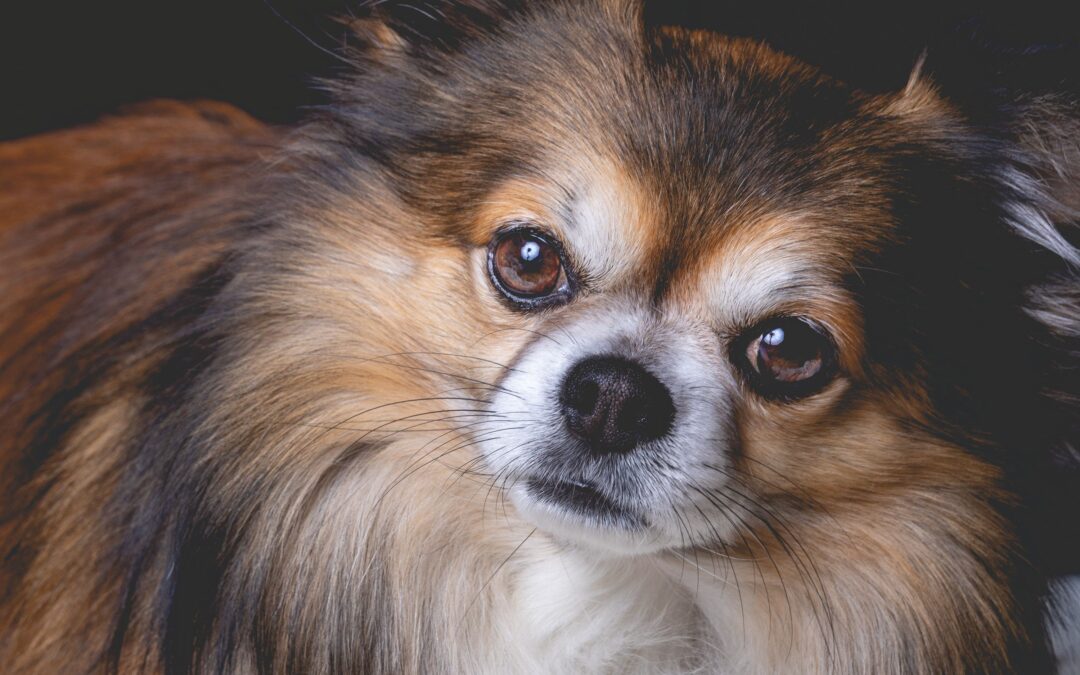
chihuahua pomeranian mix

chihuahua pomeranian mix

Chihuahua Pomeranian Mix (Pomchi): The Essential Guide to Size, Care and Cost (2026)

The Chihuahua Pomeranian mix, often called a Pomchi, is a cross between two tiny breeds from the AKC Toy Group. Most adults weigh about 3 to 7 pounds, live 12 to 16 years and carry a bold, chatty personality in a pocket-sized body. It is a hybrid, not an AKC-recognized breed, so looks and temperament can vary from puppy to puppy.

Thinking about bringing one home? This guide compares the two parent breeds side by side, then covers coat types, temperament, grooming, health screening and what a puppy may cost in the US. Every figure links to the AKC, PetMD or Chewy’s vet-reviewed breed page.

Key takeaways

  • Chewy lists the Pomchi at 6 to 9 inches tall and 3 to 7 pounds.
  • Expect a lifespan of roughly 12 to 16 years (Chewy).
  • The coat can be short or long, because the Chihuahua parent comes in both coat types (AKC).
  • The AKC lists kneecap, heart and eye tests as recommended for both parent breeds.
  • PetMD advises extra care around toddlers and large dogs, which can easily hurt a dog this small.

Chihuahua Pomeranian Mix: The Short Answer

Is a Chihuahua Pomeranian mix the right small dog for you? These quick facts help you decide. Size and lifespan come from Chewy, medically reviewed by Angela Beal, DVM, and PetMD.

Trait Pomchi facts
Other names buyers search Pomchi, Chihuahua Pom mix, Pom and Chihuahua mix, Pomeranian and Chihuahua mix
Height 6 to 9 inches, about 15 to 23 cm (Chewy)
Weight 3 to 7 pounds, about 1.4 to 3.2 kg (Chewy)
Lifespan 12 to 16 years (Chewy)
Temperament “Bold, Cheeky, Chatty” (Chewy)
AKC status Not recognized; both parents are (PetMD, Chewy)
Puppy price “Several hundred to several thousand dollars”; prices vary (Chewy)

Sources: Chewy and PetMD Pomchi breed pages, accessed November 2026.

Chihuahua Pomeranian mix look-alike: a fluffy cream long-haired Chihuahua with upright ears standing outdoors
A long-coated Chihuahua like this one hints at how fluffy a Chihuahua Pomeranian mix can be. Photo: Erwin Bosman / Pexels.

Meet the Pomchi: Parent Breeds Compared

Every Chihuahua Pomeranian mix starts with a Pomeranian and a Chihuahua. The AKC describes the Pomeranian as a tiny dog of no more than 7 pounds with a “commanding big-dog demeanor,” and the Chihuahua as a dog of “terrier-like demeanor” weighing no more than 6 pounds. Because a puppy can lean toward either side, it helps to know both breeds well.

AKC figure or trait score (1 to 5) Pomeranian Chihuahua
Height 6 to 7 inches 5 to 8 inches
Weight 3 to 7 pounds Up to 6 pounds
Life expectancy 12 to 16 years 14 to 16 years
Affectionate with family 5 4
Good with young children 3 1
Good with other dogs 3 3
Openness to strangers 3 2
Energy level 3 4
Barking level 4 5
Coat grooming frequency 3 1

Source: AKC breed pages for the Pomeranian and Chihuahua, accessed November 2026.

As general advice, read the table as a range, not a promise. A mix of two dogs with high barking scores is likely to be vocal, and a parent that scores 1 with young children is a reason for extra care around toddlers. For other small crosses, see our guides to the Chiweenie and the Chihuahua Pug mix.

Is a Pomchi Right for You?

Use this quick check before you start looking at litters. It is our own guide, built from the AKC trait scores above.

  • Good fit: you want a lap dog, live in an apartment or small house, and are home often.
  • Good fit: you enjoy short daily walks and indoor games more than long hikes.
  • Think twice: you have toddlers, a very large dog or close neighbors who dislike barking.
  • Think twice: you cannot brush a coat several times a week.

Size, Coat and Colors

How big does a Pomchi get? PetMD says a full-grown Pomchi usually tops out at about 7 pounds and 8 inches tall. Chewy’s range of 3 to 7 pounds lines up with the parents’ AKC weights.

Long-Haired vs Short-Haired Pomchis

According to the AKC, the Chihuahua comes in both a smooth, short coat and a long coat, while the Pomeranian’s thick double coat comes in more than 20 colors, with orange or red seen most often. In our experience, a long haired Chihuahua Pom mix tends to look the fluffiest. As general advice, expect any color or pattern from either parent, and ask to see both parents if coat type matters to you.

Chihuahua Pomeranian mix parents: an orange Pomeranian beside a white and a black and tan long-haired toy dog held by a man in a suit
The parents of a Chihuahua Pomeranian mix can look very different, so puppies vary too. Photo: X L / Pexels.

Chihuahua Pomeranian Mix Temperament and Personality

What is a Chihuahua Pomeranian mix like at home? PetMD describes a lively dog that is loving with its own people, cautious with newcomers and likely to sound the alarm when someone arrives. Chewy sums up the mix in three words: “Bold, Cheeky, Chatty.” In our experience, these little dogs often pick one favorite person and follow them from room to room.

Is a Pomchi Good With Kids and Other Pets?

Sometimes, with supervision. PetMD cautions that “very small children and larger pets can put this toy breed in danger.” The AKC scores the Chihuahua parent 1 out of 5 with young children. As general advice, a Pomchi suits homes with older, gentle kids, and every greeting with a large dog should happen on leash.

Grooming, Exercise and Training

Daily care for a Chihuahua Pomeranian mix is light in time but steady in routine.

Brushing, Baths and Teeth

“Plan on brushing your Pomchi’s coat multiple times a week,” PetMD advises, to stop tangles and mats. Chewy adds a bath about once a month, regular nail trims and daily tooth brushing. Long-coated pups need the most attention; for a Pomeranian, the AKC suggests a weekly brush-out that reaches all the way to the skin, using a pin brush and a slicker.

Exercise and Outdoor Safety

Chewy suggests short walks of about 20 minutes, games of fetch and puzzle toys, with the dog kept on a leash or inside a secure fence. The AKC warns that Poms can slip through small gaps in fencing and that large birds such as hawks and owls may mistake small dogs for prey, so stay close whenever your dog is outside.

Training and Socialization

PetMD recommends positive, reward-based training and stresses socialization during a puppy’s first 16 weeks. Short, upbeat sessions work best, in our experience. Our guides on apartment potty training and socializing a shy puppy can help.

Weekly Pomchi Care Schedule

Task How often Source
Brush the coat Several times a week PetMD
Brush teeth Daily PetMD, Chewy
Bath About once a month Chewy
Nail trim Regularly, before nails click on the floor Chewy (timing is our tip)
Walk and play About 20 minutes of walking plus games Chewy
Training Short sessions most days Our advice, based on PetMD’s reward-based approach

Pet Care Tip: Our suggestion is to use a harness rather than a collar for walks. In our experience, it is gentler on a tiny neck and gives you a safer grip if your Pomchi tries to bolt through a fence gap.

Chihuahua Pomeranian mix parent: a brown Pomeranian wearing a red knit sweater on a dark velvet blanket
As general advice, a sweater can help a short-coated Chihuahua Pomeranian mix stay warm on cold days. Photo: Hanna Auramenka / Pexels.

Chihuahua Pomeranian Mix Health and Lifespan

How healthy is a Chihuahua Pomeranian mix? PetMD lists periodontal disease, patellar luxation, tracheal collapse, a heart defect called patent ductus arteriosus, eye problems, ear infections and obesity as concerns. It also notes that puppies need frequent meals to avoid hypoglycemia (low blood sugar). Chewy gives a lifespan of 12 to 16 years.

Parent breed Conditions the AKC says breeders screen for Breed club tests
Pomeranian Luxating patellas, hypothyroidism, collapsing trachea, congestive heart failure, seizures, alopecia X Patella, cardiac exam, eye exam
Chihuahua Patent ductus arteriosus, mitral valve disease, eye disease, patellar luxation, epilepsy Patella, cardiac exam, eye exam

Source: AKC Pomeranian and Chihuahua breed pages, accessed November 2026.

When to call the vet: As general advice, call your vet or a 24/7 emergency animal hospital straight away if a Pomchi puppy seems weak, wobbly or very sleepy, or if any dog has a honking cough with trouble breathing. Tiny dogs can go downhill fast.

Puppy Cost and Finding One

Shopping for a Pomeranian Chihuahua mix dog? Chewy and PetMD say prices run from hundreds to thousands of dollars, depending on the breeder; prices vary. Ask for both parents’ patella, heart and eye results, which you can check on the OFA database. PetMD notes that shelters and rescues may also have Pomchis, and a dog DNA test can confirm what you adopted.

Questions to ask before you buy a Chihuahua Pomeranian mix puppy

  1. Can I meet both parents and see their coats and temperaments?
  2. Do you have patella, cardiac and eye results for both parents?
  3. How often is the puppy eating, and what food is it on?
  4. Has the puppy met children, other dogs and household noises?
  5. Will you take the dog back at any age?
Common mistake Why it matters Better approach
Skipping puppy meals PetMD links missed meals to low blood sugar in puppies Feed small, frequent meals as your vet advises
Letting a toddler carry the dog Falls can injure a 3 to 7 pound dog Floor cuddles only, with an adult nearby
Leaving the dog alone in the yard The AKC warns about fence gaps and birds of prey Stay outside with your dog
Brushing only when mats appear PetMD advises brushing several times a week Set a brushing routine from day one

Example Scenario (illustrative)

Renata in Tucson asked, “Will a Chihuahua Pomeranian mix cope with my small yard?” She adopted Bean, a 5-pound rescue, and blocked a gap under the gate. She switched to a harness, set three small meals a day for the first weeks and brushed Bean every other evening.

Chihuahua Pomeranian Mix FAQs

How big does a Chihuahua Pomeranian mix get?

PetMD says a full-grown Pomchi usually tops out at about 7 pounds and 8 inches tall. Chewy gives 3 to 7 pounds and 6 to 9 inches.

How long does a Pomchi live?

Chewy gives a lifespan of 12 to 16 years. The AKC lists 12 to 16 years for the Pomeranian and 14 to 16 years for the Chihuahua.

Is a Pomchi recognized by the AKC?

No. PetMD and Chewy both note that the Pomchi is not an AKC-recognized breed, though both parent breeds are.

Do Pomchis bark a lot?

Often, yes. Chewy describes the mix as chatty and quick to bark, and the AKC rates the Chihuahua 5 out of 5 for barking.

Are Pomchis good with kids?

Only with care. PetMD warns that toddlers and bigger pets can easily hurt such a tiny dog, so supervise every play session.

How much does a Pomchi puppy cost?

Prices vary by breeder. Chewy puts them at “several hundred to several thousand dollars,” and PetMD notes that shelters and rescues may also have Pomchis.
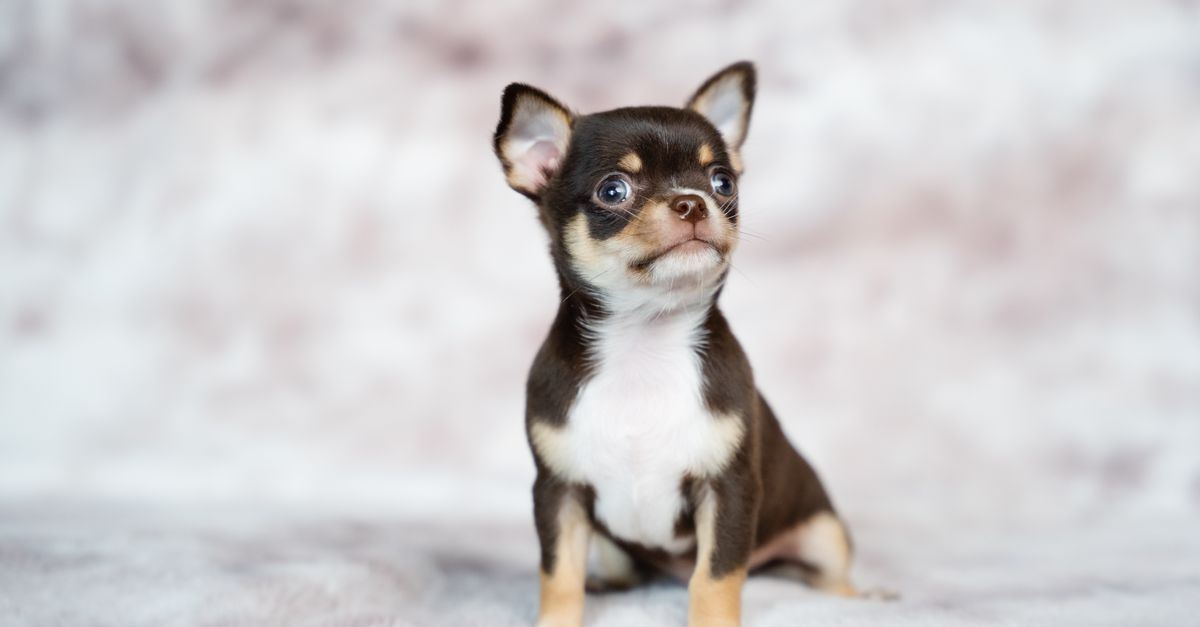
Chihuahua Pomeranian mix parent: a black and tan Chihuahua puppy with big upright ears sitting on a soft white blanket
Tiny puppies, including a Chihuahua Pomeranian mix, need frequent meals, PetMD notes. Photo: Clarissa Roley / Pexels.

Final Verdict

A Chihuahua Pomeranian mix suits adults or families with older children who want a bold, affectionate lap dog and can handle a fair amount of barking. Brush several times a week, keep outdoor time supervised, and buy only from a breeder who shares both parents’ health results, or adopt. You may gain a loyal shadow for 12 to 16 years.

Your next steps

  1. Read the AKC Pomeranian and Chihuahua breed pages.
  2. Ask breeders or rescues the five questions above.
  3. Explore more small and spitz-type dogs in our Dogs section and our spitz dog breeds guide.

Share your Pomchi photos with our community on the Pets Store Home Facebook page.

About the author: Written and reviewed by the Pets Store Home Editorial Team: pet owners and animal lovers who check every guide against trusted US veterinary and animal-welfare sources. This article is general information, not a substitute for professional veterinary advice. Always talk to your veterinarian about your own pet’s health.

How we checked this guide: Pomchi size, lifespan, temperament, grooming, exercise and prices come from Chewy’s breed page (medically reviewed by Angela Beal, DVM) and PetMD’s Pomchi page. Parent-breed sizes, trait scores, coat facts, health screening and outdoor safety advice come from the AKC Pomeranian and Chihuahua pages. We review this article every 12 months, or sooner if guidance changes.

Last reviewed: November 2026.

Sources

  1. Chewy: Pomchi breed guide (accessed November 2026)
  2. PetMD: Pomchi (accessed November 2026)
  3. AKC: Pomeranian breed information (accessed November 2026)
  4. AKC: Chihuahua breed information (accessed November 2026)
  5. Orthopedic Foundation for Animals (accessed November 2026)

biewer terrier

biewer terrier

Biewer Terrier: The Essential Breed Guide to Size, Care and Cost (2026)

The Biewer terrier is a tiny, long-haired toy dog with a white, black and tan coat, a playful personality and a big love of people. The AKC lists it at 7 to 11 inches tall and 4 to 8 pounds. It was developed from Yorkshire Terriers in Germany in 1984 and became a fully recognized AKC breed in January 2021.

If you are wondering whether this little dog suits your home, this guide covers everything in one place: where the breed came from, how it differs from a Yorkie, daily grooming, health tests to ask a breeder about, and what a puppy may cost in the US. Every figure links to the AKC, the breed club, AAHA or PetMD.

Key takeaways

  • The AKC lists the breed at 7 to 11 inches, 4 to 8 pounds and a 16-year life expectancy.
  • It is pronounced “beaver,” and the AKC places it in the Toy Group.
  • The AKC rates shedding 1 out of 5, but the long coat needs daily brushing.
  • The breed club recommends eye, patella and two DNA tests before breeding.
  • PetMD puts puppy prices at roughly $1,500 to $3,500 or more.

Biewer Terrier at a Glance: The Short Answer

Is a Biewer terrier right for you? Start with the basics. These facts come from the breed’s AKC breed page, with the AKC recognition milestone confirmed by AAHA and a second lifespan estimate from PetMD.

Trait Biewer facts
Height 7 to 11 inches (18 to 28 cm)
Weight 4 to 8 pounds (1.8 to 3.6 kg)
Life expectancy 16 years (AKC); 12 to 15 years on average (PetMD)
AKC group Toy Group
Origin Germany, 1984
Coat Long and silky; puppies are born black, white and tan (AKC)
AKC status Full recognition in January 2021 (AKC); the 197th AKC breed (AAHA)
Pronunciation “Beaver” (AKC)

Sources: AKC breed page, AAHA NEWStat and PetMD, accessed November 2026.

Biewer terrier look-alike: small white, black and tan long-haired toy dog standing outdoors with its tongue out
A Biewer terrier wears a white, black and tan coat like this little toy dog. Photo: Merlin Lightpainting / Pexels.

Where the Breed Came From

According to the AKC, the story began in 1984, when two tricolor puppies were born in the German kennel of Yorkshire Terrier breeders Werner and Gertrude Biewer. AAHA explains that the unusual coloring came from a recessive piebald gene carried by two Yorkies. The breed’s first name was the German Yorkshire Terrier.

DNA work helped set the breed apart. The AKC notes that Mars Veterinary produced a DNA breed signature for the Biewer on October 5, 2009, based on a large genetic study. The AKC assigned the breed to its Toy Group in April 2014, and it gained full status in January 2021.

Biewer Terrier Temperament and Personality

What is a Biewer terrier like to live with? The AKC describes a dog whose “only purpose in life is to love and be loved.” It stays playful and puppy-like well into adulthood, often trots around with a toy in its mouth, and is usually warm toward new people. It will alert you to visitors but, in the AKC’s words, “is not a constant barker.”

The AKC also scores each breed from 1 to 5 on everyday traits. Here is how this toy terrier rates.

AKC trait Score (1 to 5) What it means at home
Affectionate with family 5 Expect a devoted lap and shadow dog
Good with other dogs 5 Usually sociable with canine housemates
Playfulness 4 Loves games and toys
Good with young children 3 Needs gentle, supervised handling
Openness to strangers 3 Friendly but may need warm-up time
Energy level 3 Moderate; play and short walks suit it
Barking level 3 Alerts to visitors
Shedding level 1 Very low shedding

Scores from the AKC breed page for the Biewer, accessed November 2026. The “at home” notes are our interpretation.

Is a Biewer Terrier Good With Kids?

Often, yes, with care. PetMD says the breed usually does well in homes with kids and other pets, particularly with early socialization. As general advice, because an adult weighs only 4 to 8 pounds, teach children to sit on the floor to cuddle and never to carry the dog around. Our guide on socializing a shy puppy explains gentle first steps.

Biewer vs Yorkshire Terrier: Key Differences

The two breeds share a family tree, so people often mix them up. AAHA reports that the two are genetic relatives and share some health problems. The clearest differences are the coat colors and the tail, which is left undocked on Biewers.

Feature Biewer Yorkshire Terrier
Height (AKC) 7 to 11 inches 7 to 8 inches
Weight (AKC) 4 to 8 pounds Up to 7 pounds
Life expectancy (AKC) 16 years 11 to 15 years
Coat color White, black and tan “Steel blue and a rich golden tan” (AKC)

Sources: AKC breed pages for the Biewer and the Yorkshire Terrier, and AAHA, accessed November 2026.

For grooming styles that also suit long silky coats, see our teddy bear Yorkie haircuts guide.

Biewer terrier relative: a Yorkshire Terrier with a blue and tan coat standing on fall leaves in a park
The Yorkshire Terrier, the Biewer’s ancestor, has a blue and tan coat with no white. Photo: Gundula Vogel / Pexels.

Grooming, Exercise and Feeding

Caring for a Biewer terrier day to day comes down to three things: the coat, gentle activity and a steady diet.

Daily Brushing and Coat Care

A full-length coat needs daily brushing, the AKC says, although a short trim cuts grooming down a lot. Silkier coats mat less than softer ones. The AKC also advises regular nail trims, ear checks and tooth brushing. PetMD notes that the breed club suggests weekly baths and that hair around the eyes may need trimming.

How Much Does the Coat Shed?

Barely. The AKC gives the breed a shedding score of 1 out of 5. Low shedding does not mean low maintenance, though. In our experience, the few hairs that do come loose tend to stay in the coat and form tangles if brushing slips. As general advice, no dog is fully allergy-free, so spend time with the breed before you commit if anyone at home has allergies.

Exercise and Training

The AKC calls the Biewer “a rather mellow, easy-going dog” that gets much of its exercise through play. Indoor games such as hide-and-seek and rolled balls work well, and the breed enjoys walks and outings. PetMD suggests one daily walk plus playtime is generally enough. The AKC says these bright dogs are easy to train, but house-training can take a bit more time, so our tips on potty training a puppy in an apartment may help.

Feeding a Sensitive Stomach

The AKC notes that the breed may have a sensitive GI system and recommends a well-balanced diet. Always keep a bowl of clean water out. If your dog starts gaining weight, it suggests switching to 2 to 3 set meals a day. As general advice, ask your vet which food and portion suit your own dog, since toy breeds need very small, precise amounts.

Pet Care Tip: Our suggestion is to keep a small slicker brush and comb by the couch. In our experience, five minutes of brushing during evening TV time keeps a long Biewer coat tangle-free without turning grooming into a chore.

Biewer Terrier Health and Lifespan

How healthy is a Biewer terrier overall? The breed’s parent club shares a health statement that calls it a hardy breed with only a short list of known health problems. It highlights dental trouble, such as baby teeth that fail to fall out and tartar buildup, plus a sensitive stomach that usually settles on good food.

PetMD, reviewed by Barri J. Morrison, DVM, also lists tracheal collapse, bladder stones, patellar luxation, liver shunts and hypoglycemia, which is most common in puppies.

Health test (breed club) Type Status
Eye exam by an ACVO ophthalmologist, rechecked at 1, 3 and 6 years Exam Required for CHIC
PRA-prcd (progressive retinal atrophy) DNA test Required for CHIC
PLL (primary lens luxation) DNA test Required for CHIC
Patellar luxation, registered with OFA Vet exam Required for CHIC
Cardiac exam, Legg-Calvé-Perthes X-ray, serum bile acids, DM and HUU DNA tests Mixed Optional

Source: breed club (BTCA) health statement (December 2025), hosted by the AKC, accessed November 2026.

When to call the vet: The AKC says a Biewer with persistent diarrhea or discolored stools should see a vet. As general advice, also call your vet or a 24/7 emergency animal hospital straight away if a puppy seems weak, wobbly or unusually sleepy, or if your dog has trouble breathing.

Biewer terrier-type pair: two small long-haired white, black and gray dogs lying on grass and looking up
A Biewer terrier is usually sociable with other dogs, scoring 5 out of 5 with the AKC. Photo: Sam Lion / Pexels.

Cost and Finding a Breeder

Scrolling “dog Biewer” listings? Start with the breeder, not the price. PetMD puts puppies at roughly $1,500 to $3,500 or more, depending on pedigree, breeder reputation and location; prices vary. The AKC names the Biewer Terrier Club of America as the breed’s parent club and points adopters to the breed’s own rescue association. You can check health results on the OFA database. Curious about a rescue’s background? A dog DNA test can help.

Questions to ask a Biewer breeder

  1. Can I see both parents’ eye exam, PRA-prcd, PLL and patella results?
  2. Are the parents listed on the OFA database?
  3. How do you socialize puppies before they go home?
  4. What food is the puppy eating now?
  5. Will you take the dog back at any age?
Common mistake Why it happens Better approach
Skipping daily brushing Low shedding looks low-maintenance Brush daily or keep a short trim (AKC)
Buying without health results Cute photos sell puppies Ask for the breed club’s tests (BTCA)
Free-feeding a dog that gains weight Tiny portions look harmless Switch to 2 to 3 set meals (AKC)
Rough play with young kids Small dogs look like toys Supervise and teach floor cuddles (our advice)

Example Scenario (illustrative)

Imani in Columbus asked herself, “Is a Biewer terrier right for a busy apartment?” She chose an adult rescue, Sprinkles, through a breed rescue group. She booked a short trim, set up two daily play sessions and kept a brush by the couch. Within a month, Sprinkles was calm, tidy and fully settled.

Biewer Terrier FAQs

Is a Biewer terrier the same as a Yorkie?

No. The AKC recognizes the Biewer as its own breed. It came from Yorkshire Terriers in Germany in 1984 but has a white, black and tan coat, and AAHA notes its tail is left undocked.

How big does a Biewer get?

The AKC lists 7 to 11 inches tall and 4 to 8 pounds, so it is a true toy breed.

How long do Biewers live?

The AKC gives a life expectancy of 16 years, while PetMD gives 12 to 15 years on average.

Do Biewer terriers shed?

Very little. The AKC rates the breed 1 out of 5 for shedding, but the long coat still needs daily brushing.

How much is a Biewer puppy?

PetMD puts the price at roughly $1,500 to $3,500 or more, depending on the breeder, pedigree and location.

Are Biewers good with kids?

They can be. The AKC rates them 3 out of 5 with young children, so gentle, supervised handling matters with such a small dog.

How do you pronounce Biewer terrier?

Like “beaver,” according to the AKC.

Biewer terrier relative: close-up of a Yorkshire Terrier with a tied topknot resting beside a toy giraffe
As general advice, a topknot keeps long hair out of the eyes, a handy trick for a long Biewer coat too. Photo: Erwin Bosman / Pexels.

Final Verdict

The Biewer terrier suits owners who want a cheerful, affectionate toy dog and can commit to daily brushing and gentle handling. It sheds very little and needs only moderate exercise. Choose a breeder who shares the breed club’s health tests, or look at breed rescue, and plan for a long life together.

Your next steps

  1. Read the AKC breed page and the breed club’s health statement.
  2. Ask breeders the five questions above, or contact a breed rescue.
  3. Browse more small-breed guides in our Dogs section and our small dog breeds roundup.

Share your Biewer photos with our community on the Pets Store Home Facebook page.

About the author: Written and reviewed by the Pets Store Home Editorial Team: pet owners and animal lovers who check every guide against trusted US veterinary and animal-welfare sources. This article is general information, not a substitute for professional veterinary advice. Always talk to your veterinarian about your own pet’s health.

How we checked this guide: Size, lifespan, trait scores, grooming, exercise, feeding and history come from the AKC breed page. Health tests come from the breed club’s health statement (December 2025). AKC recognition details come from AAHA, and health conditions and puppy prices from PetMD (reviewed by Barri J. Morrison, DVM). Yorkie figures come from the AKC Yorkshire Terrier page. We review this article every 12 months, or sooner if guidance changes.

Last reviewed: November 2026.

Sources

  1. AKC: Biewer breed information (accessed November 2026)
  2. BTCA Health Statement, December 2025 (hosted by the AKC) (accessed November 2026)
  3. AAHA NEWStat: American Kennel Club decrees the Biewer terrier an official breed (accessed November 2026)
  4. PetMD: Biewer breed health and care guide (accessed November 2026)
  5. AKC: Yorkshire Terrier breed information (accessed November 2026)
  6. Orthopedic Foundation for Animals (accessed November 2026)
  7. Biewer Terrier Club of America (accessed November 2026)
spitz dog breeds

spitz dog breeds

Spitz Dog Breeds: 16 AKC Breeds, Sizes, Traits and Care (2026 Guide)

What are spitz dog breeds? Spitz dog breeds, many bred for cold climates, have pointed, upright ears, almond-shaped eyes, a thick double coat and a tail curled over the back. The AKC lists 16 spitz breeds, from the 3 to 7 pound Pomeranian to the 100 to 130 pound male Akita. Many are intelligent, independent and shed heavily.

If you love a fox-like face and a plume of a tail, a spitz may be your perfect match. This guide explains what makes a dog a spitz type, compares all 16 AKC spitz dog breeds by size and lifespan, and lists other spitz breeds recognized worldwide. It also covers grooming, exercise and how to find a responsible breeder. Every size and lifespan figure comes from the breed’s AKC page.

Key takeaways

  • “Spitz” means “pointed” in German, according to the AKC.
  • The AKC names 16 recognized spitz breeds across five of its groups.
  • Internationally, the FCI places spitz breeds in Group 5, Spitz and primitive types.
  • Thick double coats shed heavily and should not be shaved for summer, per the AKC.
  • Many spitz types are independent, so the AKC says they are not always suited to novice owners.

What Are Spitz Dog Breeds?

According to the American Kennel Club (AKC), the word “spitz” means “pointed” in German. Most spitz types share a wolf-like look: pricked ears, almond-shaped eyes, a heavy double coat and a feathery tail carried over the back. Those features helped them stay warm in cold places such as Scandinavia, Russia, North America and Asia.

The AKC estimates there are between 50 and 70 distinct breeds of spitz, but notes that some are hard to categorize because there is no exact definition of the type. Their old jobs varied widely, from helping hunters find game to pulling sleds and herding reindeer. In short, a breed of dog of the spitz type is defined more by its look and history than by a single standard.

How Kennel Clubs Group Spitz-Type Breeds

The AKC does not have a single spitz group. Its 16 spitz breeds sit in the Working, Herding, Hound, Non-Sporting and Toy groups. The international kennel federation takes a different approach: FCI Group 5, Spitz and primitive types splits the type into sections such as Nordic sledge dogs, Nordic hunting dogs, Nordic watchdogs and herders, European spitz, and Asian spitz and related breeds.

Is Your Dog Spitz Type?

As general advice, look for the hallmarks the AKC describes: pointed, pricked ears, almond-shaped eyes, a heavy double coat and a feathery tail carried over the back. Mixed dogs can show some of these traits without being a spitz breed. If you are curious about a rescue’s background, a dog DNA test can help.

Two smiling white Samoyeds sitting together on green grass
Samoyeds show the classic spitz look: upright ears, a thick white coat and a smiling face. Photo: Joolsmagools / Pexels

All 16 AKC Spitz Dog Breeds Compared

The table lists the 16 breeds the AKC groups as spitz types, with height, weight and life expectancy from each breed’s own AKC page. Where the AKC gives separate male and female figures, we combine them into one range.

Breed AKC group Height Weight Life expectancy
Akita Working 24 to 28 in 70 to 130 lb 10 to 14 years
Alaskan Malamute Working 23 to 25 in 75 to 85 lb 10 to 14 years
American Eskimo Dog Non-Sporting 9 to 19 in (3 sizes) 6 to 35 lb 13 to 15 years
Chow Chow Non-Sporting 17 to 20 in 45 to 70 lb 8 to 12 years
Finnish Lapphund Herding 16 to 21 in 33 to 53 lb 12 to 15 years
Finnish Spitz Non-Sporting 15.5 to 20 in 20 to 33 lb 13 to 15 years
Icelandic Sheepdog Herding 16.5 to 18 in 25 to 30 lb 12 to 14 years
Keeshond Non-Sporting 17 to 18 in 35 to 45 lb 12 to 15 years
Norwegian Buhund Herding 16 to 18.5 in 26 to 40 lb 12 to 15 years
Norwegian Elkhound Hound 19.5 to 20.5 in 48 to 55 lb 12 to 15 years
Norwegian Lundehund Non-Sporting 12 to 15 in 12 to 18 lb 12 to 15 years
Pomeranian Toy 6 to 7 in 3 to 7 lb 12 to 16 years
Samoyed Working 19 to 23.5 in 35 to 65 lb 12 to 14 years
Shiba Inu Non-Sporting 13.5 to 16.5 in 17 to 23 lb 13 to 16 years
Siberian Husky Working 20 to 23.5 in 35 to 60 lb 12 to 14 years
Swedish Vallhund Herding 11.5 to 13.75 in 20 to 35 lb 12 to 15 years

Source: AKC breed pages, accessed November 2026. Ranges combine male and female figures.

Small Spitz Dog Breeds

Small spitz dog breeds pack a big personality into a compact body. The AKC describes the Pomeranian as one of the world’s most popular toy breeds, a dog under seven pounds with a commanding presence. The American Eskimo Dog comes in toy, miniature and standard sizes; despite the name, the AKC says it descends from the German Spitz brought to North America by immigrants.

Other small picks include the Shiba Inu, an ancient Japanese hunting breed; the Norwegian Lundehund, which the AKC calls one of the rarest spitz breeds and which was developed to hunt puffins on a remote Norwegian island; and the Swedish Vallhund, a compact herding breed that stands under 14 inches tall, per the AKC.

Fluffy orange Pomeranian sitting outdoors with green leaves behind it
The Pomeranian is the smallest of the AKC spitz breeds, at 3 to 7 pounds. Photo: Jamie Kimball / Pexels

Medium Spitz-Type Breeds

Medium spitz dog breeds were often farm, hunting or herding dogs. The AKC says the Keeshond guarded and kept company on barges along Dutch waterways, while the Finnish Spitz is a fox-like hunter that signals game birds with rapid barking. The Icelandic Sheepdog is Iceland’s only native breed, according to the AKC.

From Norway come the Norwegian Buhund, an all-purpose farm dog, and the larger Norwegian Elkhound, with its silver-gray coat. The Finnish Lapphund was bred to herd reindeer in Lapland. The Chow Chow may be one of the original spitz types, since the AKC notes Han Dynasty artifacts showing these dogs from around 200 B.C.

Large Spitz Dog Breeds

The big spitz dog breeds were built for hard work in the cold. The Akita is a muscular Japanese breed first bred to hunt big game, and the AKC says it is seen in Japan as a symbol of good health, happiness and long life. Males can reach 130 pounds, making it the heaviest breed on our list.

The Alaskan Malamute is one of the oldest sled dog breeds, prized for the strength to haul heavy loads over long distances. The Samoyed is known for its white coat and smiling expression, both suited to the cold of its native Siberia. The Siberian Husky is the lighter of the two sled breeds, based on AKC weights. See our guide to the difference between a Husky and a Malamute if you are torn between the two.

Size Is Not the Only Difference

As general advice, large spitz dog breeds need more space, stronger leash skills and a bigger food budget than small ones. Our Akita adoption guide covers what to know before taking on a powerful spitz, and our agouti Siberian Husky guide explains one of the Husky’s rarer coat colors.

Other Breeds of Spitz Around the World

The FCI recognizes many spitz dog breeds, including several that are not fully recognized by the AKC. The FCI Group 5, Spitz and primitive types list includes the breeds below. Note that the FCI German Spitz standard treats the Keeshond (Wolfspitz) and the Pomeranian as varieties of one German Spitz breed, alongside Giant, Medium and Miniature Spitz sizes.

FCI section Example breeds
Nordic sledge dogs Greenland Dog, Canadian Eskimo Dog, Samoyed, Alaskan Malamute, Siberian Husky
Nordic hunting dogs Karelian Bear Dog, West Siberian Laika, Russian-European Laika, Jämthund, Norrbottenspitz
Nordic watchdogs and herders Swedish Lapphund, Lapponian Herder, Icelandic Sheepdog, Swedish Vallhund
European spitz German Spitz (all sizes), Italian Volpino
Asian spitz and related breeds Japanese Spitz, Eurasier, Hokkaido, Kai, Kishu, Shikoku, Korea Jindo Dog, Thai Bangkaew Dog

Source: FCI breed nomenclature, Group 5, accessed November 2026.

Fluffy gray and black Keeshond with an open mouth outdoors
The FCI treats the Keeshond as the Wolfspitz variety of the German Spitz. Photo: Stephen Leonardi / Pexels

Living With Spitz Dogs: Grooming, Exercise and Temperament

Canine spitz types share more than looks. The AKC describes spitz breeds as often loyal, intelligent and affectionate, but also independent and bold. It notes they are not always suited to novice owners, since most come from working backgrounds and stay active. In our experience, short, reward-based training sessions work best with these clever but strong-willed dogs. Our guide on how to socialize a puppy can help you start early.

Grooming a Double Coat

Thick spitz coats need regular grooming to keep shedding under control, the AKC says. Resist the urge to shave. In an AKC article on summer shaving, Chief Veterinary Officer Dr. Jerry Klein explains that a dog’s coat acts as an insulator. The soft undercoat traps air, and the outer guard hairs help protect against sunburn and insect bites.

Pros of spitz-type breeds Cons to consider
Striking looks and many sizes to choose from Regular grooming needed to control shedding (AKC)
Often loyal and affectionate (AKC) Can be independent and bold (AKC)
Many were bred for cold climates (AKC) In our experience, many are vocal
Intelligent (AKC) Not always ideal for first-time owners (AKC)

Finding Spitz Dog Breeders and Rescues

Good spitz dog breeders health-test their dogs and answer your questions openly. The AKC suggests asking about health testing, the parents, the health guarantee and whether the breeder will take a dog back at any point in its life. You can check hip and other screening results on the Orthopedic Foundation for Animals (OFA) database. As general advice, also look at breed-specific rescues, since spitz types sometimes end up there when owners underestimate the shedding or energy.

Black and white Siberian Husky standing in deep snow
Large spitz breeds like the Siberian Husky were built for cold climates. Photo: Kateryna Babaieva / Pexels

Pet Care Tip: Our suggestion is to buy an undercoat rake before your spitz arrives. In our experience, a few minutes of brushing several times a week during shedding season saves hours of vacuuming later.

When to call a vet right away: The AKC lists heavy panting, excessive drooling, bright red gums and trouble keeping balance as early heatstroke signs, and collapse as a severe one. It says a vet visit is essential even if your dog seems to recover, so call your vet or a 24/7 emergency animal hospital right away.

7 questions to ask before choosing a spitz

  1. Which size of spitz fits my home and lifestyle?
  2. Can I handle heavy seasonal shedding?
  3. How hot are summers where I live?
  4. Do I have time for daily exercise and training?
  5. Will barking be a problem for my neighbors?
  6. Has the breeder health-tested both parents?
  7. Is there a breed rescue near me?

Example Scenario (illustrative)

Lena in Denver loved Samoyeds but lived in a small apartment. After comparing spitz dog breeds by size, she chose a miniature American Eskimo Dog instead. She booked puppy classes, bought an undercoat rake and planned shady morning walks for hot days.

Myth Fact
“Spitz is one breed.” The AKC treats spitz as a type of dog and lists 16 spitz breeds.
“All spitz dogs are big sled dogs.” AKC sizes run from a 3 pound Pomeranian to a 130 pound male Akita.
“Shaving keeps a double-coated dog cool.” The AKC says the coat acts as insulation, so shaving can backfire.
“The American Eskimo Dog is an Arctic breed.” The AKC says it descends from the German Spitz.

What most owners get wrong

In our experience, many owners pick a spitz for its looks and underestimate the shedding and independent streak. Choose the breed for its energy and size first, and plan your grooming routine before you bring your dog home.

Spitz Dog Breeds FAQs

What are spitz dog breeds?

Dogs with pointed, pricked ears, a heavy double coat and a tail carried over the back, per the AKC.

How many spitz breeds are there?

The AKC estimates 50 to 70 and recognizes 16 as spitz breeds.

What is the smallest spitz breed?

The Pomeranian, at 3 to 7 pounds, per the AKC.

What is the largest spitz breed?

The Akita; the AKC lists males at 100 to 130 pounds.

Are Huskies spitz dogs?

Yes. The Siberian Husky is one of the AKC spitz breeds.

Do spitz dogs shed a lot?

Yes. Their thick coats need regular grooming to control shedding (AKC).

Are spitz breeds good for first-time owners?

The AKC says they are not always suited to novice owners.

Final Verdict: Which of the Spitz Dog Breeds Is Right for You?

Spitz dog breeds range from pocket-sized Pomeranians to powerful Akitas, but they share pointed ears, thick coats and a bold, independent streak. Choose a size that fits your home, plan for regular brushing and daily exercise, and buy only from a breeder who health-tests. Do that, and a spitz can be a loyal, lively companion for many years.

Your next steps

  1. Shortlist two or three breeds from the comparison table.
  2. Read each breed’s AKC page and meet adult dogs if you can.
  3. Contact a health-testing breeder or a breed rescue.

Share your spitz photos on the Pets Store Home Facebook page, and find more breed guides in our Dogs section and the wider Pets hub.

About the author: Written and reviewed by the Pets Store Home Editorial Team, pet owners who check every guide against trusted sources.

How we checked this guide: The list of 16 spitz breeds, the breed descriptions and the temperament and grooming notes come from the AKC’s spitz breeds article. Heights, weights, life expectancies and AKC groups come from each breed’s AKC page. International groupings come from the FCI nomenclature, coat advice from the AKC’s shaving article, heatstroke signs from the AKC’s heatstroke guide, and breeder questions from the AKC.

This guide was written in November 2026 and is reviewed every 12 months.

Last reviewed: November 2026.

orange cat names

orange cat names

Orange Cat Names: 100+ Ideas for Male, Female and Kitten Gingers (2026)

What are the best orange cat names? Popular picks include Marmalade, Pumpkin, Ginger, Mango, Copper, Cheeto, Rusty and Sunny. Good names for orange cats usually play on their warm color, a favorite food or a famous ginger cat. As general advice, choose one or two syllables, test it out loud, and pair it with treats so your cat learns it.

Picking a name is one of the best parts of bringing home a ginger cat. This guide sorts more than 100 orange cat names into easy groups: male, female, kitten, food, famous, shade-based and pairs. Each table adds a short meaning, so you can pick a name that suits your cat’s look and personality. We also explain why most orange cats are male, and what research says about how cats learn their names.

Key takeaways

  • Orange is a coat color, not a breed, and it appears in many breeds and mixed cats.
  • Most orange cats are male, because the orange gene sits on the X chromosome (Kyushu University).
  • A 2019 study found pet cats can tell their own name apart from other words.
  • Short names with clear sounds are easiest to call, as general advice.
  • For two cats, choose names that sound clearly different.

Why Orange Cat Names Should Match a Special Coat

Orange cats stand out, so it makes sense to give them a name with some warmth. In 2025, researchers at Kyushu University and, in a separate study, at Stanford University traced the orange coat to a small DNA deletion linked to a gene called ARHGAP36 on the X chromosome. Both studies were published in Current Biology, according to the EurekAlert! release on the Kyushu study.

Why Most Orange Cats Are Male

Because the orange gene is on the X chromosome, a male cat, with one X, needs only one copy to be orange. A female has two X chromosomes and needs two copies to be fully orange, which makes orange females less common, per Kyushu University. A female with one orange and one black copy usually becomes a calico or tortoiseshell. Read more in our guides to the orange and white cat and tortoiseshell cats.

That is why many lists of orange cat names lean male. In our experience, it still pays to confirm your cat’s sex with a vet before you settle on a name, since young kittens can be hard to sex.

Close-up of an orange tabby cat with green eyes resting its head
A bright ginger coat inspires many of the best orange cat names. Photo: Alexas Fotos / Pexels

Male Orange Cat Names

Here are strong orange cat names for a male, from classic to playful. Many hint at fire, rust, metal or warm light.

Name Meaning or vibe
Rusty Reddish-brown, like old metal
Copper Shiny orange metal
Blaze A bright, strong fire
Leo Latin for lion
Simba Swahili for lion
Rufus Latin for red-haired
Flynn Irish surname linked to red hair
Ember A glowing coal
Tiger For a striped tabby
Apollo Greek god linked with the sun
Phoenix Mythical bird reborn in fire
Sol Latin for sun
Brick Red clay brick
Red Simple and classic
Chester A friendly, old-fashioned name
Oliver A gentle, popular pick
Tango A bold, lively dance
Rocket For a fast, fiery cat
Fox The famous orange woodland animal
Hunter For a keen mouser

Female Orange Cat Names

Female orange cats are rarer, as Section 1 explains, so a pretty name is a nice way to celebrate her. These female orange cat names suit sweet, sassy or elegant girls.

Name Meaning or vibe
Marigold Bright orange garden flower
Clementine Small, sweet citrus fruit
Amber Golden-orange fossil resin
Saffron Prized orange-red spice
Poppy Red-orange wildflower
Goldie For a golden coat
Autumn The season of orange leaves
Sunny Warm and cheerful
Penny A copper-colored coin
Scarlett A bold red name
Ginger Classic ginger-cat name
Coral Pink-orange sea color
Aurora Latin for dawn
Rosie A warm, rosy name
Honey Sweet and golden

Cute Orange Kitten Names

A tiny orange kitten often suits a soft, bouncy name. These orange kitty names are short and fun to say, and many still work when your kitten grows up.

Name Meaning or vibe
Peanut Small and sweet
Tater Tot A tiny bundle
Sparky A little spark of energy
Pumpkin Round, orange and cuddly
Nugget Small but golden
Biscuit Warm, baked color
Sprout A growing little one
Tiny Ironic once they grow
Pip A small fruit seed
Butterscotch Golden sweet candy
Freckles For speckled noses
Sunbeam A little ray of light

As general advice, a new kitten also needs an early vet check, vaccines and litter training. Our guide on how to litter train a kitten covers the first steps at home.

Ginger kitten lying on a gray cushion by a sunny window
In our experience, small ginger kittens suit short, playful names. Photo: 大 董 / Pexels

Food-Inspired Orange Cat Names

In our experience, food names are some of the most loved cat names for orange cats, because so many tasty things share that warm shade. These orange names are fun, easy to remember and often make people smile.

Name Meaning or vibe
Marmalade Orange fruit preserve
Mango Sweet tropical fruit
Cheeto Bright orange snack
Nacho Cheesy and golden
Pumpkin Pie A fall favorite
Tangerine Small orange citrus
Cheddar Orange cheese
Carrot Crunchy orange vegetable
Apricot Soft orange fruit
Peaches Sweet and fuzzy
Cinnamon Warm brown-orange spice
Paprika Red-orange spice
Curry A warm spice blend
Waffles Golden breakfast treat
Toast Lightly browned
Caramel Golden-brown sweet
Sweet Potato Orange root vegetable
Papaya Orange tropical fruit

As general advice, never feed your cat the food it is named after without checking first. The ASPCA warns that onion, garlic and chives can damage red blood cells, and that cats are more susceptible than dogs.

Famous Orange Cat Names From Comics and Film

Plenty of well-known fictional cats, and a few big cats, are orange or golden. These names give a nod to pop culture, and fans will spot the reference straight away.

Name Where it comes from
Garfield The lasagna-loving comic strip cat
Heathcliff A classic comic strip cat
Morris A long-running cat food mascot
Jonesy The ship’s cat in the film Alien
Puss Puss in Boots from the Shrek films
Crookshanks Hermione’s cat in Harry Potter
Milo The Adventures of Milo and Otis
Orangey The cat actor in Breakfast at Tiffany’s
Spot Data’s cat in Star Trek: The Next Generation
Hobbes The tiger from Calvin and Hobbes
Tigger The bouncy tiger friend of Winnie-the-Pooh
Aslan The golden lion of Narnia

Unique Orange Cat Names by Shade

Not all ginger cats are the same color. Some are pale cream-orange, others are deep red. Match your cat’s shade with one of these unique picks.

Shade Name ideas
Pale or cream-orange Butter, Peach, Creamsicle, Champagne, Biscuit, Latte
Bright orange Tango, Citrus, Clementine, Sunny, Marigold, Zest
Deep red-orange Rusty, Cayenne, Ruby, Merlot, Sienna, Brick
Golden Goldie, Midas, Nugget, Honey, Topaz, Sunny
Orange and white Creamsicle, Dreamsicle, Patches, Sundae, Socks, Mallow

Names for Two Orange Cats

Adopting two gingers together? Pair names make a fun set. Keep them different in sound, though. In a 2019 study in Scientific Reports, cats from a busy cat cafe did not reliably tell their own names apart from the names of cats they lived with. As general advice, avoid pairs that rhyme or start with the same sound.

Pair Theme
Salt and Pepper For an orange cat and a darker friend
Mango and Kiwi Tropical fruits
Sunny and Luna Sun and moon
Cheddar and Brie Cheese lovers
Bonnie and Clyde Partners in crime
Pumpkin and Spice A fall favorite
Tango and Waltz Dances
Copper and Bronze Metals
Two orange tabby cats standing by a red and black cat tunnel
As general advice, two ginger cats need names that sound clearly different. Photo: Andrew Patrick Photo / Pexels

How to Choose the Best Name for Your Ginger Cat

Cats do learn their names. Atsuko Saito and colleagues at Sophia University in Tokyo tested 78 cats and found that pet cats reacted to their own name more than to similar words, even when a stranger said it, as National Geographic reported. National Geographic suggests cats may link their name with good things such as food and petting.

Simple Naming Tips

  • Keep it short. As general advice, one or two syllables are easiest to call across a room.
  • Say it out loud. Try it ten times, as you would at dinner time.
  • Watch your cat. In our experience, a name often reveals itself after a few days of seeing personality.
  • Avoid command sounds. As general advice, skip names like “Snow” that sound a lot like “No.”
  • Use rewards. Say the name, then give a treat or a gentle pet, since cats may link their name with good things.
Orange tabby cat sleeping curled up on a white surface
A calm, sleepy cat may suit a soft name like Honey or Biscuit. Photo: Rakhima Khodjakbarova / Pexels

Pet Care Tip: Our suggestion is to put your cat’s new name on its collar tag and microchip record as soon as you choose it, so a finder can call your cat by name if it ever gets lost.

When to call a vet right away: As general advice, a new cat or kitten that stops eating, has trouble breathing, vomits repeatedly or seems very weak needs your vet or a 24/7 emergency animal hospital straight away.

7 questions to ask before you pick a name

  1. Is my cat male or female, and has a vet confirmed it?
  2. Is the coat pale, bright, deep red or orange and white?
  3. Is my cat calm, bold, clumsy or chatty?
  4. Is the name one or two syllables?
  5. Does it sound like “no,” “sit” or another pet’s name?
  6. Will I be happy calling it at the vet’s office?
  7. Will the name still suit an adult cat?

Example Scenario (illustrative)

Maya in Austin adopted two orange kittens and named them Mango and Mabel. Both came running for every call, so she switched to Mango and Pepper. She said each name before meals for two weeks, and soon each kitten answered to its own.

Myth Fact
“All orange cats are male.” Most are, but females can be orange too, per Kyushu University.
“Orange cats are a breed.” Orange is a coat color that shows up in many breeds and mixed cats.
“Cats ignore their names.” A 2019 study found pet cats can recognize their own names.
“You can never rename a rescue cat.” In our experience, cats learn a new name with patience and rewards.

What most owners get wrong

In our experience, many owners choose a long, clever name, then shorten it to something else within a week. Pick the name you will actually call, and keep the long version for the vet’s paperwork.

Orange Cat Names FAQs

What is a good name for an orange cat?

Marmalade, Pumpkin, Ginger, Mango, Copper, Rusty and Sunny are popular picks.

What are good orange cat names for a male?

Try Leo, Simba, Rusty, Copper, Blaze, Rufus or Garfield.

What are good female orange cat names?

Marigold, Clementine, Amber, Saffron, Poppy and Goldie suit a girl.

Why are most orange cats male?

The orange gene is on the X chromosome, so males need only one copy (Kyushu University).

What should I name my orange kitten?

Short, sweet names like Peanut, Nugget, Pip or Pumpkin suit kittens.

Do cats know their names?

A 2019 Scientific Reports study found pet cats can recognize their own names.

Can I rename an adult orange cat?

Yes. In our experience, pairing the new name with treats helps it stick.

Final Verdict: Choosing From These Orange Cat Names

The best orange cat names reflect your cat’s glowing coat, its personality and your own sense of fun. Whether you pick Marmalade, Leo, Clementine or Cheeto, keep it short, say it often and link it with treats. In our experience, within a few weeks your ginger cat will know exactly who you are calling.

Your next steps

  1. Shortlist three names from the tables above.
  2. Try each one out loud for a day and watch your cat’s reaction.
  3. Add the winner to the collar tag and microchip record.

Share your orange cat’s name on the Pets Store Home Facebook page, browse our unique black cat names for more ideas, and find more cat guides in our Cats section and the wider Pets hub.

About the author: Written and reviewed by the Pets Store Home Editorial Team, pet owners who check every guide against trusted sources.

How we checked this guide: Coat genetics come from Kyushu University and the EurekAlert! release on the 2025 Current Biology studies. Name-recognition findings come from the 2019 Scientific Reports paper and National Geographic’s report on it, and food-safety advice from the ASPCA. Name meanings and the famous-cat references are general knowledge, and naming tips are marked as general advice or our experience.

This guide was written in November 2026 and is reviewed every 12 months.

Last reviewed: November 2026.

german shepherd corgi mix

german shepherd corgi mix

German Shepherd Corgi Mix (Corman Shepherd): Size, Temperament, Health and Care (2026)

What is a German Shepherd Corgi mix? It is a cross between a German Shepherd and a Welsh Corgi, often called a Corman Shepherd. With one parent a 50 to 90 pound working dog and the other a short-legged herder under 40 pounds, size varies widely. Expect a smart, loyal, active dog that sheds a lot.

In our experience, the German Shepherd Corgi mix often looks like a German Shepherd on short legs, and that blend of a large and a small breed is exactly why no two puppies are quite alike. This guide uses the AKC parent-breed data to explain likely size, temperament, exercise, grooming, health risks and how to choose a puppy responsibly. Every figure links to its source.

Key takeaways

  • A Corman Shepherd crosses a German Shepherd with a Pembroke or Cardigan Welsh Corgi.
  • It is a mixed breed, so there is no official size standard.
  • Both parents are herding dogs with double coats that shed heavily at times.
  • Both parents can carry hip and elbow dysplasia and degenerative myelopathy (AKC).
  • Plan for daily exercise, brushing and early, reward-based training.

What Is a German Shepherd Corgi Mix?

A German Shepherd Corgi mix has one German Shepherd parent and one Welsh Corgi parent, usually a Pembroke. Hepper‘s mixed-breed guide calls it the Corman Shepherd. Because it is a mix, no kennel club sets a standard for it, so the best guide to any puppy is its two parents. The AKC German Shepherd page and the AKC Pembroke Welsh Corgi page give the parent facts used throughout this article.

Two Herding Breeds in One Dog

Both parents were bred to work livestock. The AKC calls the German Shepherd dogkind’s finest all-purpose worker, a large, agile, muscular dog of noble character and high intelligence. It describes the Pembroke as a strong, athletic, lively little herder that is affectionate without being needy. In our experience, the mix often inherits that herding drive, including a habit of following or nudging people.

Corgi Shepherd Mix Names

You may see this cross listed as a Corman Shepherd, Corgi German Shepherd mix, corgi shepherd mix or German Shepherd Corgi puppies. As general advice, ask a seller which Corgi breed was used, since the Pembroke and Cardigan differ slightly in size and lifespan.

Black and tan short-legged dog with upright ears sitting on grass and looking up at the camera
In our experience, Shepherd coloring on short Corgi legs is a common look for this cross. Photo: German Suarez / Pexels

German Shepherd Corgi Mix Size and Appearance

Size is the hardest trait to predict in this cross, because the parents are so different. The table compares the AKC figures for each parent breed.

Trait German Shepherd Pembroke Welsh Corgi Cardigan Welsh Corgi
Height 22 to 26 inches 10 to 12 inches 10.5 to 12.5 inches
Weight 50 to 90 pounds Up to 30 pounds 25 to 38 pounds
Life expectancy 12 to 14 years 12 to 13 years 12 to 15 years
Coat Medium double coat Thick, weatherproof double coat Not covered in our sources

Source: AKC breed pages. Ranges combine male and female figures.

How Big Does a Corman Shepherd Get?

Hepper’s guide gives a range of 12 to 15 inches and 20 to 70 pounds, and notes the spread is wide because it is hard to tell which parent a puppy will take after. As general advice, most adults land somewhere between the two parents, so ask for both parents’ weights and treat any single number as an estimate.

German Shepherd lying on a green lawn with its ears up
The German Shepherd parent can weigh 50 to 90 pounds, per the AKC. Photo: Dmytro Glazunov / Pexels

Coat and Colors

The AKC describes the German Shepherd’s medium-length double coat as dense and harsh outside with a softer undercoat, and the Pembroke’s as a thick, weatherproof double coat. In our experience, many German Shepherd Corgi mixes have Shepherd-style black and tan or sable coloring, upright ears and a longer body, but coat color and pattern vary.

Body Shape

The AKC says the Pembroke has short but powerful legs and a deep chest. In our experience, when a puppy inherits short Corgi legs with a longer Shepherd body, the result is a long-backed dog, which matters for back health, as covered in the health section.

German Shepherd Corgi Mix Temperament

The AKC calls the German Shepherd loyal, confident, courageous and steady, and describes the Pembroke as one of the most agreeable small housedogs. Hepper describes the mix as intelligent, friendly, playful, courageous and alert, and warns it can be sensitive and prone to separation anxiety. In our experience, a well-socialized Corman Shepherd bonds closely with its family and makes an alert watchdog.

Is a German Shepherd Corgi Mix Good With Kids?

As general advice, a well-socialized adult can do well with respectful children, but herding instincts may lead to chasing or nipping at running kids. Supervise play, teach children not to run from the dog, and give the dog a quiet place to rest. Hepper notes the mix is not the best choice for a first-time owner.

Pembroke Welsh Corgi smiling on a walk in a dry grass field
The AKC describes the Pembroke as affectionate without being needy. Photo: Jacob Von Bank / Pexels

Training a Corgi German Shepherd Mix

The AKC says early socialization and puppy classes are vital for the German Shepherd, and recommends gently exposing Pembroke puppies to many people, places and situations between 7 weeks and 4 months. Both breed pages recommend positive, reward-based training. The American Veterinary Society of Animal Behavior (AVSAB) says puppy classes can begin at 7 to 8 weeks, after first vaccines.

Handling Herding Behavior

The AKC notes that Pembrokes often have a mind of their own but are willing, highly intelligent partners. As general advice, redirect nipping and heel-chasing to a toy, teach a solid “leave it” and give the dog a job such as fetch or scent games. Our guide on how to stop a dog from pulling on the leash helps with strong herders on walks.

Living With a Corman Shepherd: Exercise and Grooming

The AKC calls the German Shepherd a very active breed that needs lots of exercise, and warns an under-exercised dog may develop unwanted behaviors. It says Pembrokes need moderate daily exercise and do well on long walks or slow jogs, but their short legs cannot keep up with a bicycle. As general advice, match activity to your dog’s legs: walks, fetch and puzzle toys rather than long runs for short-legged mixes.

German Shepherd mix dog with a black and tan coat standing on a sandy beach
The AKC says German Shepherds need lots of daily exercise. Photo: Cara Denison / Pexels

Shedding and Brushing

Expect a lot of hair. The AKC says German Shepherds shed more heavily once or twice a year, and that Pembrokes shed a fair amount daily and more in late spring and early summer. It suggests brushing a German Shepherd every few days and giving a Pembroke a daily once-over with a comb and slicker brush. Hepper also advises daily brushing for the mix.

Care task How often Source
Brushing Daily during heavy shedding; at least every few days AKC, Hepper
Exercise Daily; moderate to high depending on build AKC
Ears Check weekly General advice
Weight checks Monthly, as general advice General advice

As general advice, keep your dog lean, since extra weight adds strain to a long back and joints; Cornell also lists a healthy weight among ways to manage DM. See our guide on how to help your dog lose weight if needed.

German Shepherd Corgi Mix Health and Lifespan

Both AKC breed pages list overlapping health concerns. The parents’ AKC life expectancies range from 12 to 15 years. As general advice, a similar span is a reasonable expectation, but no source sets an official lifespan for the mix.

Condition Parent breed Source
Hip and elbow dysplasia Both AKC
Degenerative myelopathy Both AKC
Bloat (GDV) German Shepherd AKC, VCA
Eye disorders Pembroke AKC
Cardiac issues Pembroke AKC
von Willebrand’s disease Pembroke AKC
Back (disc) problems Long-backed, short-legged dogs Illinois Vet Med

Back Health in a Long Body

Veterinary Medicine at Illinois links Type I intervertebral disc disease to breeds with a long back and short legs. Signs range from neck or back pain to being unable to walk, and a paralyzed dog that has lost pain sensation is an emergency. It advises discouraging at-risk dogs from jumping on and off furniture.

Degenerative Myelopathy

The Cornell University College of Veterinary Medicine describes degenerative myelopathy as an inherited spinal cord disease, similar to ALS in people, with no cure. Signs usually start around 8 years or older with hind-leg weakness and incoordination. Cornell notes Pembrokes carry a genetic modifier linked to earlier onset, and a SOD1 DNA test shows a dog’s risk, not a diagnosis. Physical therapy, a healthy weight and ramps can help.

Bloat Warning Signs

The AKC says German Shepherds can experience bloat, a sudden, life-threatening swelling of the abdomen. VCA Animal Hospitals lists restlessness, heavy drooling and retching without bringing anything up as signs, and calls it an emergency.

German Shepherd Corgi Puppies and Breeders

The AKC lists hip and elbow evaluations and a temperament test as recommended for German Shepherds, and hip and eye evaluations for Pembrokes. You can look up results on the Orthopedic Foundation for Animals (OFA) website. An AKC article by Randa Kriss suggests asking about the health guarantee and whether the breeder will take the dog back. As general advice, also check shelters, where these mixes often appear as “Shepherd mix” or “Corgi mix.”

Not sure what a rescue is made of? A dog DNA test can help. For similar herding crosses, read our guides to the blue heeler and Corgi mix and the blue heeler German Shepherd mix.

Pet Care Tip: Our suggestion is to use ramps or steps for sofas, beds and car rides from puppyhood. In our experience, it is far easier to build the habit early than to retrain a long-backed adult.

When to call a vet right away: As general advice, go to your vet or a 24/7 emergency animal hospital if your dog retches without bringing anything up, has a swollen belly, suddenly cannot walk, drags its back legs or cries when its back is touched.

7 questions to ask a breeder or rescue

  1. Which Corgi breed is the parent: Pembroke or Cardigan?
  2. How tall and heavy are both parents?
  3. Can I see hip and elbow results for both parents?
  4. Have the parents been DNA-tested for degenerative myelopathy?
  5. Has any related dog had back problems?
  6. How does the dog react to strangers and children?
  7. Will you take the dog back at any age?

Example Scenario (illustrative)

Jake in Phoenix adopted a 35-pound Corman Shepherd that nipped at his kids’ heels. He added two daily walks, a fetch session and a “leave it” cue, and gave the kids a toy to toss instead of running. Within weeks the herding nips stopped.

Myth Fact
“Short legs mean low energy.” The AKC says Pembrokes love activity and need daily exercise.
“Mixes never inherit breed problems.” Both parent breeds can pass on hip dysplasia and DM, per the AKC.
“Short coats barely shed.” The AKC says both parent breeds shed, heavily at certain times of year.
“Harsh corrections stop herding.” In our experience, rewards and redirection work better than harsh corrections.

What most owners get wrong

In our experience, many owners pick the puppy for its cute Corgi legs and underestimate the German Shepherd brain. This mix needs a job, daily training and plenty of brushing, not just cuddles.

German Shepherd Corgi Mix FAQs

What is a German Shepherd Corgi mix called?

Most often a Corman Shepherd, the name Hepper’s guide uses.

How big does a German Shepherd Corgi mix get?

Hepper gives 12 to 15 inches and 20 to 70 pounds; size depends on the parents.

How long does a Corman Shepherd live?

No official figure exists; the AKC lists 12 to 15 years across the parent breeds.

Do German Shepherd Corgi mixes shed?

Yes. The AKC says both parent breeds shed, more heavily at certain times of year.

Are Corman Shepherds good family dogs?

They can be loyal and alert, but need socialization and supervision with young kids.

Is a German Shepherd Corgi mix good for first-time owners?

Hepper says it is not the best choice for first-time owners.

What health problems do Corman Shepherds have?

Parent risks include hip and elbow dysplasia, degenerative myelopathy, bloat and back problems.

Final Verdict: Is a German Shepherd Corgi Mix Right for You?

A German Shepherd Corgi mix packs a clever, loyal herding dog into a body that may be anything from medium to large. It suits active owners who can offer daily exercise, steady reward-based training and lots of brushing. Choose health-tested parents, protect its back, and this Corman Shepherd can be a devoted companion for many years.

Your next steps

  1. Meet both parents, or an adult mix, before you commit.
  2. Ask for hip, elbow and DM results.
  3. Book a puppy class and buy a ramp for the sofa and car.

Share your Corman Shepherd on the Pets Store Home Facebook page, read our red heeler guide for another herding breed, and find more breed guides in our Dogs section.

About the author: Written and reviewed by the Pets Store Home Editorial Team, pet owners who check every guide against trusted sources.

How we checked this guide: Parent size, temperament, exercise, grooming, health and recommended tests come from the AKC German Shepherd, Pembroke and Cardigan Welsh Corgi pages. The mix’s name, size range and temperament notes come from Hepper’s breed guide. Back-disease details come from Veterinary Medicine at Illinois, degenerative myelopathy from Cornell’s College of Veterinary Medicine, bloat signs from VCA Animal Hospitals, breeder questions from the AKC, and socialization timing from AVSAB.

No kennel club sets a standard for this mix, so we show parent figures and say where sources are limited. This guide was written in November 2026 and is reviewed every 12 months.

Last reviewed: November 2026.