

Easy to Take Care of Pets With Small Low Maintenance

Easy to Take Care of Pets With Small Low Maintenance

Easy to Take Care of Pets With Small Low Maintenance: 7 Small Pets Compared (2026)

The easy to take care of pets most busy owners do best with are a betta fish, a leopard gecko, a Syrian hamster, a pair of rats, a budgie, and a pair of guinea pigs. Each fits in a small home and needs less daily time than a dog. “Low maintenance” still means daily feeding, weekly cleaning and a vet you can call, so pick a pet that matches your schedule and its lifespan.

Some small pets are sold as easy but aren’t. Rabbits, for example, need far more space and attention than most first-time owners expect. This guide compares seven small pets on lifespan, housing, daily care and how well they suit children, using US veterinary and animal-welfare sources.

Health note: small mammals and reptiles can carry germs such as Salmonella. The CDC doesn’t recommend reptiles for homes with children under 5, adults 65 and older, or people with weakened immune systems. Wash your hands after handling any pet or cleaning its habitat, and find a vet who treats small animals before you buy.

Key takeaways

  • A betta fish needs at least 2.5 gallons, a heater and a filter; it isn’t a bowl pet.
  • Syrian hamsters live about 1.5 to 2 years and must be housed alone.
  • Guinea pigs need daily vitamin C, because they can’t make their own.
  • Rabbits often live 8 to 12 years and are an adult responsibility, not an easy starter pet.
  • Budgies can live 7 to 15 years and need daily social time.

Quick picks by schedule

  • Under 10 minutes a day: betta fish or leopard gecko
  • Home mostly in the evening: Syrian hamster or leopard gecko
  • 30+ minutes a day and want interaction: a pair of rats or a budgie
  • Family with school-age kids: a pair of guinea pigs, with adult help

Easy to Take Care of Pets: Comparison Table

Use this table to compare easy to take care of pets at a glance. Lifespans and housing come from the sources linked in each section below. The weekly time column is our editorial estimate for routine care, not a vet figure.

Pet Typical lifespan Minimum housing Routine care (estimate)
Betta fish 3 to 5 years 2.5+ gallons, heater, gentle filter About 30 to 60 minutes a week
Leopard gecko 6 to 10 years, often longer 20 to 40 gallons with a warm hide About 1 hour a week
Syrian hamster 1.5 to 2 years 600 sq in floor space, 12-inch wheel About 1 to 2 hours a week
Rats (pair or group) 2 to 4 years Roomy multi-level cage 30+ minutes out of the cage daily
Budgie 7 to 15 years At least 18 x 18 inches floor Daily social time plus cleaning
Guinea pigs (pair) About 4 to 8 years Solid-floor cage with deep bedding Daily fresh food plus weekly cleaning

1. Betta Fish: The Easiest Pet for Small Spaces

Of all the easy to take care of pets here, a betta asks for the least daily time, but only if the tank is set up properly. PetMD’s vet-written care sheet says bettas need at least 2.5 gallons, with 5 to 10 gallons recommended for stable water. Keep the water at 76 to 81°F (24 to 27°C) with a heater and a gentle filter.

Feed a high-protein betta food once or twice a day, and change part of the water regularly. Males can live alone happily. With good care, bettas live about 3 to 5 years. If you’d rather keep a small community tank, our guide to freshwater fish for a home aquarium covers other low maintenance fish.

Easy to take care of pets: red betta fish with flowing fins against a dark background
A betta tops many lists of easy to take care of pets for small homes, as long as it has a heated, filtered tank. Photo: Chevanon Photography / Pexels.

2. Leopard Gecko: Quiet and Low-Effort

Leopard geckos are hardy, quiet and don’t need daily handling. Reptiles Magazine’s care sheet recommends a 20- to 40-gallon enclosure for one gecko, with a warm hide kept at 88 to 90°F (31 to 32°C). They eat live insects such as crickets and mealworms every other day, dusted with a vitamin and mineral supplement.

The commitment is long: they often live 6 to 10 years, and many males reach 10 to 20. Never grab one by the tail, because it can drop it. Our guide on whether leopard geckos have teeth covers what a gentle bite feels like.

3. Hamster: Small but Needs More Space Than You Think

Hamsters are a common choice among easy to take care of pets, but their cage needs are bigger than most store kits. Oregon Humane Society’s hamster care sheet calls for at least 600 square inches of floor space and a solid wheel at least 12 inches across for a Syrian hamster.

Syrian hamsters must live alone. They’re active mostly at night and may nip if woken during the day, so the same sheet says they aren’t right for families with small children. They live about 1.5 to 2 years, which suits owners who can’t commit to a decade.

4. Pet Rats: Clever, Social and Affectionate

Rats surprise many people. They’re intelligent, and many owners find they enjoy gentle handling once they settle in. PetMD notes that pet rats typically live 2 to 4 years, prefer to live in groups and need at least 30 minutes a day outside the cage. Keep two or more same-sex rats together.

Watch for weight loss, which PetMD calls the most common first sign of illness, and keep the cage clean to protect their sensitive lungs.
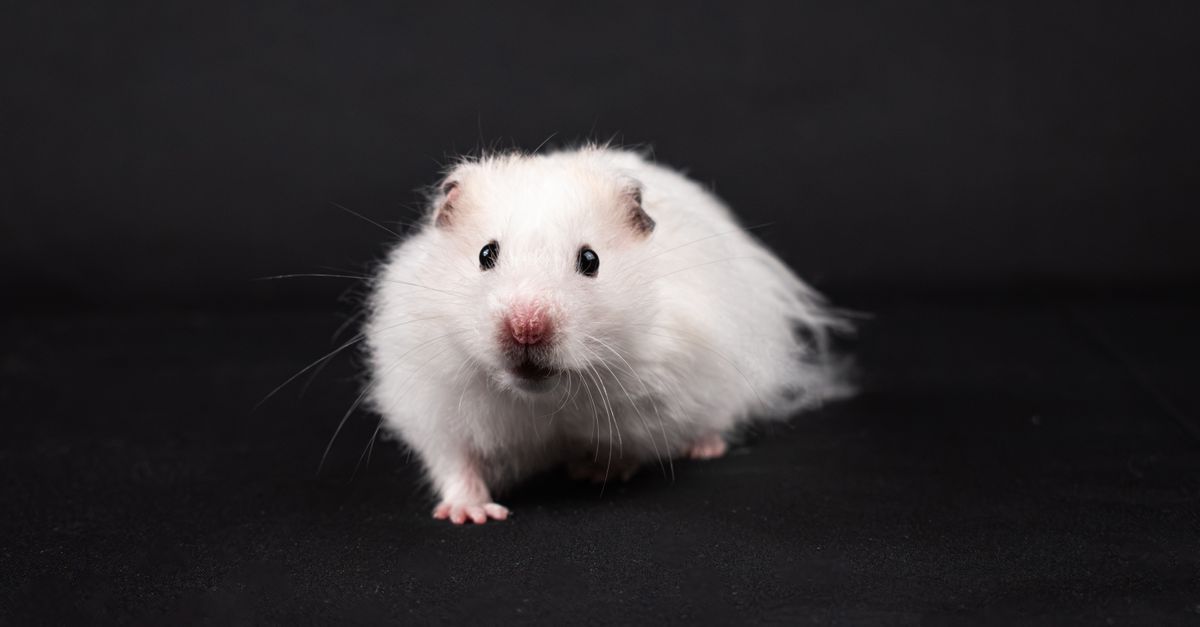
Easy to take care of pets with small low maintenance: white Syrian hamster on a dark background
Syrian hamsters are easy to take care of pets for owners who are home in the evening, but they must live alone. Photo: Nikolett Emmert / Pexels.

5. Budgie: A Small Bird With a Big Personality

Budgies, also called parakeets, are small and inexpensive to feed, but they’re social birds that need daily attention. PetMD says captive budgies can live 7 to 15 years. It recommends a cage at least 18 by 18 inches, with bars about 3/8 inch apart, and a pelleted diet rather than seed alone.

Talk to your budgie, offer toys to forage with, and clean the cage floor several times a week. If you’re out of the house all day, two budgies may keep each other company better than one bird alone.

6. Guinea Pigs: Gentle, Chatty and Social

Guinea pigs are usually gentle and tolerant of handling, which makes them good easy to take care of pets for families with older children. Their one non-negotiable need is vitamin C. PetMD explains that guinea pigs can’t make their own vitamin C, so they need daily fresh vegetables and a supplement your vet recommends.

They live about 4 to 8 years, and some longer. Avoid wire-floor cages, which can cause sore feet, and give them deep bedding and hideaways. They’re social animals and often do best with a companion guinea pig. Our guide on whether guinea pigs can eat strawberries covers safe treats.

Pet care tip: before you buy any small pet, price out the full setup. The tank, cage, heater, lighting and bedding often cost more than the animal itself, and a correctly sized habitat is what makes the pet easy to care for later.

Example scenario (illustrative)

Priyanka in Pittsburgh works 10-hour shifts and lives in a small apartment. She was looking for easy to take care of pets and almost bought a rabbit. After reading about rabbits’ space and social needs, she chose a betta in a heated 5-gallon tank instead. She feeds it twice a day, changes some of the water on Sundays, and still has time left for herself.

Easy to take care of pets for families: two guinea pigs playing in a wood-chip enclosure with toys
Guinea pigs are social, easy to take care of pets that often do best living in pairs. Photo: Vladimir Srajber / Pexels.

Small Pets That Aren’t as Low Maintenance as They Look

Rabbits top this list. Petfinder’s list of common rabbit myths cites the House Rabbit Society: “a rabbit is an adult responsibility.” Spayed or neutered house rabbits typically live 8 to 12 years, need unlimited hay and a large bunny-proofed area to roam, and can be injured by rough handling. They’re rewarding pets, but not low-maintenance ones.

Chinchillas and ferrets can also be more work than they look. Chinchillas generally need large cages and regular dust baths, and ferrets generally need a pet-proofed home and plenty of supervised playtime. If you love these animals, plan for a bigger time commitment.

How to Choose Easy to Take Care of Pets for Your Home

Answer these questions honestly before you choose:

Small-pet match checklist

  1. How many minutes a day can you really give? Under 10: betta or leopard gecko. 30 or more: rats, budgies or guinea pigs.
  2. Are you home in the evening? Hamsters and geckos are most active then.
  3. Are there children under 5, adults over 65 or anyone with a weakened immune system in the home? Ask your doctor or vet before getting reptiles or rodents.
  4. How long can you commit? Hamsters live about 2 years; budgies can live 15.
  5. Is there a vet nearby who treats fish, reptiles, birds or small mammals?
  6. Do your lease and local rules allow the pet?

Pocket pets can also carry germs. King County Public Health notes that pregnant people are most at risk from LCMV, a virus pet rodents can pick up from wild house mice. Salmonella is riskier for young children, older adults and people with weak immune systems. Wash your hands after every handling session.

Easy to Take Care of Pets: FAQs

What is the easiest small pet to take care of?

For most busy adults, a betta fish in a heated, filtered tank of at least 2.5 gallons needs the least daily time. A leopard gecko is a close second.

What is the best low maintenance pet for a child?

Guinea pigs or a pair of rats often suit school-age children with adult supervision. Hamsters aren’t recommended for small children because they may nip when woken.

Are hamsters low maintenance?

Fairly, but a Syrian hamster needs at least 600 square inches of floor space, a 12-inch wheel and a cage of its own. Spot-clean often and change bedding regularly.

Do betta fish need a heater?

Yes. Bettas are tropical fish that do best at 76 to 81°F, so use a heater and a thermometer, even in a warm home.

Are rabbits easy pets?

No. The House Rabbit Society calls a rabbit an adult responsibility. Rabbits often live 8 to 12 years and need unlimited hay, space to roam and gentle handling.

Which small pet lives the longest?

Of the pets in this guide, budgies (7 to 15 years) and leopard geckos (often 6 to 10 years or more) usually live longest.

What pet is good for an apartment?

Quiet pets that don’t need outdoor space, such as a betta fish, leopard gecko, hamster or pair of rats, usually suit apartments well. Check your lease first.

Final Verdict: The Best Easy to Take Care of Pets

The best easy to take care of pets for small homes are a betta fish or a leopard gecko if you have little daily time, and rats, guinea pigs or a budgie if you can give 30 minutes or more a day. Set up the right habitat from day one, plan for the full lifespan, wash your hands after handling, and find a vet before you need one.

Your next steps

  1. Use the checklist above to narrow your list to one or two pets.
  2. Price out the full habitat before buying the animal.
  3. Compare reptile options in our guide to easy, low-maintenance pets for beginners.
  4. Browse more small-pet guides in our pets section.

Tell us which small pet you chose in our Facebook community.

About the author — Written and reviewed by the Pets Store Home Editorial Team: pet owners and animal lovers who check every guide against trusted US veterinary, animal-welfare and public-health sources. This article is general information, not a substitute for professional veterinary advice.

How we checked this guide: Care figures come from PetMD’s veterinarian-written guides (betta fish, rats, guinea pigs and budgies), the Oregon Humane Society, Reptiles Magazine and Petfinder with the House Rabbit Society; health guidance comes from the CDC and King County Public Health. Weekly time estimates are our own. We review this guide every 12 months.

Last reviewed: October 2026.

Sources

Most Affectionate Pets (2026): Essential Guide to Bonding

Most Affectionate Pets (2026): Essential Guide to Bonding

What are the most affectionate pets? For many households, dogs, cats, rabbits, guinea pigs, rats, and companion birds such as budgies and cockatiels can all form close, friendly bonds with their people. Still, no species or breed comes with a guarantee. How affectionate an animal becomes depends on the individual, its early socialization, its health, its home, and how gently it’s handled.

Think of this as a practical guide, not a scientific ranking. For each animal, we explain how it may show social bonding, what it needs from you every day, and which homes it may suit. That way, you can choose from the most affectionate pets with your lifestyle and the animal’s welfare both in mind.

Key takeaways

  • Affection varies from one animal to the next, even within the same species or breed.
  • Animals show social bonds in different ways: staying close, following you, nuzzling, vocalizing, or playing.
  • A pet that dislikes being picked up isn’t unloving. Rabbits, for example, can find being picked up frightening.
  • Rabbits, guinea pigs, and rats are social animals that often do best with a companion of their own kind.
  • Small pets aren’t automatically low-maintenance or ideal for young children. An adult should always be the main caretaker.
  • Meeting an individual animal, and asking about its history, is the best way to judge whether it fits your home.

What Makes the Most Affectionate Pets? How Animals Show a Bond

The ASPCA recognizes the human/companion animal bond as a relationship that benefits both people and animals, provided pets are kept appropriately and cared for carefully. That bond looks different from species to species. Common signs include:

  • Seeking closeness: following you from room to room, or choosing to sit or curl up near you.
  • Gentle contact: cats may rub or nuzzle against you, and the House Rabbit Society notes many rabbits will nuzzle and lick their handlers.
  • Vocalizing: guinea pigs chirp, squeak, and make a purr-like tooth-chatter, while budgies and cockatiels often whistle and chatter.
  • Play and interaction: inviting games, coming when called, or learning simple tricks.

Personality varies widely between individuals. Early experiences, socialization, health, environment, and handling all shape how comfortable an animal feels with people. A shy animal may become more relaxed with time, while another may always prefer to stay close without being held.

That second animal isn’t unloving. Rabbits and guinea pigs are prey animals, and the House Rabbit Society notes that being picked up can frighten a rabbit. Pets that bond with their owners often show it on their own terms, so let the animal choose how close to come.

Most Affectionate Pets at a Glance

This table is a starting point for comparing affectionate companion animals. It describes tendencies, not promises, and every animal needs a vet who treats its species.

Animal How affection may show Social needs Care level May suit
Dog Following you, seeking contact, play Daily company; may become bored if left alone all day High: exercise, training, vet care People who are home enough for walks and training
Cat Rubbing, nuzzling, curling up beside you Often prefers short, frequent interactions Moderate: litter box, play, vet care Homes happy to let the cat set the pace
Rabbit Nuzzling, licking, staying near you Highly social; hours of daily exercise outside the enclosure High: indoor space, specialized vet care Adult-led homes with room to roam indoors
Guinea pig Chirps, tooth-chatter, “popcorning” Often does well in pairs or small groups Moderate: unlimited hay, daily vitamin C Homes able to keep at least two
Rat Interactive play, coming when called Usually happier with another rat Moderate; lifespan of 2 to 3 years Families ready for a short lifespan
Budgie Perching on a finger, chattering, some enjoy head scratches Flock bird; pairs or groups worth considering Moderate: toys, out-of-cage time, avian vet Patient owners who enjoy chatter
Cockatiel Whistling, seeking your company Daily out-of-cage time and attention Moderate; often 10 to 14 years Families wanting a gentle bird
Horse Calm interest in familiar people; strong bonds with other horses Highly social; needs contact with other horses Very high: land or boarding, forage, hoof care Experienced owners with major time and budget
Most affectionate pets: a pet resting calmly with its owner
The most affectionate pets are often the ones given time, gentle handling, and a choice about how close to come.


Dogs: Loyal Companions That Need Daily Time

Dogs are often the first animal people picture among the most affectionate pets, and many do seek out their people, follow them around the house, and enjoy shared play and walks. That closeness comes with real daily commitments.

  • Time and company: the AVMA warns that any dog can become bored and potentially destructive if left alone all day. Plan for walks, play, training, and help on long workdays.
  • Choosing an individual: the AVMA suggests looking for a dog that is active, friendly, inquisitive, and not afraid of you. It also notes that older dogs are often already house-trained and usually adapt well to a new home.
  • Respecting space: the ASPCA lists hugging, kissing, reaching over a dog, and disturbing it while it rests among situations some dogs find threatening. A dog that loves company may still dislike tight hugs.

Breed tendencies can guide your research, but they don’t guarantee personality. Our guide to choosing a dog that fits your lifestyle walks through time, space, and budget, and our tips on socializing a shy or fearful puppy help a young dog grow more confident.

Cats: Affection on Their Own Terms

Cats are sometimes labeled aloof, yet many enjoy close contact with familiar people. Cat Friendly Homes notes that cats may nuzzle or rub against you, lick your arm, or curl up beside you when they want attention.

  • Let the cat approach: most cats prefer being petted on the head and neck, and many dislike having their feet touched.
  • Keep sessions short: cats often prefer short, frequent interactions. Long petting can overstimulate some cats, who may nip or swat to say they’ve had enough.
  • Kitten or adult: Cornell’s Feline Health Center points out that an adult cat’s personality is already established, while kittens are curious, playful, and energetic.

For people happy to let the cat set the pace, a cat can be one of the most affectionate pets in the home. Cats still need daily play, a clean litter box, a scratching post, and a vet check soon after they come home. Browse our cat care guides for more.

Small Pets That Can Be Among the Most Affectionate Pets

Rabbits, guinea pigs, and rats can be wonderfully sociable, but they aren’t starter pets that look after themselves. Each needs daily care, the right housing, and a vet experienced with its species.

Rabbits

The House Rabbit Society describes rabbits as highly social animals who thrive on attention. Many nuzzle and lick their people, while others stay shyer. Key needs include:

  • Indoor housing with plenty of family interaction, plus several hours of daily exercise outside the enclosure
  • Unlimited grass hay, such as timothy, as the core of the diet
  • Spaying or neutering by a vet experienced with rabbits
  • A long commitment: well-cared-for indoor rabbits can live 7 to 10+ years

The society says only adults should lift a rabbit, and rabbits are generally a poor match for children under 7. Learn more in our rabbit guides.

Guinea pigs

The Merck Veterinary Manual calls guinea pigs usually gentle, social, and often vocal, and says they rarely bite when handled calmly. Handling from a young age helps them become comfortable being held. They need:

  • At least one companion: they often do well in pairs or small groups of the same sex, or with a vet-neutered partner
  • Unlimited grass hay and a daily source of vitamin C, because guinea pigs can’t produce their own
  • Protection from dogs, cats, and ferrets, which can seriously injure them
  • A comfortable room, around 65–75°F (18–24°C)

With a lifespan of about 5 to 8 years, they’re a multi-year commitment. See our guinea pig care guides.

Rats

Rats surprise many people. VCA describes them as intelligent, inquisitive, interactive, and social, and says rats socialized early and handled gently are often affectionate and rarely bite unless provoked. Some learn to come when called. Keep in mind:

  • Rats are usually happier with another rat as a playmate.
  • They tend to be nocturnal but are active for periods during the day.
  • They love to chew and are skilled escape artists, so they need chew toys and a secure cage.
  • Life expectancy is 2 to 3 years, which is worth explaining to children in advance.

Pet Care Tip: With small pets, sit on the floor and let the animal come to you. Offering a favorite food from your open hand can help build trust, and it’s gentler than reaching in and scooping it up.

Budgies and Cockatiels: Social Birds for Patient Owners

Companion birds can be some of the most affectionate pets for people who enjoy daily interaction and don’t mind some noise. They bond through time, gentle training, and routine rather than cuddling.

Budgies (parakeets)

VCA describes budgies as generally very social, gentle, and affectionate. With time and effort they can be finger-trained, and some enjoy head scratches. Young or hand-raised birds are often easier to tame than older or parent-raised birds.

  • LafeberVet lists a typical lifespan of 7 to 15 years and suggests considering pairs or groups, since budgies are flock birds.
  • An all-seed diet lacks key nutrients, so ask an avian vet about a balanced diet.
  • Provide safe toys, daily out-of-cage time, and twice-yearly vet checkups, as VCA recommends.

Cockatiels

VCA calls cockatiels graceful, gentle, and generally quiet birds, and notes they are wonderful whistlers. A single cockatiel given plenty of attention may bond closely with its human family.

  • Lifespan is often 10 to 14 years, and some live much longer.
  • A commercially formulated pellet should form the base of the diet, with vegetables and some fruit as extras and seed as an occasional treat.
  • Daily time out of the cage helps prevent boredom.

Children should handle any bird only with an adult present. Explore more in our bird care guides.

Horses: Strong Bonds, Substantial Care

Some people look to horses for companionship, but horses are not household pets. The Merck Veterinary Manual explains that horses are highly social animals that need contact with others, form friendships with other horses, and can develop problems when isolated.

  • Space and company: plan for pasture turnout or boarding, plus at least one compatible equine companion.
  • Diet: University of Minnesota Extension says forage should make up at least 50% of a horse’s diet, and an average adult needs about 2% of its body weight in feed daily.
  • Routine care: most horses need hoof trims every five weeks to three months, plus an annual veterinary exam and core vaccines.

Owning a horse takes significant time, money, and experience. Riding lessons or volunteering at a stable can help you learn before committing.

Why we left out exotic “cuddly” animals: earlier versions of this page listed animals such as primates, foxes, and slow lorises. Wild and exotic species have highly specialized needs, they are often poorly suited to life as household pets, and ownership rules vary by state and local area. Always check your state and local rules before considering any exotic animal.

How to Choose Among the Most Affectionate Pets

The best pets for companionship are the ones whose needs you can meet every day. Use this checklist before you commit:

  1. Meet the individual. Spend time with the animal before adoption or purchase whenever possible, and watch how it responds to you.
  2. Ask about its history. Shelters, rescues, and responsible breeders can often tell you how the animal reacts to handling, children, and other pets.
  3. Consider an adult. An adult animal’s personality is already established, so it’s easier to judge compatibility. The AVMA notes older dogs often adapt very well to a new home.
  4. Be honest about time. Factor in work hours, daily interaction, exercise, grooming, and housing.
  5. Budget for care. Include food, supplies, routine and emergency vet visits, and a vet who treats the species.
  6. Check your housing. Read your lease or HOA rules, and see our guide to pets for apartment living if space is tight.

Affection never replaces training, enrichment, health care, and clear boundaries. A loving dog still needs manners, and a friendly rabbit still needs hay and safe space to run.

Example Scenario (illustrative)

Priya, who works from home in Ohio, wants one of the most cuddly pets she can find and leans toward a kitten. At a local shelter, staff introduce her to a 4-year-old cat known for sitting beside volunteers and enjoying gentle head scratches. Because the cat’s personality is already clear, Priya can see how it behaves before adopting. She gives the cat a quiet room and two weeks to settle, letting it approach her first.

Common mistakes when choosing a cuddly pet

Mistake Why it matters Better approach
Choosing by species or breed reputation alone Personality varies between individuals Meet the animal and ask about its history
Buying a small pet as a child’s “easy” first pet Small pets need daily, specialized care Make an adult the primary caretaker
Keeping a social species alone Guinea pigs and rats often do better with companions Plan for a compatible pair from the start
Expecting instant cuddles New animals need time to settle Let the pet set the pace and start interactions

Building Trust With a New Pet

Even the friendliest animal needs time to feel safe in a new home. These steps help any pet settle in:

  • Start quiet: give the animal a calm space with food, water, and a hiding spot, and keep visitors to a minimum at first.
  • Let it come to you: sit at the animal’s level and wait for it to approach. Cat Friendly Homes advises letting cats initiate contact rather than forcing petting.
  • Read body language: the ASPCA notes that dogs rarely bite without some type of warning, such as going still and rigid, growling, or showing teeth. In cats, a tense body, dilated pupils, or ears pulled back suggest it’s time to stop.
  • Always allow retreat: the ASPCA explains that a fearful dog may bite if cornered or trapped. Every pet should have a safe place to escape interaction.
  • Keep routines steady: regular feeding, play, and quiet times help animals learn what to expect.
  • Book a vet visit: a sudden change in behavior can have a medical cause, so check with your vet if a pet becomes withdrawn or irritable.

Children and pets

The AVMA says children need an adult who is willing and available to supervise a pet’s daily care. Teach children to stroke gently, never grab or chase, and leave a pet alone when it walks away or hides. VCA notes that rats should never be left unsupervised with small children, and the House Rabbit Society says only adults should lift a rabbit.

Most Affectionate Pets: FAQs

What are some of the most affectionate pets?

Dogs, cats, rabbits, guinea pigs, rats, budgies, and cockatiels can all form close bonds with people. Affection varies by individual, early socialization, health, and handling, so meeting the specific animal matters more than its species.

Are cats or dogs more affectionate?

Neither is always more affectionate. Many dogs seek frequent contact and shared activities, while many cats prefer short, frequent interactions on their own terms. The individual animal’s personality matters more than whether it’s a cat or a dog.

Which pets bond closely with their owners?

Dogs, cats, rabbits, rats, and companion birds such as budgies and cockatiels often bond with people who spend consistent, gentle time with them. Social small animals usually also need a companion of their own species.

Are small pets affectionate?

Many can be. Rabbits may nuzzle their people, and rats socialized early are often affectionate. However, small pets need daily, specialized care, aren’t automatically suited to young children, and may dislike being picked up.

How can you build trust with a new pet?

Give the pet a quiet space and time to settle, let it approach you, keep routines steady, and watch its body language. Always let it retreat, and never force handling.

What should you consider before choosing a cuddly pet?

Consider your daily schedule, space, budget, household members, and the animal’s social and care needs. Meet the individual animal, ask about its history, and remember that a cuddly pet still needs training, enrichment, and veterinary care.

Is an adult animal a good choice for a cuddly pet?

Often, yes. An adult’s personality is already established, so you can see how it responds to people before adopting. Shelters and rescues can share what they know about its behavior.

Can an affectionate pet become a therapy animal?

Some can. VCA notes that most therapy pets are dogs, though cats, rabbits, guinea pigs, and horses can also be candidates. They must be calm, well trained, healthy, and comfortable with handling. Therapy pets are not service animals.

Final Verdict: Choosing the Most Affectionate Pets for Your Home

The most affectionate pets aren’t defined by species alone. Dogs, cats, rabbits, guinea pigs, rats, budgies, and cockatiels can all become loving companions when their daily needs are met and they’re allowed to set the pace. Meet the individual, plan for its care, and give it time to trust you.

Your next steps

  1. Make a shortlist of two or three animals whose needs fit your schedule, space, and budget.
  2. Visit a local shelter or rescue and ask to meet adult animals as well as young ones.
  3. Read more species guides in our pet care section.

Tell us how your pet shows affection in our community on Facebook.

About the author

Written and reviewed by the Pets Store Home Editorial Team: pet owners and animal lovers who check every guide against trusted US veterinary and animal-welfare sources. This article is general information, not a substitute for professional veterinary advice. Always talk to your veterinarian about your own pet’s health.

How we checked this guide: We used the AVMA, the ASPCA, VCA Animal Hospitals, the Merck Veterinary Manual, the House Rabbit Society, Cat Friendly Homes, Cornell Feline Health Center, LafeberVet, and University of Minnesota Extension. We review this article every 12 months, or sooner if guidance changes.

Last reviewed: October 2026

Sources

Cool pets to have in California | Pets that are Illegal in California

Cool pets to have in California | Pets that are Illegal in California

Cool Pets to Have in California and Pets That Are Illegal (2026 Guide)

What are cool pets to have in California? Bearded dragons, leopard geckos, ball pythons, corn snakes, chinchillas, pet rats, guinea pigs, hamsters, rabbits and most parrots are legal to keep without a state permit. California bans ferrets, gerbils, hedgehogs, sugar gliders, Quaker parakeets, monkeys and wild cats as pets under Title 14, Section 671 of its wildlife rules.

California bans several animals that many other states allow as pets, including ferrets and hedgehogs. This guide lists cool pets to have in California, explains the pets that are illegal in California, and shows how the state’s restricted species law works, so you can choose an unusual pet without risking a fine or losing the animal.

Key takeaways

  • California Code of Regulations Title 14, Section 671 makes it unlawful to import, transport or possess listed animals without a state permit.
  • Ferrets, gerbils, hedgehogs, sugar gliders and Quaker parakeets are on the restricted list.
  • Domestic hamsters, rats, mice, guinea pigs, chinchillas and rabbits are specifically exempt.
  • Most common pet lizards and nonvenomous snakes are not on the list; the Gila monster is the only lizard named.
  • CDFW restricted species permits cover uses like exhibiting, research and breeding, not keeping a pet.
  • City and county rules can add limits, so check locally too.

Cool Pets to Have in California: Quick Legal Check

Use this table for a fast answer on popular pets. It is based on the text of 14 CCR § 671, the regulation that lists restricted animals in California.

Animal Legal as a pet in California? What § 671 says
Bearded dragon, leopard gecko Yes Not listed; only the Gila monster is a restricted lizard
Ball python, corn snake Yes Not listed; venomous families are restricted
Chinchilla, guinea pig Yes Domesticated races are not restricted
Golden and dwarf hamsters, pet rats and mice Yes Named as not restricted
Domestic rabbit Yes Domesticated rabbits and hares are not restricted
Ferret No Family Mustelidae restricted
Gerbil No Rodents restricted unless exempted; gerbils are not exempt
Hedgehog No Order Insectivora, all species restricted
Sugar glider No Order Marsupialia, all species restricted
Quaker (monk) parakeet No Named as restricted
Monkey or other primate No Order Primates restricted

Source: Cal. Code Regs. Tit. 14, § 671, via Cornell Law School’s Legal Information Institute (accessed October 2026). This is general information, not legal advice.

Bearded dragon, one of the cool pets to have in California without a permit
Bearded dragons are not on California’s restricted species list, making them a popular legal reptile. Photo: Jonne / Unsplash.

How California’s Exotic Pet Law Works

The key rule is Title 14, Section 671 of the California Code of Regulations. It says it is unlawful to import, transport or possess the live animals it lists “except under permit issued by the department,” meaning the California Department of Fish and Wildlife (CDFW). Each listed animal is tagged either “W” (a welfare concern) or “D” (detrimental, meaning a threat to native wildlife, agriculture or public safety). Knowing this rule is the first step to choosing cool pets to have in California.

Permits exist, but not for ordinary pet owners. The CDFW Restricted Species page lists permit types for animal care, breeding, exhibiting, research, shelters and similar uses. Pet keeping is not one of them, and animal care permits only cover animals someone already owned in California before January 1992.

What happens if you keep a banned pet?

According to Shouse Law Group, a California criminal defense firm, keeping an illegal animal is a misdemeanor that can bring up to six months in jail and a fine of $500 to $10,000. The animal is usually seized, and the owner may have to pay care and transport costs.

Enforcement is real. In December 2025, the Ventura County District Attorney announced that a Frazier Park sanctuary must pay $50,435 after CDFW found 15 restricted animals kept without a valid permit.

10 Cool Pets to Have in California Legally

These cool pets to have in California are either exempt or not listed under § 671. Always confirm with your city or county before buying, since local rules can be stricter.

  1. Bearded dragon: A day-active lizard that many keepers find calm and easy to handle. Not listed under § 671.
  2. Leopard gecko: Small, quiet and suited to a modest tank. Not listed.
  3. Ball python: A docile, nonvenomous snake. Only venomous families and a few named species are restricted.
  4. Corn snake: A colorful, nonvenomous snake that is widely bred in captivity. Not listed.
  5. Chinchilla: Domesticated chinchillas of the species Chinchilla laniger are specifically exempt.
  6. Pet rats: Domesticated rats and mice are named as not restricted.
  7. Guinea pigs: Domesticated guinea pigs (Cavia porcellus) are exempt.
  8. Golden or dwarf hamsters: Domesticated golden hamsters and dwarf hamsters of the genus Phodopus are exempt.
  9. Parrots such as cockatiels and budgies: Among parrots, the regulation names only the Quaker parakeet as restricted.
  10. Aquarium fish such as bettas: Common tropical fish are not listed, though piranhas and snakeheads are.

Matching cool pets to have in California to your lifestyle

  • Small apartment: A leopard gecko or a pair of pet rats needs little floor space.
  • Family with children: Guinea pigs are social and usually tolerate gentle handling with supervision.
  • Evening schedule: Chinchillas are often most active in the evening, which can suit people who work days.
  • Hands-on reptile fan: A bearded dragon or corn snake offers daily interaction once tamed.

Whichever you pick, plan for the full lifespan. Many cool pets to have in California, such as ball pythons and parrots, can live for decades with good care.

For more ideas, see our list of small exotic pets that are easy to own. Many national lists of the best exotic pets include hedgehogs and sugar gliders, which are banned here, so use this page as your state check.

Pets That Are Illegal in California

Below are the pets that are illegal in California under § 671, grouped by type. “W” means listed for welfare reasons and “D” means listed as detrimental.

Group Restricted examples Listing
Small mammals Ferrets, gerbils, hedgehogs, squirrels, prairie dogs D
Marsupials Sugar gliders, wallabies, kangaroos W
Primates and sloths Monkeys, apes, lemurs, sloths W
Carnivores Wild cats such as servals, foxes, wolves and F1 wolf hybrids, skunks W
Raccoon family Raccoons, coatis, kinkajous D
Birds Quaker parakeets, hawks, owls, crows, many starlings and mynahs D
Reptiles Alligators and crocodiles, cobras and vipers, Gila monsters, snapping turtles D
Amphibians African clawed frogs, coqui frogs, nonnative Ambystoma salamanders D
Fish Piranhas, snakeheads D

Source: 14 CCR § 671. Some families include exceptions or mixed W/D listings; read the full text or ask CDFW about a specific species.

Why ferrets, gerbils and hedgehogs are banned

These three surprise many new Californians. Shouse Law Group explains that CDFW is concerned escaped or abandoned ferrets could form feral populations that threaten native wildlife. It adds that CDFW sees hedgehogs and gerbils as a potential threat to native fish and wildlife, an unwanted source of predation and a possible disease carrier. All three are listed as detrimental (D) in § 671.

What about axolotls?

Axolotls (Ambystoma mexicanum) belong to the tiger salamander group. Section 671 lists the nonnative tiger salamander group of the genus Ambystoma as detrimental, so treat axolotls as restricted in California unless CDFW tells you otherwise.

What about Bengal and Savannah cats?

Section 671 restricts wild cats, including servals, but says domestic cats “and hybrids of domestic cats are not restricted.” Under that wording, domestic-cat hybrids such as Bengals are not restricted by § 671. Some city and county codes treat early-generation hybrids differently, so check local rules before buying an F1 or F2 Savannah.

How to Choose Cool Pets to Have in California

Legal does not always mean easy. Before you pick from the list of cool pets to have in California, check three things:

  • State law: Is the species exempt or unlisted under § 671?
  • Local rules: Does your city, county, HOA or lease limit reptiles, birds or rodents?
  • Care needs: Can you meet its diet, heat, lighting and space needs, and find an exotic-animal vet nearby?

Reptiles, for example, need correct heat and UV lighting, and chinchillas need dust baths and cool rooms. If you are looking at other states too, our guide to exotic pets that are legal in Washington State shows how rules differ.

Pet Care Tip: Before you buy any exotic pet, call a local exotic-animal vet and ask whether they treat that species. If no vet nearby does, choose a different pet.

When to call a vet right away: Contact an exotic-animal vet if your pet stops eating, struggles to breathe, has a swollen belly or eyes, cannot move normally, or has a bite or wound. Reptiles that stay limp or cold need prompt care. If your vet is closed, call a 24/7 emergency animal hospital and ask whether it treats exotic pets.

7 questions to ask before buying an exotic pet in California

  1. Is this species exempt or unlisted under 14 CCR § 671?
  2. Does my city or county allow it?
  3. Does my lease or HOA allow it?
  4. Is there an exotic-animal vet near me?
  5. How long does it live, and can I commit for that time?
  6. What heat, light and space does it need?
  7. Was it captive-bred by a reputable source?

Example Scenario (illustrative)

Maya in Sacramento wants a hedgehog after seeing one online. She checks § 671 and learns hedgehogs are restricted. She compares legal options, finds an exotic vet who treats reptiles and adopts a leopard gecko from a local rescue instead.

Myth Fact
“If a pet store sells it, it’s legal.” Animals bought out of state or online can still be restricted in California.
“I can get a permit for my pet ferret.” CDFW permit types do not include keeping a pet.
“All rodents are fine.” Gerbils, squirrels and prairie dogs are restricted; only listed domestic rodents are exempt.
“All parrots are banned.” Among parrots, only the Quaker parakeet is named.

What most owners get wrong

Many people assume a pet that was legal in their old state stays legal after a move. It does not. If you are relocating to California with a ferret, hedgehog or sugar glider, plan for rehoming before you arrive.

Cool Pets to Have in California: FAQs

Are ferrets illegal in California?

Yes. The ferret’s family, Mustelidae, is restricted under 14 CCR § 671, and CDFW permits do not cover pet ownership.

Are hedgehogs legal in California?

No. All species in the order that includes hedgehogs are restricted as detrimental.

Are sugar gliders legal in California?

No. All marsupials, including sugar gliders, are restricted.

Can you have a monkey in California?

Not as a pet. All primates except humans are restricted.

Are chinchillas legal in California?

Yes. Domesticated chinchillas of the species Chinchilla laniger are specifically exempt.

Are bearded dragons legal in California?

Yes. They are not listed; the Gila monster is the only lizard named in § 671.

What is the penalty for an illegal pet in California?

Shouse Law Group says it is a misdemeanor with up to six months in jail and a $500 to $10,000 fine, plus likely seizure of the animal.

Final Verdict: Cool Pets to Have in California

The best cool pets to have in California include bearded dragons, leopard geckos, ball pythons, chinchillas, rats and most parrots. Ferrets, gerbils, hedgehogs, sugar gliders, Quaker parakeets and monkeys are banned. Check § 671 and local rules first, then choose a pet you can care for long term.

Your next steps

  1. Look up your chosen species in 14 CCR § 671.
  2. Check your city or county animal code.
  3. Browse more care guides in our reptile section.

Share your California pet questions on our Pets Store Home Facebook page.

About the author: Written and reviewed by the Pets Store Home Editorial Team, pet owners who check every guide against trusted sources. This guide is general information, not legal advice. Laws change, so confirm with CDFW and your local authorities.

How we checked this guide: Restricted and exempt species come from the text of 14 CCR § 671. Permit types come from CDFW’s Restricted Species page.

Penalty ranges come from Shouse Law Group, and the enforcement example comes from the Ventura County District Attorney. This guide was fully rewritten in October 2026. We review it every 12 months.

Last reviewed: October 2026.

Pet Memorial Garden Ideas | Outdoor | Backyard | With Ashes | Dog and Cat

Pet Memorial Garden Ideas | Outdoor | Backyard | With Ashes | Dog and Cat

Pet Memorial Garden Ideas: 25 Gentle Ways to Honor a Dog or Cat Outdoors

What are some good pet memorial garden ideas? Popular choices include an engraved stone or paw-print stepping stone, a memorial tree or rose bush, a bench or bird bath in a favorite spot, and a small bed of pet-safe flowers such as sunflowers or zinnias. Choose plants that are safe for other pets, and check local rules before any backyard burial.

Losing a pet leaves a quiet space in your home and your day. A garden gives that love somewhere to go. These pet memorial garden ideas range from a single painted stone to a full planting bed, with practical advice on safe plants, burial rules and using ashes, so your tribute is beautiful and safe for the animals still in your life.

Key takeaways

  • A memorial garden can be as small as one stone or as large as a planted bed.
  • Call 811 before digging; the line-marking service is free and needs at least 3 working days’ notice.
  • For backyard burial, the US Fish and Wildlife Service says most rules require at least 3 to 4 feet of soil cover.
  • Pick pet-safe plants; the ASPCA lists roses, sunflowers and zinnias as non-toxic.
  • Cremated remains are alkaline and salty, so mix them thinly or use a soil blend.
  • Grief support is available, including Cornell’s pet loss hotline.

Before You Start: Choosing a Spot for Pet Memorial Garden Ideas

The best location is usually somewhere your pet loved: a sunny patch where your cat napped, the corner your dog guarded, or a spot you can see from the kitchen window. As general advice, think about sunlight, drainage, how often you will pass by and whether a memorial bench would fit.

Question Why it matters
Will I dig? Call 811 first; underground cables and pipes may run under lawns
Do I own the property? Renters should ask the landlord before planting or burying
How much sun is there? Flowers such as sunflowers need full sun; shade suits stones and ferns
Do other pets use the yard? Choose non-toxic plants and avoid loose mulch they may chew
Might I move one day? A portable stone or container garden can come with you

811 guidance from Dominion Energy; other points are general advice.

The 811 call-before-you-dig service is free, and you should request line marking at least three working days before you dig. The service says even small jobs, like planting a tree, need a call.

Is It Safe and Legal to Bury a Pet in Your Backyard?

Backyard burial rules vary by state, county and city, and some areas do not allow it at all, so check with your local government or state extension office first. Depth matters for safety. The US Fish and Wildlife Service says most regulations require at least three to four feet of soil cover.

That depth is especially important if your pet was euthanized. FWS explains that the drug commonly used, sodium pentobarbital, can poison bald eagles and other scavengers that dig up and eat the remains. The agency prefers cremation where it is available, and suggests asking your vet about aftercare options in advance.

Option What to know
Home burial Check local rules; FWS cites 3 to 4 feet of cover; keep clear of groundwater, wells and utility lines
Cremation Preferred by FWS for euthanized pets; ashes can be kept, scattered or buried
Pet cemetery A permanent, regulated site if you may move house
Memorial without burial A stone, plant or bench honors your pet without burial rules; still call 811 before planting

Sources: US Fish and Wildlife Service; other points are general advice.

Pet memorial garden ideas: an engraved memorial stone surrounded by flowers in a backyard garden
A simple stone among flowers is one of the most loved ways to remember a pet.

25 Pet Memorial Garden Ideas for Every Yard

There is no right or wrong way to remember a pet. Mix and match these pet memorial garden ideas to suit your space, budget and the personality of the animal you are honoring.

Markers, stones and plaques

Idea How to make it personal
1. Engraved memorial stone Add your pet’s name, dates or a favorite nickname
2. Painted river rocks Let family members, including children, paint their own
3. Paw-print stepping stone Use a clay paw print or mold kit, then set it in a path
4. Collar or tag on a garden stake Hang the real tag where it catches the light
5. Small plaque on a fence or wall Ideal if you cannot dig

Benches, bird baths and water features

Idea Why it works
6. Memorial bench A quiet place to sit and remember; add a small plaque
7. Bird bath Brings life to the garden; change the water every few days
8. Wind chimes A gentle sound that marks the spot
9. Small solar fountain Calming water without wiring
10. Bird feeder Invites wildlife your pet may have watched from the window

Living memorials: trees, shrubs and flowers

Idea Tip
11. Memorial tree Pick one suited to your climate, and check it in the ASPCA plant database
12. Rose bush Listed as non-toxic by the ASPCA
13. Sunflower patch Bright, cheerful and non-toxic, per the ASPCA
14. Zinnia or aster bed Long-flowering and non-toxic, per the ASPCA
15. Pollinator corner Use pet-safe flowers to draw bees and butterflies
Bird bath in a pet memorial garden surrounded by flowers and greenery
A bird bath adds gentle movement and invites wildlife to the memorial spot.

Pet-Safe Plants for a Memorial Garden

If other pets share your yard, plant choice matters. The ASPCA lists roses, sunflowers, zinnias, gerbera daisies, snapdragons and asters in its list of non-toxic flowers. Non-toxic does not mean edible, so a pet that eats a lot of any plant may still get an upset stomach, as general advice. The ASPCA warns that some popular plants are dangerous:

Plant ASPCA note
Lilies (Lilium, Hemerocallis) Can be lethal to cats
Sago palm Very serious effects in dogs and cats, even in small amounts
Tulips and their bulbs Toxic to dogs, cats and horses
Oleander Risk of serious heart problems
Autumn crocus Extremely toxic, even in small amounts

Source: ASPCA (April 2026). Check any other plant in the ASPCA toxic plant database before buying.

As general advice, avoid cocoa-bean mulch and slug pellets near the memorial, and check every new plant against the ASPCA database. That way your pet memorial garden ideas never put a surviving dog or cat at risk.

Pet Memorial Garden Ideas With Ashes

Many families choose cremation and then want the ashes to become part of the garden. It can be done, with care. The Toronto Master Gardeners, a volunteer gardening group, explain that cremated remains are highly alkaline and high in sodium, which can damage or kill plants, especially young ones.

They suggest spreading ashes only very thinly around established trees and shrubs, or using a soil mixture designed to neutralize the remains. Pet memorial ideas with ashes that work well include:

  1. A biodegradable urn under a mature shrub, since the ashes still reach the soil.
  2. A planter blend: ashes mixed with a commercial neutralizing soil before planting.
  3. A thin scattering around the base of an established tree.
  4. A sealed garden urn or stone with a hidden chamber, which keeps ashes out of the soil.

Keep ashes away from vegetable beds and herbs you eat, as general advice. If you rent or may move, a sealed urn or memorial stone you can take with you is often the kindest choice.

Pet Memorial Garden Ideas for a Dog

Dogs leave a big footprint in a yard, literally and emotionally. These touches turn a corner into a dog memorial garden:

Idea Why it suits a dog
16. A “fetch path” of stepping stones Marks the route your dog loved to run
17. Favorite ball set in concrete A lasting, playful centerpiece
18. Old water bowl as a bird bath Gives an everyday object new life
19. Leash hook on the bench A simple, moving reminder
20. Sunflowers by the gate Bright and non-toxic where your dog once waited for you

Find more care guides for the dogs still in your life in our Dogs section.

Pet Memorial Garden Ideas for a Cat

Cats often have one special sunny spot. Build a cat memorial garden around it with these ideas:

Idea Why it suits a cat
21. Flat “napping stone” in the sun Recreates a favorite warm lounging place
22. Cat statue or silhouette A graceful marker that needs no upkeep
23. Bed of roses or zinnias Pretty, and non-toxic per the ASPCA

Be especially careful with lilies if you have other cats, since the ASPCA warns they can be lethal. Our Cats section has more feline care advice.

Cat memorial garden with a stone marker and flowers in a sunny corner
A sunny corner with a flat stone and flowers suits a cat who loved to bask.

Small-Space and Renter Pet Memorial Garden Ideas

You do not need a large yard. Two final ideas work on a balcony, patio or windowsill:

  • 24. A memorial container garden. Plant non-toxic flowers in a large pot with a small engraved stone on top.
  • 25. A window box tribute. Add a photo marker or the pet’s tag to a box of sunflowers or snapdragons.

Both can move house with you, which makes them ideal pet memorial garden ideas for renters.

Coping With Pet Loss While You Build the Garden

Planting and building can be part of healing, but grief has no timetable. The Cornell University Pet Loss Support Hotline (607-218-7457) is staffed by trained veterinary student volunteers; hours vary seasonally, so call for current times. Talking to friends who knew your pet also helps.

Pet Care Tip: Hold a small planting ceremony. Invite family to place a stone, share a story or plant one flower each. Many families find that turning pet memorial garden ideas into a shared ritual makes the space feel more meaningful.

When to call a vet right away: If a surviving pet eats a toxic plant, mulch or fertilizer in the garden, or digs at a burial site, call your vet, a 24/7 emergency animal hospital or ASPCA Animal Poison Control at (888) 426-4435. If your own grief feels unbearable or you have thoughts of harming yourself, call or text 988.

7 questions to ask before you start

  1. Does my city or county allow backyard pet burial?
  2. Have I called 811 to mark utility lines?
  3. Would cremation suit my family better?
  4. Are my chosen plants non-toxic to my other pets?
  5. Will I be able to take the memorial with me if I move?
  6. Can my vet help with aftercare or a paw print?
  7. How would my family like to be involved?

Example Scenario (illustrative)

After their beagle, Rosie, passed away, the Garcia family in Sacramento chose cremation. They called 811, then planted a rose bush in Rosie’s favorite sunny corner. Her paw-print stone sits in front, and the children painted river rocks each year on her birthday. The ashes rest in a sealed garden urn they can take if they move.

Myth Fact
“Pet ashes are great fertilizer.” Toronto Master Gardeners say they are alkaline and salty and can harm plants.
“A shallow grave is fine.” FWS says most rules require 3 to 4 feet of cover.
“Any flower will do.” The ASPCA warns lilies, sago palms and tulips are toxic to pets.
“You need a big yard.” A single pot or stone can be a lasting memorial.

What most owners get wrong

In the rush of grief, many people dig a shallow grave the same day, without checking local rules or utility lines. Take a breath. Many vets can hold your pet for a short time or arrange cremation, giving you time to plan a memorial garden you will be glad of for years.

Pet Memorial Garden Ideas: FAQs

What can I put in a pet memorial garden?

Popular choices include an engraved stone, paw-print stepping stone, bench, bird bath, wind chimes and pet-safe flowers such as roses or sunflowers.

How deep should I bury my pet?

The US Fish and Wildlife Service says most regulations require at least three to four feet of soil cover. Check your local rules first.

Is it legal to bury a pet in my backyard?

It depends on your state, county and city. Some areas ban it, so check with local officials before digging.

Can I put my pet’s ashes in the garden?

Yes, with care. Ashes are alkaline and salty, so spread them thinly around established plants or use a neutralizing soil mix.

What flowers are safe for a pet memorial garden?

The ASPCA lists roses, sunflowers, zinnias, gerbera daisies, snapdragons and asters as non-toxic.

What plants should I avoid?

Avoid lilies, sago palms, tulips, oleander and autumn crocus, which the ASPCA warns are toxic to pets.

Where can I get help with pet loss grief?

The Cornell University Pet Loss Support Hotline (607-218-7457) is staffed by trained veterinary student volunteers.

Final Verdict on Pet Memorial Garden Ideas

The best pet memorial garden ideas reflect the animal you loved: a sunny stone for a cat, a fetch path for a dog, or a rose bush anyone can enjoy. Call 811 before digging, follow local burial rules, choose pet-safe plants and handle ashes gently. Most of all, let the garden grow at your own pace.

Your next steps

  1. Choose a spot your pet loved.
  2. Check local burial rules and call 811 before digging.
  3. Pick one marker and one pet-safe plant to start.

Share your memorial garden with our community on the Pets Store Home Facebook page. When you feel ready, our guide to the most affectionate pets may help you think about the future.

About the author: Written and reviewed by the Pets Store Home Editorial Team, pet owners who check every guide against trusted sources.

How we checked this guide: Burial depth and euthanasia-drug risks come from the US Fish and Wildlife Service. Plant safety comes from the ASPCA (April 2026), guidance on ashes from the Toronto Master Gardeners, digging safety from Dominion Energy’s 811 page, and grief support from Cornell University.

Design ideas are general advice. This guide was fully rewritten in November 2026 and is reviewed every 12 months.

Last reviewed: November 2026.

Cuddly Exotic Pets-Legal and Affectionate Pet That Have Easy Care

Cuddly Exotic Pets-Legal and Affectionate Pet That Have Easy Care

Cuddly Exotic Pets: 7 Legal, Affectionate Picks With Easy Care (2026)

The best cuddly exotic pets for most US homes are pet rats, ferrets, cockatiels and bearded dragons. All four tolerate handling well and are legal in most states, although ferrets are banned in California. Sugar gliders, chinchillas and hedgehogs can bond with you too, but they need more specialized care, and some are banned in states like California.

“Exotic” doesn’t have to mean a kinkajou or a wallaby. This guide covers seven pets that will actually sit with you, how much care each one needs, and how to check the law where you live before you buy.

Key takeaways

  • Pet rats are usually the most cuddly exotic pet: social, smart and easy to handle when well socialized.
  • Ferrets, sugar gliders and hedgehogs are illegal without a permit in California, so check your state and city first.
  • Sugar gliders are affectionate but not easy: they need a companion glider and a specialized diet.
  • The CDC advises against snuggling hedgehogs because they can carry Salmonella.
  • Wild species such as kinkajous, skunks and wallabies don’t belong on an easy-care list.

Which Cuddly Exotic Pets Are Best? The Short Answer

When people search for cuddly exotic pets, they usually want three things: an animal that enjoys being held, care that fits a busy week, and no trouble with the law. Pet rats tick all three boxes for most owners. VCA says well-socialized rats are easy to handle, affectionate, and rarely bite unless provoked.

Bearded dragons and cockatiels come next for calm, everyday handling. Ferrets are playful companions rather than lap pets. If you’d like more options beyond cuddling, our guide to small exotic pets that are easy to own compares 18 beginner species.

What are exotic pets?

In everyday US usage, exotic pets are any animals kept as pets other than dogs, cats and common farm animals. That includes small mammals such as rats and ferrets, birds, reptiles and amphibians. Many vets who treat them call themselves exotic-animal vets. “Exotic” says nothing about how rare or wild an animal is, and the best exotic pets are bred in captivity for life with people.

Quick Comparison: Cuddle Level, Care and Laws

Pet Cuddle level Care level Typical lifespan Legal watch-outs
Pet rat High Easy to moderate 2–3 years Generally legal; check local rules
Ferret Medium (playful) Moderate 6–10 years Banned in California; check your city
Cockatiel Medium Moderate 10–14 years Generally legal; check local rules
Bearded dragon Medium (calm) Moderate 7–10 years Generally legal; check local rules
Sugar glider High once bonded Hard 10–12 years Banned in California; check your state
Chinchilla Low (soft but shy) Moderate 15–20 years Generally legal; check local rules
African pygmy hedgehog Low to medium Moderate About 6 years Banned in California; check your state

Lifespans from VCA Animal Hospitals, the University of Florida and UC Davis. Laws change, so confirm with your state wildlife agency.

Cuddly exotic pets: a white pet rat resting in a person's hands
Pet rats top our list of cuddly exotic pets for most US homes. Photo: Choco Virat / Pexels.

7 Cuddly Exotic Pets That Are Legal and Affectionate

These cuddly exotic pets are ranked by how well they suit most first-time owners, weighing cuddliness against care. Each entry tells you what affection looks like for that animal, so your expectations match reality.

1. Pet rats

Rats are intelligent, curious and social, and they can learn to come when called or perform simple tricks. VCA notes that rats are usually happier with another rat, so plan on a pair. Their main drawback is a short life of about two to three years.

2. Ferrets

Ferrets are good-natured and playful, and VCA says they enjoy the company of humans. Expect wrestling and games more than lap time. They need supervised time out of the cage, a cool room of about 65–75°F (18–24°C), and vaccines against canine distemper and rabies.

3. Cockatiels

VCA describes cockatiels as graceful, gentle, and generally quiet birds that suit families with children. With patient taming, many will step onto a finger or ride on a shoulder. They need daily time outside the cage and toys to prevent boredom, and they can live 10 to 14 years.

4. Bearded dragons

A UC Davis care sheet calls bearded dragons generally docile and says they usually take well to handling. The care is in the setup: an adult needs a 75- to 120-gallon tank, UVB lighting and a basking spot of 88–95°F (31–35°C).

5. Sugar gliders

Socialized sugar gliders can enjoy cuddling and will bond with their owners, VCA says. They still need at least one other glider, are active at night and need a specialized diet planned with an exotic-animal vet.

6. Chinchillas

Chinchillas have famously soft fur, but VCA describes them as quiet, shy animals. Many prefer gentle petting to being held. They need regular dust baths, and temperatures above 80°F (27°C) can cause heatstroke.

7. African pygmy hedgehogs

The University of Florida describes hedgehogs as fun, friendly, inquisitive pets that tame with patient handling. They live alone and need 70–80°F (21–27°C). See our hedgehog cost guide before you buy.

Cuddly exotic pets: a child holding a playful pet ferret outdoors
Ferrets are playful cuddly exotic pets that enjoy human company. Photo: Magda Ehlers / Pexels.

Exotic pet laws vary by state, county and city, so a pet that’s legal in one place can be confiscated in another. California is a well-known example: ferrets, gerbils, sugar gliders and all hedgehogs are illegal without a permit there, because the state’s wildlife agency treats them as a risk to native wildlife.

Legal check in 4 steps (before you pay a deposit)

  1. State: search your state wildlife or agriculture department’s site for the species name.
  2. City or county: local codes can be stricter than state law.
  3. Housing: read your lease or HOA rules for limits on “exotic” animals.
  4. Vet: confirm an exotic-animal vet within driving distance treats the species.

If you live in Washington, our guide to what exotic pets are legal in Washington State walks through that state’s rules.

Which exotic pet suits your home?

If you want… Consider
The most hands-on cuddles A pair of pet rats
A pet that lives 10+ years Cockatiel or chinchilla
A calm pet to hold while you watch TV Bearded dragon
Lots of play and personality Ferrets (where legal)
Evening company Sugar gliders or a hedgehog (where legal)
Little handling, lots of watching Chinchilla

Example scenario (illustrative)

Megan in San Diego wanted cuddly exotic pets for her apartment and had her heart set on a sugar glider. Her legal check showed sugar gliders and ferrets are banned in California without a permit. She adopted two young rats from a local rescue instead, and within a few weeks they were climbing onto her shoulder every evening.

Cuddly exotic pets: a calm central bearded dragon resting on an open hand
Bearded dragons are calm cuddly exotic pets that usually accept handling. Photo: Boris Hamer / Pexels.

Exotic Pets to Skip if You Want Easy Care

Older lists of cuddly exotic pets often include kinkajous, skunks, wallabies, coatimundis, muntjac deer and monkeys. These are wild or near-wild animals, not easy-care pets. The Association of Zoos and Aquariums explains that wild animals have complex behavioral, social, nutritional and psychological needs that most owners can’t meet.

Many can bite or scratch and may carry diseases such as rabies or salmonella. Many are also restricted or banned in some states. Our article on monkeys and the truth about owning one covers primates in more detail.

What Most Owners Get Wrong

  • Expecting instant cuddles. Many exotic pets need weeks of short, gentle sessions before they relax in your hands.
  • Buying one sugar glider or rat. Both are social and do better with a companion of their own species.
  • Skipping hand-washing. The CDC notes hedgehogs can carry Salmonella even if they look healthy and clean, and the same hygiene applies to reptiles. Wash your hands with soap and water after every handling session.
  • Forgetting the vet. Not every vet treats exotic species. Find one before you bring your pet home.
  • Underestimating lifespan. A chinchilla can live 15 to 20 years, so plan for a long commitment.

Pet Care Tip: Build trust by sitting beside the enclosure and offering a treat from your open hand for a few minutes each day. Let the animal come to you before you try to pick it up.

Cuddly Exotic Pets: FAQs

What is the most cuddly exotic pet?

Of the common legal options, pet rats are usually the most cuddly. VCA describes well-socialized rats as affectionate and easy to handle. Ferrets, cockatiels and bearded dragons also tolerate handling well, but each shows affection in its own way.

What exotic pets are legal in most US states?

Rats, cockatiels, bearded dragons and chinchillas are generally legal in most of the US, though local rules vary. Ferrets, sugar gliders and hedgehogs are banned or need a permit in some states and cities, including California. Always check your state wildlife agency and city code.

What is the easiest cuddly exotic pet to care for?

A pair of pet rats or a single cockatiel is usually the easiest place to start. Both need daily attention, but their housing and diet are simpler than those of sugar gliders, which need a specialized diet and a companion glider.

Do sugar gliders like to cuddle?

Socialized sugar gliders can enjoy cuddling and bond with their owners, according to VCA. They are active at night, need at least one other glider for company and need a specialized diet, so they aren’t a low-effort pet.

Is it safe to cuddle a hedgehog?

Gentle handling is fine, but the CDC advises against kissing or snuggling hedgehogs, because they can carry Salmonella even when they look healthy. Wash your hands with soap and water after every handling session.

Do bearded dragons enjoy being held?

Bearded dragons are generally docile and usually take well to handling, and daily handling tends to make them calmer. They don’t seek affection like a mammal, but many will relax on a lap or shoulder.

Are exotic pets good for kids?

Some can be, with adult supervision. VCA says cockatiels suit households with children, but rats and sugar gliders should not be left alone with small children. Reptiles and hedgehogs need careful hand-washing after every touch.

Final Verdict: The Best Cuddly Exotic Pets

The best cuddly exotic pets for most US homes are a pair of pet rats, a cockatiel or a bearded dragon. They’re generally legal in most areas, tolerate handling and have manageable care. Ferrets, sugar gliders and hedgehogs can be loving, but check your state and city rules first, and choose an animal whose care fits your schedule.

Your next steps

  1. Run the 4-step legal check for the pet you want.
  2. Compare more snuggly options in our guide to small pets that like to cuddle.
  3. Browse more guides in our other pets section.

Share your exotic pet with our Facebook community.

About the author — Written and reviewed by the Pets Store Home Editorial Team: pet owners and animal lovers who check every guide against trusted US veterinary and animal-welfare sources. This article is general information, not a substitute for professional veterinary advice. Always talk to your veterinarian about your own pet’s health.

How we checked this guide: Species care and lifespans come from VCA Animal Hospitals, the University of Florida College of Veterinary Medicine and a UC Davis bearded dragon care sheet. Hygiene advice comes from the CDC, and wild-animal guidance from the Association of Zoos and Aquariums. Laws change, so confirm with your state agency. We review this article every 12 months, or sooner if guidance changes.

Last reviewed: October 2026.

Sources

Pet Ashes Keepsake Ideas {Jewelry-Necklace}

Pet Ashes Keepsake Ideas {Jewelry-Necklace}

Pet Ashes Keepsake Ideas: Jewelry, Home and Garden Ways to Keep Your Pet Close

What can I do with my pet’s ashes? Popular pet ashes keepsake ideas include cremation jewelry that holds a pinch of ashes, glass art, memorial diamonds, photo urns, small keepsake urns to share with family, and garden memorials. Most jewelry needs less than a quarter teaspoon, so you can keep the rest in an urn or scatter it.

Bringing your pet’s ashes home can feel both comforting and overwhelming. There is no right or wrong choice, and no deadline. This guide walks you through gentle, practical pet ashes keepsake ideas, from pet ashes jewelry and art to home and garden memorials, with facts about cremation, how much ash each option needs and what to ask before you order.

Key takeaways

  • Only private or individual cremation returns your own pet’s ashes; communal cremation does not.
  • A common rule of thumb is about 1 cubic inch of ashes per pound of healthy body weight.
  • Most cremation jewelry holds a pinch to about a quarter teaspoon of ashes.
  • Memorial diamonds use only a small portion of ashes and usually take several months.
  • Ashes are very alkaline and salty, so treat them before planting a tree or flowers.
  • Look for an IAOPCC-accredited crematory with clear tracking.

Before You Pick Pet Ashes Keepsake Ideas: Understanding the Ashes

After pet cremation, the ashes you receive are not like fireplace ash. Parting Stone, a memorial company, explains that cremation reduces the body to bone fragments, which are then processed into a pale, fine, sand-like material made mostly of bone minerals.

The amount you receive depends on your pet’s size. Parting Stone gives a rule of thumb of about 1 cubic inch of remains per pound of healthy body weight, or roughly 3% to 5% of body weight. For example, it estimates a 10-pound cat yields about 6 to 8 ounces, and a 75-pound dog about 2.5 to 5 pounds.

Cremation type How it works Ashes returned?
Communal (group) Several pets cremated together No
Individual (partitioned) Pets separated by dividers in one chamber Yes, though slight mixing can occur
Private Your pet alone in the chamber Yes, only your pet’s
Aquamation (alkaline hydrolysis) Water and alkaline solution instead of flame Yes, often 20%–30% more material

Source: Parting Stone. Terms vary between providers, so ask yours to explain exactly what each option includes.

Parting Stone lists the typical 2026 US price ranges below. It says ashes usually come back within 7 to 14 days, so you have time to plan a keepsake.

Cremation option Typical 2026 US cost
Communal (no ashes returned) $50–$200
Individual (partitioned) $75–$300
Private, small pet $100–$300
Private, large dog $200–$450
Private, giant breed $650 or more
Aquamation Often 20%–40% more than flame cremation

Source: Parting Stone. Prices vary by region and provider; ask for a written quote.

According to AVMA News, the International Association of Pet Cemeteries and Crematories (IAOPCC) runs the industry’s only accreditation program, with more than 300 best-practice standards. The AVMA also notes that ID tags should stay with a pet’s body throughout, as part of a clear chain of custody.

The IAOPCC also warns that if you leave your pet with a clinic without stating your wishes, it may mean a mass (communal) cremation, with no ashes returned. Tell your vet clearly if you want your pet’s ashes back for a keepsake.

Memorial keepsakes for a beloved pet, one of many pet ashes keepsake ideas
A keepsake can be as simple as a small urn or as personal as a piece of jewelry.

Pet Ashes Jewelry: Wearable Pet Ashes Keepsake Ideas

Pet ashes jewelry, often sold as cremation jewelry for pets, is one of the most popular pet ashes keepsake ideas because it lets you carry your pet with you every day. Most pieces need very little ash, so one cremation can fill jewelry for several family members.

Jewelry type How ashes are used Ash needed
Small urn pendant or charm Ashes sealed inside a tiny chamber A pinch to about 1/4 teaspoon
Bead or capsule Ashes held in a small capsule Up to about 1/2 teaspoon
Bar or cylinder pendant Ashes inside a longer chamber About 1/4 to 1 teaspoon
Glass or resin jewelry Ashes swirled into glass or resin by an artist A small amount; ask the maker
Memorial diamond Carbon extracted and grown into a diamond A small portion; varies by lab

Capacity estimates from Funeral.com’s cremation jewelry guide; diamond details from the Cremation Institute. Always confirm with the maker.

Urn pendants, charms and rings

Most pet ashes jewelry in this group has a small chamber you fill at home, either yourself or with help from the seller. Funeral.com suggests working over a tray, using a small funnel or folded paper, guiding tiny amounts with a toothpick, and sealing the threaded screw as the maker directs. Many people take the piece off before swimming or showering to protect the seal.

Glass and resin keepsakes

Glass artists can swirl a little ash into beads, pendants or paperweights, creating a soft cloudy or sparkling pattern. Resin makers offer rings and pendants with ashes, flowers or fur set inside. Ask how much ash is needed, whether unused ashes are returned, and how long the work takes, since timelines for handmade pet ashes jewelry vary by maker.

Memorial diamonds

A memorial diamond from pet ashes is the most involved option. The Cremation Institute explains that labs separate and purify carbon from cremated remains or hair, convert it to graphite and grow a diamond under extreme heat and pressure or a related method. It says most labs need only a small portion of ashes, and the process commonly takes several months. Prices depend on size and color, so get written, itemized quotes and ask whether the lab returns any unused ashes.

Home and Garden Pet Ashes Keepsake Ideas

Not every keepsake has to be worn. These pet ashes keepsake ideas keep your companion part of your home or garden, and many can be combined with a small piece of jewelry.

  • Photo urn: An urn with a frame for a favorite picture.
  • Keepsake urns for pet ashes: Small urns let you share ashes among family members or keep a portion back.
  • Collar and tag display: A shadow box with the collar, tag and a little ash.
  • Memorial painting: Some portrait artists offer to blend a little ash into the paint; ask before you order.
  • Engraved memorial stone: A garden stone with your pet’s name and paw print.
  • Glass paperweight or ornament: A small art piece for a desk or holiday tree.

Planting a memorial tree or garden

Planting is a lovely way to honor a pet, but ashes need care. After, an end-of-life planning company, explains that cremated remains are very alkaline and contain sodium salts, which can stunt or kill young plants. It suggests mixing at least three parts compost to one part ashes, using a pH-balancing product, or choosing a biodegradable urn that keeps ashes away from a seedling’s roots at first.

After notes that scattering near established plants is less of a concern if ashes are spread thinly, about 1 to 2 cups over 10 to 15 square feet. It also suggests testing your soil pH before and after planting, and acting if it reads above about 7.5.

Scattering and burial

Scatter or bury ashes only where you have permission. Your own yard is usually simplest, while parks, beaches and waterways may have rules, so check with the land manager first. If you might move house, keep some ashes in a keepsake urn so you are never parted completely. Someday, when you feel ready for a new companion, our guide to the most popular pets in the world may help you explore options.

Whichever you choose, the most meaningful pet ashes keepsake ideas often combine two things: something you can see every day and somewhere you can visit.

How to Choose From These Pet Ashes Keepsake Ideas

There is no need to decide quickly. You can keep the ashes in the crematory’s container for as long as you need before choosing a keepsake. Think about how you want to remember your pet:

  • Daily closeness: Pet ashes jewelry or a small keepsake urn.
  • A shared family memorial: Split ashes into several keepsake urns.
  • A place to visit: A memorial tree, stone or garden corner.
  • Something beautiful: Glass art, a painting or a memorial diamond.
  • Simple and lasting: A favorite urn on a shelf with a photo and collar.

The IAOPCC suggests confirming that a provider offers individual cremation and transparent tracking, and checking its membership directory. If you are coping with a sudden loss, our guide on what to do when a dog died suddenly may also help.

Pet Care Tip: Before sending ashes to a jeweler or artist, set aside a small amount in a sealed container at home. That way, part of your pet stays with you if a package is delayed.

When to reach out for support: Grief after losing a pet is real. If it feels overwhelming, call a friend, your vet or the Cornell University Pet Loss Support Hotline at 607-218-7457. If another pet in the home stops eating or seems unwell, call your vet promptly, or a 24/7 emergency animal hospital after hours.

7 questions to ask a crematory or keepsake maker

  1. Is this a private, individual or communal cremation?
  2. How do you track my pet from pickup to return?
  3. Are you IAOPCC accredited?
  4. How much ash does this keepsake need?
  5. Will unused ashes be returned to me?
  6. How long will it take, and how is it shipped?
  7. Can I get an itemized written quote?

Example Scenario (illustrative)

After her cat Pepper passed, Mia in Portland chose a private cremation. She filled a small heart pendant for herself, sent tiny keepsake urns to her two sisters, and mixed the rest with compost to plant a lavender bush where Pepper loved to nap.

Myth Fact
“Pet ashes are soft powder like fireplace ash.” They are processed bone fragments with a sand-like texture.
“All cremations return my pet’s ashes.” Communal cremation does not return ashes.
“Ashes are good fertilizer.” Their high alkalinity and salt can harm young plants.
“Jewelry uses most of the ashes.” Most pieces hold a pinch to a teaspoon.

What most owners get wrong

It is easy to feel you must choose a keepsake right away, or to scatter all the ashes at once and later wish you had kept some. Take your time, keep a small portion back, and choose the pet ashes keepsake ideas that truly fit your memories.

Pet Ashes Keepsake Ideas FAQs

How much ash goes into pet ashes jewelry?

Most cremation jewelry pieces hold a pinch to about a quarter teaspoon, and larger pendants up to about one teaspoon.

How much ash will I get back from my pet?

A common rule of thumb is about 1 cubic inch per pound of healthy body weight, though amounts vary.

Can pet ashes be made into a diamond?

Yes. Labs extract carbon from a small portion of ashes and grow a diamond, usually over several months.

Can I plant a tree with my pet’s ashes?

Yes, but mix ashes with plenty of compost or use a pH-balancing product, since raw ashes can harm young roots.

Do I get my own pet’s ashes back?

With private or individual cremation, yes. Communal cremation does not return ashes.

Can I split my pet’s ashes between family members?

Yes. Small keepsake urns or jewelry make it easy to share ashes.

Is it okay to keep pet ashes at home?

Yes. Many families keep ashes in an urn at home, often with a photo or collar nearby.

Final Thoughts on Pet Ashes Keepsake Ideas

The best pet ashes keepsake ideas are the ones that feel right to you, whether that is a pendant, a photo urn, a memorial diamond or a garden tree. Choose private or individual cremation, ask how much ash each keepsake needs, and give yourself time. Your pet’s memory does not need to be rushed.

Your next steps

  1. Confirm the type of pet cremation and ask about tracking.
  2. Set aside a small portion of ashes at home.
  3. Shortlist two or three keepsakes and ask for quotes.

Share your pet’s memorial with our community on the Pets Store Home Facebook page, and explore more in our Dogs, Cats and Other Pets sections.

About the author: Written and reviewed by the Pets Store Home Editorial Team, pet owners who check every guide against trusted sources.

How we checked this guide: Cremation types, ash amounts and timing come from Parting Stone; accreditation and tracking from AVMA News and the IAOPCC. Jewelry capacity comes from Funeral.com, memorial diamond details from the Cremation Institute, and planting advice from After.

Several of these sources are memorial companies, so we report their facts but do not endorse products. This guide was fully rewritten in October 2026, and we review it every 12 months.

Last reviewed: October 2026.