Best Pets for Kids-These Are the Good Pets at Each Age

Best Pets for Kids-These Are the Good Pets at Each Age

Quick Answer: The best pet for a child generally depends on their age, with fish or small caged pets like guinea pigs suiting younger children under close supervision, while dogs, cats, and more hands-on pets tend to work better once a child is old enough to help with daily care and handling responsibly.

Key Takeaways

  • Young children generally do best with pets that need less direct handling, like fish.
  • School-age children can start taking on more responsibility with guinea pigs or rabbits.
  • Dogs and cats often suit families with children old enough to help with walks, feeding, and gentle play.
  • Adult supervision remains important regardless of the child’s age or the pet chosen.
  • Involving kids gradually in pet care helps build responsibility over time.

Why Trust This Guide?

This guide is researched and written by the Pets Store Home editorial team, drawing on general veterinary and animal-care information. It’s intended as general information; consult your vet for advice specific to your pet.

Best Pets for Kids

Best First Pets for Kids: As many adults know, being concerned for pets is a profitable and pleasurable revel. And, adopting a puppy that may assist contend with an infant may be a wealthy revel in your infant. It teaches empathy, seriousness, and responsibility. Being accountable for different animals is aware that different matters rely upon you to live wholesomely and survive – stated Dr. DV Laurie Hess, proprietor of the Veterinary Center for Birds and Exotics in Bedford Hills, New York. Make positive your children are concerned with pets and paintings. When selecting exceptional pets in your circle of relatives’ children, anybody needs to live on an identical page. In addition, anybody within their circle of relatives needs to assist with the puppy’s care actively. Dr. Elizabeth Mackie, veterinarian, and proprietor of the Mackie Exotic Animal Clinic in Watkinsville, Georgia, explains that the choice to take your infant’s puppy is important. First, pets such as you want to spend money on them for wellbeing and happiness. Second, and maximum importantly, you want to be smooth with the puppy you decide to take. So in case you are frightened of snakes, they’re possibly now no longer the exceptional pets in your children, even though the children hold their hearts together.

What should be considered when choosing pets for children?

Consider bringing a list of animals or finding from anywhere you are interested in so you can discuss each one and determine what is the best pet for your family? Some things to consider include:

  1. Longevity of pets. Babies can be very attached to their pets with attention, so you need to consider and give priority to your child’s emotional attachment when choosing pets for babies.
  1. Space required. Do you have enough space for your chosen pet (e.g., living space, yard space, etc.)? It would help to consider how a pet will grow and adjust them to its largest adult size.
  2. Needs and requirements of care. Talk to your veterinarian about the care needs of each pet. Can your family share pet care tasks in a managed way? Are you financially ready to take good care of your pet?
  1. Healthcare costs. All pets need veterinary care. You need to make sure there is a veterinarian in your area who can help your chosen pet. If you choose an exotic pet, you can start by seeing an association of foreign mammal veterinarians. You also need to confirm that you are financially prepared to take on the healthcare costs.
  1. What does your child want when he wants to interact with his pet? Most kids want that sincere interaction.
  1. Is your potential new pet nocturnal or daily? This can affect where you want your pet to be.
  1. Consider your child’s personality. Is your child calm enough to handle more fragile animals? It would help if you considered the pet’s needs and your child’s ability to respect those needs.
  1. What are you going to do if your child loses interest in pets? It is never acceptable to hurt an animal because a child can no longer take care of them. Will you be able to take on all the responsibilities of caring for pets (including their emotional needs), or will you find a new, loving home for pets?

You will want to meet your pet in person so that you can get feelings towards each other. Dr. Mac Mackey warns that some pet store employees are highly knowledgeable, others are not, so your veterinarian is the best resource in determining your pet’s care needs.

After you bring or collect your pet home, you will want to immediately book an appointment with your veterinarian so they can evaluate your pet and then give you recommendations on how to take the best and actual care of them.

Make sure your kids are involved with pets and work.


Like any pet, when you are looking or making decisions for the best pets for your babies, you want to get a very clear idea about the needs of pet care for the safety and others of your babies.

You have to be must be educated, Dr. Ness Erapida says. Especially with exotic pets, you need to know what you are doing and what to expect from them. Dr. MarmoCaolen, Often people become frustrated and very frustrated with these animals for any reason because their experience is not what they expected.

Everyone in the family should be willing to help with the care of the pet actively. Dr. Elizabeth Sastena, veterinarian and owner of the Mackie Exotic Animal Clinic in Watkinsville city, explains that it is important to be with the pet your baby chooses and your kids decide to take. Pets like you need to invest in them for well-being and happiness.

And most importantly, you need to be comfortable with the pet you decide to take. So if you are terrified of snakes, they are probably not the best pets for your kids, even if the kids keep their hearts together.

Best pets for kids 4-7 years old

Parakeets

Parakeets

Parakeets (also called buzzes) can be a good alternative for children’s pets. “These are fairly low maintenance and easy to handle, not too messy, and don’t take up a lot of space.

Parakeets are known to be very affectionate emotional, and they respond well to regular, gentle handling. In addition, a parakeet can learn dozens of words or more through training, so your child can actively engage with them in a fun and unique way.

A bird is a great pet for kids who can respect the size of small birds. But, unfortunately, they don’t get along well with children who handle them fairly or act unexpectedly and often surprise them.

However, if you are willing to work with your child to help them learn how to communicate positively with their pet, Dr. Hess says these birds can help teach children to be calm and patient.

When it comes to the daily care of a parakeet, parents should clean the cage daily, but children can help with other tasks such as washing and filling food and water dishes and feeding vegetables as a treat.

It’s important to remember that parakeets can survive adolescence so that this pet will be a long-term commitment.

Crested Gecko

Crested Gecko

Crested Gecko needs to consider a laugh and a particular puppy if you are snug with lizards on your home.

They’re a cool, cool lizard. They’re the softest creatures you’ll ever touch. The pots are connected to the glass. But they’re nocturnal. You can see them withinside the day. However, the pleasant time to look at them is withinside the evening/morning.

While those little boys can deal with and feature a few bizarre traits, you need to paintings together along with your baby to be well-mannered to them. It will take time for a younger crested gecko to conform to their dwelling situations earlier than you could begin conditioning them, which could take 3 to 4 weeks.

Once you begin dealing with them, you should educate your baby to be very mild due to the fact crested geckos will “drop” (lose) their tails while startled or threatened.

Crested gecko care may be shared amongst own circle of relatives members. Babies can assist with using blending a crested gecko powder with ingesting water and a way to degree it. Dr. Mac Mackey says a baby also can assist installation of their terrarium.

Remember that your youngsters want to study to scrub their arms after dealing with their geckos because reptiles bring Salmonella micro organism extra regularly than pets of a few different species.

Best pets for kids ages 8-11

Rats

These might not be your instant subject with inside the case of pets. However, they may be wonderful pets for rats. “Rats are tremendous animals. A puppy rat tells an older infant to “apprehend that they have got a selected agenda for the day,” Dr. Hess says. They can upload systems and obligations that may assist kids in ending up extra thoughtful. For example, they’ll have a morning activity feeding rats earlier than going to school. Pet rats also are affectionate pets who prefer to have interaction with people while they’re socialized. They can display exhilaration after they feel (sight, smell, and sound), and a few will hug. But they prefer to have a cage mate so that you need to be organized for a couple of stays. When it’s the factor to looking after puppy rats, there are numerous sports that children can get concerned about. In addition to feeding their puppy rat husks and small vegetables, infants can fill water, easy water bottles, and easy cages. Kid installation mazes to discover what ought to assist the intellectual and bodily wellbeing of puppy rats. They also can make rotating toys and hiding locations the use of bathroom paper tubes, which rats also can chew. Finally, rats may be very sensible and trained, so your infant can actively bond with their puppy rat and try and educate their fundamental techniques. Dr. Mac Mackie warns that rats devour the entirety you provide them and may effortlessly end up overweight so that you want to paintings together along with your infant to discover the proper stability among food plans and exercise. However, rats stay approximately three years, so if you pick out to puppy your infant at a completely younger age, you want to be organized for a hard communique with him.

Canary and Finches

The Canary and Finch are ideal pets for kids because they don’t have to handle too much. However, they usually prefer to keep company with others, so you need to be prepared to keep multiple birds. These birds are flock animals and tend to do better when they are in a group, Dr. Said Mackie.

The canaries “may be a bit strange. But if they are kept happy, they will sing, and it’s beautiful. Canaries and finches can be great options for kids who want more observation than contact with their pets. Although canaries can be taught to place fingers with patience, most finches do not like to handle them, so your child will have limited physical opportunities to interact with their finches.

The canaries are not the hardest of pets; They need to be “kept safe and away from other pets. They are fragile,” said Dr. Hess.

Babies can help clean cages and provide fresh food and water for the birds. Your baby may also be responsible for removing the birdcage cover in the morning, changing the paper under the cage, and vacuuming around the cage.

Canary and Finch have a long lifespan 10 10-15 years in captivity, so you and your baby need to be prepared to take care of them in their teens.

Guinea pigs

Guinea pigs

Everyone has heard of guinea pigs as pets, and some even consider them a good class of pets. Guinea pigs are a popular pet for babies because of their size and the need for managed care. “They’re pretty cool. They’re adorable,” said Dr. Hess says. “These are not high maintenance. They are fairly strict.”

Guinea pigs usually enjoy being around people and will actively communicate and communicate with you. They are willing to sit quietly on the child’s lap and even give voice to their excitement when their loved one is there.

You can also choose a variety of guinea pig species, so your family can find one suitable for what you are looking for in pets.

If your child can handle extra responsibilities, you may want to consider getting a long-haired guinea pig; they can help brush the guinea pig and make sure the hair is not matte. In addition, children can actively keep the cage tidy and provide the guinea pigs with fresh straw, salads, and shells.

“Guinea pigs are really social animals. They do better when there is more than one, “said Dr. Mackie. But if you get another guinea pig, it’s twice the cage space and twice the cost.

Guinea pigs live 5-7 years, so this is an option if you’re looking for a moderate commitment to longevity.

Best pets for kids 12-15 years old

Rabbits

Rabbits

Rabbits may be brilliant and pleasant pets for youngsters. However, you want to be organized to get worried in worrying to your rabbit.

“They are very, very loving,” stated Dr. Hess says. “They stay a protracted time. They may be very pleased with their proprietors. They may be well mannered.”

Dr. Mac Mackey and Dr. H. Hess stated that rabbits might be startled and fragile without problems; They can chew and leap and injure themselves. Therefore, they need to be simplest treated using a baby with a relaxed demeanor.

Rabbits are extra appropriate for older youngsters who recognize a way to be accountable with their puppy care despite their popularity as low-renovation starter pets. They are very social animals trying to find interest from their proprietors and require a large quantity of time and dedication to care.

Suppose your circle of relatives is prepared to attend to a rabbit. In that case, you may locate that they make brilliant partners with relation. They are curious and playful and could provide your baby a lovely puppy that enjoys their corporation with it.

Since those pets are snug and pleasant for older youngsters, your baby may be actively worried about their care. For example, they can make sure the clutter field is cleaned, offering the rabbits sparkling straw, changing paper-primarily based beds, and cleaning their cages. They also can assist you in picking out veggies for your rabbit.

Rabbits additionally want to spend time outdoors in their cage so that you can use this as a possibility to bond together with your baby because you each see the rabbit accurately transferring around.

Remember that rabbits can doubtlessly be attacked or broken with the aid of using different animals and, in all likelihood, want to be saved of their particular place.

Domestic rabbits stay 8-12 years so that they’ll be a protracted-time period promise to your circle of relatives.

In a rush, Cats, and dogs, in general, are the primary guarantees in phrases of time, money, and duties.

When youngsters are taught to speak well with cats and dogs, they can play a completely lively position in worrying. They want to take part in care. This is a part of the agreement,” stated Dr. Hess says. “Picking up a canine worm isn’t very a laugh. It’s something you need to do.”

Children can tackle plenty of care duties for a puppy, canine, or cat. For example, infants can get sparkling meals and water, wash towels and bedding, and teenagers and teens can take the canine out for a walk, alternate cat clutter, or even brush teeth.

Dogs and cats may be over ten years old, a few two decades or older, so they promise a long-time period.

Bearded dragon

If you have older kids who are looking for more unique pets, consider the bearded dragon. According to Dr. Mac Mackie, bearded dragons are “the biggest lizards in the world … because they’re fairly tough [and] because they don’t bite often. So I wouldn’t say they won’t, but they usually don’t.”


Bearded dragons are reptiles that enjoy handling and holding, so if your child is looking for a reptile that they can actively associate with, they are a good and preferable option.


In terms of responsibilities, your older child can take an active role in caring for their bearded dragon, from feeding and cleaning to socializing and enriching.

Keep in mind that housing needs are a little more complicated for bearded dragons to recover. They require special UV light and temperature control and sometimes live feeding.


But fortunately, your older child can help change the bulb before lighting the bulb, measure the temperature of the cage (which needs to be kept at a certain level) and feed your bearded dragon insects.


Be aware that bearded dragons are more expensive to care for than other pets because of the insect food and special light, Dr. Said Mackie.


Bearded dragons live 5-8 years, but they can live up to 10 years with the best care.

Corn snake

Both veterinarians praised the corn snake as easy to handle and a good option for families ready to take care of pet snakes.


Corn snakes can grow 2.5-5 feet, so they need to adjust the size of their terrarium as they grow. They are great starter reptiles for older kids because they don’t mind managing. They need rats as food, but they should be freshly dead or frozen, as live rats can injure your pet snake.


They are relatively low-maintenance pets in daily work. However, since they require special care, they are best suited for older children.


With all reptiles, you want to check the humidity and temperature of the cage and keep the space clean – all the work that your older baby can help. In addition, your child can take an active part in the layout of the cage and the accessories in it.

The lifespan of corn snakes is 5-10 years, so they promise long term.

Greek tortoise

Greek turtles will grow to about 5-8 inches and should be kept in a large natural nature made of plywood (this helps them learn boundaries, where glass and plastic will constantly try to escape them).

When it comes to caring for your turtles, you want to discuss their personal needs with your veterinarian and discuss their nutritional needs.

It can help your kids check the temperature, humidity, light, and heat indoors. Kids can cut vegetables, feed vitamins and fill water bowls.

And, there are plenty of detail-based babies who can take care of their daily diet,” said Dr. Hess.

Greek turtles don’t particularly care for catching, so they’re a great pet for kids who like to let their pets go about their business and observe. However, this does not mean that they will not communicate with you. They are known to be very responsive, emotional, and interactive. They will communicate with their caretakers for meals and will be friendly and interactive.

Greek turtles have an extremely long lifespan – in many cases more than 20 years – so they will remain committed for life.

Most popular pets in the world-top 5-10-in America-Owns pets; Dogs-Us

Most popular pets in the world-top 5-10-in America-Owns pets; Dogs-Us

Most Popular Pets in the World: Ranked by Real Data (2026)

What are the most popular pets in the world? Dogs rank first, then cats, fish and birds. In a 22-country GfK survey, 33% of people owned a dog, 23% a cat, 12% fish and 6% birds. Small mammals and reptiles come next. In Europe and urban China, however, pet cats now outnumber dogs.

Pet ownership is widespread. HealthforAnimals, a global animal health association, estimates there are likely over a billion pets worldwide. This guide ranks the most popular pets in the world using surveys from the US, Europe, the UK and China, explains why the order changes from country to country, and helps you pick a pet that suits your home.

Key takeaways

  • A GfK survey of more than 27,000 people in 22 countries found 57% owned a pet.
  • Dogs were the most-owned pet (33%), ahead of cats (23%), fish (12%) and birds (6%).
  • About 94 million US households owned a pet in 2024, according to the APPA.
  • Europe has about 111 million pet cats and 91 million pet dogs, per FEDIAF.
  • Urban China had about 71.5 million pet cats and 52.6 million pet dogs in 2024.
  • “Most popular” can mean households or animal numbers, which is why rankings differ.

Most Popular Pets in the World: The Ranking

One of the widest multi-country surveys of pet ownership comes from market research firm GfK, now part of NielsenIQ. It polled more than 27,000 online consumers aged 15 and older in 22 countries. According to NielsenIQ, the results ranked the most popular pets in the world like this:

Rank Pet Share of people who own one
1 Dogs 33%
2 Cats 23%
3 Fish 12%
4 Birds 6%
— Any pet 57%

Source: GfK global pet ownership survey, 22 countries, fieldwork 2015, published May 2016 (via NielsenIQ). People can own more than one type of pet.

That survey is now several years old, but newer national data tells the same story at the top: dogs and cats are the most common pets nearly everywhere, with fish and birds next. The main difference in newer data is that cats now lead dogs in Europe and urban China, covered below.

White dog and gray cat hugging, the two most popular pets in the world
Dogs and cats top the list of the most popular pets in the world. Photo: Krista Mangulsone / Unsplash.

Most Popular Pets in the World by Region

The global ranking hides big local differences. Here is what the latest national and regional data shows:

Region Dogs Cats Source
United States 68 million households (51%) 49 million households (37%) APPA, 2025 report
Europe About 91 million dogs About 111 million cats FEDIAF, 2026 Facts and Figures
United Kingdom About 15.5 million (41% of households) About 13 million (31%) UK Pet Food, 2026
Urban China About 52.6 million About 71.5 million China Pet Industry White Paper 2025

US figures count households; Europe, UK and China figures count animals. Surveys use different methods, so compare trends rather than exact numbers.

United States

The American Pet Products Association (APPA) reports that 94 million US households owned at least one pet in 2024, up from 82 million in 2023. Dogs lived in 68 million households and cats in 49 million. Its 2025 Fish and Reptile Report adds an estimated 10 million households with freshwater fish.

Europe and the UK

According to FEDIAF, the European pet food industry federation, whose 2026 Facts and Figures cover 2024 data, Europe has about 306 million pets in 140 million households, or 49% of homes. Cats (111 million) lead dogs (91 million), followed by ornamental birds (44 million), aquaria (28 million), small mammals (23 million) and reptiles (10 million).

In the UK, UK Pet Food estimates 62% of households own a pet, with about 15.5 million dogs and 13 million cats. For a deeper look, see our guide to the most popular pets in the UK.

China and Latin America

China’s urban pet population is still growing. The 2025 China Pet Industry White Paper, reported by China Daily, counted 71.53 million urban pet cats and 52.58 million urban pet dogs in 2024. In Latin America, dogs lead: the GfK survey found dogs were the most popular pet in Argentina, Mexico and Brazil.

Dog countries vs cat countries: why rankings disagree

Rankings of the most popular pets in the world often disagree because they measure different things. Some surveys count households that own a pet. Others count the animals themselves. The two can point in opposite directions. One likely reason is that a single home may keep several cats, so cat numbers can run ahead of cat-owning households.

The US shows this clearly. The APPA finds more households with dogs than with cats. Yet Smithsonian Magazine, reporting earlier Euromonitor data, found the US had more pet cats than pet dogs by animal count. The same data showed cats were especially popular in parts of the Near East.

Ownership also varies by how many pets each country keeps per person. In the Euromonitor figures, the US had about 46 pets for every 100 people, compared with about 28 in the UK and 25 in Russia. When you see a claim that one animal is “the” most popular pet, check whether it counts homes or animals, and which year and country it covers.

The Top 8 Most Popular Pets in the World Explained

Here are the most popular pets in the world, in rough order of global ownership. For each one, we note why it is among the most in-demand pets and what care it needs.

Pet Key figure Often suits
Dogs 33% of people (GfK); 68M US homes Active owners with time for walks
Cats 111M in Europe; 71.5M in urban China Smaller homes, busy schedules
Fish 12% of people (GfK); 28M aquaria in Europe Quiet homes, hands-off watching
Birds 6% of people (GfK); 44M in Europe Owners home for much of the day
Small mammals 23M in Europe Families with space for a large cage
Reptiles 10M in Europe Owners ready to manage heat and light

Figures from GfK (via NielsenIQ), APPA, FEDIAF and the 2025 China Pet Industry White Paper. “Often suits” is general guidance, not a rule.

1. Dogs

Dogs top the GfK survey and lead US households, with 68 million homes, according to the APPA. They offer companionship, exercise and loyalty, but need daily walks, training and time. Browse breeds and care tips in our Dogs section.

2. Cats

Cats rank second globally but lead in Europe and urban China. They suit smaller homes and busy schedules because they do not need walks. They still need play, a clean litter box and regular vet checks.

3. Fish

Fish were owned by 12% of people in the GfK survey, and FEDIAF counts about 28 million aquaria in Europe. A tank can be calming to watch, but it needs filtration and regular water changes. Our guide to freshwater fish for home aquarium setups covers easy starter species.

4. Birds

Birds were owned by 6% of GfK respondents, and Europe has about 44 million ornamental birds. Budgies and cockatiels are popular starter birds. Many parrots are social, noisy and long-lived, so they need daily attention.

5. Rabbits

Rabbits are a common small-mammal pet. UK Pet Food estimates about 500,000 pet rabbits in the UK. They need space to hop, a hay-based diet and company.

6. Guinea pigs and hamsters

Guinea pigs and hamsters fall into FEDIAF’s small-mammal group, which totals about 23 million pets in Europe. Guinea pigs are social and vocal; hamsters are small and often more active at night.

7. Reptiles

Europe has about 10 million pet reptiles, and UK Pet Food estimates about 700,000 tortoises and turtles and 600,000 snakes in UK homes. Reptiles need precise heat and lighting.

8. Other small pets

Rats, mice, chinchillas and ferrets round out many lists. Some are restricted in certain places, so check local laws first. Our list of small exotic pets that are easy to own has more ideas.

Which pets are gaining ground?

Recent reports point to a few trends. In the US, the APPA’s 2025 report puts pet-owning households at 94 million, up from 82 million in its previous report. In urban China, pet cats grew 2.5% in 2024 and pet dogs grew 1.6%, according to the 2025 China Pet Industry White Paper, so cats are pulling further ahead.

The APPA’s 2025 Fish and Reptile Report also describes owners moving to bigger tanks. Survey methods change between editions, so treat year-on-year jumps as signals rather than exact growth rates.

How to Choose From the Most Popular Pets in the World

Popularity is a starting point, not a reason on its own. Before you choose from the most popular pets in the world, think about:

  • Time: Dogs need daily walks; fish and reptiles need regular habitat care.
  • Space: Large dogs and rabbits need room; many fish, hamsters and geckos fit small homes.
  • Cost: Factor in food, vet care, insurance and equipment for the pet’s whole life.
  • Lifespan: Some parrots and tortoises can outlive their owners’ plans.
  • Local law: Some animals, such as ferrets in California, are banned in certain places. See our guide to cool pets to have in California.

Pet Care Tip: Before you bring any pet home, book a first vet visit and price a year of food, supplies and care. If the total feels tight, start with a lower-cost species.

When to call a vet right away: Get urgent care if any pet has trouble breathing, collapses, bleeds heavily, has a swollen belly, cannot pass urine, or may have eaten something toxic. Small pets and birds can hide illness, so act quickly if they stop eating. If your vet is closed, call a 24/7 emergency animal hospital.

7 questions to ask before choosing a pet

  1. How many hours a day can I give this pet?
  2. How long does it usually live?
  3. What will food, vet care and supplies cost each year?
  4. Does my home have enough space?
  5. Does anyone in my home have allergies?
  6. Is this pet legal where I live?
  7. Is there a vet nearby who treats this species?

Example Scenario (illustrative)

Carmen in Denver wants a dog, the most popular pet in the world. But she works long shifts and lives in a small apartment. After listing her time, space and budget, she adopts an adult cat from a shelter and plans to revisit a dog when her schedule changes.

Myth Fact
“Dogs lead everywhere.” Cats outnumber dogs in Europe and urban China.
“Fish are a zero-effort pet.” Tanks need filtration and regular water changes.
“All rankings measure the same thing.” Some count households, others count animals.
“Popular means easy.” Dogs and cats still need daily care and lifelong vet visits.

What most owners get wrong

Many people pick a pet because it is popular or trending online, then struggle with the daily care. The best pet is the one that fits your time, space and budget, even if it is not at the top of the global list.

Most Popular Pets in the World: FAQs

What is the number one pet in the world?

Dogs. In a 22-country GfK survey, 33% of people owned a dog, more than any other pet.

Are there more cats or dogs in the world?

It depends on the region and the measure. Dogs lead US households and Latin America, while cats outnumber dogs in Europe and urban China.

How many pets are there in the world?

HealthforAnimals estimates there are likely over a billion pets worldwide.

What percentage of people own a pet?

The GfK survey found 57% of people across 22 countries owned at least one pet.

What is the third most popular pet?

Fish. They were owned by 12% of people in the GfK survey.

How many US households have a pet?

About 94 million, according to the APPA’s 2025 report on 2024 data.

What are the most popular pets in the UK?

Dogs and cats. UK Pet Food estimates about 15.5 million dogs and 13 million cats.

Final Verdict: Most Popular Pets in the World

The most popular pets in the world are dogs, cats, fish and birds, followed by rabbits, other small mammals and reptiles. Dogs lead the GfK global survey, but cats now outnumber them in Europe and urban China. Choose the pet that fits your time, space and budget.

Your next steps

  1. Answer the 7 questions above for your household.
  2. Shortlist two or three pets and price a year of care.
  3. Read our guide to the most popular pets in the UK for country-level detail.

Share your favorite pet on our Pets Store Home Facebook page.

About the author: Written and reviewed by the Pets Store Home Editorial Team, pet owners who check every guide against trusted sources.

How we checked this guide: The global ranking comes from GfK’s 22-country survey via NielsenIQ. The worldwide estimate comes from HealthforAnimals. Regional data comes from the APPA, FEDIAF, UK Pet Food and China Daily, with Euromonitor figures via Smithsonian Magazine.

Because each survey uses different methods and years, we compare trends rather than mixing exact numbers. This guide was fully rewritten in October 2026. We review it every 12 months.

Last reviewed: October 2026.

Best Pets for Apartments Living-Top 10 List

Best Pets for Apartments Living-Top 10 List

Best Pets for Apartments: Top 10 List for Apartment Living (2026)

What are the best pets for apartments? The best pets for apartments are quiet, happy in a small space and allowed by your lease. Top picks include an adult indoor cat, a calm small or low-energy dog, a betta fish, a leopard gecko, a pair of rats or guinea pigs, a corn snake and a budgie. Noise, neighbors and building rules matter as much as size.

Apartment life adds limits a house does not: shared walls, stairs or elevators, no private yard and a landlord’s pet policy. This top 10 list ranks the best pets for apartments by how well they fit those limits, then covers lease rules, noise, and how to keep both your pet and your neighbors happy.

Key takeaways

  • Check your lease and building rules before you choose any pet.
  • An adult indoor cat is one of the easiest mammal pets for apartment living.
  • For dogs, energy level and barking matter more than size, the AKC notes.
  • Fish, geckos and snakes are nearly silent and need little floor space.
  • Rats and guinea pigs suit apartments but do best in pairs.
  • Birds and night-active rodents can bother neighbors through thin walls.

Best Pets for Apartments at a Glance

Pet Noise for neighbors Space needed Typical lifespan
1. Adult indoor cat Low Litter area, scratching post, climbing space Many years
2. Calm small or low-energy dog Low to moderate Bed, crate, daily walks Varies by breed
3. Betta fish Silent 5-gallon heated tank 3–5 years
4. Leopard gecko Silent 10 gallons for one, larger preferred 10–15 years
5. Corn snake Silent 36 x 18 x 18 in for adults 15–20+ years
6. Pet rats (pair) Low Large multi-level cage 2–3 years
7. Guinea pigs (pair) Low to moderate 10 sq ft for two 6–9 years
8. Budgie Moderate (chatter) At least 18 x 18 in cage 7–15 years
9. Hamster Low (wheel at night) Large single cage 18–24 months
10. Hermit crabs (group) Very low 5 gallons per 2 crabs Around 10 years

Noise ratings are our editorial judgment; space and lifespan figures come from the care sources linked below.

Best pets for apartments: a white cat sitting on a window in a Brooklyn apartment
An indoor cat with a window perch is one of the best pets for apartments. Photo: James Fitzgerald / Unsplash.

Before You Choose: Lease, Noise and Space

The best pets for apartments are the ones your building allows and your neighbors barely notice. Check these four things first.

  • Lease rules: Read your lease for pet limits on type, number, size or breed, and for deposits or monthly pet rent. Get any approval in writing.
  • Noise: Shared walls carry barking, chirping and wheel squeaks. Think about your pet’s active hours and your neighbors’ sleep.
  • Space: Measure where an adult-size enclosure, litter box or crate will go, and check that floors can hold a filled aquarium.
  • Access: Stairs, elevators and the distance to a patch of grass matter for dogs, especially puppies and seniors.

Some animals also have local legal limits. Check city and state rules before choosing an exotic pet.

Top 10 Best Pets for Apartments

1. Adult indoor cat

Cats do not need walks and use a litter box, which makes them a natural fit for apartment living. The ASPCA recommends keeping cats indoors, scooping the litter box daily and washing it weekly, providing a sturdy scratching post at least three feet tall, and trimming nails every two to three weeks. A window perch and some vertical space can help an indoor cat stay active. If you love cats, see our guide to the smallest cat in the world.

2. A calm small or low-energy dog

The American Kennel Club notes that size is not the only factor: some large breeds are low-energy and happy to relax indoors, while some small breeds need lots of activity. It suggests choosing a dog that does not bark excessively and is polite with people in elevators, stairways and lobbies. Daily walks are still a must.

3. Betta fish

A betta is silent and fits on a sturdy shelf. A Chewy betta care sheet lists a minimum 5-gallon tank, a heater for 76–81°F water, a filter and a lifespan of about 3 to 5 years.

4. Leopard gecko

Leopard geckos are quiet and calm. VCA Animal Hospitals says one can live in a 10-gallon tank with a screen top, kept around the mid-80s °F, and live 10 to 15 years. Bigger enclosures are better, and they eat live insects. Curious about their mouths? Read do leopard geckos have teeth.

5. Corn snake

A corn snake makes no sound and eats only every week or two as an adult. The Phoenix Herpetological Society recommends at least a 36 x 18 x 18 inch enclosure for adults and calls corn snakes escape artists, so a locking lid is essential, especially with neighbors next door.

6. Pet rats

Rats are smart, social and quiet. VCA veterinarians say rats are usually happier with another rat, can learn tricks and rarely bite when socialized. They live about 2 to 3 years and are most active in the evening and at night.

7. Guinea pigs

Guinea pigs are gentle and social. A Seattle Animal Shelter care sheet recommends at least 10 square feet for two, daily vitamin C and a calm spot away from loud noise. They do squeak and whistle, so place the cage on an inside wall if your building has thin walls.

8. Budgie

Budgies are small, manageable parrots for apartments, but they do chatter. Writing for PetMD, Sean Perry, DVM, says budgies live about 7 to 15 years and need a cage of at least 18 by 18 inches. Keep the cage away from shared walls if neighbors are sensitive to sound.

9. Hamster

A hamster needs little space, but VCA notes it is mostly active at night, runs hard on its wheel, should be housed alone and lives about 18 to 24 months. A silent wheel keeps both you and your neighbors happier.

10. Hermit crabs

Hermit crabs are among the quietest options. PetSmart’s care guide recommends keeping them in pairs or groups, at least 5 gallons per 2 crabs, humidity of 70–80% and spare shells for growth.

For more choices, compare our lists of easy pets to take care of and cool pets to have in your room.

Pet Care Tip: Before signing a lease, ask the landlord for the pet policy in writing, including deposits, pet rent and any breed or size limits. It is much easier to plan around clear rules than to fix a dispute later.

Tips for Dogs in Apartments

Dogs can be some of the best pets for apartments with the right routine. A Dogster guide reviewed by Luqman Javed, DVM, suggests:

  • Walk your dog at least twice a day, ideally before you leave and in the evening.
  • Keep walks and meals at about the same times each day; dogs like routine.
  • Lay rugs to dampen the sound of running and jumping.
  • Reward quiet behavior and get your dog used to normal building noises.
  • Start training and socialization early so hallway and elevator meetings go smoothly.
  • Consider a secure balcony potty spot if stairs or elevators make quick trips hard.

Bringing home a puppy? Our guide on how to potty train a puppy in an apartment walks you through it.

Keeping Neighbors Happy With the Best Pets for Apartments

Common mistake Why it matters Better approach
Skipping the lease check Can lead to fees or having to rehome the pet Get pet approval in writing first
Choosing a dog by size alone Energy and barking matter more Match energy level to your routine
Putting a bird cage on a shared wall Chatter carries to neighbors Use an inside wall
Ignoring night activity Wheels and scratching echo at night Use silent wheels and soft bedding
Loose lids on snake or gecko tanks An escaped reptile can end up next door Use locking lids

Hygiene matters in shared buildings too. The CDC says reptiles can carry Salmonella even when healthy, advises washing hands after handling them or their habitats, and does not recommend reptiles for homes with children under 5.

When to call a vet right away: Labored breathing, bleeding, collapse, a pet that stops eating for more than a day, or any suspected poisoning needs prompt care. If your vet is closed, go to a 24/7 emergency animal hospital. For a possible poisoning, call the ASPCA Animal Poison Control Center at (888) 426-4435; a consultation fee may apply.

7 questions to ask before getting an apartment pet

  1. Does my lease allow this pet, and what are the fees?
  2. How much noise will it make, and when?
  3. Where will the cage, tank, crate or litter box go?
  4. How far is the nearest grass or dog-friendly area?
  5. Who will care for it when I travel?
  6. Is there a vet nearby who treats this species?
  7. Can I commit for its whole lifespan, including future moves?

Example Scenario (illustrative)

Aisha rents a one-bedroom apartment in Philadelphia with a strict noise policy. She skips a puppy and a parrot, gets written approval for a cat, and adopts a calm 4-year-old from a shelter. A window perch, a tall scratching post and a covered litter box in the bathroom keep her cat happy, and her neighbors never notice.

What most owners get wrong

Many people rank the best pets for apartments by size alone. In practice, noise, activity hours and lease rules decide whether a pet works. A quiet large dog may suit an apartment better than a barky small one, and a silent gecko may suit thin walls better than a cheerful budgie.

Best Pets for Apartments FAQs

What is the best pet for a small apartment?

For most people, an adult indoor cat or a betta fish. Both are quiet, need little floor space and do not need outdoor time.

What are the best dogs for apartments?

Calm dogs that do not bark much. The AKC notes that energy level matters more than size, and some large, low-energy breeds do well indoors.

Are cats good apartment pets?

Yes. Cats do not need walks, and the ASPCA recommends keeping them indoors with a scratching post and a clean litter box.

What are the quietest pets for apartments?

Fish, leopard geckos, corn snakes and hermit crabs make almost no noise, so they suit thin walls.

What pets are good for small spaces?

Betta fish, leopard geckos, pairs of rats, hermit crabs and adult cats all fit small homes with the right setup.

Are rabbits good apartment pets?

They can live indoors, but the House Rabbit Society says rabbits need 2 to 4 hours of daily exercise in a bunny-proofed space and about as much care as dogs and cats.

Do I need my landlord’s permission for a fish tank?

Many leases cover aquariums, especially large ones, because of weight and water damage risk. Check your lease and ask in writing.

Final Verdict: Best Pets for Apartments

The best pets for apartments are quiet, space-smart and allowed by your lease. An adult indoor cat, a calm dog with a steady walking routine, a betta fish, a leopard gecko, a corn snake or a pair of rats or guinea pigs all fit apartment living well. Check the rules, plan for noise and choose a pet for its whole lifespan.

Your next steps

  1. Read your lease and ask your landlord about the pet policy.
  2. New to pets? Start with our guide to low-maintenance pets for beginners.
  3. Explore more small-pet guides in our Other Pets section.

Share your apartment pet setup with other owners on our Pets Store Home Facebook page.

About the author: Written and reviewed by the Pets Store Home Editorial Team, a group of pet owners and animal lovers who check every guide against trusted US veterinary, public-health and animal-welfare sources. This article is general information, not a substitute for professional veterinary or legal advice. Always talk to your veterinarian about your own pet’s health.

How we checked this guide: Cat care comes from the ASPCA; apartment dog advice from the AKC and a DVM-reviewed Dogster guide; small-pet figures from VCA Animal Hospitals, PetMD, the Seattle Animal Shelter and the Phoenix Herpetological Society; betta and hermit crab figures from Chewy and PetSmart; rabbit care from the House Rabbit Society; and hygiene advice from the CDC. Noise ratings are our editorial judgment. We review this article every 12 months, or sooner if guidance changes.

Last reviewed: October 2026.

Cheap Exotic Pets-Legal Cheapest Top 10 Affordable List

Cheap Exotic Pets-Legal Cheapest Top 10 Affordable List

Cheap Exotic Pets: Top 10 Legal, Affordable Picks (Cheapest First, 2026)

The best cheap exotic pets for most US homes are pet rats, hermit crabs, tarantulas, leopard geckos, budgies and corn snakes, which often cost under $100 to buy. Setup usually costs more than the animal, so plan on $80 to $600 for the enclosure and supplies, plus a yearly budget for food and exotic vet care.

"Cheap" also has to mean legal where you live. This guide ranks 10 widely kept cheap exotic pets by purchase price, shows the real setup and yearly costs from 2026 price guides, and flags the species with state or city restrictions.

Find an exotic vet first. Before you buy, check that a veterinarian near you treats the species you want. Many general vets don't see reptiles, spiders or amphibians, and emergency care costs far more than the animal.

Key takeaways

  • Pet rats, hermit crabs and tarantulas are among the cheapest exotic pets to buy and keep.
  • Setup is the biggest cost: often $80 to $600, depending on the species.
  • Axolotls and hedgehogs are cheap to buy but restricted in some states and cities.
  • Leopard geckos and corn snakes are calm, low-cost choices for beginners.
  • Always confirm state, city and lease rules before you buy any exotic pet.

Cheap Exotic Pets: The Short Answer

Here are the 10 picks at a glance, ranked by their lowest typical purchase price. Prices come from 2026 guides by The Vet Desk and ThePricer and vary by region, breeder and color morph.

Pet Purchase price One-time setup Yearly cost Legal note
1. Pet rats (pair) $0–$20 each (breeder $30–$100) $100–$300 $400–$500 Legal in most areas
2. Hermit crab $3–$40 $50–$200+ $100–$200 Legal in most areas
3. Tarantula $20–$150 $80–$130 About $120–$420 Legal in most areas
4. Leopard gecko $20–$650 (normals at the low end) $118–$300 About $400 Legal in most areas
5. Budgie (parakeet) $25–$80 $215–$695 $400–$900 Legal in most areas
6. Corn snake $30–$200+ $50–$250 About $360–$600 Usually legal; check local rules
7. Axolotl $40–$100 $430–$580 About $790–$1,870 Banned in some states
8. Bearded dragon $40–$100 (morphs more) $50–$500 $400–$1,500+ Legal in most areas
9. Crested gecko $50–$175 $180–$550 About $240–$1,200 Legal in most areas
10. Hedgehog $50–$300 $200–$700 $200–$600+ Banned in some states and NYC

"About" yearly figures are our estimates from each guide's monthly ranges. Sources are linked in each section below.

What Are Exotic Pets?

In everyday use, an exotic pet is any companion animal that isn't a dog or a cat. Vetstreet describes "exotic" as a broad group that includes birds, rodents, rabbits, reptiles, amphibians and hedgehogs. Some people shorten the term to "exo pets."

That's why a budgie or a pet rat counts alongside a gecko or tarantula. The best exotic pets for a tight budget are small, widely bred in captivity, and easy to house indoors. If you want something you can hold and bond with, see our guide to cuddly exotic pets.

Top 10 Cheap Exotic Pets (Cheapest First)

Each of these cheap exotic pets includes the purchase price, setup cost and the main care need that affects your budget.

1. Pet rats

Fancy rats are smart, social and often handleable. The Vet Desk says you can adopt or buy a rat for $0 to $20, or $30 to $100 from a breeder, and recommends keeping at least a pair. Expect $100 to $300 for setup and about $400 to $500 a year. The trade-off is a short lifespan of about 2 to 3 years.

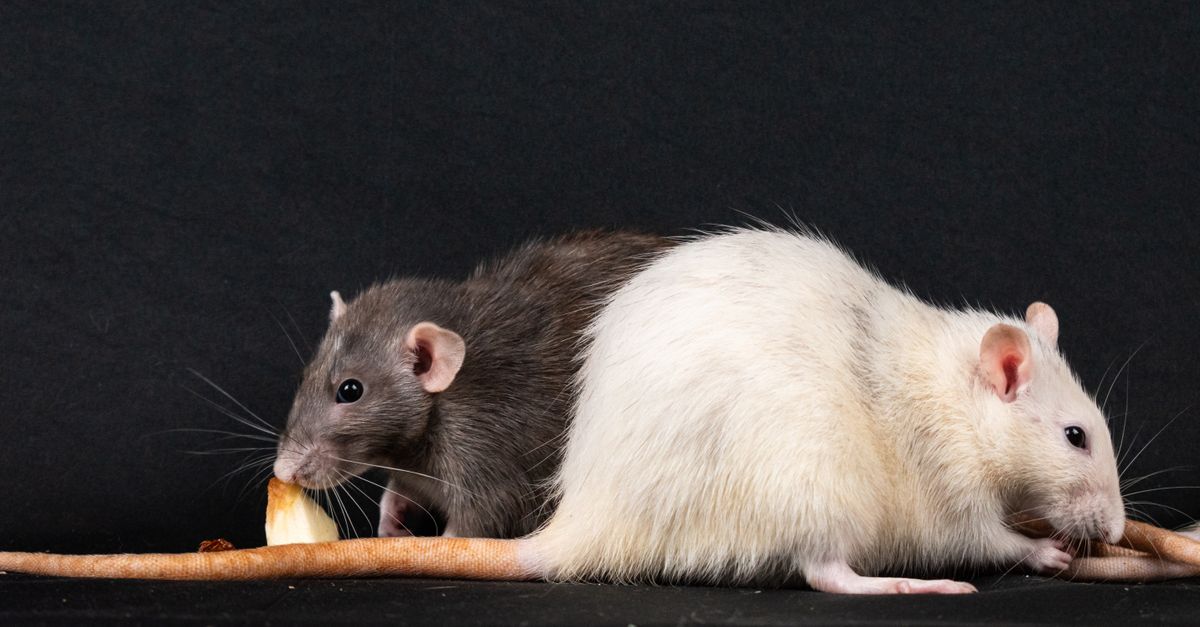
Cheap exotic pets: two pet rats, one gray and one white, eating side by side
Rats are social, so plan on keeping at least two. Photo: Pexels.

2. Hermit crabs

Among cheap exotic pets, hermit crabs have one of the lowest purchase prices. The Vet Desk lists Caribbean hermit crabs at $3 to $25 and estimates total yearly costs of $100 to $200. They need a heated, humid tank with deep substrate and spare shells to move into, so budget $50 to $200 or more for setup.

3. Tarantulas

A tarantula is quiet, small and inexpensive to feed. The Vet Desk puts most tarantulas at $25 to $150 from a breeder, setup at $80 to $130 and running costs at $10 to $35 a month. Females can live up to 30 years, so this is a long commitment. Tarantulas are display pets, not cuddly ones.

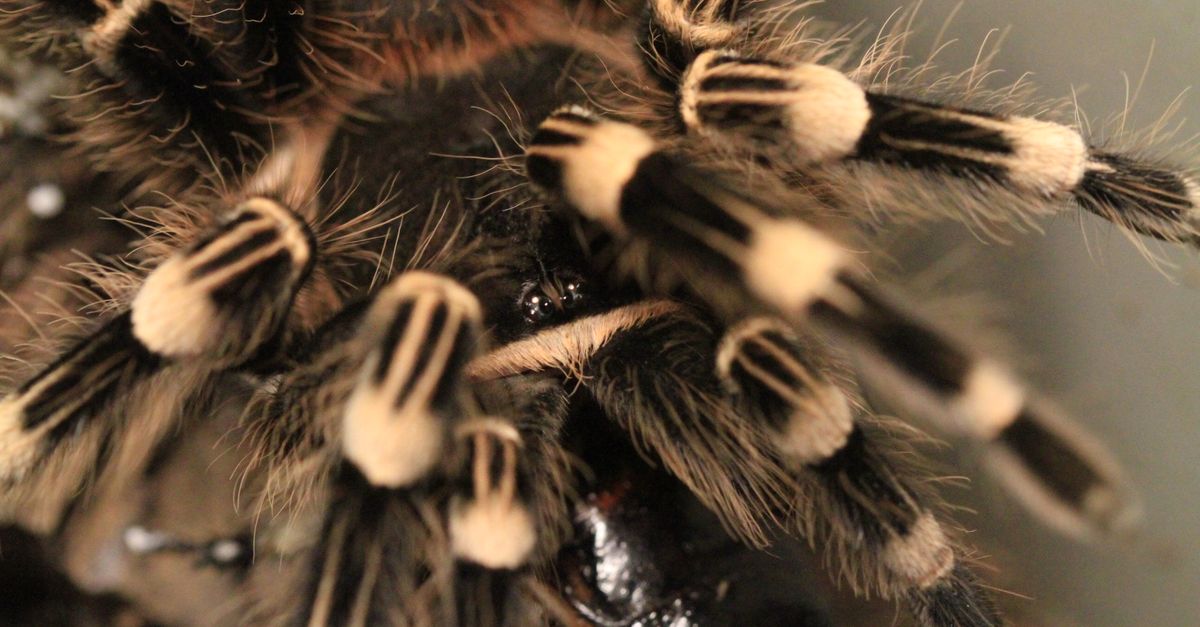
Cheap exotic pets: a close-up of a hairy tarantula with banded legs
Tarantulas cost little to feed but can live for decades. Photo: Pexels.

4. Leopard geckos

Leopard geckos are calm lizards, most active at dusk and night, and a favorite among cheap exotic pets for first-time reptile owners. The Vet Desk lists breeder prices of $20 to $650, with normal patterns at the low end and rare morphs at the top. Supplies run about $118 to $300, and yearly costs are around $400. Curious about their bite? Read our guide on whether leopard geckos have teeth.

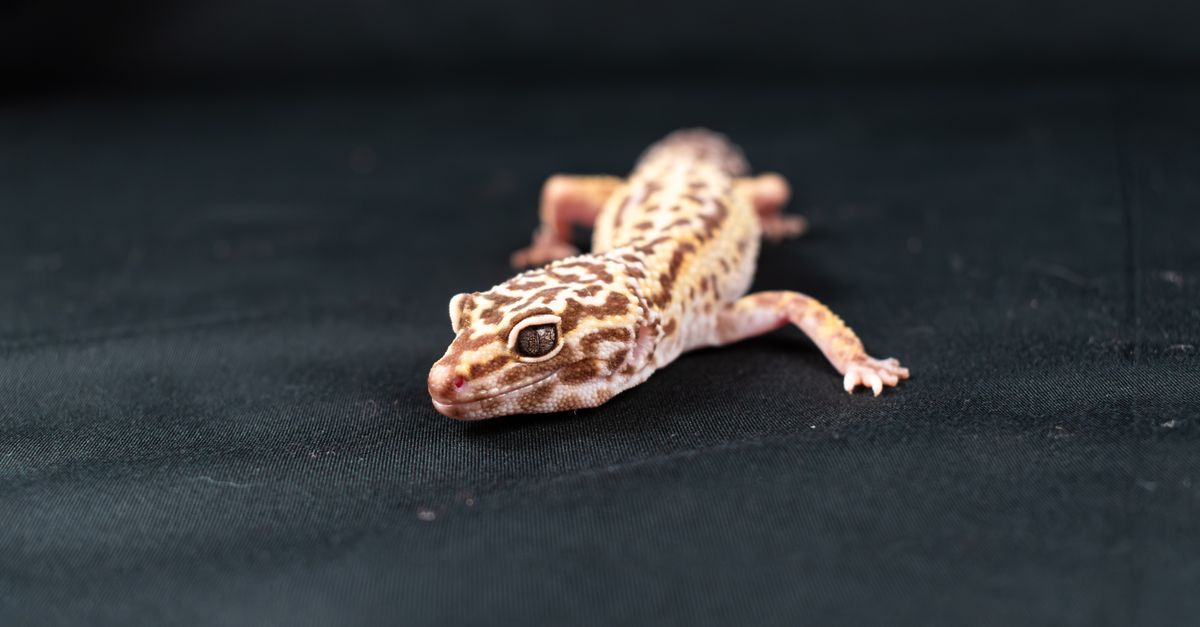
Cheap exotic pets: a spotted leopard gecko walking on a dark background
Normal-pattern leopard geckos are among the cheapest reptiles to buy. Photo: Pexels.

5. Budgies (parakeets)

Budgies are cheerful, small parrots that can learn to step up and even mimic words. ThePricer says a common budgie usually costs about $25 to $80, but a safe, roomy cage and supplies cost $215 to $695, and ongoing care runs $400 to $900 a year. Budgies are flock birds, so many owners keep two. Don't confuse them with monk (Quaker) parakeets, which some states restrict.

6. Corn snakes

Corn snakes are docile and come in many colors, which makes them a popular choice for beginners. The Vet Desk lists them at roughly $30 to over $200, with $50 to $250 for setup and $30 to $50 a month for feeding and upkeep. With good care, they often live 10 to 15 years or more. Compare options in our guide to the best beginner pet snake.

7. Axolotls

Axolotls are aquatic salamanders with a famously smiley face. The Vet Desk lists regular axolotls at $40 to $100, but a cool, filtered tank costs about $430 to $580 to set up, and running costs can reach $66 to $156 a month. They're also one of the most restricted cheap exotic pets, so read the legal section below before buying.

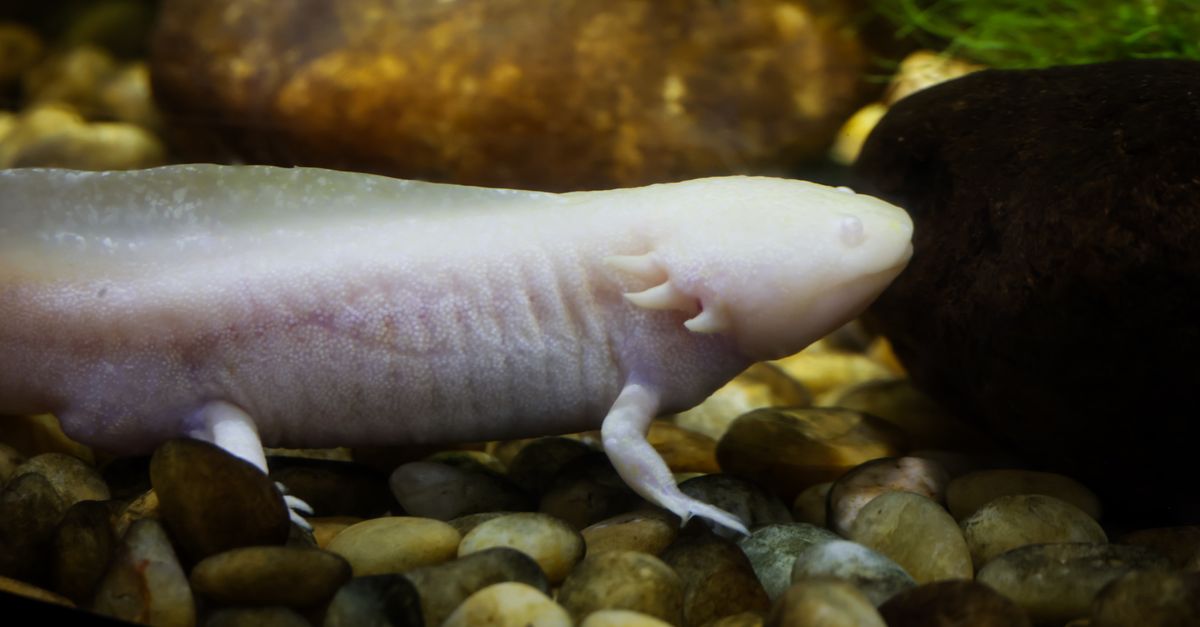
Cheap exotic pets: a pale pink axolotl resting on gravel in an aquarium
Axolotls are inexpensive to buy, but their tank and filter can cost far more. Photo: Pexels.

8. Bearded dragons

Bearded dragons are friendly, active lizards that often tolerate handling. The Vet Desk says breeders often charge $40 to $80 and pet stores about $60 to $100, while setup runs $50 to $500. Their running costs are among the highest on this list at $400 to $1,500 or more a year, mostly for live insects, greens and UVB bulbs. Learn the warning signs in our guide to signs a bearded dragon is stressed.

9. Crested geckos

Crested geckos are easygoing tree-dwellers that can eat a powdered complete diet, which can help keep food costs down. The Vet Desk lists adoption at $50 to $175, with most pet-store geckos costing $100 or less. Setup runs about $180 to $550, and they can live up to 20 years.

10. Hedgehogs

African pygmy hedgehogs are curious, nocturnal and surprisingly affordable. The Vet Desk lists adoption at about $50 to just over $100 and standard-colored breeder hedgehogs at $100 to $300, with $200 to $700 for supplies. WebMD notes that hedgehogs can carry Salmonella and are illegal in some places, so they're not ideal for every home.

Cheap exotic pets: a person gently holding a pale baby hedgehog in cupped hands
Hedgehogs are affordable to buy, but check local laws first. Photo: Pexels.

The Real Cost of Cheap Exotic Pets

With most cheap exotic pets, the animal is the smallest expense. Enclosures, heat and UVB lamps, filters, substrate, food and vet care add up quickly. Using The Vet Desk's figures, a leopard gecko costs around $230 or more upfront and about $400 a year, while a pair of rats can cost up to $800 in the first year once you add the cage and supplies.

  • Buy the adult-size enclosure first. Upgrading later costs more.
  • Budget for bulbs. Reptile UVB and heat bulbs need regular replacement.
  • Keep an emergency fund. An exotic vet visit often starts around $40 to $70, and imaging or surgery can cost hundreds.
  • Adopt when you can. Reptile rescues and rehoming groups sometimes include the setup with the animal.

Your first-year budget worksheet

Item Your estimate
Animal (purchase or adoption) $______
Enclosure, tank or cage (adult size) $______
Heat, lighting or filter $______
Substrate, hides and decor $______
Food (monthly x 12) $______
First exotic vet visit $______
Emergency fund $______
Total $______

Example scenario (illustrative)

Kiara in Tucson wanted a low-cost reptile for her apartment. She found a normal-pattern leopard gecko for $45, then priced a 20-gallon tank, heat mat, thermostat, hides and calcium at about $210. She confirmed her lease allowed reptiles, located an exotic vet 15 minutes away, and set aside $30 a month for insects and supplies.

Cheap exotic pets aren't a bargain if one is confiscated or breaks your lease. US exotic pet laws vary widely, and two species on this list are well-known examples.

Legal checklist before you buy

  1. State: check your state fish and wildlife or agriculture department's list of restricted species.
  2. City and county: search your local code for "exotic animal" or the species name.
  3. Lease or HOA: confirm in writing that the pet is allowed.

Laws change, so check again before you buy. Washington residents can start with our guide to what exotic pets are legal in Washington State.

Exotic Pets That Aren't Really Cheap

Some lists of cheap exotic pets include foxes, skunks, coatimundis and porcupines. We've left them out. They usually cost hundreds of dollars to buy, need large outdoor enclosures and specialist vets, and are restricted or require permits in many states. Monkeys and big cats are even more costly and often illegal to keep privately.

If you want easy, cheap exotic pets with less upkeep, our guide to small exotic pets that are easy to own covers more low-maintenance options.

Cheap Exotic Pets: FAQs

What is the cheapest exotic pet to own?

Pet rats and hermit crabs are among the cheapest to buy. The Vet Desk lists rats at $0 to $20 to adopt or buy and hermit crabs from about $3, with yearly costs of roughly $400 to $500 for rats and $100 to $200 for hermit crabs.

What is the cheapest exotic pet to take care of?

Hermit crabs and tarantulas usually have the lowest running costs. The Vet Desk estimates $100 to $200 a year for hermit crabs and $10 to $35 a month for tarantulas, mostly for food.

Are cheap exotic pets legal in every state?

No. Rules vary by state, county and city. Axolotls are reported to be banned in California, Maine, New Jersey and Washington, D.C., and WebMD says hedgehogs are illegal in four states and New York City. Check your state wildlife agency and local code before you buy.

What are exotic pets?

Exotic pets are generally animals other than dogs and cats. Vetstreet describes the category as including birds, rodents, rabbits, reptiles, amphibians and hedgehogs.

What is the best exotic pet for beginners?

Leopard geckos and corn snakes are popular beginner choices because they're calm, widely available and relatively easy to house. Both still need the right heat, enclosure and an exotic-animal vet.

Do exotic pets need a vet?

Yes. Exotic animals need a veterinarian with experience in that species. The Vet Desk notes that exotic vet visits often start around $40 to $70, and emergencies can cost much more, so budget for care before you buy.

How much does an exotic pet cost per year?

It depends on the species. The Vet Desk estimates about $100 to $200 a year for hermit crabs, around $400 for leopard geckos, and $400 to $1,500 or more for bearded dragons.

Final Verdict: The Best Cheap Exotic Pets

For the lowest total cost, pet rats, hermit crabs and tarantulas are hard to beat. For a beginner reptile, a leopard gecko or corn snake offers the best balance of price, temperament and easy care. Axolotls and hedgehogs are cheap to buy but carry legal restrictions in some areas. Whatever you choose, budget for the full setup and an exotic vet, and confirm the pet is legal where you live before you buy.

Your next steps

  1. Pick two or three species from the table and fill in the budget worksheet.
  2. Run through the legal checklist for your state, city and lease.
  3. Compare beginner snakes in our corn snake vs ball python guide, or browse our pets section.

Tell us which exotic pet you chose in our Facebook community.

About the author — Written and reviewed by the Pets Store Home Editorial Team: pet owners and animal lovers who check every guide against trusted US veterinary and animal-welfare sources. This article is general information, not legal or veterinary advice. Always check local laws and talk to an exotic-animal veterinarian before getting a new pet.

How we checked this guide: Purchase, setup and running costs come from The Vet Desk's 2026 price guides (budgie costs from ThePricer, August 2026). The definition of exotic pets comes from Vetstreet. Hedgehog legality and health notes come from WebMD (reviewed by Kathleen Claussen, DVM), and axolotl legality from a 2025 report citing Axolotl Central. Prices vary by region and seller. We review this article every 12 months, or sooner if laws or prices change.

Last reviewed: October 2026.

Sources

10 Best Small Pets for Depression & Anxiety-A Complete Guide

10 Best Small Pets for Depression & Anxiety-A Complete Guide

The best small pets for depression and anxiety are usually guinea pigs, pet rats, budgies, aquarium fish and a calm adult cat. These animals offer routine, gentle company and something to care for, without the daily walks a large dog needs. A pet can support your mood, but it is not a treatment for depression on its own.

Important: If you have thoughts of harming yourself, call or text 988 to reach the 988 Suicide and Crisis Lifeline, available 24/7. If symptoms last two weeks or more, NIMH advises that you talk to a health care provider.

Key takeaways

  • Research links animal contact with lower stress and better mood, but results are mixed.
  • Guinea pigs, rats and calm adult cats are the most hands-on comfort pets.
  • Fish and leopard geckos need the least daily effort but offer little touch.
  • Pick a pet you can still feed and clean on your hardest days.
  • Always set up a backup caregiver before you adopt.

Small Pets for Depression and Anxiety: Quick Comparison

Pet What it offers Daily care Handling
Guinea pigs (pair) Gentle lap time, chatty greetings 20–30 min Calm, likes laps
Pet rats (pair) Playful, people-focused company 20–30 min Enjoys handling
Budgies Cheerful sound, light routine 15–20 min Can be hand-tamed
Betta / aquarium fish Calm watching, low effort 5–10 min None
Adult cat Touch, purring, lap time 15–20 min Usually relaxed
Small adult dog Walks, structure, outings 45–60 min Very affectionate
Rabbit Quiet floor companionship 30+ min Prefers floor petting
Leopard gecko Quiet, slow routine 5–10 min Short handling
Gerbils (pair) Busy, fun to watch 10–15 min Light handling
Syrian hamster Small, single-pet routine 10–15 min Light handling

Daily care times are our editorial estimates for feeding, cleaning and interaction. Weekly deep cleans take extra time.

Can Small Pets Help With Depression? What the Research Says

Evidence is encouraging but not settled. NIH's News in Health notes that interacting with animals has been linked to lower cortisol and lower blood pressure, and some studies suggest animals may ease loneliness and improve mood. The same article stresses that this research is still fairly new and the results are mixed.

In practice, many people describe three benefits: a daily routine, a reason to get up, and calm moments of touch or watching. Those are real supports, but they work best alongside counseling, medication or other care your provider recommends.

Small pets for depression: a woman lying on a bed beside a calm, fluffy cat and a kitten
Small pets for depression can add calm, gentle company to a daily routine. Photo: Pexels.

10 Best Small Pets for Depression & Anxiety

Each of these small pets for depression balances comfort with care that stays manageable on a low-energy day. The first five offer the most gentle interaction for the effort involved.

1. Guinea Pigs

Guinea pigs often sit quietly on a lap with a towel and greet familiar people with squeaks. They live best in pairs and need fresh vegetables daily, because VCA notes they require 10 to 50 mg of vitamin C a day. Curious about their noises? See our guide to guinea pig teeth chattering.

Best for: people who want gentle touch and a chatty morning greeting.

2. Pet Rats

Rats are clever, social and often seek out people, which makes them rewarding on days when you want company. The San Antonio Humane Society says rats don't do well when left alone, so keep a same-sex pair. Merck gives a lifespan of about 1.5 to 3 years.

Best for: people who enjoy playful, hands-on company most evenings.

3. Budgies

Budgies bring soft chatter and color to a room without being very loud. With patience, many learn to step onto a finger. The Merck Veterinary Manual lists a lifespan of 5 to 10 years, and a pair keeps each other company.

Best for: people who like cheerful sound and a light daily routine.

4. Betta or Small Aquarium Fish

Watching fish can feel soothing. NIH News in Health quotes a researcher who says watching fish swim may promote calmness. Care is light day to day, but a filtered, heated tank and weekly partial water changes are essential. Our guide to cleaning a fish tank safely walks you through it.

Best for: low-energy days and anyone who finds watching calming.

5. Calm Adult Cat

An adult cat from a shelter has a known personality, so you can choose one that enjoys laps and purrs readily. Cats use a litter box and don't need walks. Cornell's Feline Health Center notes adopting a cat can mean a commitment of 10 to 15 years or more.

Best for: people at home most of the day who want lap time and purring.

Pet Care Tip: Ask the shelter or rescue for an animal described as calm and people-friendly. Its temperament matters more for your mood than its breed or color.

Small pets for depression: a red and blue betta fish swimming in a planted aquarium
Small pets for depression like a betta need little daily care, and watching fish may feel calming. Photo: Pexels.

6. Small Adult Dog

A small dog gives structure, outings and lots of affection, but it is the most demanding option here. The AKC suggests thinking about exercise needs, lifespan and whether someone could care for the dog if you couldn't. Choose an adult dog with a calm, known temperament.

Best for: people with steady energy who benefit from walks and outings.

7. Rabbit

Rabbits can be gentle companions, but many dislike being lifted and prefer petting on the floor. The House Rabbit Society says indoor rabbits typically live 8 to 12 years, and they need daily hay and space to roam. If yours stamps its feet, see why rabbits thump.

Best for: calm households happy to sit on the floor with a pet.

8. Leopard Gecko

Quiet, slow-moving and easy to feed, a leopard gecko suits people who want a calm routine more than cuddles. Merck lists a lifespan of more than 20 years. The CDC does not recommend reptiles for households with young children or for adults 65 and older.

Best for: people who want a quiet, predictable routine without much handling.

9. Gerbils

Gerbils are curious, rarely smelly and fun to watch as they dig and build tunnels. Keep a same-sex pair. They enjoy climbing over hands, though most won't sit still for long cuddles.

Best for: people who enjoy watching busy, natural behavior.

10. Syrian Hamster

A hamster suits a small space and a simple routine, but it must live alone and is mostly active at night. Hand-feeding builds trust. Our guide to hamster water needs explains why fresh water matters daily.

Best for: small apartments and evening routines.

Not every one of these small pets for depression will suit you. The right match depends on your energy, home and support network.

How to Choose the Right Small Pet for Your Mood

  1. Be honest about energy. Pick a pet you could still feed and water on your lowest day.
  2. Decide what helps you most. Touch suggests guinea pigs, rats or a cat; calm watching suggests fish.
  3. Check the lifespan. Rats live a few years; some reptiles and birds live 20 years or more.
  4. Budget for vet care. Small mammals, birds and reptiles do best with an exotic-animal vet.
  5. Read your lease and check state and local rules before adopting.
  6. Line up a backup caregiver for illness, travel or a hospital stay.

For pets that especially enjoy being held, see our guide to the best small pets for cuddling.

Plan for Hard Days Before You Adopt

Depression often brings days when even simple tasks feel heavy. The best small pets for depression are the ones you can still care for then, so planning ahead protects both you and your pet. This table shows the minimum care each pet needs on a difficult day.

Pet Non-negotiable daily care Can wait a day or two
Guinea pigs Hay, fresh vegetables, water Full cage clean
Pet rats Food, water, a few minutes of contact Deep clean, long play
Budgies Seeds or pellets, water Out-of-cage time
Fish Feed small amount, check heater Partial water change
Adult cat Food, water, scoop litter Brushing, long play
Gerbils / hamster Food, water check Bedding change

The CDC advises washing your hands after handling small mammals or cleaning their cages, since they can carry germs that make people sick. Keep soap or sanitizer near the habitat so hygiene stays easy.

Small pets for depression: a small hamster resting in an open palm
Small pets for depression like hamsters fit a simple routine, but Syrian hamsters must live alone. Photo: Pexels.

Common Mistakes to Avoid

Mistake Why it happens Better approach
Adopting on impulse during a low period Hoping for a quick lift Wait, research and plan care first
Choosing a high-energy pet Dogs seem most comforting Match care to your real energy
Keeping social species alone One cage seems simpler Keep rats, guinea pigs and gerbils in pairs
No backup caregiver Planning feels hard Arrange help before adoption day

Example Scenario (illustrative)

Danielle in Omaha is working with a counselor and wonders whether small pets for depression could help her evenings feel less empty. She adopts two guinea pigs, asks her sister to cover care during rough weeks, and keeps a simple checklist on the fridge. Feeding them gives each morning a small, steady purpose.

Small pets for depression: a blue and white budgie perched on a person's arm
A hand-tame budgie can bring cheerful company to a quiet home. Photo: Pexels.

Small Pets for Depression: FAQs

Can a small pet replace therapy or medication for depression?

No. A pet can add routine, comfort and company, but it is not a treatment. NIMH advises talking to a health care provider if symptoms last two weeks or more or get worse. Use a pet alongside professional care, not instead of it.

What is the best small pet for anxiety?

Many people find guinea pigs, a calm adult cat or an aquarium fish soothing. Guinea pigs and cats offer gentle touch, while watching fish may feel calming. The best choice is one whose care you can manage on your hardest days.

Are small pets for depression good if I live alone?

They can be, as long as you have a backup plan. Arrange a friend, neighbor or pet sitter who can step in if you are unwell, away or in the hospital, so your pet is never left without food and water.

Which small pet needs the least care?

A betta fish or a leopard gecko usually needs the least daily time. Both still need the right tank, heating and regular cleaning. Remember that the CDC does not recommend reptiles for homes with children under 5 or for adults 65 and older.

Do I need an emotional support animal letter for a small pet?

Not to own one. A letter is generally relevant only to certain housing requests, and those rules are separate from simply owning a pet. Talk to your health care provider and your landlord about your situation before you adopt.

What should I do if I feel too low to care for my pet?

Ask for help early. Contact your backup person, simplify care to the essentials and speak to your provider. If you have thoughts of harming yourself, call or text 988 to reach the 988 Suicide and Crisis Lifeline right away.

Final Verdict: Best Small Pets for Depression and Anxiety

The best small pets for depression are guinea pigs, rats, budgies, aquarium fish and a calm adult cat, chosen to match your energy and home. A pet can bring routine and gentle comfort, but it works best alongside professional care. Plan for hard days, line up a backup caregiver and reach out for help early.

Your next steps

  1. Shortlist two pets from the comparison table that fit your energy and lease.
  2. Compare more easy, affectionate options in our guide to low maintenance pets that enjoy cuddles.
  3. Browse more care guides in our pets section.

Share how your pet helps you in our Facebook community.

About the author — Written and reviewed by the Pets Store Home Editorial Team: pet owners and animal lovers who check every guide against trusted US veterinary and animal-welfare sources. This article is general information, not a substitute for professional veterinary or medical advice. Always talk to your veterinarian about your pet's health and to a health care provider about your own.

How we checked this guide: Research on pets and wellbeing comes from NIH News in Health; mental health guidance from NIMH and the 988 Lifeline; safety guidance from the CDC; dog advice from the American Kennel Club; cat commitment from Cornell's Feline Health Center; lifespans from the Merck Veterinary Manual and the House Rabbit Society; guinea pig needs from VCA; and rat social needs from the San Antonio Humane Society. Care-time estimates are our own editorial judgment. We review this article every 12 months, or sooner if guidance changes.

Last reviewed: November 2026.

Sources

Cool Pets to Have in Your Room -Top 10 Coolest Pets

Cool Pets to Have in Your Room -Top 10 Coolest Pets

Cool Pets to Have in Your Room: Top 10 Coolest Pets for Small Spaces (2026)

What are the best cool pets to have in your room? Good bedroom pets are small, quiet and happy in a tank or cage, such as a betta fish, leopard gecko, hermit crabs, a pair of rats, guinea pigs or a budgie. The right pick depends on your space, your sleep, how much handling you want, and how long you can commit.

A pet that lives in your bedroom shares your air, your noise and your schedule. Some cool pets are silent and low-key; others chatter at dawn or run on a wheel at 2 a.m. This guide ranks 10 cool pets to have in your room, compares their space, lifespan and noise, and flags the health and legal checks to make first.

Key takeaways

  • The quietest picks are a betta fish, leopard gecko, corn snake or tarantula.
  • For a pet you can handle and bond with, rats and guinea pigs are strong choices, but both do best in pairs.
  • Hamsters and hedgehogs are mostly active at night, which can disturb light sleepers.
  • Lifespans range from about 2 years (rats, hamsters) to 10–20 years or more (leopard geckos, corn snakes, female tarantulas).
  • The CDC does not recommend reptiles for homes with children under 5, and hedgehogs can also spread Salmonella.
  • Check state and city rules before buying any exotic pet.

Cool Pets to Have in Your Room at a Glance

Pet Minimum space Typical lifespan Noise / active time
Betta fish 5-gallon heated tank 3–5 years Silent; filter hum only
Leopard gecko 10 gallons for one (bigger is better) 10–15 years Quiet; dawn and dusk
Hermit crabs 5 gallons per 2 crabs Around 10 years Quiet; some night clicking
Pet rats (pair) Large multi-level cage 2–3 years Mostly evening and night
Guinea pigs (pair) 10 sq ft for two 6–9 years Vocal; squeaks and whistles
Hamster Large single cage with wheel 18–24 months Night; wheel noise
Budgie At least 18 x 18 in cage 7–15 years Daytime chatter
Corn snake 36 x 18 x 18 in for adults 15–20+ years Silent
Tarantula Small secure enclosure Females up to 20 years Silent; night hunter
Hedgehog Large cage with solid wheel Several years Night; wheel noise

Figures come from the care sources linked in each section below. Bigger enclosures than the minimum are usually better for welfare.

Cool pets to have in your room: a pet gecko up close
Quiet reptiles such as geckos are popular cool pets to have in your room. Photo: Haley Palys / Unsplash.

How to Choose a Bedroom Pet

Before you pick from any list of cool pets to have in your room, answer five honest questions. They matter more than how a pet looks online.

  • Your sleep: Night-active pets such as hamsters, rats and hedgehogs can be noisy while you sleep.
  • Your space: Measure the floor or shelf space you can give, then plan for the adult size of the enclosure, not the starter kit.
  • Handling: Do you want a pet to cuddle, or one to watch? Fish, tarantulas and hermit crabs are mostly hands-off.
  • Time: Some cool pets live 2 years; others live 20. Think about college, moves and roommates.
  • Household: Young children, older adults and anyone with a weak immune system need extra care around reptiles and some small mammals.

If you mainly want something simple, our guide to easy, low-maintenance pets covers more options, and our pets for apartments guide helps if your whole home is small.

Top 10 Cool Pets to Have in Your Room

1. Betta fish

A betta brings bright color and personality with no noise at all. A Chewy betta care sheet lists a minimum 5-gallon tank for one betta, water at 76–81°F with a heater, a filter, and a lifespan of about 3 to 5 years. Skip the tiny bowls; stable, warm, filtered water keeps a betta healthy.

2. Leopard gecko

Leopard geckos are calm, quiet and easy to watch. VCA Animal Hospitals says one gecko can live in a 10-gallon tank with a screen top, kept in the mid-80s °F with a safe heat source, and may live 10 to 15 years. Bigger is better, though: the Royal Veterinary College recommends at least 36 x 18 x 18 inches and notes that leopard geckos are most active at dawn and dusk.

Geckos eat live insects dusted with calcium, so you need to be comfortable with crickets or roaches in your room.

3. Hermit crabs

Land hermit crabs are social, so plan for at least two. PetSmart’s care guide suggests at least 5 gallons per 2 crabs, humidity of 70–80%, warm daytime temperatures, deep substrate for molting, and several spare shells per crab. With good care they can live about a decade.

4. Pet rats

Rats may surprise you. VCA veterinarians describe them as extremely intelligent, able to learn tricks and come when called, and say well-socialized rats rarely bite. They are usually happier with another rat, live about 2 to 3 years, and are most active at night, though awake for periods during the day.

5. Guinea pigs

Guinea pigs are gentle, chatty and great for owners who want daily interaction. A Seattle Animal Shelter care sheet says they are herd animals that do best with companions, need at least 10 square feet for two, need daily vitamin C, and live about 6 to 9 years. They squeal, chirp and whistle, so they are not the quietest choice.

6. Hamster

A hamster is a classic first pet, but it keeps night hours. VCA notes that hamsters run hard on wheels at night, may not suit light sleepers, are best housed alone, and live about 18 to 24 months. They can bite when startled, so wake them gently before handling. A silent, solid wheel helps a lot in a bedroom.

7. Budgie (parakeet)

Budgies are bright, social little parrots that can learn to whistle and sometimes talk. Writing for PetMD, Sean Perry, DVM, says pet budgies can live about 7 to 15 years and need a cage of at least 18 by 18 inches with varied perches. Expect morning chatter, and plenty of daily social time.

8. Corn snake

Corn snakes are one of the calmer pet snakes. The Phoenix Herpetological Society describes them as docile, typically 4 to 5 feet long, and able to live 15 to 20 years or more. Adults need an enclosure of at least 36 x 18 x 18 inches with a warm basking spot, and the society calls them escape artists, so a locking lid is a must.

9. Tarantula

For a truly unusual pet, a tarantula is silent and needs little space. The Smithsonian’s National Zoo says female Chilean rose tarantulas can live up to 20 years in human care, while males live far shorter lives. They can flick irritating hairs when threatened, so treat a tarantula as a pet to watch, not to hold.

10. Hedgehog

Hedgehogs are cute and curious but take patience. They are mostly active at night and need a large cage and a solid wheel. The CDC has linked pet hedgehogs to Salmonella outbreaks and advises owners not to kiss or snuggle them and to wash hands after handling. Hedgehogs are also banned in some states and cities, so check local rules first. Learn more in our guide on whether hedgehogs are good pets for kids.

Pet Care Tip: Set up the enclosure and run the heat, light and filter for a few days before your pet arrives. You will catch noise, temperature or humidity problems before they affect your pet or your sleep.

Pets That Do Not Suit a Bedroom

Some animals sometimes listed as cool pets to have in your room really need much more space or special permits. Potbelly pigs can grow very large and need outdoor space. Wallabies and chipmunks need room to roam and may be restricted where you live. Large parrots are loud and need hours of daily attention. If you love unusual animals, our guide to small exotic pets that are easy to own has more realistic options.

Health and Safety Checks for Cool Pets to Have in Your Room

The CDC says reptiles and amphibians can carry Salmonella even when they look healthy. It does not recommend them for homes with children under 5, adults 65 and older, or people with weakened immune systems, and advises washing hands with soap and water after touching the animal, its food or its habitat.

  • Keep tanks, cages and feeding supplies out of the kitchen, and do not clean habitats in a food-prep sink.
  • Wash hands after every handling session and cleaning.
  • Find an exotic-animal vet near you before you buy, not after your pet gets sick.
  • Check your state wildlife agency, city code and landlord or dorm rules for any exotic pet.

When to call a vet right away: Labored breathing, bleeding, not eating for more than a day in small mammals, a reptile that stops moving or eating for an unusual length of time, or any injury needs prompt care. If your vet is closed, call a 24/7 emergency animal hospital that sees exotic pets.

Setting Up Your Room for a Pet

7 questions to answer before you bring a pet home

  1. Is the spot out of direct sun and away from heaters, vents and drafts?
  2. Is there an outlet nearby for heaters, lights or filters?
  3. Can the floor or furniture hold the weight of a filled tank?
  4. Is the lid or door escape-proof and secure from other pets?
  5. Will the pet’s active hours clash with your sleep?
  6. Who will care for it when you travel?
  7. Can you afford vet visits as well as food and supplies?

Example Scenario (illustrative)

Jordan, a light sleeper in a small Chicago apartment, wants a pet for his bedroom. He rules out a hamster because of night wheel noise and chooses a betta in a heated, filtered 5-gallon tank on a sturdy dresser. After a few months of easy care, he adds live plants and starts researching a leopard gecko for a second tank.

Common mistake Why it matters Better approach
Buying the starter kit cage or bowl Often too small for adult welfare Buy for the adult size from day one
Keeping a social pet alone Rats, guinea pigs and hermit crabs do better with company Adopt a bonded pair or group
Ignoring night activity Wheel noise can ruin your sleep Pick a quiet species or a silent wheel
Skipping a legal check Some exotics are banned locally Check state, city and lease rules

What most owners get wrong

Many people choose cool pets to have in your room by looks alone and assume small means easy. In reality, a gecko under 10 inches long can live 15 years and a tiny hamster may keep you up every night. Match the pet’s schedule, lifespan and space to your life first, and the “cool” part takes care of itself.

Cool Pets to Have in Your Room FAQs

What is the best pet to keep in your room?

For most people, a betta fish or leopard gecko. Both are quiet, need little floor space and do not need daily handling.

What pets are good for small spaces?

Betta fish, leopard geckos, hermit crabs, tarantulas and pairs of rats all fit well in small rooms with the right enclosure.

What is the quietest pet for a bedroom?

Fish, corn snakes, leopard geckos and tarantulas make almost no noise. Avoid wheel-runners if you are a light sleeper.

What is a cute small pet that likes being held?

Rats and guinea pigs usually enjoy gentle handling once socialized. Both do best in pairs.

Are reptiles safe to keep in a bedroom?

Yes, with good hygiene. The CDC advises washing hands after handling and does not recommend reptiles for children under 5.

Which cool pets to have in your room live the longest?

Corn snakes can live 15 to 20 years or more, leopard geckos 10 to 15 years, and female Chilean rose tarantulas up to 20 years.

What is a good pet for a teen’s bedroom?

A betta fish, leopard gecko or a pair of rats are good starter choices, with an adult helping on setup, costs and vet care.

Final Verdict: Cool Pets to Have in Your Room

The best cool pets to have in your room match your space, sleep and schedule. Choose a betta, leopard gecko, corn snake or tarantula for quiet, low-handling care, or a pair of rats or guinea pigs for a pet you can bond with. Check local rules, plan for the adult enclosure, and find an exotic-animal vet first.

Your next steps

  1. Measure your space and note your sleep and travel habits.
  2. Compare budget picks in our guide to cheap exotic pets, or browse brightly colored pet birds.
  3. Explore more small-pet care guides in our Other Pets section.

Tell us which room pet you chose on our Pets Store Home Facebook page.

About the author: Written and reviewed by the Pets Store Home Editorial Team, a group of pet owners and animal lovers who check every guide against trusted US veterinary, public-health and animal-welfare sources. This article is general information, not a substitute for professional veterinary advice. Always talk to your veterinarian about your own pet’s health.

How we checked this guide: Care figures come from VCA Animal Hospitals (leopard geckos, hamsters, rats), the Royal Veterinary College (gecko enclosure size), PetMD (budgies, reviewed by a DVM), the Seattle Animal Shelter (guinea pigs), the Phoenix Herpetological Society (corn snakes), the Smithsonian’s National Zoo (tarantulas), and Chewy and PetSmart care sheets (bettas, hermit crabs). Health and hygiene advice comes from the CDC. We review this article every 12 months, or sooner if guidance changes.

Last reviewed: October 2026.