Are Hedgehogs Good Pets for Kids/Toddlers? Pros & Cons

Are Hedgehogs Good Pets for Kids/Toddlers? Pros & Cons

Are Hedgehogs Good Pets for Kids or Toddlers? Pros & Cons (2026)

Are hedgehogs good pets for kids? For toddlers and children under 5, no: the CDC says hedgehogs aren't recommended for that age because they can spread Salmonella. For responsible older kids and teens, a hedgehog can work, but only with an adult in charge of care. They're nocturnal, prickly and often shy, so they suit patient watchers more than kids who want a cuddly playmate.

This guide weighs the real pros and cons, explains the toddler and Salmonella question, covers costs and legal limits in the US, and suggests better pets by age if a hedgehog isn't the right fit.

Health note for families. Hedgehogs can carry Salmonella even when they look healthy. Everyone should wash their hands right after touching the hedgehog or its cage, and households with children under 5 or anyone with a weakened immune system should choose a different pet.

Key takeaways

  • The CDC does not recommend hedgehogs for children younger than 5.
  • Older kids and teens can enjoy a hedgehog if an adult owns the care.
  • Hedgehogs are nocturnal, may huff, bite or ball up, and live about 4 to 6 years.
  • They're illegal in four US states and New York City, per WebMD.
  • Guinea pigs, fish or finches are often better first pets for young kids.

Are Hedgehogs Good Pets for Kids? The Short Answer

Experts don't set one cutoff age, so the answer to "are hedgehogs good pets for kids" depends mostly on age and on whether an adult will do the real work. Here's a quick guide by age group. These are general suggestions, not rules, and every child is different.

Child's age Is a hedgehog a good fit? Why
Under 5 (toddlers, preschoolers) No CDC advises against hedgehogs for this age due to Salmonella
5–7 Not ideal Needs constant supervision; adult does all care
8–12 Sometimes Can help feed and handle gently with an adult in charge
13+ (teens) Often a good fit Can handle most daily care and late-night activity

What Pet Hedgehogs Are Really Like

Before you settle the question "are hedgehogs good pets for kids" for your family, it helps to know their natural habits. Pet hedgehogs in the US are usually African pygmy hedgehogs. The Animal Humane Society explains that they're active at night and sleep most of the day, and that temperaments vary: some enjoy handling, many are indifferent and a few dislike it. When threatened, they curl into a ball and raise their quills.

  • Lifespan: typically 4 to 6 years, sometimes up to 10.
  • Housing: a solid-floored enclosure of at least 2 by 4 feet.
  • Temperature: kept warm, around 75°F, to help prevent illness.
  • Diet: mostly dry hedgehog food, with insects, fruit and vegetables as treats.
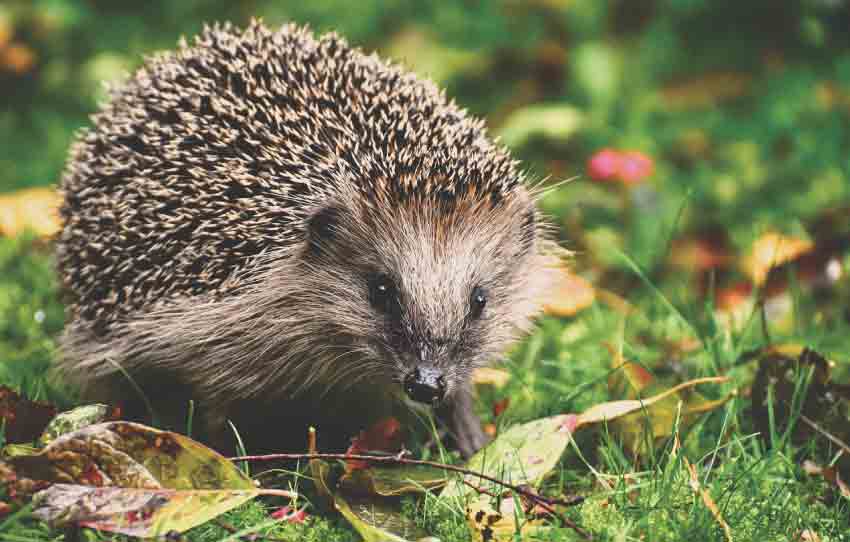
Are hedgehogs good pets for kids: two pale pet hedgehogs walking side by side
African pygmy hedgehogs are small and curious, but they're most active at night. Photo: Pexels.

Pros: When Are Hedgehogs Good Pets for Kids?

So, are hedgehogs good pets for kids who are old enough? They can be, when the family is prepared and an adult leads. Here are the real upsides.

  • Small and quiet: they don't bark or need walks, which suits apartments.
  • Fascinating to watch: evening exploring, foraging and wheel running can spark a child's interest in animals.
  • Teaches gentle handling: kids learn to move slowly, read body language and respect an animal's space.
  • Moderate lifespan: about 4 to 6 years, often a good fit for a child's school years.
  • Solo pet: hedgehogs are solitary and usually kept alone, so there's only one animal to care for.
  • Low odor if cleaned regularly: spot-cleaning keeps the enclosure fresh.

If your child wants a calmer animal to hold, compare options in our guide to the best cuddly small pets.

Cons: Why Hedgehogs Aren't Always Good Pets for Kids

Parents asking "are hedgehogs good pets for kids?" should weigh these downsides carefully. They matter most for younger children and busy families, and some can't be trained away.

  • Salmonella risk: the CDC has linked pet hedgehogs to Salmonella outbreaks and does not recommend them for kids under 5.
  • Nocturnal schedule: they sleep when kids are awake and get active around bedtime.
  • Quills and shyness: a scared hedgehog huffs, pops and balls up, which can disappoint a child who wants to cuddle.
  • May bite: some hedgehogs nip, sometimes when a hand smells like food.
  • Specific needs: warmth, a large enclosure, a solid wheel and an exotic-animal vet.
  • Legal limits: WebMD notes they're illegal in four US states and New York City.
Pros Cons
Small, quiet, no walks needed Salmonella risk; not for kids under 5
Interesting to watch in the evening Nocturnal; sleeps during the day
Teaches patience and gentle handling Prickly, shy and may bite
Usually kept as a single pet Needs warmth, space and an exotic vet
Lifespan of about 4–6 years Illegal in some states and NYC
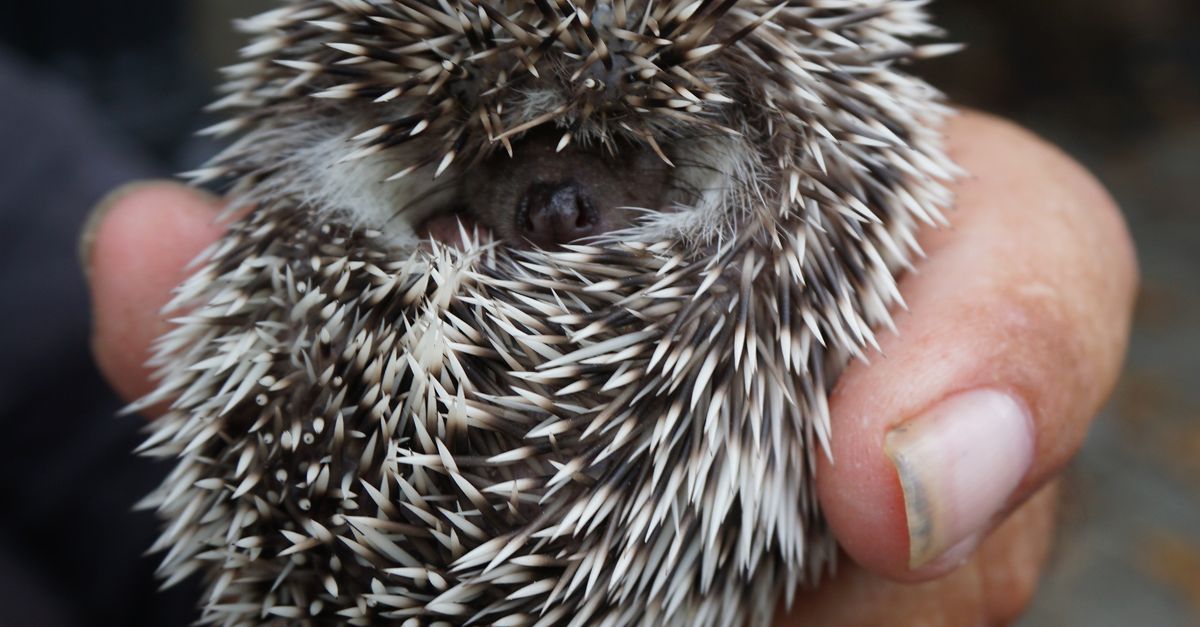
Are hedgehogs good pets for kids: a hedgehog curled into a prickly ball in a person's hand
A scared hedgehog curls up and raises its quills, so gentle, calm handling matters. Photo: Pexels.

Are Hedgehogs Good Pets for Toddlers?

No. The CDC states that hedgehogs are not recommended for children younger than 5, adults 65 and older, or people with weakened immune systems. In a 2020 outbreak linked to pet hedgehogs, the CDC reported 49 people sick in 25 states, 11 hospitalizations, and 14 cases in children under 5.

Toddlers also put their hands in their mouths, squeeze small animals and may drop them, which puts both the child and the hedgehog at risk. A vet-reviewed WebMD guide likewise advises against hedgehogs for households with children under 5. So for children this young, public health guidance gives a clear no to "are hedgehogs good pets for kids?"

Salmonella safety rules for any home with a hedgehog

  1. Wash hands with soap and water right after touching the hedgehog, its food or its cage.
  2. Don't kiss or snuggle the hedgehog close to your face.
  3. Don't eat or drink while handling it.
  4. Keep the hedgehog and its supplies out of the kitchen and dining areas.
  5. Clean the cage and accessories away from where food is prepared.

Are hedgehogs good pets for kids safety: a young girl washing her hands at a sink
Washing hands right after handling a hedgehog helps lower the risk of Salmonella. Photo: Pexels.

Cost and Legal Check Before You Buy

Budget and local law also shape the answer to "are hedgehogs good pets for kids" in your home. Hedgehogs aren't expensive to buy, but setup adds up. The Vet Desk lists adoption at about $50 to just over $100 and standard-colored breeder hedgehogs at $100 to $300, with $200 to $700 for supplies and $200 to $600 or more a year in ongoing costs. For more detail, see our guide on how much a pet hedgehog costs.

Legality is the other check. WebMD says hedgehogs are illegal in four US states and the five boroughs of New York City, and some areas require a permit, so confirm your state and local rules first.

Example scenario (illustrative)

Monica in Phoenix had a 10-year-old who wanted a hedgehog and a 3-year-old at home. After reading the CDC guidance, the family decided to wait. They adopted two guinea pigs instead and agreed to revisit a hedgehog once the youngest is older, with a parent handling cage cleaning and vet visits.

How to Make a Hedgehog Work for an Older Child

If your child is older and you're ready to be the responsible adult, set things up for success.

  • An adult owns the care: a parent handles cage cleaning, temperature checks and vet visits; the child helps with feeding and gentle handling.
  • Right enclosure: at least 2 by 4 feet with a solid floor, hides and a solid running wheel, kept around 75°F.
  • Calm handling: scoop from underneath with both hands over a soft surface, sitting on the floor.
  • Evening routine: plan short handling sessions when the hedgehog naturally wakes up.
  • Find an exotic vet first: not every vet treats hedgehogs.

Is your child ready? A quick checklist

If you're still asking "are hedgehogs good pets for kids like mine?" check these points:

  1. Your child can wash their hands every time without reminders.
  2. They can sit still and let an animal come to them.
  3. They won't be upset if the pet hides or balls up.
  4. An adult is happy to handle cleaning, heat and vet visits.
  5. No one in the home is under 5, over 65 or immunocompromised.

Families wanting an easier first pet can also look at our guide to easy low-maintenance pets for beginners.

Better Pets for Younger Kids

If the answer to "are hedgehogs good pets for kids" in your home is "not yet," VCA Animal Hospitals suggests pets matched to a child's stage. It recommends a no-touch pet like a betta fish for preschoolers, zebra finches for kindergartners, guinea pigs for younger elementary kids and bearded dragons for older elementary kids, and stresses that children should always be supervised around pets.

Age (VCA) Suggested pet Why it works
Preschool Betta fish No handling; kids can help feed
Kindergarten Zebra finches Simple daily care
Younger elementary Guinea pigs Docile and even-tempered
Older elementary Bearded dragons Often enjoy calm handling

For more of the best pets for kids at every age, read our best pets for kids by age guide, or learn more about guinea pigs.

Best pets for kids: a mother and young daughter gently holding a pet rabbit together
Adult supervision helps kids learn to handle any small pet gently. Photo: Pexels.

Are Hedgehogs Good Pets for Kids? FAQs

Are hedgehogs good pets for kids?

Hedgehogs can suit responsible older kids and teens, but they aren't ideal for young children. They're nocturnal, prickly, often shy, and can carry Salmonella, so an adult should own the care and supervise handling.

Are hedgehogs good pets for toddlers?

No. The CDC says hedgehogs are not recommended for children younger than 5 because they can spread Salmonella. Toddlers also tend to squeeze and drop small animals, which can hurt a hedgehog.

What age is a hedgehog good for?

There's no official age. The CDC rules out children under 5. Beyond that, wait until your child can follow handwashing rules every time and handle an animal calmly, and plan for an adult to stay in charge of care.

Do hedgehogs bite kids?

They can. Hedgehogs may bite or huff and roll into a prickly ball when scared. Calm, regular handling helps, but expect some hedgehogs to stay shy.

Can hedgehogs make kids sick?

Yes. A 2020 CDC outbreak linked to pet hedgehogs sickened 49 people in 25 states, including 14 children under 5. Washing hands after handling and not kissing or snuggling the hedgehog lowers the risk.

How long do pet hedgehogs live?

The Animal Humane Society says hedgehogs typically live 4 to 6 years, and some reach 10. That's a commitment that can last through several school years.

Are hedgehogs legal everywhere in the US?

No. WebMD says hedgehogs are illegal in four US states and the five boroughs of New York City, and some areas need a permit. Check your state and local rules before buying.

Final Verdict: Are Hedgehogs Good Pets for Kids?

Are hedgehogs good pets for kids? For toddlers and children under 5, the answer is no, based on CDC guidance about Salmonella. For older kids and teens, a hedgehog can be a rewarding, quiet pet if an adult takes charge of care, everyone washes their hands, and the family accepts a shy, nocturnal animal that may never love cuddles. If that sounds like a stretch, a guinea pig or fish is often a better first pet.

Your next steps

  1. Check your state and city rules on hedgehogs.
  2. Find an exotic-animal vet near you before buying.
  3. Compare more low-cost options in our cheap exotic pets guide, or browse our other pets section.

Share your family's pet story with our Facebook community.

About the author — Written and reviewed by the Pets Store Home Editorial Team: pet owners and animal lovers who check every guide against trusted US veterinary and public health sources. This article is general information, not a substitute for professional veterinary or medical advice.

How we checked this guide: Salmonella data and age guidance come from the CDC's 2020 hedgehog outbreak notice. Legal and household guidance comes from WebMD (reviewed by Kathleen Claussen, DVM). Hedgehog care facts come from the Animal Humane Society, costs from The Vet Desk (2026), and age-based pet suggestions from VCA Animal Hospitals. We review this article every 12 months, or sooner if guidance changes.

Last reviewed: October 2026.

Sources

Types of Ferrets: Colors, Patterns & What They Really Mean

Types of Ferrets: Colors, Patterns & What They Really Mean

Types of Ferrets: Colors, Patterns & What “Type” Really Means

Search for “types of ferrets” and you’ll find lists that treat coat colors like they’re separate breeds, complete with made-up names and contradictory descriptions. The reality is simpler and more interesting: nearly every pet ferret on the planet is the same domesticated species, and what people call “types” almost always refers to coat color, pattern, or coat length — not breed. This guide sorts out the real classification system, corrects some persistent myths, and covers what actually matters when choosing and caring for a ferret.

Quick Answer

Nearly all pet ferrets are the same domesticated species, Mustela putorius furo, not separate breeds. What people call “types” of ferrets almost always refers to coat color (like sable, albino, or chocolate), pattern (like panda, blaze, or roan), or coat length (standard vs. the longer-haired Angora). Color and pattern don’t affect temperament or care needs, and none of this should be confused with the black-footed ferret, an endangered wild species that is illegal to keep as a pet.

Key Takeaways

  • Pet ferrets are one domesticated species (Mustela putorius furo), not multiple breeds.
  • The American Ferret Association recognizes eight official coat colors and around nine patterns — these describe appearance, not breed.
  • Angora ferrets are a coat-length variation with noticeably longer fur, requiring extra grooming.
  • Average lifespan is 6 to 10 years; adrenal disease and insulinoma are the two most common serious health issues.
  • Ferrets are illegal to own as pets in California and Hawaii, and banned within New York City despite being legal elsewhere in New York State.

In this article: One Species, Not Several Breeds · Official Colors and Patterns · Coat Length: Standard vs. Angora · Size, Lifespan & Physical Traits · A Brief History of the Domestic Ferret · Don’t Confuse Pet Ferrets With Black-Footed Ferrets · Where Ferrets Are (and Aren’t) Legal · Diet, Care & Common Health Issues · Choosing a Ferret · Common Mistakes · FAQ

Why Trust This Guide?

This guide is researched and written by the Pets Store Home editorial team, drawing on sources including the American Ferret Association, VCA Animal Hospitals, PetMD, and the Merck Veterinary Manual. It’s intended as general information; consult an exotic-animal veterinarian for advice specific to your ferret.

One Species, Not Several Breeds

Virtually every ferret sold as a pet in the United States belongs to a single domesticated species, Mustela putorius furo, descended from the European polecat. Unlike dogs, where centuries of selective breeding produced genuinely distinct breeds with different sizes, skull shapes, and temperaments, pet ferrets aren’t divided into recognized breeds by any major organization. What varies between individual ferrets is coat color, coat pattern, and coat length — cosmetic traits that don’t correspond to different breeds any more than a black Labrador and a yellow Labrador are different breeds of dog.

This matters because a lot of casual “types of ferrets” content treats color names and coat-length variations as if they were breeds with different origins, personalities, or care needs. They aren’t. A sable ferret and an albino ferret raised in similar conditions will, on average, need the same diet, the same veterinary care, and the same amount of playtime and socialization.

Official Colors and Patterns

The American Ferret Association (AFA), the primary breed and show organization for domestic ferrets in the US, recognizes eight official base coat colors and around nine patterns, used for show classification rather than breed distinction.

The eight recognized colors:

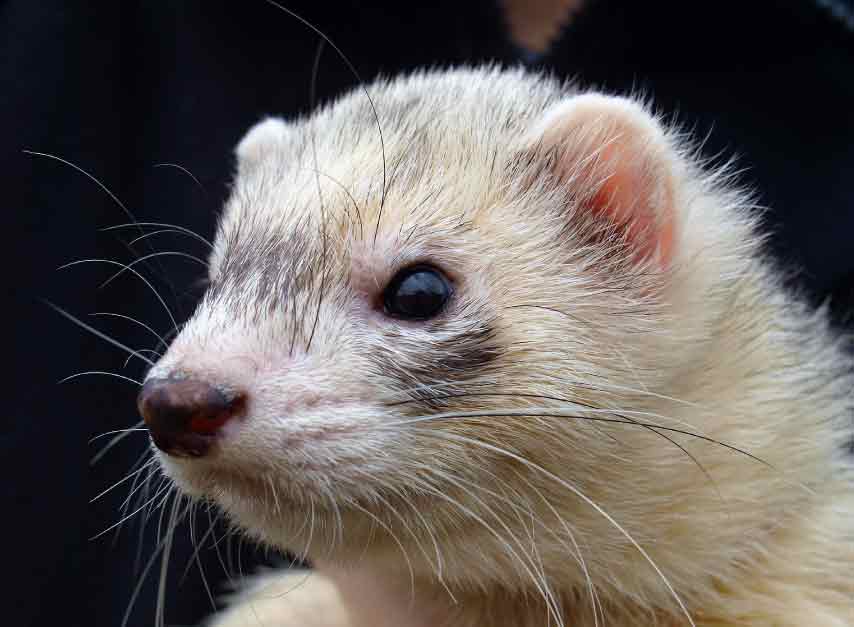
  • Sable — the most common pet ferret color: rich brown guard hairs over a lighter undercoat, often with a dark mask.
  • Black Sable — darker, blackish-brown guard hairs with a white or light undercoat.
  • Chocolate — warm brown fur, lighter than black sable, with brown eyes.
  • Cinnamon — a lighter reddish-brown, less common and harder to find than sable or chocolate.
  • Champagne — a diluted, pale version of chocolate, with a cream or white undercoat.
  • Albino — a true absence of pigment: solid white coat with pink or red eyes and a pink nose.
  • Dark-Eyed White (DEW) — white coat like an albino, but with dark eyes rather than pink or red ones.
  • Black — the darkest of the recognized colors, with jet-black guard hairs over a white or cream undercoat.

Common patterns layer on top of these base colors and describe how color and white fur are distributed, including panda (a fully white head with color elsewhere on the body), blaze (a white stripe running down the top of the head), roan (40–60% white guard hairs mixed through the coat), mitt (white feet, like a cat’s mitted pattern), and point or Siamese-style patterns (darker points on the face, feet, and tail against a lighter body).

Pet Care Tip: Coat color can shift somewhat with the seasons and as a ferret ages — a sable ferret’s coat is often noticeably darker in winter than in summer. This is normal and not a sign of a health problem.

Coat Length: Standard vs. Angora Ferrets

Nearly all pet ferrets have a “standard” short coat. Angora ferrets are a naturally occurring, recessive-gene variation with noticeably longer guard hairs, sometimes long enough to partially obscure the face, along with a longer-haired tail. Angoras are less common in the general pet trade and typically need more frequent brushing to prevent matting, but otherwise share the same care requirements as standard-coated ferrets. Coat length, like color, is not a breed distinction.

Size, Lifespan & Physical Traits

Ferrets are sexually dimorphic: adult males (hobs) typically weigh 2 to 4 pounds and measure around 15 to 20 inches including the tail, while females (jills) are noticeably smaller, usually 0.75 to 2 pounds and somewhat shorter in length. Both sexes have long, low-slung bodies, short legs, and a flexible spine that lets them turn around in tight spaces — a trait inherited from their polecat ancestors’ burrowing and hunting behavior.

The average pet ferret lives 6 to 10 years with good care. Spaying or neutering, along with regular veterinary checkups starting around age 2 to 3, meaningfully improves the odds of catching common age-related conditions early, since ferrets are prone to a handful of specific health problems covered in more detail below.

A Brief History of the Domestic Ferret

Ferrets were likely domesticated from the European polecat roughly 2,500 years ago, making them one of the older domesticated companion species, alongside dogs and cats. Historically, their primary job was “ferreting” — being sent down rabbit burrows to flush rabbits out for hunters, a practice that continued in parts of Europe well into the 20th century and gave the ferret its lasting reputation as a working animal rather than purely a companion pet. Modern pet ferrets in the US are almost universally captive-bred and sold already spayed or neutered and descented by the breeder, a departure from their working-animal origins that has shaped them into the companion animals seen in homes today.

Don’t Confuse Pet Ferrets With Black-Footed Ferrets

This is one of the more important distinctions missing from most casual ferret guides. The black-footed ferret (Mustela nigripes) is a separate species entirely — a wild North American animal, not a color variety of the domestic pet ferret. Black-footed ferrets are endangered, were once believed extinct in the wild, and exist today only through an intensive captive-breeding and reintroduction program run by the U.S. Fish and Wildlife Service. They are illegal to own as pets under federal law, and confusing them with domestic ferrets (which are legal in most US states) is a common source of misinformation online.

Where Ferrets Are (and Aren’t) Legal

Before bringing home a ferret of any color or pattern, it’s worth checking local law, since legality varies more than most new owners expect:

  • California — pet ferrets are illegal to import or possess, a law dating back to 1933, citing risk to native wildlife and agriculture.
  • Hawaii — pet ferrets are banned due to rabies and invasive-species concerns; penalties for illegal possession can include significant fines and jail time.
  • New York City — all five boroughs ban pet ferrets, even though they’re legal throughout the rest of New York State.
  • Other states and cities — most of the US allows pet ferrets without a permit, but some cities and counties have local restrictions or require licensing, so it’s worth checking municipal code in addition to state law.

Diet, Care & Common Health Issues

Ferrets are obligate carnivores with a short digestive tract, meaning they need a high-protein, high-fat, low-fiber diet — commercial ferret-specific kibble is the standard recommendation, since dog and cat food don’t match a ferret’s nutritional needs closely enough for regular feeding. Fresh water should always be available, and most ferrets do well with food accessible throughout the day given their fast metabolism.

Two conditions account for a large share of ferret veterinary visits in adulthood. Adrenal disease, caused by overproduction of sex hormones from the adrenal glands, affects a large proportion of ferrets by around age three and typically shows up as symmetrical hair loss, an itchy or thinning coat, and behavioral changes; it’s treatable with medication or surgery depending on severity. Insulinoma, a pancreatic tumor that overproduces insulin and causes dangerously low blood sugar, is also common in ferrets over two to three years old, with symptoms including lethargy, weakness, drooling, and in severe cases seizures. Both conditions are manageable with early veterinary intervention, which is the main reason regular checkups matter more for ferrets than their small size might suggest. Dental disease and heart disease round out the other conditions worth monitoring for as ferrets age.

Choosing a Ferret: What Color and Pattern Actually Mean for You

If you’re picking a ferret based on the guides that treat color as a personality trait, it’s worth resetting expectations: coat color and pattern are cosmetic, not behavioral. A sable ferret is not inherently calmer than an albino one, and a panda-patterned ferret isn’t rarer in temperament, only in coat appearance. What actually varies between individual ferrets is closer to what varies between individual dogs or cats of the same breed — personality shaped by early socialization, handling, and environment, not fur color. Choose based on which ferret you connect with in person, a reputable breeder or shelter’s health disclosures, and your own ability to meet a ferret’s care needs, rather than chasing a specific color as though it were a distinct type of pet.

Housing, Enrichment & Socialization

Ferrets are highly active and curious, and a cramped cage with little enrichment is one of the most common gaps between a ferret’s needs and how new owners actually set up their home. A multi-level cage with solid (not wire) flooring, hammocks, and tunnels gives a ferret room to climb and burrow, both natural behaviors carried over from their polecat ancestry. Daily supervised playtime outside the cage matters just as much as the cage setup itself — ferrets are social, playful animals that can become bored, destructive, or withdrawn without regular interaction and mental stimulation.

Ferret-proofing a play area is a real chore worth taking seriously: ferrets are notorious for squeezing into small gaps, chewing on soft rubber and foam (which can cause a life-threatening intestinal blockage if swallowed), and pulling small objects into hiding spots. Most experienced owners recommend keeping at least two ferrets together where possible, since they’re a highly social species that generally does better with companionship than living alone, though this depends on individual temperament and introduction process.

Common Mistakes New Ferret Owners Make

  • Assuming color or pattern indicates a separate breed. It doesn’t — all standard pet ferrets are the same species regardless of coat appearance.
  • Feeding dog or cat food as a regular diet. Ferrets need ferret-specific, high-protein food; other pet foods don’t meet their nutritional needs long-term.
  • Skipping veterinary checkups because a ferret “seems fine.” Adrenal disease and insulinoma often progress silently before symptoms become obvious.
  • Not checking local law before bringing a ferret home. California, Hawaii, and New York City all restrict or ban pet ferrets.
  • Confusing domestic ferrets with black-footed ferrets. They’re different species with entirely different legal status and conservation needs.

Editor’s Insights

  • If a ferret care guide lists “Whippet” or similarly invented names as ferret breeds, treat it skeptically — no major ferret organization recognizes breeds in the way dog kennel clubs do.
  • Angora ferrets, while uncommon, are a good option for owners who specifically want a longer coat and don’t mind the extra grooming time.
  • Pet insurance or a dedicated vet savings fund is worth considering given how common adrenal disease and insulinoma are in ferrets over three years old.

Frequently Asked Questions

How many types of ferrets are there?

There’s effectively one species of pet ferret, with eight officially recognized coat colors and around nine patterns describing appearance, plus a coat-length variation (Angora). These aren’t separate breeds.

Do different ferret colors have different personalities?

No. Coat color and pattern are cosmetic traits and don’t correlate with temperament, energy level, or care needs.

What is an Angora ferret?

An Angora is a domestic ferret with a naturally longer coat due to a recessive gene, requiring more frequent brushing than standard-coated ferrets but otherwise identical care.

Is a black-footed ferret the same as a pet ferret?

No. The black-footed ferret is a separate, endangered wild species native to North America and is illegal to keep as a pet. Pet ferrets are a different species entirely.

Where are ferrets illegal to own?

California and Hawaii ban pet ferrets statewide, and New York City bans them in all five boroughs despite ferrets being legal elsewhere in New York State.

How long do ferrets live?

The average pet ferret lives 6 to 10 years with proper diet, veterinary care, and spay/neuter.

What health problems are common in ferrets?

Adrenal disease and insulinoma are the two most common serious conditions in adult ferrets, both of which are more manageable with early detection through regular vet visits.

Can ferrets eat the same food as cats or dogs?

Not as a regular diet. Ferrets are obligate carnivores with different nutritional needs and should be fed a ferret-specific food.

For more on ferret care and choosing the right exotic pet, our guide to how long ferrets live as pets covers lifespan and cost in more depth, and our roundup of cuddly exotic pets can help you compare ferrets against other affectionate small pets. If you’re weighing legality before adopting, our guide to pets that are illegal in California covers ferrets and other restricted species in more detail.

Sources & References

  • American Ferret Association, “Ferret Color and Pattern Standards” — official color and pattern classifications
  • PetMD, “Ferret Colors, Markings, and Patterns” and “Adrenal Disease in Ferrets” — color standards, adrenal disease details
  • VCA Animal Hospitals, “Ferrets: Health Problems” — common ferret health conditions
  • Merck Veterinary Manual, “Endocrine Disorders of Ferrets” — adrenal disease and insulinoma clinical information
  • U.S. Fish and Wildlife Service, black-footed ferret recovery program information — distinction from domestic ferrets, conservation status
  • American Ferret Association, state-by-state legal status summary — California, Hawaii, and New York City restrictions


Written by the Pets Store Home editorial team and fact-checked against the veterinary and breed-association sources cited above. This article is for general educational information only and is not a substitute for professional veterinary advice. Consult an exotic-animal veterinarian for guidance specific to your ferret.

Last fact-checked: September 2026 — color and pattern standards, lifespan, health conditions, and state legality were checked against the published sources listed above.

When do Hamsters Hibernate UK With Their Eyes Open? How Long in Captivity?

When do Hamsters Hibernate UK With Their Eyes Open? How Long in Captivity?

When Do Hamsters Hibernate? Eyes Open, How Long & Captivity (2026)
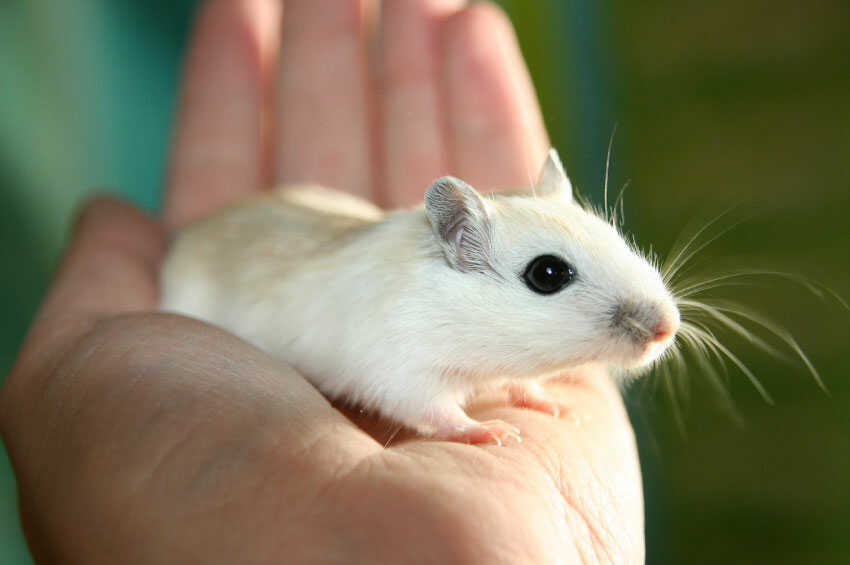
Do hamsters hibernate? Pet hamsters don't truly hibernate, but they can drop into torpor, a deep, cold, hibernation-like state. It usually happens when the room falls below about 41°F (5°C), the days get short, or food runs low. Torpor can last a few hours to a few days, and a long bout can be fatal.

If you've found your hamster cold, limp and barely breathing, you're probably scared and wondering whether it's sleeping, sick or gone. This guide explains when hamsters go into torpor, how long it lasts in captivity, the truth about "eyes open" hibernation, how to warm a hamster safely, and how to stop it from happening.

Is your hamster cold and still right now? Check gently for slow breathing, then warm it slowly in your cupped hands. If it doesn't respond within a short time, feels stiff, or you can't find any breathing, call your veterinarian or a 24/7 emergency animal hospital that sees small pets. PetMD advises getting care right away if a hamster won't wake once warm.

Key takeaways

  • Pet hamsters enter torpor, not true hibernation.
  • Cold below about 41°F (5°C) is the most common trigger, per PetMD.

  • Dwarf hamster torpor often lasts hours; Syrian bouts can last days in very cold conditions.
  • Warm a torpid hamster slowly with body heat, not a hot heat source.
  • Keeping the room at about 65–75°F with plenty of bedding helps prevent it.

Do Hamsters Hibernate? The Short Answer

PetMD explains that pet hamsters don't go into true hibernation. What they can do is enter torpor, a short-term slowdown in which body temperature, heart rate and breathing all drop. Chewy's guide, which quotes two veterinarians, describes hibernation as a longer, multiday version of the same process. Here is how torpor compares with ordinary sleep.

Sign Normal sleep Torpor
Body temperature Warm to the touch Feels cool or cold
Breathing Easy to see Very slow and shallow
Response to touch Wakes quickly Slow or no response at first
Body Relaxed and flexible Limp, not stiff
Usual trigger Daytime rest Cold, short days or lack of food

So, do hamsters hibernate in your home? Not in the wild-animal sense, but torpor is close enough that it needs to be taken seriously.

When Do Hamsters Hibernate? Common Triggers

When do hamsters hibernate, or more accurately, go into torpor? PetMD names temperatures below 41°F as the most common cause, and the Merck Veterinary Manual gives the same 41°F (5°C) threshold for hibernation. Other triggers include:

  • Short days: Fewer hours of light can push a hamster toward a winter state.
  • Lack of food or water: An empty bowl or bottle on a cold night raises the risk.
  • Drafts: A cage near a window, door or air-conditioning vent can get much colder than the rest of the room.
  • Cooler rooms: Chewy's guide warns that torpor can happen when temperatures fall below 65°F, so don't rely on the 41°F figure alone.

In much of the US, the risk is highest from late fall through winter, especially in the North or in homes where the heat is turned down at night.

Do hamsters hibernate: a small dwarf hamster sitting in deep wood-shaving bedding next to its wheel
Deep bedding helps a hamster stay warm when the room cools at night. Photo: Pexels.

Syrian vs. Dwarf Hamsters: Who Goes Into Torpor?

Do hamsters hibernate the same way across species? Research suggests not. The two main pet types respond to cold and short days differently.

Syrian (golden) hamsters: Researchers describe them as facultative hibernators, meaning they can hibernate when conditions push them to. In a 2017 lab study, Syrian hamsters moved to 41°F (5°C) in constant darkness reached torpor bouts of about 80 hours, broken up by short arousals. Merck warns that Syrian hamsters don't build up fat stores first and can starve if they don't wake to eat.

Dwarf hamsters: Winter white (Djungarian) dwarf hamsters use shorter, daily torpor. In a 2021 study, hamsters kept on short days showed torpor bouts averaging about 3.6 hours, mostly during the daytime, even in a room at about 68°F (20°C). At the low point of each bout, their body temperature averaged about 79°F (26°C), well below a hamster's normal 98–101°F, according to Merck.

How Long Do Hamsters Hibernate in Captivity?

How long do hamsters hibernate when kept as pets? Usually a few hours to a few days, depending on the species and how cold they are. PetMD notes that wild hamsters typically hibernate for three to four days at a time.

Hamster type Typical torpor length Source and conditions
Dwarf (winter white) About 3.6 hours per bout 2021 study; short days, room about 68°F
Syrian (golden) Leveled off at about 80 hours per bout 2017 lab study; 41°F and constant darkness
Wild hamsters About three to four days PetMD

Lab conditions are harsher than most homes, so pet hamsters may enter shorter or no torpor. Any torpor in a pet is a warning sign to warm the room.

Never wait days to see whether a hamster wakes up on its own. A pet hamster stuck in torpor can't drink or eat, and dehydration can set in; see our guide on how long a hamster can go without water.

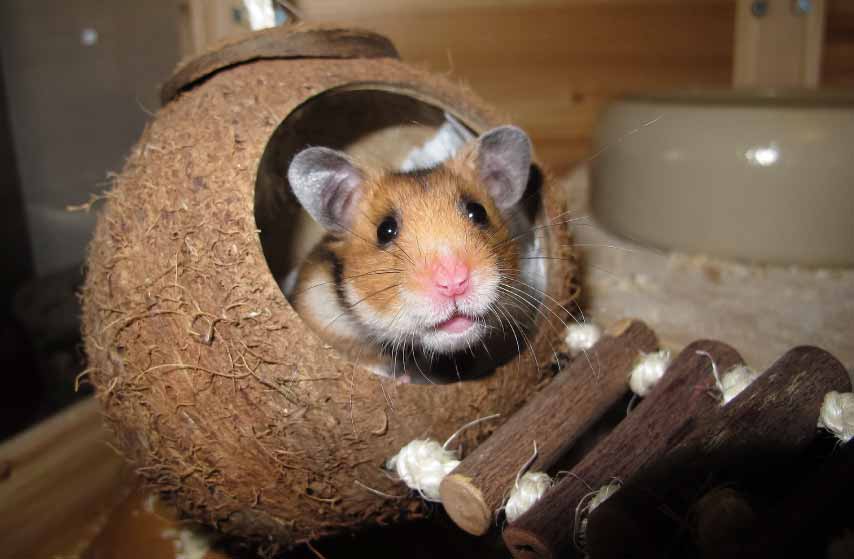
Do hamsters hibernate in captivity: a hamster peeking out from a wooden hideout filled with shredded bedding
A snug hideout with paper bedding gives a hamster a warm place to sleep. Photo: Pexels.

Do Hamsters Hibernate With Their Eyes Open?

This is one of the most common worries, and the honest answer is that we found no veterinary source showing that hamsters go into torpor with their eyes open. A hamster in torpor usually looks deeply asleep, curled up and limp. So, do hamsters hibernate with their eyes open? Most likely not, and open eyes deserve a closer look.

Open eyes can be a bad sign. Chewy's veterinarian-informed guide notes that a hamster that has died usually has a rigid, cold body and eyes left open, sometimes sunken or cloudy. Use this quick check before you decide anything:

Torpor or something worse? Check gently

  1. Watch the chest closely for a full minute for slow rises.
  2. Hold a cool mirror near the nose and look for faint fog.
  3. Stroke the whiskers lightly and watch for a twitch.
  4. Feel the body: limp suggests torpor; stiff suggests something worse.
  5. If you're still unsure, warm the hamster slowly and call a vet.

What to Do If Your Hamster Seems to Be Hibernating

The goal is to bring body temperature up gently. PetMD recommends cupping the hamster in your hands so your body heat warms it, or wrapping it in a slightly warm cloth. It advises against strong external heat sources, which can warm a hamster too fast.

  1. Move the hamster to a warm room, away from drafts.
  2. Hold it in your cupped hands or a soft, slightly warm cloth until it starts to stir.
  3. Talk quietly and stroke it gently while it warms.
  4. Once it moves, offer water and a little of its usual food.
  5. Never put a hamster in water or near a hair dryer, oven or space heater.

Call your vet if the hamster doesn't wake once warm, stays weak, or stops eating. The Merck Veterinary Manual also advises a vet visit for any change in how a hamster looks or behaves.

Do hamsters hibernate and how to warm them: a small gray hamster cupped gently in two hands
Your body heat is a gentle, safe way to warm a cold hamster. Photo: Pexels.

How to Stop Your Hamster From Going Into Torpor

Prevention is far safer than waking a cold hamster. The Merck Veterinary Manual recommends keeping the enclosure at about 64–79°F (18–26°C), and PetMD says most hamsters are comfortable between 65 and 75°F. VCA adds that hamsters don't handle heat well either, so aim for the middle of that range.

What to do Why it helps
Keep the room at about 65–75°F year-round Stays well above torpor triggers
Place the cage away from windows, doors and vents Avoids cold drafts
Use a room thermometer near the cage Shows night-time drops you might miss
Give a deep layer of paper bedding Lets the hamster burrow and stay warm
Keep a steady light schedule in winter Short days can trigger torpor
Check food and water every evening Hunger and thirst raise the risk

A warm, roomy cage may also help with stress behaviors; if your hamster gnaws the wire, our guide to hamster cage-bar biting explains why.

Example scenario (illustrative)

Sofia in Chicago turns her thermostat down to 60°F at night in January. One morning her Syrian hamster, Peanut, is cold and limp, and she wonders, "Do hamsters hibernate, or is he sick?" She sees slow breathing, cups him in her hands for 20 minutes until he stirs, and offers water. That afternoon her vet checks him over, and she moves the cage to an inside wall and adds a thermometer and extra bedding.

Questions to ask your vet after a torpor scare

  1. Is my hamster dehydrated or underweight after the episode?
  2. What room temperature do you recommend for my hamster's species and age?
  3. Could an illness have made my hamster more likely to go into torpor?
  4. What signs should make me bring my hamster back right away?
Do hamsters hibernate: a small gray dwarf hamster resting in an open palm outdoors
Hamsters live about 18 to 24 months, so every healthy month counts. Photo: Pexels.

Hamster Hibernation FAQs

Do hamsters hibernate in winter?

Pet hamsters don't truly hibernate the way wild animals do, but they can slip into torpor if the room gets cold or the days get short. PetMD names temperatures under 41°F as the most common trigger, so a cold room in winter raises the risk.

What temperature makes a hamster hibernate?

PetMD and the Merck Veterinary Manual both point to temperatures below about 41°F (5°C). Some vets advise keeping the room above 65°F, and Merck suggests an enclosure range of about 64–79°F (18–26°C).

How long can a hamster stay in torpor?

Usually a few hours to a few days. Dwarf hamsters in one study had torpor bouts of about 3.6 hours, while Syrian hamsters kept cold and dark in a lab reached bouts of about 80 hours. Long torpor is dangerous because a hamster can starve or dehydrate.

Do hamsters hibernate with their eyes open?

We found no veterinary source showing that hamsters go into torpor with their eyes open. A torpid hamster looks deeply asleep. A hamster that is cold, stiff and has open, sunken or cloudy eyes may have died, so contact a vet if you are unsure.

How can I tell if my hamster is hibernating or dead?

Look for slow breathing, gently touch the whiskers for a twitch, and feel for a heartbeat. A hamster in torpor is limp and still breathing slowly. A hamster that is stiff, cold and unresponsive after gentle warming needs a vet right away.

How do I wake up a hibernating hamster?

Warm it slowly. PetMD suggests cupping the hamster in your hands or wrapping it in a slightly warm cloth, and avoiding strong heat sources that warm it too fast. Offer water and food once it is awake, and call a vet if it doesn't respond.

Can a hamster die from hibernating?

Yes. Merck notes that Syrian hamsters don't store fat before hibernating and can starve if they don't wake to eat. PetMD also warns that prolonged torpor can be fatal, which is why prevention matters.

Final Verdict: Do Hamsters Hibernate?

Do hamsters hibernate? Not truly, but pet hamsters can fall into torpor when it gets colder than about 41°F, the days shorten, or food runs out. Dwarf hamsters may go torpid for hours and Syrians for days. Warm a cold hamster slowly with body heat, call a vet if it doesn't wake, and keep its room at about 65–75°F to prevent it.

Your next steps

  1. Put a thermometer next to your hamster's cage tonight.
  2. Read more care guides in our hamsters section.
  3. Learn how your pet sees the world in our guide to what colors hamsters can see.

Share your hamster's cozy winter setup with our Facebook community.

About the author — Written and reviewed by the Pets Store Home Editorial Team: pet owners and animal lovers who check every guide against trusted US veterinary and animal-welfare sources. This article is general information, not a substitute for professional veterinary advice. Always talk to your veterinarian about your own pet's health.

How we checked this guide: Torpor triggers, warming advice and room temperatures come from PetMD (written by a veterinary technician and reviewed by a veterinarian) and the Merck Veterinary Manual; signs of torpor versus death from Chewy's guide, which quotes two veterinarians; hamster lifespan and heat tolerance from VCA Animal Hospitals; and torpor length from peer-reviewed studies of Syrian (2017) and Djungarian dwarf hamsters (2021). We review this article every 12 months, or sooner if guidance changes.

Last reviewed: October 2026.

Sources

Can Bearded Dragons Eat Tomatoes-Bananas-Strawberries-Apples? Top 7 List

Can Bearded Dragons Eat Tomatoes-Bananas-Strawberries-Apples? Top 7 List

Can Bearded Dragons Eat Tomatoes and Apples? Safe Amounts and Prep

Can bearded dragons eat tomatoes? Yes, but only as a rare treat. Ripe, raw tomato flesh is not toxic, but it is acidic and has more phosphorus than calcium. A vet-reviewed guide suggests a small diced slice about once a month for healthy adults. Apples are fine about once a week, peeled and seeded.

Bearded dragons love sweet, juicy food, and it is tempting to share your salad or lunchbox. This guide answers can bearded dragons eat tomatoes and can bearded dragons eat apples using veterinary sources, with nutrition data, safe amounts, preparation steps, where each fits in a healthy bearded dragon diet, and the parts of each plant you should never feed.

Key takeaways

  • Ripe tomato flesh is safe in tiny amounts; leaves, stems, vines and green tomatoes are not.
  • Tomatoes have about 10 mg calcium and 24 mg phosphorus per 100 g, a poor ratio for beardies.
  • Apples are safe about once a week if peeled, cored and seeded.
  • VCA vets say fruit should be only 10% to 20% of the plant part of the diet.
  • Too much fruit can cause diarrhea and crowd out calcium-rich greens.
  • Juveniles need more insects and calcium, so keep fruit even rarer for them.

Can Bearded Dragons Eat Tomatoes?

Yes, in very small amounts. The Vet Desk, in a guide reviewed by veterinarian Dr. Luqman Javed, DVM, says ripe, raw tomatoes are not considered toxic and that a small serving about once a month is acceptable for healthy adult beardies. It also calls tomato a nutritionally weak choice.

VCA Animal Hospitals lists tomato among the fruits bearded dragons can eat, alongside apples, berries and melon. VCA treats all fruit as an occasional extra rather than a staple. So if you are asking can bearded dragons eat tomatoes every week, the answer from these sources is no; monthly is the safer rhythm.

Tomato nutrition for bearded dragons

The table below shows why bearded dragon tomatoes should stay a rare treat: the fruit is mostly water and has more than twice as much phosphorus as calcium.

Per 100 g raw red tomato Amount Why it matters
Calcium 10 mg Low for a reptile that needs plenty
Phosphorus 24 mg More phosphorus than calcium
Calcium to phosphorus About 0.4:1 Target for adults is about 1.5:1 to 2:1
Water About 94.5 g Too much can loosen stools
Sugars About 2.6 g Lower than most fruit
Oxalates About 26 mg Oxalates can bind calcium

Calcium, phosphorus, water, sugar and oxalate figures from TheBeardedDragon.org; calcium and phosphorus match The Vet Desk. The 1.5:1 to 2:1 adult target is from The Vet Desk.

Why tomatoes should stay a rare treat

The Merck Veterinary Manual lists a low dietary calcium-to-phosphorus ratio, low vitamin D3, poor UVB lighting and inadequate heat as causes of metabolic bone disease in reptiles. A phosphorus-heavy food like tomato does not cause this alone, but feeding it often works against a healthy balance.

Tomatoes also contain about 26 mg of oxalates per 100 g, which can bind some calcium. The Vet Desk also notes that too much fruit at once can cause diarrhea because of its high water content. That is why the honest answer to can bearded dragons eat tomatoes is “yes, but rarely.”

Never feed tomato leaves, stems or green tomatoes

Tomatoes belong to the nightshade family. The Vet Desk says stems, leaves, vines, flowers and unripe tomatoes contain glycoalkaloids, solanine and tomatine, and should be avoided. The ASPCA lists the tomato plant as toxic to dogs, cats and horses because of solanine, while noting that ripe fruit is non-toxic. Do not let your dragon roam near garden tomato plants. When people ask can bearded dragons eat tomatoes, this plant-part risk is the detail most often missed.

Bearded dragon near fresh food, illustrating can bearded dragons eat tomatoes safely
Ripe tomato flesh is a rare treat; the green parts of the plant are off-limits.

Can Bearded Dragons Eat Apples?

Yes. The Vet Desk, reviewed by Dr. Luqman Javed, DVM, says bearded dragons can eat ripe, raw apples but not the seeds, and recommends serving apple only about once a week. Apples carry more sugar than tomatoes but have a slightly less lopsided mineral balance, about 0.6:1 for Fuji versus 0.4:1 for tomato, which may help explain the weekly rather than monthly advice. In short, can bearded dragons eat apples more often than tomatoes? Yes, but still only as a small weekly extra.

Apple nutrition for bearded dragons

Per 100 g raw, with skin Fuji Gala Granny Smith
Calcium 6 mg 7 mg 5 mg
Phosphorus 10 mg 8 mg 10 mg
Carbohydrates 15.6 g 14.8 g 14.1 g
Fiber 2.1 g 2.1 g 2.5 g
Water 83.6 g 84.6 g 85.1 g

Source: The Vet Desk, using USDA data. All three varieties have more phosphorus than calcium, so bearded dragon apples should be a small extra, not a calcium source.

Benefits and risks of apples

  • Hydration and fiber: Apples are mostly water and contain some fiber.
  • Sugar: The Vet Desk warns that large amounts can cause diarrhea, and high sugar may contribute to weight gain and possibly dental disease.
  • Seeds: They pose an impaction risk and contain amygdalin, which releases cyanide in the body.
  • Skin: It is hard to chew, so The Vet Desk advises peeling to reduce impaction risk.
  • Picky eating: Hepper notes beardies may pick out sweet apple and ignore healthier greens.

Which apples are best?

Any ripe variety works. Hepper says all apple types are acceptable, and The Vet Desk’s data show Fuji, Gala and Granny Smith are nutritionally similar. Choose fresh, firm fruit. Skip applesauce, dried apple and apple juice, which are more concentrated in sugar and often have additives. So can bearded dragons eat apples in any form? Fresh, raw and plain is the only form worth offering.

Fresh apple pieces, showing how can bearded dragons eat apples as an occasional treat
Peel, core and dice apple into tiny cubes before serving.

How to Prepare Tomatoes and Apples for Bearded Dragons

Once you know can bearded dragons eat tomatoes and apples, preparation matters most. The Vet Desk suggests cutting pieces to about 1 x 1 cm, roughly the size of a fingertip, and mixing them into a salad of greens.

Preparing tomato

  1. Choose a fully ripe, red tomato with no green patches.
  2. Remove every stem and leaf, then wash it well.
  3. Cut a medium tomato into four slices and remove the seeds, as The Vet Desk suggests.
  4. Dice one slice into 1 cm pieces; peeling is optional.
  5. Mix a few pieces into greens and remove leftovers after the meal.

Preparing apple

  1. Wash the apple to remove dirt and residues.
  2. Peel it, then remove the core and every seed.
  3. Cut into 1 cm cubes, or offer one thin slice by hand.
  4. Mix with greens so your beardie eats both.
  5. Throw away uneaten fruit, which spoils quickly in a warm enclosure.
Food How often (adults) Remove first
Ripe tomato About once a month Stems, leaves, seeds; never green fruit
Apple About once a week Seeds, core and skin
Cherry or grape tomato Same as tomato Quarter it and remove seeds
Tomato sauce, ketchup, applesauce Avoid Often contain salt, sugar or seasonings

Frequencies from The Vet Desk (reviewed by Dr. Luqman Javed, DVM). TheBeardedDragon.org also suggests tomato no more than once a month. And can bearded dragons eat tomatoes from a can or jar? No; offer fresh fruit only.

Dust the salad, not just the insects

VCA recommends lightly dusting food with a phosphorus-free calcium powder daily and a calcium powder with vitamin D3 two to three times a week, sprinkled on a small portion of moist food offered first. VCA also warns that over-supplementing is a common problem, so confirm the plan with your vet. For more on choosing pet foods and supplements, browse our Pet Food Center.

Diced ripe tomato prepared for a bearded dragon salad, with stems and leaves removed
Dice tomato or apple into fingertip-sized pieces and mix them into greens.

Can baby bearded dragons eat tomatoes or apples?

VCA says young bearded dragons are mainly insect eaters, becoming more plant-based as adults. The Vet Desk gives a calcium-to-phosphorus target of about 2:1 for juveniles. Because growing dragons need so much calcium, it is sensible to skip tomatoes for babies and offer apple only rarely. Ask your reptile vet before adding fruit to a juvenile’s diet. Whether you are wondering can bearded dragons eat tomatoes or apples as babies, the cautious answer is “not yet, or only a taste.”

Where Tomatoes and Apples Fit in a Bearded Dragon Diet

VCA describes the adult diet as roughly half plant matter and half insects. Of the plant part, 80% to 90% should be leafy greens and only 10% to 20% fruit. VCA recommends greens such as collard greens, dandelion greens, mustard greens and turnip greens, plus calcium-dusted insects. Good bearded dragon care puts greens first. For more, visit our bearded dragons section.

Other fruit VCA lists it? Tip
Banana Yes (with skin) Sweet; keep it a small treat
Strawberry Yes Remove the leafy top
Melon Yes High water; small pieces
Mango, kiwi, pear Yes Peel and remove pits or seeds

Source: VCA Animal Hospitals fruit list. Our guide to whether bearded dragons can eat spinach and watermelon covers two more popular foods.

Can bearded dragons eat bananas or strawberries?

Yes, both appear on VCA’s fruit list, banana with its skin. Treat them like apple: a few small pieces mixed into greens, counted within the 10% to 20% fruit share of a balanced bearded dragon diet, and never as a daily food.

Pet Care Tip: Offer fruit after your beardie has eaten its greens, or mix tiny pieces right into the salad. That way sweet fruit encourages eating greens instead of replacing them.

When to call a vet right away: Contact a reptile vet if your bearded dragon eats tomato leaves or stems, has diarrhea for more than a day, stops eating, or shows twitching, weakness, a soft or swollen jaw or trouble walking, which Merck lists among signs of metabolic bone disease. After hours, a 24/7 emergency animal hospital can advise or refer you.

7 questions to ask before feeding fruit

  1. Is this fruit fully ripe?
  2. Have I removed stems, leaves, seeds and skin where needed?
  3. Are the pieces smaller than the space between my dragon’s eyes?
  4. When did my beardie last have fruit?
  5. Have greens made up most of today’s plant food?
  6. Is my dragon an adult, or still a juvenile?
  7. Are UVB lighting and calcium dusting in place?

Example Scenario (illustrative)

Marcus in Phoenix used to give his adult beardie, Sunny, apple slices most days. Sunny began skipping greens and had loose stools. Marcus cut apple to one small diced serving a week mixed into collard and dandelion greens, kept tomato to once a month, and Sunny’s appetite for greens returned.

Myth Fact
“Tomatoes are toxic to bearded dragons.” Ripe flesh is not toxic; the leaves, stems and green fruit are the danger.
“Fruit is healthy, so more is better.” VCA limits fruit to 10% to 20% of plant food.
“Apple seeds are harmless.” They contain amygdalin and pose an impaction risk.
“Sugar causes metabolic bone disease.” Merck links MBD to calcium, phosphorus, vitamin D3, UVB and heat.

What most owners get wrong

Asking can bearded dragons eat tomatoes is a good start, but many owners stop there. They offer fruit because their beardie gobbles it up, then struggle when the dragon refuses greens. Bearded dragons are drawn to sweet food. Keep fruit tiny, rare and mixed into greens, and watch your dragon’s stress and appetite; our guide to signs a bearded dragon is stressed can help any bearded dragon pet owner.

Can Bearded Dragons Eat Tomatoes? FAQs

How often can bearded dragons eat tomatoes?

About once a month for healthy adults, as one small diced slice mixed into greens.

Can bearded dragons eat cherry tomatoes?

Yes, ripe cherry tomatoes follow the same rules: quarter them, remove seeds and stems, and feed rarely.

Can bearded dragons eat tomato leaves?

No. Leaves, stems, vines and green tomatoes contain solanine and tomatine.

How often can bearded dragons eat apples?

About once a week, peeled, cored, seeded and cut into small cubes.

Can bearded dragons eat apple skin?

It is best to peel apples, since the skin is hard to chew and adds impaction risk.

Can baby bearded dragons eat apples?

Only rarely and in tiny amounts. Juveniles need mostly insects and plenty of calcium, so ask your vet first.

What fruit can bearded dragons eat every day?

None. VCA treats all fruit as an occasional treat, limited to 10% to 20% of plant food.

Final Verdict: Can Bearded Dragons Eat Tomatoes and Apples?

Yes, both are safe in small amounts. Offer ripe tomato flesh about once a month and never the leaves, stems or green fruit. Offer peeled, seeded apple about once a week. Keep fruit to 10% to 20% of plant food, with leafy greens, insects, calcium and UVB doing the heavy lifting.

Your next steps

  1. Mark fruit days on a calendar so treats stay rare.
  2. Build daily salads around collard, dandelion, mustard or turnip greens.
  3. Book a yearly checkup with a reptile vet.

Share your beardie’s favorite salad with us on the Pets Store Home Facebook page, and explore our bearded dragon guides, easy small exotic pets and Other Pets section.

About the author: Written and reviewed by the Pets Store Home Editorial Team, pet owners who check every guide against trusted sources.

How we checked this guide: Diet proportions and fruit lists come from VCA Animal Hospitals (Drs. Rich, Hess and Axelson). Serving frequency and preparation come from The Vet Desk, reviewed by Dr. Luqman Javed, DVM. Metabolic bone disease facts come from the Merck Veterinary Manual, and plant toxicity from the ASPCA.

Tomato nutrition comes from TheBeardedDragon.org, and apple nutrition from USDA data reported by The Vet Desk. Sources differ on exact frequencies, so we use the most cautious. This guide was fully rewritten in October 2026, and we review it every 12 months.

Last reviewed: October 2026.

22 Low Maintenance pets That like to Cuddle for Apartments | Best Easy for Kids and Elderly

22 Low Maintenance pets That like to Cuddle for Apartments | Best Easy for Kids and Elderly

Quick Answer: Low-maintenance, cuddly pets well-suited to apartment living include guinea pigs, rabbits, cats, small dog breeds, and rats, all of which need relatively little space while still offering genuine affection and interaction.

Key Takeaways

  • Guinea pigs and rabbits are affectionate and don’t need outdoor space.
  • Cats are naturally suited to apartment life and bond closely with owners.
  • Small dog breeds can thrive in apartments with regular walks and enrichment.
  • Rats are surprisingly social and cuddly for their small size and low space needs.
  • Always check apartment pet policies and size or breed restrictions before choosing a pet.

Why Trust This Guide?

This guide is researched and written by the Pets Store Home editorial team, drawing on general veterinary and animal-care information. It’s intended as general information; consult your vet for advice specific to your pet.

Low Maintenance pets That like to Cuddle!

Low maintenance pets that like to cuddle: A pet offers you passion and keeps you a lot more flexible in your life especially the low maintenance pets for apartments. Your hectic life can be comfy. You can have a good time by spending time invested with animals, having fun with animals. Your dull life needs to loosen up. If you are a retired person there suffices time for you yet you cannot pass the time as well as really feel fed up. You seriously require a pet, especially the low-maintenance pets for apartments. When you feed them, clean them, and also have fun with them, when your time has actually gone you cannot picture. Everybody understands the importance of pet dogs. Yet there is trouble in some cases we dealt with shifting or bringing the pets

 Especially for keeping pets in our homes and low-maintenance pets for apartments. A few of the homes did not permit family pets or required added fees to maintain animals. Sometimes there are not sufficient spaces in our apartments or condos. Sometimes we terribly suffered from the upkeep of animals. According to our income, we have to incest. So large expenses on pet dogs obstructed us financially. we need Low maintenance pets for apartments and the elderly. Perhaps it economically might be easy to wash. Very easy to lug. Easy and low-cost for his food arrangement as well as low maintenance pets for apartments.

Cute Pets

Taking decisions about low-maintenance pets that like to cuddle!

 The major is that the pet is comfortable in your house. That does not mean you aren’t certified to bring a pet right into your residence. You simply need to find the best one. Some pet dogs need much less care and attention. Lots are less expensive for the proprietor than several high-maintenance choices.

So if you’re trying to find something for your children. For your working moms’ and dads’ source of income, or for the limitations of your apartment. These are low maintenance animals that need to consider in your house.

When you live in an apartment or change to a brand-new apartment. Maintaining family pets can be harder. So you need low maintenance pets for apartments. For many homes, there are some regulations that stop you from keeping certain pets or all animals. And also since you’re probably busy all the time, you can’t invest much time with your family pet.

This is a trouble due to the fact that:

  1. Most common pet dogs need friendship
  2. Most common pet dogs need friendship and are also frustrated. Without friendship as low maintenance pets for apartments.
  3. Family pets can damage your house while you are away.
  4. Some pet dogs require a strict feeding timetable.
  5. Pet dogs need to stroll or exercise.
  6. Some animals go to the commode and also make noise in their room, bed, or space
  7. Other than that, family pets require to be tiny for small apartments. Otherwise, there will be no place for your personal effects, furniture, and so on.

Nonetheless, if you still want a partner, you have a number of options. The maintenance of these family pets is low. Which indicates you don’t need to feed them a number of times a day. Or clean their hands. Or walk them. They will not make your house have an odor or require even more of your time.

Here is a checklist of the very best animals with reduced maintenance. Also helpful for low maintenance pets for apartments. There is a description of each pet dog and also its finest. And worst qualities and also an estimate of just how much treatment every person requires.

The Best low maintenance pets that like to cuddle for apartments

Fish


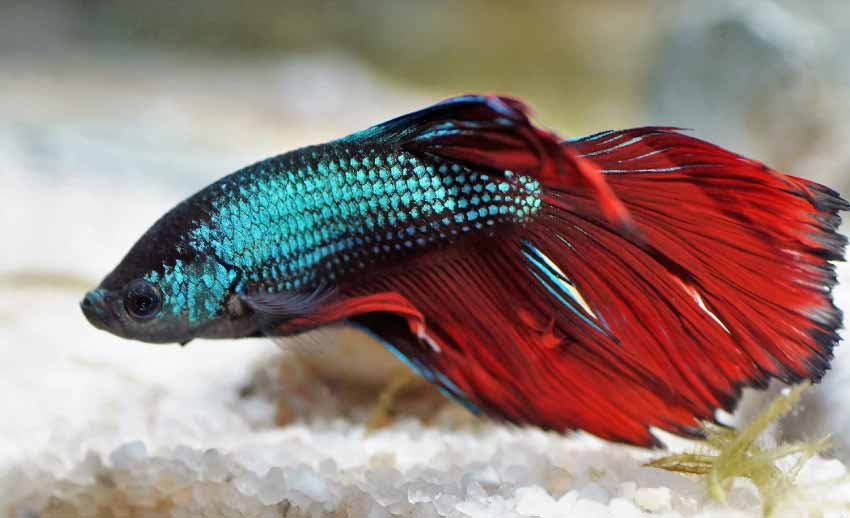
1. Betta fish

William Furnadoue, a creator of Modestfish, said. Fish are usually seen as low-maintenance animals. Till people realize daily just how much work needs to be done between them. Nonetheless, this is normal. Because people always pick the wrong sort of fish as well as not comprehend fish. If you’re trying to find low-maintenance fish, go for beta or discover such a selection. It is a low-maintenance pet for apartments.

The beta fish is spectacular and also actually challenging. You can get terrific low-maintenance pets for apartment arrangements. Claimed by Farandole. He recommended acquiring a five-gallon aquarium set. To quickly make a resource like a home for him which is an ideal dimension for betta fish. Once your storage tanks are prepared by said system. Merely release the beta and take a rest. You just need to feed them daily or you can obtain an automatic fish feeder. Replace a minimum of fifteen percent of the water each week routinely as a practice. There is no headache to preserve beta fish. So it will be an idle family pet for you and you can hang around with this.


Betta Fish

Also about Betta fish

You do not need to get a big storage tank for your betta fish. A fish will just need a three-gallon storage tank on its own. Which is little, so it won’t take up too much room. Yet if you want a low-maintenance betta fish, a larger container is better. Due to the fact that the water stays tidy for longer. Which is best for the low-maintenance pets in apartments.

Due to the fact that these are exotic fish ranges as well. They need warm water for their life. But once the heating system is set up to stay at your right temperature. You do not have to change it routinely. I think it is good to tip for the low-maintenance pets for apartments.

You don’t have to worry regularly about your pet dog. The pH of your pet’s container water needs to be relatively like water: not too acidic or base. You can keep it at the right degree as your fulfillment with a filter. This system will certainly keep your water nice and clean as well as safe. You still need to clean the container sometimes. However, it’s not too difficult and there are low-maintenance pets for apartments.

For feeding, a mixture of wireless basic exotic fish meal. And something of greater protein high quality needs. After taking out your blend, you can periodically sprinkle some food in your pet dog’s tank. That’s what it takes.

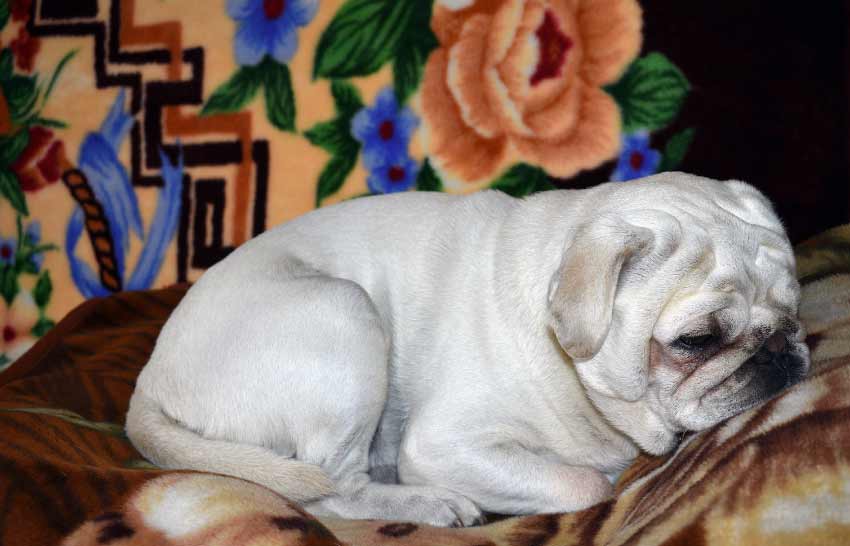
Pugs Dog

2. Pugs Dog

Let’s face it. Canines, as well as pet cats, are never fewer than upkeep animals. They must have a lot of love and also a tourist attraction, focus. And affection also they need massive food, big time to clean them, and large spend to make a home for them. But, if you wish to bring a valuable pooch. To your family members, consider a much less maintenance range. Beloved Instagram owner Pug Today JP states that pugs are one of the simplest types of pet dogs as well as pet cats.

We never ever took her into dog care. There’s no rule to cutting her hair. JP also stated the truth is we walk him about 30 minutes a day on a regular basis. And play fetches or tug of war for about 10 to 15 minutes which’s enough to keep him in shape. This along with the little dimension of the pug makes it one of the least kept dog types. Pugs are not demandable and also very easy to upkeep and simple to carry. So it is a low-maintenance pet for apartments. Compared with pet dogs and cats it is extra comfy.

Pugs Dog

More About Pugs Dog

The test subject requires a pen to run around. Although they are smaller than several other pets, they are big for rats as well as need a lot of space to roam. A specific test subject ought to have a pen of 7.5 square feet.

This does not say that it needs to be 7 feet long. Though: as an example, 3 feet by 3 feet would certainly be nine feet square. This is a great place to keep apartments in the house. So if you do not have way too much space, various pet dogs might be right for you.

Like all caged pet dogs, guinea pigs have particular needs that must be satisfied. They require basic beds, which need to be changed once in a while. These need to be kept at a temperate temperature level. They need water similar to any other pet. These requirements are simple to satisfy.

 You can put 2 guinea pigs together. They will maintain each other’s company, and your pet dog will certainly not need to handle it usually. So, on the whole, test subjects are great, however, they even more, need space than various other animals. So you need the best low-maintenance pets for apartments.

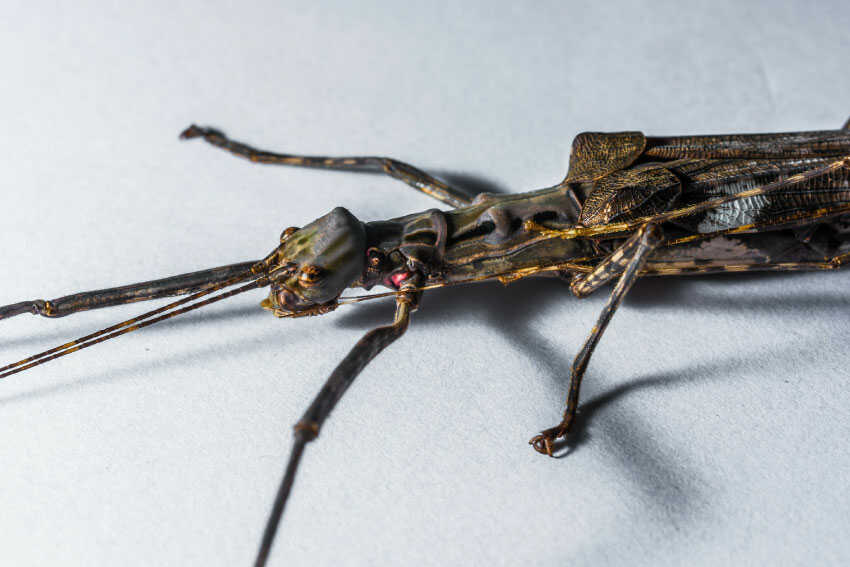
Stick insects

3. Stick insects

Animals are not restricted to animals or fish. Elliott Blacker is a conservatory garden worker and also the creator of Evoque. He recommends from his own experience stick pests, likewise referred to as stick pests, as the perfect low-maintenance pet dog. Their little, dal-like shape makes it very easy to nest in small areas like their “small glass containers” or “cages concerning 12 inches long” as well as their consuming routines are additionally not extreme. Blacker states they can survive on a “diet regimen of blackberries, oak, increased, and ivy”.

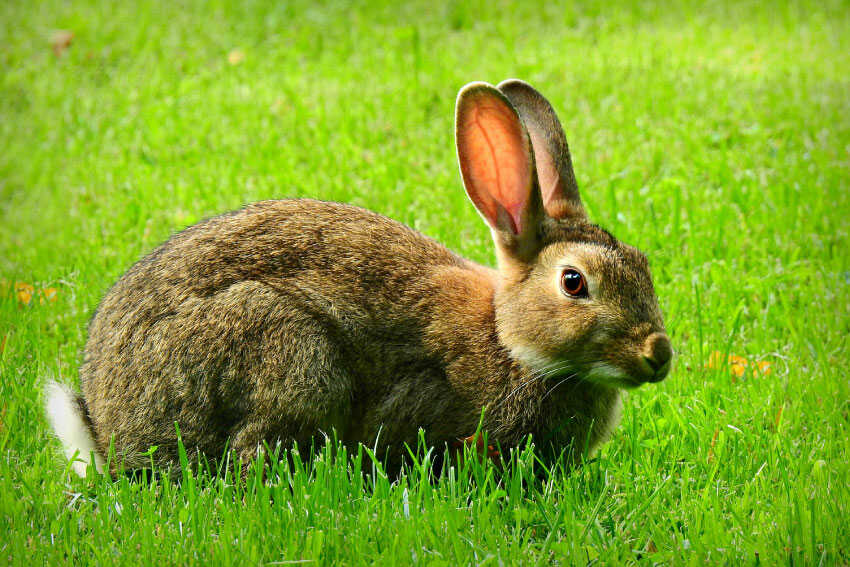
Rabbits

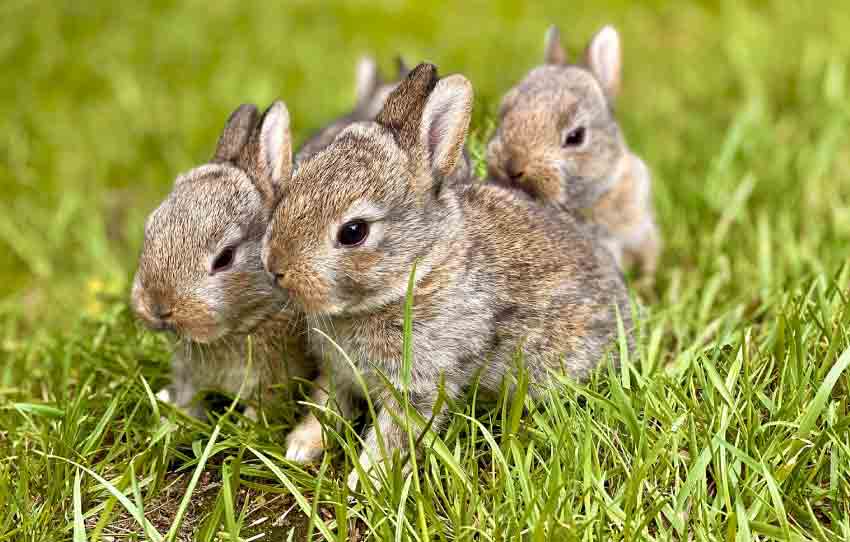
4. Rabbits

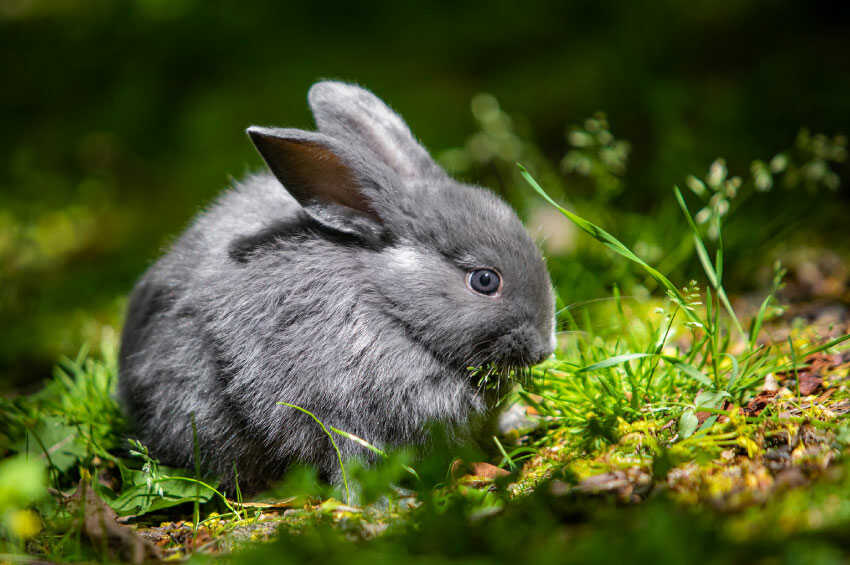
If you desire a charming, cuddly pet dog, yet aren’t all set to devote to a pup, consider a rabbit rather. Despite being a specialist in feline as well as pet dog health, Huma Dicovas, the creator of Animal Client, advises rabbits as pet dog owners.

 I got a dwarf bunny to repeatedly request my children to keep an animal as he says. He likewise states I should state that I am fairly satisfied with the bunny. He lives openly in the level and also reaches his cage to consume alcohol. To relieve him or to rest such low maintenance pets for apartments. The vet spends less, as well as he often consumes straw and stale bread with carrots or an apple. However, at the same time, he is quite funny, curious, and also very interested when something brand-new takes place at our home on a regular basis.

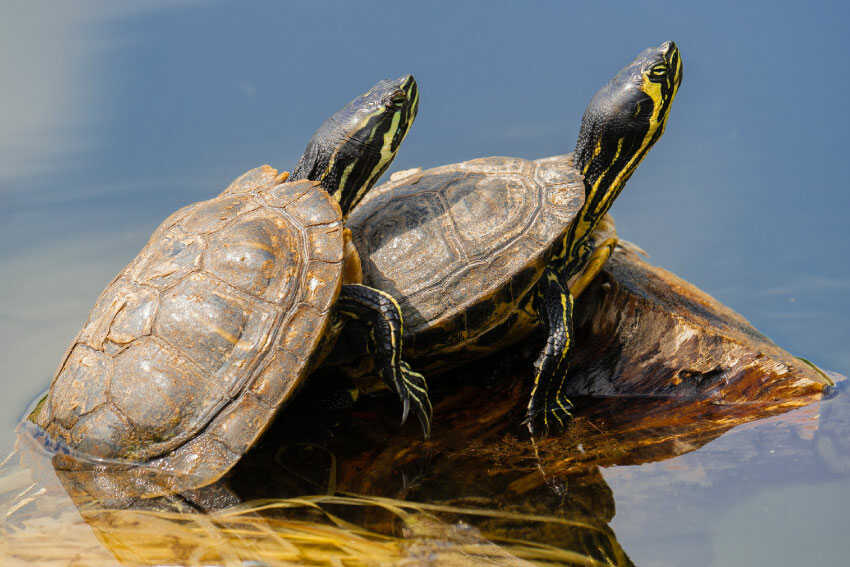
Turtles

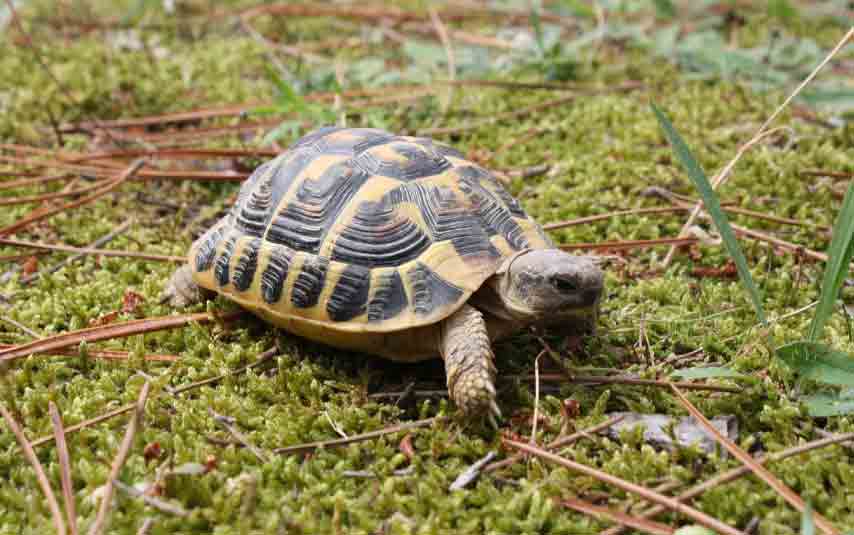
5. Turtles

According to Pet MD, there are plenty of turtles that can be thought about for an animal – about 270 are precise. Take into consideration a little tortoise that grows to a maximum of not greater than twelve inches. Such as painted tortoise-like low-maintenance pets for apartments. If you are trying to find the kind that you can keep in a regular-sized terrarium.

 In terms of food, turtles are simple, due to the fact that they “do not require to be fed every day.” You are required to feed your turtles 4 to five times a week. As well as most turtles generally eat insects, fish, and also dark veggies. The trick to taking good treatment of turtles is to maintain water temperature, keep clean water and feed them frequently. Which does not do much to maintain pet dogs. Yet one point to note is that turtles can make it through for a while. As an example, a repainted turtle can live up to three decades for low-maintenance pets for apartments.

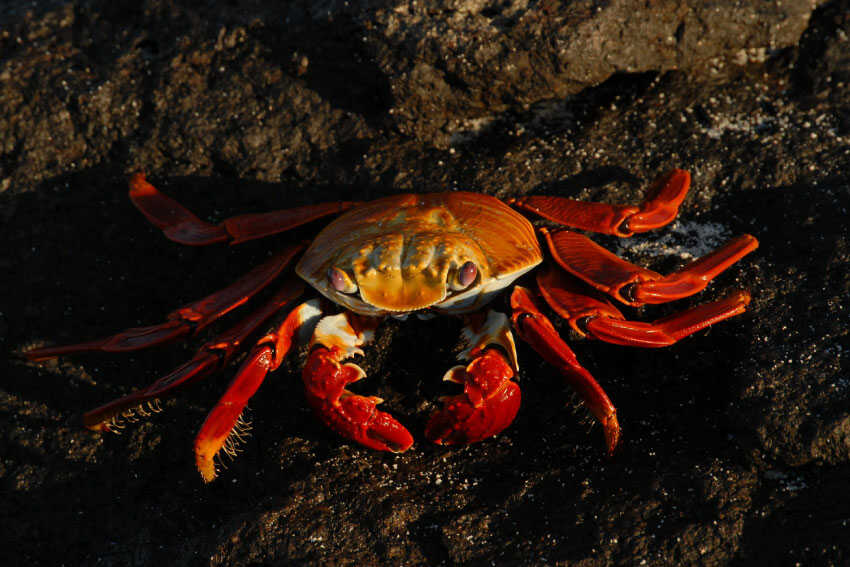
Sea crab

6. Sea crab

If the turtle frightens you in a lifetime. Take a saintly crab. According to Pete Smart. The Hermit crab really only lives one decade and also is only approximately 6 inches long. All you require for the house is a terrarium with at the very least 5 gallons of space outside of straight sunlight. A “two to three-inch washed aquarium pebbles or bed of fine reptile bark.” In addition, their diet regimen consists of little pores or powdered foods.

Ants

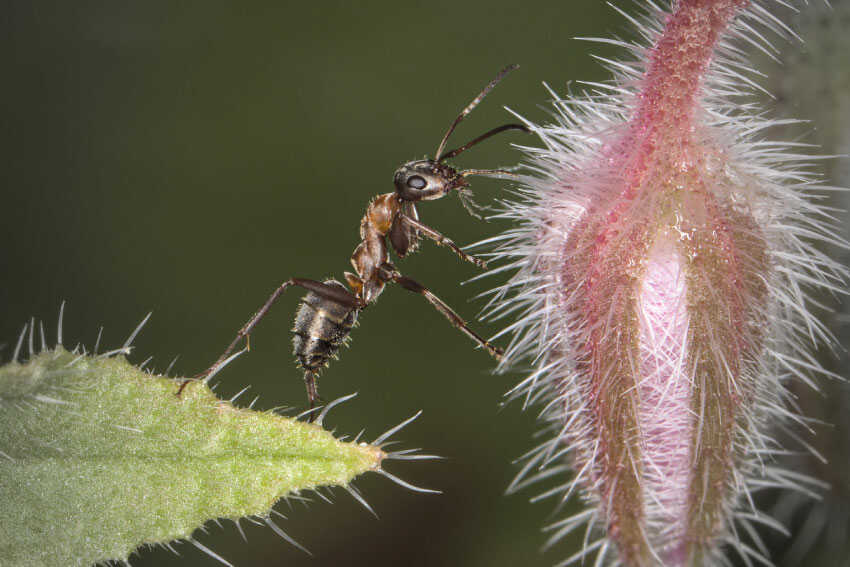
7. Ants

When you’re considering owning a creative, elegant pet dog, ants possibly won’t float in your mind. Nonetheless, keeping ants is great. Fascinating method to make children feel like they are “pet dogs,”. Moms and dads do not believe they require to spend a great deal of time “making sure” of their animals.

With ant farms, ants do a lot of the job. All you need to do is keep the temperature level someplace between 60 and also 70 degrees. Cover the ants in the evening. As well as provide adequate water.  According to Wide Open Animals’ Ally Leos for low maintenance pets for apartments.

Serve with a moist cotton round or a few decreases, and also small items of vegetables and fruit. Additionally, be careful concerning getting rid of the ant farm after the ants have actually made their passage. This can cause autumn, which can kill or wound the ants.

Sea-monkey

8. Sea-monkey

If turtles and herbal crabs aren’t your vibes, take into consideration also less maintenance aquatic animals: sea-monkeys. Darik Prentis is the chief advertising manager in a prominent firm at building monitoring company CLV Team. And he is a substantial advocate of these tank-based pets for low maintenance pets for apartments.

 At first, they require a little function. Due to the fact that they require to be fed when or optimum twice a week. Likewise, for hygienic purposes a simple storage tank clean a month needs to also be a good technique. Children are always captivated by C-monkeys. Making them their excellent pet dog; roughly 2 years, which is also an excellent size. So, in general, these are less costly, less upkeep and readily available Certainly not a large promise”.

Guinea Pigs

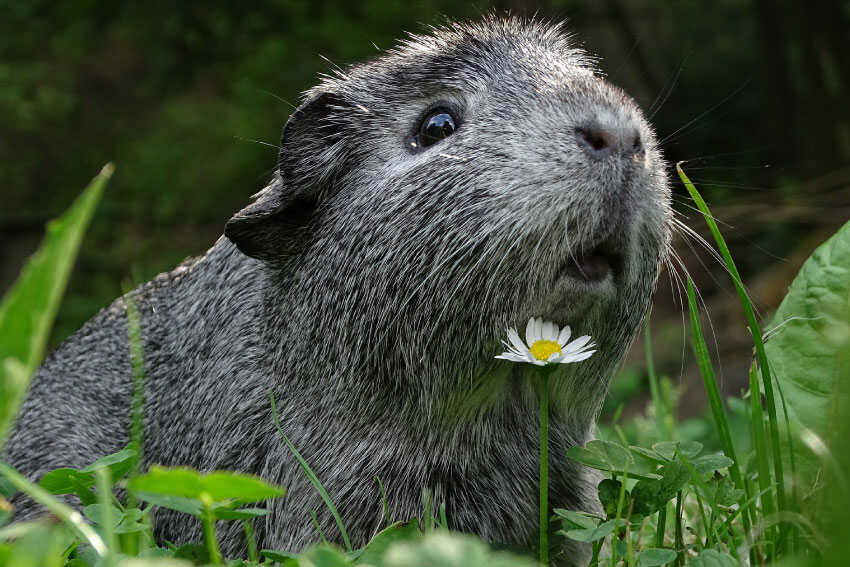
9. Guinea Pigs

You don’t have to decide on a tank-dwelling, marine animal, because you desire a low-maintenance pet. If you still desire something lovely as well as trendy yet can hang on. Get a guinea pig as low-maintenance pets for apartments. These little rats typically live 5 or six years and also require only the basics to make it through: a cage, a bed, food, as well as water. What makes guinea pigs the best low-maintenance pets for apartments is that they are really energetic. And without much requirement from their owners. Your youngsters can enjoy an animal they can have fun with, yet it does not take away too much cash or work with the part of the moms and dads.

butterflies

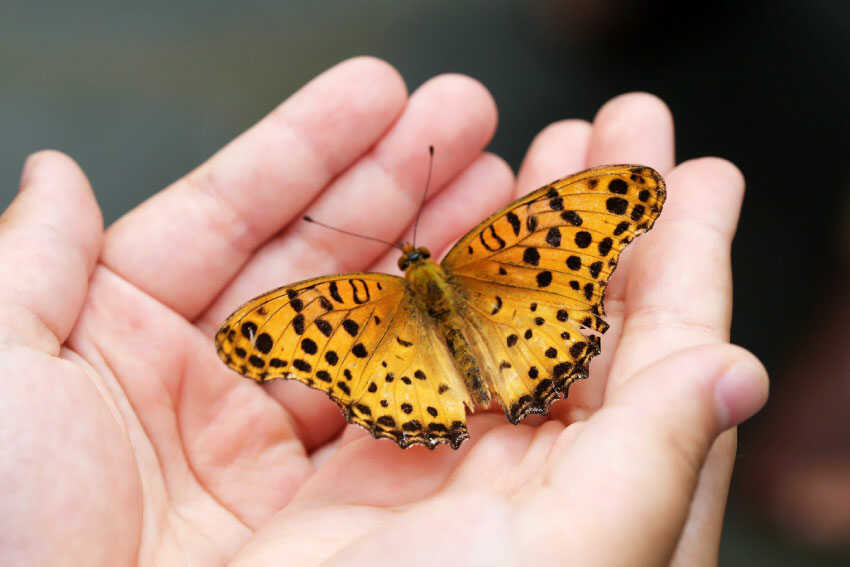
10. Butterflies

Butterflies are a stunning view to see outside, yet they are additionally a great insect inside your home. Children can find out a great deal from their change as they are born as caterpillars as well as have a complete lifetime of only 6 to 8 months – consisting of improvement. Raising them from a caterpillar, you need a typical plant to feed them, as well as adheres to wander around them, specifically at the beginning of their lives. You can make your very own house for them with things around your house or get butterfly sets.

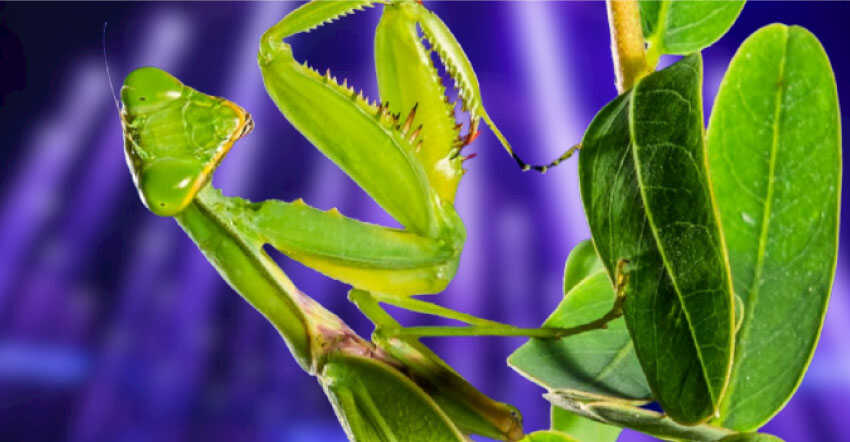
Petition mantises

11. Petition mantises

Similar to a stick pest, if you are seeking a low-maintenance insect, consider a hoping mantis. According to DVM Lian McLeod with The Spruce Pet dogs, their bodies expand from simply an inch to six inches as well as they measure up to a year in captivity. All they need for a residence is a tiny container at least twice as wide and three times as long contrasted to their body framework. And also when it involves food, they consume a selection of foods: fruit flies, small mantids, insects, residence flies, and also periodically cricket or food worms if your mantids are big. However, what is the price of purchasing these bugs? Considering that many petition mantis is brought from the backyard outside the house as well as brought there, there is typically no cost.

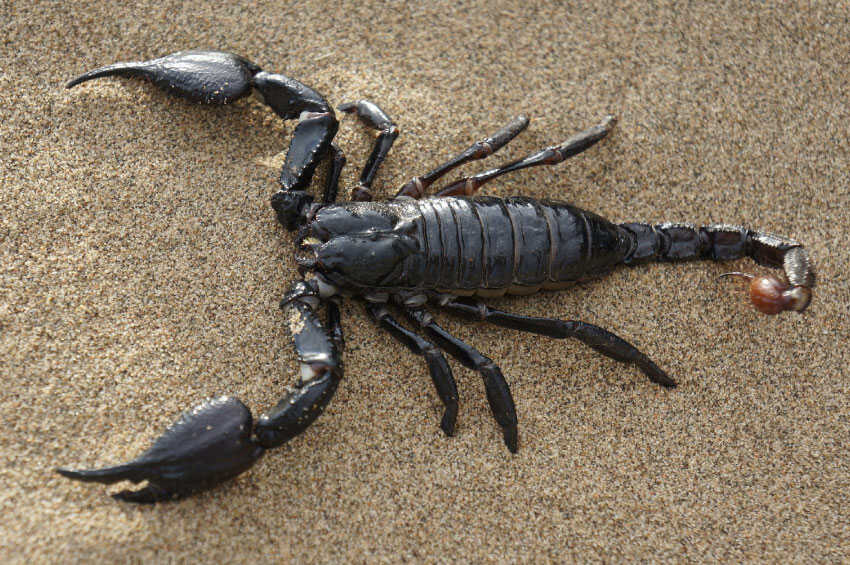
Scorpions

12. Scorpions

If stick insects, as well as prayer mantises, do not satisfy your youngster’s family pet requirements. You can constantly go big (and herb) with a scorpion. According to PETCO professionals. This creeping animal is only 3 to eight inches long and also lives anywhere from 2 to 6 years. With a grown-up scorpion. You will only be fed it every other day. As well as their food includes bugs like cricket, little food worms, and wax worms. The important things you need to keep in mind regarding scorpions are the temperature of their atmosphere. Unlike other pets in their area. They require a cozy container. It might be anywhere from zero degrees Fahrenheit to zero degrees at the chilliest time. Please be guided and follow the low maintenance pets for apartments.

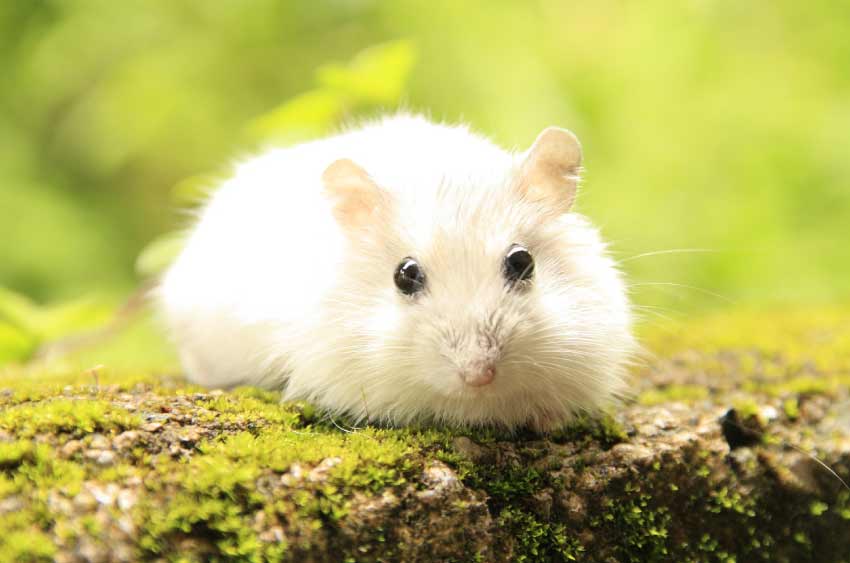
Hamster

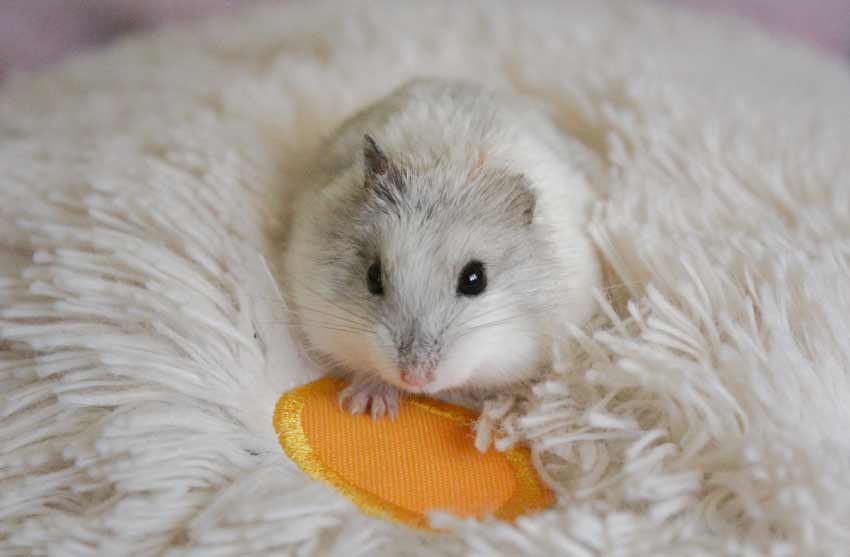
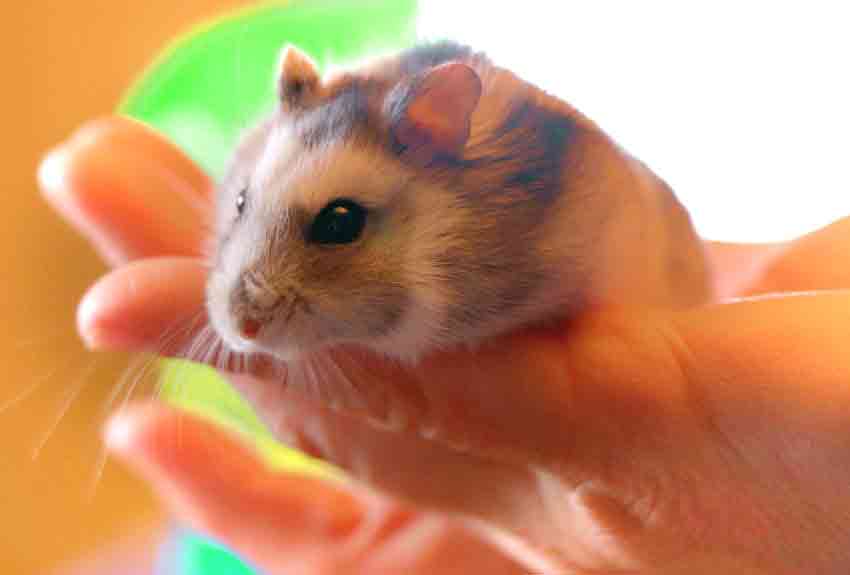
13. Hamsters

A lot of babies have hamsters as childhood pets due to the fact that they do much less maintenance than other animals. For the most part as well very intriguing that hamsters do very well by themselves capability. All they need is a cage, wonderful water (which can be supplied with a beverage bottle alongside the cage), hamster food (in addition to tiny pieces of fruit and vegetables), as well as a hamster wheel for them to play as well as exercise. Once they’re all done, they do not need too much any longer. Youngsters can leave their cages as well as have fun with them gradually, however they enjoy it as long as they have standard demands.

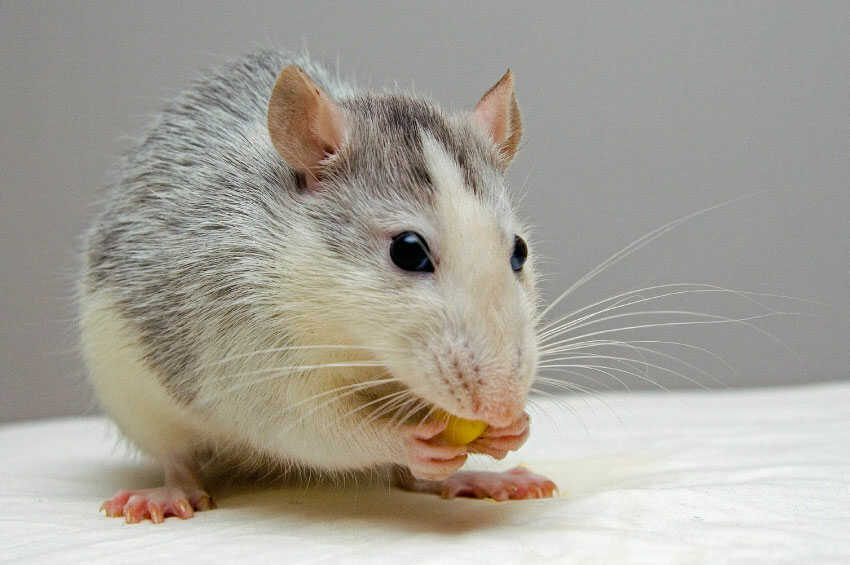
Rats

14. Rats

Hamsters are not just an easy way to look after the rats that you may consider for your home. Although the principle of rats paints a troubling image of drains and also filthy corners, animal rats are nothing more than unclean animals. According to Laurie Hess, DVM, together with VetStreet, they really decorate themselves as well as arrange their meals into cool heaps, making them one of the most attractive animals they have. Norwegian rats are one of the most typical types of animal rat, and also they live just two to three years as well as are 9 to eleven inches long.

Chinchilla

15. Chinchilla

The chinchilla is probably your least kept pet dog. As McLeod composed for The Spruce Animals, these lovable animals don’t truly like to hold on a lot, so if you’re looking for an animal you can hang on to arm’s size but still love, it might be for you. Like many rats, they actually need a big, energetic cage to nest. Nevertheless, they require chinchilla-specific foods, which can be purchased at local pet shops.

Tarantulas

16. Tarantulas

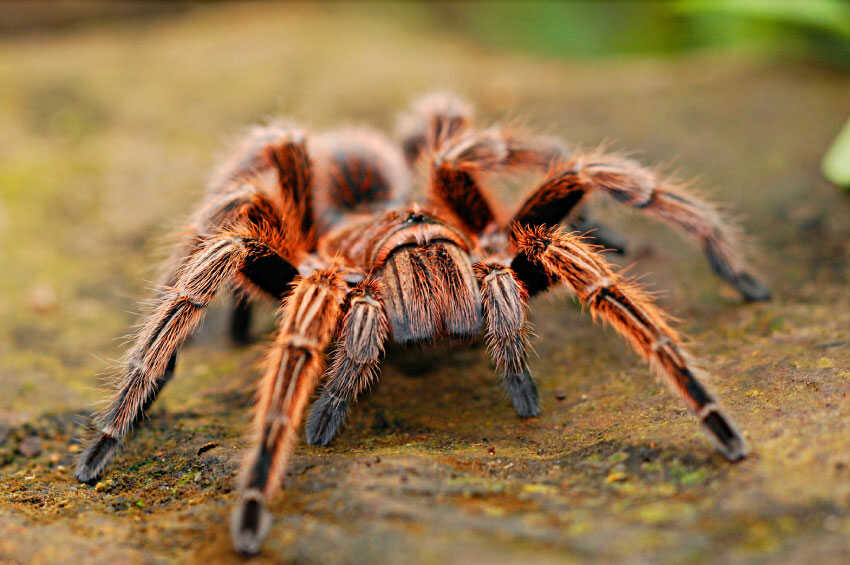
If you’re not keeping spiders as pets, a tarantula can be a terrific addition to your family. According to Pet professionals or specialists, male arachnids are grown from 2 to ten inches. The majority of species live just as much as an optimum of 7 years. Tarantulas only require a suitable terrarium to stroll around, and also they eat online pests such as cricket, food pests, termites, as well as cockroaches. One thing to bear in mind about these animals is that they require to be kept in a dark part of your house away from sunlight.

Cheetah geckos

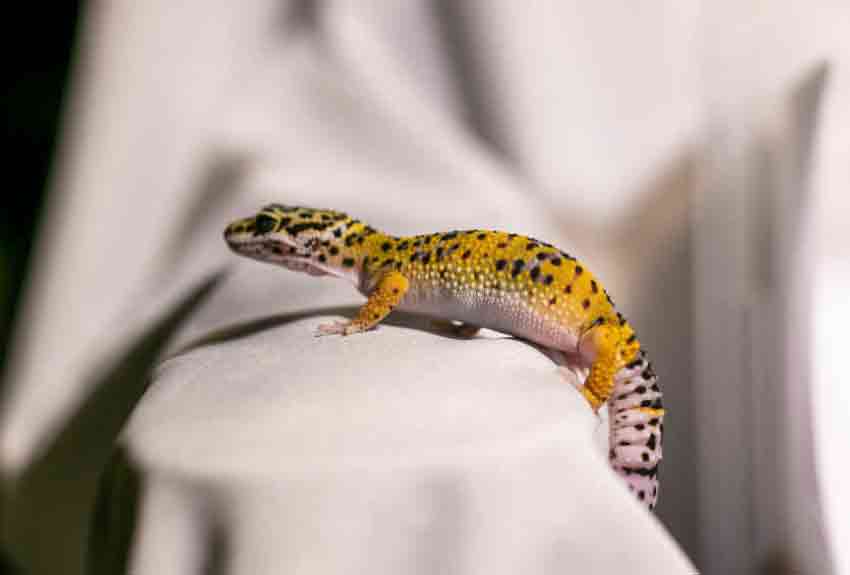
17. Cheetah geckos

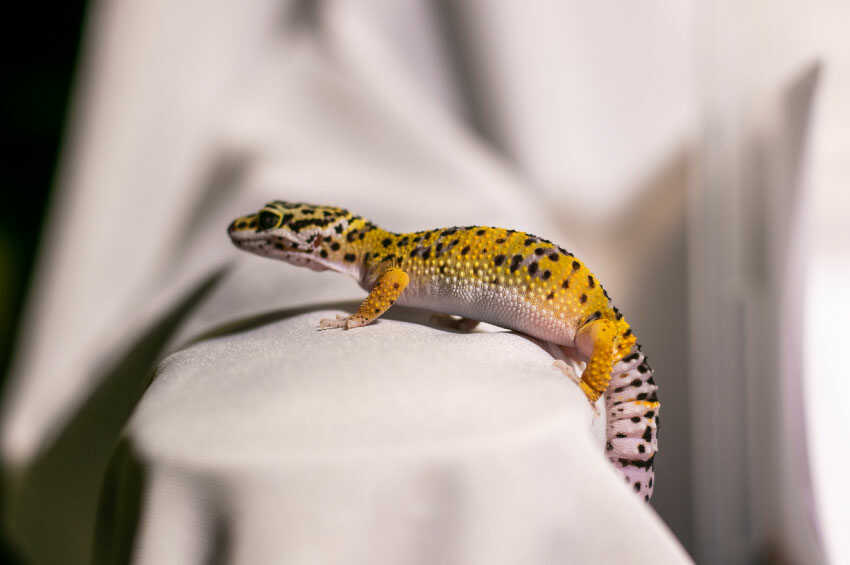
Don’t ignore Gecko! A leopard gecko is an excellent pet for young people residing in any family or apartment or condo. As Daris Robasta the Spruce explained to family pets and also animals, they have a flexible nature as well as it makes them very easy to blend and have fun with. Yet they do not call for much treatment and they are self-motivated. A 15- to 20-gallon container can easily hold two to three leopard geckos, as well as they have a regular diet regimen of cricket, wax worms, as well as food worms. Not only that, these reptiles can meet 20 years or more as animals, so if you don’t wish to bid farewell to your animal quickly, they’re perfect.

Snake

18. Snake

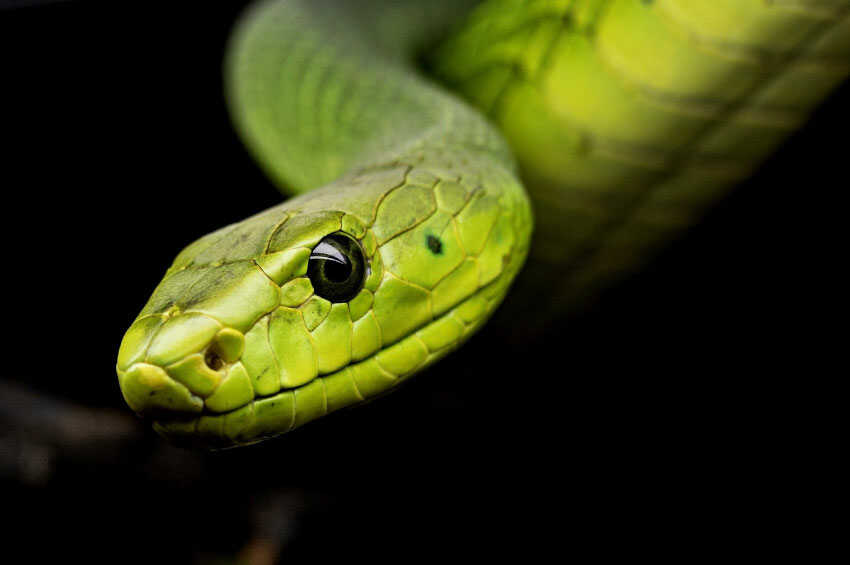
Serpents are not everybody’s favorite, however, they do care quickly for pets. According to John Birata of Reptile Magazine, well-started animal snakes consist of corn serpents, The golden state kingsnakes, rosy boas, gopher serpents, and a ball python. One of the most prominent is most likely the corn serpent since it is a rather modest snake, and they are not so large – two to 5 feet in size. In regards to food, the corn serpent eats rats mostly and can likewise locate a part of tasty food in quail eggs.

Snail

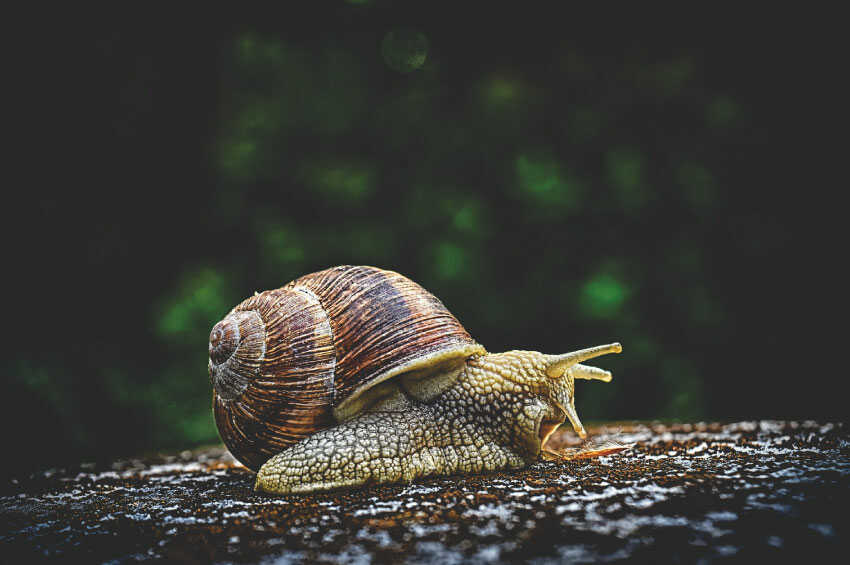
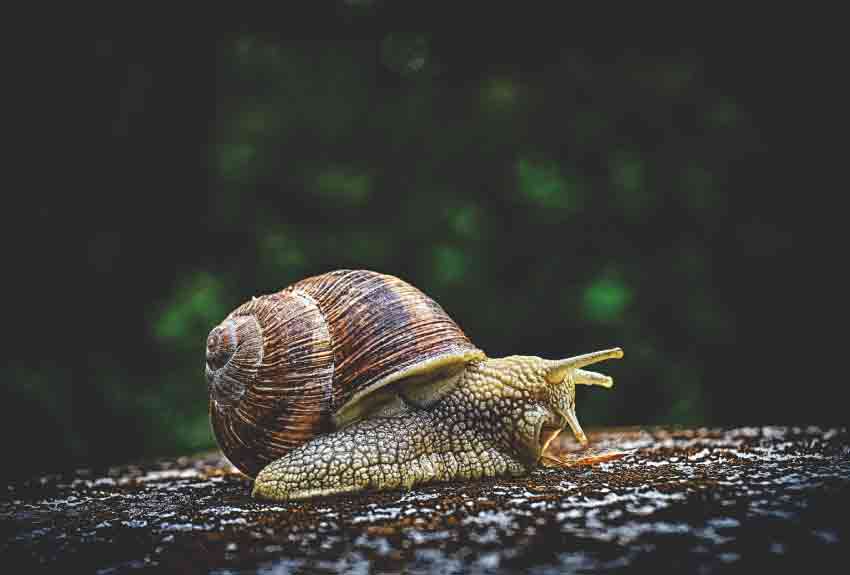
19. Snail

Can you envision animals a lot more quickly than snails? For the most part, they’re just a family pet that you maintain – no need to take it for a walk daily. These need to be kept in a clean terrarium and you can maintain multiple snails with one to 2 inches of dirt, Ann Woods with Pats on Mom. Their diet includes apples, carrots, and also cucumbers, chalk, eggshells, or catfish bones for calcium to “strengthen your snail coverings”. Furthermore, you are required to clean your snail’s terrarium at least as soon as a week, clean the mucous membrane layers with water and paper towels on the wall surface. Simple.

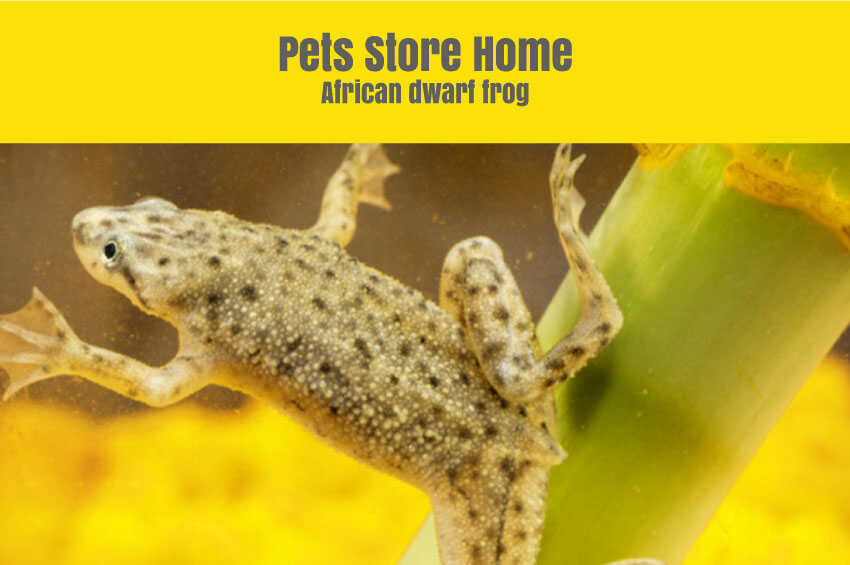
African dwarf frog

20. Dwarf frog

Still, looking for the ideal little amphibian? African dwarf frogs can be pet dogs for you! According to PETCO specialists, they grow only an inch and a fifty percent generally and meet 5 years. In regards to food, their diet regimen contains blood worms, brinjal shrimp, as well as icy Amyris shrimp. They stay in an aquarium, where water top quality must be checked a minimum of once a week and changed every two to 4 weeks. As a reward, if they desire some type of family pet, they can live harmoniously with comprehensive fish like Beta.

British shorthair cat

21. British shorthair cat

If you’re not prepared to quit the desire for having a pet cat, take into consideration a much less maintenance cat breed like British Shorthair. According to Damp Street, these pet cats are rather easy. They are not “usually a cool pet cat” yet will certainly be about, and also can match both canines and children. As well as since their hair is not as long as various other cats’, they need to brush their loosened hair two to three times a week. Groomers do not need constant travel.

Gerbills

22. Gerbills

The very first good idea concerning gerbils is that they don’t need consistent feeding. You can feed them periodically, such as every 3 days, if you provide dry food.

The most effective part is that they self-regulate their diet plan. They can keep food in their pits later, so if you neglect to feed your family pet for a day, it must still have some set-side.

They do not go to the commode often. Gerbils are from arid deserts as well as grasslands, so they preserve as much water as feasible. This is what you require to hang out cleaning your family pet’s tank.

Gerbils like to connect with their owners. Yet they also like to stay in pairs, which means they will certainly be with you if you can not spend time with them. This indicates that you need to transform the bed much more regularly and also eat more food, but in general, less treatment is required.

Gerbils need water, so a canteen is fine. You just need to be much more discriminating and also understand a lot more with the aid you provide toward other people as researched by you. Your family pet bed must be transformed just once a month, which, again, requires much less maintenance. As well as for exercise, you ought to have a running wheel on the container. So, it exercises itself.

An additional concern for Gerbil is its size. These expand to an average of four inches and a maximum of 5 inches. They are never ever also large to manage. They only live a maximum of three or 4 years, so you aren’t required to maintain your family pet permanently.

Pugs Dog

Best low maintenance pets that like to cuddle features


  • These pets are great for those looking to adopt, but who live in apartments. Low-maintenance pets in apartments don’t require lots of care. And they’re easy to take care of. Learning about these types of animals can help you decide if you want to keep one as a pet.
  • Best low-maintenance pets for apartments are great for anyone who lives in an apartment because they do not need much space or outdoor time. Many people who wish to own a pet will often look into larger breeds that require plenty of room outdoors or exercise daily due to their size, but this is not always the case. Low maintenance dogs are great family dogs that will fit well in an apartment setting.
  • The best low-maintenance pets for apartments are pets that require little to moderate care. They don’t need constant attention or feeding, but they also won’t sit around in the corner by themselves without getting into trouble. Low-maintenance pets are great for people with busy schedules who can still provide love and affection, but just have less time to spend on them every day.
  • The best low-maintenance pets for apartments are animals that require less attention than usual pets. These types of animals can be perfect for those living in apartments because they don’t need as much exercise or playtime outdoors. Some low-maintenance pets even get lonely if left alone for too long, which means that they need attention in order to feel satisfied.

Low Maintenance Cats and Low Maintenance Cute Dog Breeds for Apartment Dwellers

The best low maintenance pets for apartments are animals that require little or no care on a daily basis. These types of animals are perfect for anyone who lives in an apartment because they don’t need much outdoor time or exercise. Low maintenance dogs are great family dogs that get along well with children and other pets. Some low-maintenance cats even get lonely if left alone for too long, which means it needs time with their owner to be satisfied.

Low maintenance pets that like to cuddle 

Pet owners often notice that their pets show affection in different ways. It does not express love and gratitude like us, but it can display emotions such as contentment or anger. Pets also give subtle hints on how they feel about an owner. Such as purring when petted, spending time with their owner, and showing excitement when seeing them after a long absence. The pets also have some behaviors that we cannot explain. They may cuddle with each other or human beings even if they are not family members of the house. Pets seem to enjoy physical contact and therefore some pets cuddle more than others. Some might cuddle more than necessary while some will avoid any kind of touch.

This behavior does not mean anything specific for certain breeds. It is common for any kind of pet. Pets usually behave the same way as their owners. Pets that spend a lot of time with humans usually love to be held and cuddled for extended periods of time, while those pets who do not have a lot of human contacts will not ask for physical affection even if they are lonely.

Interaction between people and their pets

This behavior is probably related to the high level of interaction between people and their pets in today’s society. As interactions with other family members have been reduced. Pets seem to enjoy being loved just as much as we do. So it can be assumed that some pets crave attention from their families just like children might. They give us non-verbal clues about what they want. Or what they feel but sometimes we fail to notice them because we are not pet owners. Pets cannot tell their owner that they want something. But they do communicate their feelings by the way they behave. The pets may show affection to us just because we are part of their family. Even though they have never experienced physical affection from a human being before.

The pets raised in isolation might benefit greatly from physical contact with humans. Or other animals after spending some time with them. A pet who did not receive enough affection. When young, they will be more likely to seek out physical contact if given the chance later on in life. So it is important for children to learn how pets feel about cuddling while young.

Are pets allowed in apartments?

Low maintenance pets that like to cuddle

As long as pets are on the approved list by your apartment. Pets are permitted. However, not all pets are created equal and some may be better suited for an apartment setting than others. For instance, if you have a large dog that barks. Or likes to run around your yard. Then having them in an apartment might not work out well for either of you. Especially if they startle you or your neighbors with their noise. In that case, you need low-maintenance pets for apartments.

If pets aren’t allowed at your place of residence, consider getting an electronic pet like Tickle me Elmo or Pet Rock who will never make noise and whose only job is to shower you with unconditional love. But it’s important to note that most complexes (even those that don’t allow pets) will have a “reasonable accommodation” policy that allows applicants with disabilities to own pets and/or service animals. It is important to think about any modification work in your apartment say kitchen remodel, bathroom remodel etc, for your pet safety and comfort. 

So if you’re in need of a companion animal, ask your apartment manager about your pets for apartments options before applying so you don’t waste any time. There are certainly pets out there ready to give you love, attention, and non-stop belly rubs.

Pets for apartments

Did you know pets are quite common in rentals? If you have your heart set on a pet-friendly rental, here are some pets that might help with the search.

Ferret

Often considered to be extremely clean pets, they can usually be kept in the restricted area of an apartment without being seen. A ferret needs out-of-cage time every day for exercise and activity. Most people with pets would recommend that you get two so they have a friend.

Rabbit

Rabbits prefer to live alone unless they are spayed or neutered pets. However, rabbits need lots of space since most types cannot live inside the house all their lives. They need to chew stuff or else their teeth will grow too long which will cause them to pain later on. They love going on walks with their pets and can be trained to use a litter box as well.

Dog

Usually, the first animals considered for pets, dogs need space and exercise every day or else they may become aggressive or sad due to not being able to go outside. They will bark if left alone inside too often without knowing why they are doing it. A pessimistic dog owner would say that all dogs from shelters should be put down because of behavior issues from mistreatment by previous owners, but that is simply not true! In fact, those pets can be more loyal pets if taken care of properly which includes giving them treats when pets deserve it, taking them out for daily walks around the neighborhood, and them every week so you don’t have to clean their mess in your apartment.

Cat

Cats, much like rabbits, prefer to live in a single room in a home rather than all throughout it. That being said, cats are creatures that love attention and pets from every human being they’ve ever met. They also have a need for space just like dogs do but can live in an apartment if taken care of. In fact, most cats will make sure their pets never leave them alone without knowing why because they enjoy the company of pets from anywhere from any species.

Just remember pets don’t always have to be full-sized animals either. Fish make great pets too for people who aren’t old enough or able to take care of another pet.

Best Small Pets for Cuddling | Top 10 Easy Cuddly Pet for Child | Snuggly Pets

Best Small Pets for Cuddling | Top 10 Easy Cuddly Pet for Child | Snuggly Pets

Quick Answer: The best small pets for cuddling generally include guinea pigs, rats, rabbits, and certain hand-tamed birds, since they tend to enjoy gentle handling and can form strong bonds with consistent, patient interaction.

Key Takeaways

  • Guinea pigs are known for enjoying gentle lap time once comfortable with handling.
  • Rats are surprisingly affectionate and can bond closely with their owners.
  • Rabbits can be cuddly but often prefer being petted over being held.
  • Hand-raised or tamed birds can bond closely but need patient, gradual socialization.
  • Individual personality varies significantly within any species.

Why Trust This Guide?

This guide is researched and written by the Pets Store Home editorial team, drawing on general veterinary and animal-care information. It’s intended as general information; consult your vet for advice specific to your pet.

Best Small Pets for Cuddling

Best small cuddly Pets or small pets that like to cuddle or best small pets for cuddling. Which animals make the most affectionate, Snuggly, and cheap cuddly pets? Dogs and cats do not all have the same ability to help their stressed-out owner. Most animals are generally more affectionate and loyal. Physical contact with our pets. Releases immediate amounts of pain relievers in the body. Such as serotonin, oxytocin, dopamine, and prolactin. Read along to learn an answer that could surprise you or give you an idea of what your answer is. Find out which kinds of animals are best friends for you and your companions with whom you share your life.

Best small pets for cuddling

12 Low Maintenance Pets that Like to Cuddle as Best Small Pets for Cuddling

It’s important to consider what you are looking for in a pet.

Do you want an animal that will keep you entertained with tricks and games? Do you want an animal that will be best friends with your children or best small pets for cuddling? Would you prefer to snuggle up on the couch or give your best “puppy dog eyes” look until they get whatever it is they want? Of course, animals are best known for their ability to eat and sleep, but they can also be best friends. So if you’re looking for an animal companion. Who likes snuggle time as much as you do, here is a list of the best small pets for cuddling.

Well, there are many different types of pets out there for many different things. All cuddled up to us humans, depending on how much work we put into them. The following few articles show some of the best small cuddly pets out there.

dog

1. Dogs


Dogs know as man’s best friends. They’ve been living with us for more than 12,000 years. Dogs are best known for their loyalty and the way they love so unconditionally. All this animal needs is food, water, shelter, love, and walks. If you want to teach your dog tricks or take it for a walk, then that’s all up to you.

Rabbits

2. Rabbits


Rabbits come in many shapes and sizes. But most people categorize them as meat rabbits. Which bred like livestock or pet rabbits

These creatures need lots of attention and time cuddling with their owners. They also need grooming. But the best part is the breed of Rabbit does not matter because any given rabbit will enjoy hanging out on your lap.

3. Hamsters


It’s best to think of a hamster as a tiny little pet that comes in a ball. These things are great because they need very little space. And exercise but still enjoy playing.

They come in many different breeds, so you can find any color or pattern you want. Plus, if you have children, then they will be best friends for sure. 

4. Snails


Do not let their slow pace fool you. These animals know to protect themselves. By shooting out a stinky slime that makes predators disappear. Snails come in all sorts of colors and can live about ten years! They also grow pretty big- up to eight inches long.

Snails do best when kept outside, but they can call inside to play at any time.


5. Miniature Schnauzer


The Miniature Schnauzer loves to cuddle just as much as it loves to play. This breed is very attached to its owner and enjoys spending lots of time with them. The best part about owning a dog that loves to cuddle? Miniatures don’t shed. So if you’re not into pet hair on your clothes or couch, this might be the best option for you.

6. Hedgehogs

Hedgehogs are best known to be prickly. But they can also make for very affectionate pets. The best part about them is that hedgehogs love to cuddle while they might act tough when handled. They’ll curl up in your lap or under your chin. Just remember that hedgehogs need special care and unique habitats.

So you have decided that the best small cuddly pet is best for you. Now it is time to look into the care and feeding of your best-furred friend. Are Hedgehogs Good Pets for Kids?

7. Common White Tegu


A common white tegu is a lizard that loves to cuddle just as much as it loves living alone in its tank. However, if given enough attention, these lizards can become friendly and easily trainable! If you take one of these homes, it’s best not to play with it too often so the animal can stay and be happy by itself.

Bearded Dragon

8. Bearded Dragon


Bearded Dragons are best known for their large, colorful beard. But they also make some of the best cuddle buddies. These lizards love to be around people and will crawl on your lap. Or over your arms if given a chance. They don’t need too much attention either- just give them a warm place to stay and freshwater. Can Bearded Dragons Eat Bananas?

9. Sugar Glider


Sugar Gliders are marsupials that are active at night-time. However, they still enjoy spending time with you during the day. Sugar gliders are affectionate towards humans. Especially if you bring them up from infancy. However, they can be shy when handled, so play with them gently.

10. Guinea Pigs

Guinea pigs love to cuddle and snuggle, just like best friends should. Unfortunately, these animals are best known for their docile nature. If you want an animal that’s chill and always down for a cuddle, this might be the best fit. But keep in mind: these animals need lots of attention, so if you don’t have time to take care of them, they might not be best as pets. Can Guinea Pigs Eat Strawberries?

11. Gerbils

If you plan on keeping gerbils indoors. These little rodents make for great cuddle buddies. They are very social creatures who enjoy being near other members of their species or people. But, since they are desert rodents, gerbils tend to dehydrate more quickly. So make sure to keep their habitat moist with lots of fresh water.

10 Best small pets for cuddling, hugging, and Snuggly

One of the best things about cuddly pets is that they’re just so easy to love.

There are different kinds of best small pets for hugging and cuddling out there. But we’ve decided to focus on the 10 best ones in this article.

So with no further ado, here’s our list of best small pets for cuddling and hugging:

Hamsters

In general, it can say that rodents make wonderful little cuddle-pets. And when it comes to rodents, hamsters are exceptionally soft. They’re especially great for kids who want a pet they can easily carry around with its gentle personality with their tiny sizes. The teddy bear hamster is the best small cuddly pet for kids.

Guinea pigs

When it comes to the best small pets. Guinea pigs are one of the best choices. They come in lots of different colors, and they’re very friendly and often bond with their owners quickly. The best thing about them is that there’s an immense variety of breeds. Because keeping a single breed wouldn’t be near as fun, we suggest getting 2 or more at once – making for the best small cuddly pets.

Ferrets

One of the best things about ferrets is that they’re very playful little creatures that can keep you active during playtime and not just because they like to run around all over the place. With their curious characters and best small pets for cuddling and hugging. Ferrets make great little pets as long as you have the time to care for them.

Hermit crab

Another best pet for kids is a hermit crab. They might not be the best-looking small cuddle-pets, but they’re exciting to look at, and they’re also enjoyable to take care of. However, there are a few things one should know before getting a hermit crab:

  • Don’t put your hand too close because they’ll pinch you with their claws.
  • You can keep several crabs together, but it’s best if you keep only 1 male per tank.
  • Make sure the humidity is between 60% 80%. Because the best small pets for cuddling and hugging need specific conditions best pets for kids. It’s best to ask for professional advice before getting one.

Common guinea pig

Another best small pet best suited for kids is the common guinea pig. At first glance, they might not look like much- but their gentle personalities combined with their small size make them the great best small pets for cuddling and hugging! They’re also very affordable, so if you aren’t sure if your child will take good care of a more expensive pet, the common guinea pig is a safe bet.

Hedgehogs

One of the best things about hedgehogs as best pets for kids is that they’re cute little creatures that enjoy being touched. They’re very soft too, which makes them the best small cuddly-pets, and they also come in lots of different colors. They might not be the best pets for kids who want the best cuddle pet that can be held, but if your child doesn’t mind them sitting on their lap, best small pets for cuddling and hugging, then hedgehogs are the perfect best pet option.

Chinchilla

A chinchilla is another one of the best small pets best suited as the best pet to keep with your child. These cute little furry creatures make lovely best cuddle-pets because they enjoy being touched and will curl up in your arms when feeling safe and secure. As a result, they don’t need to be taken out of their cages very often unless they’re.

Turtle

Are turtles low-maintenance pets?

Turtles have long been known as the best small cuddly pets, but are they that easy to care for? Even though some notable exceptions. I would not say that they are the best small cuddly pets around. Turtles can make fascinating best small cuddly pets. Still. It is essential to realize what you are getting into when considering owning one. There are many things to take into consideration before making this commitment.

What Is A Turtle?

A turtle is a reptile belonging to the order Testudines (animals with apparent shells on their backs). Which shares common traits, including toothless jaws and laying shelled eggs on land. They first appeared about 220 million years ago and were among the earliest land-living vertebrates. Turtle’s best small cuddly pets are best known for their protective shells. Which streamlines their body, allowing them to move more quickly through water or along the ground. The shell protects predators and other environmental elements, such as extreme hot and cold weather.

What Do I Need To Take Care of a Turtle?

It is in your best small cuddly pet’s interest to do even some research on the best small cuddly pets before considering owning one. Especially if you already have a pet at home or minimal space available to house it properly.

Maintaining good habitat conditions for turtles can be quite difficult since they can grow to quite large sizes. Hence, the best small cuddly pets, especially if you are caring for a red-eared slider. You’ll need to provide your turtle with an area with both the best small cuddly pets well lit. And easily warmable, since they cannot regulate their body temperature, best small cuddly pets even best small cuddly pets in captivity. To achieve this goal, you can either use electric or oil-filled lamps beneath the tank to keep it nice and warm at all times.

During the night hours, turtles like the best small cuddly pets to remain cool so they can rest properly, best small cuddly pets. However, during the day hours, one of the most important things that the best small cuddly pets you can provide them with is best small cuddly pets plenty of sunlight. If the best small cuddly pets tank does not contain a means to filter in natural sunlight, keep them indoors in the best small cuddly pets. In this area, they will get good exposure to light.

Turtles need access to clean water. Which best small cuddly pets must be changed daily. They must always have fresh water available for drinking and soaking. You should also invest in the best small cuddly pets correct aquarium substrate for your turtle’s particular species.

What Do I Feed My Turtle?

Turtles are omnivores’ best small cuddly pets. This means that the best small cuddly pets are both meat and vegetables. Still, you should aim for providing them with more vegetables than meat. You can either purchase turtle pellets or mix your blend of foods to feed them every day. Some common ingredients include:      

  • Collard greens
  • Spinach
  • Romaine lettuce 
  • Best small cuddly pets Zucchini
  • Squash
  • Beet leaves
  • Carrots are best small cuddly pets
  • Cucumber
  • Mango

What Do I Do If My Turtle Is Sick?

Turtles are subject to the best small cuddly pets, many of the common diseases which affect pet reptiles. The most important thing you can do is ensure that your turtle has a clean habitat and gets plenty of sunlight for vitamin D3 production. Still, suppose you notice any signs of illness. In that case, it is best for small cuddly pets to recommend that you take them to see their veterinarian as soon as possible. For starters, you should consider researching what type of turtle the best small cuddly pets are. This best small cuddly pet is essential since each type of turtle can be the best small cuddly pet prone to specific diseases. Hence, the treatment options are very different between them.

Caring For A Turtle Is Not As Easy As It Looks

Since turtles are pretty delicate creatures, you must research the best small cuddly pets for all information on their environmental suppositions. For example, suppose you fail to provide your turtle with everything they need in habitat conditions and nutrients. In that case, value, then there is a high risk that the animal will get sick or even die within just a few short months after you’ve taken the best small cuddly pets home.

How Does Death Happen?

This best small cuddly pet depends on the type of turtle you have, the best small cuddly pets, best small cuddly pets. Still, it is usually safe to assume that their health problems might be due to the conditions in which they are kept. But, of course, turtles can also get sick from various types of parasites that feed on them, so never underestimate your reptile’s defenses.

Don’t Be Scared To Get Your Turtle Proper Veterinary Care.

The best small cuddly pets, are it valid that turtles are low maintenance pets? The answer to this question is no since there will always be special requirements for your turtle, which you should be aware of before deciding to purchase one.

How do I be a responsible pet owner?

Pets are beautiful additions to many families. They can be played with, snuggled, and generally remind you that life is always better when you have someone or something to love. But pets don’t stay small forever, and pet ownership comes with a lot of responsibilities. You’ll need to ensure your pet has food, water, shelter, exercise, veterinary care. The list goes on.

The first thing you should do before getting any animal is research. Talk to the experts at your local zoo or aquarium for recommendations on which animals might fit into your home best. Also, check out Best Friends’ Best Small Cuddly Pets site, which offers advice about different types of animals and to take care of them responsibly. You can also join Best Friends Animal Society. Where you’ll be able to attend fun events, get tips on pet care, and be part of a community of people who love animals.

No matter what type of animal you choose. Before bringing home any new pet. Make sure everyone in your family is on board with the idea. Kids especially need to know what they’re getting into. If anyone has allergies or fears for their safety around pets, that’s important information to have when choosing an animal. Also, consider whether or not your house is big enough for the kind of animal you want. Remember, some animals grow very large over time while others stay small forever! And finally, think about where you might find your future friend. Pet Shops can be a great place to meet an animal. But also consider checking with your local humane society or rescue organization since many have pets available for adoption.

Family Environment

In addition to making sure that everyone in the family is excited about a new pet, you’ll need to be prepared financially as well. Best friends recommend discussing costs and treatment with your entire household before getting a pet. Including how much money will be spent on food, vet visits, toys, etc. Having this information beforehand can help you better prepare for the animal’s care over its lifetime. It’s also important to know what sort of insurance might be necessary- some animals will require extensive medical treatment throughout their lives. Finally, before bringing any animal home, it’s best if everyone in your house knows what to expect and how to handle any problems that might arise.

Of course, there’s more to caring for an animal than just the basics. Best Friends also suggests thinking about what your pet will do when you’re not home such as when you go to work. For example, will they stay in a cage all day, or would it be better if you found them a friend? Fortunately, many pets out there can keep each other company while you’re away, which is much healthier for your pet and saves on housing costs.

Today, check out Best Friend’s website Best Small Cuddly Pets, and see what type of pet could fit into your life and your family. Remember: before getting any new pet, it’s important that everyone in the household is on board, that you have all the information you need to be financially ready for your pet’s needs. And that you know what sort of care your new friend will need. In addition, Best Friends Animal Society has a great article about being a responsible owner here.

What are other affectionate animals?

Another affectionate animal is the Miniature Schnauzer, which is a type of dog. Therefore, they tend to stay small and can be kept as pets in apartments or homes that don’t permit larger breeds.

Grooming requirements for this breed are minimal, but they do regularly shed, so owners need to be prepared.

Other affectionate animals:

Skunks: Skunks may seem like an unusual choice to own as a pet, but there’s a lot of love energy behind their seemingly tough exterior. One well-known skunk owner is none other than Dave Coulier from “Full House.” There are special cages available for owning skunks as pets, and understandably these must be cleaned as they smell pretty bad when sprayed.

Peregrine Falcons:

Owning a pet falcon seems like it would be difficult. Still, in reality. They’re affectionate and relatively easy to care for. Their wings are clipped initially, making it impossible for them to fly away or attack anyone. However, these beautiful birds require much attention and should live with experienced bird owners only.

Dogs: There are many breeds of small dogs that make great pets if you don’t have a lot of space. Affectionate breeds include Boston terriers, Maltese terriers, Shih Tzus, Poodles, Pomeranians, and more. They need lots of exercise outside their homes each day but aren’t as high-maintenance as larger breeds.

Ferrets: Ferrets have a unique personality and can be pretty affectionate if they’re treated well by their humans. They love to play and sleep with their owners and don’t tend to cause problems indoors unless the owner is irresponsible (e.g., not taking them out for enough walks). They’re also relatively low-maintenance when grooming compared to other small furry pets such as cats or rabbits.

Pigs: Pigs might indeed need a little more attention and training than other pets on this list, but there are plenty of smaller breeds that make great family pets despite this fact. Vietnamese potbellied pigs are one example; they only grow to about a foot long and a few inches tall, making them a great small animal choice.

Comments for best small cuddly pets

Pet fanciers agree that it is hard to beat a small cuddly pet when discussing Best Pets.

There are many different reasons for choosing the Best Small Cuddly Pet. Some Best Small Cuddly Pets are brilliant and will perform tricks or even learn how to read. These types of Best Small Cuddly Pets are great for children. Who wants an animal companion but who isn’t quite old enough to take full responsibility for caring for another living being. Other Best Small Cuddly Pets are simply cuddle-bunnies who prefer sitting in laps or snuggling on the couch with their favorite people. Best Small Cuddly Pets can be big fans of attention. This that they love hanging out with Best Small Cuddly Pet owners.

Why are they the best small pets for cuddling?

Even though Best Small Cuddly Pets do not require daily walks like bigger dogs, they still need plenty of exercise. But, don’t let short legs fool you. These little pets love to run around! They also make beautiful watchdogs. Many will bark at anything unfamiliar approaching in the yard or ringing the doorbell. Owners can expect about two-three litters per year. Breeding should be left to breeders since Chihuahuas may have serious health problems if bred too often.

Most Best Small Cuddly Pets make excellent pets for older children. And older people because younger children can injure them. Who may not realize how fragile Best Small Cuddly Pets are? Best Small Cuddly Pets also need gentle handling to keep them from being hurt accidentally. Their small size makes Best Small Cuddly Pets perfect house pets. As long as their owner gives them the exercise they need.

Many owners report that it’s hard to find a small Best Cuddly Pet in the pet store. Unless it has been bred and raised in a puppy mill and offered for sale by an unscrupulous breeder. The reason best known to these breeders is that Best Small Cuddly Pets can sell for a higher price if they are more extensive.

What do best small pets for cuddling look like?

Best Small Cuddly Pets come in many different colors, coats, and body types. In addition, there’s an even-sized range of height with Best Small Cuddly Pets ranging from 2 inches to 12+ inches, depending on the breed. For example, Chihuahuas are the only small Best Small Cuddly Pet who routinely stand less than six inches tall. In comparison, Yorkshire Terriers frequently tower over their small friends at seven inches or more despite weighing only four pounds. In addition, these animals have big personalities. Though some breeds are Best Small Cuddly Pets for people who don’t have a lot of Best Small Cuddly Pet time to spend, others need more exercise and attention.

Breeders agree that Best Small Cuddly Pets make wonderful pets. They are intelligent little creatures who will adapt well to many different homes if their owners are willing to provide sufficient love and attention. Best Small Cuddly Pets owners say that these animals respond well to training and quickly learn the boundaries set by their owners as long as those boundaries are consistent.

The Best Small Cuddly Pets breeds vary in their requirements for grooming which makes some easier than others to care for. Yorkies require daily brushing.

Pet owners say that the rewards of having a Pet are well worth any time spent caring for these little pets. Especially when they get to experience the love that comes from constantly having one of these wonderful creatures attached to their hip.

The best small pets for cuddling look like more.

Do you have an opinion about whether the best small cuddle pet is a dog or another type of animal? Share your thoughts in the comments section.

zooplus promotes the Best Small Cuddly Pets suitable for small living quarters. We help you make the right choice when choosing Best Small Cuddly Pets to ensure that it has a long, happy, healthy life in your home.

The Best Small Cuddly Pets are often purchased online via websites that offer advice on choosing the Best Small Cuddly Pets. This is particularly true where people purchase Best Small Cuddly Pets or other pets online outside their own country, which can be difficult and expensive. However, picking the right breed of Best Small Cuddly Pet for you and your family should never depend only on seeing pictures or reading written details about them. This is why we provide live video streaming to see the Best Small Cuddly Pets for you. And ask as many questions as you need on the Best Small Cuddly Pets care. Which will help you decide if this Best Small Cuddly Pet is the right pet for you.

What small animals make the best  pets for cuddling

There is an extensive selection of different types of furry and scaly friends. Let’s look at which are best to hug when it comes to being a good pet for children, adults, or both.

Syrian Hamster

The Syrian Hamster or commonly known as the Teddy Bear Hamster. Syrian hamsters will be happy in any home that provides clean living space and a diet that consists mainly of hamster food or snacks from the local pet store. Syrian hamsters will grow up to be about six inches long with an average weight of one pound. They have short hair, and their fur colors include white, black, grey, brown, and cream. The Syrian Hamster gets it to name from the area of southwest Asia where they come from. This species is gentle by nature but can still bite if they are handled too much or startled. They tend to be active during the day, making them perfect for children who want to play with their new pet before bedtime.

Mouse

The mouse comes in many varieties, including white, brown, black-eyed white, dusky grey-white, fawn, lavender grey-white, and albino (total lack of color) mice. Mice are perhaps the most common cuddly pets due to their small size; however, they do need a large cage to live in full time with a wheel and a place to hide. The mouse is a very popular choice for children as they tend to be gentle creatures that are easy for young children to handle. Unlike some other rodents, mice do not have a scent gland on their belly. Mice tend to eat fruits, vegetables, or hamster food that can be bought from pet stores. It’s important that if you buy one as a cuddly pet that the person handling the animal is aware of how delicate they are, so accidents don’t happen.

Rat

The Rat is another small rodent that makes a good pet for people of all ages. Rats come in many different colors, including white, brown, black-eyed white, dusky grey-white, fawn, lavender grey-white, and albino (total lack of color) rats, all unique in their particular way. Rats have a much stronger smell than mice or hamsters, so they should not be picked out from the pet store straight away if you want to cuddle with them in your bed. Like a mouse, a rat needs a large cage with a wheel and a place to hide when it’s downtime. In addition, they need safe toys to play with within their cages and treats for between meals.

Gerbil

The Gerbil tends to be more active than other small cuddly pets, making it less suited for young children who only want the animal to sit still on their lap. The Gerbil’s natural habitat is the deserts of Asia and Africa, so they are used to living in dry conditions. They have a thick coat that needs to be groomed every few days by rubbing your hand along their back. The Gerbil gets its name from its long cheek pouches perfect for carrying food supplies home to store underground. Gerbils can live up to five years, so they need a lot of caring, especially when cleaning out their cages.

Guinea Pig

The Guinea Pig is another cuddly pet that children love because of its soft fur and inquisitive nature. They grow to an average length of eight inches with an average weight of two pounds, making them one of the bigger cuddly pets on the list. They are gentle by nature, but they can bite when startled or handled too much. Guinea pigs come in a wide range of colors, including white, brown, black, blue, lilac, and many more. However, the most important thing to consider with this cuddly pet is that they do not like young children. Because of their clumsy nature, which could scare them, causing less sluggishness than expected, leading to accidents.

Rabbit

The Rabbit is another good choice for people wanting a long-term cuddly pet as they tend to live between seven and twelve years, so you will likely have your new friend for quite some time. Rabbits come in many different colors and patterns, so there is certainly one to suit your tastes. The Rabbit is a very active and curious animal, and they make great pets for children who want to run around with them in the garden or house. They need plenty of space for running about and hiding, so their cages need to be big enough for them to feel safe. Rabbits can become aggressive if they are not handled correctly. Hence, the new owner must know how to handle them properly before taking on this type of pet. Unfortunately, there aren’t many good breeds of rabbits which make owning one difficult.

Hamster

The Hamster is another small and relatively easy cuddly pet to look after, making it another good choice for children. Hamsters come in a wide range of colors. And patterns which include black, white, brown-eyed white, dark-eyed white “(albino”), light brown or grey, beige, black-beige “(tam),” “aged gold,” tortoiseshell, agouti (Campbell’s), grey-silver and horseshoe. To help their long life, they should have plenty of space to run about in a cage with tunnels and toys they can play with. A happy hamster looks after itself, so if you see your fluffy friend is ill, it’s time to visit the vet! For example, when they are not running around the wheel in their cages, they tend to sit around chewing their cud just like a cow.

Best small pets for cuddling for teenagers. Why do they like or dislike

With some help from an adult, you can give a very young child a small cuddly pet. These make great pets for young children because they are safe and easy to care for.

Why They Like Pets

Small children like pets of all kinds. But here are some reasons why many children like certain types of pets:

Pets that Flight Low-Flying birds or butterflies that occasionally fly into your yard will delight the child who likes to catch bugs and watch them crawl around on their hands and knees.

Homes That Fly Birds and bats flying back and forth in the sunroom will charm the child who likes to watch them dart through open doorways or flap across walls and windowsills. Animals You Can Carry Many children like pets that they can hold in their hands or carry around with them.

Pet That Needs Food Often, children like pets that need the child to feed them, such as fish, turtles, and small lizards.

Pets That Need Water Children often enjoy having pets that they can fill up with water every day. Especially if the animal lives in a big tank on your child’s bedroom dresser top.

Pets That Have Color Some children like brightly colored animals, such as tropical fish and reptiles.

Best small pets for cuddling for Teenagers

Tiny hamsters are very popular with teenagers because you don’t have to do much to take care of them except clean out their cages once in a while. This is because they’re not messy like rabbits can be.

When you buy a hamster, get one of each sex because females can have up to twelve babies in a year. Most pet shops will give you the names of good breeders who raise hamsters for pets or sell purebreds that are young and won’t have babies for several months. If you want your teenage son or daughter to clean out their Hamster’s cage, warn them that they’ll have to change the bedding every week.

FAQ Hamster

Q: My Hamster is not eating his food – what should I do?

A: A number of different things can cause this, but the first and the best thing to do would be to check that he has fresh water at all times and clean bedding. If both of these seem ok, it could simply mean that he’s not hungry or likes to hoard food later on. A healthy diet includes seeds, cereals, and dried fruit. Still, you’ll need to supplement this with some fresh vegetables such as carrots and cucumbers.

Q: My Hamster keeps biting me! What should I do?

A: Hamsters’ teeth grow continually, so they use them as a form of self-defense as well as a way to build tunnels. They also bite if they’re frightened or uncomfortable. It would help if you handled your Hamster every day from an early age to get used to being held. Suppose you have been handling him from a young age. Then check his environment for possible escape routes. And the condition of his cage before thinking about giving him a different home to stay in. He may just be feeling anxious because you took him out of his territory.

Q: My Hamster is very fat/thin – what could I do?

A: This can sometimes happen with older male Syrian’s, but if your Hamster is still young, two things could be causing this problem. If it’s in the winter when they hibernate, then this is perfectly normal, but if you don’t think that this is the case, check your Hamster’s diet. A lack of exercise combined with overfeeding usually causes obesity in small animals like hamsters. And gerbils, so be sure to give him more space to move about and adjust his food intake accordingly.

FAQ Dog:

Q: What do I need to know about dog bite injuries? How can a dog cause injury to someone (i.e., what is the mechanism)?

A: A dog’s mouth contains large amounts of bacteria, and if a tooth penetrates the skin, it can result in significant infection, swelling, pain, and much more.

Q: What is the prognosis for a dog bite injury?

A: The prognosis varies depending on severity. Severe infections from deep puncture wounds could lead to amputation or death. Death from sepsis is not unheard of. In severe cases, particularly in children, there can be permanent scarring.

Q: How should the injury be treated?

A: If there is not a “viable” or “apparent” puncture wound, then treatment should focus on preventing infection and controlling swelling. If there are obvious signs of infection (e.g., fever), antibiotics should be given.

FAQ Rabbits

Q: How do I humanely transport my Rabbit?

A: Rabbits are easily frightened by the unfamiliar, so care must be taken to avoid stressing them out. Transporting a rabbit should not take more than 10 minutes. There should always be water available before and after the trip. The carrier should be well ventilated, not too small. So the Rabbit has plenty of room to stand up and move around) and is easy to clean. A towel or cardboard box can be put in the bottom for cushioning. But make sure it isn’t soiled when rabbits use it as a toilet. Rabbits often defecate in their carriers out of fear, and it can be pretty smelly. The best way to transport a rabbit is in the back seat of a car. The air conditioning should be kept on (not too cold), and windows opened slightly to allow fresh air in.

Rabbits prefer to sit still, not move around, so they usually lie down when placed inside the carrier. If the Rabbit is not used to the carrier, or there is a lot of noise and commotion, it may be placed in a quiet room for 15-30 minutes before departure.

 Q: What kind of things should I remember when I bring my new rabbit home?

A: Before bringing your rabbit home, you must set up its living area. This includes a litter tray for its toilet, bedding material (see types below), food and water bowls, and toys. The cage should be spacious enough, so the Rabbit has room to stand up on its hind legs and move around in between or underneath things. As well as this, it is important that it can see you and other people in the room from its cage.