
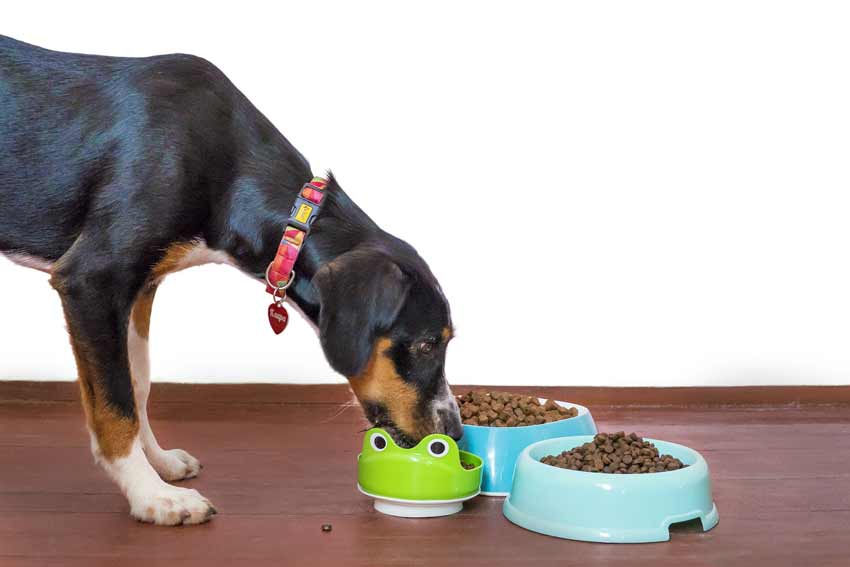
Can You Freeze Fresh Pet Dog Food? Simple, Safe Guide (2026)
Can you freeze fresh pet dog food? In many cases, yes. Many refrigerated fresh and cooked dog foods can be frozen in sealed, single-meal portions and thawed in the refrigerator. But the product’s own storage instructions always come first, and freezing does not make raw dog food safe from germs like Salmonella and Listeria.
Fresh dog food spoils quickly once it’s open, so freezing can save money and cut waste. This guide covers how to freeze, thaw, and serve it safely, what to do about refreezing, and when to throw food out, using guidance from the FDA, CDC, and AVMA.
Key takeaways
- Many fresh dog foods can be frozen, but follow the package’s storage directions first.
- Freeze in clean, sealed, labeled single-meal portions, kept separate from human food.
- Thaw in the refrigerator in a sealed container, never on the counter.
- Freezing doesn’t kill all germs. The CDC says it only reduces them in raw pet food.
- Refreezing depends on the product and how it was thawed; ask the manufacturer if the label doesn’t say.
- Wash your hands, bowls, and utensils after handling pet food.
In this guide
Can You Freeze Fresh Pet Dog Food?
The answer depends on what kind of “fresh” food you have. Check the package first: if the manufacturer says the food can be frozen, follow its directions. If the label says not to freeze it, don’t.
| Type of food | Can it usually be frozen? | Key safety point |
|---|---|---|
| Refrigerated fresh food (rolls, bagged meals) | Often yes, if the label allows it | Freeze promptly after opening; follow the brand’s directions |
| Cooked fresh or homemade food | Often yes | Cool, portion, seal, and label; homemade diets need vet guidance on nutrition |
| Raw food (sold frozen or fresh) | Follow the label; many raw products are sold frozen | Freezing doesn’t make it safe; handle as a high-risk food |
Why Freeze Fresh Dog Food?
Many owners ask “can you freeze fresh pet dog food?” because opened packages don’t last long in the fridge. Freezing can help you:
- Portion meals in advance, so you only thaw what your dog will eat.
- Store food longer than the “use within” window on an opened package.
- Buy in bulk without wasting the end of a roll or bag.
There are trade-offs. Freezing can change texture, and thawed food may release some liquid or look different. That’s a quality change, not necessarily a safety problem, but your dog may notice.
Pet Care Tip: Before you freeze anything, take a photo of the package label showing the product name, lot number, and “best by” date. The FDA advises keeping this information in case of a recall or problem.
How to Freeze Fresh Dog Food Safely
Once you’ve confirmed the answer to “can you freeze fresh pet dog food?” for your product, follow these steps.
- Start with clean hands and tools. The FDA advises washing your hands for at least 20 seconds with soap and hot water before and after handling pet food, and using a clean scoop reserved for pet food.
- Freeze promptly. Don’t leave opened food sitting out or in the fridge for days first.
- Portion it. Divide the food into single-meal servings so you only thaw what you need.
- Seal it. Use clean, food-safe, airtight containers or freezer bags. Press out extra air and check that lids close fully to prevent leaks.
- Label it. Write the product name and the date you froze it on each portion.
- Keep it separate. The CDC advises keeping raw pet food in a sealed container, separate from other foods. A dedicated bin or freezer shelf helps stop drips onto human food.
What About the Freshpet Brand?
Many people searching this question mean the Freshpet brand specifically. Freshpet’s own feeding and storage guide says its food “can absolutely be frozen” and recommends:
- Keeping it refrigerated at 40°F (4°C) or below
- Using opened rolls within 7 days, and opened bagged meals within 5 to 7 days, depending on the product (check the package)
- Freezing promptly after opening, in single-meal portions
- Thawing in the refrigerator overnight, not on the counter or in the microwave
- Discarding uneaten food in the bowl after 1 hour, rather than refrigerating it again
Other fresh-food brands may give different directions, so always check your own product’s label or website.
How to Thaw Frozen Fresh Dog Food
Knowing the answer to “can you freeze fresh pet dog food?” is only half the job; thawing matters just as much. The safest general approach is to thaw it in the refrigerator, in a sealed container, following the manufacturer’s directions.
- Plan ahead. Move tomorrow’s portion from the freezer to the fridge the night before.
- Use a container or plate underneath to catch any drips.
- Never thaw perishable pet food on the counter. The FDA advises thawing frozen raw pet food in the refrigerator or microwave, not on the counter or in the sink.
- Check the label before microwaving. Some brands, including Freshpet, say not to microwave frozen portions to thaw them.
How to Serve Thawed Fresh Dog Food
- Follow the product label for serving size and how soon to use thawed food.
- Use a clean bowl and a clean utensil. The AVMA warns not to use the unwashed bowl as a scoop.
- Pick up uneaten food promptly and refrigerate or discard it according to the product’s directions.
- Wash bowls, scoops, and feeding mats frequently.
If you warm thawed food slightly, stir it and check that no part is hot before serving.
Can You Refreeze Thawed Fresh Dog Food?
After “can you freeze fresh pet dog food?”, refreezing is the next big question, and there’s no single yes-or-no answer. Whether refreezing is acceptable depends on:
- The type of product (raw, cooked, or refrigerated fresh)
- How it was thawed, for example in the refrigerator versus on the counter
- How long it stayed cold after thawing
- What the manufacturer’s instructions say
Food that sat at room temperature should not be refrozen; it should be thrown away. If your label doesn’t mention refreezing, contact the manufacturer before you do it. Even when refreezing is allowed, texture and quality can suffer each time.
Does Freezing Make Raw Dog Food Safe?
No. This is one of the most important points in any answer to “can you freeze fresh pet dog food?” The CDC states that freeze-drying, dehydrating, or freezing raw animal protein only reduces the amount of germs. It doesn’t eliminate them.
The FDA’s Center for Veterinary Medicine says it is concerned about the public health risk of raw pet food diets, which can carry Salmonella and Listeria monocytogenes. The FDA notes that thorough cooking kills these bacteria, and that people who feed raw diets may have a higher risk of infection.
If you feed raw food, the FDA advises:
- Keeping raw food frozen until you’re ready to use it
- Thawing it in the refrigerator or microwave, not on the counter or in the sink
- Keeping it separate from other food
- Cleaning and then disinfecting everything it touches
How Long Does Frozen Fresh Dog Food Last?
People asking “can you freeze fresh pet dog food?” usually want a time limit too, but there’s no one limit that fits every brand. Follow your manufacturer’s freezer-storage guidance, which you’ll usually find on the package or the brand’s website.
It helps to separate two ideas:
- Quality: long freezer storage can affect taste, texture, and moisture, and food can develop freezer burn.
- Safety: freezing slows germs but doesn’t destroy them all, and food handled badly before freezing won’t become safe in the freezer.
An earlier version of this article gave fixed freezer times that contradicted each other, with no source. We’ve removed them. Date every portion and use older portions first.
When Should You Throw It Away?
Don’t feed your dog food that:
- Has been left out at room temperature. The CDC says to throw away leftovers that have been out at room temperature.
- Looks, smells, or feels spoiled
- Thawed in a leaking or damaged container
- Was stored or handled outside the manufacturer’s directions
- Has passed the label’s “use within” window after opening
The FDA and AVMA advise disposing of spoiled or old pet food in a securely tied plastic bag inside a covered trash can. If your dog has eaten spoiled food and develops vomiting or diarrhea, call your veterinarian. Our guide to causes of diarrhea in dogs explains other signs to watch for.
Example Scenario (illustrative)
Ray in Ohio forgets a thawing portion on the kitchen counter overnight. He wonders if he can refreeze it. Because it sat at room temperature, he seals it in a tied bag, throws it in a covered trash can, and moves the next portion into the fridge to thaw. This is an illustration, not a real case.
Kitchen Hygiene Tips for Fresh and Raw Dog Food
- Wash your hands with soap and water before and after handling pet food or treats, as the CDC advises.
- Clean bowls and utensils after every use, and keep a scoop just for pet food.
- Clean surfaces that touch raw pet food with soap and water, then disinfect them, as the FDA recommends.
- Store pet food in its original packaging when possible. The FDA says this keeps the product name, lot number, and “best by” date handy.
- Keep your refrigerator at 40°F or below, which the FDA recommends for leftover pet food.
Extra care at home: The CDC notes that children under 5, adults 65 and older, pregnant women, and people with weakened immune systems are at higher risk of serious illness from germs in pet food. If anyone in your home is in these groups, be especially careful with raw pet food, or talk to your vet about cooked options.
Making fresh food at home? Freezing doesn’t make a homemade recipe nutritionally complete. Ask your veterinarian or a board-certified veterinary nutritionist to review it. Our guide on preparing healthy dog food at home covers the basics.
Can You Freeze Fresh Pet Dog Food? FAQs
Can you freeze fresh pet dog food?
Often, yes. Many fresh and cooked dog foods can be frozen in sealed, single-meal portions. Always follow the product’s storage instructions first.
How should you freeze fresh dog food?
Freeze it promptly after opening in clean, airtight, single-meal portions. Label each one with the product and date, and keep it separate from human food.
What is the safest way to thaw frozen dog food?
Thaw it in the refrigerator in a sealed container, following the manufacturer’s directions. Never thaw perishable pet food on the counter.
Can you refreeze thawed fresh dog food?
It depends on the product, how it was thawed, and how long it stayed cold. Never refreeze food left at room temperature, and check with the manufacturer if the label doesn’t say.
Does freezing kill bacteria in raw dog food?
No. The CDC says freezing raw pet food only reduces germs; it doesn’t eliminate them. Raw food can still carry Salmonella and Listeria after freezing.
How long can fresh dog food stay in the freezer?
It varies by brand. Follow the manufacturer’s freezer-storage guidance, date each portion, and use older portions first.
Should you refrigerate leftover dog food?
Refrigerate or discard leftovers promptly, according to the product’s directions, with the fridge at 40°F or below. Throw away food that has been left out at room temperature.
Final Verdict: Can You Freeze Fresh Pet Dog Food?
So, can you freeze fresh pet dog food? Often yes, as long as the label allows it. Freeze it promptly in sealed, labeled portions, thaw it in the fridge, and serve it in clean bowls. Remember that freezing doesn’t make raw food germ-free, and when in doubt about refreezing or storage time, ask the manufacturer.
Your next steps
- Check your dog food’s label for freezing and “use within” directions.
- Browse more nutrition guides in our pet food section.
- Find more care articles in our dogs section.
Share your meal-prep tips with our community on Facebook.
About the author
Written and reviewed by the Pets Store Home Editorial Team: pet owners and animal lovers who check every guide against trusted US veterinary and animal-welfare sources. This article is general information, not a substitute for professional veterinary advice. Always talk to your veterinarian about your own pet’s health.
How we checked this guide: We compared pet food storage and safety guidance from the FDA, CDC, and AVMA, and used Freshpet’s published storage guide for brand-specific directions. We review this article every 12 months, or sooner if guidance changes.
Last reviewed: October 2026
Sources
- FDA – Tips for Safe Handling of Pet Food and Treats (accessed Oct 2026)
- FDA – Proper Storage of Pet Food and Treats (accessed Oct 2026)
- FDA – Get the Facts! Raw Pet Food Diets Can Be Dangerous (accessed Oct 2026)
- CDC – About Pet Food Safety (accessed Oct 2026)
- AVMA – Safe Handling of Pet Food and Pet Treats (accessed Oct 2026)
- Freshpet – Guide to Feeding and Storing Freshpet (manufacturer guidance; accessed Oct 2026)












[…] Which foreign pets are legal in Washington State? […]