When Should You Switch Your Dog’s Diet? Real Signs & Safe Transition

When Should You Switch Your Dog’s Diet? Real Signs & Safe Transition

When Should You Switch Your Dog’s Diet? Real Signs & Safe Transition

You should switch your dog’s diet when your dog moves to a new life stage, when your vet recommends a different food for a health reason, or when the current food clearly isn’t agreeing with your dog: ongoing loose stools, vomiting, itchy skin, weight gain or loss, or a dog that keeps refusing meals. A recall or a discontinued formula is another reason.

If your dog is healthy, eating well and keeping a steady weight, there’s usually no need to change anything. When you do make a change, go gradually over about a week, mixing more of the new food into the old food each day, unless your vet tells you otherwise.

Call your vet before changing food if your dog: has vomiting or diarrhea lasting more than a day or two, blood in the stool, sudden weight loss, a refusal to eat for more than a day, or a medical condition such as diabetes. These signs may point to an illness, and a new food alone won’t fix it.

Key takeaways

  • Good reasons to change food include a new life stage, a vet’s advice, a recall, or signs the food isn’t agreeing with your dog.
  • A healthy dog doing well on a complete and balanced food doesn’t need a change just for variety.
  • Switch gradually over about 7 days, and go slower for puppies and sensitive dogs.
  • Itchy skin, ear problems and loose stools can be food related, but they can also be medical, so check with your vet.
  • Look for an AAFCO “complete and balanced” statement for your dog’s life stage on any new food.

Real Signs It’s Time to Switch Your Dog’s Diet

A dog’s food should keep it at a healthy weight, with firm stools, a shiny coat, steady energy and a good appetite. When one or more of those slips for more than a few days, it’s worth asking whether the food is part of the problem. Use the table below as a starting point, not a diagnosis.

What you notice What it may mean Best next step
Loose stools, gas or vomiting that keeps coming back Food intolerance, food allergy or a digestive illness Vet check before changing food
Itchy skin, paws or ears; repeat ear infections Food allergy or an environmental allergy Ask your vet about a diet trial
Steady weight gain or loss Wrong calorie level, overfeeding or an illness Weigh your dog and review portions with your vet
Dull, dry coat or flaky skin Diet not meeting needs, or a skin condition Check the label, then talk to your vet
Puppy nearing adult size, or an aging dog slowing down Life-stage needs have changed Plan a gradual switch
Food recalled or discontinued Safety or supply issue Switch now, choosing a similar formula

Digestive signs

Occasional soft stool is normal, but ongoing diarrhea, frequent gas or vomiting after meals is not. Before you switch your dog’s diet for tummy trouble, rule out parasites, scavenging and illness with your vet. If your dog’s stool changes suddenly, our guide to a dog pooping clear liquid explains when it’s urgent.

Skin, coat and ear signs

Veterinarians at VCA Animal Hospitals note that dogs with food allergies most often show itchy skin, paws or ears, or digestive upset. The usual triggers are proteins, with beef, dairy, chicken, eggs, soy and wheat gluten among the most common. VCA also points out that a dog can become allergic to a food it has eaten for years, so “but he’s always eaten this” doesn’t rule it out.

Weight, energy and appetite

Slow weight gain is a common reason to switch your dog’s diet to a lighter formula, but the fix is often simpler: measure meals and count treats. A dog that loses weight without trying, or suddenly becomes a picky eater, needs a vet visit first, because illness can look like a food problem.

Switch your dog's diet: woman feeding a Shiba Inu from two bowls at home
Watch your dog’s stools, coat, weight and appetite to judge whether the current food is working. Photo: Vlada Karpovich / Pexels.

Life Stage: When to Switch Your Dog’s Diet From Puppy to Adult

Puppy food has more calories and different nutrient levels to support growth. PetMD’s veterinary guide suggests moving to adult food once a puppy reaches about 80% of its expected adult size, which depends heavily on breed size.

Expected adult weight Typical switch age
Small (under 25 lb) About 9 to 10 months
Medium (25 to 50 lb) About 12 to 14 months
Large (over 50 lb) About 14 to 24 months, on a large-breed puppy food until then

Timing matters both ways. PetMD explains that switching too early can leave a growing puppy short on nutrients, while staying on calorie-rich puppy food too long can encourage weight gain. Spaying or neutering can also lower calorie needs, so ask your vet whether portions should change after surgery.

Moving an older dog to a senior food

There’s no single age to switch your dog’s diet to a senior formula. Small breeds generally reach their senior years later than giant breeds, and senior foods vary a lot in calories, protein and fiber. Base the change on your dog’s weight, activity and health rather than a birthday, and ask your vet at a senior checkup. Our guide to senior dog behavior changes covers other signs of aging to watch for.

Switch your dog's diet by life stage: Australian Shepherd puppy eating from a metal bowl
Puppies usually move to adult food at about 80% of their expected adult size. Photo: cottonbro studio / Pexels.

Medical Reasons a Vet May Switch Your Dog’s Diet

Some of the most important diet changes start in the exam room. PetMD lists situations such as obesity, food allergies, digestive illness, osteoarthritis and cognitive decline, where a vet may prescribe a therapeutic diet. Kidney disease, bladder stones and pancreatitis are other common examples.

When a vet suspects a food allergy, VCA describes the usual test: an elimination trial on a hypoallergenic diet for 8 to 12 weeks, with nothing else to eat, including treats and supplements. If the itch improves, the old food is reintroduced to confirm the diagnosis. VCA also notes that store-bought “limited ingredient” foods may contain traces of other proteins, which is why vets often prefer prescription diets for these trials.

Tip: If your dog is on a prescription diet, don’t switch it to a store-bought food without your vet’s approval, even one with similar wording on the bag.

How to Switch Your Dog’s Diet Safely: 7-Day Transition

If you switch your dog’s diet overnight, the sudden change can upset its stomach. Instead, mix the new food into the old one in small steps. The schedule below follows the one-week plan in PetMD’s veterinary guide to changing a dog’s food, written by Jennifer Coates, DVM.

Day Old food New food
Day 1 90% 10%
Day 2 80% 20%
Day 3 70% 30%
Day 4 60% 40%
Day 5 40% 60%
Day 6 20% 80%
Day 7 0% 100%

The AKC suggests a similar 5- to 7-day mix in quarters: about 25% new food at the start, half and half around the middle, then 75% before going fully to the new food. Either plan works for most healthy adult dogs.

Go slower for these dogs

  • Puppies and senior dogs
  • Dogs with a sensitive stomach or a history of food reactions
  • Big changes, such as dry kibble to fresh, raw or home-cooked food

For these dogs, stay on each step for an extra day or two, so the whole switch takes up to about two weeks. If you’re considering fresh or raw food, read our guides to fresh human-grade dog food and the pros and cons of raw diets first.

If your dog gets an upset stomach

PetMD advises going back to the old food if your dog stops eating, vomits or gets diarrhea, waiting until the stool is normal again, and then trying a slower switch. A little extra gas in the first few days is common and usually settles. Call your vet if signs are severe, or if mild signs don’t clear within a couple of days.

Switch your dog's diet gradually: hand pouring dry dog food into a bowl on a wooden floor
Measure both foods each day so the mix stays accurate. Photo: MART PRODUCTION / Pexels.

When You Need to Switch Your Dog’s Diet Quickly

Sometimes you can’t take a week: the food has been recalled, the store is out, or your vet wants an immediate change. In that case, PetMD’s quick-switch method starts with roughly a quarter of a normal meal of the new food. Pick the bowl up after about 30 minutes if it isn’t eaten, then offer bigger portions at later meals as your dog accepts it, reaching a full meal by about the second day.

This fast approach isn’t suitable for puppies or dogs with health problems such as diabetes, so ask your vet first. If a recall is the reason, pick a similar formula so the change is as gentle as possible.

Choosing a New Food Before You Switch Your Dog’s Diet

When you switch your dog’s diet, the label matters more than the marketing. Look for the AAFCO nutritional adequacy statement. PetMD explains that this statement shows whether a food is “complete and balanced” and which life stage it’s meant for. Foods labeled “for intermittent or supplemental feeding only” shouldn’t be your dog’s main meal.

  • Match the life stage: growth for puppies, adult maintenance for grown dogs, and a large-breed growth formula for puppies expected to top 70 lb.
  • Change one thing at a time: for a picky or sensitive dog, keep the same form (dry or wet) or protein when you can, as PetMD suggests.
  • Check calories: the calories per cup can differ a lot between foods, so recalculate portions.

What about grain-free food?

Many owners ask about grain-free food because of the FDA’s investigation into diet and dilated cardiomyopathy (DCM), a heart disease. In its December 2022 update, the FDA said it won’t post more public updates unless solid new research emerges. The agency also stressed that a pile of case reports on its own doesn’t show a food causes heart disease, and it recommends checking with your vet before any diet change.

Whatever your dog eats, contact your vet promptly if you notice low energy, coughing, trouble breathing or collapse.

Common Mistakes When Changing Dog Food

  • Switching overnight without a medical reason or a recall.
  • Changing foods too often, which makes it hard to tell what’s causing a problem.
  • Blaming the food for every symptom when the cause might be medical.
  • Keeping the same scoop size even though the new food has a different calorie count.
  • Adding lots of new treats and toppers during the switch.
  • Giving up after one soft stool instead of slowing the transition down.

Example scenario (illustrative)

Hector in Denver noticed his 3-year-old Labrador, Bruno, scratching his ears and licking his paws for months, even though Bruno’s food hadn’t changed. Rather than buy a new bag on impulse, Hector booked a vet visit. The vet treated an ear infection and suggested a 10-week elimination trial on a prescription diet. Bruno’s itching eased, and the vet then helped Hector plan a gradual, one-week switch to a long-term food that suited him.

Switch Your Dog’s Diet: FAQs

How often should you switch your dog’s diet?

There’s no set schedule. If your dog is healthy on a complete and balanced food, you can keep feeding it. Change for a new life stage, a vet’s advice, a recall or clear signs the food isn’t working.

Can I switch dog food without mixing?

Only when you must, such as after a recall or on your vet’s advice. Start with a small portion and build up. For a routine change, mix the foods over about a week.

How long does diarrhea last when changing dog food?

Mild soft stool may last a few days. If diarrhea continues, go back to the old food, then switch more slowly. Call your vet if it’s severe or lasts more than a couple of days.

Is it bad to switch between brands of dog food?

Not if you do it gradually and both foods are complete and balanced for your dog’s life stage. Frequent changes can make food problems harder to spot.

When should a puppy switch to adult food?

Usually at about 80% of adult size: around 9 to 10 months for small breeds, 12 to 14 months for medium breeds and 14 to 24 months for large breeds.

Can a dog become allergic to its old food?

Yes. VCA notes that food allergies often develop after long exposure, so a dog can react to a food it has eaten for years.

Final Verdict: When to Switch Your Dog’s Diet

Switch your dog’s diet for a reason: a new life stage, your vet’s advice, a recall, or signs such as ongoing loose stools, itchy skin or weight changes. If your dog is thriving, there’s no need to change. When you do switch, choose a complete and balanced food for the right life stage and mix it in over about a week, going slower for puppies, seniors and sensitive dogs.

Your next steps

  1. Check your dog’s weight, stools, coat and appetite this week.
  2. Read the AAFCO statement on your current food and any new one.
  3. Book a vet check before switching for itching or stomach problems.
  4. Browse more feeding guides in our pet food center.

Have a feeding question? Ask other pet parents in our Facebook community.

About the author — Written and reviewed by the Pets Store Home Editorial Team: pet owners and animal lovers who check every guide against trusted US veterinary and animal-welfare sources. This article is general information, not a substitute for professional veterinary advice. Always talk to your veterinarian about your own pet’s diet and health.

How we checked this guide: Transition schedules, life-stage timing and label guidance come from PetMD (Jennifer Coates, DVM; Hannah Hart, DVM; Virginia LaMon, DVM), VCA Animal Hospitals, the American Kennel Club and the US Food and Drug Administration. We review it every 12 months.

Last reviewed: October 2026.

Sources

Easy, Low-Maintenance Pets: The Best Options for Beginners

Easy, Low-Maintenance Pets: The Best Options for Beginners

Easy, Low-Maintenance Pets for Beginners: A First-Time Owner’s Guide (2026)

What are the best low-maintenance pets for beginners? Good first pets are a betta fish, leopard gecko, corn snake, a pair of pet rats, a pair of guinea pigs or an adult indoor cat. Each has simple daily care once set up correctly. For a beginner, the hard part is the first setup and the first month.

Most “easy pet” lists stop at naming animals. This guide is built for first-time owners. It explains how to choose, what to buy before day one, what your weekly routine will look like, and the beginner mistakes that make easy pets hard. If you have never kept a pet before, start here.

Key takeaways

  • The six best low-maintenance pets for beginners are a betta fish, leopard gecko, corn snake, pet rats, guinea pigs and an adult cat.
  • Set up the tank, cage or litter area before the animal comes home.
  • A new fish tank must “cycle” for several weeks before it is fully safe.
  • Rats and guinea pigs are social and do best in pairs.
  • Reptiles can carry Salmonella; the CDC does not recommend them for homes with children under 5.
  • Find a vet who treats your chosen species before you buy.

Low-Maintenance Pets for Beginners: Quick Comparison

Pet Setup difficulty Biggest beginner pitfall Typical lifespan
Betta fish Moderate (tank must cycle) Using a bowl with no heater or filter 3–5 years
Leopard gecko Moderate (heat setup) Unsafe heat sources or no calcium 10–15 years
Corn snake Moderate (heat, secure lid) A lid that is not escape-proof 15–20+ years
Pet rats (pair) Easy Keeping one rat alone 2–3 years
Guinea pigs (pair) Easy to moderate Too small a cage; no daily vitamin C 6–9 years
Adult indoor cat Easy Skipping a scratching post Many years

Setup ratings and pitfalls are our editorial judgment based on the care guides linked below; lifespans come from those sources.

Low-maintenance pets for beginners: two guinea pigs eating a carrot
Guinea pigs do best in pairs, which makes them a gentle, social first pet. Photo: Bonnie Kittle / Unsplash.

How to Choose Your First Low-Maintenance Pet

The best low-maintenance pets for beginners fit your real life, not your ideal week. Work through these four steps before you shop.

  1. Count your minutes. Be honest about how much time you have on a busy weekday, not a quiet Sunday.
  2. Decide how hands-on you want to be. Rats, guinea pigs and cats enjoy interaction. Fish and snakes are mostly for watching.
  3. Check the commitment. Rats live about 2 to 3 years; a corn snake can live 20 years. Pick a lifespan that fits your plans.
  4. Check your home. Confirm your lease allows the pet, measure the space for an adult-size enclosure, and find a vet who treats the species.

If you are choosing for a child, read our guide on the best pets for kids at each age, and remember that an adult should stay the main caregiver.

6 Best Low-Maintenance Pets for Beginners

1. Betta fish

What you need on day one: A Chewy betta care sheet lists a tank of at least 5 gallons, a heater to hold 76–81°F and a filter, and says bettas live about 3 to 5 years. You will also want a water conditioner for tap water and a test kit.

Beginner tip: Aqueon explains that a new tank needs several weeks to grow the bacteria that remove toxic ammonia and nitrite, and that running a tank for a day or two does not count. Feed lightly and test the water while it cycles.

2. Leopard gecko

What you need on day one: VCA Animal Hospitals says one gecko can live in a 10-gallon tank with a screen top, kept around the mid-80s °F, with nights around 70°F. It advises against hot rocks, which can burn. Geckos can live 10 to 15 years.

Beginner tip: Adults eat live insects 2 to 3 times a week. VCA recommends dusting insects with calcium powder and feeding the insects well for at least 24 hours first.

3. Corn snake

What you need on day one: The Phoenix Herpetological Society recommends an adult enclosure of at least 36 x 18 x 18 inches, a basking spot of 85–90°F and a cool side of 72–78°F. Corn snakes typically reach 4 to 5 feet and live 15 to 20 years or more.

Beginner tip: The society calls corn snakes escape artists, so a locking lid is essential. Adults eat thawed rodents every 7 to 14 days, which makes weekly care very light.

4. Pet rats

What you need on day one: A roomy cage, safe chew items and a second rat. VCA veterinarians say rats are usually happier with another rat, chew constantly and are skilled escape artists. They live about 2 to 3 years.

Beginner tip: VCA notes that rats socialized young and handled gently rarely bite and can learn to come when called. Short, gentle daily handling sessions help build trust.

5. Guinea pigs

What you need on day one: A Seattle Animal Shelter care sheet recommends at least 10 square feet for two guinea pigs, a hide box, and a daily vitamin C source, since guinea pigs cannot make their own. They live about 6 to 9 years.

Beginner tip: Guinea pigs are herd animals, and the Seattle care sheet notes that introductions can take time. Adopting a bonded pair is often easier than adding a companion later.

6. Adult indoor cat

What you need on day one: The ASPCA recommends a litter box scooped daily and washed weekly, a sturdy scratching post at least three feet tall, regular brushing, nail trims every two to three weeks and a yearly vet exam. It also advises keeping cats indoors.

Beginner tip: Shelter staff can often tell you about an adult cat’s personality, which takes some guesswork out of your first pet.

Want more options? Our guide to easy pets to take care of compares 10 pets by daily effort, including budgies, hamsters and tarantulas.

Your First-Month Plan

Even low-maintenance pets for beginners need a gentle start while they settle in. Use this simple plan for your first four weeks.

When What to do
Before day one Buy the full adult-size setup, run heat or filters, find a vet
Week 1 Let the pet settle; handle little; check food, water and temperature daily; book a first vet visit
Week 2 Start a simple daily and weekly routine; write it down
Week 3 Begin short, calm handling sessions for social pets
Week 4 Review your routine; ask your vet about anything that still worries you

A general beginner timeline. Follow your vet’s advice for your species.

Pet Care Tip: Take photos of your setup and keep a simple log of feeding, temperatures and anything unusual. At the first vet visit, these notes help the vet spot problems a beginner might miss.

Common Mistakes With Low-Maintenance Pets for Beginners

Common mistake Why it matters Better approach
Buying the pet before the setup Animals end up in temporary, unsafe housing Set up first, then bring the pet home
Adding fish to a brand-new tank Ammonia can build up before bacteria grow Cycle the tank and test the water
Keeping social pets alone Rats and guinea pigs need company Adopt a bonded pair
Guessing at temperatures Reptiles depend on correct heat Use thermometers and a thermostat
Choosing a rabbit or goldfish as “easy” Both need much more space and care than expected Start with a pet from this list

On that last point, the House Rabbit Society says rabbits need about as much care as dogs and cats and that there is no such thing as a “starter pet,” while a Chewy goldfish guide says adult goldfish need at least a 30-gallon tank.

Health and Safety for First-Time Owners

The CDC says reptiles can carry Salmonella even when they look healthy, and does not recommend them for homes with children under 5, adults 65 and older, or people with weakened immune systems. Wash hands with soap and water after touching any pet or its habitat, and keep cages and cleaning gear out of the kitchen.

When to call a vet right away: Labored breathing, bleeding, sudden weakness, a small mammal that stops eating for more than a day, or a reptile that stops eating or moving for an unusual time needs prompt care. If your vet is closed, call a 24/7 emergency animal hospital that treats your type of pet.

7 questions to ask before you bring your first pet home

  1. Is the full adult-size setup ready and running?
  2. Do I know what and how often to feed?
  3. Do I have a thermometer or water test kit if needed?
  4. Have I found a vet who treats this species?
  5. Who will care for the pet if I travel?
  6. Does my lease or landlord allow this pet?
  7. Am I ready for its full lifespan?

Example Scenario (illustrative)

Maya, a college student in Columbus, has never owned a pet. She sets up a heated, filtered 5-gallon tank, cycles it for several weeks while testing the water, then adds a betta. A month later, her routine takes a few minutes a day, and she is confident enough to plan a second tank.

What most owners get wrong

Many first-time owners think low-maintenance pets for beginners need no learning. In reality, every pet has a short learning curve: water chemistry, heat, diet or social needs. Spend a week reading and setting up before the animal arrives, and the “low-maintenance” part comes naturally.

Low-Maintenance Pets for Beginners FAQs

What is the best first pet for a beginner?

A betta fish or a pair of rats suits most beginners. Bettas need little daily time; rats are easy to bond with and have a short commitment.

Which low-maintenance pets for beginners are good for kids?

Rats and guinea pigs suit older children with adult supervision. The CDC advises against reptiles for children under 5.

Is a leopard gecko a good beginner reptile?

Yes, for many people. VCA notes they live well in a 10-gallon tank with safe heat, but they need live insects and can live 10 to 15 years.

How long does it take to set up a fish tank?

Aqueon says cycling can take several weeks to months. Plan for this before buying fish.

Is a cat a good first pet?

An adult indoor cat can be. It needs daily feeding and litter scooping, a scratching post and yearly vet visits, but no walks.

Should beginners get a rabbit?

The House Rabbit Society advises against treating rabbits as starter pets, as they need about as much care as dogs and cats.

How much time do low-maintenance pets for beginners need each day?

Often just a few minutes for feeding and a quick check, plus a longer weekly clean. Social pets such as rats and guinea pigs also need daily handling or playtime.

Final Verdict: Low-Maintenance Pets for Beginners

The best low-maintenance pets for beginners are a betta fish, leopard gecko, corn snake, pet rats, guinea pigs or an adult indoor cat. Set up fully before the pet arrives, follow a simple first-month plan, find a vet early, and pick a lifespan you can commit to. Do that, and your first pet should be easy.

Your next steps

  1. Pick one pet and write a shopping list for its full setup.
  2. Compare more options in our guide to pets for apartments.
  3. Explore more small-pet guides in our Other Pets section.

Ask other first-time owners for tips on our Pets Store Home Facebook page.

About the author: Written and reviewed by the Pets Store Home Editorial Team, a group of pet owners and animal lovers who check every guide against trusted US veterinary, public-health and animal-welfare sources. This article is general information, not a substitute for professional veterinary advice. Always talk to your veterinarian about your own pet’s health.

How we checked this guide: Care figures come from VCA Animal Hospitals (leopard geckos, rats), the ASPCA (cats), the Seattle Animal Shelter (guinea pigs), the Phoenix Herpetological Society (corn snakes), the House Rabbit Society (rabbits), Aqueon (tank cycling), and Chewy care guides (bettas, goldfish). Health advice comes from the CDC. Setup ratings and the first-month plan are our editorial guidance. We review this article every 12 months, or sooner if guidance changes.

Last reviewed: October 2026.

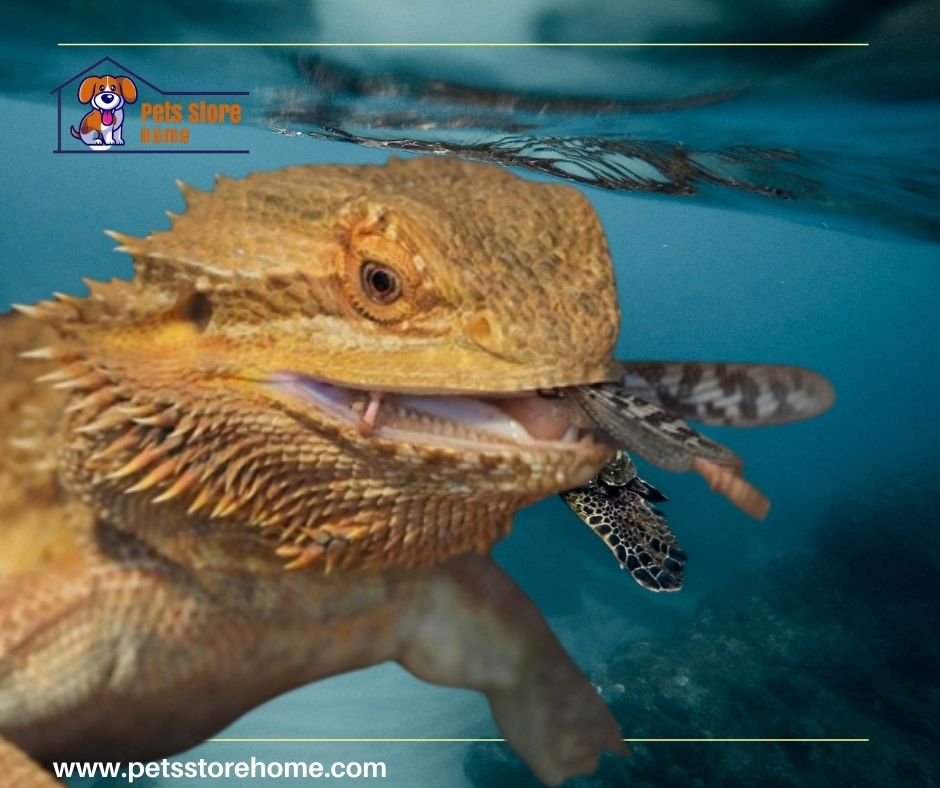
Can Bearded Dragons Eat Spinach-Watermelon-Blueberries-Cucumbers-Celery-Lettuce?

Can Bearded Dragons Eat Spinach-Watermelon-Blueberries-Cucumbers-Celery-Lettuce?

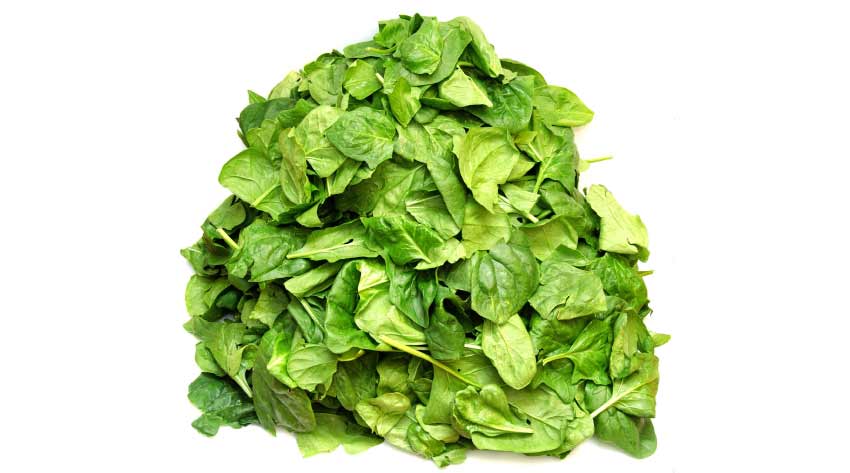
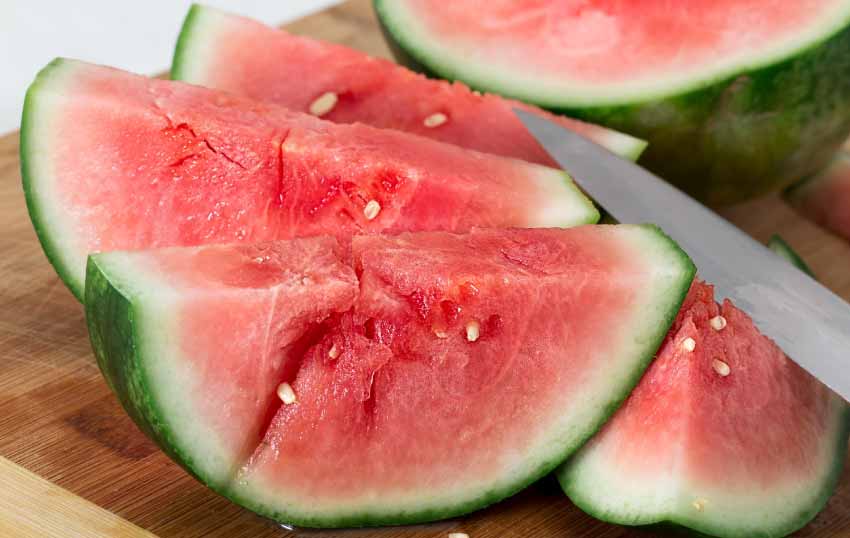
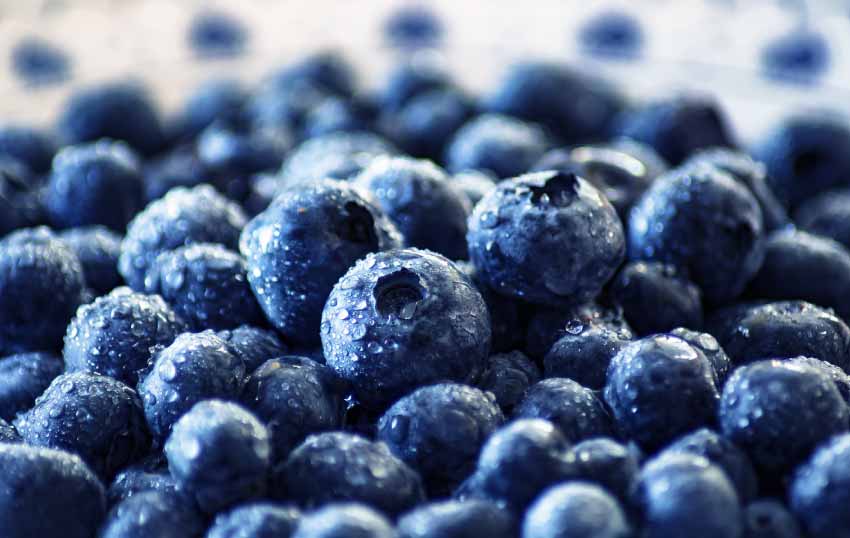
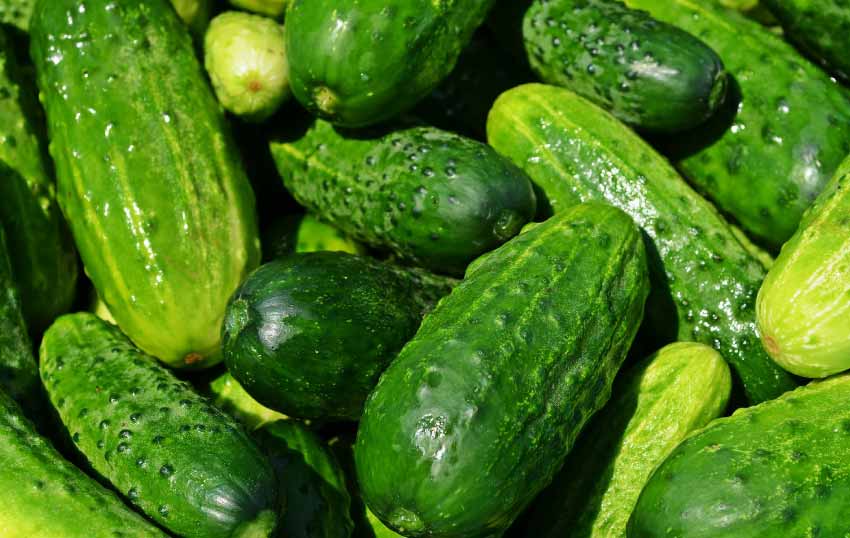
Quick Answer: Bearded dragons can eat small amounts of watermelon, blueberries, cucumber, and celery occasionally, but spinach and iceberg lettuce should be avoided or minimized, since spinach binds calcium and lettuce offers very little nutritional value.

Key Takeaways

  • Spinach contains oxalates that bind calcium and should be avoided as a regular food.
  • Iceberg lettuce is mostly water with little nutritional value.
  • Watermelon, blueberries, cucumber, and celery are fine in moderation as occasional treats.
  • High-water vegetables shouldn’t replace nutrient-dense leafy greens.
  • Prioritize calcium-rich greens like collard or mustard greens as the dietary base.

Why Trust This Guide?

This guide is researched and written by the Pets Store Home editorial team, drawing on general veterinary and animal-care information. It’s intended as general information; consult your vet for advice specific to your pet.

Can bearded dragons eat spinach?


Can bearded dragons eat spinach? The answer to this question is yes, as long as you are feeding it the right type of food. While spinach is typically a green vegetable, it can also be used as a staple diet for bearded dragons.

They can thrive on a diet of mainly vegetables like lettuce or kale, but they need to supplement their diets with protein-rich foods like crickets and mealworms. They need to supplement their diets with protein-rich foods like crickets and mealworms.

Watermelon

Can bearded dragons eat watermelon?

The answer is no, as the fruit has too much sugar and water for bearded dragons. They are able to eat a variety of fruits, vegetables, and insects like crickets and mealworms. They are also able to feed on worms and slugs in the wild.

Bearded dragons have very specific dietary requirements in order to thrive. They need a high-protein diet with plenty of calcium, vitamins A and D3, as well as vitamin C. Their diet should also include a wide variety of vegetables such as kale, collard greens, turnip greens, Swiss chard, mustard greens or dandelion leaves. Bearded dragons need to drink about 1 liter of water per day to survive and eating too much fruit can lead to dehydration.

However, it should be noted that some bearded dragons cannot digest watermelon and will die if they eat it.

Blueberries

Can Bearded Dragons Eat Blueberries?

The main benefit of feeding your beardy a balanced diet is that it will give your pet the nutrition it needs to grow healthy and strong. Blueberries are high in calcium, but they contain phosphorus, which prevents your dragon from absorbing this essential mineral. In addition, a low-calorie, nutrient-rich food like a yogurt, cereal, or salad dressing is recommended. If you choose to feed your pet a blueberry-based diet, keep in mind that it should be given as a treat only, and not as a regular food.

While they are rich in vitamins and minerals, they are also high in sugar, which may lead to obesity in your pet. You can also help your beardy dragon by limiting his or her intake of fruit. Similarly, cutting back on sugar can help keep your pet healthy and prevent diarrhea. This will allow you to provide your Beardy with the nutrients it needs without causing any problems.

Cucumbers

Can Bearded Dragons Eat Cucumbers?

Although the answer is a resounding yes, bearded dragons should not be given cucumbers regularly. The high water content of cucumbers is detrimental to the health of the dragon. Nonetheless, a small amount of cucumber every week can provide the necessary nutrients. Since 96% of a fresh cucumber is water, it can be safely given to beardies on a regular basis. In addition, a quarter of a cucumber is composed of fiber and vitamin C.

To prevent constipation and over hydration, cucumbers should be fed only once or twice per day. A single, small slice should be served to your beardy. Keep in mind that pieces of cucumber should be no larger than the size of the beardie’s eyes. It is also important to keep the amount of cucumber to a minimum.

As Cucumbers are contain 96% water. In addition to being high in water, cucumbers are also high in fiber, which strengthens the bowel movement and prevents constipation.

While cucumbers are safe to give to bearded dragons, it is best to avoid cucumber seeds. The seeds are very difficult to digest for the bearded dragon. Instead, the bearded will swallow the cucumber flesh and only the seeds.

Bearded dragons are not toxic, but they should avoid cucumbers that contain seeds. However, bearded lizards can eat the skin of cucumbers. While it is not recommended to feed a cucumber to a bearded dragon, it can be fed to a healthy diet.

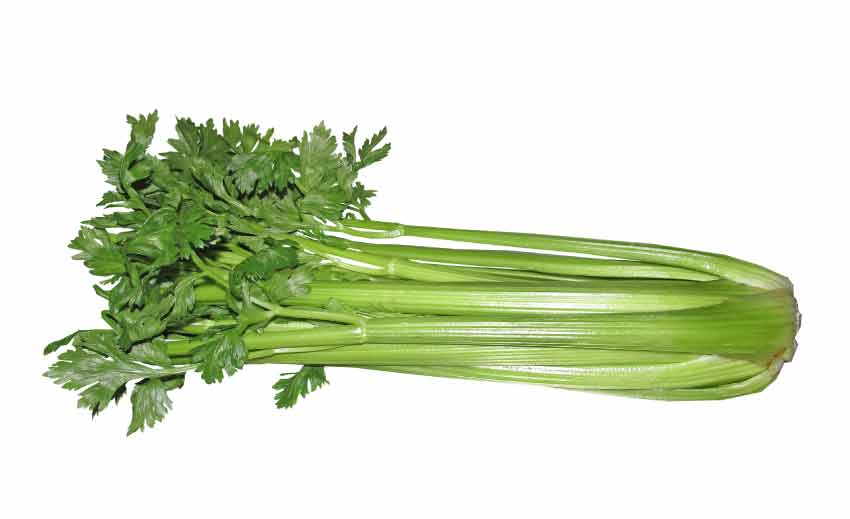
Celery

Can Bearded Dragons Eat Celery?

If you want to give your bearded dragon the most nutritious diet possible, you should add celery to their diet. While it doesn’t have much nutritional value, it does contain various vitamins and minerals, calcium and phosphorus. Additionally, celery has anti-inflammatory properties. However, it is not recommended for your beardie to eat more than a few pieces of celery a day.

Celery contains a 1.6-to-1 calcium-to-phosphorus ratio, which means it is a good choice for beardies. The calcium in celery will help them grow, while the phosphorus will prevent them from absorbing it. The resulting metabolic bone disease is painful, paralyzing, and potentially fatal. As a result, you should limit the amount of celery your beardie consumes to a few pieces per week.

Make sure to cut the stem into smaller pieces as well, as the stem can cause indigestion. You can also feed your beardie some Dubia roaches if you want to make sure he or she gets enough calcium.

Celery is not a great food for beardies, but it is still one of the best foods for them. It’s known to be healthy and provides your pet with an excellent source of calcium. After cutting the leaves, you can put the celery leaves into the feeding bowl.

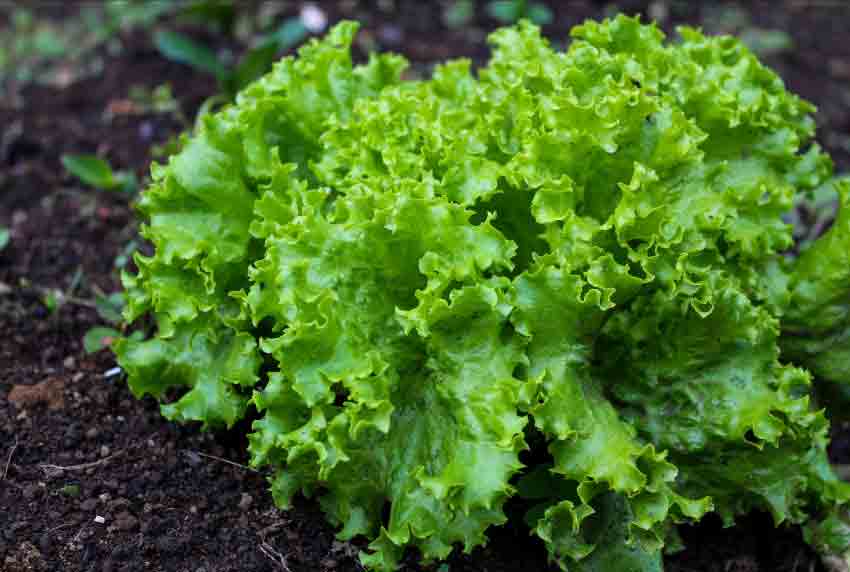
Lettuce

Can Bearded Dragons Eat Lettuce?

While you shouldn’t feed your bearded dragon lettuce on a daily basis, you can give it a healthy salad once or twice a week. If you can’t find fresh lettuce at your grocery store, buy a bag of chopped and rinsed leaves. This will allow your pet to eat more of the greens without the risk of spoilage.

To keep your dragon healthy, you can give your dragon salads made with fresh lettuce. However, you shouldn’t give it too much. A single leaf of lettuce is usually plenty for an adult bearded dragon. The water content of lettuce also prevents it from absorbing other nutrients. If you do feed your beardie lettuce on a regular basis, make sure you inspect it for spoilage and make sure it doesn’t contain harmful chemicals.

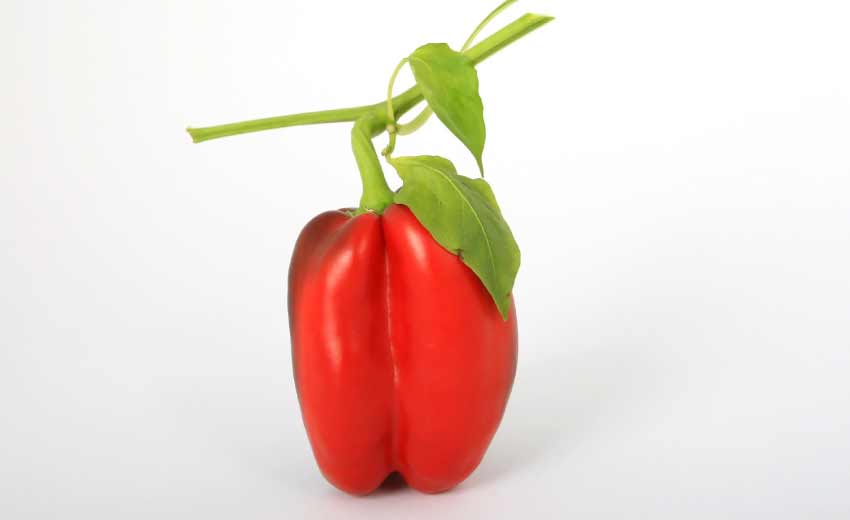
Bell Pepper

Can Bearded Dragons Eat Bell Pepper?

It provides essential vitamins and minerals and adds a delicious flavor to your beardie’s diet. Here’s how to safely feed your beardie with this vegetable.

First of all, bell pepper is very healthy for your bearded dragon. Its solid portion is loaded with antioxidants, which can help keep its cells healthy. These substances prevent the buildup of free radicals and make its cells stronger and healthier. While it’s tempting to give your beardie bell peppers for fun, you should never let him eat a whole pepper. Be sure to wash and cut your beardie’s peppers before giving them to him.

Another great vegetable that bearded dragons love are vegetables. Celery, carrots, cucumbers, and sweet potatoes are great choices. The best veggies to feed your beardie include bell peppers because they contain a lot of water and nutrients. It’s also easy to prepare and your beardie will love them. And you can even mix some of these vegetables into the food. If you’re unsure of what to feed your beardie, try introducing them to the vegetable.

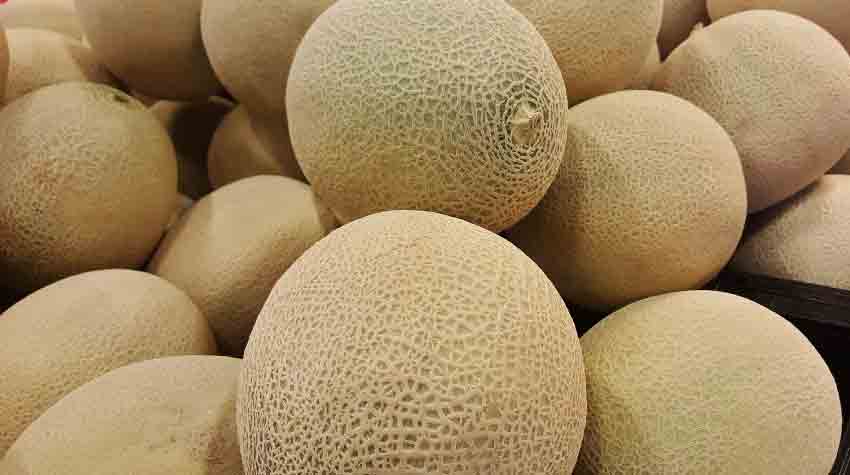
Cantaloupe

Can Bearded Dragons Eat Cantaloupe?

Unlike most other fruits, cantaloupe is low in sodium, making it a healthier choice than other types of fruit for a beardie or animal. But cantaloupe has other advantages. This type of fruit is high in beta-carotene, which is responsible for its orange color.

Cantaloupe contains several essential nutrients, including vitamin A, beta-carotene, and vitamin C. It also has a high content of fiber, which is beneficial for bearded dragons. However, you should avoid giving your beardie large amounts of cantaloupe, since it may cause diarrhea or runny stools. It also contains oxalates, which could prevent the beardie from getting calcium from this food.

The best way to feed your beardie cantaloupe is to cut it into small pieces, which are smaller than the diameter of its eyes. Then, you can mix it with other fruits for your beardie to eat. Although cantaloupe is a good choice for a diet, it doesn’t pose a health risk. Cantaloupe can lead to obesity, high blood pressure, and other issues, so you should be careful with how much you feed him.

The fruit is high in water and contains vitamins. However, cantaloupe is low in calcium. Because of its high phosphorus content, it can upset the proper ratio of calcium and phosphorus in your beardie. Cantaloupe is not the best option for a beardie, because it lacks enough calcium and vitamin D. As a result, the cantaloupe should only be fed occasionally.

Can Bearded Dragons Eat Pineapple?

The first thing you should know is that pineapple contains oxalates, a substance that prevents your dragon from absorbing calcium from its diet. This prevents your beardie from consuming calcium and may lead to metabolic bone disease. Therefore, you should only feed your beardie the flesh of the fruit. Never give it the skin, core, or other tough parts.

Although pineapple may seem like a perfect food for your beardie, it can actually pose health risks for your pet. Pineapple is high in oxalates, which bind with calcium and make it impossible for the dragon to absorb it. This can lead to metabolic bone disease, which can result in deformity and even death. To protect your beardie from this problem, you should limit your beardie to eating pineapple only one or two times a month.

Pineapple is also high in calcium, but be sure to use caution. Because pineapple contains moderate amounts of oxalates, it may cause your beardie to become ill. It is best to offer pineapple to your beardie only a few times per month. Before feeding your beardie pineapple, be sure to remove the top and core, and slice the fruit into small pieces. When feeding your beardie pineapple, you should not feed him the skin or any of the cores.

Can Bearded Dragons Eat Cherries?

The fruit’s acidity and high sugar content can cause digestive problems in Beardies. Also, it can lead to weak bones and MBD in some animals. So, always make sure that the Cherry is completely washed before feeding it to your Beardie. Moreover, you should not serve your dragon with the leaves of the cherry.

You should also avoid dried cherries. These are harder to chew and contain more sugar. You can try giving your dragon some dried or canned cherries. You can even feed your beardie with cherry pits. If you want to give your beardie a taste of cherries, you can choose dried or frozen ones. Ideally, your beardie should not eat more than once a month.

Can Bearded Dragons Eat Avocado?

A little bit of research on avocados shows that avocados are not harmful to bearded dragons. Their high content of monounsaturated fats can help reduce obesity and fight off diseases like cardiovascular disease. Nevertheless, avocados should not be fed to your beardie because it can make it ill. The good news is that avocados are packed with healthy monounsaturated fats.

The bad news is that avocados can be choking hazards for bearded dragons. They also contain persin compounds that can affect your pet’s health. While some beardies have survived eating avocados, it’s not a good idea for your beardie. As long as you’re aware of the risks, avocados can be harmful to your beardie.

Afterward, give your beardie a bath. The warm water helps flush out the avocado poison from their system.

can bearded dragons eat

Can Bearded Dragons Eat Asparagus?

When considering what vegetables to feed your pet, asparagus is a popular choice. While it’s a controversial vegetable, dragons don’t seem to mind it. It’s also a good choice for people who want to provide their bearded dragon with healthy food. Just remember to follow the instructions for serving it properly and avoid providing your beardie with anything that might be dangerous for him or her.

Before you let your beardie eat asparagus, be sure to first determine the size of its mouth. Since bearded dragons have varying-sized mouths and throats, you’ll need to be very careful when serving this vegetable to your dragon. Look for spears with leaves so it’s easier for your beardie to chew on them. Make sure that the stalks don’t have any dark spots or fungus on them, as this could make them unsuitable for consumption.

While the vegetable offers several benefits to a beardie, it also has some disadvantages. Asparagus contains a lot of phosphorus, which binds with calcium and may hinder the absorption of calcium. It’s important to limit the amount of this vegetable to one or two servings per week.

Can Bearded Dragons Eat Mango?

While the question of can bearded dragons eat mango is not an easy one, it is beneficial to these reptiles. The fruit has several beneficial nutrients that will benefit your beardie. It can help your dragon’s immune system and improve his or her ability to fight disease. It can also be used to revive wilted lettuce. Just remember to read the label.

Although mangoes can be eaten by bearded dragons, it is important to make sure you choose organic varieties. This way, you’ll be able to ensure that the fruit does not contain pesticide residues, and it is more nutritious for your pet. Never feed your dragon an unripe mango. The fruit has high sugar content and may cause your beardie to choke on it. In addition, peeling a fresh, ripe mango is not advisable for beardeds. It’s not just a choking hazard for your animal, but it also poses a choking hazard for it.

Mango contains high amounts of vitamin A, which is helpful in maintaining your beardie’s immune system. Vitamin C is essential for healthy bearded dragons, and a healthy diet can be difficult to find. Another fruit to consider feeding your beardie is the pineapple. However, it is important to remember that the fruit can be toxic if too much is eaten.

Can Bearded Dragons Eat Dandelions?

While you may be tempted to let your bearded dragon eat the entire flower, the plant is not really an ideal choice for your pet. It is important to chop the leaves into smaller pieces and mix them with other healthy greens.

Dandelions are a great choice for feeding your beardie. Although you should avoid feeding them the stems because they are not edible, dandelion leaves are very nutritious for the animal.

The best way to feed your beardie dandelions is to pick them from the outside. This is a great food for your beardie, and it should be added to their regular diet. For best results, choose a place in your garden that is not too close to the dandelion’s breeding ground.

can bearded dragons eat

Can Bearded Dragons Eat Brussel Sprouts?

Brussel sprouts are a vegetable that resembles miniature cabbages. Plus, they contain a lot of water, which can lead to digestive problems in bearded dragons. Regardless, it is highly unlikely that your beardie would get sick from eating brussel sprouts, but this is not to say you shouldn’t give them a try.

Can Bearded Dragons Eat Earthworms?

While they aren’t the most nutritious foods, they can boost the health of your lizard. It’s best to buy the smallest ones for a baby beardie, because larger ones can cause impaction, which can lead to constipation and paralysis. As your beardie grows up, it will eat a variety of types of grubs without much difficulty.

While earthworms are nutritious, they aren’t the best food for your beardie. They should be used as a supplement to your regular diet, and they should not be a staple food. In addition, your beardie needs at least 10ml of water a day, which should come from food and water drank directly. They attract sand, and aren’t a healthy source of protein.

In addition to containing protein, earthworms are full of chemicals and parasites that can harm your pet. That’s why they’re best fed as a treat. In contrast, humans should only feed their pets with foods high in protein and water. However, this isn’t the case with earthworms.

Can Bearded Dragons Eat Nightcrawlers?

The answer is a resounding “yes!” However, you need to take some precautions. You should always buy worms from a reputable source like a pet store or bait store. A worm’s moisture content is 70 to 90%, which depends on the species and how much water is available in the terrarium. Worms have a high protein content and are rich in minerals and vitamins. Their protein content is 60 percent, with only 7.8% fat and 2% fiber. They also have a large amount of iron, calcium, potassium, and zinc.

Nightcrawlers can be purchased online or from a reputable seller. Remember to remove the worms after 10-15 minutes of feeding. The unused worms should be returned to the culture and can be fed to other pets.

Can Bearded Dragons Eat Mushrooms?

Besides vegetables, bearded dragons can also eat mushrooms. Celery is also a good raw green for your pet. Be sure to chop it finely to prevent your dragon from becoming irritated. You can also feed your beardie a few pieces of this vegetable a day.

However, keep in mind that a beardie should not eat spoiled food, so he should avoid eating mushrooms. You must also make sure that your favorite dragon’s favorite place is not damp and dirty. This will prevent your beloved pet from eating mushrooms. If you want to give your beardie a healthy diet, then you have to make sure that he doesn’t get toxic food. If you have a pet beardie, it’s essential to keep it clean and free of mold, grass, and fungus.

If you’re curious about whether your beardie can eat mushrooms, you can look for a nutrient-rich mushroom. The ratio of calcium and phosphorus is usually 2:1. This is ideal for a beardie, since his digestive system can absorb calcium properly. Because of this, you must remember that mushrooms have a low calcium-to-phosphorus ratio and a high phosphorus-to-calcium content. That’s why you need to make sure that your pet’s diet has enough calcium, phosphorus, and protein in its daily diet.

Can Bearded Dragons Eat Wax Worms?

Wax worms are a common diet for bearded dragons, and while they are low in nutritional value, they are a suitable choice if you’re trying to keep your beardie from becoming overweight. Be sure to choose a dish with an escape-proof lid or secure catch-all for the worms. They’re not very agile but should be contained in a shallow dish.

While wax worms are low in calcium and aren’t suitable for all beardied dragons, they’re not too large and are perfectly safe for the little reptiles. Remember that they’re a treat, and should be considered an occasional treat. If you’re worried about their digestive tract, consider giving them other kinds of worms instead.

Although bearded dragons aren’t recommended for eating wax worms, they can easily be fed to them. Depending on their size and health, they can eat up to five to six of these worms per day. The amount of wax a beardie consumes will vary, and the type of worms you choose should depend on the requirements of your pet. For example, an adult beardie may need more protein and fat than a baby. But too much fat can be detrimental to their growth.

Although wax worms aren’t the healthiest option, they’re popular among bearded dragon owners. A single serving of wax worms should only be given once or twice a week, and be part of a rotating meal plan. This is one of the few types of food that bearded dragons can eat without becoming overweight.

Can Bearded Dragons Eat Kiwi?

There are many reasons why you should avoid giving your pet kiwi. First of all, it contains calcium oxalate, which is a mineral essential to bone, muscle, and metabolism health. In addition, kiwi is toxic to pets. You should limit the amount of kakis you give your dragon to less than ten percent of their total food intake.

As a fruit, kiwi is not only nutritious for your beardie, but it also contains high amounts of antioxidants. The cactus fruit is a staple food for beardies, and its seeds are larger than kiwis. Even if your dragon doesn’t like kiwi, he’ll probably love it. So, don’t worry if you can’t serve kiwi daily to your dragon. He’ll be fine eating it once or twice a month, though.

Kiwis are also a great treat for beardies. They love to bite off large pieces of their food, and they are rich in Vitamin C. However, kiwi should be given to your beardie only sporadically.

The oxalic acid prevents your pet from absorbing calcium, which can cause metabolic bone disease, a condition that can be fatal. Although kiwi is delicious and nutritious, you should avoid giving your beardie kiwi skin.

Can Bearded Dragons Eat Turnip Greens?

This green vegetable is considered a staple food, and is great for your pet’s health. You should wash the turnip leaves before serving them to your pet, and mix the turnip leaves with other foods rich in calcium and other nutrients. Although turnip is high in vitamin A and C, it does have a small amount of oxalate, which is not good for beardies.

While you shouldn’t give your beardie too much fat, too much of this food can lead to obesity and other problems. Moreover, fiber helps your beardie’s digestive system and helps prevent constipation. This is why turnips are a healthy food for beardies.

When feeding your beardie turnip greens, make sure that you serve them as a raw salad. Always serve them raw and uncooked. Cooking them destroys their chemical boundaries, which makes them less nutritious. So, if you’re planning to feed your beardie turnip greens, you’ll want to make sure that you don’t cook them.

Can Bearded Dragons Eat Pears?

And while they do not have much nutritional value, they may be beneficial for your pet. If offered at the right time, pears will provide your beardie with a well-balanced diet, which will be able to keep their digestive systems functioning well. Although pears are higher in fibre than other fruits that dragons will typically eat, they are still low in vitamin K and are not considered a staple food. In moderation, allowing your beardie to eat pears is a safe and healthy way to feed your pet.

One important tip is to never give your beardie any fruit that contains seeds. As a result, you should avoid giving your pet pear seeds as they can cause digestive problems and a variety of other health issues. However, if you want to provide your pet with pear treats, you can always blend pears with coconut water and mix them with other foods.

You should limit pears to about two per week. If you plan to feed your beardie pears, make sure to remove the seeds. Also, do not give him the juice of pears, because it contains preservatives and sweeteners that are not good for him.

Can bearded dragons eat mice

If they are fed live mice, be sure to thaw them first before feeding them. It is best to keep them at 85-95degF, as hot mice may cause digestive problems for your pet. In addition, be sure to keep them away from other pets that may be allergic to them.

Mice have a high calcium content, which bearded dragons can easily digest, but their tiny bodies make them difficult to digest.It is recommended to only feed your pet pinkies at a low temperature, around 86-95 degF. Also, be sure that the mice you’re giving your beardie are at the right temperature before feeding them. Otherwise, the temperature may cause digestive problems.

Keeping your pet healthy is the main goal of any bearded dragon owner. This includes the proper diet. Mice should be provided on a regular basis, as they are a great source of protein. Frozen and canned mice are good choices if you want to feed your dragon more often.

Can Bearded Dragons Eat Stink Bugs?

Bearded dragons love to eat stink bugs, and they have no problem doing so. These insects contain a high amount of calcium and protein, and their hard chitin exoskeleton is excellent for absorbing vitamins. Unfortunately, some wild insects are highly toxic for your dragon and can harm your pet in many ways. To avoid this problem, it’s important to be extra careful with what you feed your beardie.

While some bearded dragons love to eat stink bugs, it is important to keep them away from areas where there are a lot of stink bugs. If you live in an area where these insects are common, you may want to consider staying indoors with your beardie while you take care of the situation. If you’re concerned that your pet is infected, try avoiding it entirely. Then, take your pet to the vet. In the meantime, protect your home from outside insects by covering your dragon’s cage with a mesh or plastic sheet.

If you’re worried that your beardie might be eating the odory insects, you can try growing some catnip plants in your home or garden. You can sprinkle catnip around window sills or other areas where bugs are active. It’s important to remember that stink bugs don’t like scents, and don’t feed them to avoid pests.

can bearded dragons eat

Can Bearded Dragons Eat Sweet Potatoes?

These sweet-tasting vegetables are a staple food in many tropical countries such as the Caribbean, South America, and Africa. They are a good choice for feeding bearded dragons because they are low in calories and have a low phosphorus-to-calcium ratio.

Sugar has high glycemic index and can lead to diabetes and obesity. That’s why you should limit your beardie’s consumption of sweet potatoes to a few times a month. Nevertheless, it’s important to avoid giving your dragon too many other sugary foods that can counteract the positive effects of sweet potatoes.

Although the average beardie loves sweet potatoes, they are not healthy for your lizard. The right mix of vegetables, such as broccoli, cauliflower, and sweet potato, should be fed to your beardie. For example, broccoli is a good choice because it is high in fiber, while a diet that includes a variety of other fruits and veggies will provide a diverse diet for your beardie.

You should consider whether you should feed your beardie a sweet potato with its skin or not. The skin may be toxic to your pet, and you must be sure it is completely safe. If you’re not sure whether or not your beardie would eat a whole sweet potato, you can try removing the skin before offering it to him.

Can Bearded Dragons Eat Pumpkin?

The nutritional value of pumpkin is good for your bearded dragon, but it does have a few risks, particularly because it is high in calcium. Also, its high phosphate content makes it less effective as a calcium source. A small amount of pumpkin a day is fine.

The main benefits of pumpkin for beardied dragons are fiber and vitamin C. Fiber helps with correct digestion, and also maintains healthy bowel motions. Vitamin C improves eye and skin health, and also supports the immune system, preventing beardie sickness. Finally, pumpkin is rich in calcium, which strengthens the bones, muscles, and tissues.

Pumpkin is high in fiber, which helps beardied dragons digest food. Its vitamin C content is also beneficial for your beardie’s digestive system. It also improves the immune system, which means it’s an essential ingredient in preventing sickness. Its calcium content makes it great for their muscles, bones, and tissues.

Pumpkin is a good source of calcium for beardie dragons. Since pumpkin has a low phosphorus-calcium ratio, it’s a safe and nutritious treat for your pet. A small piece of pumpkin once or twice a month is sufficient for a regular meal. Avoid feeding your pet the seeds of the pumpkin, as they can cause gastrointestinal issues. It’s important to remember that bearded dragons can’t metabolize the sugar in bananas, so you should never give it to your beardie.

Can Bearded Dragons Eat Hornworms?

While adult bearded dragons can eat a variety of foods including hornworms, juveniles can only consume about 20-50 a day. This amount should be fed to your beardie once a week. You can also feed your dragon fresh vegetables and multivitamin supplements, since these foods are loaded with protein and nutrients. However, if you want to give your beardie a more nutritious diet, you should only feed it a handful of a single kind of a dietary supplement.

Tobacco hornworms are identifiable by their distinctive white diagonal lines on their bodies. These worms have reddish brown wiggly ‘horns’ on their heads. Tobacco ‘hornworms’ are typically fed to chickens and reptiles for their protein and phosphorous content. Although they are a popular option for insect-eating pets, bearded dragons have no use for them.

If you are trying to decide whether to feed your beardie hornworms, you’ll have to make sure you’re doing it correctly. While mealworms are suitable for your beardie, you should consider the size of the worms. Larger food can cause paralysis and damage to the spinal cord that’s attached to its food tract. It’s important to note that bigger hornworms will kill your beardie if consumed.

Can Bearded Dragons Eat Chicken?

While it’s not a bad idea to offer your dragon meat and eggs, these two kinds of meat are incredibly high in fat and phosphorus, which can affect your dragon’s health and digestion. Keeping your pet’s Ernährung as close to its natural diet as possible is crucial for its wellbeing. In addition to vegetables and insects, a healthy, balanced meal of chicken and veggies is the best diet for a healthy and balanced life.

When choosing what type of chicken to feed your beardie, you have to keep in mind that the raw version is probably the most nutritious. Because chicken is high in fat, it’s not a good idea to give your pet a whole chicken. The best choice for your beardie is to mix some cooked chicken with vegetables and staples. Alternatively, you can provide some bones from a cooked chicken and give it some of the meat. As a general rule, insects and whole prey are best for your beardie.

While beardie owners often feed their dragons chicken, you should be very careful not to overfeed your pet. Chicken contains large amounts of phosphorus, which is harmful for your pet’s health. So, you should only give it a few pieces of chicken per month to get the desired effect. Aside from that, you should also limit the amount of chicken scraps. You should give your beardie a healthy meal once a month, and try to keep it away from other sources of protein.

Can Bearded Dragons Eat Squash?

Can bearded dragons eat squash? Yes, but it is important that you wash your squash thoroughly so that any chemicals or foreign materials do not affect your pet’s digestive system. Cut the squash into bite-sized pieces, and make sure to remove the peels.

It is a source of vitamin A, but it can cause gastrointestinal issues and may even kill your beardie. It is best to mix it with a mixture of vegetables, so that your dragon receives variety and a balanced diet. A daily serving of squash should not exceed one-half cup.

While squash can be given to a bearded dragon, the amount of this food is too high. The amount of phosphorus in the squash is too high, which can result in health problems. Too much phosphorus can prevent the body from absorbing calcium, and it can lead to a metabolic bone disorder. In extreme cases, this can lead to limbs that are too short or misshapen.

Just make sure the squash is smaller than the dragon’s eyes. Amounts as small as one-half of cucumber are suitable for bearded dragons. Adding mealworms can also help make the squash tastier for your dragon. The squash has beneficial nutrients for your pet, but you should not feed your pet a daily portion. Squash is not the best choice for daily meals. For healthy and happy pets, you should offer more nutritious foods such as other vegetables.

How Long Do Gerbils Live as Pets ! In Captivity For in The Wild

How Long Do Gerbils Live as Pets ! In Captivity For in The Wild

How long do gerbils live as pets? Most pet gerbils live about 2 to 3 years, according to the Merck Veterinary Manual and VCA Animal Hospitals. Some live a little longer and some less, depending on genetics, health, and care. Knowing the typical gerbil lifespan before you bring one home helps you plan, and helps children understand that these small pets have short lives.

The pet gerbil you’ll find in the US is usually the Mongolian gerbil (Meriones unguiculatus). This guide covers its realistic life expectancy, what affects it, and how good daily care can support a healthy life.

Key takeaways

  • The typical pet gerbil lifespan is about 2 to 3 years.
  • Individual gerbils vary. Some live longer, and illness can shorten life.
  • Good food, safe housing, companionship, and vet care support welfare, but they can’t guarantee a set number of years.
  • Gerbils are social and usually do best with a compatible companion.
  • New symptoms in an older gerbil still deserve a vet visit.

How Long Do Gerbils Live as Pets?

The Merck Veterinary Manual states that the normal lifespan of a gerbil is 2 to 3 years, and VCA Animal Hospitals gives the same life expectancy of 2 to 3 years. VCA also suggests telling children about this before adoption, so a gerbil’s death doesn’t come as a shock.

Quick answer: Pet gerbils usually live about 2 to 3 years. Some live a little longer, but that’s above average. Healthy food, a roomy enclosure with deep bedding, a compatible companion, and prompt vet care give your gerbil the best chance at a full life.

Average vs. Exceptional Lifespans

An average is just that. Within any group of gerbils, some will live shorter lives because of illness or genetics, and a few will outlive the typical range. You may read online about gerbils living 5 years or more. We couldn’t verify those claims in veterinary sources, so treat them as rare exceptions, not a goal to expect.

It also helps to separate pet gerbils from wild ones. Wild gerbils face predators, harsh weather, and food shortages, so their lives may be shorter and are harder to measure. The figures in this guide apply to gerbils kept as pets.

What Owners Can Influence

You can’t change your gerbil’s genes, but you can control much of its daily life. The things that matter most are:

  • A balanced pelleted diet and fresh water every day
  • A secure enclosure with deep bedding for burrowing
  • A suitable companion, introduced carefully
  • Safe toys, chews, and exercise
  • A calm, predictable routine
  • Regular checkups and quick action when something seems wrong

None of these guarantee a longer life, but together they support good welfare. For more small-pet guides, browse our other pets section.

How long do gerbils live: two pet gerbils resting together in soft bedding
Wondering how long do gerbils live? Most pets live 2 to 3 years, and many enjoy a companion. Photo: Peter Steiner / Pexels.

How Long Do Gerbils Live? What Affects Lifespan

Many things shape the answer to “how long do gerbils live?”, and no single one decides it. Here’s how each factor plays a part, and what you can do about it.

Genetics and individual health

Some gerbils are born with a weaker constitution or inherit health problems. You can’t control this, but you can improve the odds by choosing a gerbil that looks bright, alert, and well-groomed, and by asking the shelter, rescue, or seller about its background.

Nutrition and fresh water

Diet matters for a long, healthy life. The Merck Veterinary Manual says gerbils do well on pelleted rodent diets with 18–20% protein, and warns that sunflower seeds and table scraps can lead to nutritional problems. VCA adds that gerbils should never live on a seed-only diet, since seeds are high in fat. Fresh, clean water should always be available.

Enclosure, bedding, and air quality

Gerbils are natural diggers. Merck’s owner guide recommends a solid-bottomed enclosure, such as a glass tank with a mesh lid, filled about one-third deep with bedding, and at least 5 gallons of space per gerbil. That’s a minimum, and many owners choose a larger tank so gerbils can burrow and explore. A mesh lid keeps air moving. Merck also notes that humidity above about 50% can trigger nasal skin problems, so keep the enclosure in a dry, well-ventilated spot away from drafts and direct sun.

Exercise and enrichment

Gerbils are busy animals that run, dig, and chew. Merck warns that the slats in a traditional hamster wheel can catch a gerbil’s feet or delicate tail, so choose a solid-surface wheel. Tunnels, cardboard tubes, and chew toys give them things to do.

Companionship

Gerbils are social. Merck recommends keeping them in pairs, especially same-sex pairs from the same litter, and notes that they tend to form close bonds. VCA cautions that adult gerbils, especially males, can be territorial and may fight. The safest approach is to adopt a bonded pair, watch introductions closely, and separate gerbils that fight.

Stress and routine

Loud noise, frequent cage moves, rough handling, and other pets nearby can all cause stress. A quiet room, a regular feeding time, and gentle handling help gerbils feel secure.

Veterinary care

VCA recommends that a new gerbil see a vet familiar with gerbils within 48 to 72 hours, followed by at least yearly exams, and twice-yearly checks for older gerbils. Regular checks give your vet a chance to spot problems early.

Factor What to aim for
Diet Gerbil pellets, small amounts of fresh vegetables, fresh water daily
Housing Solid-bottomed tank, deep bedding, mesh lid, dry room
Exercise Solid-surface wheel, tunnels, chew toys
Company A bonded same-sex partner, watched for fighting
Vet care New-pet exam, yearly checkups, twice yearly when older

How to Help Your Gerbil Live a Healthy Life

Knowing how long do gerbils live is only half the picture. The other half is daily care that helps your gerbil enjoy those years. These practical steps cover the basics.

Feed the right diet

Make gerbil pellets the main food. Merck’s owner guide suggests pellets formulated for gerbils as the healthiest choice, and notes that about 5 grams of pellets a day per gerbil helps avoid obesity. Add small amounts of washed vegetables and only occasional bits of fruit. Avoid seed-heavy mixes, sugary treats, and table scraps. Before offering any new fruit, check whether it’s safe. Our guide on whether gerbils can eat strawberries is a good example.

Keep the enclosure clean and dry

Gerbils produce little urine, so their homes need less frequent cleaning than many rodents’. Spot-clean soiled bedding and leftover fresh food regularly, and do a fuller bedding change when the enclosure starts to smell or look dirty. Keep the tank out of humid rooms like bathrooms and laundry areas.

Provide bedding, tunnels, chews, and sand

Offer plenty of paper-based bedding for burrowing, along with tunnels and cardboard tubes. Gerbils’ front teeth grow continuously, and Merck notes that chewing on safe items, such as small rope or wood parrot toys and untreated wood, helps wear them down. Merck also says gerbils may benefit from regular sand baths to keep their fur clean. Use plain sand sold for small animals.

Choose a safe wheel

Use a solid-surface wheel with no slats or rungs, and make sure it’s big enough that your gerbil’s back stays straight while running. Check it weekly for cracks, loose parts, or gaps that could pinch feet or tails.

Handle gently

Scoop your gerbil up with cupped hands rather than grabbing it. Never lift a gerbil by the end of its tail. Merck warns that the tail skin can slip off, an injury called tail slip or degloving. Short, calm handling sessions help build trust.

How long do gerbils live tips: pet gerbil eating under warm indoor lighting
A balanced diet supports good health. Diet is one of the biggest factors in how long do gerbils live well. Photo: 小和尚 温柔的 / Pexels.

Warning Signs and When to See a Vet

Check your gerbils every day. The Merck Veterinary Manual lists warning signs that include inactivity, a hunched posture, loss of appetite or weight, changes in droppings or urine, discharge from the eyes, ears, or nose, a rough coat, and trouble breathing. It notes that weight loss can be an early sign of illness.

Call a veterinarian promptly if you see any of these, or if a gerbil has diarrhea, stops eating, or acts very differently. Small animals can get sick fast, so don’t wait to see if things improve. Never give human medicines or home remedies, and keep the sick gerbil warm and quiet on the way to the clinic.

Pet Care Tip: Not every vet treats gerbils. Find one before you need one. The Association of Exotic Mammal Veterinarians offers a search tool for exotic-pet vets, or you can ask local clinics whether they see small mammals. Weigh your gerbil weekly on a kitchen scale and note the result, so you can spot gradual weight loss.

Signs of Aging in Gerbils

Once you know the answer to “how long do gerbils live?”, it’s easier to plan for the senior stage. Because the typical lifespan is short, a gerbil may start showing age-related changes in its second year or later. Changes you may notice include:

  • Sleeping more and running less
  • Gradual weight loss or less muscle along the back
  • A thinner or less glossy coat
  • Less interest in digging or climbing
  • Slower reactions or more caution

Here’s the catch: many of these signs also appear with illness. Don’t dismiss a new symptom as “just old age.” VCA recommends that older gerbils see a vet twice a year, and any sudden change deserves a prompt visit.

Caring for an older gerbil

Keep a simple log of weekly weight, appetite, and activity. Lower ramps and platforms so your gerbil doesn’t have to climb high, place food and water where they’re easy to reach, and keep bedding deep and soft. If one gerbil in a bonded pair dies, watch the survivor closely and ask your vet for advice. Merck notes that an older female often won’t accept a new mate.

Weekly gerbil health check

  • ☐ Weight recorded and steady?
  • ☐ Eating and drinking normally?
  • ☐ Clear eyes, nose, and ears?
  • ☐ Clean, smooth coat?
  • ☐ Normal droppings?
  • ☐ Moving, digging, and exploring as usual?

How Long Do Gerbils Live? FAQs

How long do gerbils live as pets?

Most pet gerbils live about 2 to 3 years, according to the Merck Veterinary Manual and VCA Animal Hospitals. Some live a little longer, and illness can shorten life.

Do gerbils live longer in pairs?

We found no reliable evidence that pairs live longer. But gerbils are social, and the Merck Veterinary Manual recommends keeping them in pairs, especially same-sex littermates, which supports their welfare.

Can a gerbil live for five years?

It would be very unusual. Veterinary sources give a typical lifespan of 2 to 3 years, and we couldn’t verify reports of gerbils reaching five years.

How can I tell if my gerbil is getting old?

Older gerbils may sleep more, move less, and lose weight or coat condition. Because illness can cause the same signs, have a vet check any change.

What are signs that a gerbil needs a vet?

See a vet promptly for weight loss, poor appetite, lethargy, a hunched posture, diarrhea, discharge from the eyes or nose, a rough coat, or any trouble breathing.

What is the most important part of gerbil care?

Consistency. A balanced pelleted diet, fresh water, a safe enclosure with deep bedding, a compatible companion, and daily health checks all work together.

Final Verdict: How Long Do Gerbils Live?

So, how long do gerbils live? Most pet gerbils live about 2 to 3 years. You can’t control genetics, but you can give your gerbil a balanced diet, a roomy and safe enclosure, a compatible companion, and prompt veterinary care. Watch for changes, don’t write off symptoms as old age, and enjoy every busy, burrowing day together.

Your next steps

  1. Find a vet who treats small mammals before you need one.
  2. Start a weekly weight and health log using the checklist above.
  3. Explore more small-pet care guides in our other pets section.

Share a photo of your gerbils with our community on Facebook.

About the author

Written and reviewed by the Pets Store Home Editorial Team: pet owners and animal lovers who check every guide against trusted US veterinary and animal-welfare sources. This article is general information, not a substitute for professional veterinary advice. Always talk to your veterinarian about your own pet’s health.

How we checked this guide: We used lifespan, housing, diet, and health information from the Merck Veterinary Manual and VCA Animal Hospitals, and the Association of Exotic Mammal Veterinarians’ vet-finder. We review this article every 12 months, or sooner if guidance changes.

Last reviewed: October 2026

Can Guinea Pigs Eat Strawberries-Banana-Grapes and Apples with skin?

Can Guinea Pigs Eat Strawberries-Banana-Grapes and Apples with skin?

Can Guinea Pigs Eat Strawberries, Bananas, Grapes and Apples With Skin?

Can guinea pigs eat strawberries, bananas, grapes and apples? Yes, all four are safe as small, occasional treats. Offer a thumbnail-size piece of strawberry, one thin slice of banana, one seedless grape cut into quarters, or a half-inch cube of apple with the skin on and the seeds removed. Offer each fruit only once or twice a week, and no more than one fruit per day, because it’s high in sugar. Fruit should stay a tiny part of the diet next to unlimited hay, vitamin C-rich vegetables and guinea pig pellets.

This guide covers each fruit in detail, including strawberry tops, banana peels and apple skin, plus a sample weekly plan and the warning signs that mean fruit isn’t agreeing with your pet.

Call an exotic-animal vet promptly if: your guinea pig has diarrhea, stops eating or pooping, looks bloated or hunched, or seems unusually quiet after eating fruit. Guinea pigs can go downhill quickly when their gut slows down, so don’t wait to see if it passes.

Key takeaways

  • Strawberries, bananas, grapes and apples are all non-toxic to guinea pigs, but all are sugary treats.
  • Keep fruit to about 5% of the diet: one small piece of a single fruit, never a daily bowl.
  • Apple skin and grape skin are fine; apple seeds, cores and grape seeds are not.
  • Strawberry leaves and tops are a lower-sugar option than the berry itself.
  • Guinea pigs can’t make vitamin C, so their daily supply should come mainly from vegetables and fortified pellets, not fruit.

Can Guinea Pigs Eat Strawberries, Bananas, Grapes and Apples? Quick Answer

Here’s the short version for all four fruits. Portions are for one healthy adult guinea pig and are drawn from vet-written guides at PetMD and Chewy.

Fruit Safe? Portion How often Prep
Strawberries Yes, as a treat Thumbnail-size piece Once a week Wash; tops OK, remove hard stems
Bananas Yes, as a treat One thin slice Not daily Fresh and ripe; washed peel in small bits
Grapes Yes, as a treat One grape Once or twice a week Seedless, cut into halves or quarters
Apples Yes, as a treat ½-inch cube Up to twice a week Skin on; core and seeds out
Can guinea pigs eat strawberries: box of fresh strawberries, bananas, grapes and apples
All four fruits are safe for guinea pigs in tiny portions, but none should be an everyday food. Photo: Snappr / Pexels.

Why Fruit Is a Treat, Not a Staple

Guinea pigs are strict herbivores built to eat grass and hay all day. The Merck Veterinary Manual says the base of an adult’s diet should be high-quality grass hay, plus a small amount of guinea pig pellets and fresh produce, mostly leafy greens and low-sugar vegetables. The same guide lists berries, oranges, carrots and sugary treats among foods to avoid, which shows how cautious vets are about sugar.

Sugar matters because a guinea pig’s gut runs on fiber. Merck notes that a diet with too many sugars and too little fiber is linked to a dangerous slowdown of the gut. Too much fruit can also fill your pet up so it eats less hay, which guinea pigs need for healthy digestion and to wear down their constantly growing teeth.

Our guide on how long guinea pigs can go without hay explains why hay comes first. So when you ask “can guinea pigs eat strawberries?” or any other fruit, the real question is how much and how often.

Can Guinea Pigs Eat Strawberries?

Can guinea pigs eat strawberries safely? Yes, in very small amounts. Strawberries are non-toxic and contain some vitamin C, and the Merck Veterinary Manual’s pet-owner guide lists them among vitamin C-rich foods that can help prevent deficiency. Even so, they’re sweet, and Merck’s professional guide is stricter, listing berries among foods to avoid. That’s why strawberries belong firmly in the occasional-treat category, and why overweight guinea pigs may do better without them.

How many strawberries can a guinea pig eat?

Chewy’s vet-reviewed guide suggests a piece about the size of a thumbnail, no more than once a week for a healthy adult, with fruit making up no more than 5% of the daily diet. It also advises skipping strawberries for babies, overweight guinea pigs and those with health problems.

That’s a far smaller amount than most owners expect, so cut one berry into small pieces, share it between cage mates, and eat or refrigerate the rest rather than leaving it in the cage. If you’re wondering “can guinea pigs eat strawberries” as an everyday snack, the answer is no.

Can guinea pigs eat strawberry leaves and tops?

Yes. The green tops and leaves are safe once any tough stems are removed, and they contain much less sugar than the red fruit. Chewy’s guide notes the leaves are considered a better choice than the berry itself. Giving the top with just a sliver of fruit attached is an easy way to treat your pet without a sugar spike.

Always wash strawberries well, cut them into small pieces, and offer them fresh. Skip canned, frozen, dried and sugared strawberries, as well as strawberry yogurt or jam.

Can Guinea Pigs Eat Bananas?

If “can guinea pigs eat strawberries?” gets a cautious yes, bananas need even more care. They’re one of the sweetest fruits you can offer. PetMD’s veterinarian-written guide recommends one thin slice of banana as an occasional treat and warns that daily feeding can contribute to obesity, digestive upset and long-term metabolic problems. Bananas provide potassium and a little vitamin C, but PetMD stresses they shouldn’t be a main vitamin C source.

Can guinea pigs eat banana peels?

PetMD says the peel can be offered in moderation if the banana is washed first. Rinse it well to remove pesticide residue, and offer just a sliver. PetMD also advises against bananas for baby guinea pigs, since their digestive systems are more sensitive, and warns that frozen banana pieces can be a choking hazard.

Use fresh, ripe banana cut into a thin slice or small dice. Banana chips, banana bread and other processed banana snacks are off the menu.

Can guinea pigs eat strawberries: white and brown guinea pig eating chopped fruit and vegetables
Fresh produce is important for guinea pigs, but vegetables should make up most of it, with fruit as a small extra. Photo: Patrick / Pexels.

Can Guinea Pigs Eat Grapes?

Grapes are a common follow-up to “can guinea pigs eat strawberries?”, and the rules are similar. Unlike dogs, guinea pigs aren’t known to be poisoned by grapes. PetMD’s veterinarian-written guide says grapes are not considered toxic and recommends one grape per feeding, once or twice a week at most. The guide calls grapes relatively high in sugar and low in other nutrients, and suggests keeping fruit to about 5% of the diet.

  • Choose seedless grapes or remove the seeds, which can be a choking hazard.
  • Cut each grape into halves or quarters so it’s easier and safer to chew.
  • Leave the skin on. Red or green grape skin is fine and holds much of the fruit’s nutrients.
  • Skip raisins, grape juice and grape jelly. Dried and processed grape products pack much more sugar into each bite.

Can Guinea Pigs Eat Apples With Skin?

Yes, and the skin is actually a plus. PetMD’s veterinary guide says guinea pigs can safely eat apple skin, which adds fiber, and that peeling it removes some nutrients. Apples are still high in natural sugar, so PetMD suggests about one half-inch cube, up to twice a week.

Remove the core and seeds

Both PetMD and Chewy say to remove the seeds. Chewy’s guide notes that apple seeds contain traces of cyanide and can be a choking risk, so cut every piece away from the core. Wash the apple well, since the skin can carry pesticide residue. Any common apple variety is fine.

Avoid dried apple, sweetened applesauce, canned apples and apple pie filling. PetMD says plain cooked apple without sugar or spices is OK, but fresh is the better choice.

A Sample Weekly Fruit Plan for One Guinea Pig

Once you know the answer to “can guinea pigs eat strawberries?” and the other three fruits, the next step is spacing them out. The safest approach is to rotate fruits and never give more than one sweet treat per day. Here’s one way to spread the four fruits across a week while keeping total sugar low.

Day Treat
Monday Strawberry top with a thumbnail of fruit
Tuesday No fruit
Wednesday ½-inch cube of apple, skin on
Thursday No fruit
Friday One seedless grape, quartered
Saturday No fruit
Sunday One thin slice of banana (or skip)

This is an example, not a target. Many guinea pigs do perfectly well with fruit only once or twice a week, and overweight pets may need even less. Ask your vet if your guinea pig has a health condition. Fruit rules differ between species, so if you keep other small pets, see our guides on chinchillas and fruit and what rabbits can eat.

Guinea pig fruit portions: guinea pig peeking over a food bowl inside its cage
Serve fruit in a tiny portion alongside the regular bowl of pellets and plenty of hay. Photo: Gabi Soutto Mayor / Pexels.

How to Introduce New Fruit Safely

  1. Start with one fruit at a time. That way you’ll know which food caused any tummy upset.
  2. Offer a piece smaller than the usual portion for the first try.
  3. Watch the droppings for 24 hours. Soft or runny poop may mean that fruit, or that amount, isn’t suiting your pet.
  4. Remove leftovers within a few hours so fruit doesn’t spoil in the cage.
  5. Change the diet gradually. Merck advises making any diet change slowly.

Better Daily Sources of Vitamin C

The main reason owners ask “can guinea pigs eat strawberries?” is vitamin C. Guinea pigs can’t make their own, and Merck says adults need at least 10 mg per kilogram of body weight each day, and pregnant females about 30 mg/kg. A shortage can lead to scurvy, with signs such as a poor appetite, swollen joints, a rough coat, weakness and bleeding under the skin.

Fruit isn’t the best way to meet that need, because the sugar comes along with it. Merck points to vitamin C-fortified guinea pig pellets plus vegetables such as bell peppers, kale, parsley and broccoli. Our list of the safest vegetables for guinea pigs to eat daily shows how to build that daily salad. Don’t add vitamin C to the water bottle; Merck notes it breaks down quickly and can make the water taste unappealing.

Example scenario (illustrative)

Maya in Sacramento was giving her two guinea pigs, Mochi and Biscuit, a whole strawberry each most evenings because they squealed for it. When Biscuit’s droppings turned soft, she searched “can guinea pigs eat strawberries every day?” and cut back to a shared strawberry top once a week, plus a quartered grape or an apple cube on another day. She added more red bell pepper and romaine to their daily salad. Within a week, Biscuit’s droppings were firm again and both pigs were eating more hay.

Can Guinea Pigs Eat Strawberries and Other Fruit? FAQs

Can guinea pigs eat strawberries every day?

No. Strawberries are sugary, so vet-reviewed guidance suggests a thumbnail-size piece no more than once a week. Daily fruit can upset digestion and cut into hay intake.

Can guinea pigs eat apples with skin?

Yes. Apple skin is safe and adds fiber. Wash the apple, remove the core and seeds, and offer about a half-inch cube up to twice a week.

Are grapes toxic to guinea pigs?

No, grapes aren’t considered toxic to guinea pigs. Offer one seedless grape cut into quarters, once or twice a week at most, and skip raisins.

Can baby guinea pigs eat fruit?

It’s best to wait. Vet guides advise skipping bananas and strawberries for babies, whose digestive systems are more sensitive. Focus on hay, pellets and vegetables first.

Can I give my guinea pig two fruits on the same day?

It’s safer not to. Stick to one small fruit treat per day, and keep fruit-free days in between, so total sugar stays low.

What fruits should guinea pigs avoid?

Avoid dried, canned, sweetened and frozen fruit, fruit seeds and pits, and processed fruit snacks. Ask your vet before offering any fruit not covered in a trusted guide.

Final Verdict: Can Guinea Pigs Eat Strawberries, Bananas, Grapes and Apples?

Can guinea pigs eat strawberries, bananas, grapes and apples? Yes, all four are safe in tiny portions, each no more than once or twice a week. Leave the skin on apples and grapes, remove apple cores and all seeds, and try strawberry tops for a lower-sugar treat. Keep hay unlimited, rely on vegetables and fortified pellets for daily vitamin C, and call your vet if fruit causes soft droppings or a poor appetite.

Your next steps

  1. Pick one or two fruit days a week and stick to the portion table.
  2. Add a vitamin C-rich vegetable, such as red bell pepper, to the daily salad.
  3. Browse more small-pet guides in our other pets section.

What’s your guinea pig’s favorite treat? Share it in our Facebook community.

About the author — Written and reviewed by the Pets Store Home Editorial Team: pet owners and animal lovers who check every guide against trusted US veterinary and animal-welfare sources. This article is general information, not a substitute for professional veterinary advice. Always talk to your veterinarian about your own pet’s health.

How we checked this guide: Nutrition, portion and safety information comes from the Merck Veterinary Manual, PetMD (written by Lauren Jones, VMD, and Sandra C. Mitchell, DVM, DABVP) and Chewy (medically reviewed by Molly Price, DVM). We review it every 12 months.

Last reviewed: October 2026.

Sources

Portuguese Water Dog Breeders Ny-California-Texas-Illinois-nj-ma-pa-ct

Portuguese Water Dog Breeders Ny-California-Texas-Illinois-nj-ma-pa-ct

Portuguese Water Dog Breeders in MA, CA, TX, IL, NJ, NY, PA and CT: How to Find a Good One

How do I find good Portuguese Water Dog breeders near me? Start with the Portuguese Water Dog Club of America (PWDCA) breeder directory, its breeder referral contact and regional PWD clubs. Choose a breeder who shows hip, eye and DNA test results for GM1, PRA, JDCM and microphthalmia. Expect about $1,500 to $4,000 per puppy.

Searching for Portuguese Water Dog breeders in Massachusetts, California, Texas, Illinois, New Jersey, New York, Pennsylvania or Connecticut? Lists of “top breeders” go out of date fast, and many cannot be verified. This guide shows you where reputable Portuguese Water Dog breeders are listed, which local clubs and laws apply in each state, which health tests to ask for and what healthy Portuguese Water Dog puppies cost.

Key takeaways

  • The AKC advises puppy buyers to start with the breed’s national club, the PWDCA.
  • Regional PWD clubs listed by the AKC include ones in Northern California and Greater Chicagoland.
  • The PWDCA recommends hip and eye exams plus DNA tests for GM1, JDCM, microphthalmia, EOPRA and prcd-PRA.
  • Chewy puts breeder prices at about $1,500 to $2,500; iHeartDogs estimates up to $4,000 in the West.
  • Seven of the eight states covered here have pet purchase protection laws; Texas does not, per ConsumerAffairs.
  • Never pay a deposit to a seller you cannot visit or video call.

How to Find Portuguese Water Dog Breeders You Can Trust

The American Kennel Club calls a responsible breeder “the best way to ensure a long and happy relationship with a purebred dog.” It does not endorse individual breeders, but it advises buyers to start with the breed’s parent club. For this breed, that is the Portuguese Water Dog Club of America, which keeps a breeder directory and a volunteer breeder referral contact.

Breed club listings are a starting point, not a guarantee. Always check health results yourself, visit or video call the breeder, and meet at least the mother. The AKC notes that referral contacts are volunteers, so allow a few days for a reply.

Where to look What you get How to use it
PWDCA breeder directory Breeders who are club members Look for breeders in or near your state, then contact several
PWDCA breeder referral (via AKC) A volunteer who can suggest breeders Email with your location and timeline
Regional PWD clubs Local breeders, events and advice Attend a meeting, show or water trial
Dog shows and water trials Meet breeders and adult dogs Ask about upcoming litters in person
PWDCA rescue Adult dogs needing homes Contact the rescue team to apply

Sources: AKC breeder referral contacts page and AKC club search. The PWDCA website is pwdca.org.

Portuguese Water Dog, the breed offered by Portuguese Water Dog breeders
Portuguese Water Dogs have a curly or wavy coat that sheds little, according to Chewy.

Portuguese Water Dog Breeders by State

We do not list individual kennels, because breeding programs change and we cannot verify each one. Instead, here are the best starting points in each state, along with whether the state has a pet purchase protection law (often called a “puppy lemon law”). Coverage varies, and some laws focus on pet dealers, so check how your state’s law applies to private breeders.

State Best starting point Pet purchase law?
Massachusetts PWDCA directory; Mayflower PWD Club (Charlton) Yes
California PWD Club of Northern California (AKC-listed) Yes
Texas PWDCA directory and breeder referral Not listed
Illinois PWD Club of Greater Chicagoland (AKC-listed) Yes
New Jersey PWDCA directory and breeder referral Yes
New York PWDCA directory and breeder referral Yes
Pennsylvania PWDCA directory; Keystone PWD Club (Abbottstown) Yes
Connecticut PWDCA directory and breeder referral Yes

Sources: AKC club search (AKC-listed clubs); IRS nonprofit records via Cause IQ (Mayflower and Keystone clubs); ConsumerAffairs pet purchase protection laws. Confirm current details with each club and your state attorney general.

Portuguese Water Dog Breeders in Massachusetts and Connecticut

New England buyers can start with the PWDCA directory. IRS records list a Mayflower Portuguese Water Dog Club based in Charlton, Massachusetts. Both states have pet purchase protection laws, according to ConsumerAffairs. Some breeders prefer buyers to visit in person, so be ready to drive across state lines.

Portuguese Water Dog Breeders in New York and New Jersey

If you live near the New York and New Jersey border, search both states. Use the PWDCA directory and breeder referral contact, and ask breeders in neighboring states too. ConsumerAffairs lists pet purchase protection laws in both states. Keep every receipt, health record and contract.

Portuguese Water Dog Breeders in Pennsylvania

IRS records list a Keystone Portuguese Water Dog Club in Abbottstown, Pennsylvania; confirm it is still active before relying on it. Combine that with the PWDCA directory. Pennsylvania has a pet purchase protection law, per ConsumerAffairs. Ask to see the parents’ OFA and DNA results before you pay a deposit.

Portuguese Water Dog Breeders in California

The AKC lists the Portuguese Water Dog Club of Northern California as a regional club. Southern California buyers can use the PWDCA directory. California has a pet purchase protection law. If you are new to the state’s pet rules, see our guide to cool pets to have in California.

Portuguese Water Dog Breeders in Illinois

The AKC lists the Portuguese Water Dog Club of Greater Chicagoland. Regional club events can be a good place to meet breeders and adult dogs. ConsumerAffairs uses Illinois as an example, noting that its law covers illness found within 21 days of purchase.

Portuguese Water Dog Breeders in Texas

We did not find an AKC-listed regional PWD club in Texas, so start with the PWDCA directory and referral contact. Texas does not appear on ConsumerAffairs’ list of states with pet purchase protection laws, so a clear written contract with a health guarantee matters even more.

Health Tests to Ask Portuguese Water Dog Breeders For

Good Portuguese Water Dog breeders test before they breed. The AKC lists the tests the PWDCA recommends: a hip evaluation, an eye exam by a veterinary ophthalmologist, and DNA tests for GM1 gangliosidosis, microphthalmia (MO), juvenile dilated cardiomyopathy (JDCM), early-onset PRA (EOPRA) and prcd-PRA.

Test What it screens for
Hip evaluation Hip dysplasia
Eye exam (ophthalmologist) Cataracts and other eye disease
GM1 DNA test A fatal inherited nerve disease in puppies
JDCM DNA test Inherited heart disease in young puppies
prcd-PRA and EOPRA DNA tests Inherited blindness, later or early onset
Microphthalmia DNA test Abnormally small eyes in puppies

Source: AKC Working Group health testing page (PWDCA-recommended tests) and Purina Pro Club.

The breed’s small founding gene pool helps explain why this testing matters. Purina Pro Club reports that fewer than 20 Portuguese Water Dogs existed worldwide in 1970. It describes GM1 as a progressive, fatal disease that usually kills affected puppies by about 1 year of age, and says the breed was the first to have a commercial prcd-PRA test.

JDCM is recessive. A 2002 study in the Journal of Veterinary Internal Medicine examined 124 puppies and found 10 affected, with results consistent with autosomal recessive inheritance. For recessive conditions such as GM1, JDCM and prcd-PRA, a puppy will not be affected if at least one parent tests clear, so ask to see both parents’ results.

Portuguese Water Dog Breeders Price Guide

Chewy says a puppy from a breeder typically costs $1,500 to $2,500. A 2026 iHeartDogs guide gives higher regional ranges, though it does not explain its method: $2,500 to $3,500 in the Northeast (such as NY and MA), $2,000 to $3,000 in the Midwest (such as IL), $2,000 to $2,800 in the South (such as TX) and $2,500 to $4,000 in the West (such as CA).

Ongoing costs add up. iHeartDogs estimates $500 to $1,000 a year for food and the same again for professional grooming every 4 to 6 weeks, plus $300 to $600 for routine vet care. Factor in insurance, training and supplies before you commit.

Is a Portuguese Water Dog Right for You?

Before you contact Portuguese Water Dog breeders, make sure the breed fits your life. It comes from Portugal, where it worked alongside fishermen, and is a classic example of the water dog breeds. Chewy describes it as active, fun-loving and intelligent, and notes the AKC recognized it in 1983. It also became famous as the breed of the Obama family’s dogs, Bo and Sunny.

Trait Portuguese Water Dog
Height 17–23 in
Weight 35–60 lb
Life expectancy 11–13 years
Coat Curly or wavy; black, white, brown or a mix
Shedding Minimal
Exercise About 1 hour a day, plus mental work

Source: Chewy breed profile, medically reviewed by Barri Morrison, DVM.

Chewy calls the breed hypoallergenic but notes no dog is 100% allergy-free, so spend time with one if anyone in your home has allergies. Grooming is a real commitment: weekly brushing, monthly baths and regular clips. Swimming, hiking and dog sports suit this breed well.

Prefer an adult dog? The PWDCA runs a rescue program, linked from its website. Not sure about a mixed-breed “doodle” sold as a PWD? Our guide to dog DNA test kits explains how to confirm a dog’s breed.

Watch for scams. The Federal Trade Commission warns that pet scams are common online. Be wary of sellers who refuse video calls, demand payment by wire transfer, gift cards or payment apps, or keep adding shipping fees.

Pet Care Tip: Ask the breeder to email copies of the parents’ OFA and DNA results, then look them up yourself on the OFA website using each dog’s registered name.

When to call a vet right away: Get urgent care if a puppy breathes fast or with effort, coughs, faints, has a swollen belly, stumbles, trembles or stops eating. Heart and nerve problems can appear early in young puppies. If your vet is closed, call a 24/7 emergency animal hospital.

7 questions to ask Portuguese Water Dog breeders

  1. Are you a PWDCA member, and do you follow its health recommendations?
  2. Can I see hip, eye and DNA results for both parents?
  3. Can I visit or video call and meet the mother?
  4. What is your health guarantee, and is it in writing?
  5. How are puppies socialized and groomed before going home?
  6. What coat type and adult size do you expect for this litter?
  7. Will you take the dog back at any point in its life?

Example Scenario (illustrative)

Rachel in Hartford finds a “Portuguese Water Dog puppy” online for $900 with no health records. Instead, she emails the PWDCA breeder referral contact, gets three breeder names in New England and New York, checks each one’s OFA results and joins a waiting list with a breeder two hours away.

Myth Fact
“Any AKC-registered puppy is health tested.” Registration does not prove health testing; ask for results.
“PWDs do not need grooming.” Low shedding means regular brushing and clips.
“A local breeder is always best.” A tested breeder a few hours away beats an untested one nearby.
“Hypoallergenic means allergy-free.” No dog is 100% hypoallergenic, Chewy notes.

What most owners get wrong

Many buyers limit their search to their own state and settle for the first available puppy. Good Portuguese Water Dog breeders often have waiting lists, and the right one may be a short drive or flight away. Widen your search before you lower your standards.

Portuguese Water Dog Breeders FAQs

How do I find Portuguese Water Dog breeders near me?

Start with the PWDCA breeder directory and breeder referral contact, then check regional PWD clubs and local dog shows.

How much does a Portuguese Water Dog puppy cost?

Chewy says $1,500 to $2,500 from a breeder. iHeartDogs estimates $2,000 to $4,000 depending on region.

What health tests should a breeder do?

Hip and eye exams plus DNA tests for GM1, JDCM, microphthalmia, EOPRA and prcd-PRA, as recommended by the PWDCA.

Are there Portuguese Water Dog breeders in Texas?

Use the PWDCA directory to find current Texas breeders. We did not find an AKC-listed regional PWD club there.

Do Portuguese Water Dogs shed?

Very little, according to Chewy, but their coat needs weekly brushing and regular clipping.

How long do Portuguese Water Dogs live?

Chewy lists a life expectancy of about 11 to 13 years.

Can I adopt a Portuguese Water Dog instead?

Yes. The PWDCA runs a rescue program for adult dogs needing new homes.

Final Verdict: Finding the Best Portuguese Water Dog Breeders

Whether you live in Massachusetts, California, Texas or anywhere in between, the best path is the same: start with the PWDCA, check regional clubs, verify every health test and get a written contract. Expect to pay about $1,500 to $4,000 and to wait for a well-bred puppy.

Your next steps

  1. Email the PWDCA breeder referral contact with your state and timeline.
  2. Shortlist three breeders and ask the 7 questions above.
  3. Look up the parents’ results on the OFA website before paying a deposit.

Share your PWD on our Pets Store Home Facebook page, and browse more breed guides in our Dogs section.

About the author: Written and reviewed by the Pets Store Home Editorial Team, pet owners who check every guide against trusted sources.

How we checked this guide: Breeder resources come from the AKC breeder referral and club search pages, and recommended health tests from the AKC’s Working Group health testing page. Breed facts and prices come from Chewy’s vet-reviewed profile and iHeartDogs. Health history comes from Purina Pro Club and a 2002 JDCM study. State laws come from ConsumerAffairs.

We do not list or endorse individual kennels. Club details come from AKC and IRS records and may change, so confirm them directly. This guide was fully rewritten in October 2026, and we review it every 12 months.

Last reviewed: October 2026.